Oxbow Public Market
Our verdict
Oxbow Public Market occupies a converted warehouse on Napa's First Street waterfront, functioning as a collective of independent food and drink vendors rather than a single restaurant. It sits at a different price tier and format from Napa's tasting-menu circuit, making it a practical daytime anchor for visitors who want access to the valley's produce culture without a reservation months in advance.

Pearl is the En Primeur Club membership app, where members save venues, book tables and use the concierge.

The menu
What to order
- Hog Island oysters
- Gott's ahi burger
- C Casa tacos
A Different Entry Point into Napa's Food Culture
Napa's dining reputation runs almost entirely through reservation-dependent, tasting-menu restaurants: the white-tablecloth formality of The French Laundry, the precise kaiseki of Kenzo, the hillside Californian cooking at The Restaurant at Auberge du Soleil. These are dinner-forward, occasion-driven experiences that require planning weeks or months out and command prices that reflect their Michelin-level ambitions. Oxbow Public Market operates on an entirely different axis. Located at 610 First Street on the downtown Napa waterfront, it is a food hall in the European market tradition: a collection of independent vendors under one roof, where the format is walk-in, the price is set by the stall, and the logic of the visit is assembly rather than sequence.
That distinction matters for how you approach it. This is not a venue competing with Ad Hoc or Angele for dinner-table territory. It competes with the idea of a morning or midday spent eating well without ceremony, drawing on the same agricultural depth that supplies Napa's white-tablecloth circuit. The valley's produce culture does not exist only in chef's tasting menus. Oxbow is one of the places where it surfaces in a less mediated form.
What the Waterfront Location Actually Means
The First Street address places Oxbow at the edge of downtown Napa's most active pedestrian zone, close to the Napa River and within walking distance of the city's wine tasting rooms, boutiques, and the handful of restaurants that have turned the downtown corridor into a serious dining district over the past decade. For visitors staying in the city rather than in one of the valley's resort properties, the location functions as a natural starting point for the day.
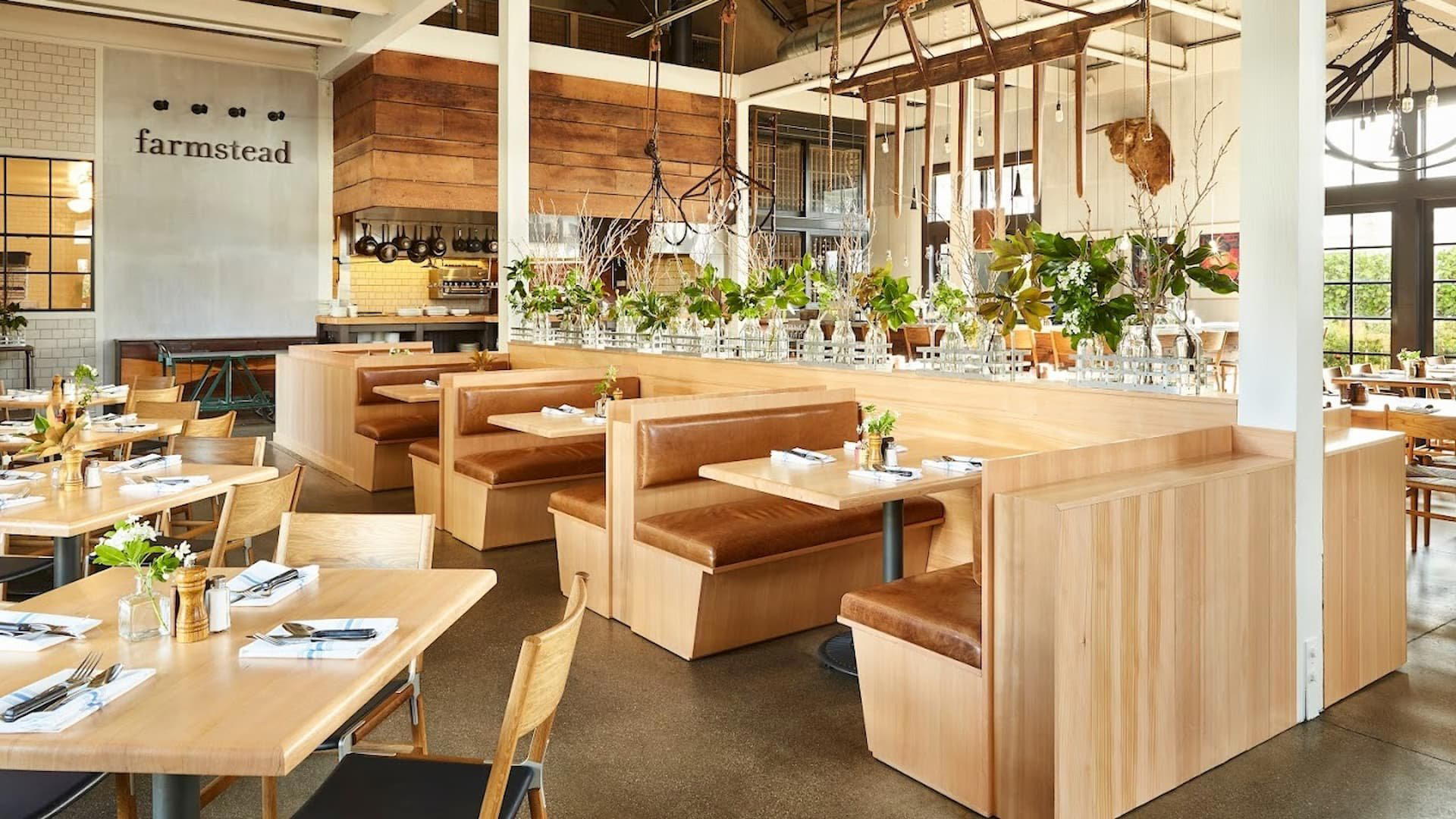
The building itself is a converted warehouse with the structural bones still visible: open ceiling, industrial framework, natural light coming through large windows facing the waterfront. This is a format that has worked in food-hall culture globally because the architecture communicates informality even when the produce or products being sold are far from casual. The physical scale allows vendors to operate with dedicated equipment and display, which matters for the quality signal each stall can credibly project. For context, food halls in this warehouse-conversion format have produced some of the more serious independent food businesses in American cities over the past two decades, partly because the lower overhead relative to a standalone restaurant allows vendors to invest more in sourcing and product quality.
How Oxbow Fits the Napa Visitor Day
Dominant Napa itinerary is winery-focused: morning tasting, lunch, afternoon tasting, dinner reservation. Oxbow sits most naturally in the morning or early afternoon window, when structured restaurant options are thinner and visitors are assembling their orientation to the valley before the day's formal programming begins. It is also a logical stop after a winery visit if the destination is one of the downtown Napa producers rather than the further reaches of Rutherford or Calistoga.
Vendor mix at a market of this type typically covers coffee, artisan cheese, charcuterie, oysters, prepared food, and specialty wine and spirits retail. This range makes the market useful both for immediate consumption and for building a picnic or a gift purchase with genuine regional specificity, the kind of sourcing you cannot replicate at a general food retailer. In Napa's case, where the surrounding agricultural output spans wine grapes, olive oil, stone fruit, and dry-farmed produce, a market format has particular logic as a distribution point for things that don't easily reach conventional retail.
Visitors planning a single day in Napa who want to understand the valley's food culture beyond the restaurant format would find more concentrated exposure here than at most alternatives in the downtown area. The same agricultural relationships that underpin places like Single Thread Farm in Healdsburg or Blue Hill at Stone Barns in the broader American farm-to-table tradition manifest, in a more accessible register, in markets like this one.
Napa in Context: Where the Market Format Sits
American food-hall culture has diversified considerably. At one end, there are large-format tourist markets where the vendor quality is uneven and the experience is closer to airport retail than to serious food. At the other end, smaller curated markets have become incubator spaces for independent producers who go on to wholesale or standalone restaurant formats. Oxbow has operated long enough in the Napa market to sit credibly in the latter category, having attracted vendors with genuine regional credentials rather than generic offerings scaled for visitor volume.
The comparison set for a market visit in the Bay Area and Wine Country region would include the Ferry Building Marketplace in San Francisco, which operates on a similar vendor-collective model with a strong emphasis on Northern California producers. Both share a farmer's market component and a mix of prepared food and specialty retail. For visitors moving between San Francisco and Napa, the contrast between the two is instructive: the Ferry Building operates at larger scale and with greater vendor diversity; Oxbow is more compressed and more directly tied to the immediate valley context. Neither competes with the formal dining category represented by places like Lazy Bear in San Francisco or the tasting-menu tier more broadly.
For visitors building a longer Wine Country itinerary that extends beyond Napa, markets and food halls in this format appear across the region but rarely with the direct agricultural specificity that Napa's density of producers enables. The valley's concentration of winemakers, cheesemakers, and specialty food producers within a relatively compact geography gives a Napa market an ingredient supply that similar formats in less agriculturally dense regions cannot easily replicate.
Planning a Visit
Oxbow Public Market operates as a walk-in destination with no reservation requirement, which is the format's primary practical advantage over the dining category it sits alongside. Individual vendor hours vary, and the market draws its heaviest traffic on weekend mornings when the adjoining outdoor farmer's market is also active. Weekday mornings are quieter. The address at 610 First Street is accessible from downtown Napa on foot if you are staying in the city center, or a short drive from most valley accommodation.
Visitors with more formal dining on the itinerary, whether at The French Laundry, the American comfort cooking of Ad Hoc, or the broader range covered in our full Napa restaurants guide, will find Oxbow most useful as a daytime counterpoint rather than an alternative to those evenings. The market format and the tasting-menu format are not in competition. They are addressed to different moments in the same day.
Frequently asked questions
Where is Oxbow Public Market in Napa?
Oxbow Public Market is located at 610 1st St, Napa, CA 94559, Napa.
Is Oxbow Public Market worth visiting without a winery itinerary planned?
Yes, the market at 610 1st St, Napa operates independently of Napa Valley's winery circuit and requires no pre-booked itinerary. It sits within the downtown Napa pedestrian zone near the Napa River, making it a self-contained stop for anyone spending time in the city rather than the surrounding valley. The walk-in format means it absorbs unplanned visits more readily than anywhere else in Napa's food scene.
What's the signature dish at Oxbow Public Market?
Oxbow doesn't operate as a single kitchen, so there's no single signature dish. The market at 610 1st St, Napa houses multiple independent vendors, each with their own specialties, meaning the answer depends on which stall you're standing in front of. Oysters, charcuterie, and locally sourced produce are recurring themes across vendors given Napa's agricultural surroundings.
Is Oxbow Public Market reservation-only?
No. Oxbow Public Market is a walk-in destination, which sets it apart from the reservation-dependent tasting menus and white-tablecloth restaurants that define most of Napa's dining scene. You can arrive at 610 1st St without advance planning and move between vendors at your own pace.
What's Oxbow Public Market best at?
Oxbow functions as the most accessible entry point into Napa's food culture, particularly for mornings or mid-day visits that fall outside a formal restaurant booking. The multi-vendor format at the First Street address lets visitors sample across categories, from wine to artisan food goods, without committing to a single prix-fixe format.
Can Oxbow Public Market adjust for dietary needs?
Because Oxbow houses independent vendors rather than a single kitchen, dietary flexibility is handled vendor by vendor rather than through one central service. Visitors with specific requirements can move between stalls and select accordingly, which gives the market format a practical advantage over fixed tasting menus where course substitutions are limited.
The Short List
Comparable venues nearby, for context on price, style, and recognition.
| Venue | Cuisine | Price | Notes |
|---|---|---|---|
| Oxbow Public MarketThis venue (the venue you are viewing) | American Market Hall | $20–30 | Not listed |
| Southside Carneros | California Cafe with Latin Influence | Not listed | Carneros, California Cafe with Latin Influence |
| Alexis Baking Company | American Bakery Cafe | Not listed | downtown napa, American Bakery Cafe |
| Squeeze Inn Hamburgers | Cheese Skirt Burgers | $10–20 | Napa, Cheese Skirt Burgers |
| Brix | Not listed | Not listed | Oakville, Farm-to-Table California with French and Italian Influences |
| Bear | Modern American Grill with Global Influences | Not listed | Carneros, Modern American Grill with Global Influences |
Continue exploring
More in Napa
Restaurants in Napa
All restaurants in Napa →

Bars in Napa
All bars in Napa →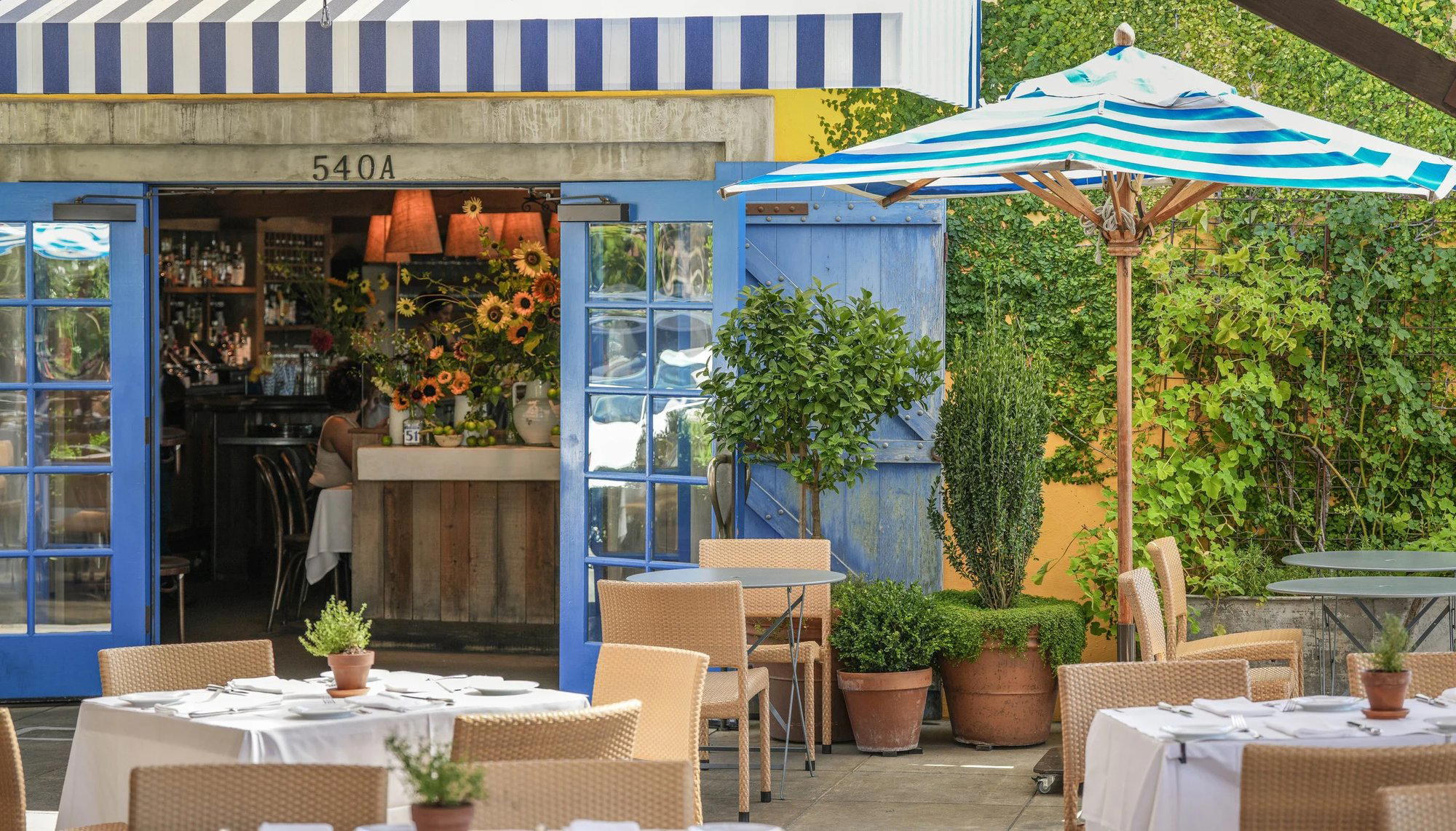





Details
- Lively
- Rustic
- Trendy
- Energetic
- Casual Hangout
- Family
- Brunch
- Open Kitchen
- Extensive Wine List
- Farm To Table
- Local Sourcing
- Organic
- Street Scene
- Waterfront
- A La Carte
- Small Plates
- Wine
- Craft Cocktails
- Vegetarian Friendly
Current opening hours
- Monday
- 7 AM–9 PM
- Tuesday
- 7 AM–9 PM
- Wednesday
- 7 AM–9 PM
- Thursday
- 7 AM–9 PM
- Friday
- 7 AM–9 PM
- Saturday
- 7 AM–9 PM
- Sunday
- 7 AM–9 PM
Hours can change for holidays and private events. Hours as of .
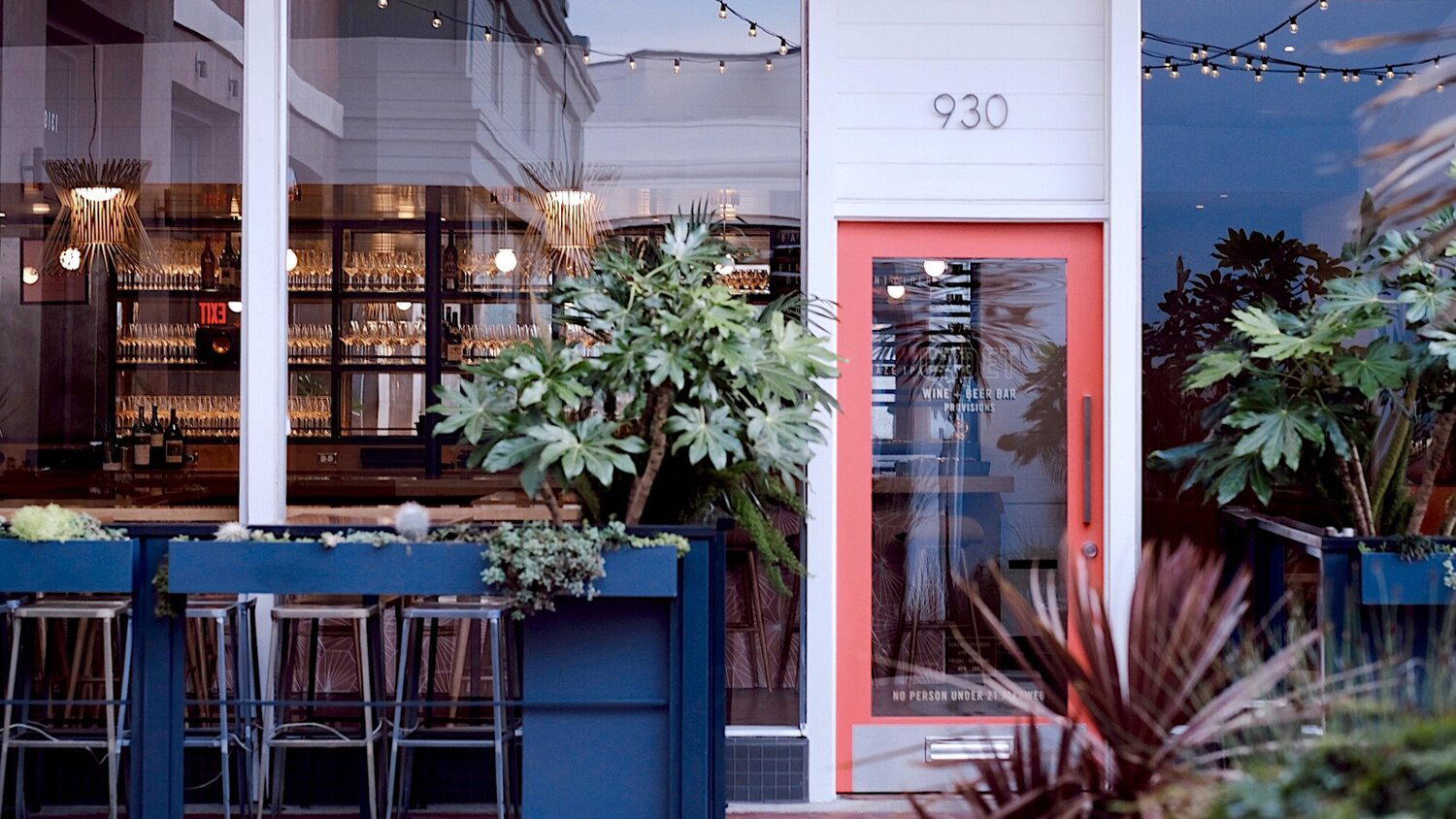
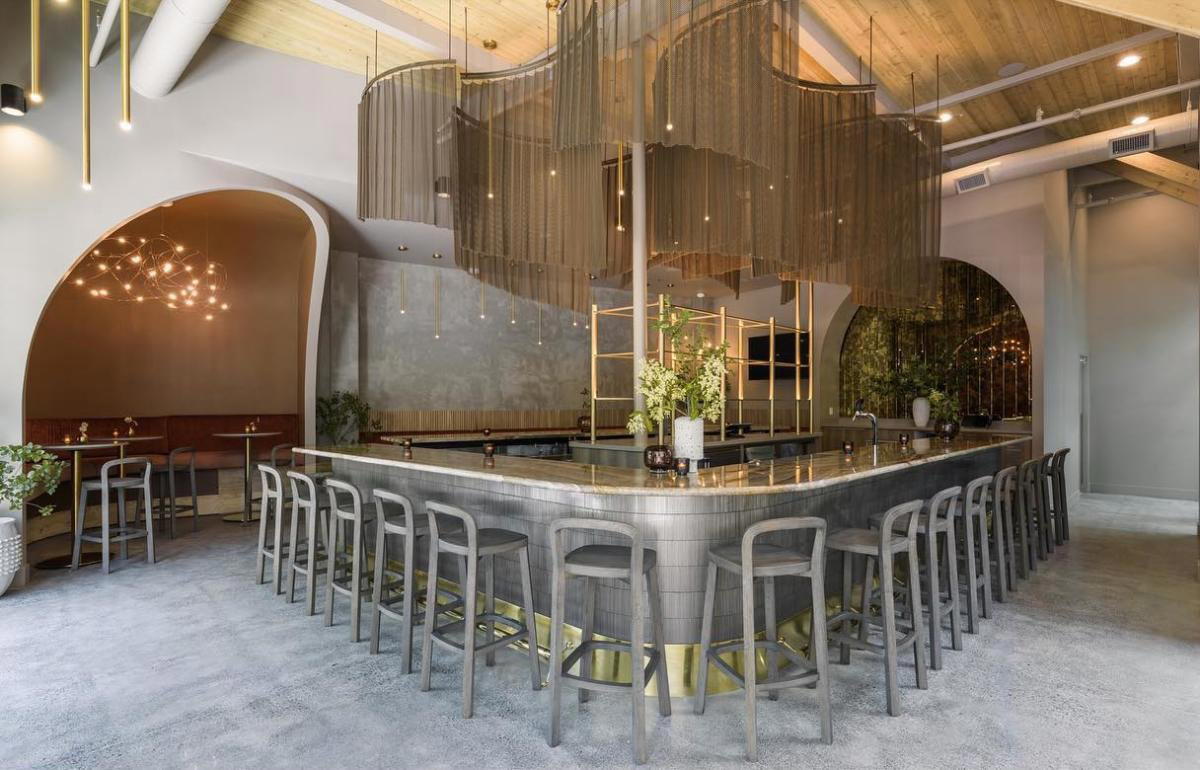
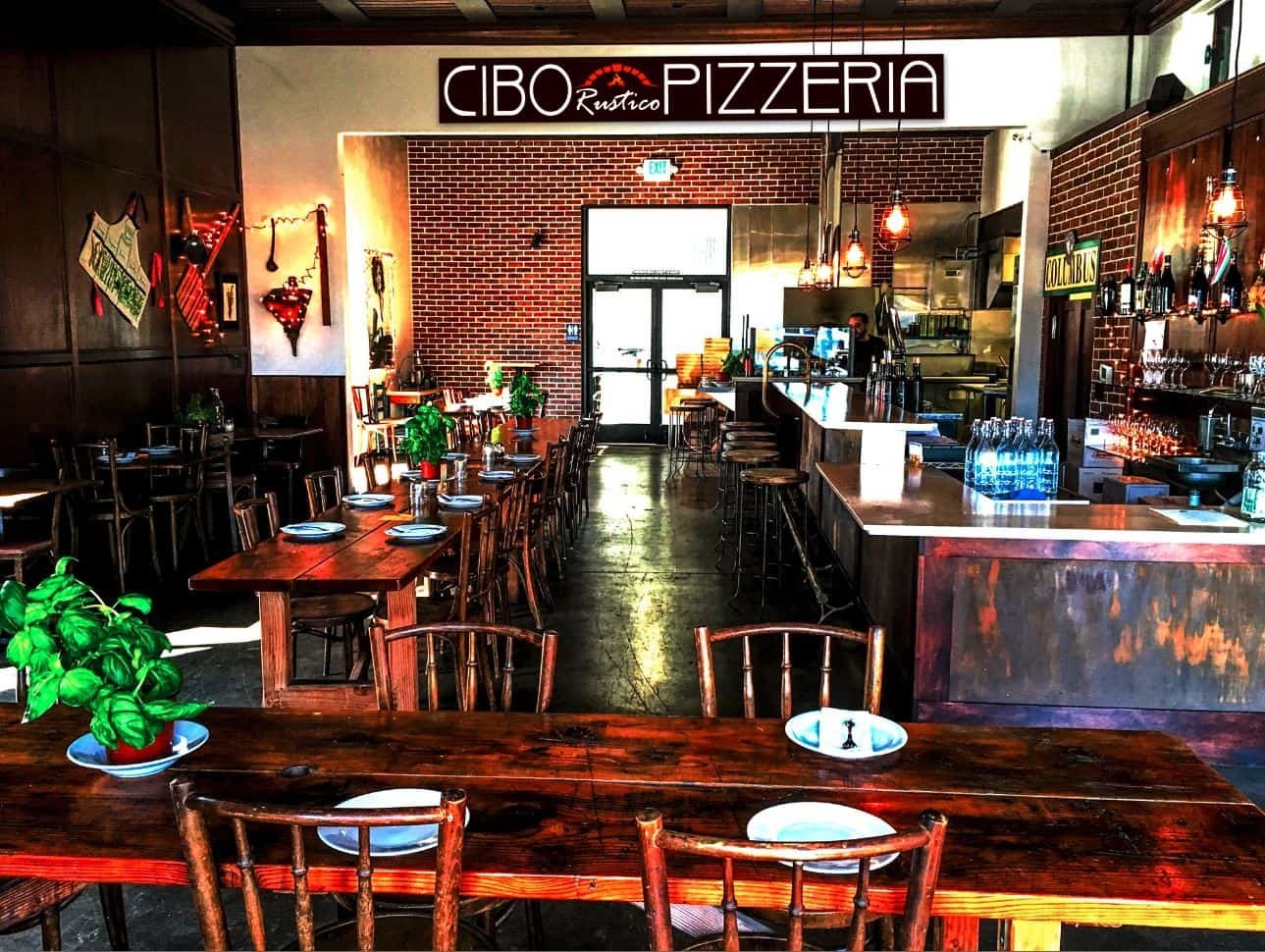
Air y, open-concept space in a historic 1930s building with a friendly, bustling foodie atmosphere well-suited for casual hangouts and lively gatherings.