Located on Via Europa in the centre of Bruneck, Blitzburg sits within one of South Tyrol's most distinctive dining scenes, where Austrian culinary traditions meet northern Italian produce culture. The town draws visitors looking for an alternative to the region's high-end tasting-menu circuit, and Blitzburg occupies a place in that more accessible tier of the local offer. For context on the wider Bruneck dining picture, see our full city guide.
Pearl is the En Primeur Club membership app — saves, bookings, and concierge access live there. Same editors, same standards.
- Address
- Via Europa, 10, 39031 Brunico BZ, Italy
- Phone
- +39474555723
- Website
- blitzburg.it
- Directions
- Get directions
 Saves & bookings on Pearl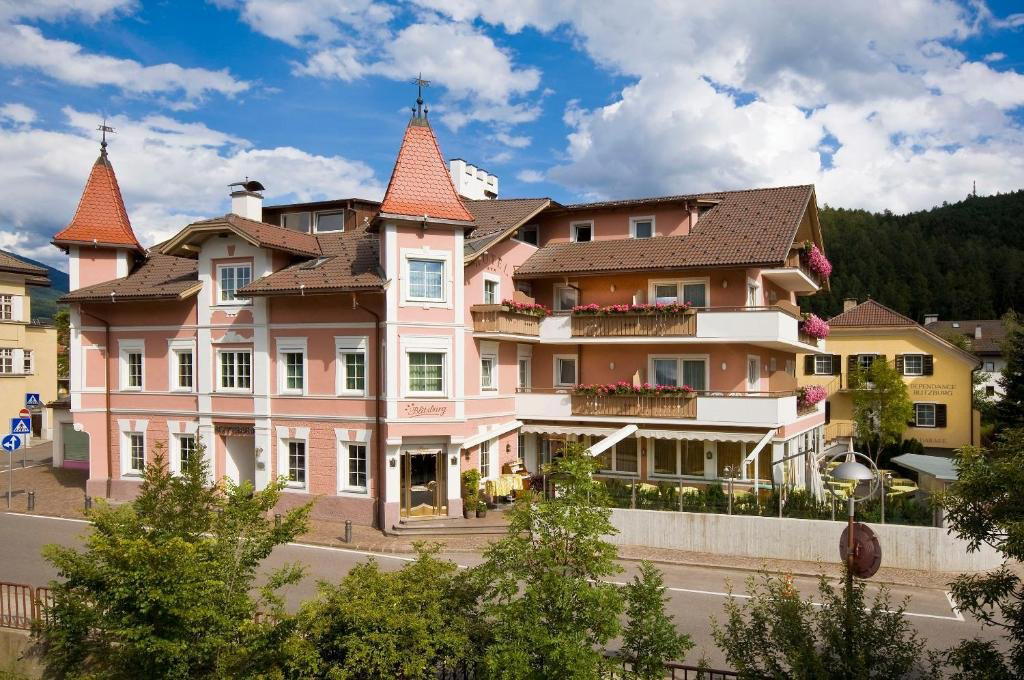
Where South Tyrol's Two Culinary Traditions Meet on a Single Street
Bruneck sits in the Puster Valley at an altitude where the food culture operates differently from the rest of Italy. The town is historically bilingual, administratively Italian but culturally and linguistically Tyrolean, and that duality runs through its restaurants in ways that are visible even at the level of a menu's section headings. Dishes that appear in Vienna's Beisl circuit turn up alongside preparations rooted in northern Italian technique, often on the same table, sometimes in the same bowl. This is not fusion in any self-conscious sense. It is simply what happens when a community has been feeding itself at a Habsburg-Alpine crossroads for several centuries.
Blitzburg, at Via Europa 10, occupies this context directly. The address places it on one of Bruneck's main arteries, accessible from the old town centre on foot, and that positioning matters: the Via Europa corridor tends toward everyday dining rather than destination eating, which means the clientele skews local rather than tourist-led. In a small city of around 15,000 residents, restaurants that survive on a local customer base operate under a different kind of scrutiny than venues that rotate through seasonal visitors.
The Tyrolean Table: A Culinary Tradition Built for Altitude
To understand where Blitzburg fits, it helps to understand what South Tyrolean food actually is. The region's cooking evolved under conditions of altitude, cold winters, and limited growing seasons, producing a cuisine that prizes preservation, fat, and grain. Speck, the cured and cold-smoked pork leg that carries a Protected Geographical Indication status, is the region's most exported product, but the broader tradition includes rye-based dumplings (Schwarzbrotknödel), barley soups, aged cheeses from mountain dairies, and the full range of Austrian pastry culture that arrived with the empire and never left.
That culinary inheritance sits in productive tension with the Italian produce culture that flows north from the Adige Valley. South Tyrol supplies a significant share of Italy's apple harvest and has built a serious wine-growing identity, particularly around Pinot Grigio, Gewürztraminer, and Lagrein. The result, for any restaurant operating in Bruneck, is access to an unusually coherent regional larder: Alpine proteins and grains on one side, Italian-inflected fruit and vine on the other.
The high end of the local dining scene is anchored by Atelier Moessmer Norbert Niederkofler in Brunico, which has built an international reputation on a strictly local sourcing philosophy. That model, produce-first and altitude-aware, has helped define how outside visitors read the region's food identity. But not every table in Bruneck operates at that register, nor should it. The town's dining offer works because it includes registers from quick-service Alpine taverns through to the kind of mid-market sit-down operations that anchor everyday life in a small Italian city.
Bruneck's Mid-Tier Dining Circuit
The mid-tier of Bruneck's restaurant scene is where most of the town's food culture actually lives. This is the tier that feeds residents through working weeks, where wine lists default to local Alto Adige producers, and where the kitchen's relationship to season is practical rather than philosophical. Venues like b.local – bruneck and Steakhouse Hardimitz'n occupy this space alongside Blitzburg, each with a slightly different format and clientele, collectively forming the texture of the town's daily dining life.
Within Italy's broader fine-dining geography, Bruneck is a long way from the concentrated high-achievement clusters of Emilia-Romagna, Lombardy, or the Amalfi Coast. Houses like Osteria Francescana in Modena, Dal Pescatore in Runate, and Piazza Duomo in Alba operate at a scale of recognition and investment that belongs to a different competitive category entirely. Even within the northern Italian circuit, venues such as Le Calandre in Rubano, Casa Perbellini 12 Apostoli in Verona, and Da Vittorio in Brusaporto are drawing from much larger urban catchments. Bruneck's restaurants, including Blitzburg, are doing something structurally different: serving a small, year-round community with genuine regional identity rather than competing for destination-dining attention.
That is not a diminishment. Particularly coherent regional cooking in Italy happens in exactly this kind of mid-market, community-embedded context. The pressure to perform for outside critics can distort a kitchen's priorities; the pressure to keep local regulars returning tends to keep food honest.
Italian Regional Dining at the Alpine Fringe
The broader Italian fine-dining circuit has spent the past decade interrogating what regional identity actually means at the highest levels of technique and ambition. Reale in Castel di Sangro, Uliassi in Senigallia, and Quattro Passi in Marina del Cantone all represent versions of that project: kitchens deeply rooted in a specific geography, using that rootedness as the basis for serious technical work. In northern Italy, the same question gets asked from urban centres: Enrico Bartolini in Milan, Enoteca Pinchiorri in Florence, and Villa Crespi in Orta San Giulio operate with different geographic pressures but the same underlying inquiry into what Italian cooking means when it reaches for precision.
South Tyrol sits outside most of those conversations, partly because the region's culinary identity is harder to place within Italy's own self-narrative, and partly because the language and cultural references read as Central European to Italian critics and Italian to Austrian ones. That ambiguity has kept the region somewhat underwritten in English-language food media, which makes local knowledge more valuable rather than less. For visitors approaching the region for the first time, our full Bruneck restaurants guide maps the town's dining options with more granularity than any single venue profile can provide.
Planning a Visit to Blitzburg
Blitzburg is located at Via Europa 10, Bruneck (Brunico), in the Bolzano province of South Tyrol, approximately in the centre of the Puster Valley corridor. The address is walkable from the old town and accessible by car, with Bruneck's main train station connecting to Bolzano via the Puster Valley railway line, which runs regular services through the valley. Bolzano itself connects to the main Italian rail network and to Innsbruck in Austria.
Cost and Credentials
Comparable venues nearby, for context on price, style, and recognition.
| Venue | Cuisine | Price | Notes |
|---|---|---|---|
| BlitzburgThis venue — the venue you are viewing | Not listed | $$ | Not listed |
| b.local – bruneck | Bruneck, Modern South Tyrolean Italian | $$$ | Not listed |
| Steakhouse Hardimitz'n | Riscone, Alpine Steakhouse & Pizzeria | $$$ | Not listed |
| Plazores | San Vigilio, Rustic Ladin-Italian | $$ | Not listed |
| Winklerhof | Villanders, South Tyrolean Farm-to-Table | $$ | Not listed |
| Karrner | Not listed | $$ | historic center, South Tyrolean Italian Tapas |
Continue exploring
More in Brunico
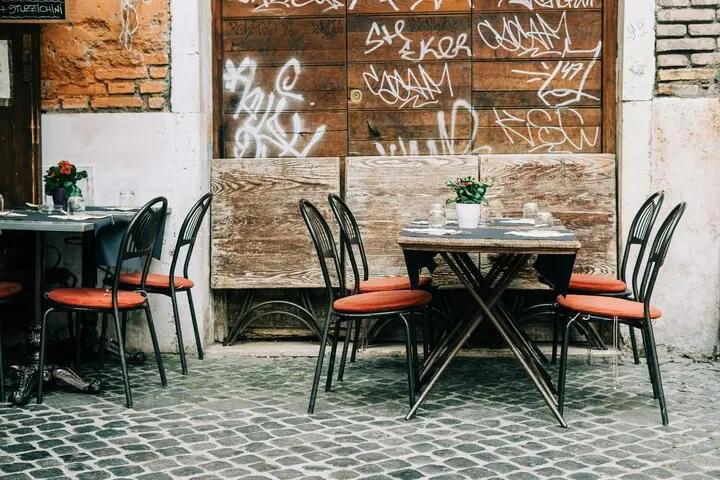
Restaurants in Brunico
Browse all →
Bars in Brunico
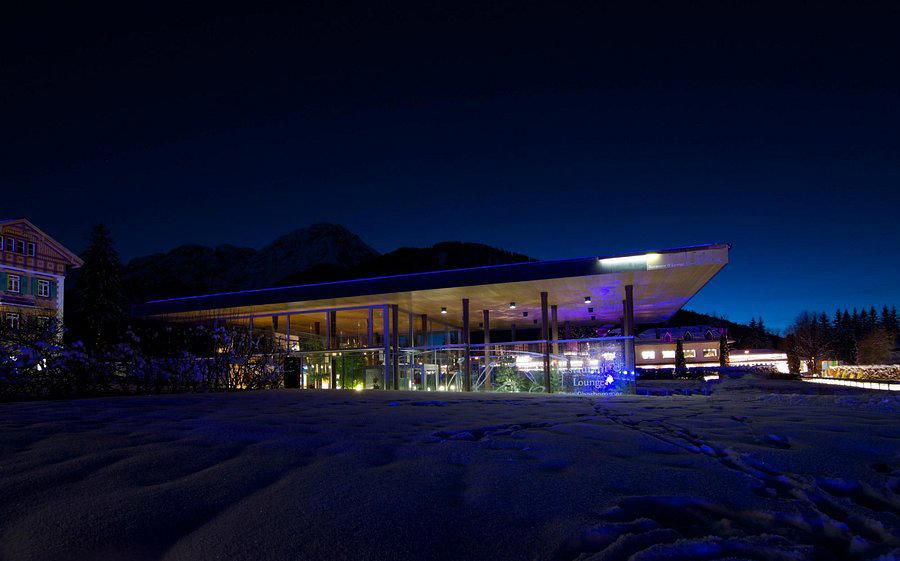
Browse all →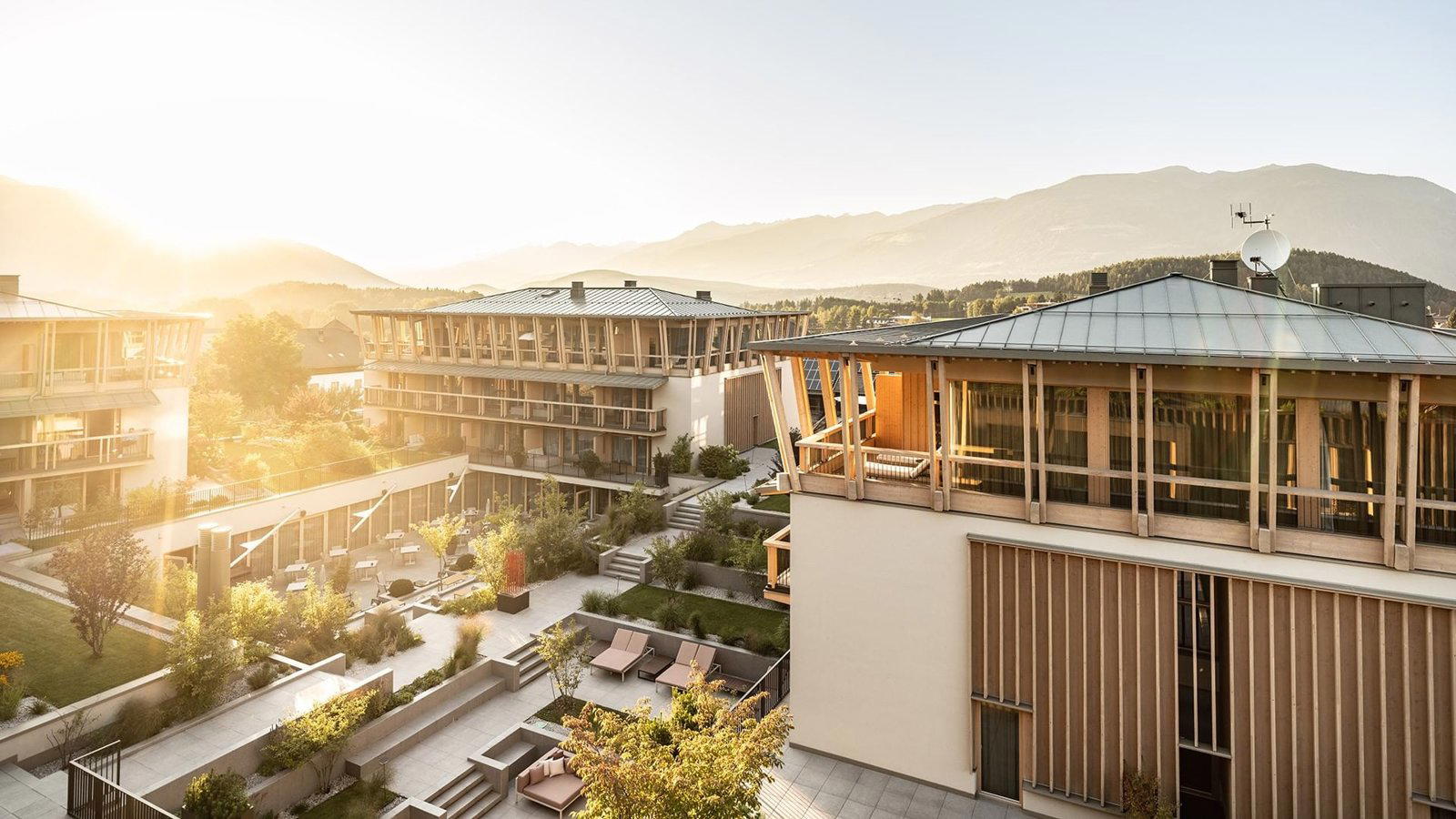
Hotels in Brunico
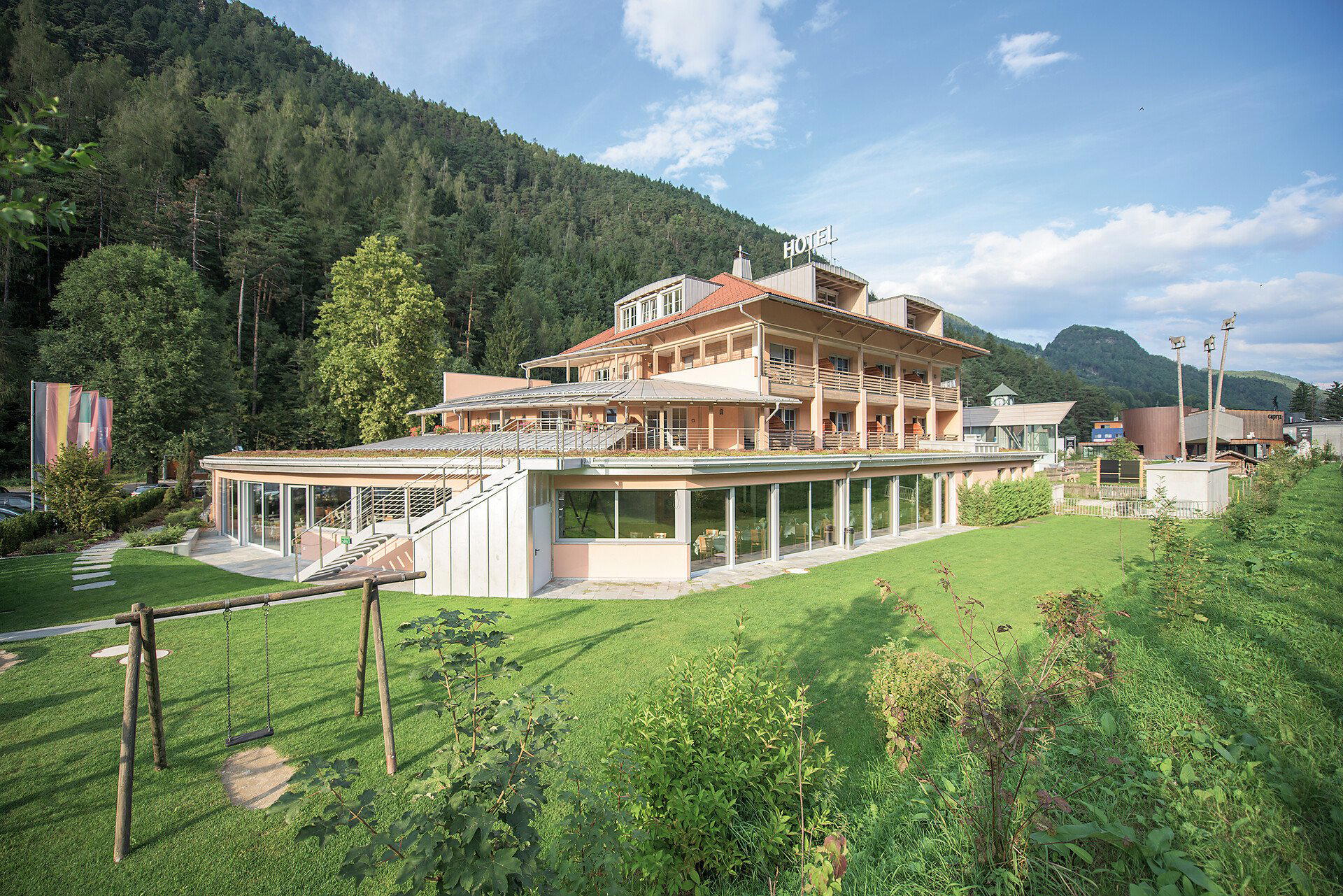
Browse all →

At a Glance
- Cozy
- Rustic
- Classic
- Family
- Business Dinner
- Casual Hangout
- Terrace
- Extensive Wine List
- Mountain
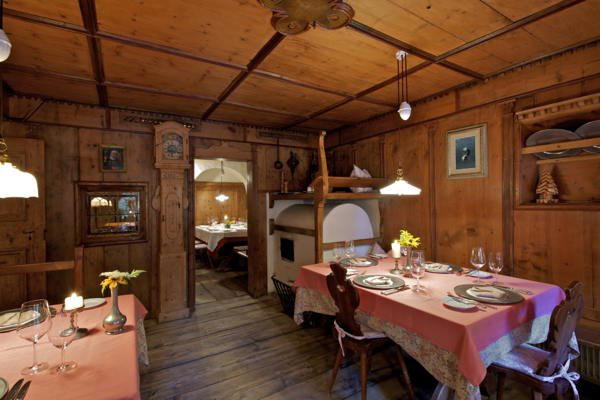
Comfortable dining hall and farmhouse parlor with warm, traditional South Tyrolean atmosphere.