Bleu Bohème
Bleu Bohème on Adams Avenue occupies a different register from San Diego's French-leaning fine dining tier, trading grand gestures for the kind of neighbourhood intimacy that keeps locals returning. Where restaurants like Addison operate at the city's formal ceiling, Bleu Bohème sits in a more accessible French-bistro tradition, grounded in the kind of market-driven cooking that Southern California's produce calendar makes particularly well-suited.
Pearl is the En Primeur Club membership app — saves, bookings, and concierge access live there. Same editors, same standards.
- Address
- 4090 Adams Ave, San Diego, CA 92116
- Phone
- +1 619 255 4167
- Website
- bleuboheme.com
- Directions
- Get directions
 Saves & bookings on Pearl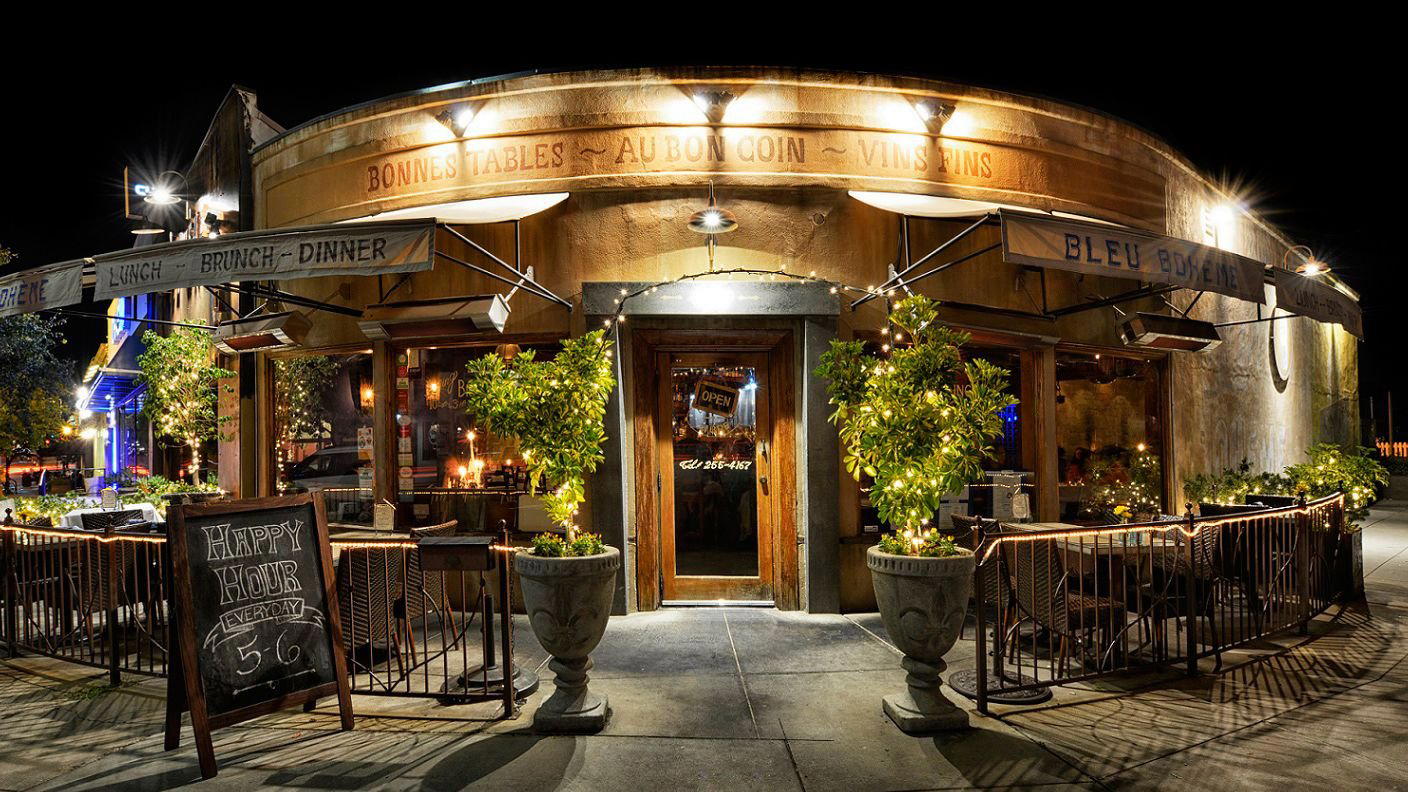
Adams Avenue and the Neighbourhood Bistro Tradition
San Diego's dining identity has long been pulled between its Pacific-facing produce abundance and the European techniques that arrived with successive waves of classically trained cooks. The result, across the city's better neighbourhood restaurants, is a cooking style that doesn't announce itself with the formality of, say, Addison's French Contemporary format, but operates instead in a quieter register: French method applied to California ingredient logic. Adams Avenue in Kensington is precisely the kind of street where that approach finds its most comfortable expression. The neighbourhood, one of San Diego's older residential corridors, has accumulated a bar and restaurant culture built less around destination dining and more around the kind of place you return to on a Tuesday without booking three weeks ahead.
Bleu Bohème sits within that tradition. The address, 4090 Adams Ave, places it inside a walkable stretch of independent businesses that have defined Kensington's character for decades. In a city where newer restaurant openings tend to cluster in East Village, Little Italy, or along the North Park axis, Kensington operates at a slight remove from trend cycles, which is part of what allows a bistro format like Bleu Bohème's to feel rooted rather than dated.
Where the Technique Meets the Produce
One instructive way to understand the French bistro's position in the American West is through the lens of what Southern California gives its kitchens to work with. The produce calendar here runs longer than almost anywhere else in the continental United States. Stone fruit, citrus, coastal vegetables, and locally fished species arrive at a quality that kitchens in colder climates spend considerable effort sourcing from distance. The classic French bistro mode, built around clean execution and tight technique, is better suited to this kind of ingredient abundance than to the butter-dependent richness that originally defined it in its Parisian form.
This is the tradition that restaurants like Frasca Food and Wine in Boulder and Providence in Los Angeles have engaged at their respective price tiers. Bleu Bohème operates in a more accessible register than either, but the underlying tension between imported method and local material is the same. Where Blue Hill at Stone Barns in Tarrytown makes the farm-to-technique relationship its explicit editorial statement, and where Single Thread Farm in Healdsburg formalises it into a destination experience, the neighbourhood bistro absorbs that logic into everyday operations without foregrounding the concept.
In San Diego specifically, that contrast is worth holding in mind. Soichi, the city's most decorated Japanese counter, works an analogous dynamic in its own culinary tradition: Japanese precision applied to Pacific ingredients. What differs is the register of ambition and the price tier at which that conversation takes place.
The Bistro as Format, Not Just Category
The French bistro format has been under pressure in American cities for the better part of two decades. Casualisation at one end and the premium New American wave at the other squeezed the mid-range bistro out of many markets where it had previously anchored neighbourhood dining. San Diego's Gaslamp and Little Italy corridors reflect that pressure in their menu structures: many nominally European restaurants have migrated toward shareable plates and abbreviated wine programs that owe more to the cocktail bar than to the bistro tradition.
Kensington's relative insulation from those trend cycles is part of what makes the Adams Avenue strip a useful counter-example. The bistro format, when it holds in a neighbourhood context, delivers something that neither the upscale tasting menu nor the casual wine bar fully replicates: a sustained sit-down meal at a price point that doesn't require the occasion to justify the spend. For comparison, the tasting menus at The French Laundry in Napa or The Inn at Little Washington operate at a register where the meal itself becomes the event. The neighbourhood bistro operates on different logic: the food should be good enough that the meal requires no further justification, but relaxed enough that no one arrives having researched the chef's lineage.
San Diego's French-Influenced Dining in Context
It is worth placing Bleu Bohème against the broader San Diego picture. The city's most formally ambitious French-leaning cooking happens at Addison in Del Mar, which holds Michelin recognition and prices against national peer counters. Below that tier, French influence in San Diego tends to appear as technique woven into broader menus rather than as a standalone identity: beurre blanc finishes on fish dishes, classical stocks underneath California-forward preparations, charcuterie in the style of Lyon appearing alongside locally sourced accompaniments.
Venues like 1450 El Prado and 777 G St engage with San Diego's dining culture from their respective positions within Balboa Park and the downtown corridor. 94th Aero Squadron represents the city's older hospitality layer, where the experience frame precedes the food conversation. The restaurant occupies a different position entirely: a residential neighbourhood, a bistro format, and a cooking approach that sits closer to the European model than most of its Adams Avenue neighbours.
For readers tracking how French technique has dispersed across American dining, the comparison class extends beyond San Diego. Le Bernardin in New York City and Smyth in Chicago represent what happens when that technique is pushed toward its formal ceiling. Lazy Bear in San Francisco translates it into a communal tasting format. Atomix in New York City and Atelier Moessmer Norbert Niederkofler in Brunico represent the global range of what technique-led fine dining looks like at its most developed. Emeril's in New Orleans traces a different American lineage, where French training was absorbed into a regional vernacular over generations. The bistro model that restaurant occupies is neither the apex of that tradition nor a departure from it, but rather the point where European method settles into everyday American life.
Planning a Visit
The restaurant is located at 4090 Adams Ave in the Kensington neighbourhood, a short drive or rideshare from downtown San Diego and the Balboa Park area. The Adams Avenue corridor is walkable once you arrive, with parking generally available along the surrounding residential streets. For broader context on where the restaurant fits within the city's dining range, see our full San Diego restaurants guide.
The Short List
Comparable venues nearby, for context on price, style, and recognition.
| Venue | Cuisine | Price | Notes |
|---|---|---|---|
| Bleu BohèmeThis venue — the venue you are viewing | Not listed | $$$ | Not listed |
| Saint James French Diner | Downtown, French Bistro Diner | $$ | Not listed |
| La Bonne Table | Uptown, Classic French Bistro | $$ | Not listed |
| Wormwood | Not listed | $$$$ | North Park, French Bistro with Mexican Twists |
| insideOUT | Uptown, California-Mediterranean | $$$ | Not listed |
| KOMATSUYA japanese cuisine & sushi | Uptown, Kaiseki-Style Japanese Omakase | $$$ | Not listed |
Continue exploring
More in San Diego
Restaurants in San Diego
Browse all →
Bars in San Diego
Browse all →
At a Glance
- Cozy
- Romantic
- Rustic
- Bohemian
- Intimate
- Date Night
- Special Occasion
- Extensive Wine List
- Local Sourcing
Current opening hours
- Monday
- Closed
- Tuesday
- 5–8 PM
- Wednesday
- 5–8 PM
- Thursday
- 5–8 PM
- Friday
- 5–9 PM
- Saturday
- 5–9 PM
- Sunday
- Closed
Hours can change for holidays and private events. Last verified .
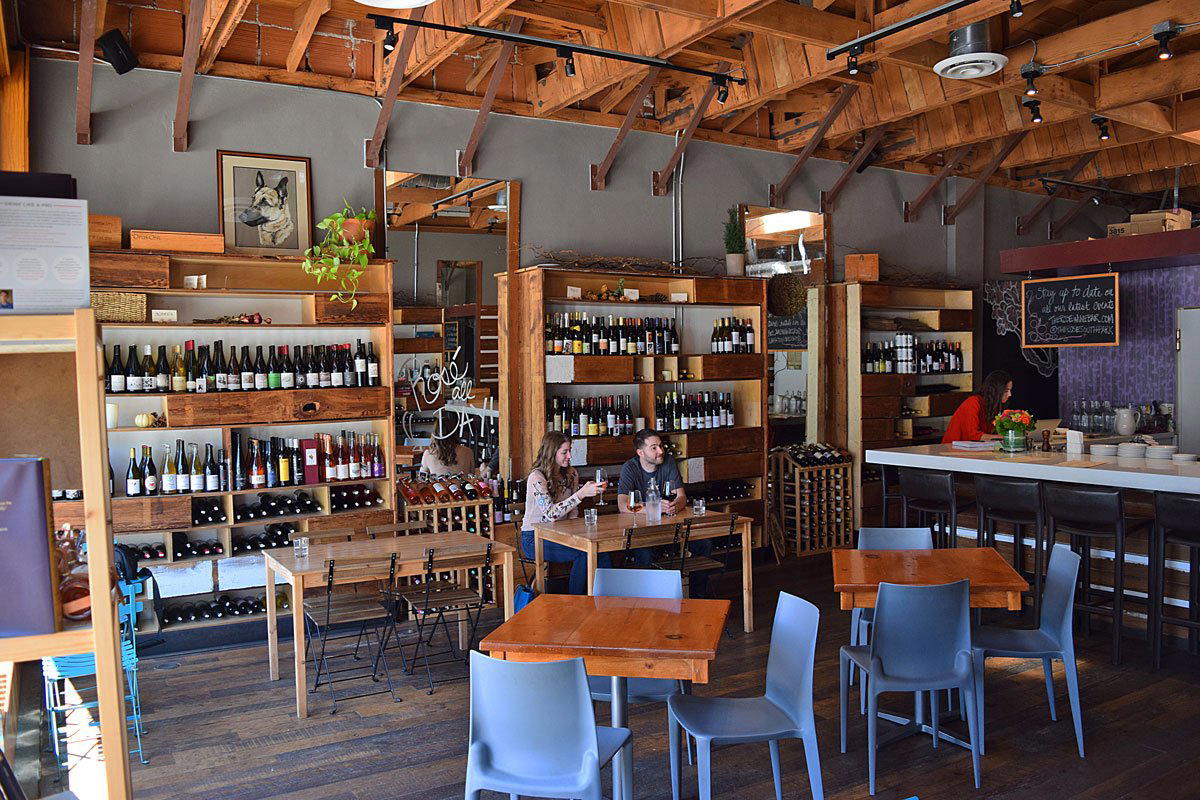
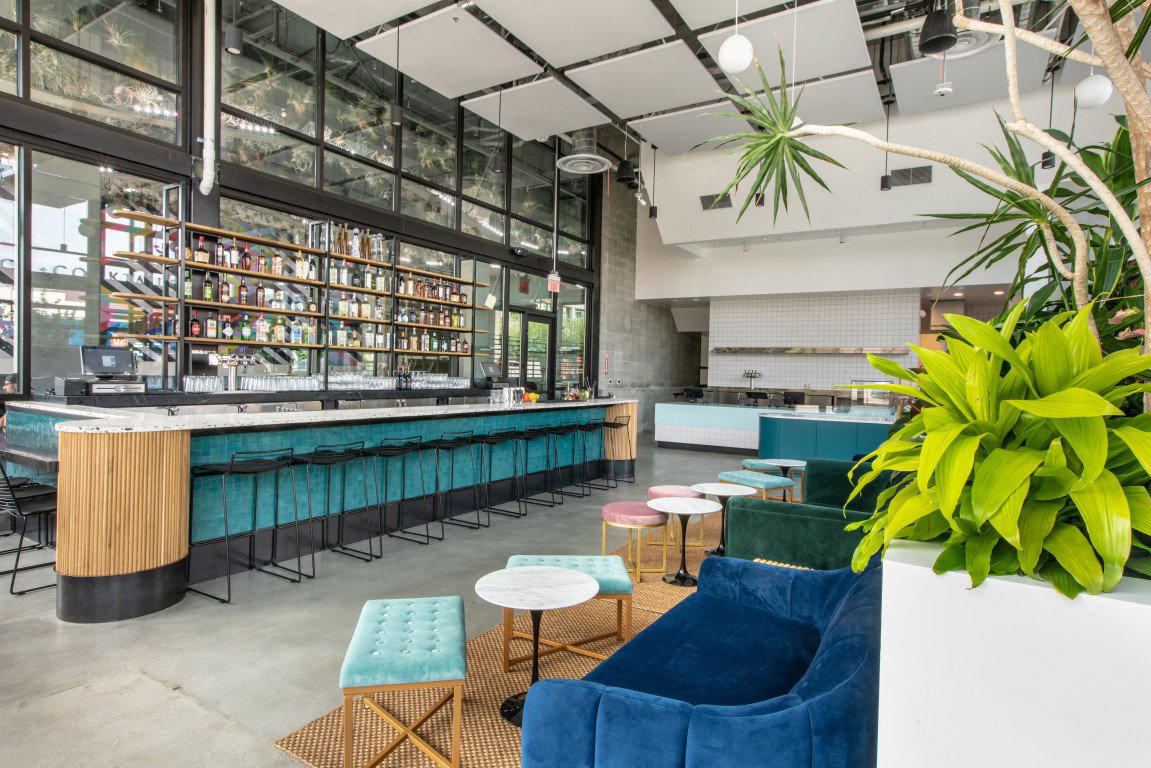
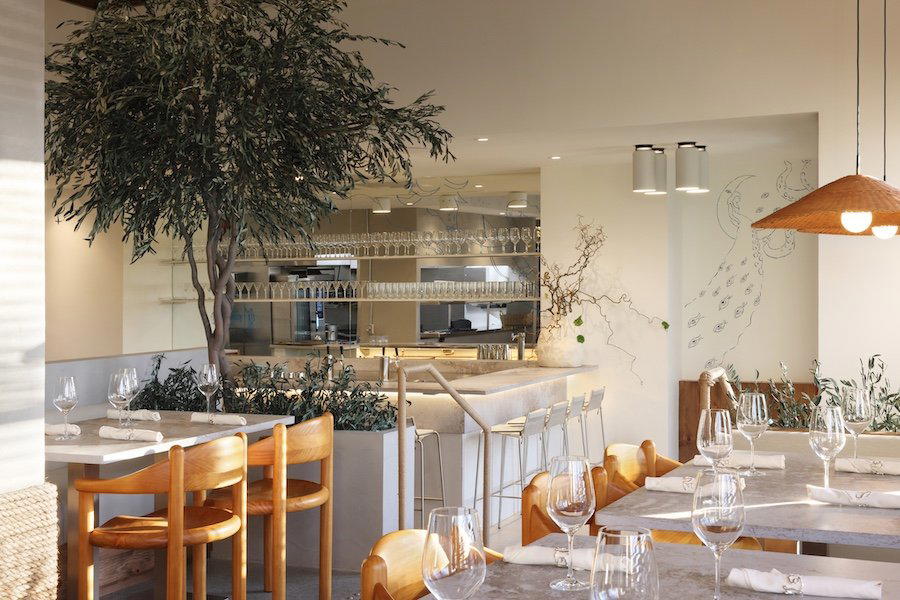
Warm and inviting with rustic decor blending Bohemian free-spirited Paris and rural French traditions.