Blandford Comptoir



Star Wine List · The Good Food Guide GFG Good · World's Best Wine Lists Awards WBWL 3-Star
Our verdict
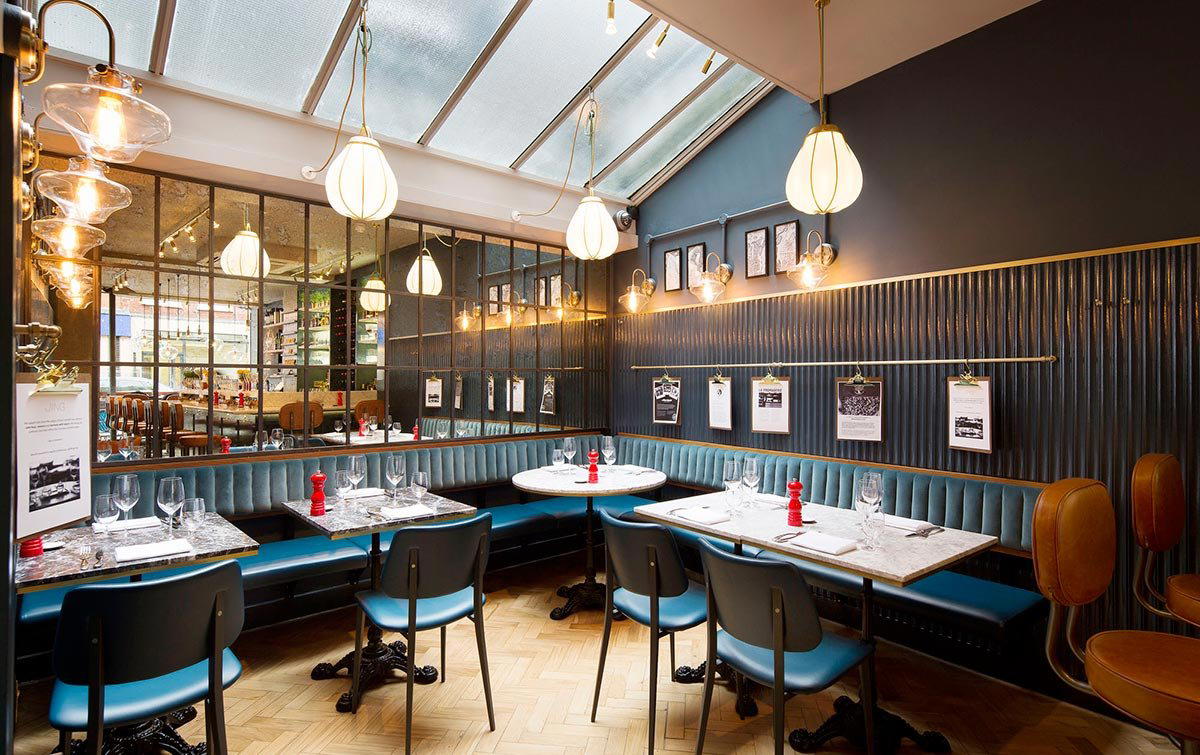
A Marylebone neighbourhood institution with deep French roots, Blandford Comptoir trades in convivial bistro cooking, a Rhône-weighted wine list, and a room that feels simultaneously squeezed and generous. Xavier Rousset's address on Blandford Street sits apart from the formal dining circuit, offering sharing plates, côte de boeuf, and by-the-glass selections that reward those who linger over the separately printed glass list.

Pearl is the En Primeur Club membership app, where members save venues, book tables and use the concierge.
The menu
What to order
- Courgette flower stuffed with goat curd
- Cep risotto
A Street That Sets the Tone
Blandford Street occupies a particular register in Marylebone's dining geography. It is a step removed from the polish of Marylebone High Street without falling into the anonymity of the surrounding grid, and the restaurants and wine bars that have settled here tend toward the neighbourhood-first rather than the destination-driven. Blandford Comptoir fits that pattern precisely: the frontage is modest, the interior compact, and the implicit proposition is a long evening with good wine rather than a performance-led meal timed by a kitchen's ambition.
That positioning matters in the context of London's broader bistro revival. The city has spent the better part of a decade pulling apart the old French brasserie format and rebuilding it in various guises, from the natural-wine-bar model to the neo-Parisian bouchon. Blandford Comptoir belongs to neither camp. It operates closer to the old-school French neighbourhood bistro tradition: tables pressed together in a higgledy-piggledy arrangement of spaces, staff with a keyed-up Gallic energy, and a wine list that reads like an argument for the Rhône Valley's place at the centre of serious drinking.
How the Meal Moves
The editorial angle here is sequence, and the menu is structured to reward those who work through it rather than graze. The sharing-plate format that defines the opening acts of the meal functions as a social contract between the kitchen and the table. A baked Camembert with onions and pancetta is the kind of opening that signals intent clearly: this is not a kitchen interested in architectural plating. It is interested in flavour calibration and the mechanics of a good evening.
From that communal start, the meal progresses toward more individual plates that demonstrate a wider register. A chicken and chanterelle tart, described in the venue's own record as 'positively blitzed with capers,' represents the kind of dish that the bistro tradition handles better than almost any other format: ingredients with strong individual character brought into productive tension through assembly rather than transformation. The caper note against the earthiness of chanterelle is a pairing that requires confidence and restraint in equal measure.
Further along, the kitchen's range becomes clearer. A juniper-cured sea trout in teriyaki dressing with ultra-ripe mango reads as an off-piste move within a broadly French-Mediterranean framework. The teriyaki and mango combination sits outside the bistro canon but works as evidence that the cooking here is not rigidly encyclopaedic. It absorbs influences without losing its centre of gravity.
The meat course is where the bistro tradition reasserts itself. A côte de boeuf with skinny frites and peppercorn sauce is the dish that Blandford Comptoir's format was arguably built around: something that demands a full table, a long pour, and time. The separately documented pork rump steak with black-pudding croquette, creamy morel sauce, and mash represents the same logic applied to a smaller format. Morel and black pudding share a richness that could tip into heaviness, but the structure of the dish, with mash as a moderating element, keeps it in balance.
Hake with chargrilled tiger prawn in sea herbs and lovage oil represents the Mediterranean axis of the menu, demonstrating that the kitchen moves between register without losing coherence. Lovage oil is an underused tool in contemporary cooking, carrying an anise-adjacent character that works particularly well with firm white fish. Its presence here signals a kitchen that thinks in flavour terms rather than trend terms.
The dessert stage is where the meal settles rather than accelerates. This kind of honesty about a dish's proportions is, in fact, part of what makes bistro dining credible. Not every course needs to be the meal's highest point.
The Wine List as Co-Protagonist
Marylebone has no shortage of addresses where the wine list functions as window dressing for the food program. Blandford Comptoir inverts that hierarchy, or at minimum places the two on equal terms. The list specialises in the Rhône region, a choice that reflects the culinary DNA of the kitchen. Rhône wines, both northern and southern, carry the garrigue, olive, and herb characters that read as natural partners for Mediterranean-inflected French cooking. A list built around them is not a stylistic affectation but a coherent editorial decision.
The separately printed by-the-glass selection deserves particular attention. In most restaurants, the glass list is a reduced version of the bottle list, a mechanism for managing inventory rather than a considered offering. Here, the glass selection is curated as its own document. Its presence on the glass list signals that the program is run by someone who treats the glass pour as seriously as the bottle.
Xavier Rousset, the operator of record, has a documented background in wine, having earned a Master of Wine qualification and accumulated experience at high-profile addresses before establishing his own venues. That credential, while not the story here, explains why the list functions the way it does: not as decoration but as the list's own argument.
Where It Sits in the London Bistro Field
London's formal dining tier is well-documented. Addresses like CORE by Clare Smyth, The Ledbury, Sketch, The Lecture Room and Library, Restaurant Gordon Ramsay, and Dinner by Heston Blumenthal operate in the multi-course, high-ceremony bracket where the meal is structured as an arc of escalating complexity. Blandford Comptoir does not compete in that space and does not try to.
Outside London, the comparison set for cooking of this ambition and register includes addresses such as Hand and Flowers in Marlow and, at greater remove in format and price, Le Manoir aux Quat' Saisons in Great Milton. The latter represents what French culinary tradition looks like when applied at full luxury scale. Blandford Comptoir is a more compressed version of the same underlying argument: that French technique applied to well-sourced ingredients, inside a genuinely convivial room, remains the most replicable formula in European dining.
For readers planning a broader London programme, the full London restaurants guide covers the range from Michelin-chasing tasting menus to the neighbourhood tier that Blandford Comptoir occupies. Supplementary guides covering London bars, London hotels, London wineries, and London experiences round out the picture.
Planning Your Visit
| Venue | Format | Price Tier | Wine Focus | Booking Lead Time |
|---|---|---|---|---|
| Blandford Comptoir | Bistro, sharing plates | ££ | Rhône specialist | Several days to one week (typical) |
| The Ledbury | Modern European tasting menu | ££££ | Broad European cellar | Several weeks to months |
| CORE by Clare Smyth | Modern British tasting menu | ££££ | Sommelier-led | Several weeks to months |
Blandford Comptoir is located at 1 Blandford Street, London W1U 3DA, within a short walk of Bond Street and Baker Street stations. The room is small and the format convivial, which means the experience at a table for two differs materially from the same meal shared across a larger group. The côte de boeuf format, specifically, functions leading as a group dish. Evening bookings tend to fill on popular nights, and reservations are recommended rather than optional for anyone with a fixed schedule.
Frequently asked questions
What kind of recognition has Blandford Comptoir received?
Blandford Comptoir has received recognition including: Small but perfectly formed, Blandford Comptoir is a slick little wine bar on a stylish Marylebone street. The contemporary Mediterranean menu showcases well-sourced ingredients with a selection of mea...; As a neighbourhood bistro of the ol….
Where do I go for Blandford Comptoir?
Blandford Comptoir is located at 1 Blandford St, London W1U 3DA, United Kingdom, London.
What's the signature dish at Blandford Comptoir?
The menu changes with availability, but the kitchen's identity comes through most clearly in its sharing-format bistro plates. Documented dishes include côte de boeuf with skinny frites, baked Camembert with onions and pancetta, and pork rump steak with a black-pudding croquette and morel sauce, the kind of cooking that treats classical French bistro technique as a framework rather than a constraint. The wine list, anchored in the Rhône, is as much a draw as any single dish.
Is Blandford Comptoir reservation-only?
Booking ahead is advisable for this compact Marylebone address at 1 Blandford St, W1U 3DA, the room is intentionally small, with tables squeezed into a higgledy-piggledy arrangement that limits walk-in availability, particularly on evenings and weekends.
Nearby-ish Comparables
A quick snapshot of similar venues for side-by-side context.
| Venue | Cuisine | Price | Awards | Notes |
|---|---|---|---|---|
| Blandford ComptoirThis venue (the venue you are viewing) | Modern Mediterranean Bistro | $50–100 | Star Wine List · The Good Food Guide GFG Good | Not listed |
| The Ledbury | Modern British Fine Dining | $300–500 | 3 Michelin Stars · World's 50 Best #42 | Modern European, Modern Cuisine |
| Sketch, The Lecture Room and Library | Modern French Fine Dining | $200–300 | 3 Michelin Stars · World's 50 Best #18 | Modern French |
| CORE by Clare Smyth | Modern British Fine Dining | $150–200 | 3 Michelin Stars · World's 50 Best #97 | Modern British |
| Restaurant Gordon Ramsay | French Fine Dining | $200–300 | 3 Michelin Stars · World's 50 Best #13 | Contemporary European, French |
| Dinner by Heston Blumenthal | Historic British Fine Dining | $200–300 | 2 Michelin Stars · World's 50 Best #45 | Modern British, Traditional British |
Recognition history
Dated appearances from independent guides and award organizations, with the underlying list record or original source where available.
Star Wine List
Star Wine List
The Good Food Guide GFG Good
The Good Food Guide
World's Best Wine Lists Awards WBWL 3-Star
World's Best Wine Lists Awards
Full recognition history (4 entries)
World's Best Wine Lists Awards WBWL Category Winner
World's Best Wine Lists Awards
Continue exploring
More in London
Restaurants in London
All restaurants in London →
Bars in London
All bars in London →



Blandford Comptoir
The wine
- Wine program
- Deep wine list
- Extensive wine list
Details
- Cozy
- Intimate
- Elegant
- Classic
- Date Night
- Business Dinner
- Casual Hangout
- Open Kitchen
- Extensive Wine List
- Small Plates
- A La Carte
- Wine
- Vegetarian Friendly
- Gluten Free Options
Current opening hours
- Monday
- Closed
- Tuesday
- 12–10 PM
- Wednesday
- 12–10 PM
- Thursday
- 12–10 PM
- Friday
- 12–10 PM
- Saturday
- 12–10 PM
- Sunday
- Closed
Hours can change for holidays and private events. Hours as of .
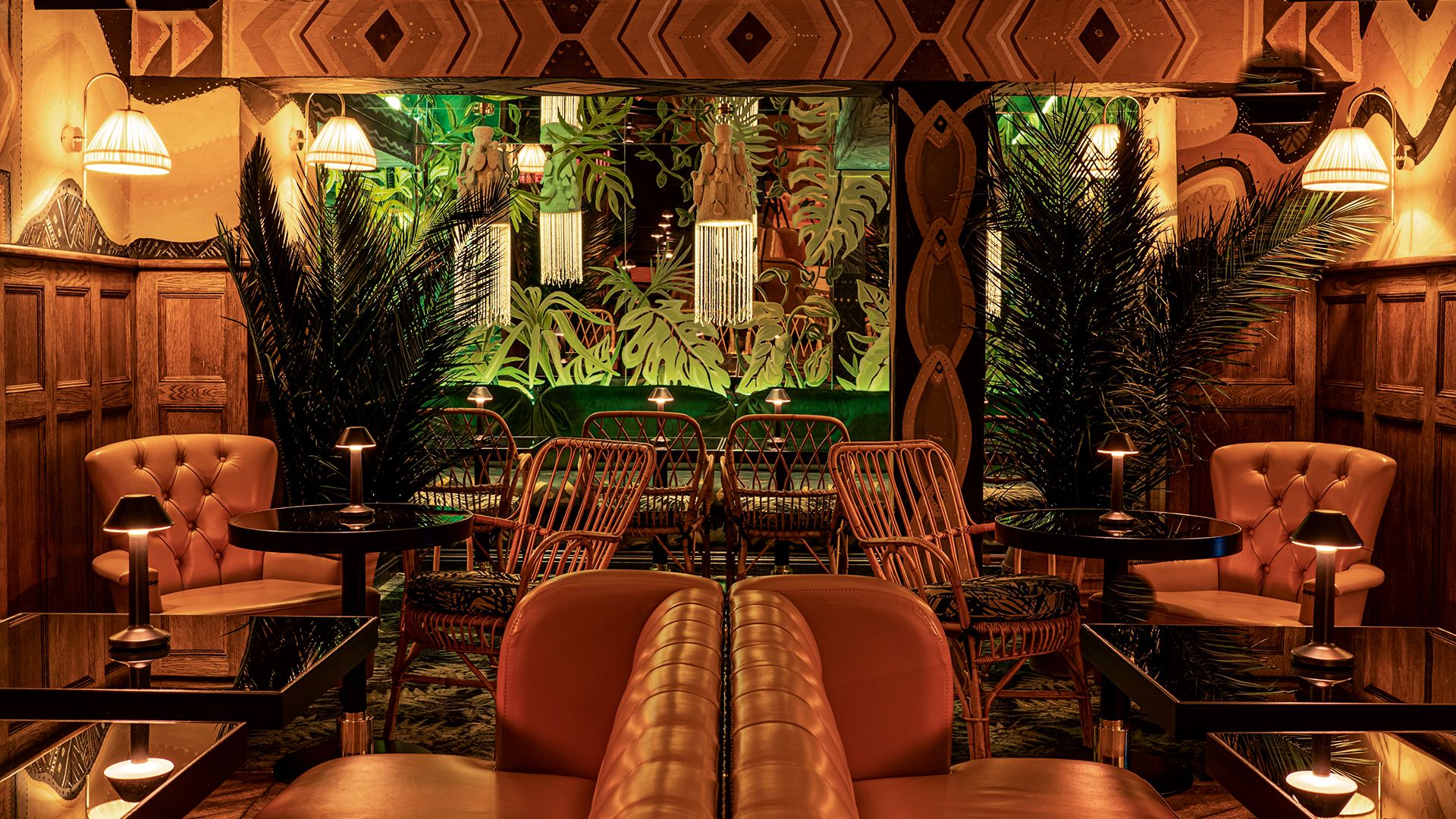
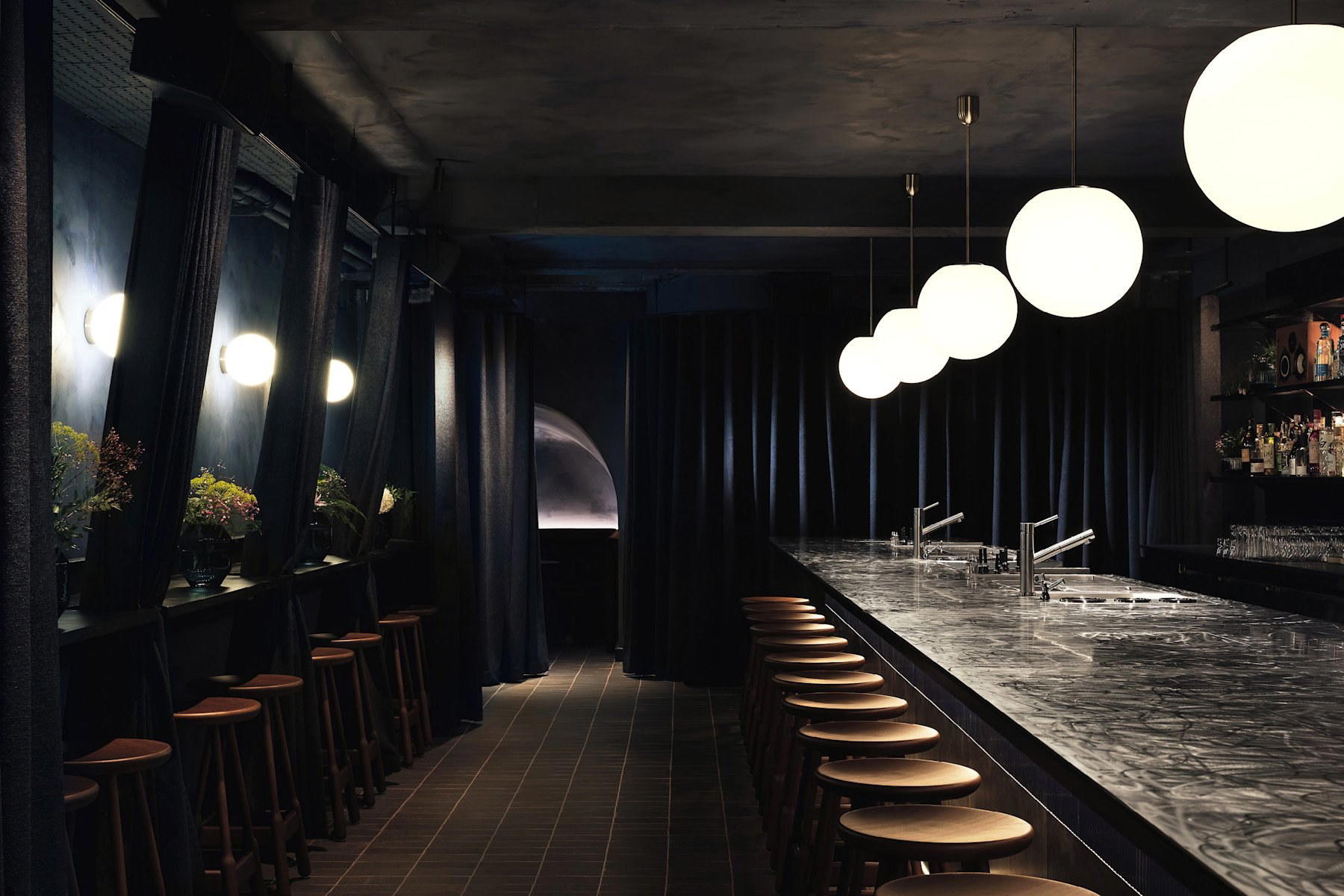
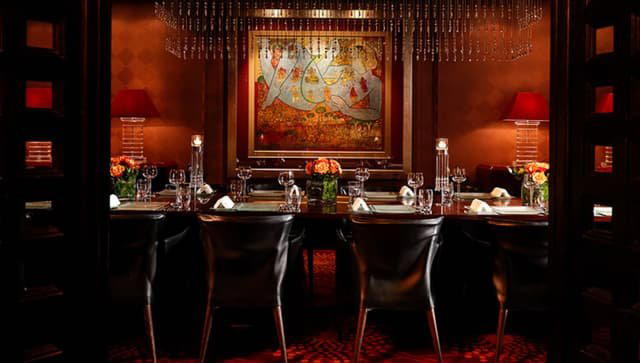
Casual yet elegant bistro with marble tabletops, tightly packed tables, cosy and intimate feel marred by high noise levels from hard surfaces.