Bistrot Pasquinel belongs to Puebla’s quieter dining register: small-scale, ingredient-led cooking in Barrio del Alto rather than the grand-room version of the city’s culinary identity. Its value is not in awards or chef mythology, but in how it fits a city where market produce, colonial-era recipes, convent sweets, and contemporary bistro habits keep rubbing against one another.
Pearl is the En Primeur Club membership app — saves, bookings, and concierge access live there. Same editors, same standards.
- Address
- C. 10 Nte. 1402, Barrio del Alto, 72000 Heroica Puebla de Zaragoza, Pue., Mexico
- Phone
- +52 222 122 2306
- Website
- banyantree.com
- Directions
- Get directions
 Saves & bookings on Pearl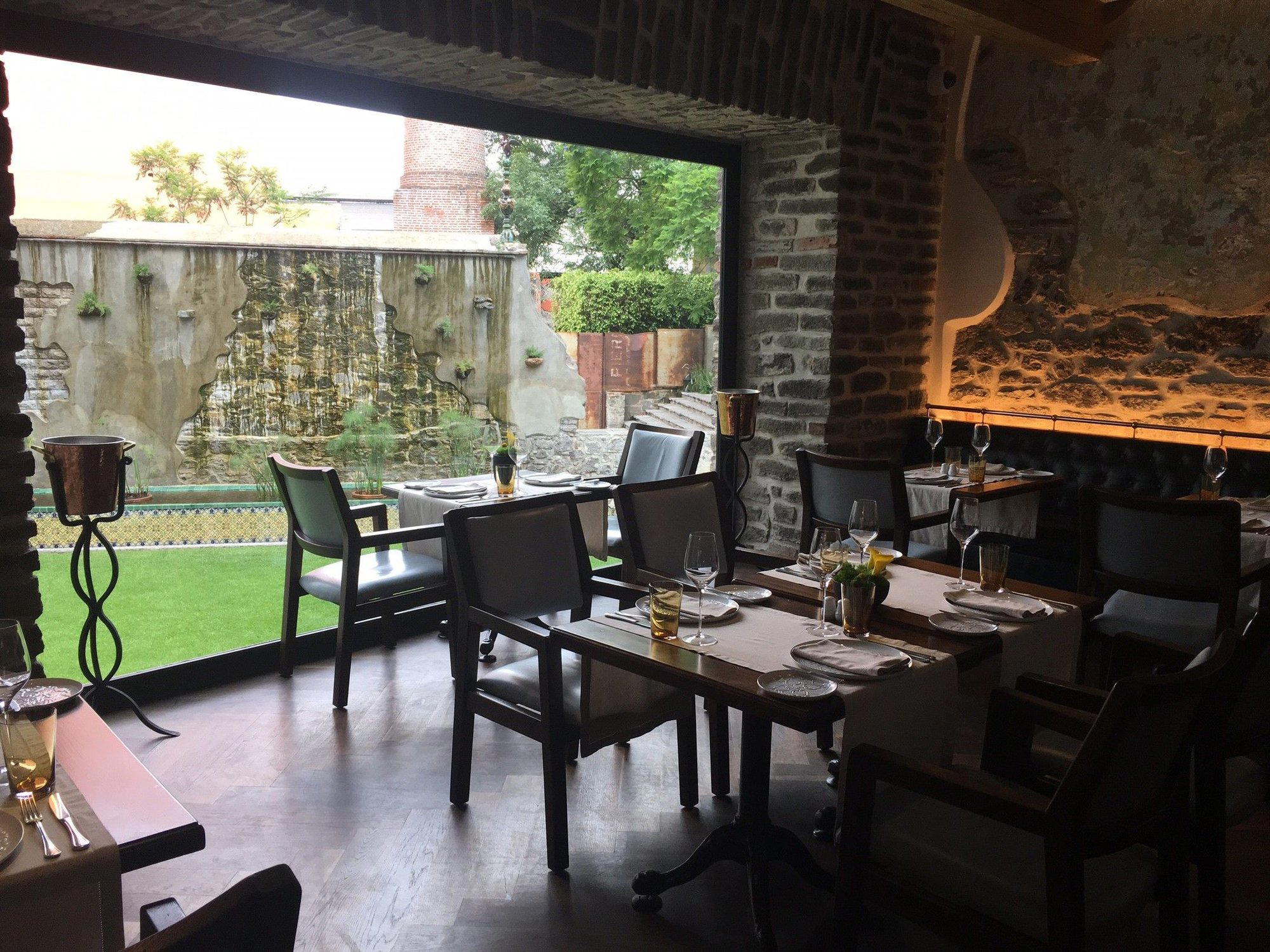
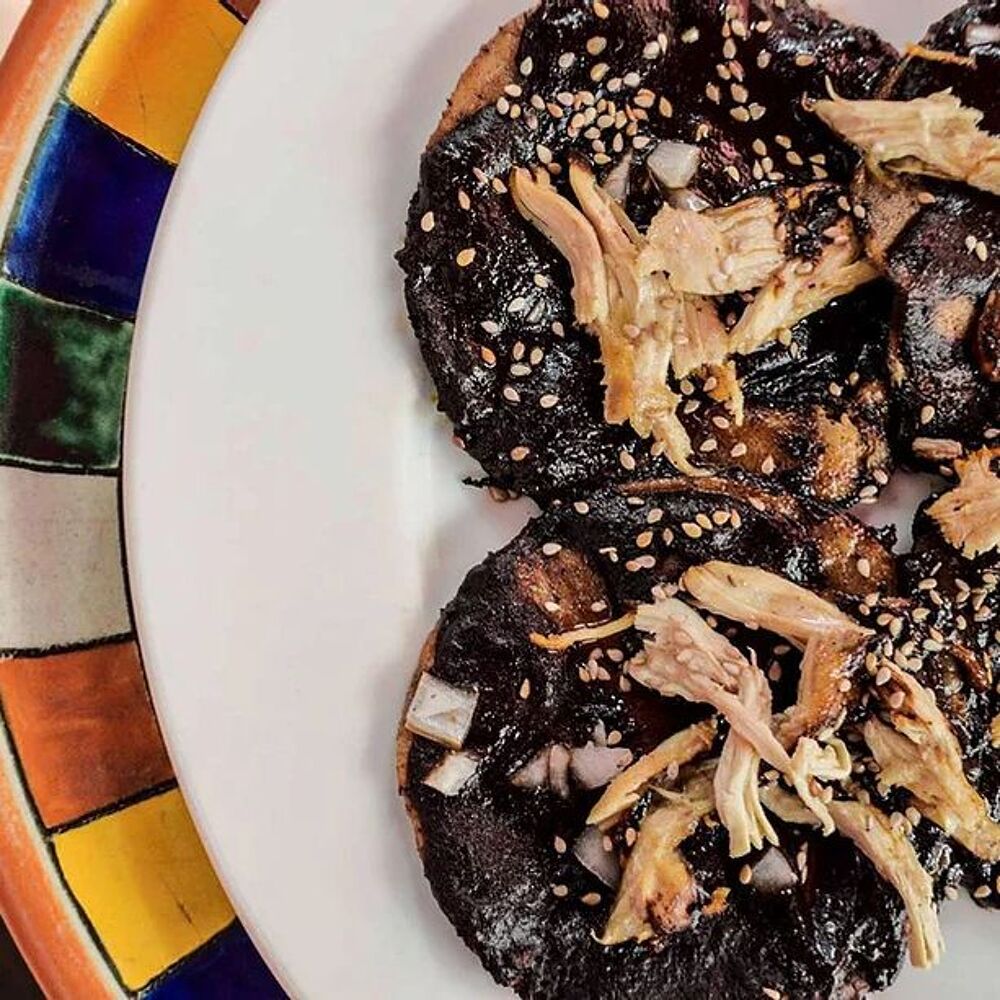
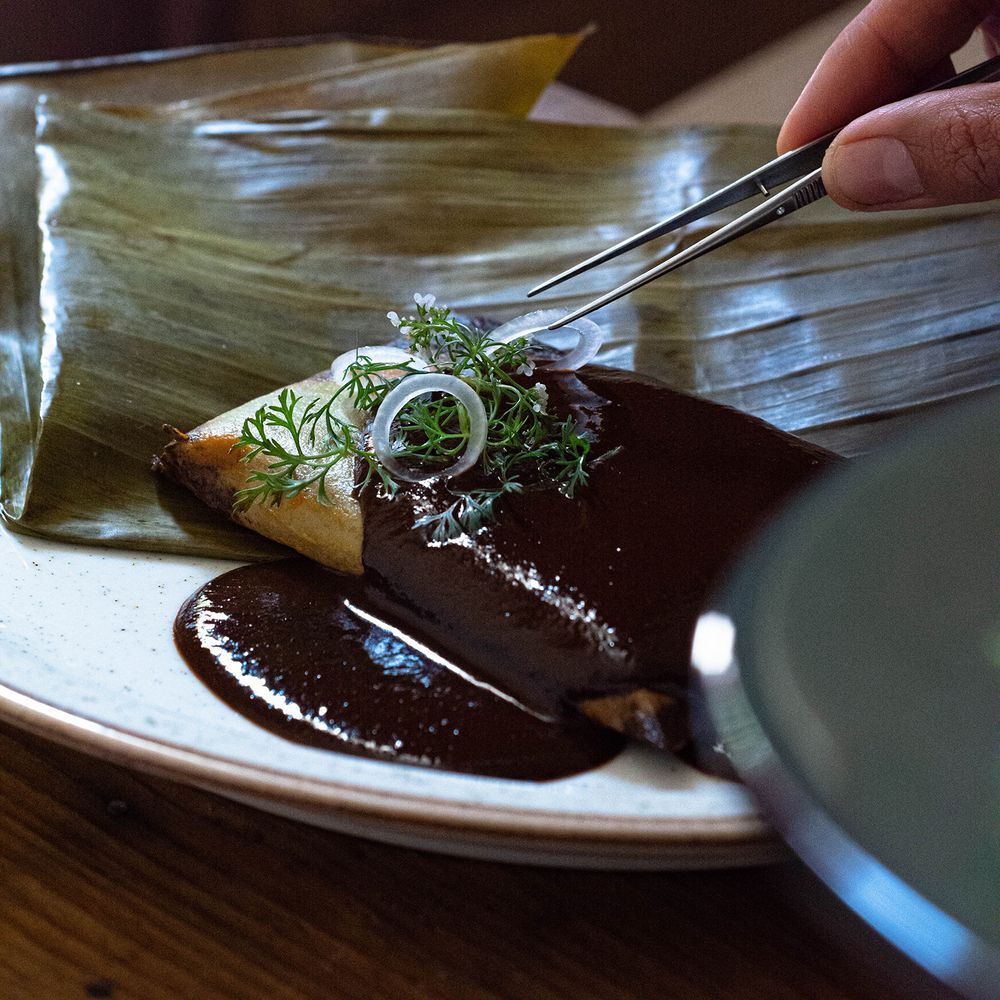
Approaching Barrio del Alto, Puebla changes register. The centre’s tiled facades and formal dining rooms give way to a more lived-in rhythm: workshops, older houses, market traffic, and the kind of neighbourhood scale that suits a bistro better than a ceremony. Bistrot Pasquinel sits inside that context, where the meal is better read through sourcing and proportion than spectacle. In a city often reduced to mole poblano, chiles en nogada, cemitas, and talavera backdrops, the more interesting question is how a smaller kitchen handles Puebla’s raw materials without turning every plate into heritage theatre.
Puebla rewards restaurants that understand where food begins. Corn, beans, squash, herbs, dried chiles, dairy from nearby producing zones, and seasonal fruit all matter here because the state’s cooking has long depended on exchange between city markets, rural producers, and convent kitchens. That does not require a restaurant to announce itself as traditional. A bistro format can be just as revealing when it treats local ingredients as working material rather than decoration. The point is restraint: letting the region’s pantry set the terms while using a looser, contemporary frame.
A bistro reading of Puebla's market discipline
The city’s dining range is broader than weekend visitors often allow. Formal poblano cooking has its polished representatives, while hotel restaurants, Italian rooms, northern-style steak houses, and casual antojito counters fill out the map. Within that mix, a bistro in Barrio del Alto occupies a useful middle position: less ceremonial than historic-centre dining rooms, more composed than a street-food stop, and better suited to seasonal adjustment than a fixed monument to local classics.
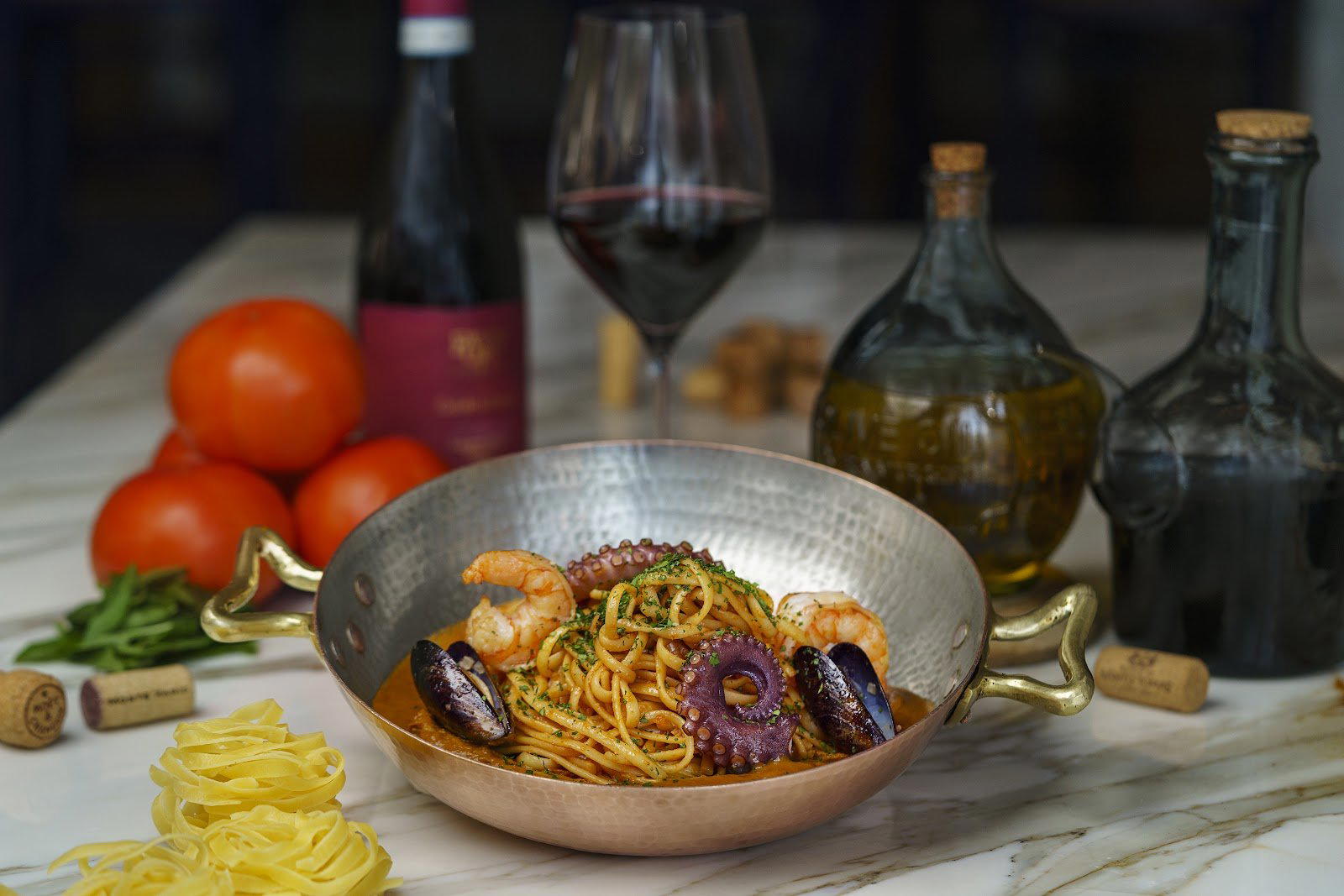
That middle ground matters because Puebla’s culinary identity is dense. Mole poblano carries the weight of civic myth; chiles en nogada are tied to late-summer and early-autumn produce; cemitas and chalupas belong to everyday appetite rather than tasting-menu performance. A restaurant working in a bistro register can borrow from that ecosystem without having to reproduce it literally. The strongest version of this category is not fusion as a slogan, but procurement as an argument: what was available, what was worth keeping simple, and what needed structure from the kitchen.
For travellers comparing styles, Barroco and Casa Barroca speak more directly to Puebla’s grand historic-room tradition, while La Purificadora Restaurant frames the city through hotel dining and design. Cello Cucina Italiana and Mochomos Puebla pull the map toward Italian comfort and northern Mexican polish. Against those references, Bistrot Pasquinel reads as a smaller, more neighbourhood-based proposition, useful for understanding the city beyond the obvious monuments.
Why Barrio del Alto changes the meal
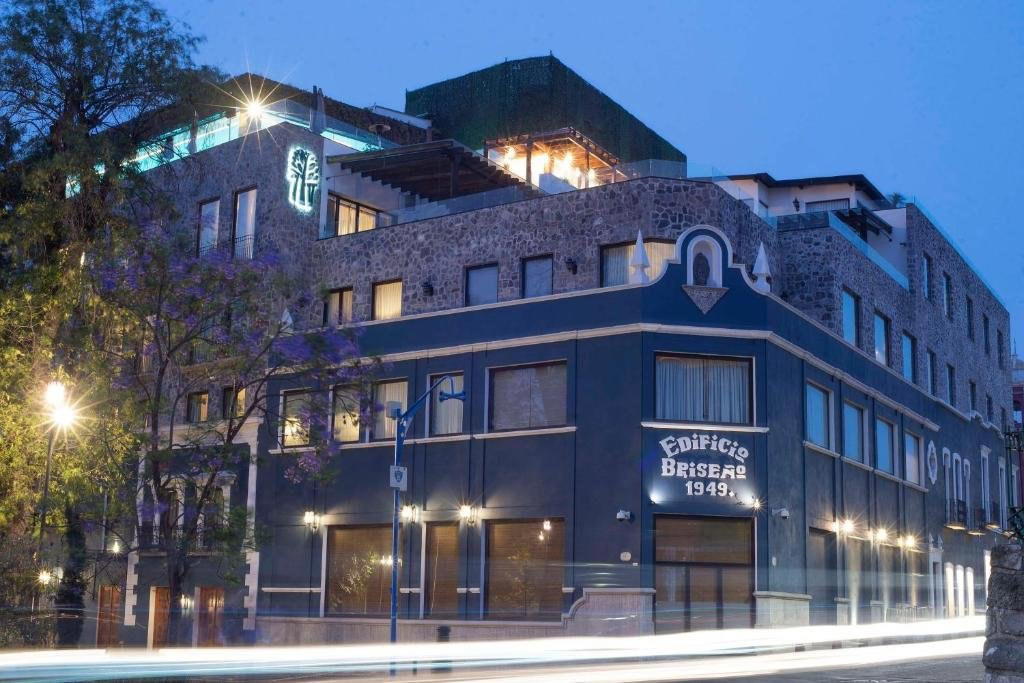
Location shapes expectation in Puebla. The historic core can encourage restaurants to perform history for visitors; Barrio del Alto has a different pressure. It is one of the city’s older districts, close enough to central Puebla to remain part of the traveller’s circuit, but textured enough to resist the feeling of a staged dining quarter. That setting favours a meal where the room, sourcing, and pacing carry more weight than trophy credentials.
The sourcing angle is also practical. Puebla’s markets do not exist as decorative backstory; they are the infrastructure behind much of what makes the city worth eating in. A kitchen connected to that rhythm can change emphasis with produce and availability, especially in a format that is not locked to a long tasting sequence. When the cooking works, the result feels local without relying on costume: a poblano sensibility filtered through bistro habits, not a museum version of regional cuisine.
Puebla has restaurants that trade on room, reputation, and recognisable regional dishes. A smaller address without published trophy language has to be judged by category fit: whether it offers a coherent alternative to the city’s more formal tables, whether it makes sense in its neighbourhood, and whether its cooking appears grounded in the surrounding pantry. On that basis, the appeal is specific: it is for diners who want Puebla’s ingredient culture at a lower volume, not another grand statement about poblano identity.
How to place it in a Puebla itinerary
For a first pass through the city, Bistrot Pasquinel makes the strongest sense after the canonical dishes have been accounted for elsewhere. Puebla deserves at least one meal built around its regional signatures, but the second or third serious meal can reveal more by stepping sideways. A bistro format gives room for that sideways move: familiar enough for a relaxed evening, local enough to avoid feeling interchangeable with a generic international room.
Planning should account for Puebla’s compact but traffic-sensitive centre. Barrio del Alto is close to the historic core, yet the experience differs from dining directly on the postcard route. Pairing the meal with a walk through the older eastern side of the centre gives better context than treating it as a detached reservation. For broader planning, Our full Puebla restaurants guide maps the city’s dining range, while Our full Puebla hotels guide, Our full Puebla bars guide, Our full Puebla wineries guide, and Our full Puebla experiences guide help place dinner within the wider trip.
Mexico’s broader dining map shows how different this Puebla register can feel. Coastal formats such as 10 Experiences Tour in Cozumel, 4 Fuegos in Riviera Maya, and 7 Seas Seafood Grille in Los Cabos answer to tourism, seafood, and resort geography. Baja California Sur’s 1890 in Todos Santos reflects another regional rhythm, while 4 Mori Santa Fe in Mexico City and 4 Mori Interlomas in Jesus Del Monte belong to metropolitan dining patterns. Even cross-border references such as Jōdo Saké Bar in Los Angeles and Onigiri Time in Pasadena underline the point: Puebla’s interest lies less in imported formats than in how local supply, neighbourhood history, and appetite shape the table.
Fast Comparison
Nearby venues at a similar price tier for orientation.
| Venue | Cuisine |
|---|---|
| Bistrot Pasquinel | This venue |

At a Glance
- Romantic
- Elegant
- Cozy
- Sophisticated
- Classic
- Date Night
- Business Dinner
- Group Dining
- Special Occasion
- Family
- Brunch
- Courtyard
- Garden
- Design Destination
- Hotel Restaurant
- Historic Building
- Craft Cocktails
- Extensive Wine List
- Local Sourcing
- Farm To Table
- Garden
Current opening hours
- Monday
- 7 AM–11 PM
- Tuesday
- 7 AM–11 PM
- Wednesday
- 7 AM–11 PM
- Thursday
- 7 AM–11 PM
- Friday
- 7 AM–11 PM
- Saturday
- 7 AM–11 PM
- Sunday
- 7 AM–11 PM
Hours can change for holidays and private events. Last verified .
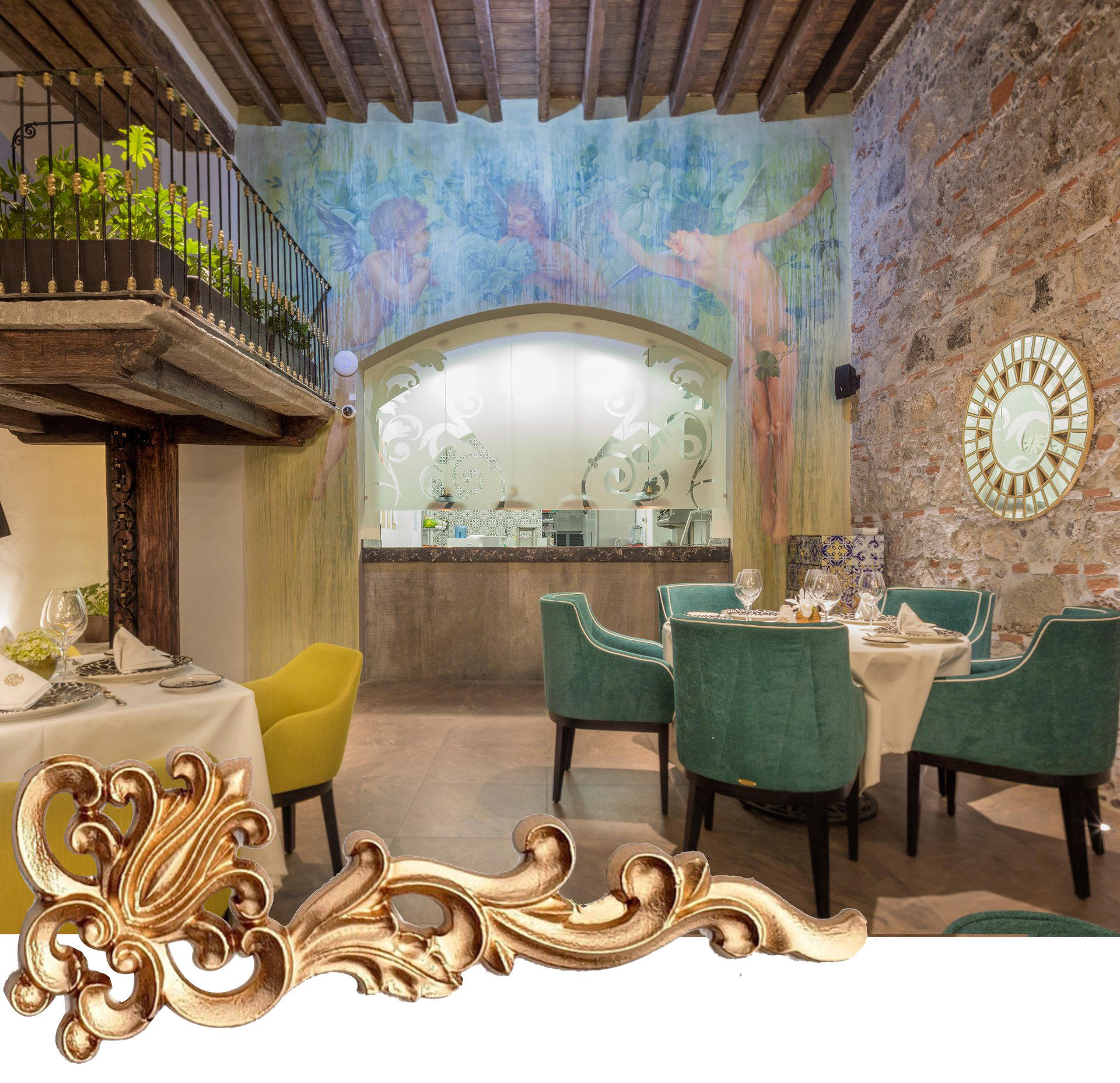
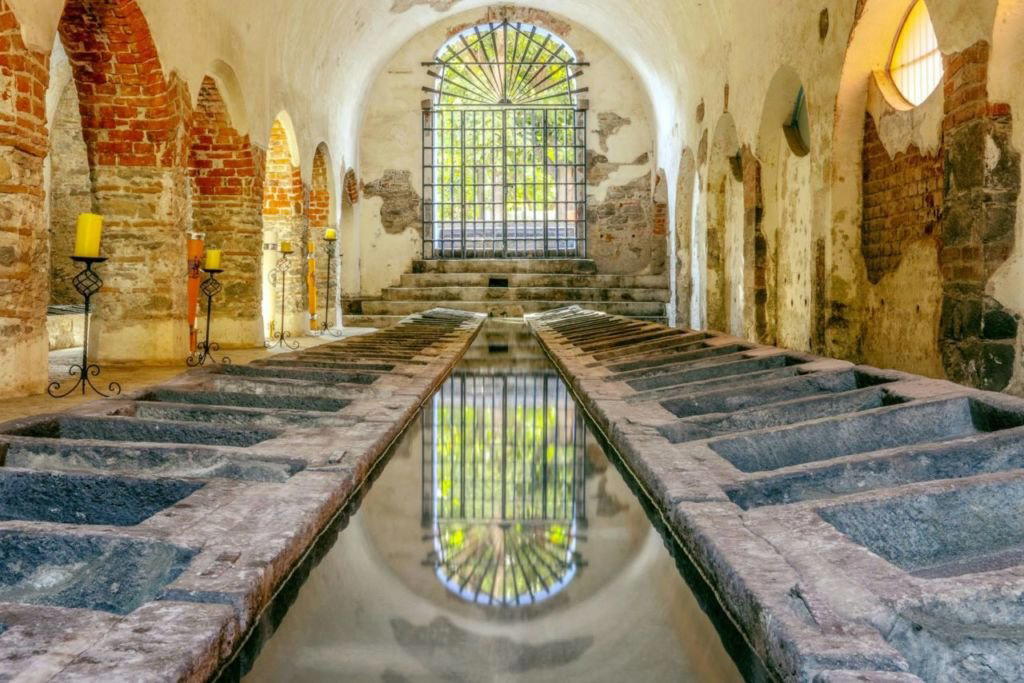
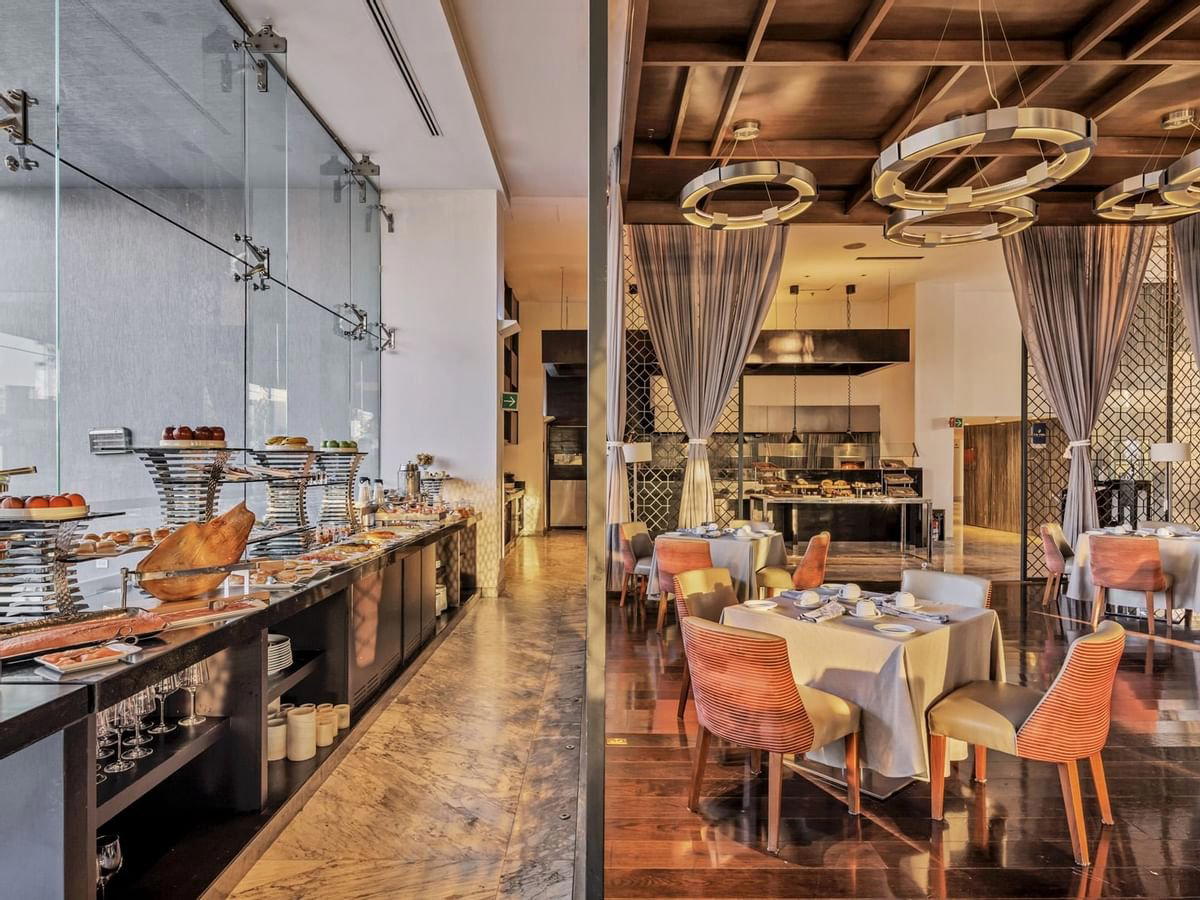
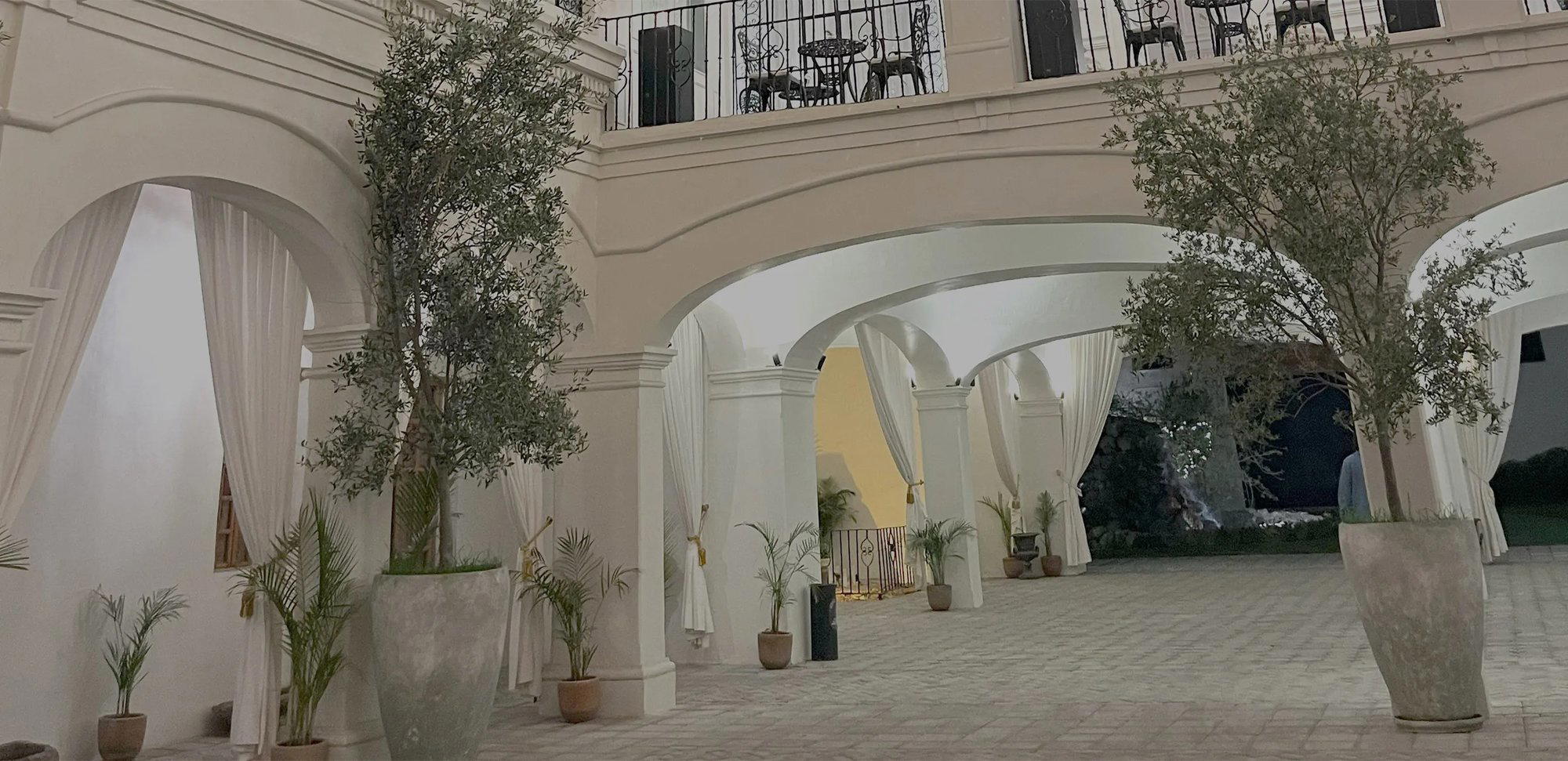
Refined yet relaxed hotel restaurant set around a peaceful garden, with warm lighting, colonial architecture details and a darker, romantic dining room vibe suitable for leisurely meals and special occasions.