Semitas "Beto"

Semitas "Beto" operates inside Mercado Municipal La Acocota in Heroica Puebla de Zaragoza's Barrio de la Luz, a neighborhood market hall that anchors the city's street-food and market-stall tradition. The stand specializes in cemitas—sesame-seeded bread sandwiches native to Puebla—drawing a local lunch crowd and a growing number of food-focused travelers who track the format across the city's indoor and outdoor markets.
Pearl is the En Primeur Club membership app — saves, bookings, and concierge access live there. Same editors, same standards.
- Address
- C. 16 Nte. 401, Barrio de la Luz, Heróica Puebla de Zaragoza, Puebla, 72377, MEX
- Phone
- +52 222 257 0478
- Website
- guide.michelin.com
- Directions
- Get directions
 Saves & bookings on Pearl
Puebla's cemita tradition splits between market stalls, corner stands, and a smaller tier of sit-down restaurants that formalize the format. Semitas "Beto" sits firmly in the first category, operating from a stall inside Mercado Municipal La Acocota on Calle 16 Norte in the Barrio de la Luz. The mercado serves a mixed residential and commercial district northeast of the centro histórico, with produce vendors, cooked-food counters, and prepared-goods stalls arrayed under a single roof. Cemita stands in Puebla tend to cluster in three zones: the centro's tourist-facing plazas, the peripheral neighborhoods where the format originated, and the city's covered markets. La Acocota falls into the third category, drawing a largely local midday crowd and a smaller but steady stream of visitors who follow the format across the city's market geography.
The cemita itself is Puebla's most recognized street-sandwich format, built around a round, sesame-topped roll that's softer and more porous than a bolillo. The bread soaks up moisture from the fillings, typically milanesa, pork cutlet, or shredded beef, and is layered with avocado, Oaxacan cheese, pápalo (a peppery herb native to central Mexico), and pickled chipotles. The bread's structure matters: it needs enough density to hold the fillings without collapsing, but enough air to absorb the fat and vinegar from the meat and pickles. At Semitas "Beto," the preparation follows that template closely, with ingredient sourcing that reflects the market's immediate supply chain. The pork and beef come from vendors within the mercado or from suppliers who service the surrounding neighborhood stalls, and the pápalo is purchased fresh from the produce counters a few aisles away. That proximity means the herbs are typically cut the same morning, and the bread arrives daily from a local panadería that specializes in the sesame-topped rolls.
What distinguishes a market-stall cemita from a restaurant version
Puebla's restaurant-tier cemita operators, places like El Mural de los Poblanos, tend to refine the format by sourcing heritage pork, aging the beef, or baking the bread in-house. The result is often cleaner, more controlled, and photographed more easily. Market stalls like Semitas "Beto" operate with a different set of priorities: speed, volume, and ingredient freshness measured in hours rather than days. The milanesa is breaded and fried to order, the avocado is sliced as you wait, and the cheese is pulled from a block kept cool in a small refrigerator behind the counter. The trade-off is consistency: if the pápalo vendor sold out by noon, the stand may substitute cilantro or skip the herb entirely. If the bread delivery arrives late, the first customers of the day get yesterday's rolls reheated on the plancha. That variability is part of the format's appeal for some eaters and a dealbreaker for others.
The cemita's ingredient sourcing also reflects Puebla's broader culinary geography. Pápalo grows wild in the state's central valleys and is harvested by small-scale farmers who sell directly to market vendors. The pickled chipotles, smoked jalapeños preserved in vinegar, come from the nearby Tehuacán Valley, where the pepper is cultivated and processed. Oaxacan cheese, despite its name, is produced by dairies across Puebla and Oaxaca states and sold in wheels or pre-shredded bags at market stalls throughout the region. At Semitas "Beto," the cheese arrives in blocks from a supplier who services multiple stalls in La Acocota, and the staff shreds it behind the counter as needed. That level of manual preparation is common in Puebla's market-stall sector, where labor costs are low and mechanization is limited by space and capital.
How to navigate La Acocota and what to expect at the stall
Mercado Municipal La Acocota operates from early morning through mid-afternoon, with peak traffic between 11 a.m. and 2 p.m. when the surrounding offices and workshops break for lunch. Semitas "Beto" occupies a narrow counter along the market's interior corridor, with a handful of plastic stools for on-site eating and a standing area for takeout orders. The stall does not take reservations, and wait times during lunch can stretch to 20 minutes as the cook works through a queue of orders. Most customers order at the counter, pay immediately, and wait for their number to be called. The menu is narrow, cemitas with milanesa, pork, or beef, plus a rotating selection of aguas frescas sold from large glass jars on the counter. Pricing reflects the market-stall tier: significantly lower than sit-down restaurants in the centro histórico but roughly in line with other prepared-food stalls in La Acocota and similar mercados across the city.
The neighborhood around the market is less polished than Puebla's colonial core, with residential blocks, auto-repair shops, and small-scale manufacturing facilities lining the streets. Visitors arriving from the centro histórico can reach La Acocota by taxi or ride-share in under 10 minutes, though the address, Calle 16 Norte 401, is not widely mapped by navigation apps, and drivers may need verbal confirmation of the market's name. Public transit serves the area via local bus routes, but schedules are irregular and signage is minimal. For travelers staying in the centro, a visit to the restaurant fits naturally into a broader market tour that might also include Mercado El Parian for artisan goods or Mercado La Victoria for cooked mole and other regional dishes. Pairing a cemita stop with a visit to Augurio or Casa Bacuuza later in the evening offers a useful contrast between Puebla's market-stall and fine-dining tiers. For a wider view of the city's dining landscape, consult our full Heroica Puebla de Zaragoza restaurants guide.
Comparable venues by cuisine and price in the same metro.
| Venue | Cuisine | Price |
|---|---|---|
| Semitas "Beto" | Situated in the Mercado Municipal La... | This venue |
Recognition history
Dated appearances from independent guides and award organizations, with the underlying list record or original source where available.
Michelin Bib Gourmand
Michelin
Continue exploring
More in Heroica Puebla de Zaragoza
Restaurants in Heroica Puebla de Zaragoza
Browse all →
Bars in Heroica Puebla de Zaragoza
Browse all →
Hotels in Heroica Puebla de Zaragoza
Browse all →
At a Glance
- Lively
- Classic
- Solo
- Family
- Casual Hangout
- Late Night
- After Work
- Standalone
- Street Scene
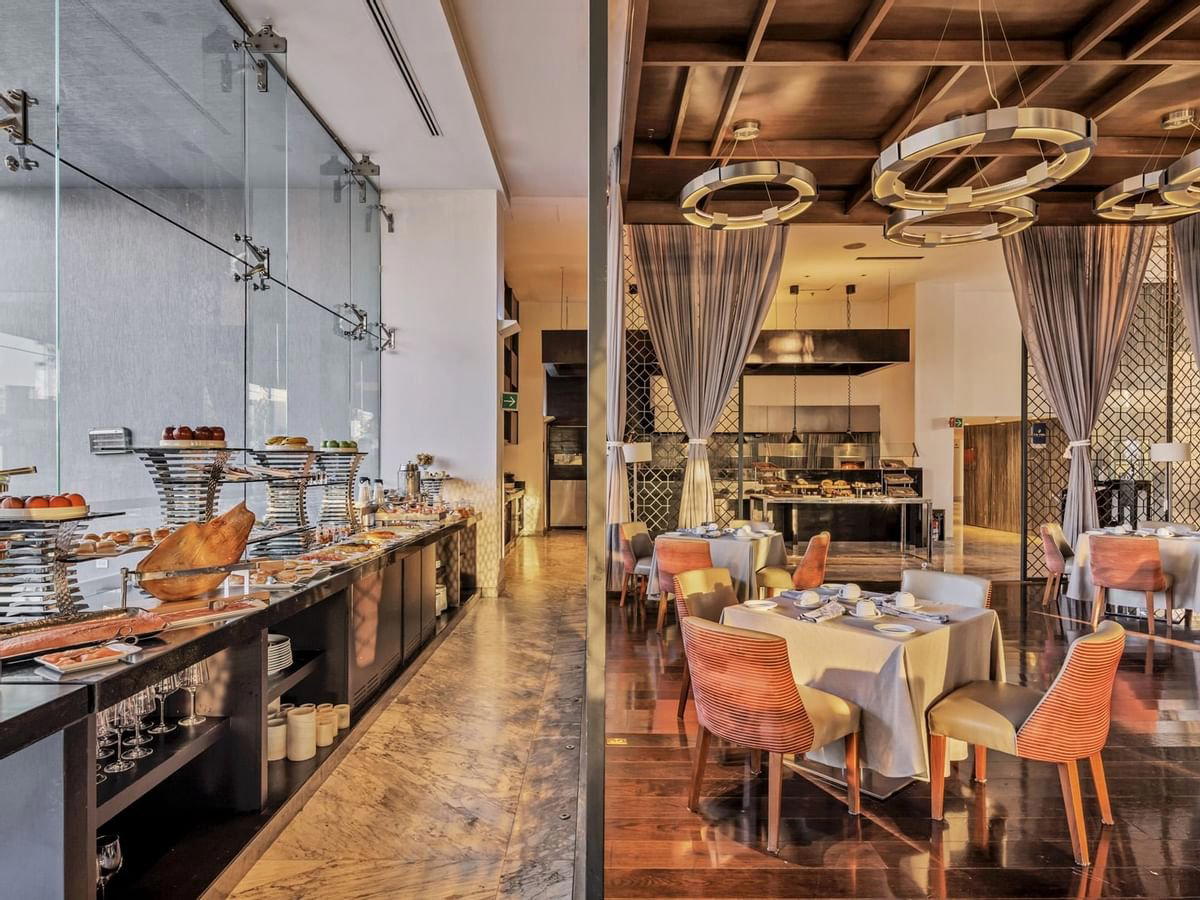
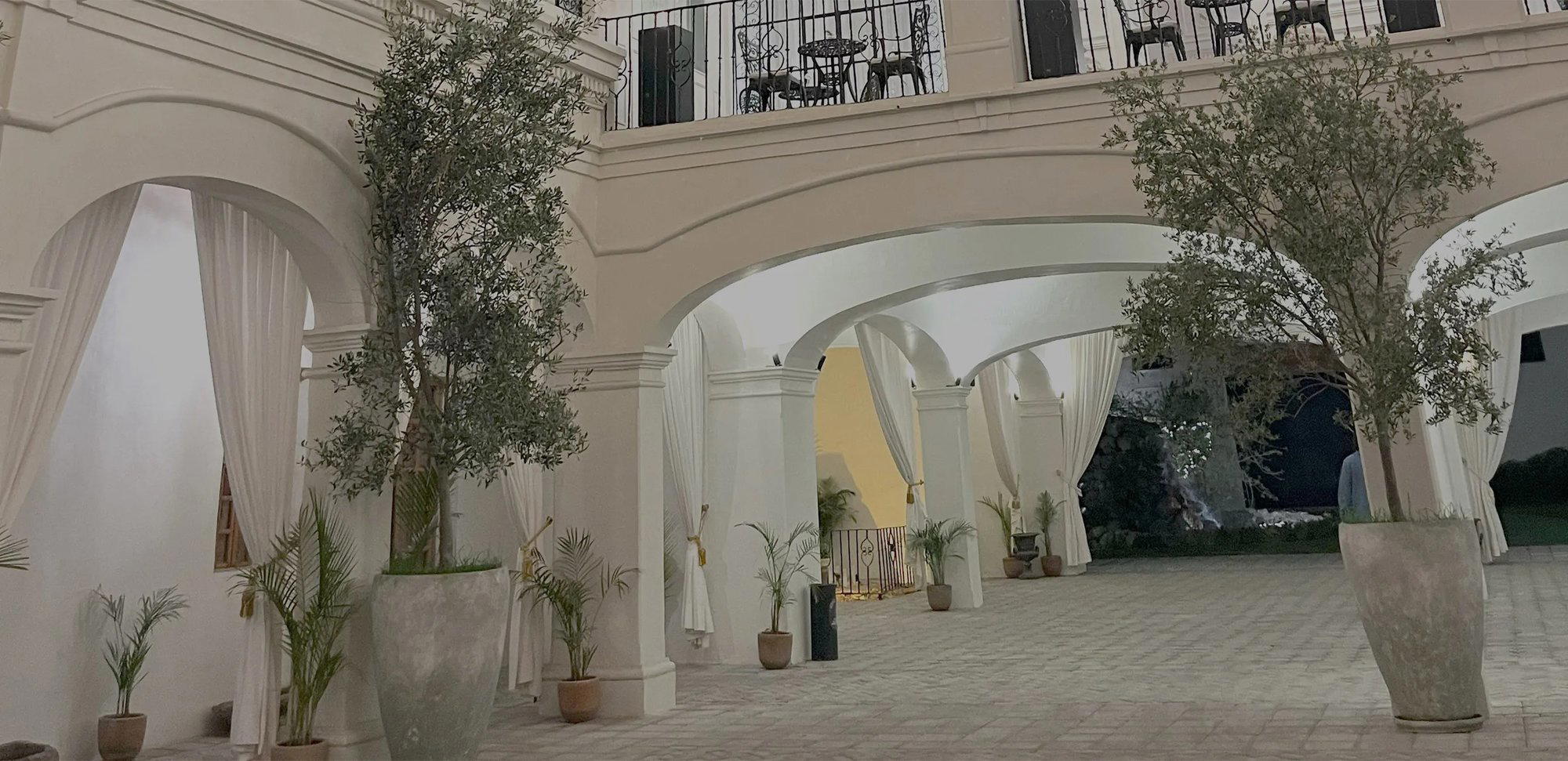
Bustling and informal market-stall setting with simple counters and stools, bright daylight from the market hall, constant foot traffic, and a friendly, family-run feel rather than any deliberate design or decor.