Restaurante Casareyna

Set inside Hotel Boutique Casareyna in Puebla's Centro Histórico, Restaurante Casareyna has operated as a standard-bearer for Poblano cuisine for nearly two decades. The menu draws from Puebla's deep mole tradition and seasonal regional produce, with a focus on ingredient provenance and refined technique inside a colonial-era courtyard.
Pearl is the En Primeur Club membership app — saves, bookings, and concierge access live there. Same editors, same standards.
- Address
- Hotel Boutique Casareyna Puebla, Privada 2 Ote. 1007, Centro, Heróica Puebla de Zaragoza, Puebla, 72000, MEX
- Phone
- +52 222 232 0032
- Website
- guide.michelin.com
- Directions
- Get directions
 Saves & bookings on Pearl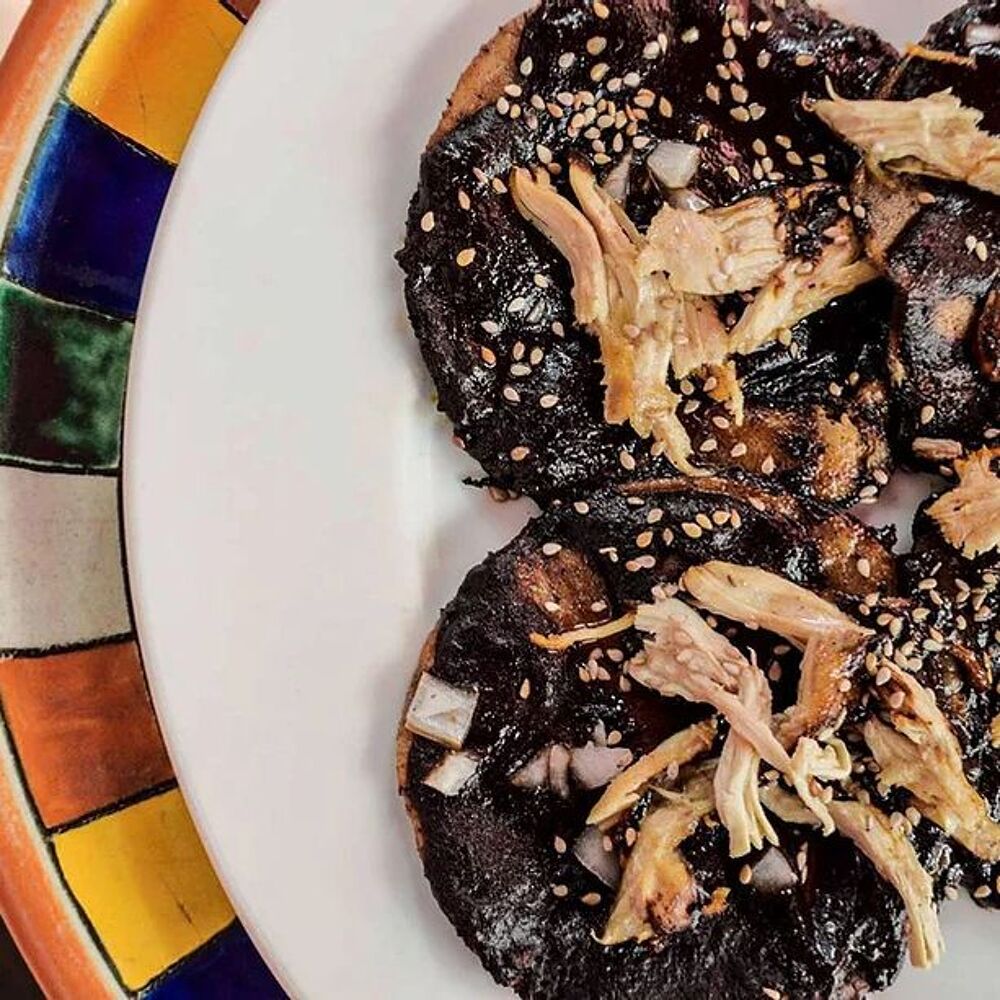
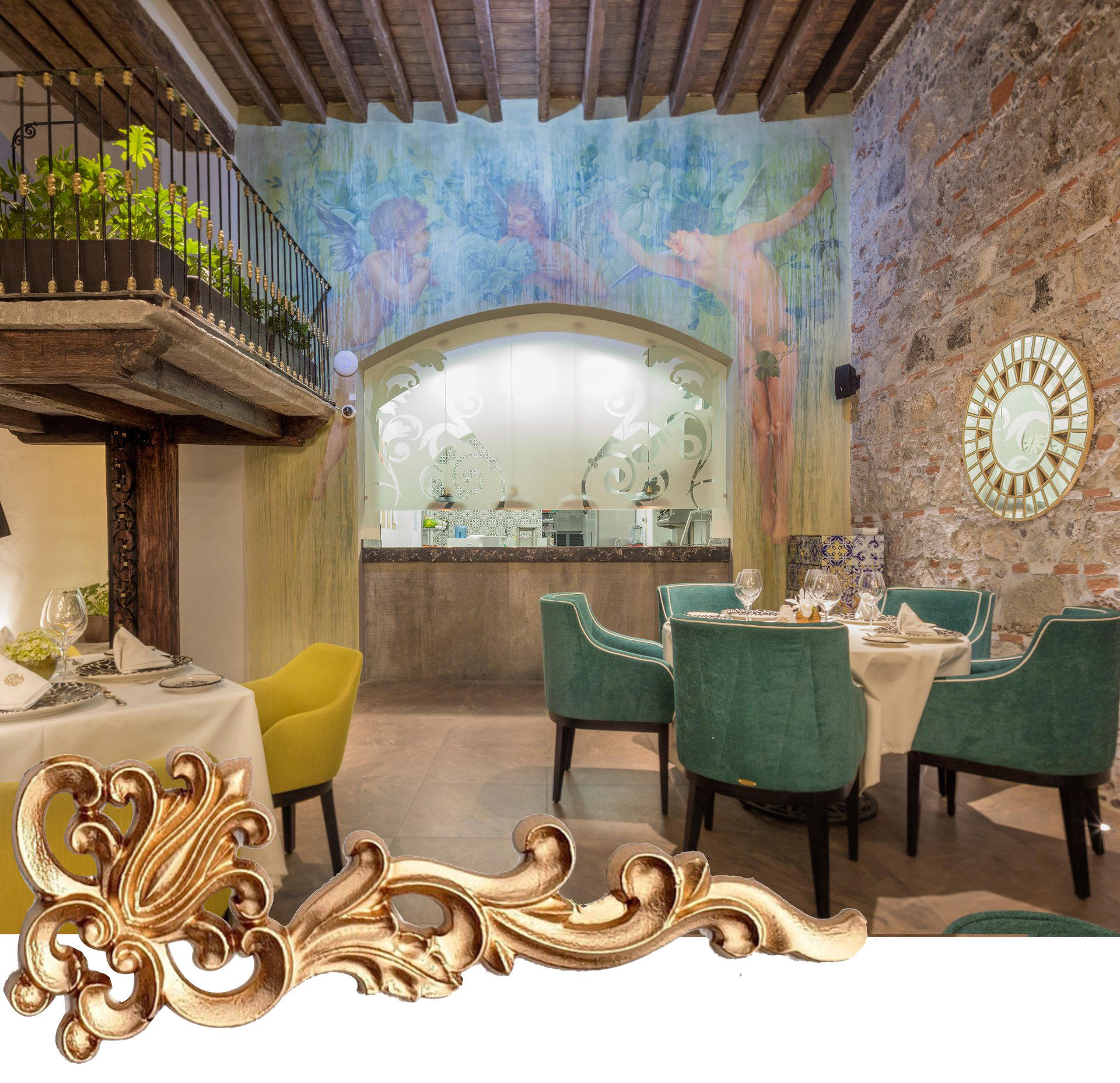
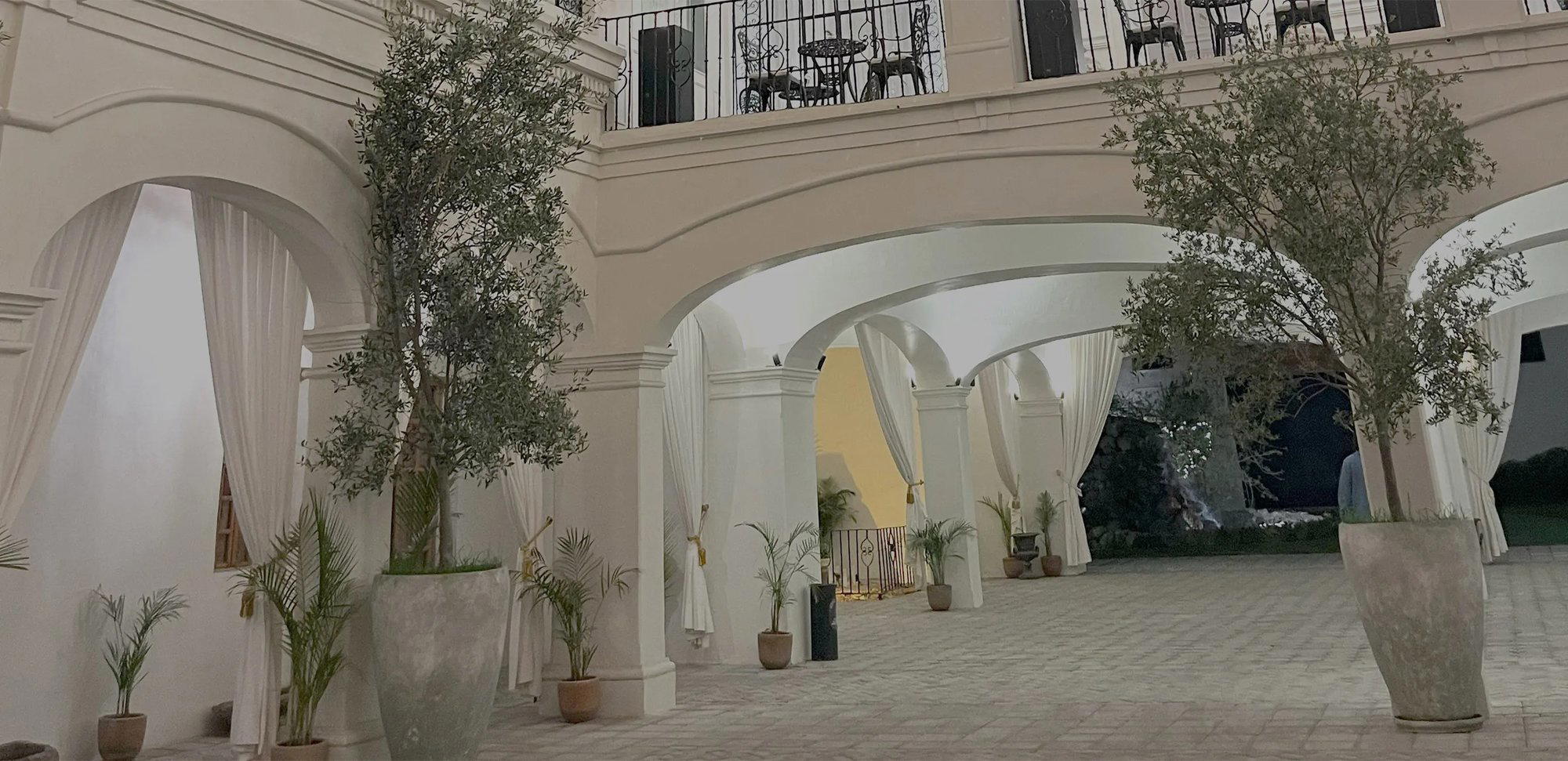
Puebla's dining identity is inseparable from its agricultural hinterland: chilli varietals grown on volcanic slopes, corn strains that pre-date industrialization, and the layered mole sauces that remain the city's most recognized culinary export. Restaurante Casareyna approaches that tradition through the lens of ingredient sourcing, building its menu around verifiable regional supply chains and a technique-focused kitchen that has anchored the restaurant inside Puebla's fine-dining conversation for close to two decades. The setting is a converted courtyard inside Hotel Boutique Casareyna, where colonial masonry and wrought-iron balconies create a formal but unhurried atmosphere. Puebla's Centro Histórico holds a concentration of high-end Poblano dining, El Mural de los Poblanos, Augurio, but Casareyna's longevity places it in a tier defined by sustained craft rather than trend rotation.
Ingredient Networks and Regional Produce
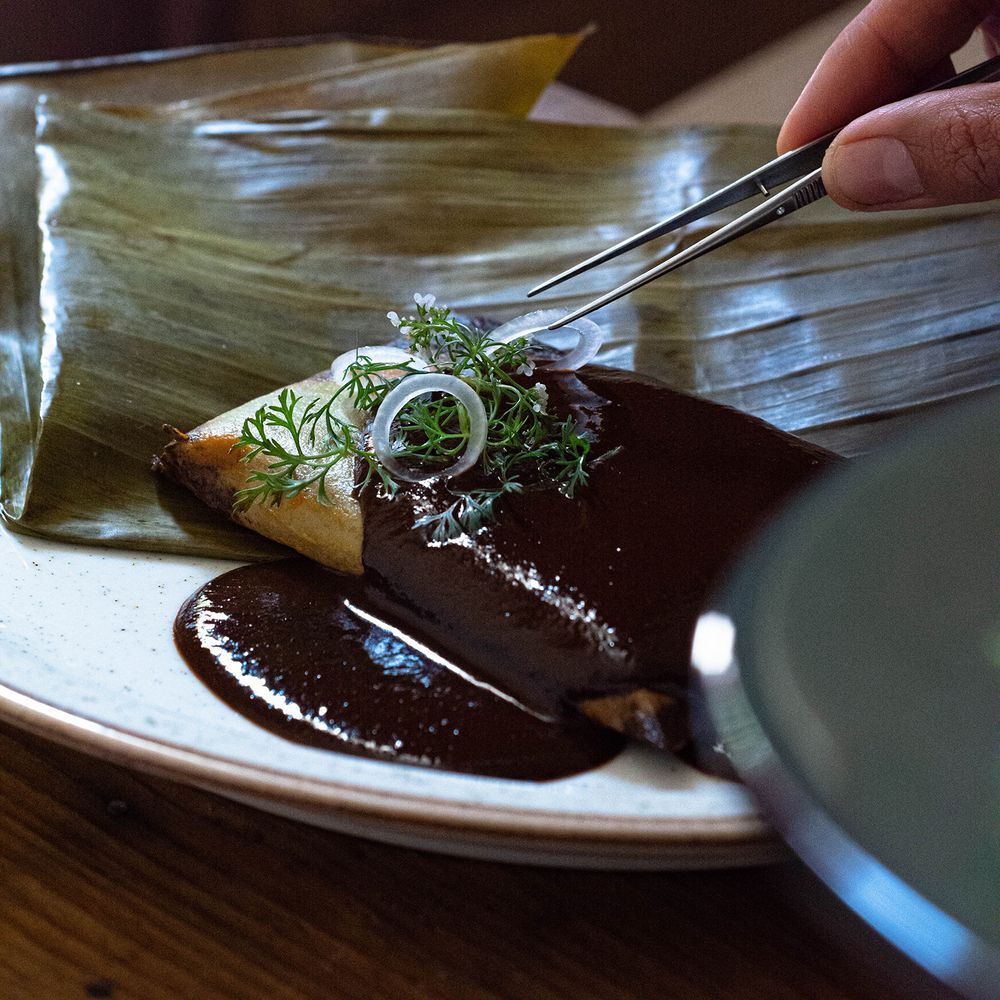
Puebla's surrounding valleys produce much of what distinguishes the state's cuisine: heirloom corn varieties still used for tortillas and tamales, chilhuacle negro and mulato chillies grown in small plots, and seasonal squashes and herbs that change the menu quarterly. Casareyna sources from a network of growers in the Puebla-Tlaxcala corridor, where altitude and soil composition yield produce distinct from what arrives in central Mexican markets. The kitchen treats ingredient selection as a formal practice, not a talking point. Mole negro relies on chilhuacle sourced from producers who sun-dry the pods rather than oven-drying them, a slower method that preserves volatile oils. Tortillas are ground from single-variety corn, often Cacahuazintle or Chalqueño, milled daily on volcanic stone. The sourcing philosophy extends to protein: duck for pipián comes from a single farm in Cholula, and lamb for mixiotes is raised in the Tlaxcala highlands, where the breed and pasture diet yield a different fat profile than lamb reared elsewhere in Mexico.
This approach distinguishes Casareyna from Poblano restaurants that lean on mole volume rather than ingredient specificity. Casa Bacuuza and Cultivo both emphasize ingredient origin, but Casareyna's format is more formal and wine-friendly, with plating and pacing that sit closer to European tasting-menu conventions than traditional Poblano service.
Mole as Technique, Not Theater
Puebla's reputation rests on mole, and the city's fine-dining sector has spent years deciding whether to frame it as heritage spectacle or technical discipline. Casareyna sits firmly in the latter camp. The restaurant prepares multiple mole varieties, negro, verde, manchamanteles, pipián, but presents them as composed plates rather than cascading sauces. Mole negro, for example, appears as a reduction beneath duck breast, with the chilli blend balanced for acidity and heat rather than sweetness. The technique removes the sugar-forward profile common in tourist-facing moles and allows the chilhuacle and pasilla to register as savory rather than dessert-adjacent. Pipián verde, made from pumpkin seeds and cilantro, is emulsified to a near-beurre-blanc texture and served with line-caught fish, a pairing that demonstrates how Puebla's pre-Hispanic sauces adapt to fine-dining service formats.
This restrained mole service aligns Casareyna with a smaller segment of Puebla's dining scene that treats mole as flavor architecture rather than ceremonial display. El Güero Marinero in Playa del Carmen employs a similar approach with coastal ingredients, while 4 Fuegos in Riviera Maya applies smoke and reduction techniques that echo Casareyna's mole philosophy.
The Courtyard and Service Cadence
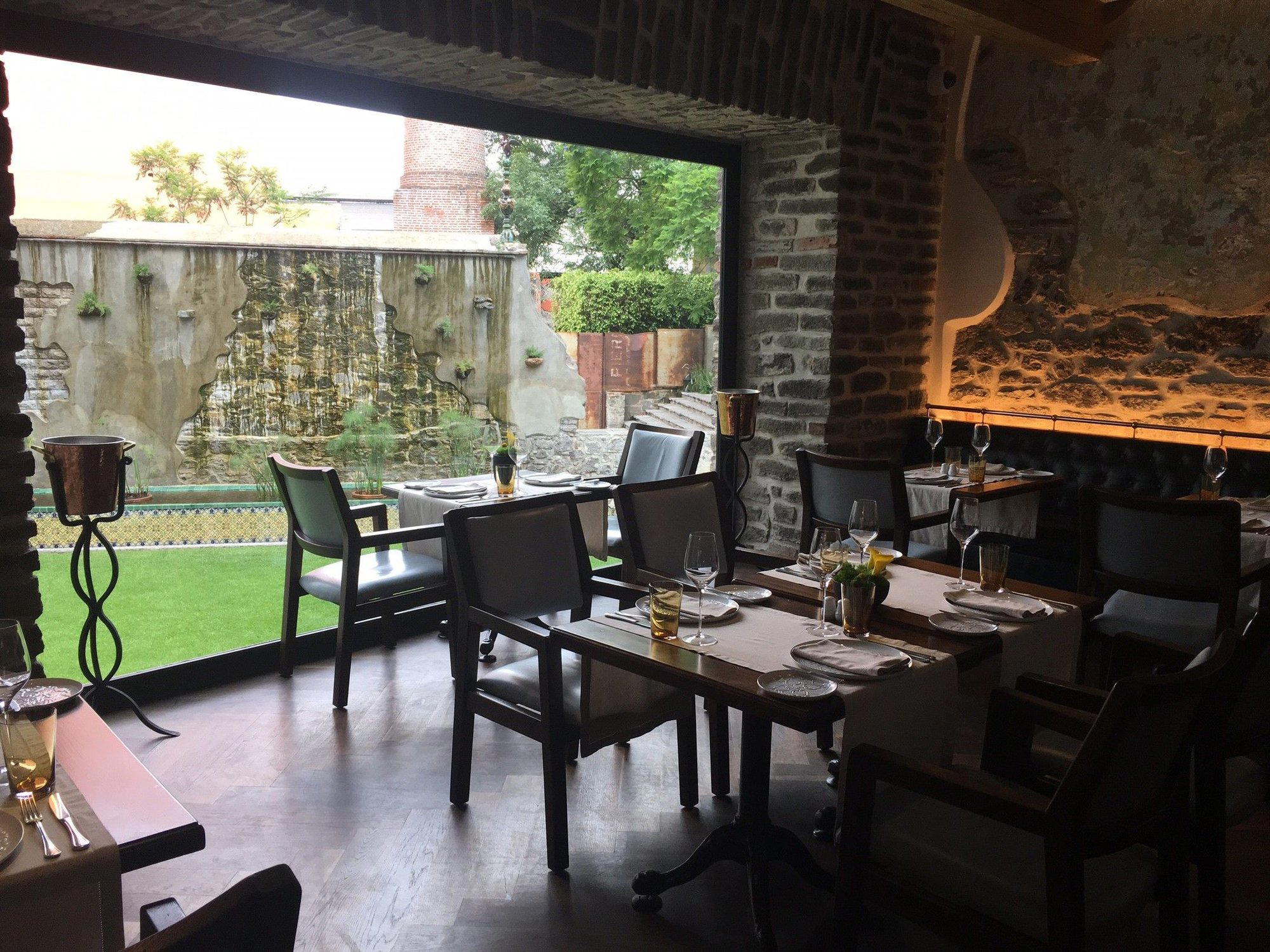
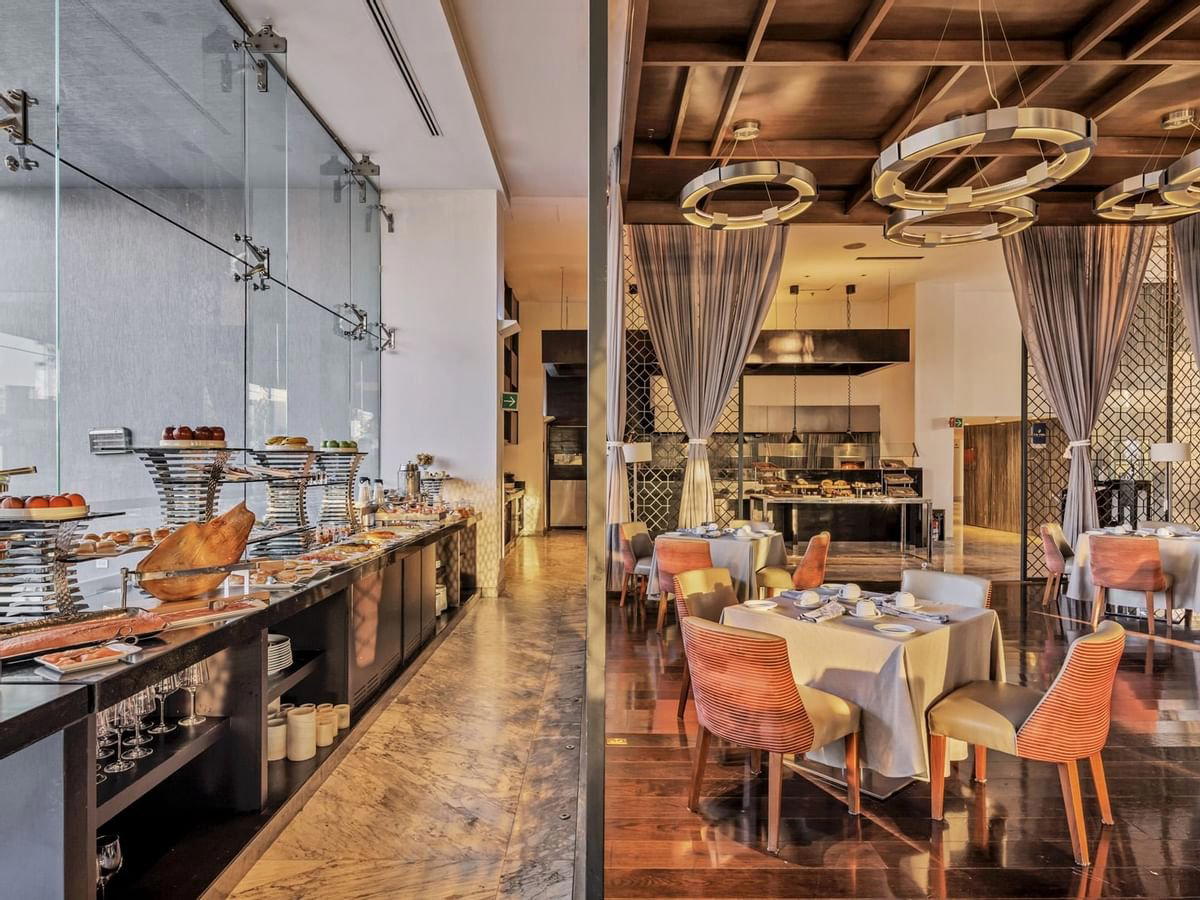
The dining room occupies a stone-paved courtyard framed by two-story colonnades, with seating split between ground-floor tables and a mezzanine that overlooks the central space. Colonial tilework and potted palms soften the acoustics, and the open-air format means ambient light shifts as service progresses. Dinner service runs deliberate, with plates arriving at measured intervals rather than the compressed pacing common in higher-volume Poblano restaurants. Staff narrate provenance details without scripting them: where the corn was grown, which grower supplied the chillies, why a particular squash varietal was chosen. The formality matches the setting but avoids the stiffness that defines older hotel restaurants in the Centro Histórico.
Wine service leans European, with a cellar that prioritizes Burgundy, Rioja, and northern Italian producers over Mexican labels. The pairing logic favors acidity and tannin structure over fruit weight, a deliberate choice given the richness of Poblano sauces. If you prefer agave, the mezcal selection includes small-batch producers from Oaxaca and Puebla, with staff trained to match smoke profile to dish intensity.
Position in Puebla's Dining Landscape
Puebla's fine-dining sector remains smaller and more tradition-bound than Mexico City's or Oaxaca's, with recognition concentrated among a handful of venues that balance heritage technique with modern plating. Casareyna's near-two-decade tenure gives it a different profile than newer, design-forward projects. The restaurant does not chase awards or trend-cycle narratives, instead operating as a quiet anchor for technique-focused Poblano cooking. Longevity here signals consistency rather than stagnation: the menu evolves seasonally, but the sourcing philosophy and technical discipline remain fixed.
Travelers comparing Puebla options will find El Mural de los Poblanos more theatrical, with murals and larger dining rooms that cater to group bookings. Augurio skews younger and more experimental, with plating that borrows from global fine-dining trends. Casareyna sits between those poles: formal but not stiff, ingredient-driven but not dogmatic, accessible to international diners but rooted in Puebla's specific agricultural landscape. For a broader view of the city's dining options, see our full Heroica Puebla de Zaragoza restaurants guide. If you're mapping a longer stay, our full Heroica Puebla de Zaragoza hotels guide covers accommodation in the Centro Histórico and beyond.
How Restaurante Casareyna compares with similar nearby venues.
| Venue | Awards |
|---|---|
| Restaurante Casareyna | Bib Gourmand |
Recognition history
Dated appearances from independent guides and award organizations, with the underlying list record or original source where available.
Michelin Bib Gourmand
Michelin
Continue exploring
More in Heroica Puebla de Zaragoza
Restaurants in Heroica Puebla de Zaragoza
Browse all →
Bars in Heroica Puebla de Zaragoza
Browse all →
Hotels in Heroica Puebla de Zaragoza
Browse all →
At a Glance
- Classic
- Elegant
- Sophisticated
- Date Night
- Business Dinner
- Group Dining
- Family
- Celebration
- Special Occasion
- Garden
- Terrace
- Courtyard
- Historic Building
- Design Destination
- Hotel Restaurant
- Standalone
- Craft Cocktails
- Beer Program
- Local Sourcing
- Garden
- Street Scene
A spacious, polished setting with high ceilings, modern art, attentive service, and a warm colonial atmosphere across courtyards and terraces.
Know Before You Go
- Reservations
- Recommended
- Dress code
- Smart casual
- Getting there
- Hotel Boutique Casareyna Puebla, Privada 2 Ote. 1007, Centro, Heróica Puebla de Zaragoza, Puebla, 72000, MEX