On Brest's working harbour at 8 Quai de la Douane, Le Crabe Marteau plants its flag squarely in Brittany's Atlantic seafood tradition. Named for the spider crab that defines Finistère's coastline, it makes the case for sourcing proximity as the primary argument on any serious seafood menu. In a city with a growing restaurant range, this is the address that anchors the scene geographically.
Pearl is the En Primeur Club membership app — saves, bookings, and concierge access live there. Same editors, same standards.
- Address
- 8 Quai de la Douane, 29200 Brest, France
- Phone
- +33298333857
- Website
- crabemarteau.fr
- Directions
- Get directions
 Saves & bookings on Pearl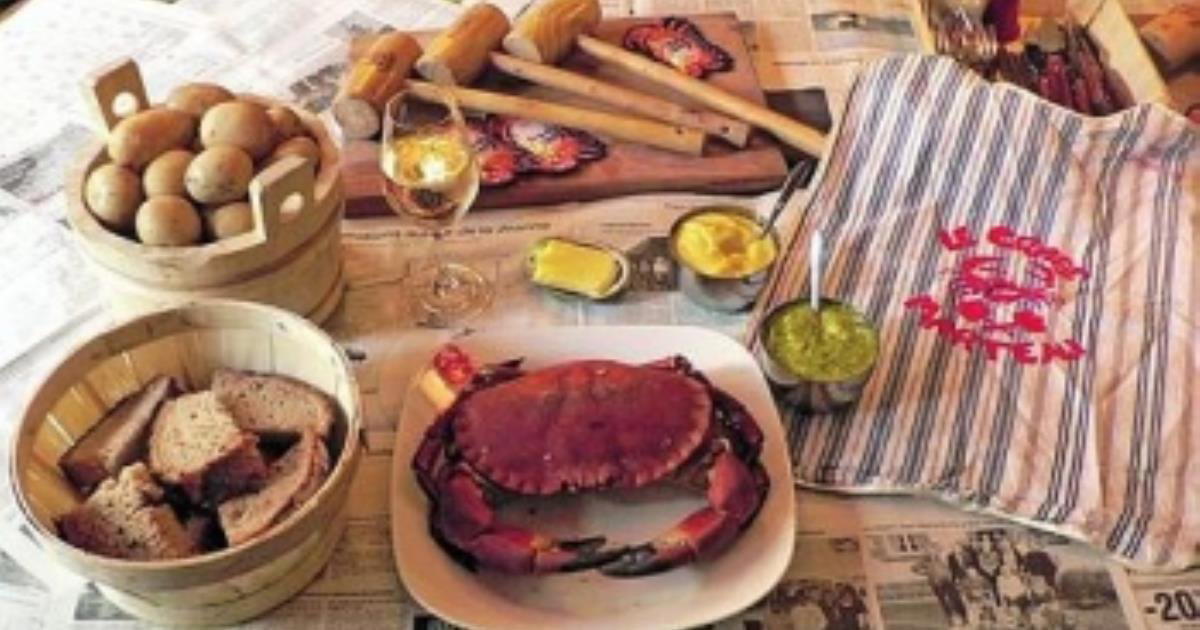
Where Brest Meets the Water
The Quai de la Douane runs along the inner harbour where commercial fishing and naval activity have shaped Brest's economy for centuries. At number 8, Le Crabe Marteau occupies a position that says something before you even step inside: this is a restaurant that earns its credibility from proximity to the source. The docks, the trawlers, the morning unloading — they are not backdrop here. They are the supply chain. In a port city where seafood restaurants compete on the same raw material, sourcing proximity is one of the few genuine differentiators, and Le Crabe Marteau's address on the quai makes that argument structurally, before the menu does.
Brittany's Seafood Tradition and What It Demands
Brittany produces some of the most sought-after shellfish in Europe. The cold, nutrient-rich Atlantic waters off Finistère — the westernmost department of France, where Brest sits, generate crustaceans, molluscs, and flat fish that carry a salinity and texture that warmer-water equivalents simply do not replicate. Blue lobster from the rocky coastline between Brest and Camaret-sur-Mer, spider crabs from the bay, wild oysters from the estuary mouths further south: these are ingredients with a defined provenance, and French fine dining has a long tradition of treating that provenance as the primary editorial statement of a menu. The restaurants doing this most seriously, from Mirazur in Menton on the Mediterranean to Bras in Laguiole in the Aubrac, treat ingredient origin not as a marketing footnote but as the structural logic of every dish. Le Crabe Marteau positions itself within that same logic, applied to the Atlantic west.
The name itself is instructive. Crabe marteau, the spider crab, so called for its angular, hammer-like legs, is not the most glamorous crustacean on a French menu, but it is one of the most flavourful and one of the most authentically Breton. Choosing it as the restaurant's identity marker signals a deliberate commitment to local specificity over generic coastal romance. It is the kind of positioning that L'Embrun, Brest's modern cuisine reference point, and Désordre approach from different angles, each making a case for what contemporary Breton cooking can be when it resists the pull of easy bistro formulas.
The Case for Quai Dining in a Working Port
Brest is not a city that has cultivated a reputation on the French fine dining circuit in the way that Rennes or Nantes have. It has no Michelin constellation to anchor visitor itineraries, a contrast to places like Auberge de l'Ill in Illhaeusern or Assiette Champenoise in Reims, where award architecture shapes the entire dining conversation. What Brest has instead is geography: direct Atlantic access, fishing fleets that operate daily, and a culinary culture shaped by scarcity and saltwater rather than agricultural abundance. That context produces a different kind of restaurant. Quai dining here is less about theatre and more about the logic of short supply chains, fish that moved from net to dock to kitchen within hours rather than days.
That sourcing speed matters for texture and flavour in ways that menus rarely articulate but plates consistently demonstrate. Crab, in particular, deteriorates quickly once out of its element. A restaurant positioned directly on the working harbour is not merely making a romantic claim about freshness; it is making a logistical one. In that sense, Le Crabe Marteau's address on the Quai de la Douane functions the way a vineyard address functions for a winery, it is a statement of traceability.
How Le Crabe Marteau Fits Brest's Dining Scene
Brest's restaurant scene has been developing greater range over the past decade. Hinoki, the Japanese counter operating at the €€€€ tier, and Kafe Gagarin, which brings a more eclectic register, sit alongside places like L'arôme antique to form a dining scene more varied than the city's size would suggest. In that context, a shellfish-focused restaurant on the harbour is not a novelty but a necessary anchor, the kind of place that gives a city's dining identity its geographical logic. Visitors arriving in Brest after reading about Paul Bocuse's Auberge du Pont de Collonges or Troisgros in Ouches should understand that Brest operates in a different register, not lesser, but geographically honest.
For those building a broader French seafood itinerary, Le Crabe Marteau reads alongside Le Bernardin in New York as a point of comparison for what rigorous sourcing-led seafood cooking looks like at different scales and contexts, though the Brest experience is rooted in a working port town rather than a fine-dining capital, which changes the terms of engagement considerably. A more proximate comparison is AM par Alexandre Mazzia in Marseille, another port-city restaurant where Mediterranean seafood identity anchors an ambitious kitchen.
Planning Your Visit
Brest is accessible by TGV from Paris Montparnasse, with journey times of around four hours. The Quai de la Douane is walkable from the central tram network, and the harbour setting means parking along the quai is generally available outside peak summer weekends. For any visitor structuring a Brittany itinerary around seafood, Brest warrants at least two nights, enough to combine a Le Crabe Marteau dinner with a broader exploration of the city's restaurant range. Our full Brest restaurants guide maps the scene across price points and styles. Booking ahead is advisable; harbour-facing restaurants in port cities with limited tables fill quickly during July and August, when Brittany sees its heaviest domestic tourist traffic.
For those crossing into comparison territory with France's broader fine dining circuit, venues like Flocons de Sel in Megève, Alléno Paris au Pavillon Ledoyen, or Au Crocodile in Strasbourg, Le Crabe Marteau does not compete on the same terms. It makes a different argument: that the most direct expression of a regional ingredient tradition is sometimes found not in the cities with the most Michelin stars, but in the ports with the most active fishing fleets. And in that specific argument, the Quai de la Douane address carries real weight. Atomix in New York operates by a similar principle of sourcing specificity within a defined cultural frame, even if its context is Korean-American rather than Breton Atlantic, proof that rigorous ingredient thinking translates across very different culinary traditions.
How Le Crabe Marteau Brest compares with similar nearby venues.
| Venue | Cuisine | Price |
|---|---|---|
| L'Embrun | Modern Cuisine | €€€ |
Continue exploring
More in Brest
Restaurants in Brest
Browse all →
At a Glance
- Lively
- Rustic
- Cozy
- Casual Hangout
- Group Dining
- Celebration
- Waterfront
- Terrace
- Open Kitchen
- Extensive Wine List
- Local Sourcing
- Sustainable Seafood
- Waterfront
- Street Scene
Current opening hours
- Monday
- 12–2:30 PM, 7–10:30 PM
- Tuesday
- 12–2:30 PM, 7–10:30 PM
- Wednesday
- 12–2:30 PM, 7–10:30 PM
- Thursday
- 12–2:30 PM, 7–10:30 PM
- Friday
- 12–2:30 PM, 7–10:30 PM
- Saturday
- 12–2:30 PM, 7–10:30 PM
- Sunday
- Closed
Hours can change for holidays and private events. Last verified .
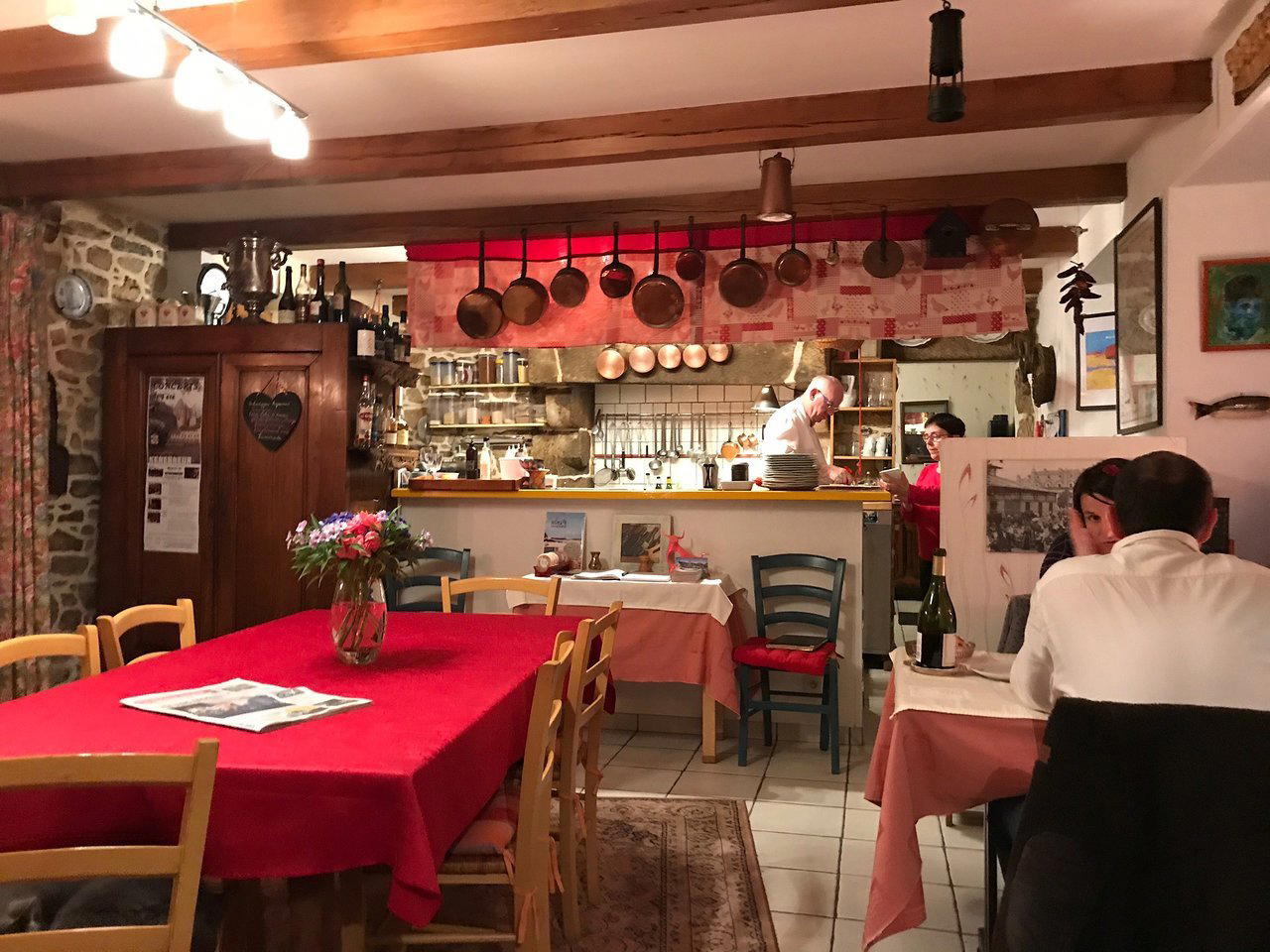
Rustique and convivial with simple wooden tables covered in newspaper, bibs and hammers for guests, creating a joyful, noisy seafood-cracking vibe.
Know Before You Go
- Getting there
- 8 Quai de la Douane, 29200 Brest, France