
Michelin Plate
Our verdict
A Michelin Plate-recognised taberna on Calle del Dr. Cerrada, Crudo builds its short à la carte around raw and marinated ingredients with reference points in Japan, the Mediterranean, and Latin America. The format sits closer to a counter experience than a conventional sit-down restaurant, and booking is advisable. At the budget end of Saragossa's dining spectrum, it offers one of the city's more deliberately cross-cultural menus.

Pearl is the En Primeur Club membership app — saves, bookings, and concierge access live there. Same editors, same standards.
- Address
- C. del Dr. Cerrada, 40, 50005 Zaragoza, Spain
- Phone
- +34 876 71 01 47
- Hours
- Mon ClosedTue–Sat 1:30–4:30 PM, 8:30–11 PMSun Closed
- Website
- crudozaragoza.com
- Directions
- Get directions
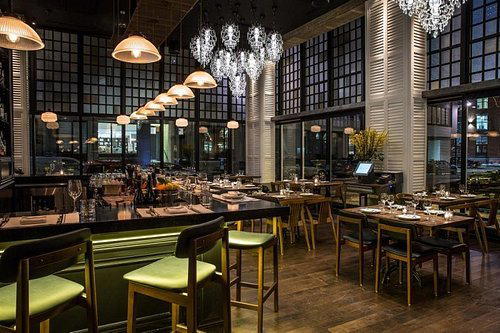
Counter Culture: How Crudo Fits Into Saragossa's Shifting Dining Scene
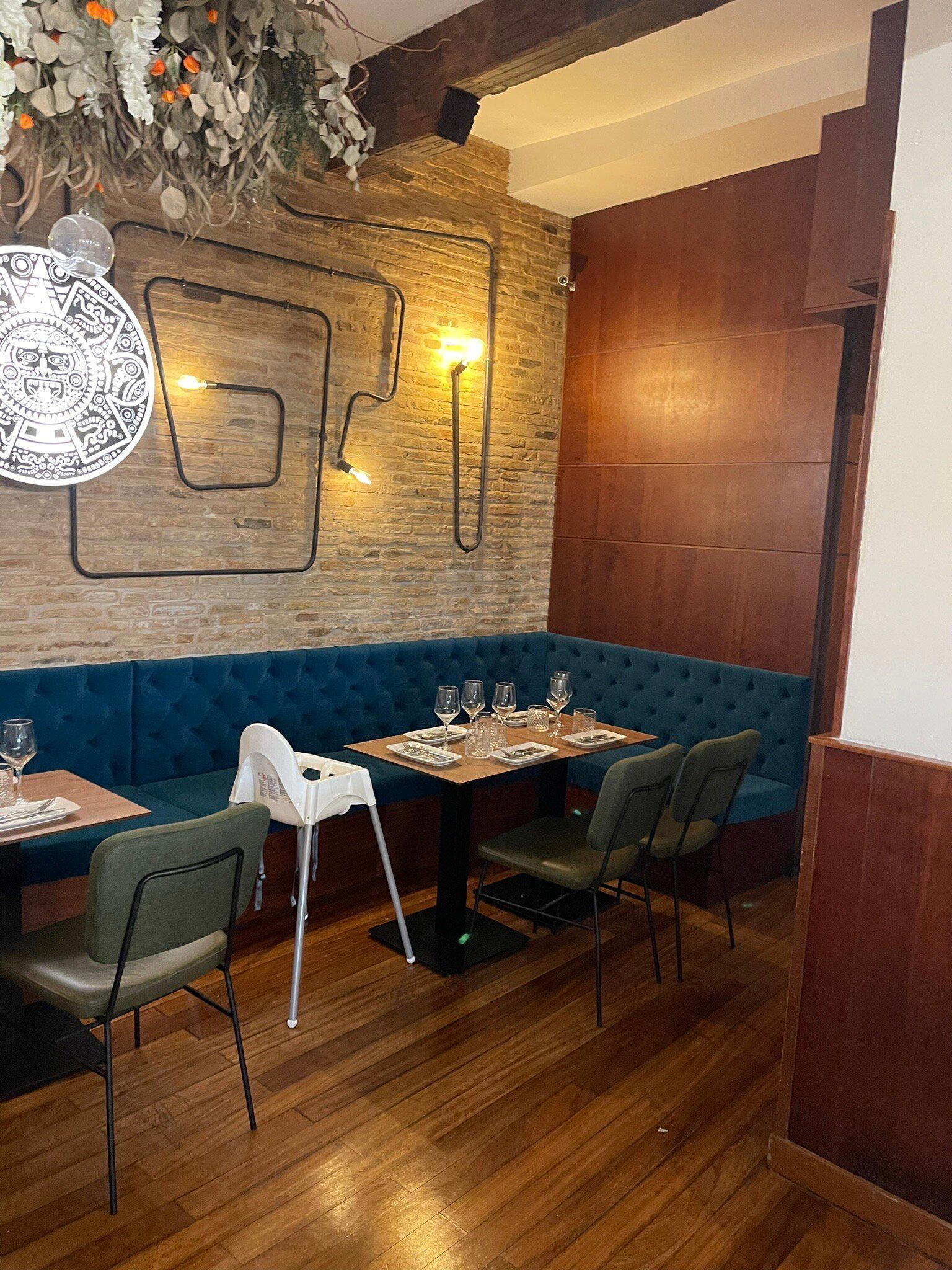
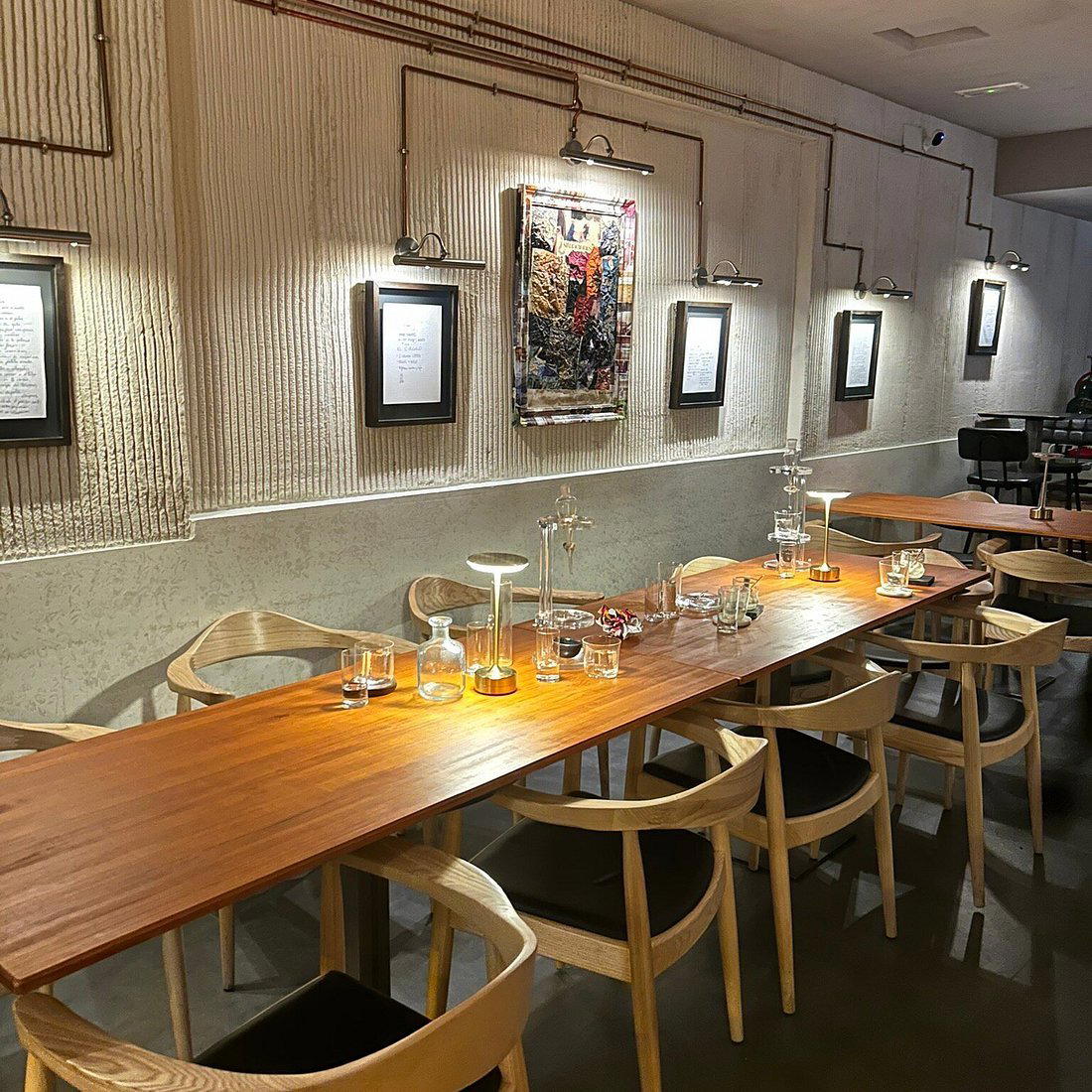
There is a particular kind of restaurant that refuses to announce itself too loudly. No tasting-menu theatre, no ceremony of arrival, no front-of-house choreography designed to signal occasion. Calle del Dr. Cerrada is a residential-feeling address in Saragossa's Delicias corridor, and Crudo sits there without fanfare, a compact space that describes itself as a gourmet taberna, a framing that does useful calibration work before you sit down. This is not a restaurant organised around ritual for its own sake. The ritual here is in the ingredients themselves: how they are treated, how little heat is applied, and how the disciplines of three distinct culinary traditions are brought into the same short menu without the whole thing collapsing under the weight of its own ambition.
Saragossa's restaurant scene has expanded its reference points considerably over the past decade. The city sits at a confluence of Aragonese produce and Ebro Valley ingredients, but its serious dining addresses increasingly look outward as well as inward. Cancook and Gente Rara operate at the creative end with Michelin star recognition and price points to match. La Prensa, Bistrónomo, and es.TABLE occupy the contemporary middle ground at various price levels. Crudo sits at the budget end of this map, with a single euro price indicator and a Michelin Plate awarded in 2025, which signals cooking worth attention without the full-star apparatus. In Michelin's own taxonomy, the Plate denotes fresh ingredients prepared competently and with care. At Crudo's price point, that represents an argument for the format that is difficult to dismiss.
The Logic of Raw: What the Menu Is Actually Doing
The kitchen's identity is built around rawness and marination, two techniques that are, at their core, about restraint. Raw preparation asks the cook to trust the ingredient and the diner to meet it on its own terms. Marination applies time and acid rather than heat, transforming texture and flavour through chemistry rather than combustion. Both methods are demanding precisely because they remove the cook's most forgiving tool.
The cross-cultural framework that organises the menu, drawing on Japanese, Mediterranean, and Latin American references, is not simply eclectic. Each of those traditions has its own developed vocabulary for raw and cured fish. Japan's sashimi and ceviche from the Pacific coast of South America represent two of the most technically refined approaches to the uncooked in world cooking. The Mediterranean adds its own grammar of olive oil, citrus, and salt-cured fish. Crudo is working within that triangulation, not decorating a Spanish menu with foreign flourishes.
Sea bass tiradito, cited as a representative dish, sits precisely in this framework. Tiradito is a Peruvian format that borrows from Japanese nikkei cooking, slicing fish in the manner of sashimi and dressing it in a leche de tigre-style acid. It arrived in Spain through the same wave of Latin American culinary influence that has shaped kitchens from Madrid to Barcelona, but here it sits on a menu that is otherwise rooted in the taberna format, which gives it a different register. For context on how Spanish kitchens at a larger scale have processed similar cross-cultural instincts, DiverXO in Madrid and Aponiente in El Puerto de Santa María represent what that ambition looks like with full Michelin star infrastructure behind it. Crudo operates in a fundamentally different register, but the underlying interest in dissolving culinary borders is part of the same broader movement in Spanish kitchens.
Pacing and Etiquette: How the Meal Actually Works
Dining ritual at a counter-oriented taberna requires a different kind of engagement from the diner than a tasting menu does. There is no fixed progression imposed by the kitchen, no amuse-bouche sequence, no palate reset between courses announced by the sommelier. The à la carte format puts the sequencing decision with the table, which means the meal can move quickly or slowly depending on what is ordered and how it is spaced.
With a menu built around raw and marinated preparations, the sequencing logic follows temperature and intensity rather than heat. Lighter, more acidic preparations work early. Richer marinations carry through the middle. The format rewards diners who treat the menu as a series of deliberate choices rather than a collection of dishes to be consumed in bulk.
Booking is advisable, which at a venue of this scale and price point is a meaningful practical note. Spain's broader dining culture schedules dinner late by northern European standards, typically from nine in the evening onwards, and a venue at this price point is likely to see sustained demand across the evening service.
Where Crudo Sits in a Wider Conversation
Cross-cultural fusion at the accessible end of the market is a format with a complicated track record in European cities. The failure mode is a menu that is neither one thing nor another, where Japanese, Mediterranean, and Latin American references sit alongside each other without dialogue. The success case, as seen in formats from Istanbul's Arkestra to Logroño's Ajonegro, is a kitchen that has genuinely internalised multiple traditions and can move between them with confidence. Michelin's Plate recognition for 2025 is one signal that the kitchen is operating in the latter category rather than the former.
Within Spain, the higher-end creative traditions represented by Arzak in San Sebastián, Azurmendi in Larrabetzu, El Celler de Can Roca in Girona, and Cocina Hermanos Torres in Barcelona have established that Spanish kitchens can process international influence without losing their grounding. Crudo does not operate at those scales or price points, but it belongs to the same cultural moment: a generation of Spanish restaurants that have decided the local and the global are not in opposition.
Planning Your Visit
Crudo is at Calle del Dr. Cerrada 40 in Zaragoza's 50005 postcode. The price point, indicated at a single euro level, places it at the accessible end of the city's dining map, making it a practical choice for a meal that does not require the planning horizon of a starred tasting menu. The à la carte format means the cost is self-determined by what you order. Booking in advance is the consistent recommendation given the venue's scale and recognition level. For broader context on where to eat, drink, and stay around your visit, our full Saragossa restaurants guide, hotels guide, bars guide, wineries guide, and experiences guide cover the full range of options across the city.
Frequently asked questions
Where is Crudo in Saragossa?
Crudo is located at C. del Dr. Cerrada, 40, 50005 Zaragoza, Spain, Saragossa.
What awards or recognition does Crudo have?
Crudo has received recognition including: This casual, informal eatery describes itself as a gourmet taberna to prepare you for the fact that it isn’t a regular style of restaurant. Its identity is built around raw and marinated ingredients, with dishes featuring on a small à la ca….
What's the signature dish at Crudo?
The sea bass tiradito is the clearest anchor on the menu, grounding the kitchen's Latin American influence alongside Japanese and Mediterranean techniques. It reflects the core identity of the Michelin Plate-recognised restaurant: raw and marinated preparations that let the primary ingredient carry the dish. The à la carte format means it appears as a fixed reference point rather than rotating off with seasonal changes.
Style and Standing
A quick peer reference to anchor this venue in its category.
| Venue | Cuisine | Price | Awards | Notes |
|---|---|---|---|---|
| CrudoThis venue — the venue you are viewing | Raw & Marinated Fusion | $20–30 | Michelin Plate | Not listed |
| Cancook | Modern Aragonese Geographic Cuisine | $100–150 | Michelin Plate | Creative |
| Gente Rara | Modern Spanish Fine Dining | $150–200 | 1 Michelin Star · Guía Repsol 1 Sol | Creative |
| La Prensa | Contemporary Spanish Fine Dining | $100–150 | 1 Michelin Star · Guía Repsol 1 Sol | Contemporary |
| es.TABLE | French-Peruvian Bistro | $30–50 | Michelin Bib Gourmand | Contemporary |
| Bistrónomo | Modern Spanish Bistro | $20–30 | Michelin Plate | Contemporary |
Recognition history
Dated appearances from independent guides and award organizations, with the underlying list record or original source where available.
Michelin Plate
Michelin
Full recognition history (3 entries)
Michelin Plate
Michelin
Michelin Plate
Michelin
Continue exploring
More in Saragossa
Restaurants in Saragossa
Browse all →
Bars in Saragossa
Browse all →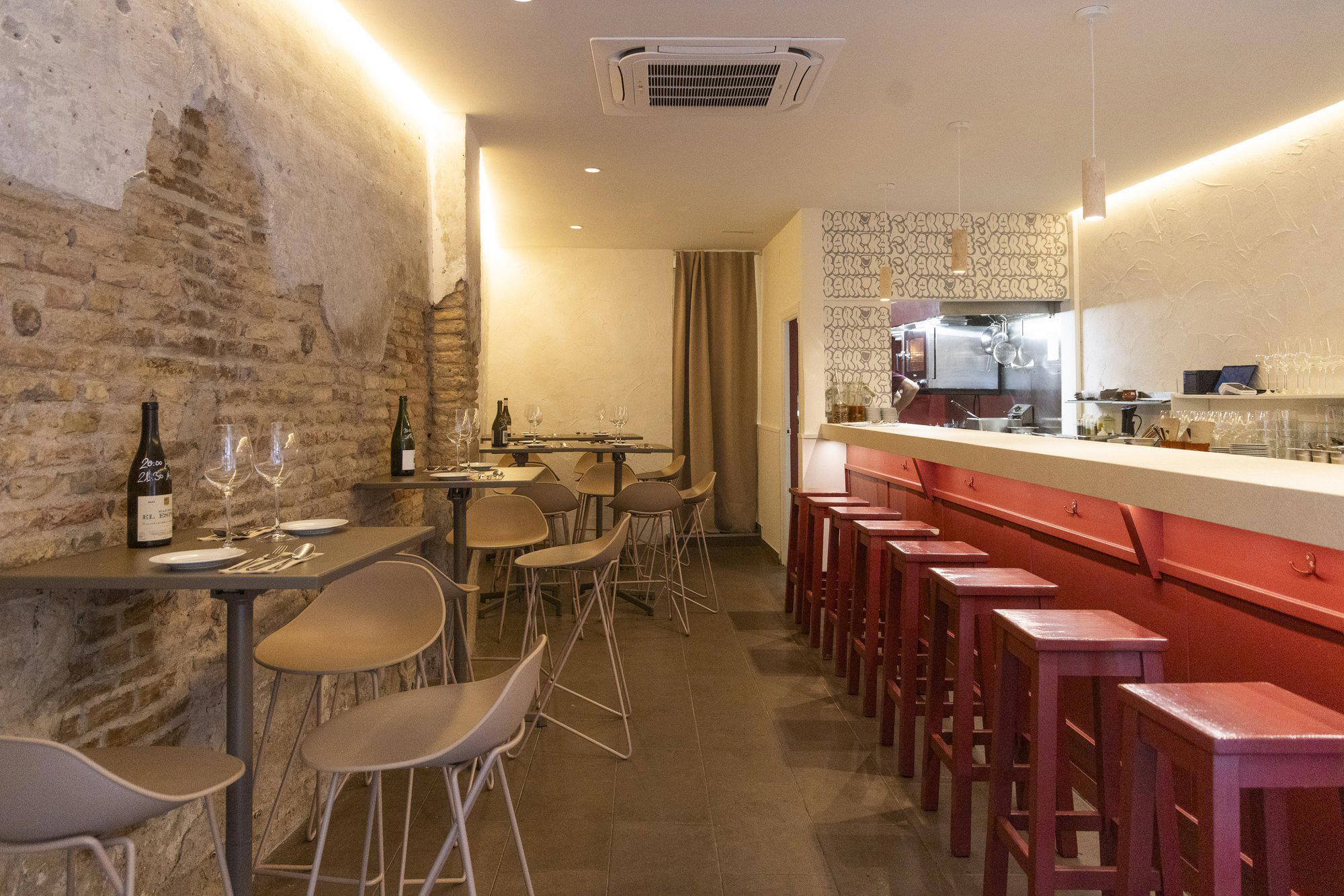

Details
- Casual
- Modern
- Trendy
- Date Night
- Casual Hangout
- Open Kitchen
- A La Carte
- Small Plates
Current opening hours
- Monday
- Closed
- Tuesday
- 1:30–4:30 PM, 8:30–11 PM
- Wednesday
- 1:30–4:30 PM, 8:30–11 PM
- Thursday
- 1:30–4:30 PM, 8:30–11 PM
- Friday
- 1:30–4:30 PM, 8:30–11 PM
- Saturday
- 1:30–4:30 PM, 8:30–11 PM
- Sunday
- Closed
Hours can change for holidays and private events. Last verified .
Casual and informal atmosphere in a gourmet taberna setting.