Bistro kafe Mělník
Our verdict
Bistro kafe Mělník sits in the historic wine town of Mělník, where the Bohemian wine country tradition of pairing local produce with informal hospitality runs deep. The bistro format fits a town that functions more as a regional hub than a tourist circuit, drawing locals who expect straightforward cooking grounded in what grows and is raised nearby. It occupies a practical middle tier in a dining scene that has few pretensions and no shortage of character.

Pearl is the En Primeur Club membership app — saves, bookings, and concierge access live there. Same editors, same standards.
- Address
- 276 01 Mělník
- Directions
- Get directions
The menu
What to order
- Vejce Benedikt
- Croque madame
Where the Elbe Meets the Vine: Dining in Mělník
Mělník occupies one of the more quietly consequential positions in Czech food and wine geography. Perched at the confluence of the Elbe and Vltava rivers, roughly 35 kilometres north of Prague, the town sits at the northern edge of Bohemia's main wine-producing corridor. The vineyards that climb the slopes above the river have been worked since at least the fourteenth century, and the agricultural character of the surrounding countryside shapes what ends up on plates in the town's cafes and bistros. This is not a restaurant scene built around imported technique or international ambition; it is one rooted in what the region produces, and that distinction matters when you are deciding where to eat. For a broader sense of what the area offers, our full Melnik restaurants guide maps the town's dining options across formats and price points.
The Bistro Format in a Wine Town
The bistro-cafe hybrid is a format that Czech provincial towns have refined over decades of practical necessity. Unlike the fine-dining establishments that anchor Prague's centre, or the ambitious modern-cuisine restaurants emerging in cities like Brno, a bistro kafe in a town like Mělník typically functions as a community anchor: a place where market-day shoppers, local office workers, and occasional visitors converge at similar hours for food that does not require advance planning. The comparison with Prague's more formal end of the spectrum is instructive. La Degustation Bohême Bourgeoise in Prague operates in a different register entirely, with a tasting menu format and price point that positions it against European fine dining. The bistro-cafe model in Mělník is the inverse: lower investment, higher frequency, and a menu logic driven by seasonal availability rather than culinary architecture.
That format has equivalents across the Czech Republic. Bylo, nebylo in Liberec and Bohém in Litomyšl occupy similar mid-register positions in their respective cities, where local sourcing and an unpretentious setting carry more weight than awards or chef credentials. The pattern reflects something consistent about how provincial Czech towns approach eating: the distinction between cafe and restaurant blurs, and the measure of quality tends to be freshness and familiarity rather than innovation.
Ingredient Logic in Bohemian Wine Country
The ingredient sourcing argument for eating in Mělník is geographic rather than fashionable. The town sits inside a productive agricultural band that supplies much of central Bohemia with vegetables, orchard fruit, and freshwater fish from the river systems. Carp, in particular, has deep roots in Bohemian cooking, and the proximity of the Elbe makes freshwater fish a logical menu presence in any kitchen paying attention to what is locally available. The wine connection adds another layer: Bohemian wine production is concentrated in the Mělník area more than almost anywhere else north of Moravia, and a bistro operating here has access to regional wines that rarely appear on lists in Prague or Brno.
This sourcing geography positions Mělník's eating options interestingly against venues in wine-forward regions elsewhere. Vinařství Gurdau in Kurdejov in Moravia operates in a similar register of regional wine and local food alignment, though the Moravian wine tradition is considerably more established internationally. Bulgaria's Aestivum (Bulgarian Farmhouse) takes the farm-to-table principle further into explicit estate sourcing, illustrating how the logic of place-based ingredients can scale from informal bistro to destination dining. Mělník sits at the informal end of that spectrum, where the sourcing advantage is structural rather than curated.
Reading the Town's Dining Character
Mělník is not a dining destination in the sense that it draws visitors specifically for its restaurant scene. It draws visitors for its castle, its wine cellars, and its riverside position, and the cafes and bistros that serve those visitors tend to reflect the town's unpretentious register. This is a meaningful distinction. A bistro-cafe in this context is not competing with the kind of ambitious regional cooking found at places like Cattaleya in Čeladná or Babiččina zahrada in Průhonice, where the setting and format are themselves part of a designed experience. In Mělník, the experience is incidental to the function: you eat because you are in town, not because you planned the meal.
That functional honesty is worth taking seriously. The Czech provincial bistro has a habit of delivering better value than its urban equivalents precisely because it is not performing. Kitchens that depend on repeat local custom rather than tourist throughput tend to maintain quality more consistently, because the consequences of a bad meal are reputational rather than transactional. The same logic applies to U Lípy in Hrensko and ARRIGŌ in Děčín, both of which serve communities where local loyalty is the primary business model.
Planning Your Visit
Mělník is accessible from Prague by train or car in under an hour, making it a practical half-day or day trip from the capital. The town is compact enough to walk from the train station to the castle and the riverside vineyards within twenty minutes. For visitors arriving from further afield, the bistro-cafe format means that meal planning is low-stakes: these are not restaurants that require advance booking in the manner of, say, Le Bernardin in New York City or Atomix in New York City, where reservations open months in advance and format is tightly controlled. The bistro register in Mělník accommodates walk-ins, families, and variable group sizes as a matter of course, which suits the town's function as a regional stop rather than a destination in itself.
For context on how Czech regional dining compares across cities and price points, venues like BRATRS in Brno, La Chica in Plzen, and Hello Vietnam in Karlovy Vary illustrate how different Czech cities are building distinct dining identities. Mělník's identity remains tied to its agricultural and viticultural geography, and the bistros that operate within it reflect that orientation directly.
Frequently asked questions
Does Bistro kafe Mělník work for a family meal?
The bistro-café format is broadly suited to mixed-group dining, including families. Mělník is a compact town with a largely unhurried pace, and venues in this category typically serve across lunch and afternoon hours rather than formal dinner sittings.
What kind of setting is Bistro kafe Mělník?
It operates as a bistro-café hybrid, a format common to Czech provincial towns that combines casual counter or table service with a flexible all-day menu. Mělník itself sits at the confluence of the Elbe and Vltava, giving the town a distinctly unhurried, wine-country register that tends to shape how its eating and drinking spots feel in practice.
Is Bistro kafe Mělník a good base for exploring Mělník's wine scene?
Mělník holds one of the more recognized positions in Czech viticulture, with the castle vineyard producing wine under the Lobkowicz name since the medieval period. A bistro-café at this address, located within the 276 01 postal district, sits inside a town where wine culture shapes day-to-day food and drink habits rather than existing as a separate attraction.
What do regulars order at Bistro kafe Mělník?
In Mělník's agricultural context, bistro kitchens in this area draw on the productive farming belt surrounding the confluence, which supplies fruit, vegetables, and local produce. The café side of the format points toward coffee, pastries, and lighter daytime plates as a reasonable baseline expectation.
Where exactly is Bistro kafe Mělník?
Bistro kafe Mělník is located at 276 01 Mělník, Melnik.
Is Bistro kafe Mělník reservation-only?
No reservation policy is documented. Bistro-café formats in Czech provincial towns of Mělník's scale typically operate on a walk-in basis during standard service hours, though that can change without direct contact. Check the venue's official channels for the latest details.
What's the signature at Bistro kafe Mělník?
No specific signature dish is recorded. Given Mělník's identity as one of Bohemia's established wine-producing towns, local wine pairings with food are a reasonable throughline for any eating or drinking spot in the area, though this is geographic context rather than venue-confirmed fact.
Comparable Spots, Quickly
Comparable venues nearby, for context on price, style, and recognition.
| Venue | Cuisine | Price | Notes |
|---|---|---|---|
| Bistro kafe MělníkThis venue — the venue you are viewing | European Bistro with Asian Fusion | $10–20 | Not listed |
| Mr. HotDoG | American Street Food - Hot Dogs & Sliders | $10–20 | Pelc Tyrolka |
| Old Gasworks (Stará Plynárna) | Traditional Czech | Not listed | Hřensko |
| Pizzeria Da Pietro | Neapolitan Pizza | $10–20 | Pilsen |
| Kogo Havelská | Italian | $20–30 | Stare Mesto |
| Gao Den | Modern Vietnamese | $20–30 | Stodulky |
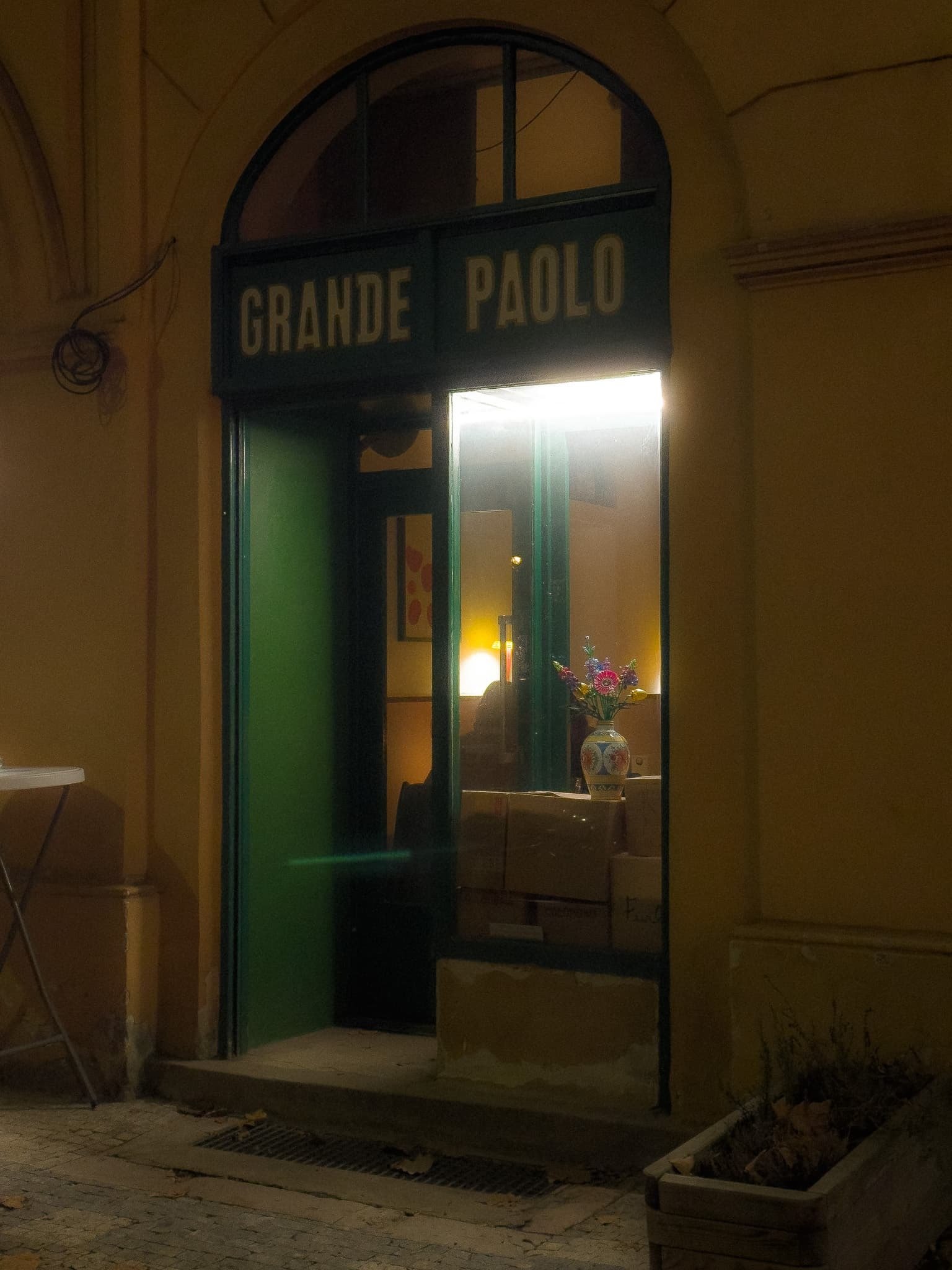
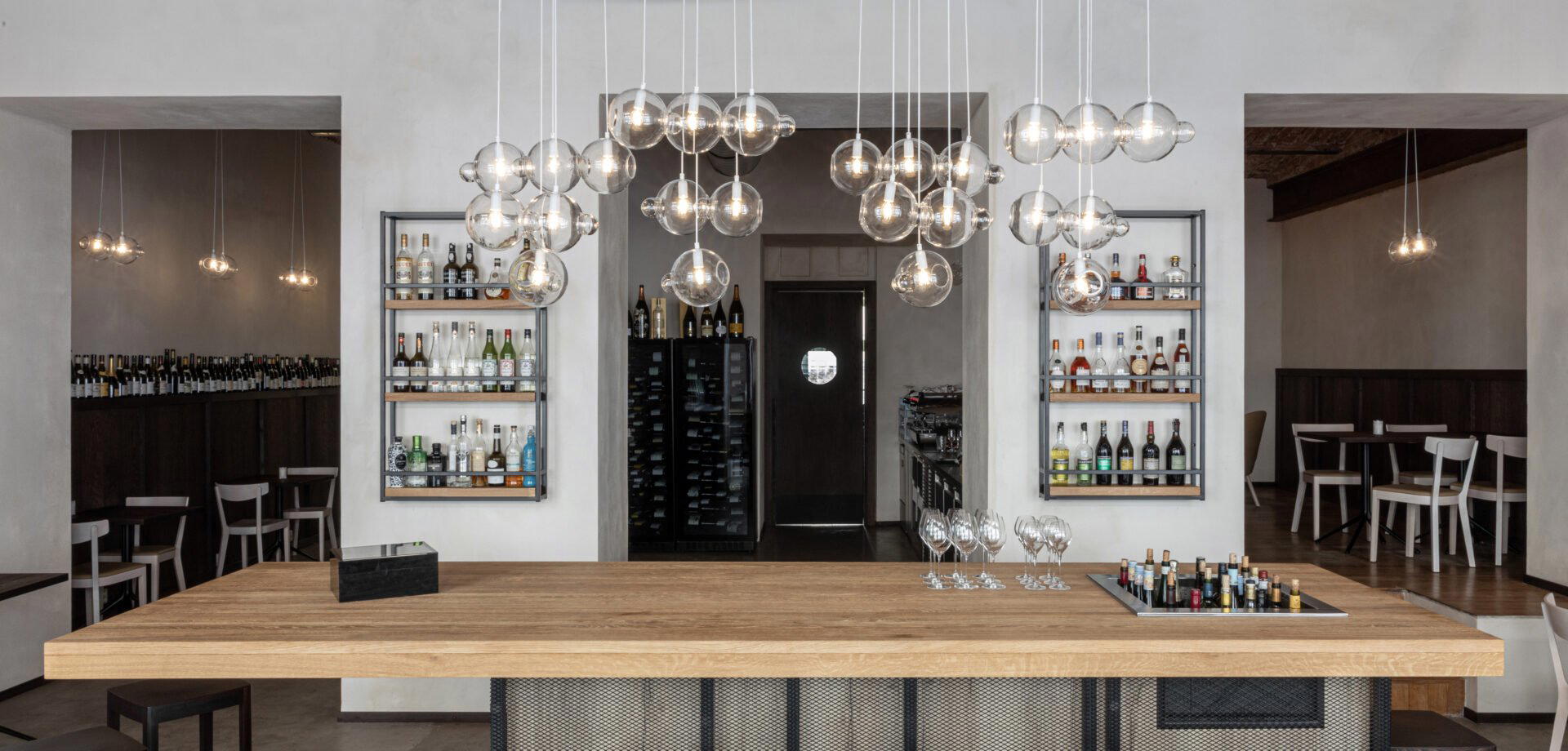
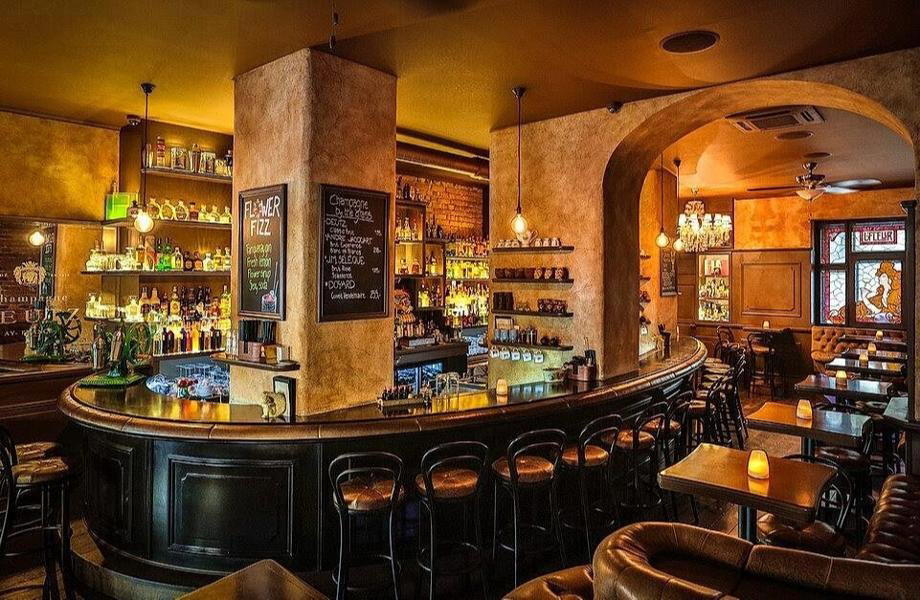
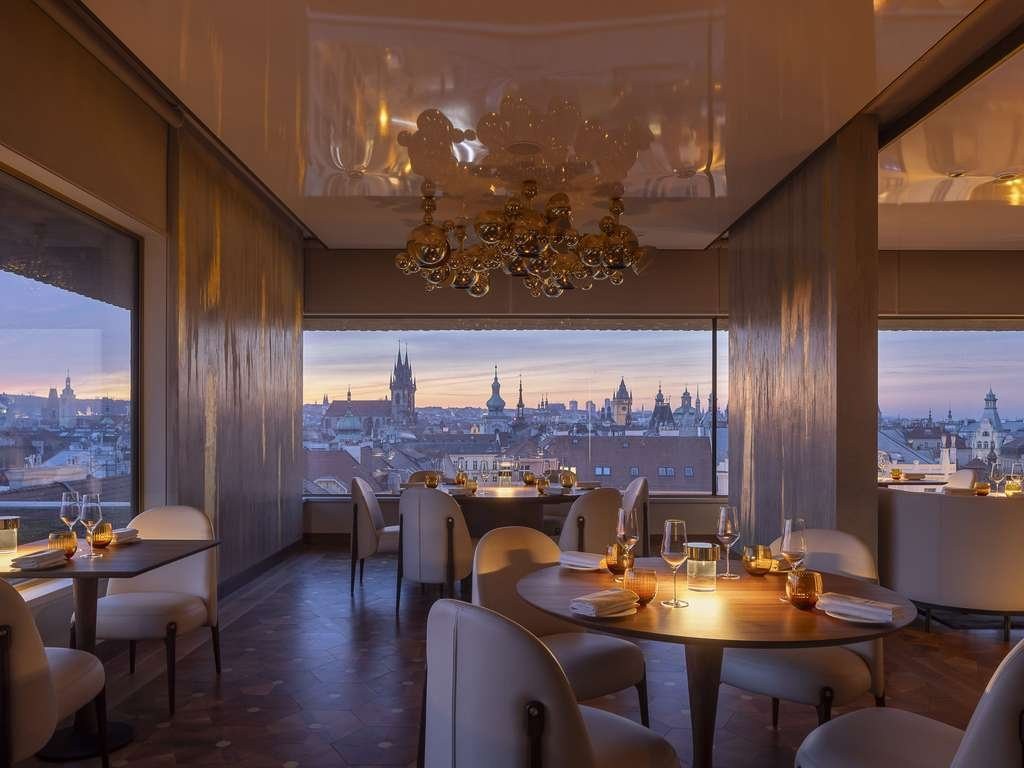
Details
- Cozy
- Modern
- Casual Hangout
- Open Kitchen
- Beer Program
- Local Sourcing
- A La Carte
- Specialty Coffee
- Gluten Free Options
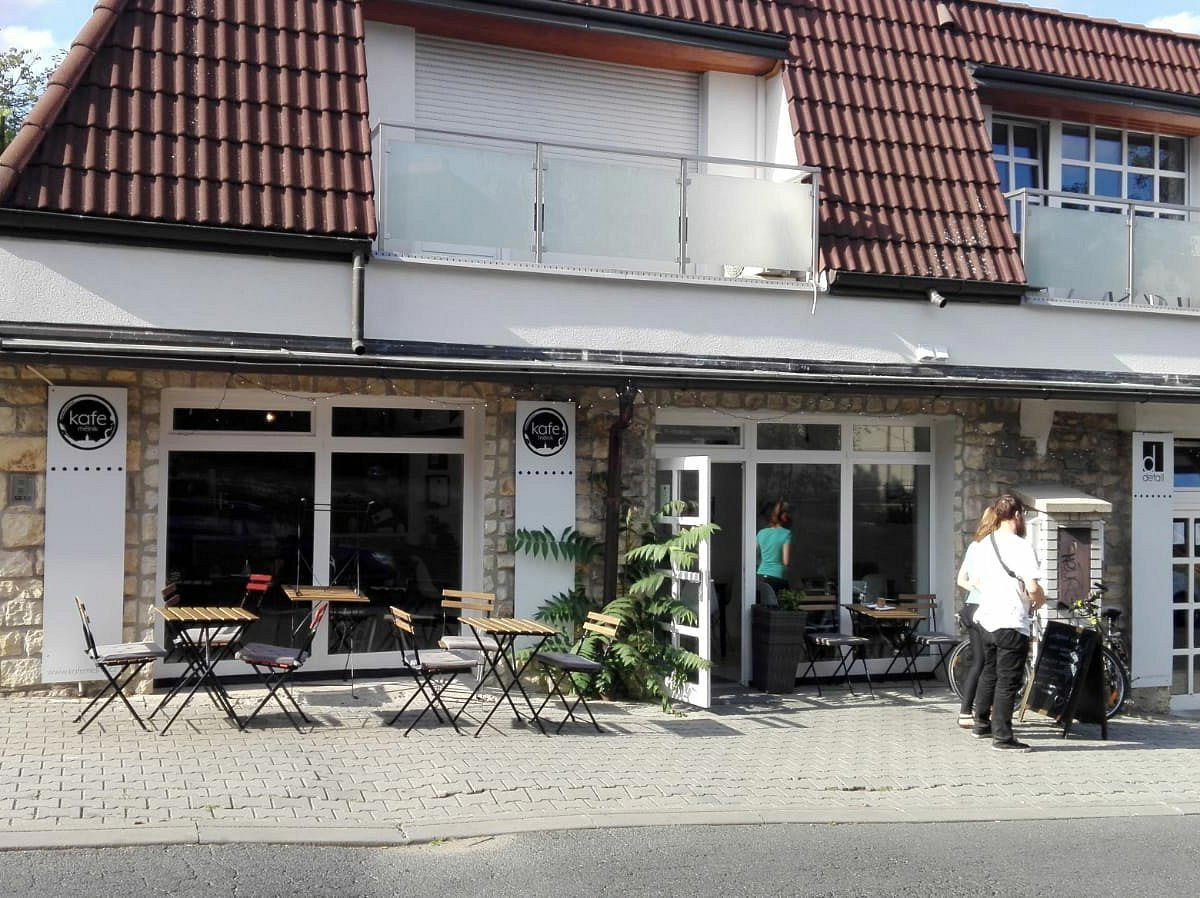
Bright and welcoming cafe atmosphere focused on quality coffee and fresh baked goods.