Old Gasworks (Stará Plynárna)
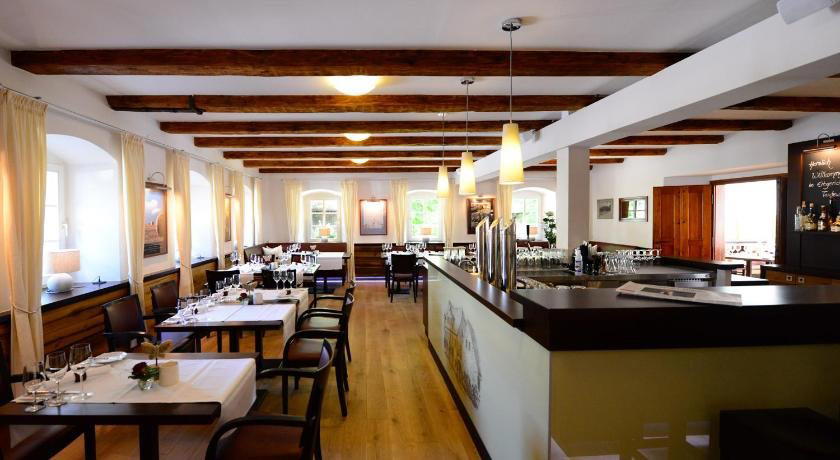
Set inside a converted industrial building in the Saxon Switzerland borderlands, Old Gasworks (Stará Plynárna) is one of Hřensko's more architecturally distinct addresses. The village sits at the Czech entry point to the Elbe gorge, where tourism traffic is substantial but dining options remain limited. For visitors moving between the sandstone rock formations and the German border, this address provides a grounded local alternative to the highway-adjacent stops that dominate the area.
Pearl is the En Primeur Club membership app — saves, bookings, and concierge access live there. Same editors, same standards.
- Address
- Hřensko 119, 407 17 Hřensko
- Directions
- Get directions
 Saves & bookings on Pearl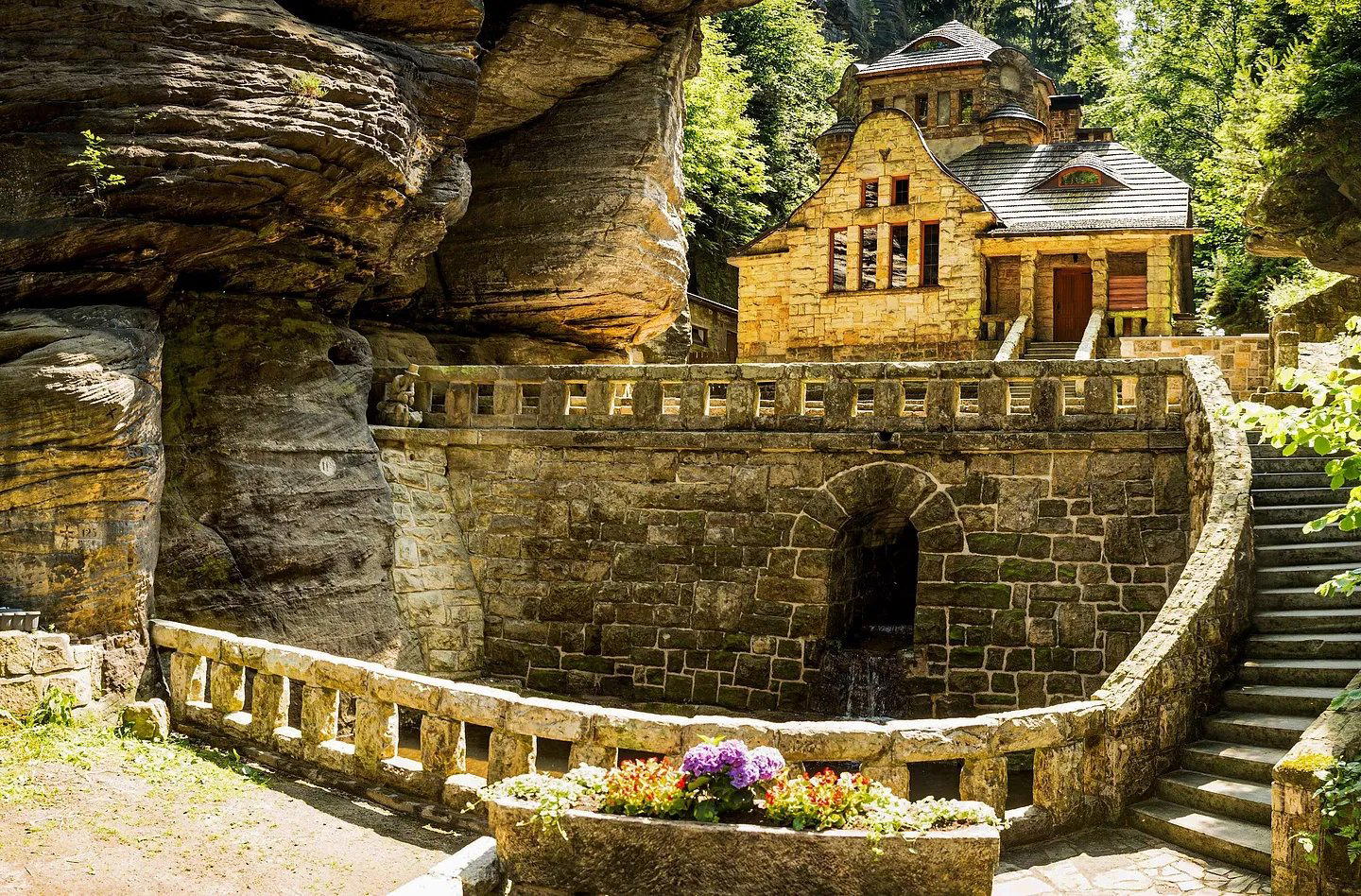
Industrial Bones in a Village of Stone and River
Hřensko occupies a narrow slot where the Kamenice river meets the Elbe, pressed between sandstone cliffs on the Czech-German border. It is a transit village as much as a destination: most visitors pass through on foot or by bicycle, heading toward the Pravčická brána arch or crossing into Saxony. The dining options in this corridor have historically reflected that transience, tilting toward fast service and tourist throughput rather than anything rooted in place. Old Gasworks, housed in a converted industrial structure at Hřensko 119, sits as a counterpoint to that pattern. The building itself signals a different kind of ambition for the village, the kind that tends to emerge when a space carries enough architectural weight to set terms rather than follow them.
Across the Czech Republic's smaller towns and border regions, interesting dining spaces of the past decade have often arrived in reclaimed industrial shells. Breweries, mill houses, and now gasworks have become containers for a more grounded, material-led hospitality. That tradition is well-established in larger Czech cities, but it filters slowly into smaller settlements. In Hřensko, with its roughly 250 permanent residents and its economy built almost entirely on seasonal tourism, a venue occupying a converted utilitarian building carries a specific kind of cultural signal: that the place is investing in something beyond the summer rush.
Czech Dining at the Margins of the Country
The Ústí nad Labem region, which contains Hřensko, sits at the northern edge of Czech culinary consciousness. Prague dominates the country's dining conversation, with addresses like La Degustation Bohême Bourgeoise in Prague anchoring the high end of Czech-French cuisine, and Emperor Square in Prague 1 representing the capital's continued appetite for formal European dining. Venues here compete not with Michelin-tracked peers but with the practical reality that most visitors are day-trippers with limited time and no hotel restaurant to default to.
That creates an opening for a place like Old Gasworks. When the competitive set is defined by roadside grills and tourist-menu schnitzel, a venue with genuine architectural character and a fixed address in the village centre occupies an asymmetric position. For the traveller who plans ahead rather than walks in on impulse, it represents the considered choice in a category where considered choices are scarce. The contrast with what serious dining looks like elsewhere in the Czech Republic, whether at BRATRS in Brno or at Bylo, nebylo in Liberec, makes clear how much geography shapes the hospitality proposition in smaller Czech settlements.
The Cultural Weight of Czech Pub and Restaurant Tradition
Czech restaurant culture carries a specific social architecture that rarely translates cleanly to foreign visitors. The hospoda, the pivnice, the restaurace: each occupies a distinct register, with different expectations around pace, formality, and the relationship between food and beer. Border-region venues like those in Hřensko exist at the intersection of that tradition and German tourist expectations, which tend toward faster service and English menus. The result is often a flattened hybrid that satisfies neither fully.
What the converted industrial format offers is a way out of that compromise. A space with its own visual identity creates a frame that is neither purely Czech pub nor tourist-facing cafe. It allows a venue to set the terms of service rather than inherit assumptions from the category it appears to occupy. What the address and building type establish is a structural position in the village that no amount of menu engineering at a generic competitor could replicate quickly.
For regional comparison across northern Bohemia, ARRIGŌ in Děčín, roughly 25 kilometres downstream along the Elbe, represents the direction that more invested border-region dining has taken: a fixed culinary identity, deliberate format, and an address that functions as a destination rather than a fallback. Hřensko's smaller scale and heavier seasonal dependency make that model harder to sustain, but the structural logic is the same.
Who Comes Here and When
The national park trails that connect the village to the Bohemian Switzerland formations draw significant foot traffic from April through October, with a pronounced peak in summer. German day-trippers represent a substantial share of that traffic, given the proximity to the Saxon border. Czech domestic tourism adds volume on weekends throughout the hiking season.
That seasonal shape creates specific planning considerations. A venue like Old Gasworks likely operates under the same warm-season pressure that affects every Hřensko business: high demand concentrated in a short window, with quieter shoulder periods on either side. Visitors planning a meal here during peak summer should account for that demand, arriving with some flexibility or checking availability in advance. Those visiting outside the core summer months will find the village itself considerably quieter, which tends to produce a more relaxed experience at every address. Other dining options in the village include U Lípy, which rounds out the small but functional dining picture in Hřensko.
For travellers building a broader Czech itinerary around this corner of Bohemia, the regional dining scene also extends south and west. Bohém in Litomyšl, Chapelle in Písek, and Babiččina zahrada in Průhonice each represent a different register of Czech regional dining, from cultural-town bistro to countryside garden restaurant. Further afield, Cattaleya in Čeladná and Restaurace Dr. Grill in Havirov anchor the Moravian-Silesian dining picture for those crossing to the east. For international reference points in serious dining, Le Bernardin in New York City and Atomix in New York City set the standard for what sustained culinary commitment looks like at a global scale, a useful frame for calibrating what Czech regional dining does and does not aspire to match. Czech wine context comes from addresses like Vinařství Gurdau in Kurdejov in southern Moravia, where the country's serious viticulture is concentrated. Other regional dining perspectives include La Chica in Plzen, Hello Vietnam in Karlovy Vary, and Gokana Japanese restaurant in Ostrava, each illustrating how the Czech Republic's regional cities have absorbed international cuisine formats at varying price points.
Planning a Visit
Hřensko is most practically reached by road from Děčín, approximately 20 kilometres to the south, or by crossing from Bad Schandau on the German side. Public transport access is limited, and the village's geography, pressed between steep valley walls, means parking is constrained during peak season. Visitors arriving by car should plan for that constraint on summer weekends. The address for Old Gasworks is Hřensko 119, which places it within the village proper rather than on its outskirts.
Price and Recognition
Comparable venues nearby, for context on price, style, and recognition.
| Venue | Cuisine | Price | Notes |
|---|---|---|---|
| Old Gasworks (Stará Plynárna)This venue — the venue you are viewing | Hřensko, Traditional Czech | $$ | Not listed |
| U Lípy | Hrensko, Traditional Czech | $$ | Not listed |
| Krystal Bistro | Not listed | $$ | Karlin, Traditional Czech with French Charm |
| Zvonice | Not listed | $$$ | Praha 1, Traditional Czech in Historic Belfry |
| ZEM Prague | Not listed | $$$ | Josefov, Avant-garde Czech-Izakaya Fusion |
| Červený jelen | Josefov, Modern Czech Steakhouse | $$ | Not listed |
Continue exploring
More in Hrensko
Restaurants in Hrensko
Browse all →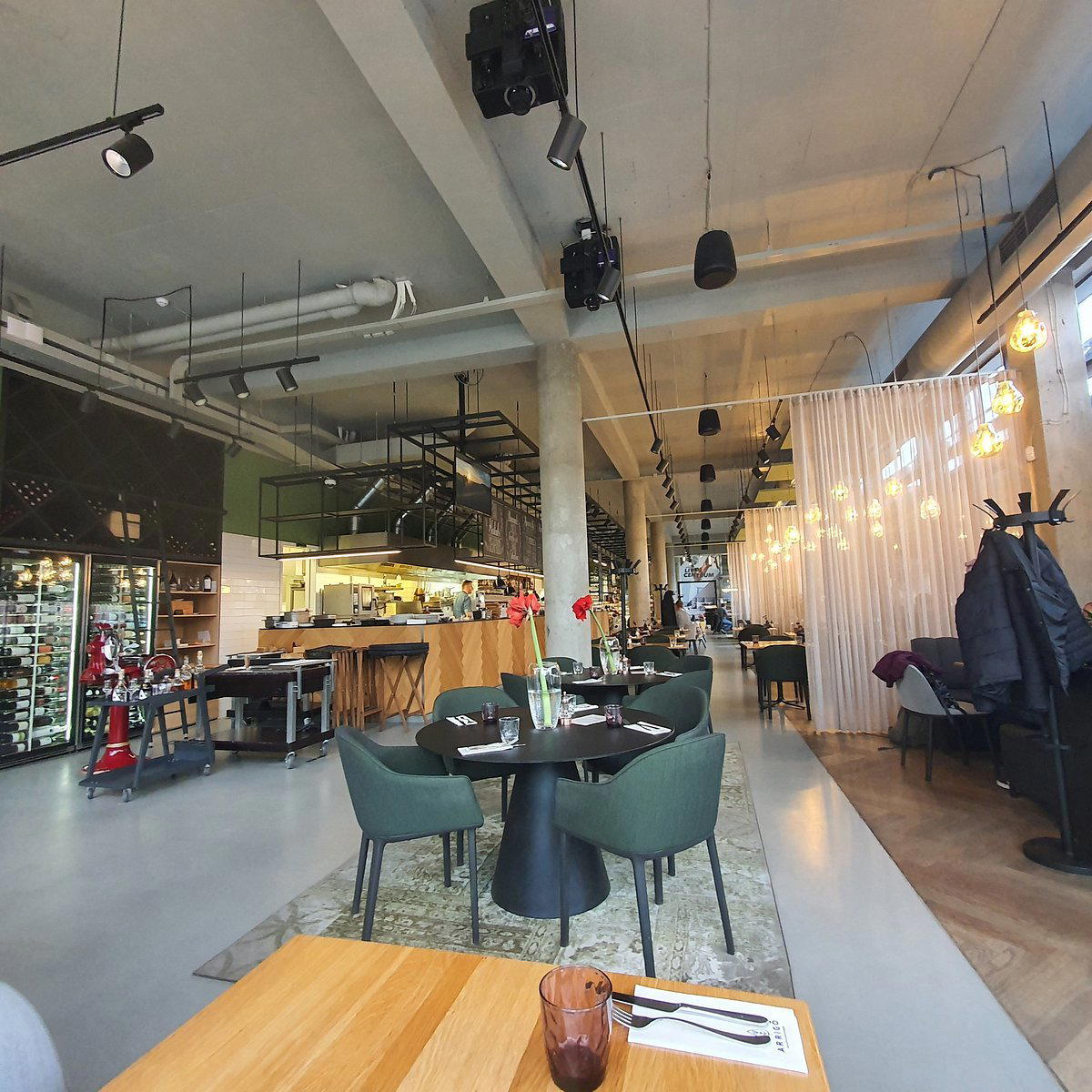
Bars in Hrensko
Browse all →
Hotels in Hrensko
Browse all →

At a Glance
- Romantic
- Rustic
- Scenic
- Family
- Casual Hangout
- Historic Building
- Beer Program
- Local Sourcing
- Mountain
- Garden
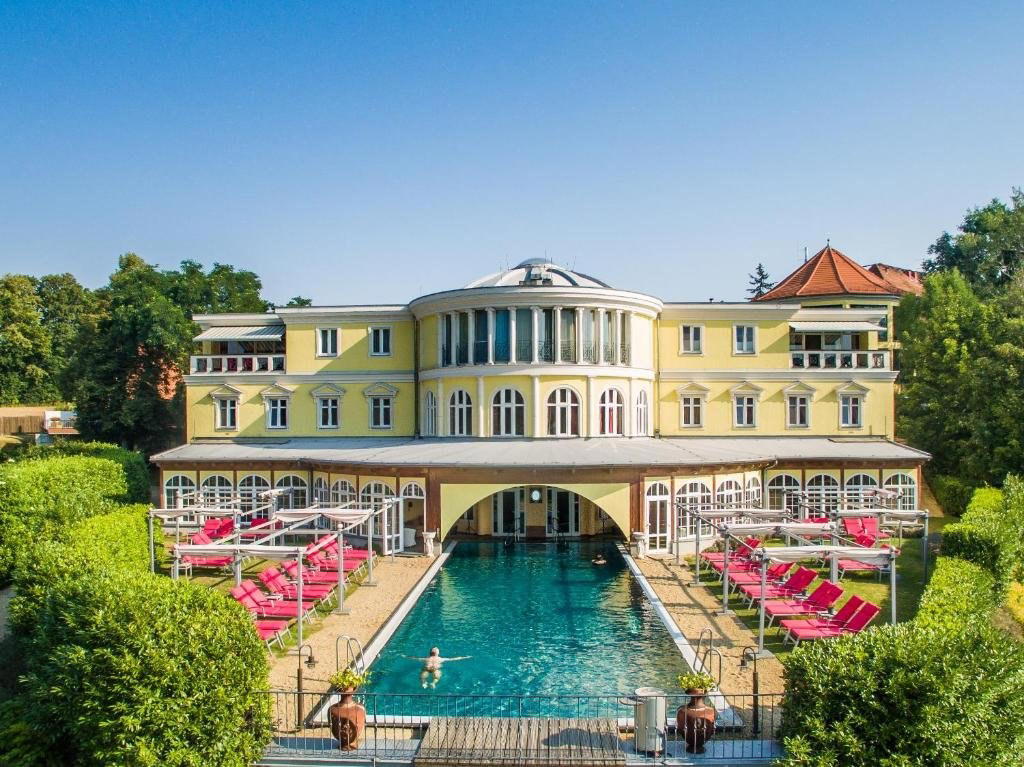
Warm and welcoming atmosphere in a charming historic stone building with garden and mountain views.