Štangl


On the first floor of a converted industrial building in Karlín, Štangl serves three- or five-course menus built entirely from seasonal Czech ingredients. The kitchen is fully open, the room deliberately unhurried, and a projected film introduces the producers behind each plate. A ground-floor bakery from the same team sells house-made bread and preserved vegetables.
Pearl is the En Primeur Club membership app — saves, bookings, and concierge access live there. Same editors, same standards.
- Address
- Pernerova 49, 186 00 Praha 8-Karlín, Czechia
- Phone
- +420 605 938 387
- Website
- stangl.ambi.cz
- Directions
- Get directions
 Saves & bookings on Pearl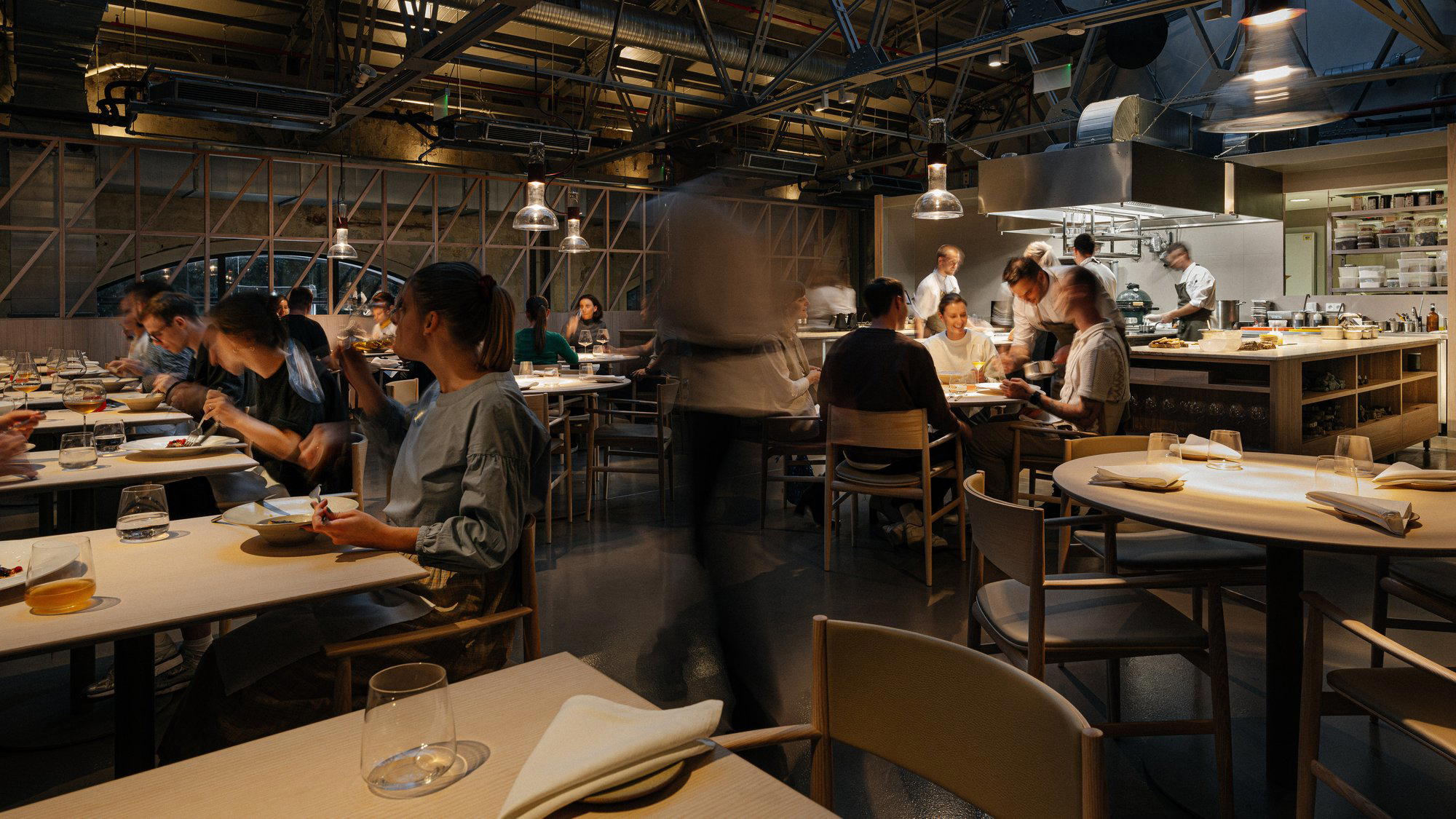
A Karlín Address and the Turn Toward Czech Produce
Prague's restaurant scene spent much of the 2000s and early 2010s looking outward: French technique, international tasting menus, and the kind of cooking that could have been transplanted from any European capital. The correction, when it came, was decisive. A cluster of restaurants began anchoring their menus to Czech suppliers and seasonal Czech ingredients, treating the country's larder as a serious creative constraint rather than a marketing footnote. Štangl, at Pernerova 49 in Karlín, sits inside that shift, a modern set-menu restaurant that commits its three- and five-course formats entirely to what Czech producers are growing, raising, and fermenting at any given moment.
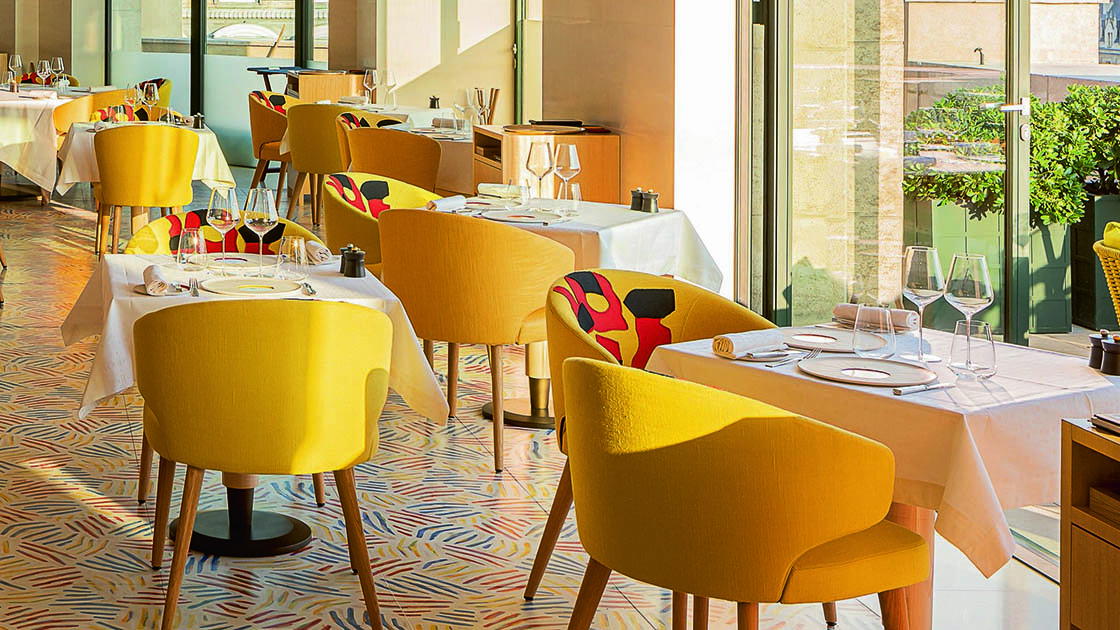
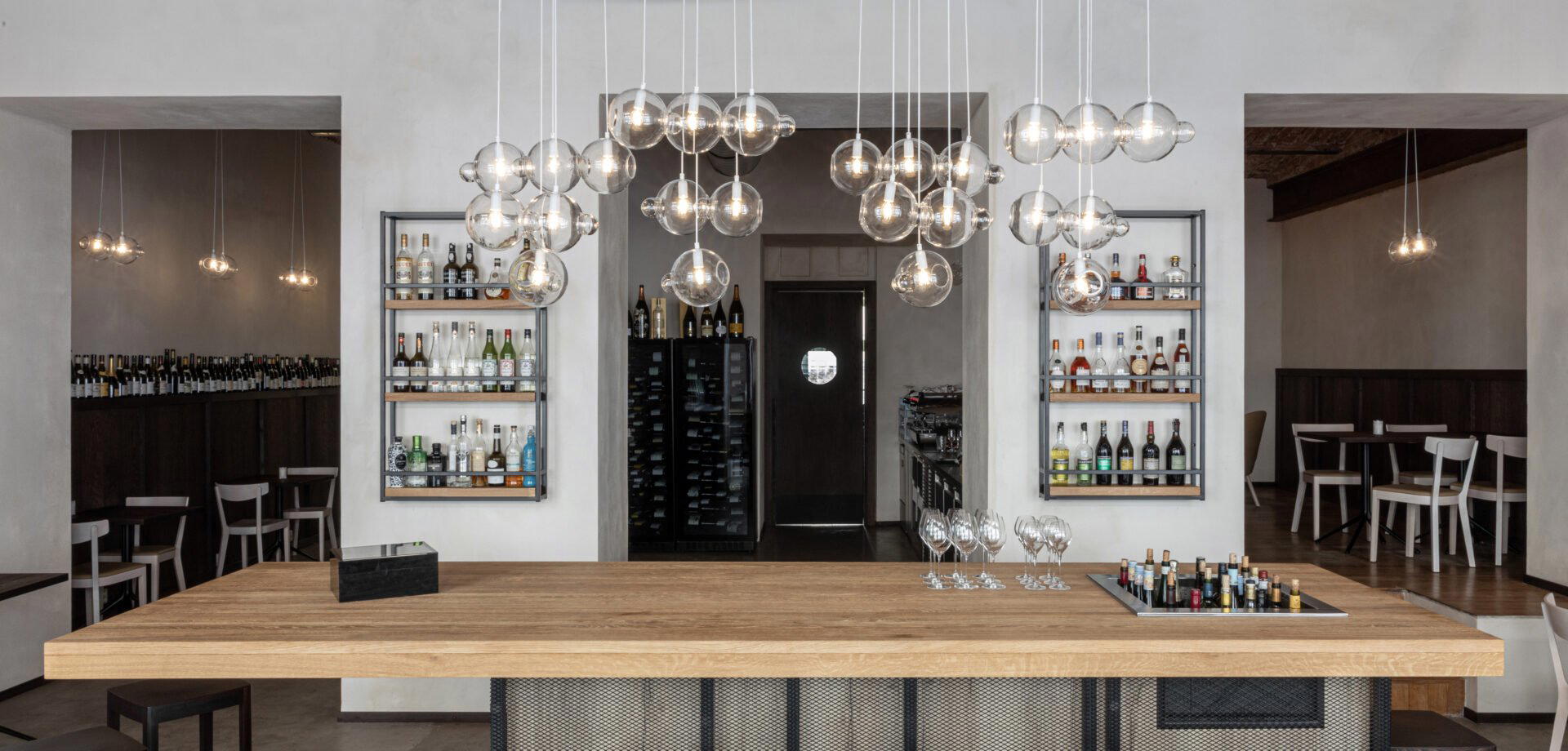
Karlín itself matters here. The neighbourhood, on the right bank of the Vltava and a short tram ride from the historic centre, has become the clearest physical expression of Prague's dining evolution. Former industrial buildings have been converted into restaurants, studios, and bakeries with a consistency of purpose that older, more touristic neighbourhoods rarely achieve. Štangl occupies a first-floor space in exactly that mould: a large, airy room whose bones are industrial and whose atmosphere has been calibrated to feel relaxed without being casual.
The Room and What It Signals
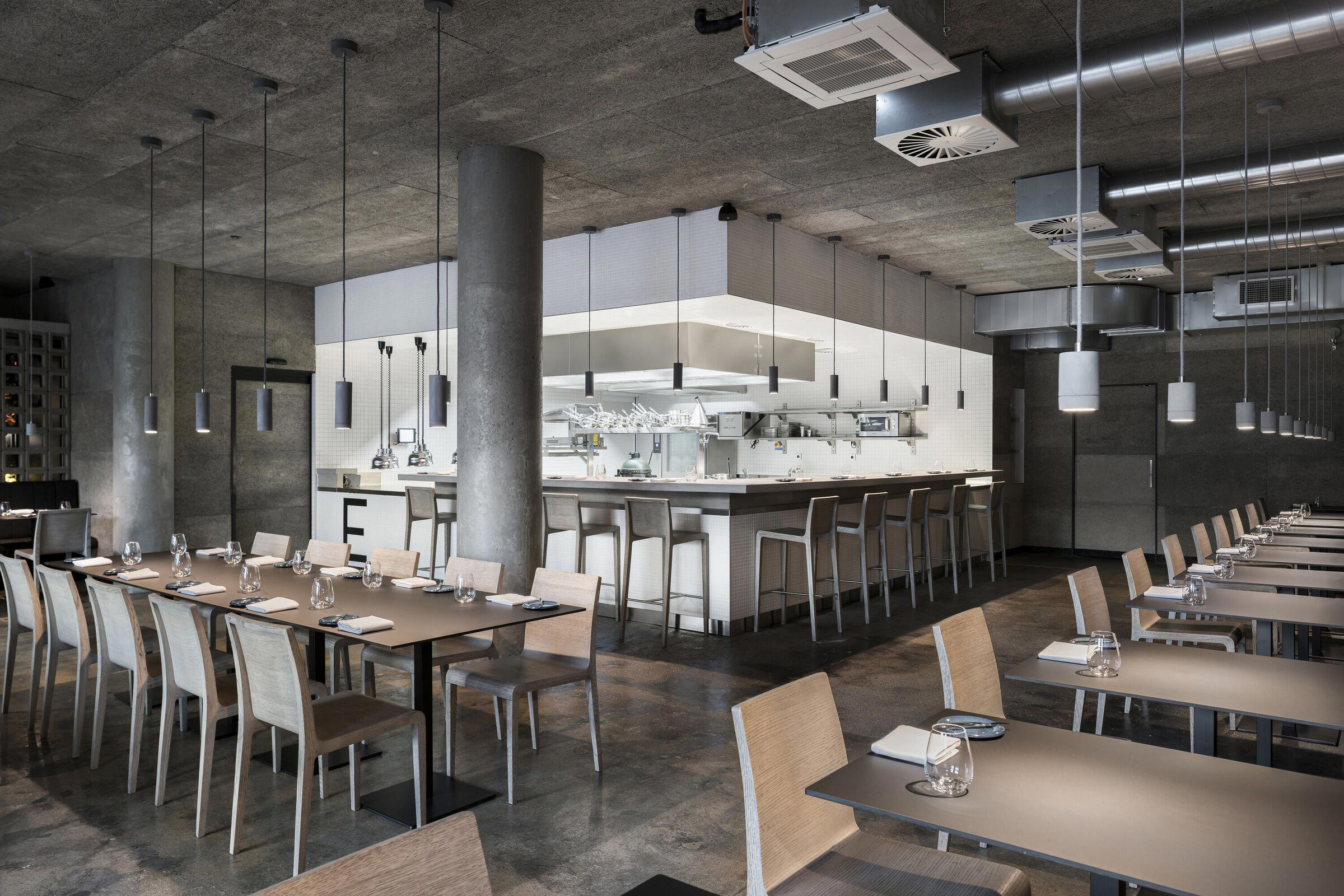
The fully visible kitchen is not a decorative gesture. In a format built around seasonal Czech produce, transparency carries a programmatic logic: the cooking is part of the argument, and keeping it visible reinforces the claim that nothing is being hidden. The space on the first floor reads as deliberately open, high ceilings, natural light, the kind of room that would feel sparse if the food and service did not give it weight. They do.
The atmosphere is pleasantly unhurried. That matters more at a set-menu restaurant than at an à la carte one, because the pacing of the meal is the kitchen's responsibility, not the diner's. A tense room undermines a composed menu; a room that moves at its own confident tempo reinforces it. Štangl's staff are professional and clearly well-briefed on the menu and its producers, but the service does not lean into formality for its own sake.
One distinctive structural element: a film projected onto the wall introduces guests to the producers behind the ingredients. This is not a gimmick. It changes the register of the meal, placing the food in a supply chain with named faces and specific places, rather than presenting produce as an abstraction. Restaurants elsewhere in Europe have tried similar approaches, but the execution often feels bolted on. Here it is integrated into the restaurant's whole argument about transparency and seasonality.
Seasonal Czech Cooking and Where Štangl Sits in Prague's Set-Menu Tier
The three- and five-course menu format puts Štangl in a specific competitive tier within Prague's modern restaurant scene. At the formal end, restaurants like La Degustation Bohême Bourgeoise operate long tasting menus with a French-Czech lens and a considerably higher price point. Alcron represents a different strain of modern European formality. Štangl occupies a middle register: structured enough to deliver a composed, progressive meal, but without the ceremonial weight that can make longer tasting menus feel like an occasion requiring preparation. You can come on a Tuesday without it feeling like an event.
The seasonal Czech focus is not a soft commitment. The menu changes with what the country's producers can actually supply, which in practice means significant shifts between the growing seasons. Spring menus built around early vegetables and fresh dairy differ substantially from autumn menus leaning into roots, fermented goods, and game. This is a restaurant where returning at a different time of year is not repetition but a genuinely different experience, a structural quality that Prague's more internationally oriented restaurants, by their nature, cannot replicate in the same way.
Dishes are described, in the restaurant's own framing, as delicate and elegant, with clear and well-balanced flavours. That register, restrained rather than showy, flavour-first rather than technique-first, aligns Štangl with a broader European movement away from elaboration for its own sake. Kitchens at Le Bernardin in New York and Atomix operate in entirely different price and prestige brackets, but share a common preference for discipline over accumulation. Prague's version of that instinct, applied to Czech produce, is what Štangl is working through.
For context on how this approach is playing out across the Czech Republic, ARRIGŌ in Děčín, ATELIER bar & bistro in Brno, Babiččina zahrada in Průhonice, Bohém in Litomyšl, Cattaleya in Čeladná, and Chapelle in Písek each represent regional versions of the same turn toward Czech ingredients and producer relationships. The pattern is national, not just metropolitan.
Within Prague's own dining options, 420 Restaurant, Alma, and Amano represent different points on the spectrum of modern Prague cooking, each with its own relationship to local sourcing and format discipline.
The Bakery Downstairs
The ground floor is occupied by Eska bakery, which operates under the same ownership and sells house-made bread alongside preserved vegetables and other pantry goods. The relationship between the two spaces is more than logistical convenience. A bakery committed to house fermentation and preservation is, in effect, a working demonstration of the same philosophy that drives the restaurant above: that Czech ingredients, handled with attention, produce things worth eating. Picking up bread or a jar of preserved vegetables on the way out closes a loop that the producer film upstairs opens.
Planning a Visit
Štangl is at Pernerova 49 in Praha 8-Karlín, a neighbourhood that rewards arriving slightly early to walk the surrounding streets. The restaurant is on the first floor; Eska bakery occupies the ground floor of the same building. Given the set-menu format and the restaurant's reputation within Prague's tighter modern-dining circuit, booking ahead is advisable, the room is not enormous and the format does not lend itself to walk-in flexibility. The optimal time to visit tracks the Czech growing calendar: late spring through early autumn brings the widest range of fresh produce to the menu, though the autumn and winter iterations, built around preservation and root vegetables, carry their own internal logic.
Nearby-ish Comparables
Comparable venues nearby, for context on price, style, and recognition.
| Venue | Cuisine | Price | Notes |
|---|---|---|---|
| ŠtanglThis venue — the venue you are viewing | Modern Czech Seasonal | $$$$ | Not listed |
| Coda | Modern Czech & European Fine Dining | $$$$ | Mala Strana |
| LEVITATE | Asian-Scandinavian Fusion Fine Dining | $$$$ | Vinohrady |
| Grand Cru | Modern International Fine Dining | $$$ | Pelc Tyrolka |
| Café Imperial | Classic Czech Brasserie | $$$ | Pelc Tyrolka |
| 420 Restaurant | Modern Czech | $$$ | Stare Mesto |
Recognition history
Dated appearances from independent guides and award organizations, with the underlying list record or original source where available.
Falstaff Restaurant - 93 Falstaff Points
Falstaff
Michelin 1 Star
Michelin
At a Glance
- Modern
- Cozy
- Elegant
- Intimate
- Sophisticated
- Special Occasion
- Date Night
- Solo
- Open Kitchen
- Extensive Wine List
- Local Sourcing
- Farm To Table
Current opening hours
- Monday
- Closed
- Tuesday
- 6–11 PM
- Wednesday
- 6–11 PM
- Thursday
- 6–11 PM
- Friday
- 6–11 PM
- Saturday
- 9–11:30 AM, 6–11 PM
- Sunday
- Closed
Hours can change for holidays and private events. Last verified .
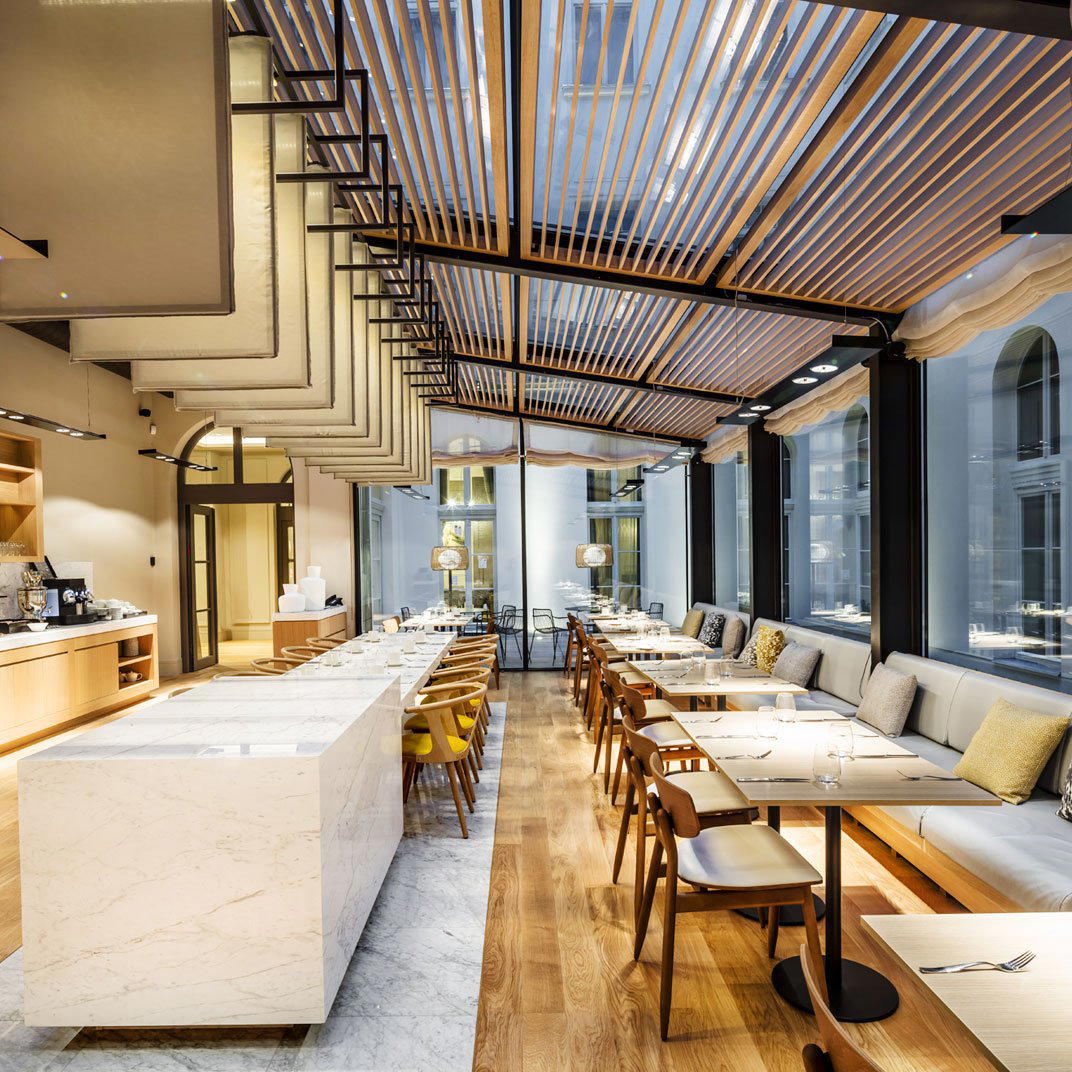
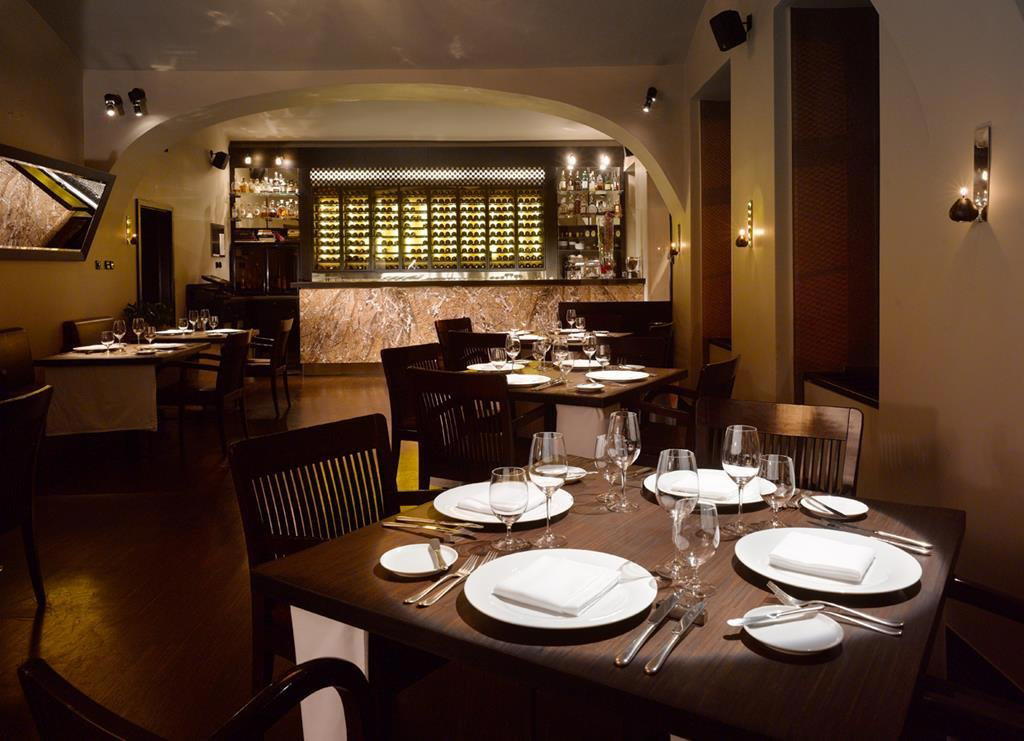
Large airy first-floor space with pleasantly relaxed atmosphere, fully visible kitchen, and professional yet charming service.