Kogo Havelská
Our verdict
On Havelská, one of Old Town Prague's oldest market streets, Kogo has been a reliable address for central European dining for years. The setting places it squarely in the tourist-dense corridor between the Old Town Square and Wenceslas Square, yet the kitchen operates with enough discipline to hold a local following.

Pearl is the En Primeur Club membership app — saves, bookings, and concierge access live there. Same editors, same standards.
- Address
- Havelská 499/27, 110 00 Staré Město, Czechia
- Phone
- +420224210259
- Website
- kogohavelska.cz
- Directions
- Get directions
- Booking
- Book on the venue's website
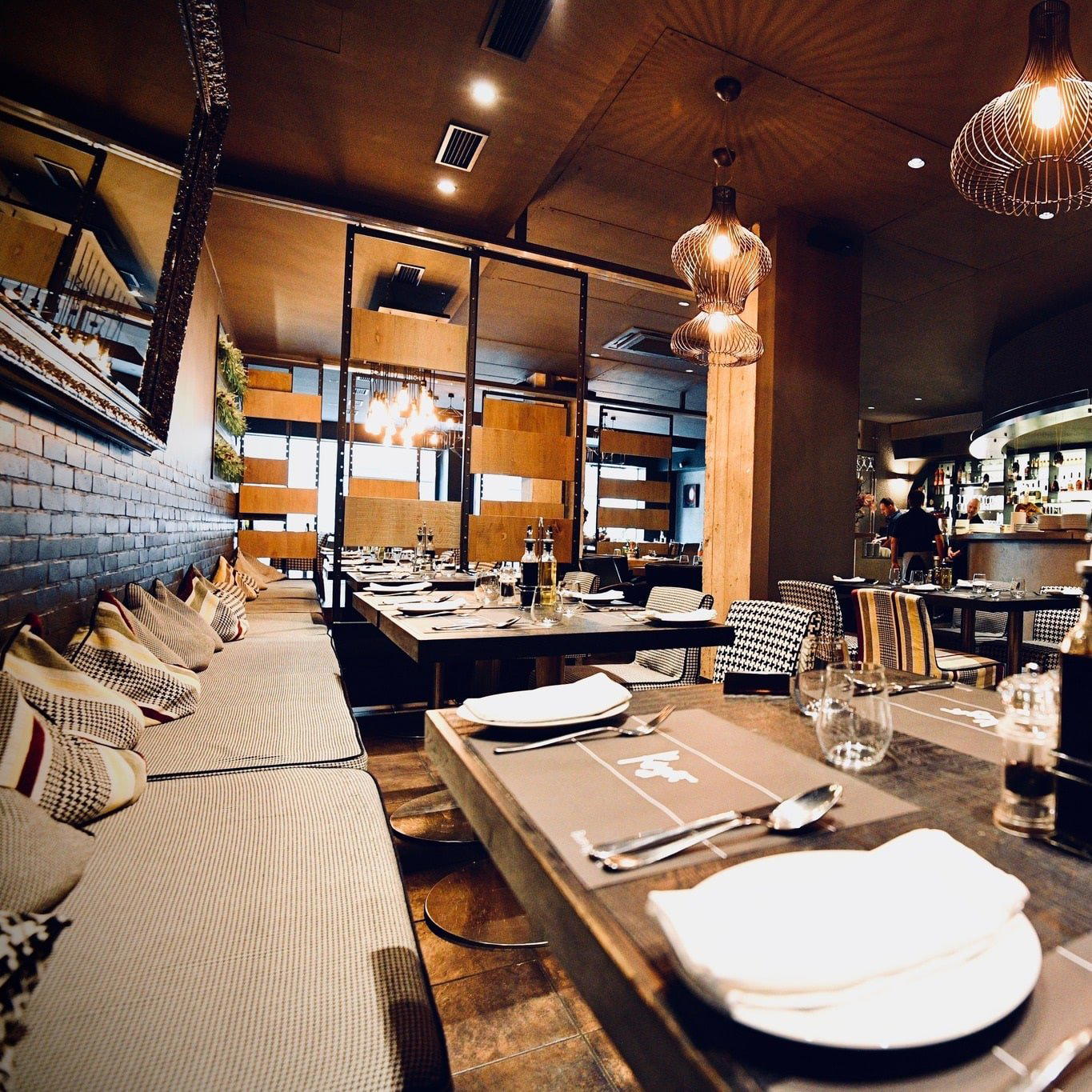
Havelská Street and the Challenge of Cooking in a Landmark Corridor
Old Town Prague presents a structural problem for serious restaurants. The streets radiating from Náměstí Republiky toward Wenceslas Square carry some of the highest pedestrian volumes in Central Europe, which creates a gravitational pull toward simplified menus and tourist-adjusted pricing. Most operators on Havelská, the medieval market street that has sold produce and crafts since the thirteenth century, have historically leaned into that dynamic. Kogo Havelská, at number 27, sits on the same street but positions itself against that current, occupying a space that tries to serve both the foot-traffic crowd and the visitor who wants something more considered. That is a difficult line to hold in any city; in Prague's Old Town, it is harder still.
The Intersection of European Technique and Czech Ingredients
The broader story of Prague dining over the past decade has been the absorption of Western European culinary methods into a kitchen tradition built on game, freshwater fish, root vegetables, and fermented dairy. What distinguishes the sharper end of that movement from its blander middle tier is specificity: the most credible kitchens in Staré Město are the ones that use imported technique as a lens for Czech produce rather than a substitute for it. La Degustation Bohême Bourgeoise, which holds a Michelin star and occupies the top tier of this hybrid approach, sets the benchmark in Prague for French-Czech synthesis. Kogo operates further down the formality register, but the underlying question is the same: does the kitchen use European cooking grammar to make Czech ingredients more legible to international diners, or does it simply default to a pan-European brasserie format with a Czech address?
That question matters because Prague's mid-range dining tier is crowded with operators who do the latter. The Alcron, operating inside the Radisson Blu, pitches modern European at a hotel-dining price point. Alma and Amano each carve out distinct neighbourhood niches. Kogo's competitive context is this band of mid-range, city-centre operators where atmosphere, consistency, and a clear sense of place matter as much as menu ambition. For readers who have already explored the old-school end of the Czech capital, or who want to cross-reference Prague's dining scene against other Czech cities, BRATRS in Brno and Bylo, nebylo in Liberec show how the technique-meets-local-product conversation plays out in second cities with less tourist pressure and more room for experimentation.
The Physical Setting: Market Street Context
Havelská retains enough of its original market function to feel different from the purely commercial streets nearby. Flower and vegetable stalls run along the cobblestones during daylight hours, and the smell of the produce market in autumn, when root vegetables and wild mushrooms dominate, gives the street a sensory register that most of Old Town has lost. Kogo's address at the street's lower end places it within walking distance of the Old Town Square while remaining just far enough from the most congested tourist artery to feel like a deliberate choice rather than a default. That physical positioning is part of the venue's implicit claim: it is accessible to first-time visitors but not exclusively reliant on them.
Autumn and early winter are the seasons when this part of Old Town works well as a dining destination. The market stalls are at their fullest, the crowds thin compared to July and August, and Czech kitchens have their widest access to game and foraged ingredients. If you are planning around Prague's dining calendar, September through November is when the ingredient argument for eating in this corridor is strongest. Compare that with the approach taken at U Lípy in Hrensko, which leans heavily into seasonal foraging from the Bohemian countryside, or the way Emperor Square in Prague 1 handles the tourist-dense first district. Each represents a different response to the same structural challenge of cooking seriously in a high-traffic zone.
Prague in a Wider Czech Context
Understanding Kogo Havelská's position requires a frame wider than just Staré Město. Czech dining has diversified considerably since 2010, with regional cities developing their own credible restaurant scenes. La Chica in Plzeň, Hello Vietnam in Karlovy Vary, and Gokana Japanese restaurant in Ostrava each signal that appetite for internationally inflected cuisine is no longer concentrated in the capital. Prague's central districts face pressure from that diffusion: diners who once accepted a lower standard in Old Town because it was the only option now have alternatives, including domestic travel to smaller Czech cities with sharper, less tourist-adjusted kitchens. The benchmark is also set internationally: globally recognised rooms like Le Bernardin in New York City or Atomix in New York City define what serious technique applied to a cultural ingredient tradition can look like, and that standard travels with the international visitors who arrive in Prague having eaten at that level elsewhere. 420 Restaurant and Restaurace Dr. Grill in Havirov illustrate further points on the Czech quality spectrum. For a full view of where Kogo fits within Prague's restaurant options, our full Prague restaurants guide maps the field across neighbourhoods and price points. Additional context on Czech wine culture can be found at Vinařství Gurdau in Kurdejov, one of the more serious Moravian producers and a useful reference point for what is now appearing on the better Prague wine lists. ARRIGŌ in Děčín adds another regional data point in the northwest Bohemia corridor.
Planning Your Visit
Kogo Havelská is at Havelská 499/27, 110 00 Staré Město, within walking distance of the Old Town Square and Můstek metro station. Given its location in one of Prague's most active pedestrian zones, walk-in capacity during peak tourist months (June through August) is likely to be competitive. Visiting on a weekday lunch in autumn, when the Havelská market is running and the street is quieter, gives a better read on what the kitchen does at its own pace.
Frequently asked questions
Is Kogo Havelská suitable for children?
Kogo's position on Havelská in Staré Město means it draws a broad mix of visitors, and Prague's brasserie-style restaurants at this address type are generally tolerant of families. The market-street setting keeps the atmosphere informal enough that children are unlikely to feel out of place.
What's the vibe at Kogo Havelská?
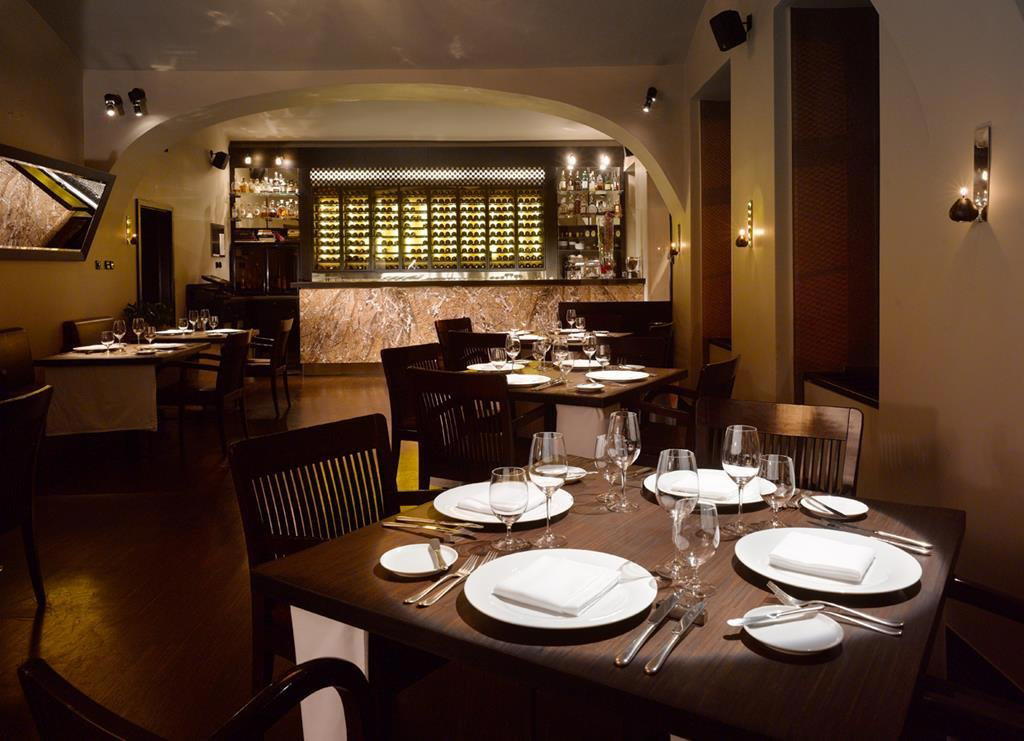
Havelská retains working flower and vegetable stalls, which gives the street a grounded, local character that most Old Town corridors have lost entirely. Kogo sits within that context, operating at the register of a European brasserie rather than a formal dining room. Expect a room pitched at polished informality rather than occasion dining, in a city where the gap between tourist-facing and resident-facing restaurants remains wider than in Vienna or Warsaw.
How does Kogo Havelská's location on Havelská Street compare to other Old Town dining addresses?
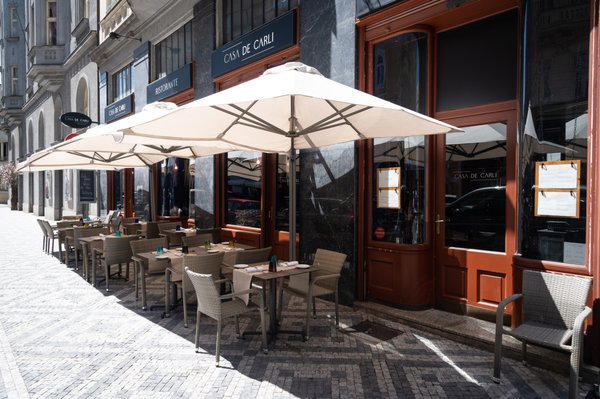
Havelská 499/27 sits on one of the few Old Town streets that still functions as a daily market, distinguishing it from the purely commercial pedestrian routes closer to Náměstí Republiky. That physical context filters the foot traffic somewhat, attracting visitors who are moving through the market rather than simply following tourist circuits. For a restaurant in Staré Město, that distinction in street character matters more than it might in neighbourhoods where most blocks look similar.
What's the must-try dish at Kogo Havelská?
Prague kitchens operating in Staré Město at a European brasserie register frequently work with game preparations and seasonal Czech produce, given the country's strong tradition in those ingredients. For confirmed current menu details, reaching out to the restaurant directly or checking the venue's current listings is the reliable route.
Comparable Spots
| Venue | Cuisine | Price | Awards | Notes |
|---|---|---|---|---|
| Kogo HavelskáThis venue — the venue you are viewing | Italian | $20–30 | Not listed | Not listed |
| La Degustation Bohême Bourgeoise | Modern Czech Fine Dining | $100–150 | 1 Michelin Star · La Liste Top Restaurants | French-Czech |
| Alcron | Modern Central European with Plant-Forward Focus | $50–100 | Star Wine List | Modern European |
| Benjamin | Modern Czech Tasting Menu | $50–100 | Michelin Plate · Wine Spectator Award of Excellence | Modern Cuisine |
| Café Imperial | Classic Czech Brasserie | $30–50 | Michelin Plate | Traditional Cuisine |
| Dejvická 34 by Tomáš Černý | Modern Italian & Mediterranean | $30–50 | Michelin Bib Gourmand · Falstaff Restaurant - 93 Falstaff Points | Italian |


Details
- Cozy
- Modern
- Date Night
- Casual Hangout
- Historic Building
- Street Scene
- A La Carte
- Vegetarian Friendly
- Vegan Options
- Gluten Free Options
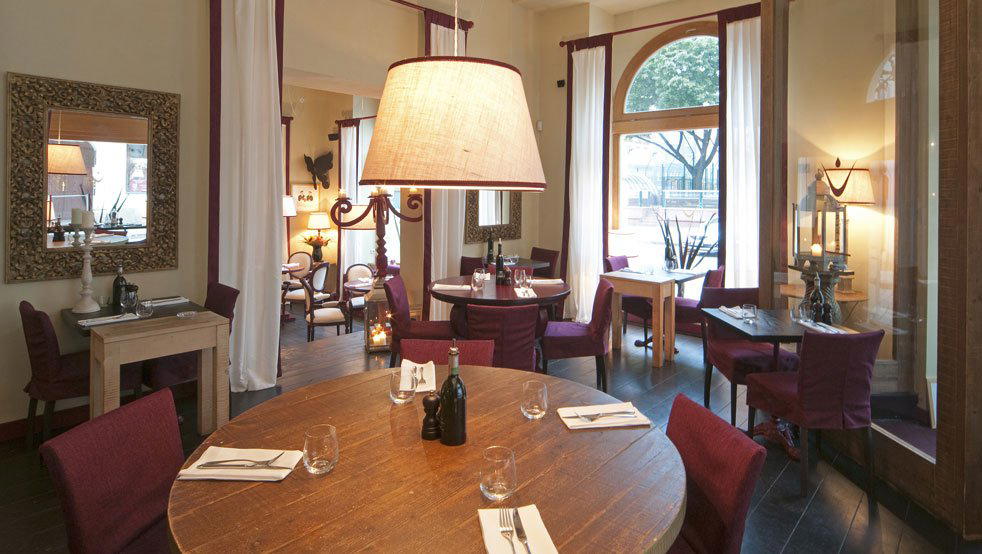
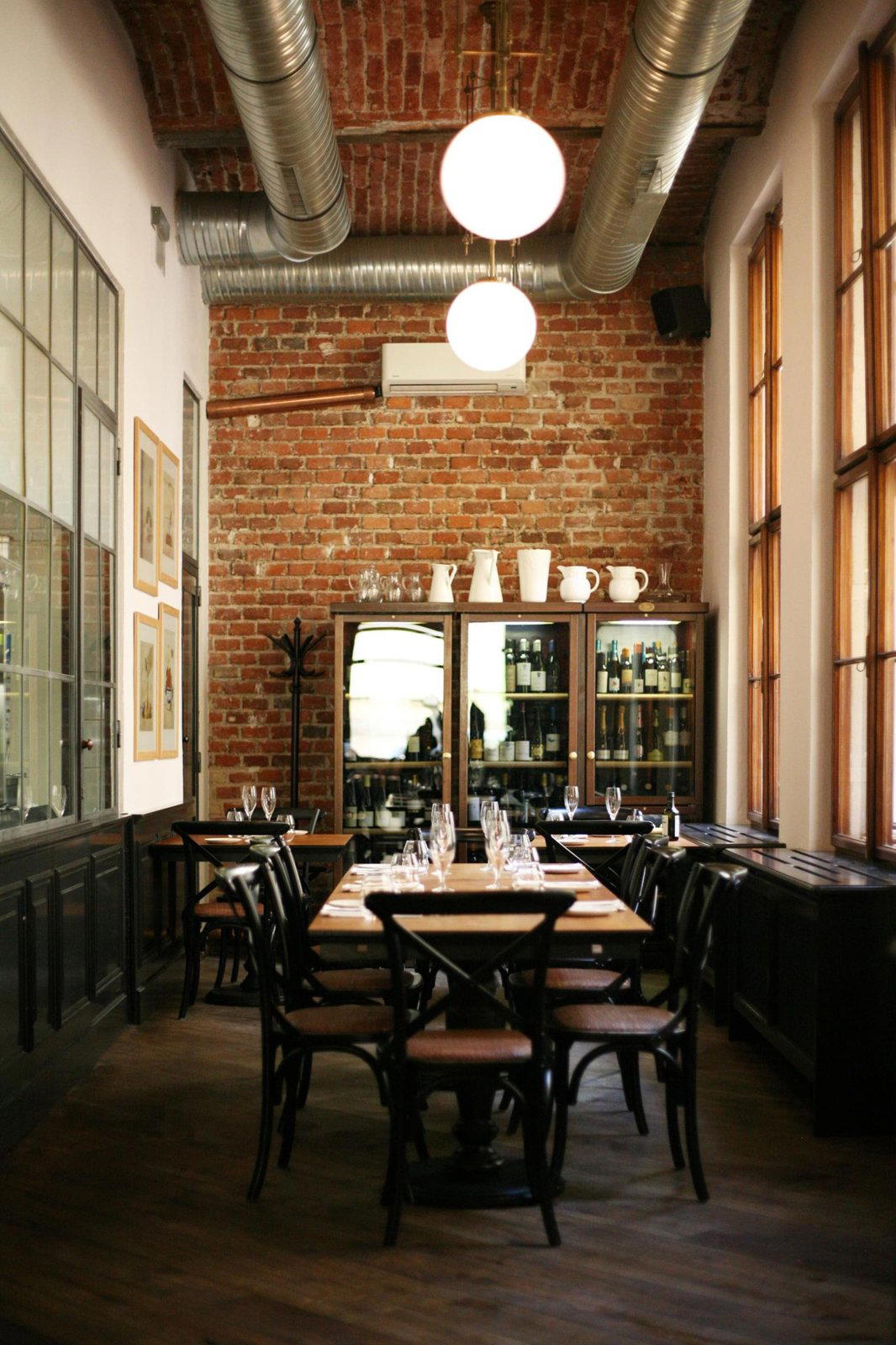
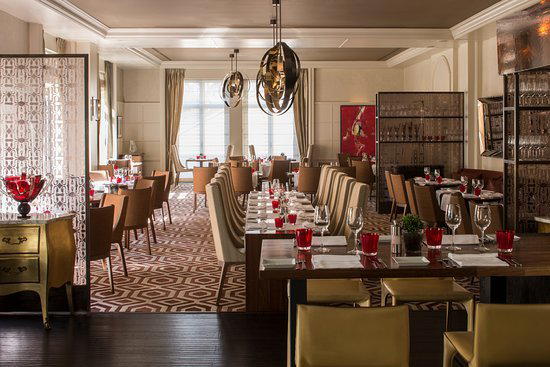
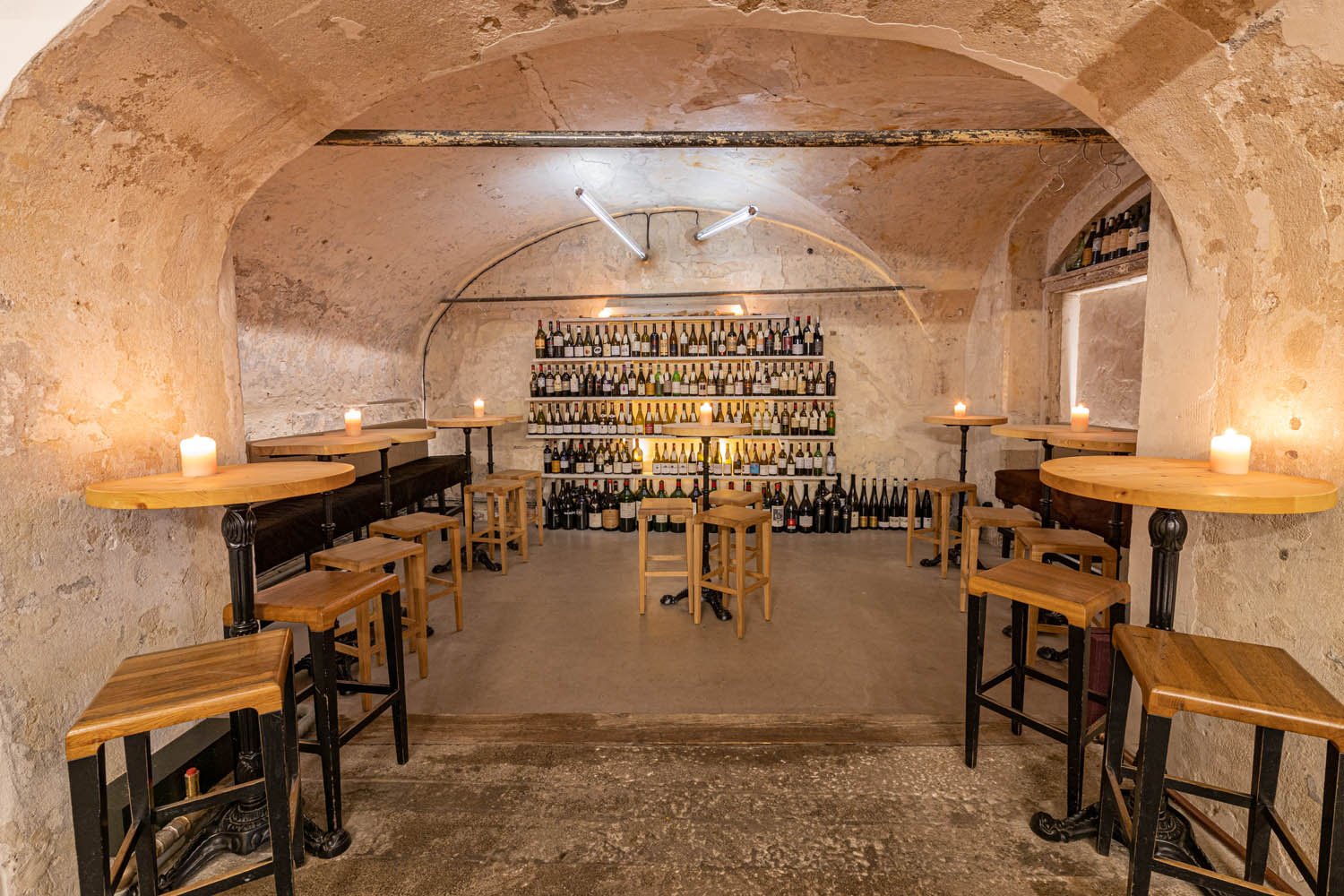
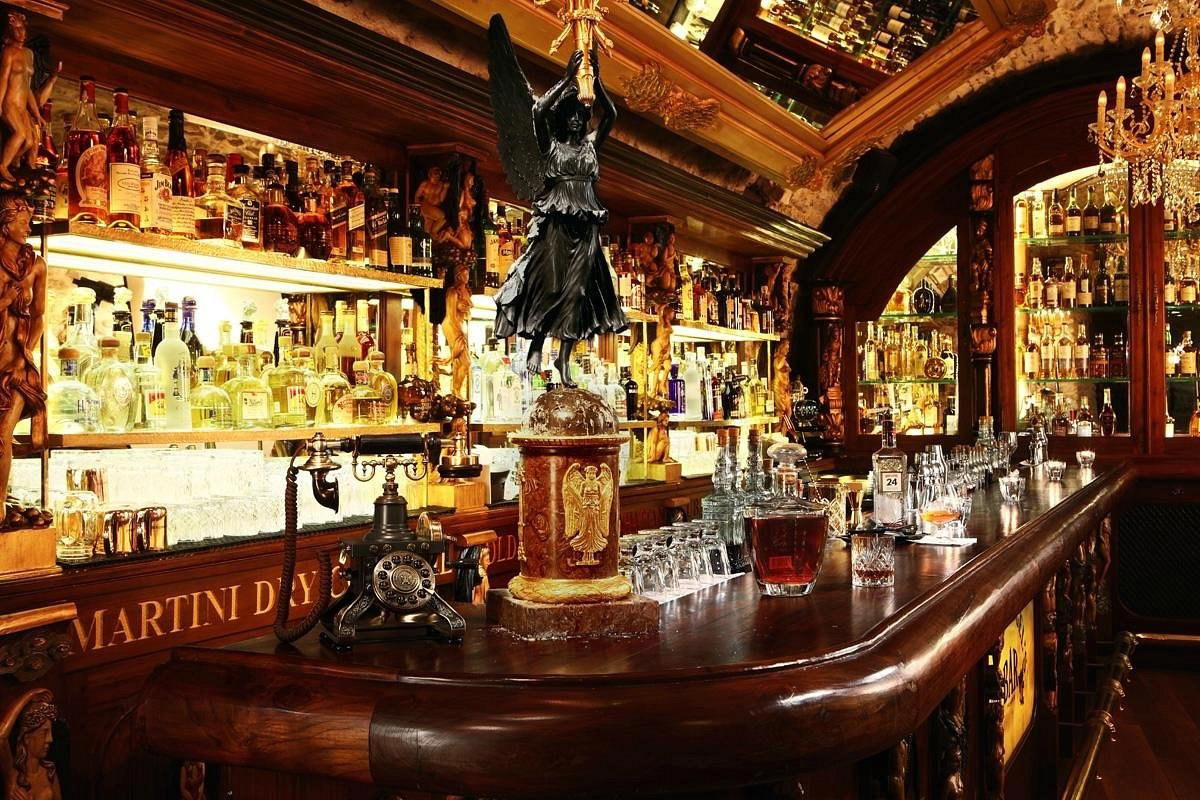
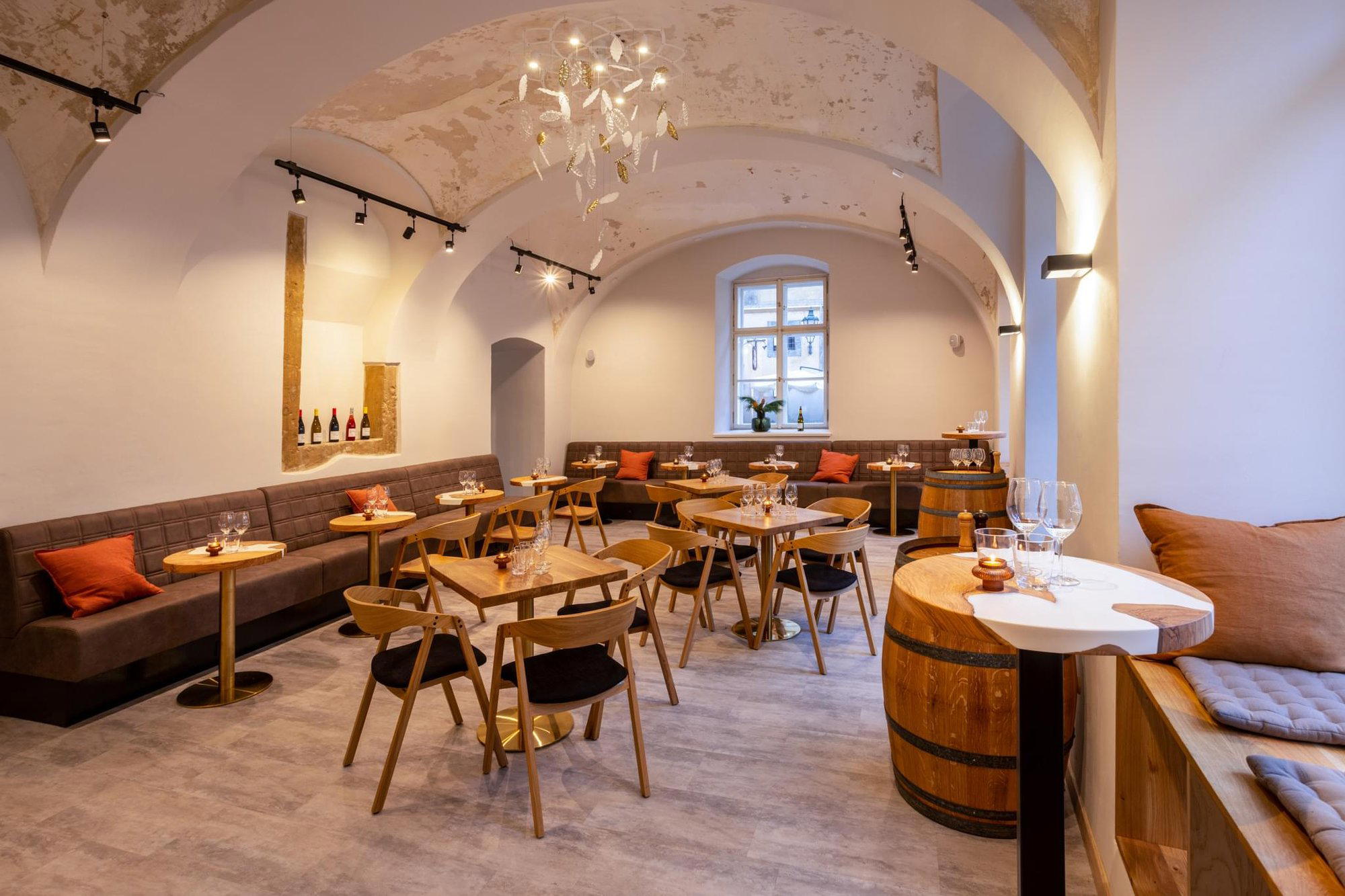
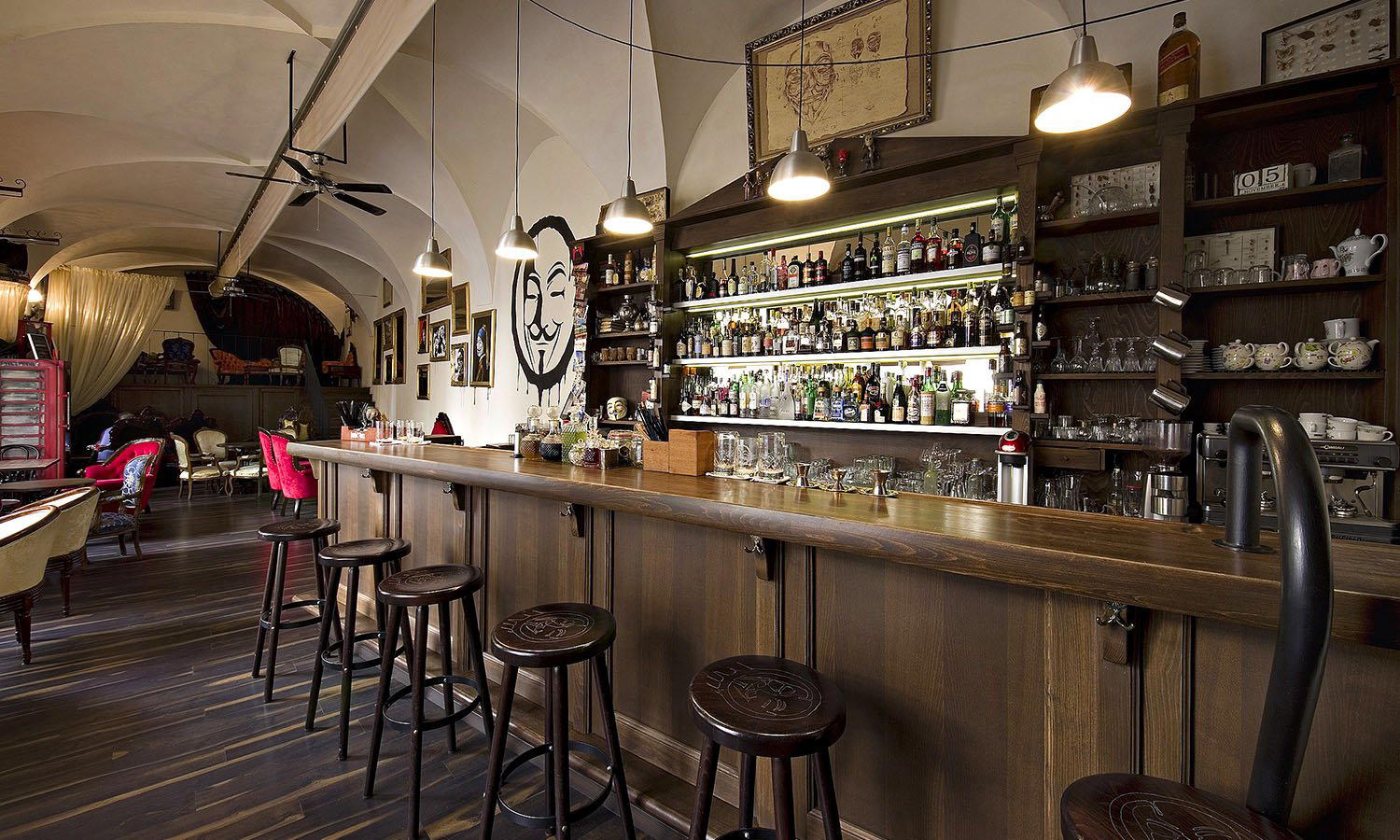
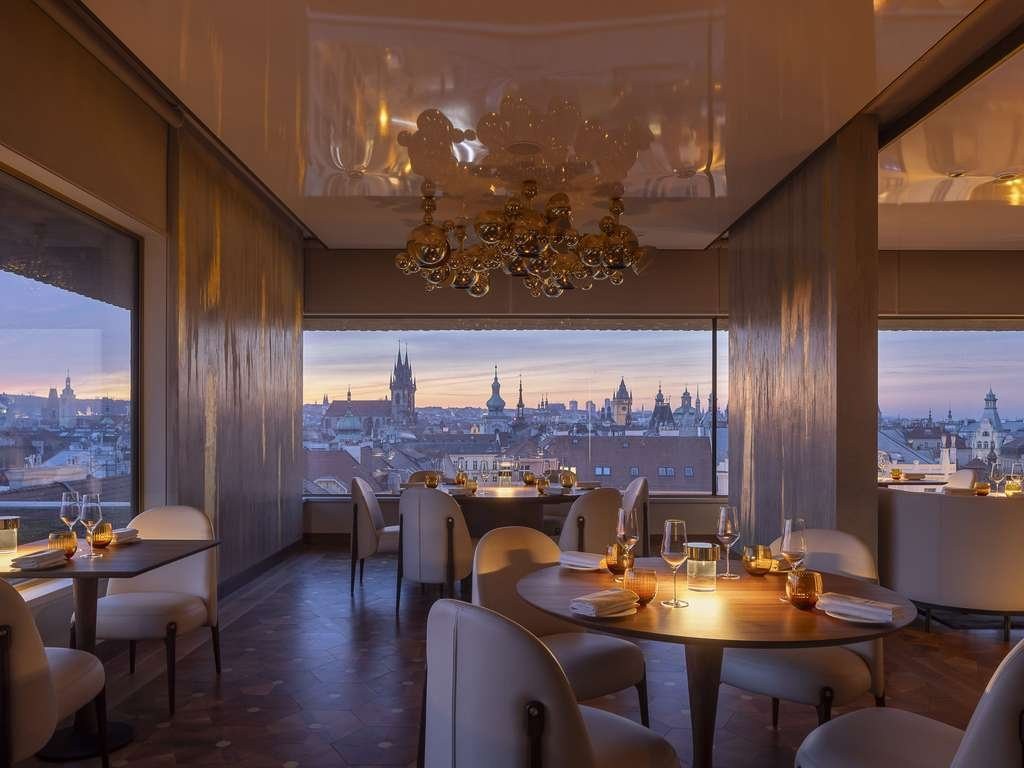
Relaxed atmosphere with modern interior and nice ambience.