BISSOH focuses on Japanese Fusion Sushi, with sumibi-yaki Japanese beef, tonkatsu, and unagi; the quiet, leisurely room fits lunch or dinner.
Pearl is the En Primeur Club membership app — saves, bookings, and concierge access live there. Same editors, same standards.
- Address
- 42 Rue Maufoux, 21200 Beaune, France
- Phone
- +33380240102
- Website
- bissoh.com
- Directions
- Get directions
 Saves & bookings on Pearl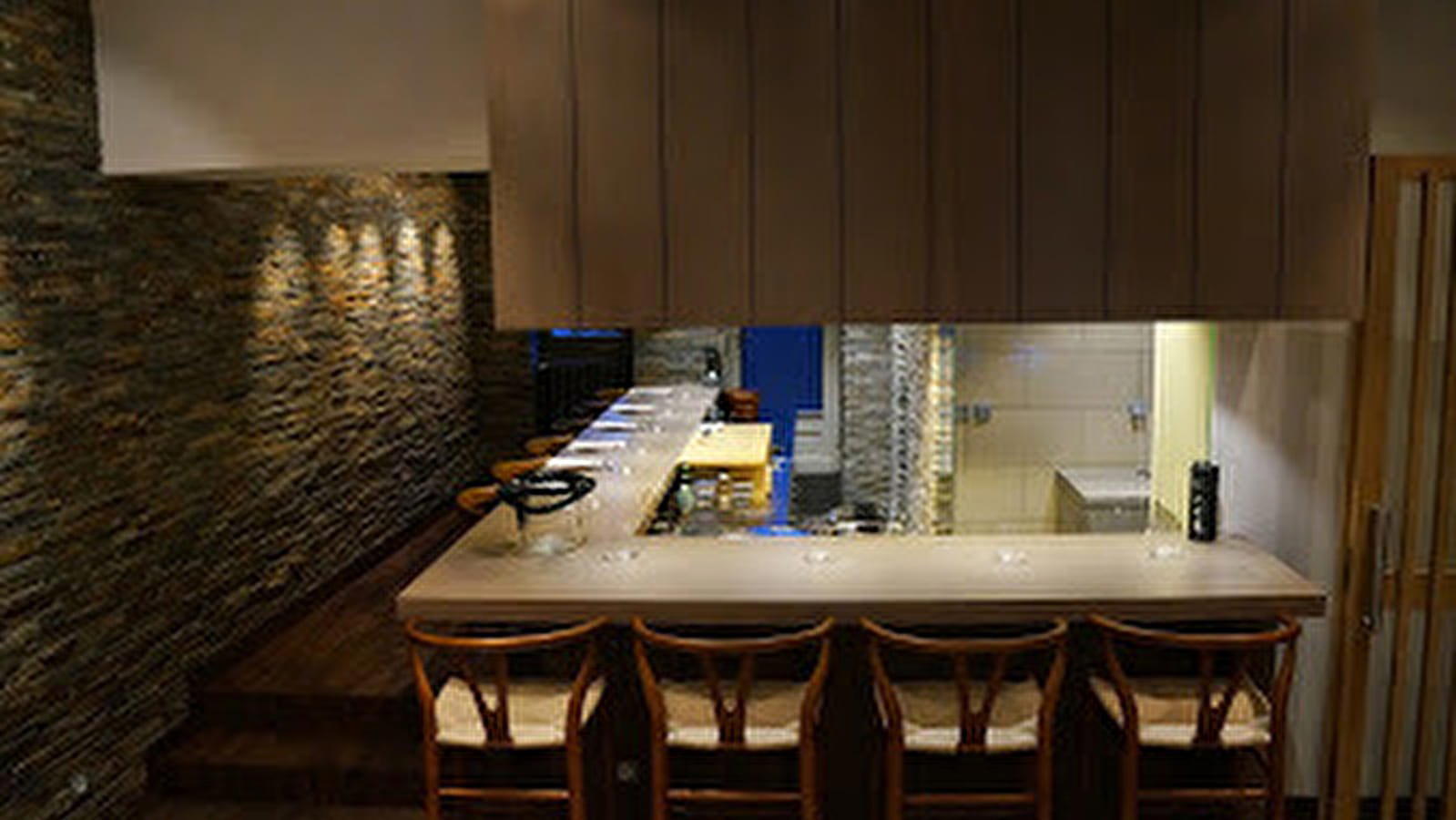
Japanese Precision in the Capital of Burgundy
Beaune operates at the intersection of French culinary heritage and some of the world's most closely watched wine production. The town's medieval centre, ringed by the ramparts and dominated by the polychrome tiles of the Hôtel-Dieu, draws visitors who arrive primarily for the Pinot Noir and Chardonnay of the Côte d'Or. The restaurant scene here has historically reflected that priority: Burgundian kitchens built around local terroir, classical technique, and wine-pairing logic. What makes BISSOH, at 42 Rue Maufoux, a point of genuine editorial interest is that it inserts a different culinary tradition into that conversation entirely. Japanese cuisine, practised seriously and without compromise, sits alongside Beaune's more established addresses in modern French cooking such as Clos du Cèdre and Le Carmin.
This kind of cultural graft is less unusual than it might first appear. Japan has a documented and sustained fascination with French wine culture, and Burgundy in particular attracts Japanese buyers, collectors, and restaurateurs with a frequency that has shaped the local market for decades. Domaine de la Romanée-Conti allocation lists and the Japanese wholesale market are not casual bedfellows. The presence of a serious Japanese dining address in Beaune is, in that light, less a curiosity and more a logical endpoint of a long cultural exchange. The more interesting question is what that address does with its position, caught between two of the world's most technique-conscious food traditions.
The Rue Maufoux Address
Rue Maufoux runs south from Beaune's central Place Carnot through a stretch of the old town that mixes wine merchant cellars, small hotels, and a handful of restaurants that serve a largely international clientele during the autumn harvest season. The street does not announce itself as a dining destination in the way that parts of Lyon or Paris might. Its character is quieter, more residential in feel, and the restaurants along it tend toward discretion rather than spectacle. That register suits Japanese fine dining well. The aesthetic discipline associated with kaiseki or omakase formats relies on an atmosphere that does not compete with the food for attention. Arriving at BISSOH on Rue Maufoux, the spatial logic of the address feels considered rather than coincidental.
For travellers building an itinerary around Beaune's dining options, the surrounding context matters. 21 Boulevard, 8 Clos, and ANTHOCYANE each represent different points on Beaune's current dining spectrum. BISSOH operates as a distinct category within that set: not a Burgundian kitchen, not a modern French address, but a Japanese restaurant choosing to exist within one of France's most tradition-conscious food-and-wine towns. That choice carries a kind of implicit argument about the compatibility of the two traditions.
Japanese Culinary Tradition and Its French Intersection
The cultural weight behind serious Japanese dining is worth addressing directly, because it shapes what any such restaurant is attempting. Japanese cuisine, as recognised by UNESCO's inscription of washoku as an Intangible Cultural Heritage in 2013, is built around a principle of expressing the natural characteristics of ingredients rather than transforming them. Seasonality is not a marketing framework but a structural element: the concept of shun, the peak moment of an ingredient's quality, governs menu decisions in a way that French classical cooking approximates through its own seasonal logic but rarely enforces with quite the same rigour.
Placed in Burgundy, this seasonal discipline acquires an additional layer. The Côte d'Or's own agricultural calendar, the urgency of the vendange, and the market rhythms of a town built around wine production create a setting where seasonal awareness already operates at a high pitch. A Japanese kitchen working in that environment has access to local produce shaped by the same logic that produces some of the world's most site-specific wines. The dialogue between washoku principles and Burgundian ingredients is not a given, but the conditions for it exist in Beaune in a way they might not elsewhere in France.
For comparison, French restaurants with Michelin recognition across the country, from Flocons de Sel in Megève to Mirazur in Menton and the long-standing establishments such as Auberge de l'Ill in Illhaeusern or Les Prés d'Eugénie in Eugénie-les-Bains, each demonstrate how deeply embedded regional identity can define a restaurant's logic. BISSOH's position is different: it imports a tradition rather than expressing a local one, and the question of how it mediates between its Japanese culinary roots and its Burgundian location is the central editorial point of the address.
The French fine dining lineage from Paul Bocuse and Troisgros through to contemporary addresses such as Alléno Paris au Pavillon Ledoyen and Bras in Laguiole has always incorporated external influences while remaining anchored to French produce and French logic. What BISSOH proposes is a reversal of that model: Japanese culinary logic applied to a French context. Whether that inversion produces a coherent dining experience or a category tension is a question the room itself answers.
Planning Your Visit
Beaune's restaurant season is structured by the wine calendar. The Hospices de Beaune auction in November draws the highest concentration of international visitors, and the months immediately surrounding the harvest, from September through to early December, represent peak demand for serious restaurant bookings in town. Visitors planning a dinner at BISSOH during this window should factor booking lead time accordingly; particularly sought-after tables in Beaune during the autumn period can require advance planning of several weeks. The address at 42 Rue Maufoux is within walking distance of the town centre, which makes it practical to pair with tastings at the négociant houses or an afternoon at the Musée du Vin de Bourgogne before dinner.
For those building a broader French dining itinerary, Georges Blanc in Vonnas, La Table du Castellet in the south, and Le Bernardin in New York or Lazy Bear in San Francisco offer reference points for how technically demanding formats work across different geographies. Our full Beaune restaurants guide maps BISSOH against the town's wider dining options, including wine bars, traditional Burgundian kitchens, and the growing cohort of modern French addresses that have established Beaune as a dining destination in its own right, beyond its identity as a wine town.
How BISSOH Beaune compares with similar nearby venues.
| Venue | Cuisine | Price |
|---|---|---|
| Loiseau des Vignes | Traditional Cuisine | €€€ |
| L'Expression | Modern Cuisine | €€€ |
| Le Bénaton | French, Modern Cuisine | €€€€ |
Continue exploring
More in Beaune
Restaurants in Beaune
Browse all →
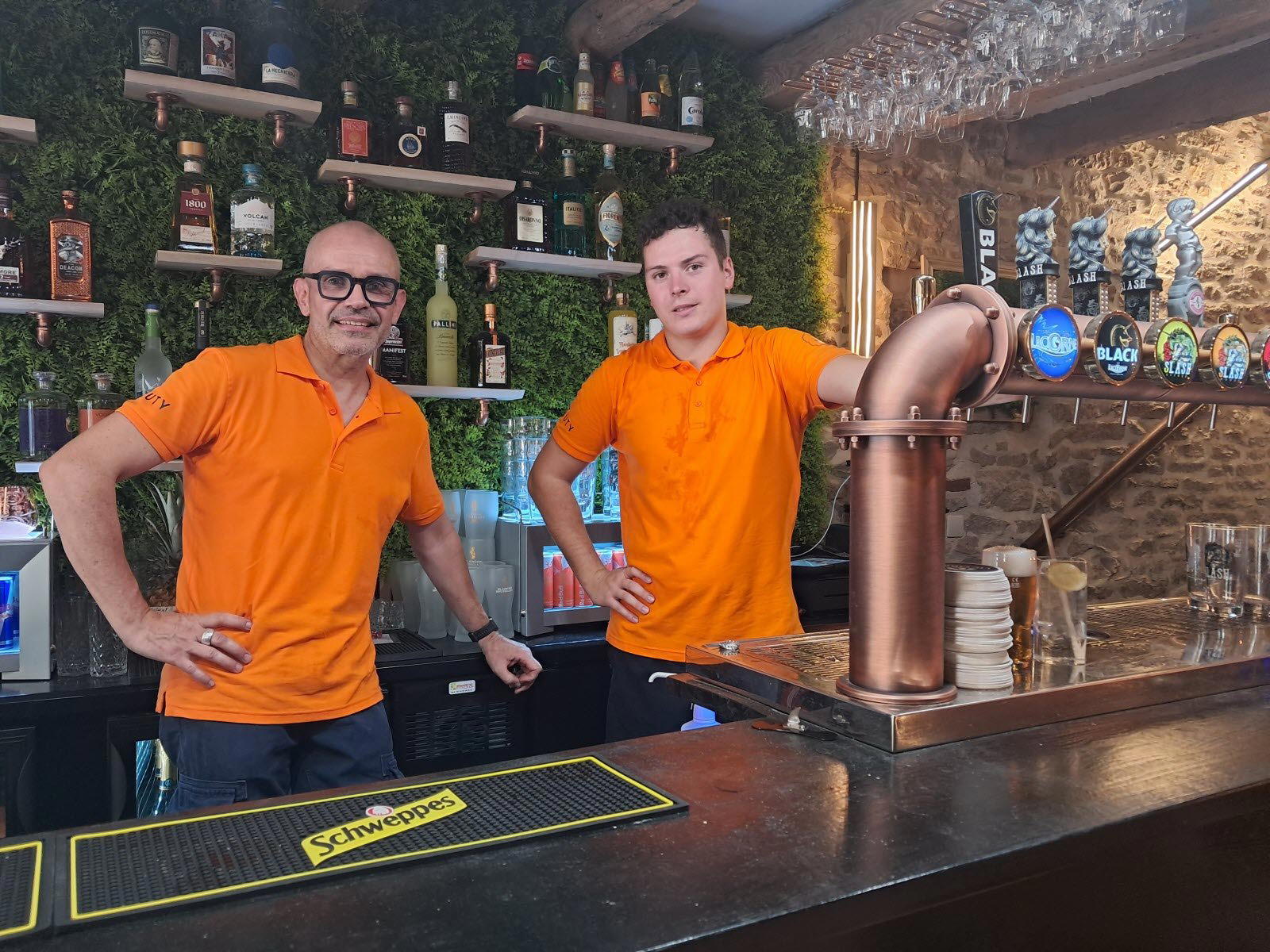
Bars in Beaune
Browse all →
Hotels in Beaune
Browse all →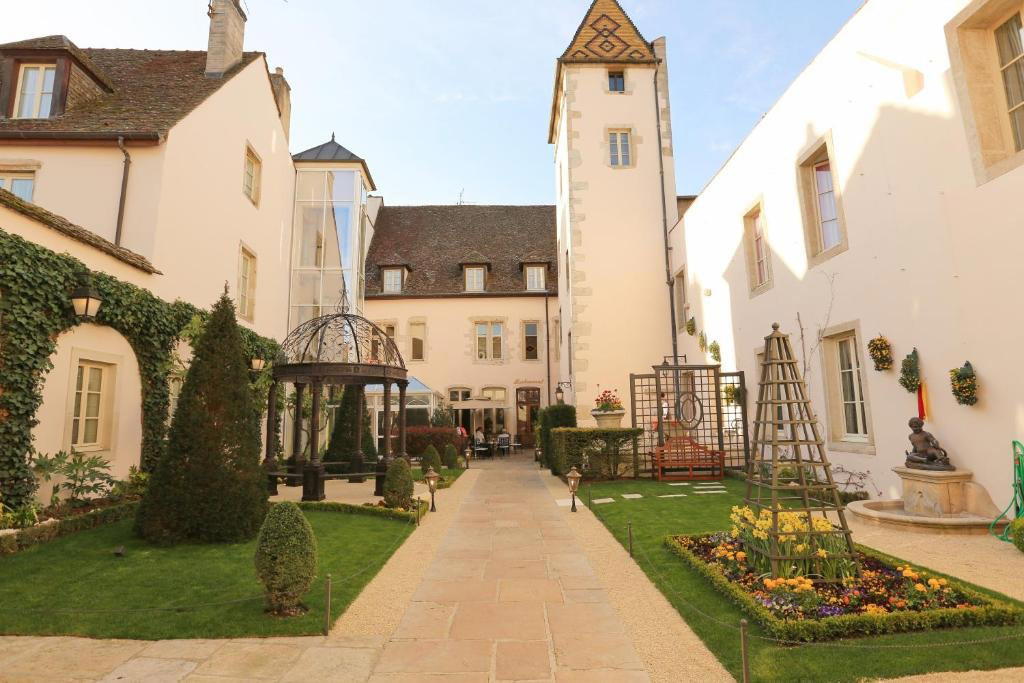
At a Glance
- Intimate
- Elegant
- Cozy
- Date Night
- Special Occasion
- Extensive Wine List
- Organic
- Street Scene
Current opening hours
- Monday
- Closed
- Tuesday
- Closed
- Wednesday
- 7–9:30 PM
- Thursday
- 7–9:30 PM
- Friday
- 7–9:30 PM
- Saturday
- 7–9:30 PM
- Sunday
- 7–9:30 PM
Hours can change for holidays and private events. Last verified .
Sober, zen, and warm decor reminiscent of downtown Kyoto with dark timber interior and low wood counter seating.