
Birdy Yakitori brings Japanese grill culture into Taipei’s sharper dining conversation: compact, sequence-driven, and closer to a counter-format tasting meal than casual skewers. Its place in Opinionated About Dining’s 2026 Asia Top Restaurants Recommended tier gives the room a clear trust signal without turning it into a trophy restaurant.
Pearl is the En Primeur Club membership app — saves, bookings, and concierge access live there. Same editors, same standards.
- Address
- 2F, No. 303, Lequn 3rd Rd, Taipei City, Taiwan
- Phone
- +886 2 8502 0308
- Website
- reurl.cc
 Saves & bookings on Pearl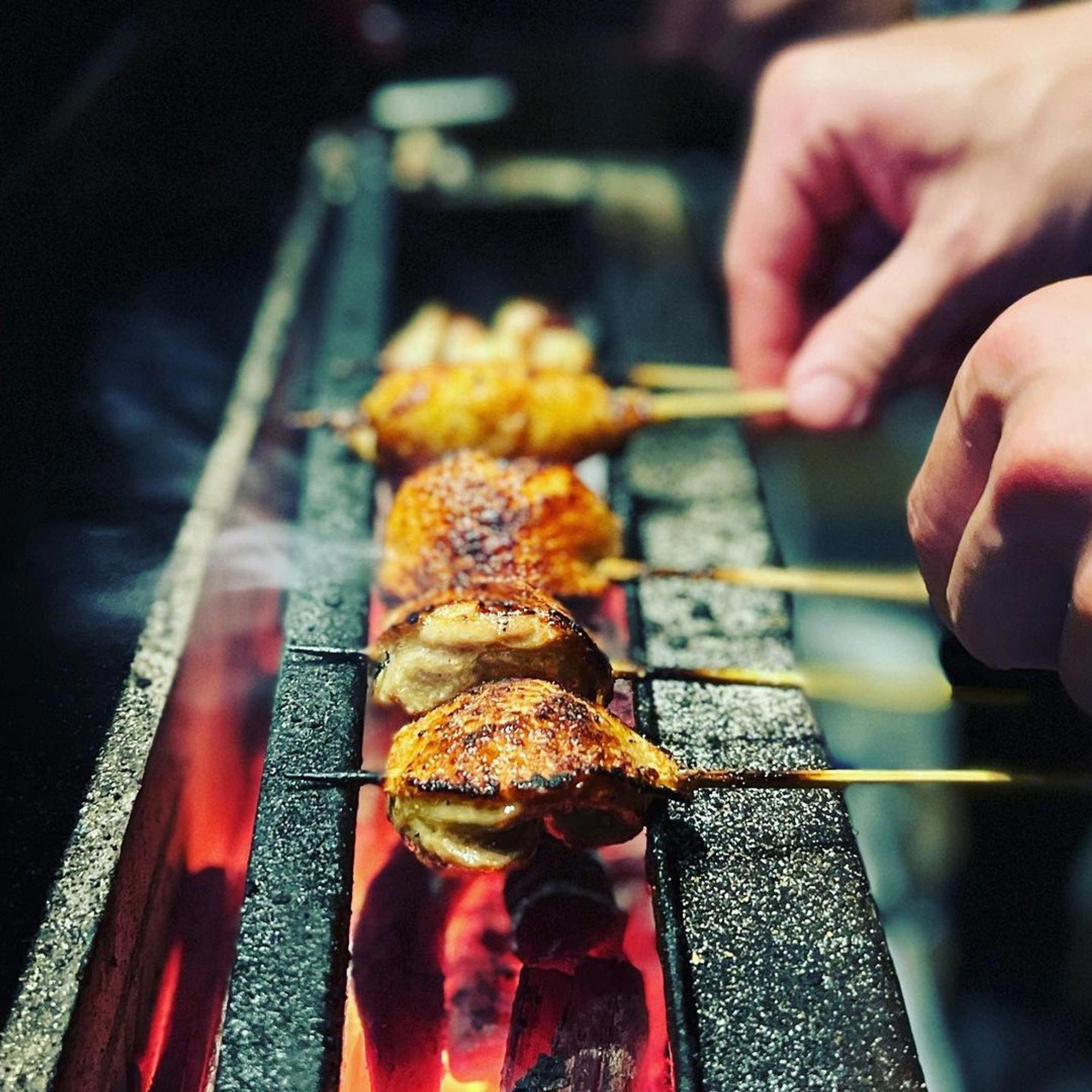
Approach the room as an upstairs grill counter, not a street-corner skewer shop: the mood is controlled, the meal moves by sequence, and abundance is not the point. Taipei has long folded Japanese dining into daily life, from ramen queues to sushi counters, but yakitori occupies a narrower lane. It depends on timing, heat, repetition, and restraint. At this level, it borrows more from kaiseki thinking than izakaya sprawl: each course has a place in the arc rather than acting as a standalone order.
That matters because Taipei’s dining culture is unusually fluent in informality and precision. Night markets, beef noodle shops, banquet rooms, Japanese counters, and contemporary Taiwanese tasting menus sit within a few MRT stops of one another. A yakitori room here must do more than import a Japanese template. It has to justify why grilled chicken, offal, vegetables, and charcoal discipline deserve the attention diners give to sushi rice, French sauces, or Taiwanese seasonality. Birdy Yakitori sits inside that argument.
Yakitori read through kaiseki discipline, not snack-bar volume
Kaiseki is often misread as decoration: seasonal ceramics, small plates, formal tempo. Its stronger lesson is structure. Courses create contrast, temperature shift, and appetite management. Serious yakitori can work the same way when the kitchen uses the grill as a sequencing tool, not a production line. The interest lies in how lean cuts, fattier pieces, vegetables, and sauces are paced, and how repetition becomes variation rather than monotony.
Birdy Yakitori’s category, yakitori, is specific enough to set expectations but broad enough to allow range. The absence of a single named chef profile keeps attention on the format, useful here because yakitori is not improved by biography-heavy storytelling. It lives or fails through prep, seasoning, fire control, and the ability to keep a meal moving without exhausting the palate. In Taipei, where diners can choose Japanese forms, Taiwanese comfort food, and international tasting rooms in one evening, that discipline is the distinction.
The 2026 recognition in Opinionated About Dining’s Asia Top Restaurants Recommended tier places the restaurant in a regional conversation, not just a neighbourhood one. The tier is not a star rating and does not rank the venue by number, but it signals notice beyond local word-of-mouth. For a yakitori address in Taipei, that matters: grilled chicken is a narrow brief, and regional recognition suggests the format is being judged beside more elaborate restaurant models.
Where it fits in Taipei's Japanese dining conversation
Taipei’s Japanese restaurants often split into two camps. One is everyday comfort: curry, ramen, donburi, izakaya drinking food. The other borrows ceremony’s grammar: sushi counters, omakase rooms, kappo pacing, seasonal tasting menus. Yakitori can sit awkwardly between them. It looks casual from a distance, but the better versions ask diners to notice sequence, heat, and proportion. That makes it a strong fit for a city that values late-night informality and precise craft.
For readers mapping Taipei by dining style, Birdy Yakitori belongs closer to the focused Japanese-counter end than the broad casual-drinking end. It can be read alongside other specialized restaurant pages without forcing false comparison. For another Taipei yakitori reference, see Fumée Yakitori. For a different register of French contemporary cooking, 16 by Flo (French Contemporary) sits in another lane entirely. Taiwanese dining has its own range, from 3927 (Taiwanese) to 44 SV (Taiwanese), while 500 Chicken House (Fried Chicken) shows chicken carrying different cultural meaning when crispness and comfort, not counter pacing, define the meal.
The wider Taiwan map is equally useful because Japanese influence does not land the same way in every city. A hotel-linked Japanese garden restaurant such as (Gui Tian Hotel) capitalists Japanese garden restaurant in Tainan speaks to a more formal hospitality frame. Regional Cantonese roast meats appear at 115港式燒臘 in Zuoying, while night-market poultry culture shows up through 86碳烤雞排 @逢甲夜市 in 西屯. The island’s range also includes å èè ¿åº« in Sanchong District, A Eh Douhua in Chiayi, and A Fung's Harmony Cuisine in Kaohsiung. Those links are not substitutes; they show Taiwan’s dining identity moving between street formats, regional cooking, and imported traditions adapted to local appetite.
For the Japanese reference point outside Taiwan, Tokyo remains where yakitori’s counter grammar is most codified. Readers following that thread can look at 124. KAGURAZAKA, Yakitori in Tokyo and Aramaki, Yakitori in Tokyo to see how the category reads at home. Taipei’s version need not imitate Tokyo to be serious; it must translate the discipline into a city that eats later, wider, and with less patience for formality without substance.
How to think about the meal before choosing it
The right diner wants a focused Japanese grill meal, not a sprawling table of shared dishes. That is the editorial test. If the evening calls for broad Taiwanese ordering, banquet-style variety, or a child-led family dinner, another format fits better. If it calls for a compact meal where pleasure lies in course order, grill timing, and the gradual build of appetite, yakitori has the advantage.
Planning should stay simple because public-facing details are lean: treat the restaurant as a specialist Taipei dining room, not a casual drop-in. The city’s stronger small-format restaurants reward advance planning, especially when the meal depends on counter rhythm or limited nightly preparation. For broader trip building, use Our full Taipei restaurants guide alongside Our full Taipei hotels guide, Our full Taipei bars guide, Our full Taipei wineries guide, and Our full Taipei experiences guide. The restaurant makes its strongest case when dinner is chosen for concentration rather than coverage: fewer categories, more attention, and a meal built around the controlled logic of the grill.
Comparable venues nearby, for context on price, style, and recognition.
| Venue | Cuisine | Price | Notes |
|---|---|---|---|
| Birdy Yakitori | Creative Yakitori & Japanese Izakaya | $$$ | Dazhi |
| Sato Curry (佐藤咖哩) | Japanese Curry House | $$ | Da'an |
| 祥雲龍吟 | Michelin Two-Star Japanese Kaiseki with Taiwanese Ingredients | $$$$ | Zhongshan District (中山區) |
| IRON CHEF Teppanyaki & Wine | Traditional Japanese Teppanyaki | $$ | Xikang |
| 明壽司 | Dining | $$$ | Qingguang |
| Sushi Nakazawa | Modern Japanese Omakase | $$$$ | Zhenghe |
Recognition history
Dated appearances from independent guides and award organizations, with the underlying list record or original source where available.
Opinionated About Dining Top Restaurants in Asia Recommended
Opinionated About Dining
Continue exploring
More in Taipei
More from Chef Various
Browse all →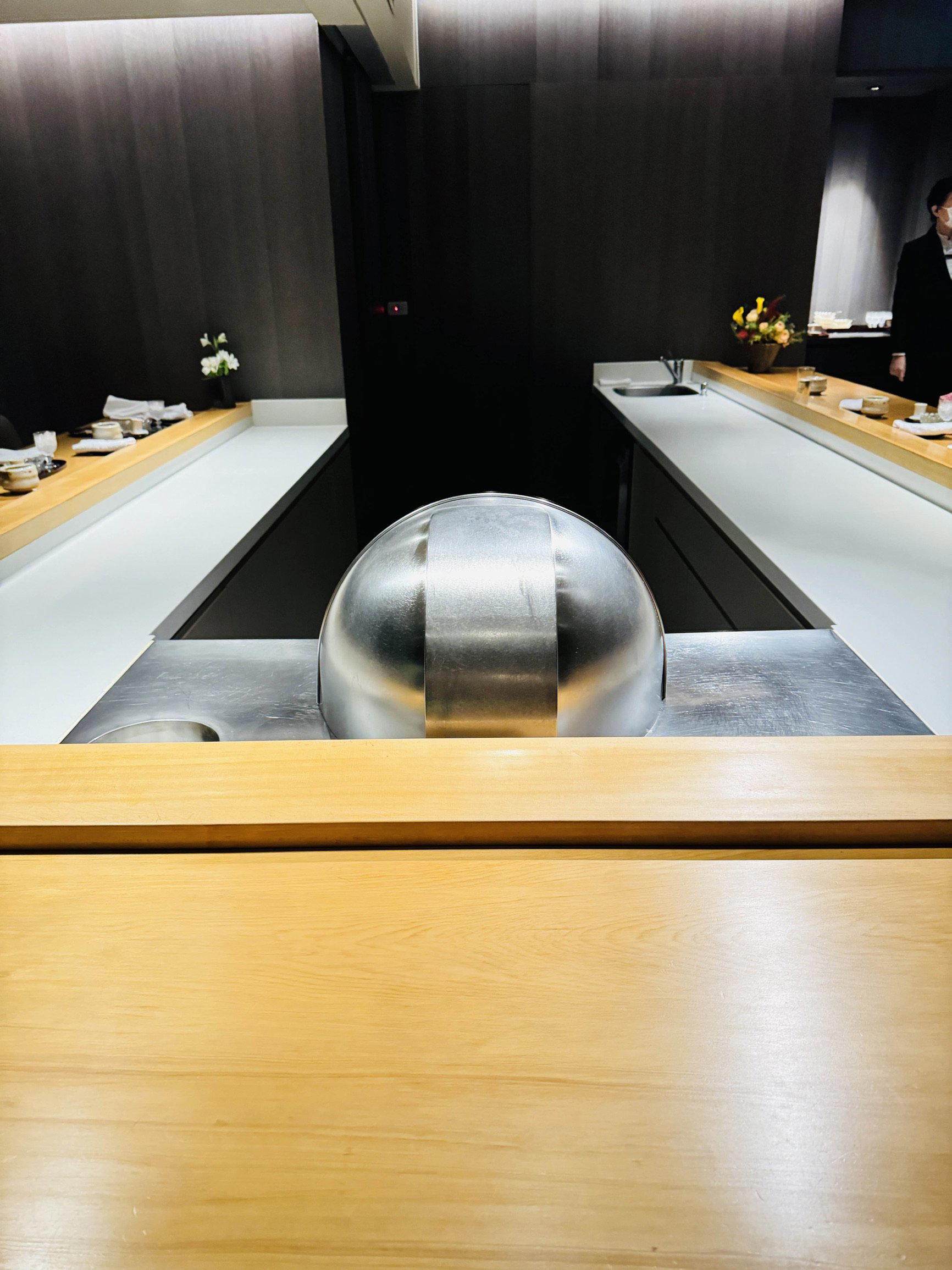
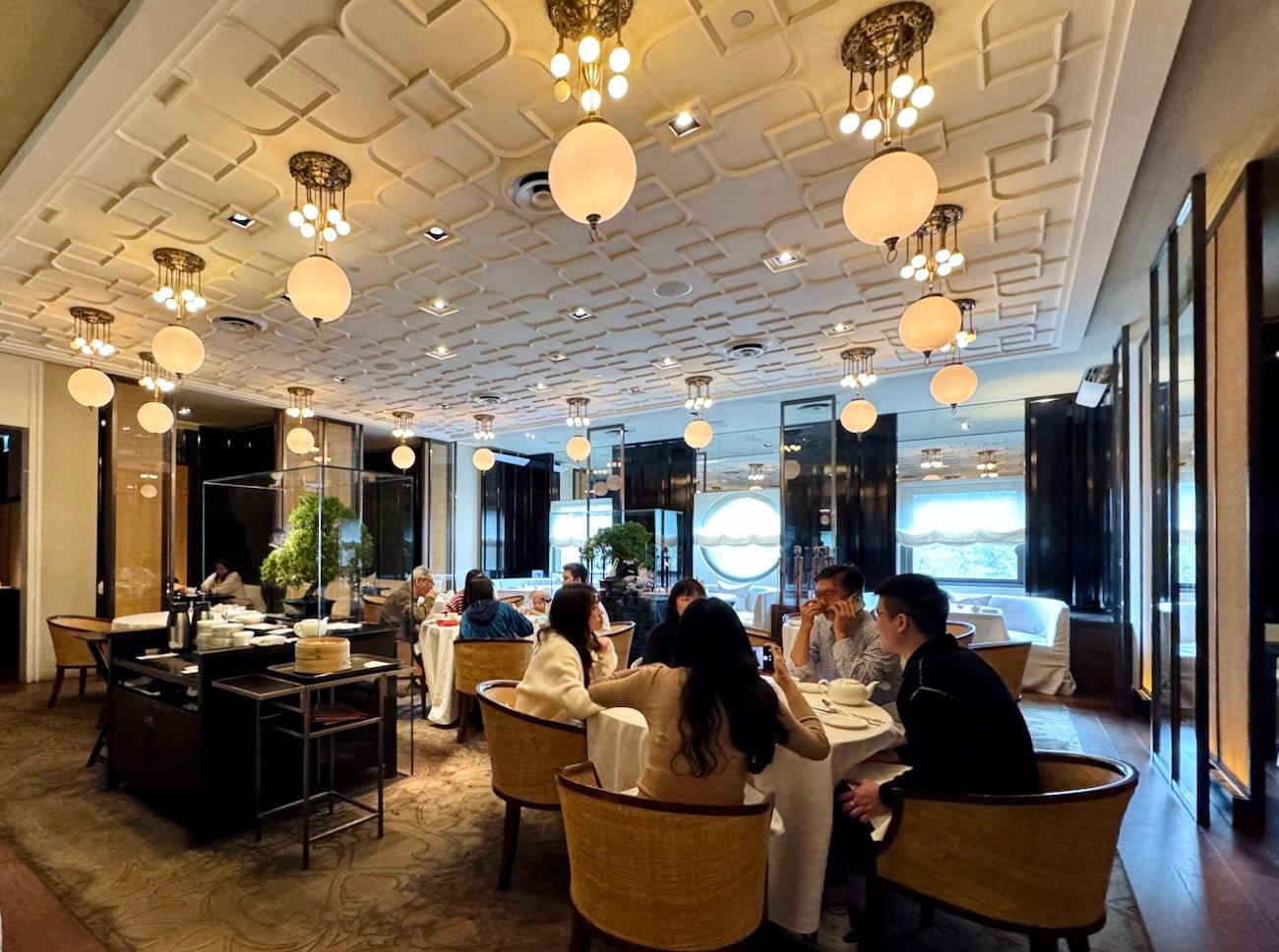
Restaurants in Taipei
Browse all →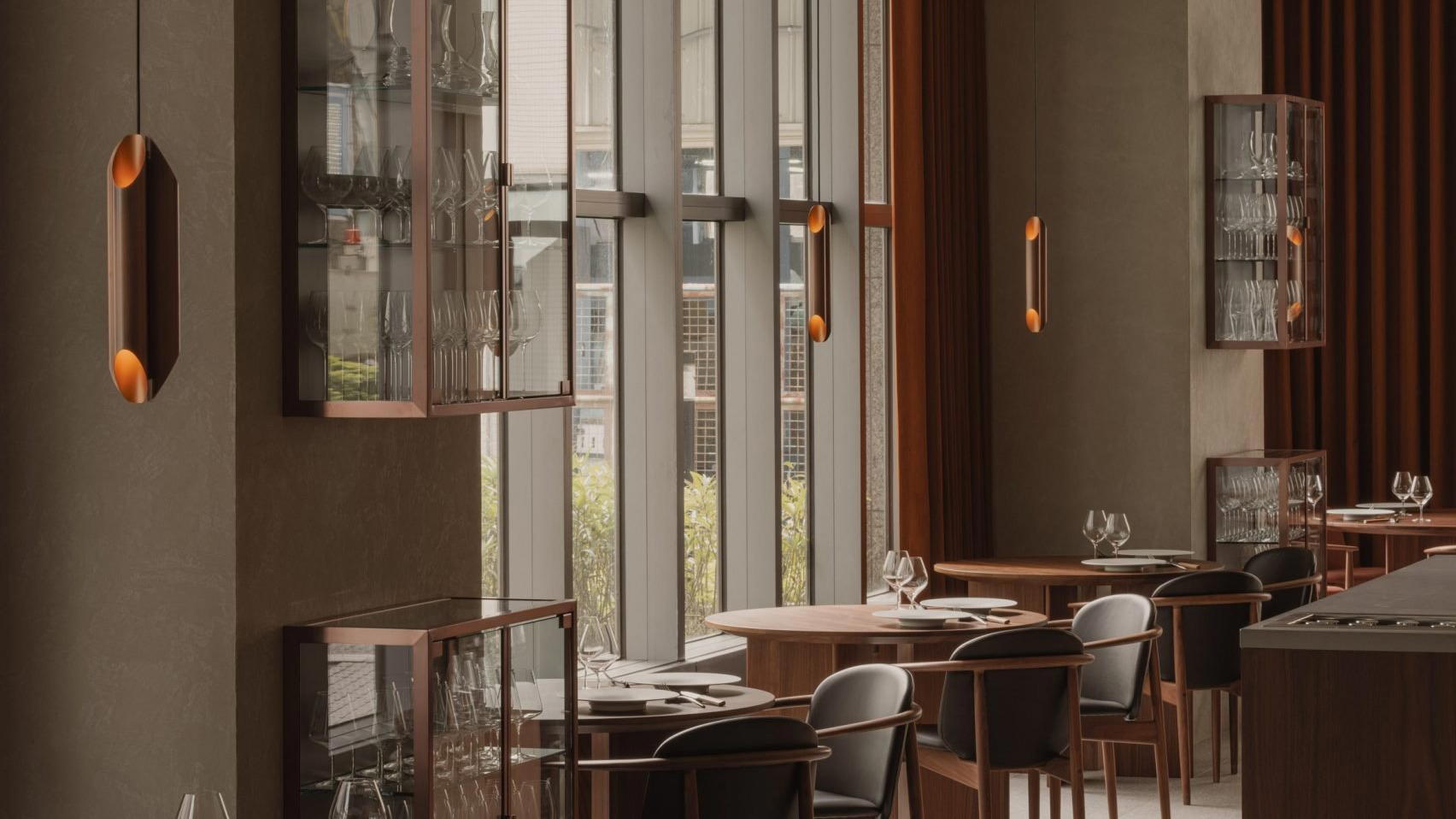
Bars in Taipei
Browse all →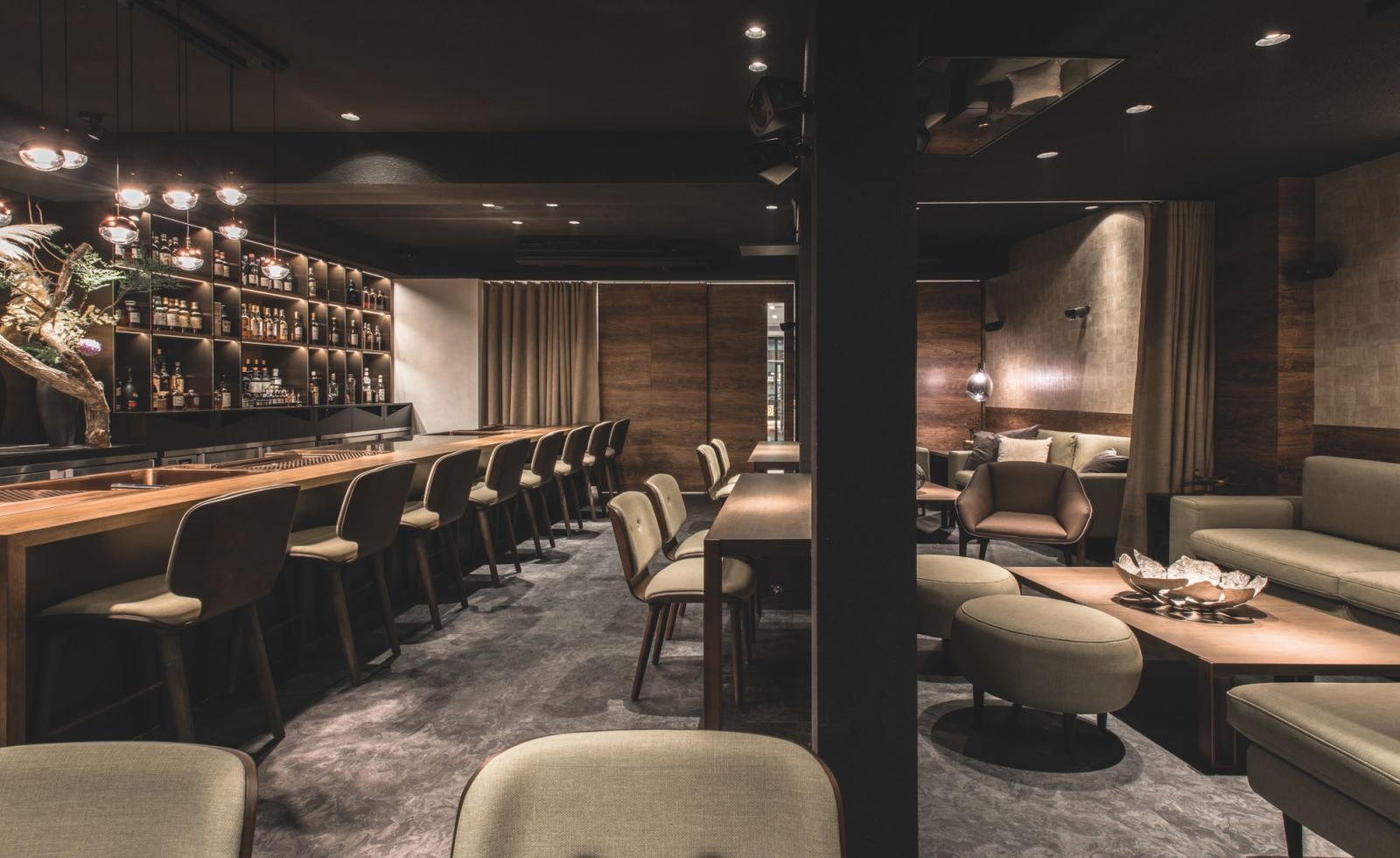

At a Glance
- Cozy
- Lively
- Trendy
- Intimate
- Date Night
- Casual Hangout
- After Work
- Group Dining
- Late Night
- Chefs Counter
- Open Kitchen
- Standalone
- Design Destination
- Beer Program
- Sake Program
- Craft Cocktails
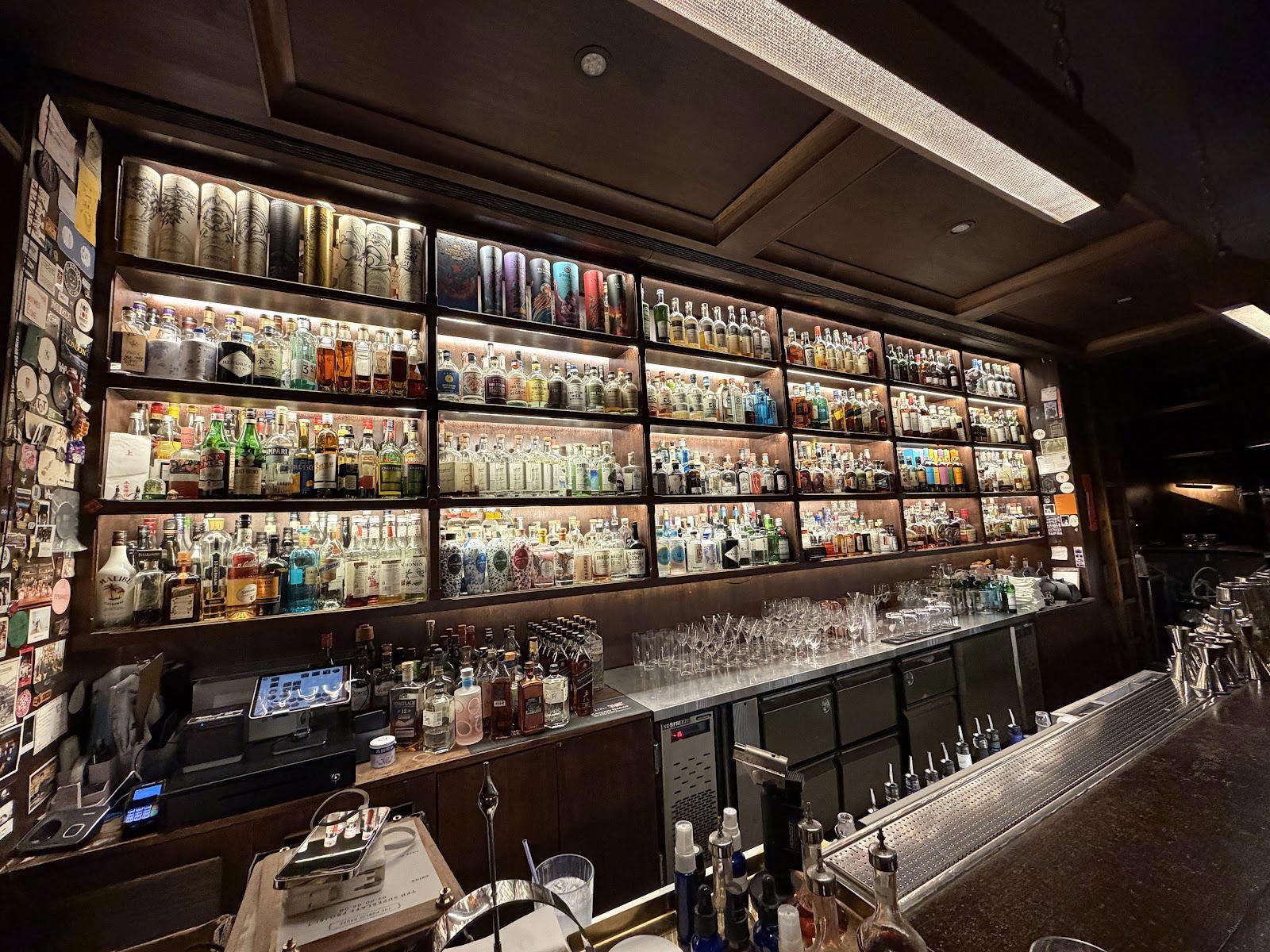
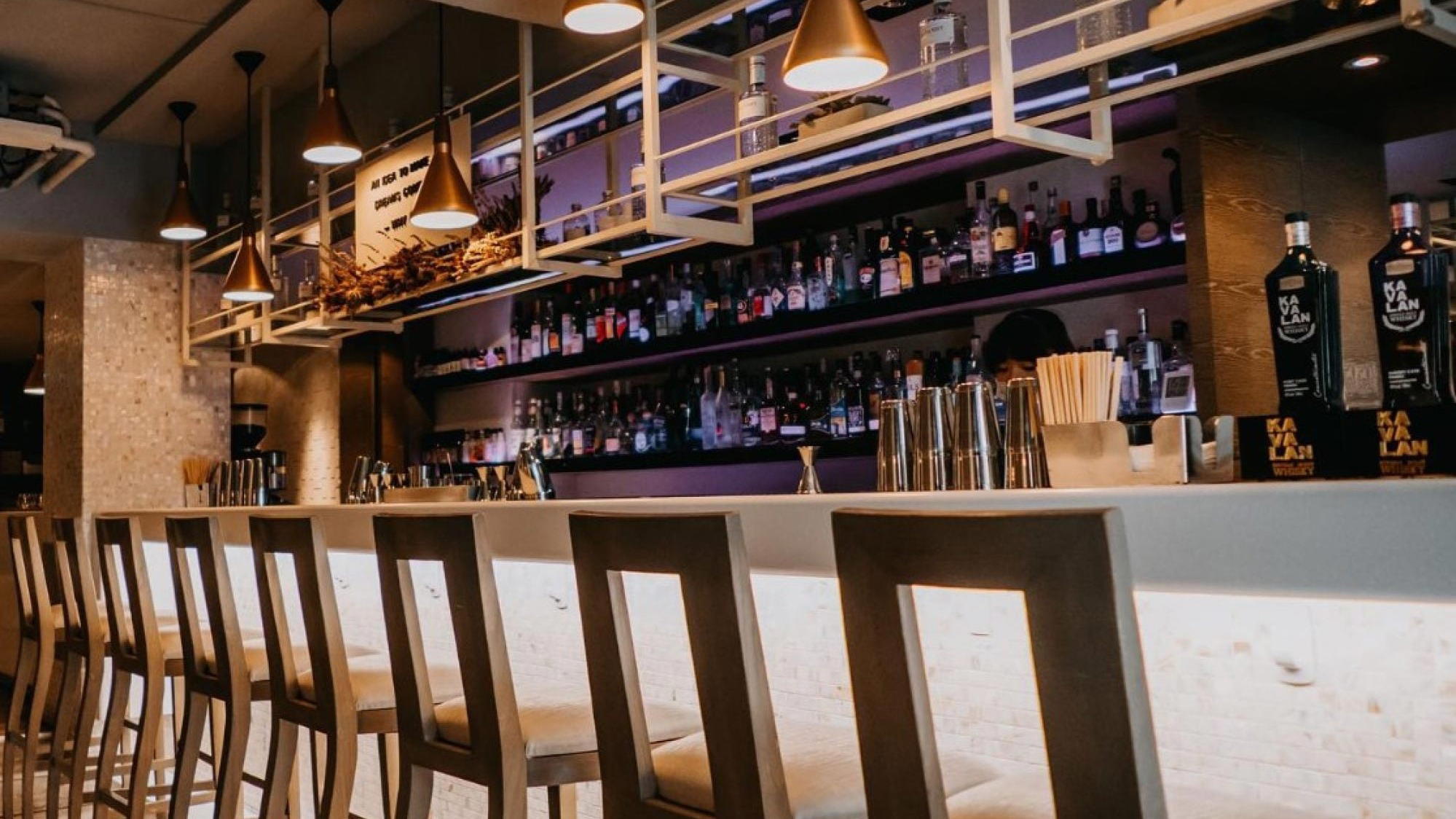
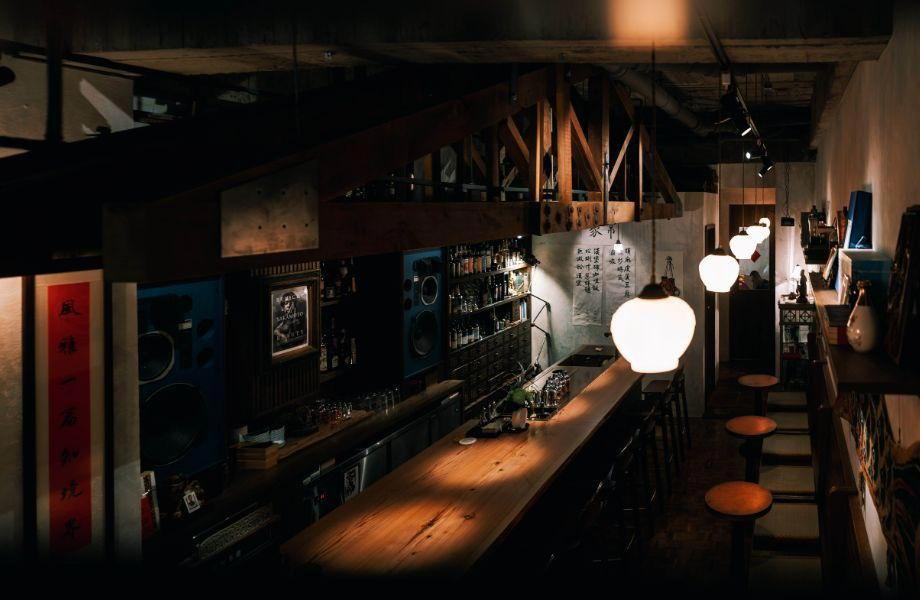
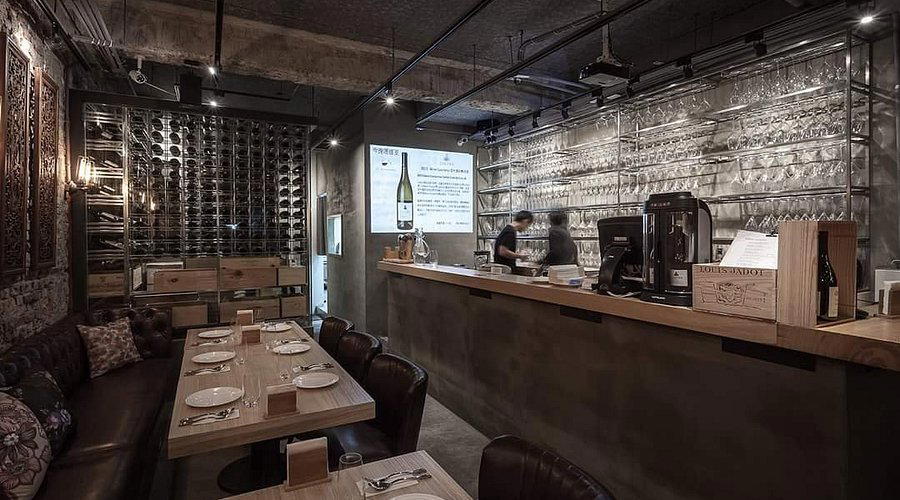
A small, cozy yakitori bar with a lively, intimate atmosphere where guests sit close to the grill, warm lighting highlights the skewers, and the overall feel is relaxed yet refined, like a modern izakaya.