
Michelin Plate
Our verdict
Bicol Korean Cuisine has earned consecutive Michelin Plate recognition in 2024 and 2025, marking it as one of the few Korean restaurants in São Paulo to reach that threshold.

Pearl is the En Primeur Club membership app, where members save venues, book tables and use the concierge.
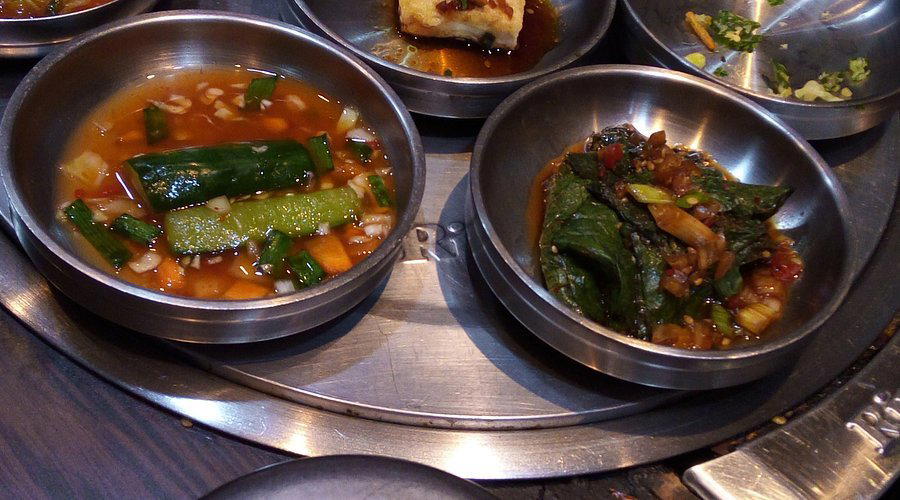
Korean Cooking Inside São Paulo's Asian Quarter
Liberdade has functioned as São Paulo's primary node for Asian dining since the mid-twentieth century, when Japanese immigration shaped the neighbourhood's commercial character. Over subsequent decades, Korean, Chinese, and Taiwanese establishments filled in around the original Japanese backbone, creating one of Latin America's most concentrated corridors of East and Southeast Asian food. The street addresses along Rua José Getúlio and its surrounding blocks are not decorative, this is genuinely where the city's Asian food culture is produced and consumed at a neighbourhood level, not packaged for tourists.
Within that context, Bicol Korean Cuisine at R. José Getúlio, 422 sits inside a competitive local frame that includes decades-old Japanese lunch counters, newer Taiwanese bubble tea chains, and a scattering of Korean barbecue houses. What separates Bicol from most of its immediate neighbours is the paper trail: consecutive Michelin Plate awards in 2024 and 2025, a recognition tier that signals consistent kitchen standards and editorial attention from the Guide's inspectors without the full star machinery.
What Michelin Plate Recognition Actually Signals
A Michelin Plate, introduced by the Guide as a formal category below starred status, is awarded to restaurants where inspectors identify good cooking as the primary criterion. It is not a consolation tier. In São Paulo's 2025 guide, Plate recipients span a wide price range and cuisine type, sitting alongside the city's starred establishments, two-star kitchens like D.O.M. and Evvai, one-star addresses like Maní and Tuju, as part of a single ecosystem that the Guide maps against quality, not price bracket.
The significance for Bicol is compounded by its price positioning. At the $$ tier, it occupies roughly the same accessible price range as Komah and A Casa do Porco, both of which also carry Michelin recognition. That cluster of mid-price, Michelin-acknowledged restaurants represents a meaningful shift in how the Guide now treats São Paulo: recognition is no longer concentrated exclusively at the $$$-$$$$ end of the market. For Korean food specifically, Bicol's consecutive Plate awards are a marker that the cuisine has cleared a threshold of critical attention it did not always receive in Brazilian culinary circles.
Korean Food in a Brazilian City
Korean cuisine's presence in São Paulo reflects a wave of immigration that began in earnest during the 1960s, smaller in scale than the earlier Japanese wave but concentrated enough to produce self-sustaining food infrastructure in Liberdade and neighbouring Bom Retiro. The cooking that emerged in these communities was not static, it adapted to local ingredient availability, to Brazilian palates, and to the tastes of a second and third generation with hybrid food references.
What Michelin recognition does for a Korean restaurant in this context is separate it from the broader category without severing the connection to it. The inspection process rewards technical consistency, ingredient handling, and an identifiable kitchen point of view. For a cuisine that is sometimes reduced in public perception to barbecue formats and comfort staples, a Plate award functions as a signal that more precise cooking is present. Seoul's own high-end Korean dining scene, represented by restaurants like Mingles and Kwonsooksoo, has demonstrated over the past decade that Korean culinary tradition supports formal fine-dining treatment. Bicol's recognition, operating in a different geography and at a different price point, is part of the same broader argument about the cuisine's range.
The Consistency Question
A single Michelin Plate award can reflect a good inspection cycle. Two consecutive years, 2024 and 2025, suggests something more durable. Michelin's inspection methodology involves multiple anonymous visits, and retention of recognition from one edition to the next requires that the kitchen maintains its standard across time and service pressure, not merely on a single exceptional night.
For a mid-price neighbourhood restaurant in a competitive Asian dining corridor, sustaining that score across thousands of individual visits points to reliable execution.
Taken together, the two trust signals, critical (Michelin) and popular (Google volume), tell a consistent story. The restaurant is not benefiting from one form of attention at the expense of the other, which is more common than it might seem across São Paulo's dining circuit.
Placing Bicol Within São Paulo's Broader Dining Map
São Paulo's restaurant culture is often discussed through its high-end creative cooking scene, and the city's position in South American dining owes much to chefs operating at the $$$-$$$$ tier. But the more interesting structural story in the 2024-2025 Michelin cycle is the recognition the Guide has extended downward in price, toward neighbourhood-rooted cooking that was historically overlooked in formal critical frameworks.
Bicol sits in that recalibration. Korean food in Liberdade was not a primary subject of São Paulo food criticism a decade ago. Its appearance, twice, in Michelin's formal recognition structure reflects both the Guide's expanding scope in the city and the restaurant's own capacity to meet its standards. For readers building a São Paulo itinerary around the full range of what the city's dining produces, Bicol belongs on the same map as the creative tasting menus and starred counters, just at a different register and price point.
Brazil's wider dining circuit offers further context: Lasai in Rio de Janeiro, Manu in Curitiba, and Manga in Salvador each represent regional takes on formal recognition, while Mina in Campos do Jordão, Castelo Saint Andrews in Gramado, and Orixás in Itacaré show how Michelin's Brazilian footprint now extends well beyond the major urban centres. Bicol's recognition is part of this national critical expansion, but its specific interest lies in what it says about Korean cooking's standing within São Paulo in particular.
Planning a Visit
Bicol Korean Cuisine is located at R. José Getúlio, 422 in Liberdade, São Paulo's historic Asian neighbourhood and one of the city's most walkable dining corridors. The $$ price tier places it well below the cost of the city's starred tasting menus, making it accessible within a broader São Paulo dining programme without significant budget allocation.
For a full picture of where Bicol sits within São Paulo's wider offer, see our full São Paulo restaurants guide, along with our São Paulo hotels guide, bars guide, wineries guide, and experiences guide.
Frequently asked questions
What dish is Bicol Korean Cuisine famous for?
What two consecutive Michelin Plate awards (2024 and 2025) do confirm is a kitchen producing consistent Korean cooking worth the trip to R. José Getúlio, 422 in Liberdade. The cuisine type on record is Korean, so expect dishes drawn from that tradition rather than a fusion or hybrid menu.
What should I budget for a meal at Bicol Korean Cuisine?
Pricing at Bicol Korean Cuisine is listed as $$.
Where is Bicol Korean Cuisine located?
Bicol Korean Cuisine is located at R. José Getúlio, 422 - Liberdade, São Paulo - SP, 01509-000, Brazil, São Paulo.
What's the standout thing about Bicol Korean Cuisine?
The back-to-back Michelin Plate recognition in 2024 and 2025 is the clearest credential here. Within São Paulo's $$ dining tier, that dual recognition places Bicol among a small group of mid-range restaurants that Michelin inspectors have returned to and endorsed twice. For Korean food specifically, it positions Bicol as one of the more editorially substantiated options in the city.
Comparable Spots
A quick peer list to put this venue’s basics in context.
| Venue | Cuisine | Price | Awards | Notes |
|---|---|---|---|---|
| Bicol Korean CuisineThis venue (the venue you are viewing) | Traditional Korean Barbecue | Not listed | Michelin Plate | Not listed |
| Evvai | Modern Italian-Brazilian Fusion | $200–300 | 3 Michelin Stars · World's 50 Best #95 | Contemporary Italian, Modern Cuisine |
| D.O.M. | Modern Brazilian Amazonian Fine Dining | $150–200 | 2 Michelin Stars · World's 50 Best #74 | Modern Brazilian, Creative |
| Maní | Modern Creative Brazilian | $50–100 | 1 Michelin Star · World's 50 Best #67 | Brazilian - International, Creative |
| Jun Sakamoto | Japanese Omakase | $100–150 | 1 Michelin Star · La Liste Top Restaurants | Sushi, Japanese |
| A Casa do Porco | Modern Brazilian Pork-Centric | $30–50 | Michelin Bib Gourmand · World's 50 Best #25 | Regional Brazilian, Brazilian |
Recognition history
Dated appearances from independent guides and award organizations, with the underlying list record or original source where available.
Michelin Plate
Michelin
Full recognition history (3 entries)
Michelin Plate
Michelin
Michelin Plate
Michelin
Continue exploring
More in São Paulo
Restaurants in São Paulo
All restaurants in São Paulo →
Bars in São Paulo
All bars in São Paulo →


Details
- Cozy
- Classic
- Family
- Group Dining
- Casual Hangout
- Open Kitchen
- A La Carte
Current opening hours
- Monday
- 6–11 PM
- Tuesday
- 6–11 PM
- Wednesday
- 6–11 PM
- Thursday
- 6–11 PM
- Friday
- 12–3 PM, 6–11 PM
- Saturday
- 12–3 PM, 6–11 PM
- Sunday
- 12–7 PM
Hours can change for holidays and private events. Hours as of .
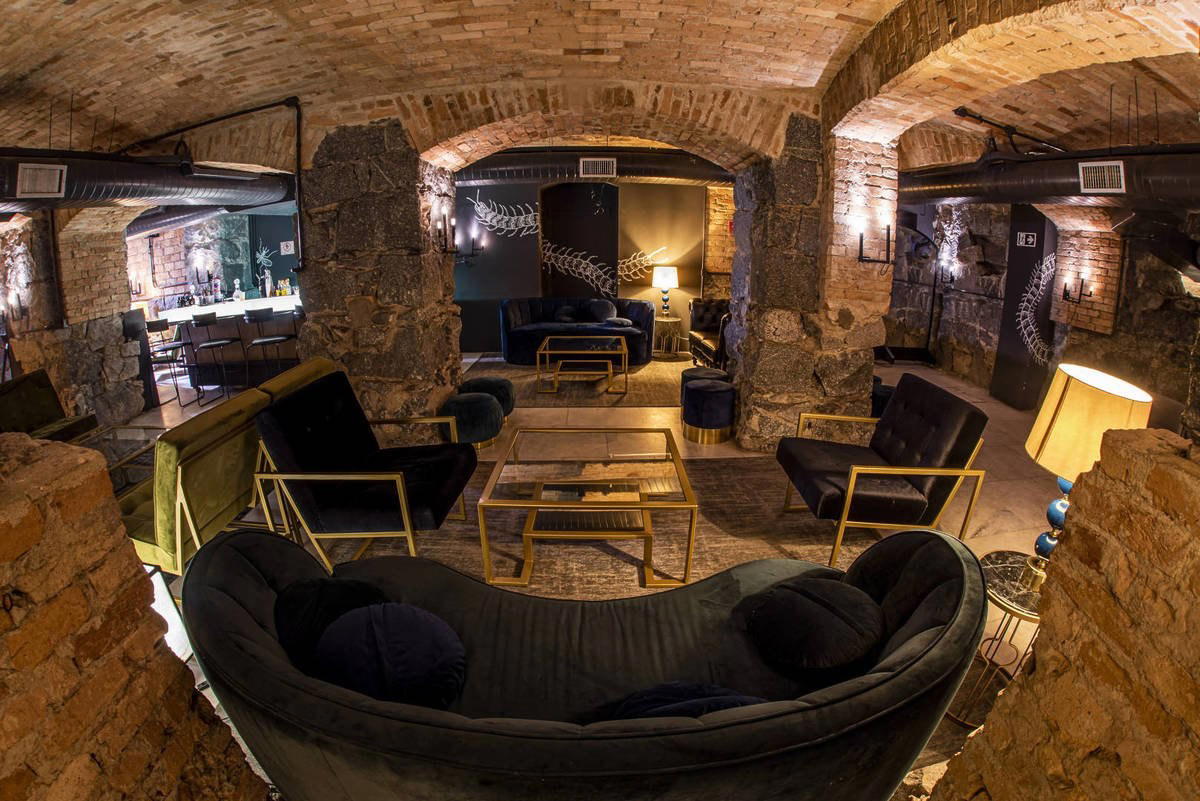
Cozy and pleasant with a traditional Korean atmosphere, though sometimes smoky from table grills; spacious and well-organized interior.