Our verdict
BiCE in Shanghai sits in Qingpu, away from the city’s denser dining corridors, which makes context matter more than spectacle. With no public awards, chef attribution, menu format, or price tier attached, it reads as a venue to assess through setting, cuisine cues, and fit within Shanghai’s broader appetite for international dining rather than through trophy signals.

Pearl is the En Primeur Club membership app — saves, bookings, and concierge access live there. Same editors, same standards.
- Address
- China, 1588弄100号CN 上海市 青浦区 诸光路 1588 邮政编码: 201106
- Phone
- +86 21 3979 6666
- Directions
- Get directions
The menu
What to order
- Tiramisu
- Crème brûlée
- Seafood
- Beef
Shanghai changes the terms of a meal before the first course appears. The city’s restaurant map is broad, stretching beyond the shorthand most visitors use for central dining rooms, landmark hotel addresses, and mall towers where familiar restaurant formats often cluster. In that setting, BiCE belongs to a quieter Shanghai pattern: dining folded into everyday urban plans, where the question is less about scene-making and more about whether the kitchen can make sourcing, pacing, and room comfort feel coherent.
Shanghai dining asks different questions from central Shanghai
Shanghai’s dining culture is often described through its high-visibility center: river views, hotel-backed rooms, counters, familiar formats, and tasting-menu addresses built for expense accounts. Other parts of the city operate with a different rhythm. Restaurants there need to work for planned meals rather than casual drift; diners are less likely to be passing by after galleries or cocktails, and more likely to have chosen the area because of where they are staying, working, or meeting.
That context matters for a venue with limited public-facing detail. Without a listed chef, seat count, price range, or signature dishes, the editorial read has to stay disciplined. BiCE should be approached as part of Shanghai’s broader restaurant layer, not as a documented fine-dining trophy address. In a city where premium dining can run from high-polish rooms to private-kitchen formats, and where local restaurants still carry strong identity, a venue in Shanghai has to justify itself through ingredient handling and consistency rather than reputation alone.
The comparison set in Shanghai is instructive. Zhou She (Minhang) and Zhoushe Haipai point toward the local and Haipai side of the market, where regional memory and dining-room familiarity carry weight. Ming Court and Mingge sit in another established premium lane, a category that Shanghai diners understand through product quality, occasion fluency, and kitchen precision. BiCE is not operating inside that same dining grammar. Its relevance depends on how well it translates its own format into a Shanghai meal, especially in a city where convenience and occasion often overlap.
Ingredient credibility matters more than imported gloss
Shanghai is a demanding city for restaurants because the audience is used to both polished luxury and local exactitude. Seafood, beef, seasonal vegetables, cured products, rice, noodles, and broth traditions all have established benchmarks in the city; a restaurant cannot rely on mood alone. Ingredient sourcing becomes the real test. The question is whether the kitchen treats produce, protein, and staple components as the basis of the meal, or as props in a generic template.
That distinction is particularly sharp in broader restaurant formats across China, where the weak version overuses labels and the stronger version adapts intelligently to local supply. A credible Shanghai kitchen does not need to import every ingredient, but it does need to understand which items demand origin specificity and which can be handled through regional freshness. Dairy, cured products, oils, staple textures, seafood quality, and vegetable seasonality each carry different consequences on the plate. The more distance a restaurant has from Shanghai’s most familiar dining circuits, the more those fundamentals matter.
BiCE’s public profile does not provide enough menu evidence to name dishes or make claims about technique. That restraint is useful. It keeps the focus where it belongs: on how diners should read the category. In Shanghai, the strongest case for a restaurant of this type is not novelty. It is reliability, clear sourcing logic, and a room that suits business meals, family meals, or city dining without asking diners to cross Shanghai for ceremony.
For broader calibration, Shanghai’s dining range is easier to understand through adjacent categories. Other Shanghai dining rooms show how product-led cooking can anchor an experience; venues in another lane rely on sourcing and service rhythm to define the meal. The city’s broader restaurant field also shows how local diners separate occasion restaurants from everyday utility.
How to place BiCE in a Shanghai itinerary
For visitors, BiCE makes the clearest sense when Shanghai is already part of the day. Shanghai rewards geographic discipline: crossing the city for a meal can be worthwhile when the restaurant has well documented public signals, a named chef, or a distinctive format, but without enough published detail, the smarter move is to match the venue to nearby plans. That is not a criticism; it is how large-city dining should be judged. A restaurant can be useful and well suited to its setting without needing to compete with destination counters and hotel flagships elsewhere in the city.
Families and business diners may find the category easier to read than tasting-menu formats, though practical fit depends on the current menu, service style, and pricing. Since those details are not publicly listed here, the sensible approach is to confirm the basics before committing the meal to an itinerary. Shanghai’s premium dining market is too varied for assumptions: some rooms are built around long-form service, others around shared plates, and others around flexible service.
Readers building a wider Shanghai plan should use BiCE as one point in a larger map rather than as the anchor of the trip. For citywide context, see Our full Shanghai restaurants guide, then cross-check where the meal sits against Our full Shanghai hotels guide, Our full Shanghai bars guide, Our full Shanghai wineries guide, and Our full Shanghai experiences guide. For broader comparisons, unnamed dining rooms in other Chinese cities show how regional identity changes the dining equation. Outside China, other international examples are useful reminders that format, sourcing, and city context travel differently from place to place.
Frequently asked questions
Is BiCE suitable for children?
BiCE is in Shanghai. That setting suggests a standard restaurant visit rather than a formal tasting-room format, which generally makes it workable for families.
What kind of setting is BiCE?
BiCE sits in Shanghai. Check the venue's official channels for the latest details.
What's BiCE's location?
Shanghai.
Should I book BiCE in advance?
Yes, advance planning is sensible for BiCE in Shanghai. For restaurants where timing and travel are part of the plan, the trip itself can shape the meal.
Fast Comparison
Comparable venues by cuisine and price in the same metro.
| Venue | Cuisine | Price | Awards |
|---|---|---|---|
| BiCEThis venue — the venue you are viewing | Italian Fine Dining | Not listed | Not listed |
| Zhou She (Minhang) | Shanghainese | $50–100 | 1 Michelin Star · Black Pearl 1 Diamond |
| Ming Court | Cantonese with Shanghainese Influences | $30–50 | 1 Michelin Star · Black Pearl 1 Diamond |
| Mingge | Modern Cantonese | $50–100 | Not listed |

Details
- Elegant
- Sophisticated
- Classic
- Intimate
- Date Night
- Business Dinner
- Group Dining
- Special Occasion
- Standalone
- Extensive Wine List
- A La Carte
- Wine
- Drinks
- Vegetarian Friendly
- Vegan Options
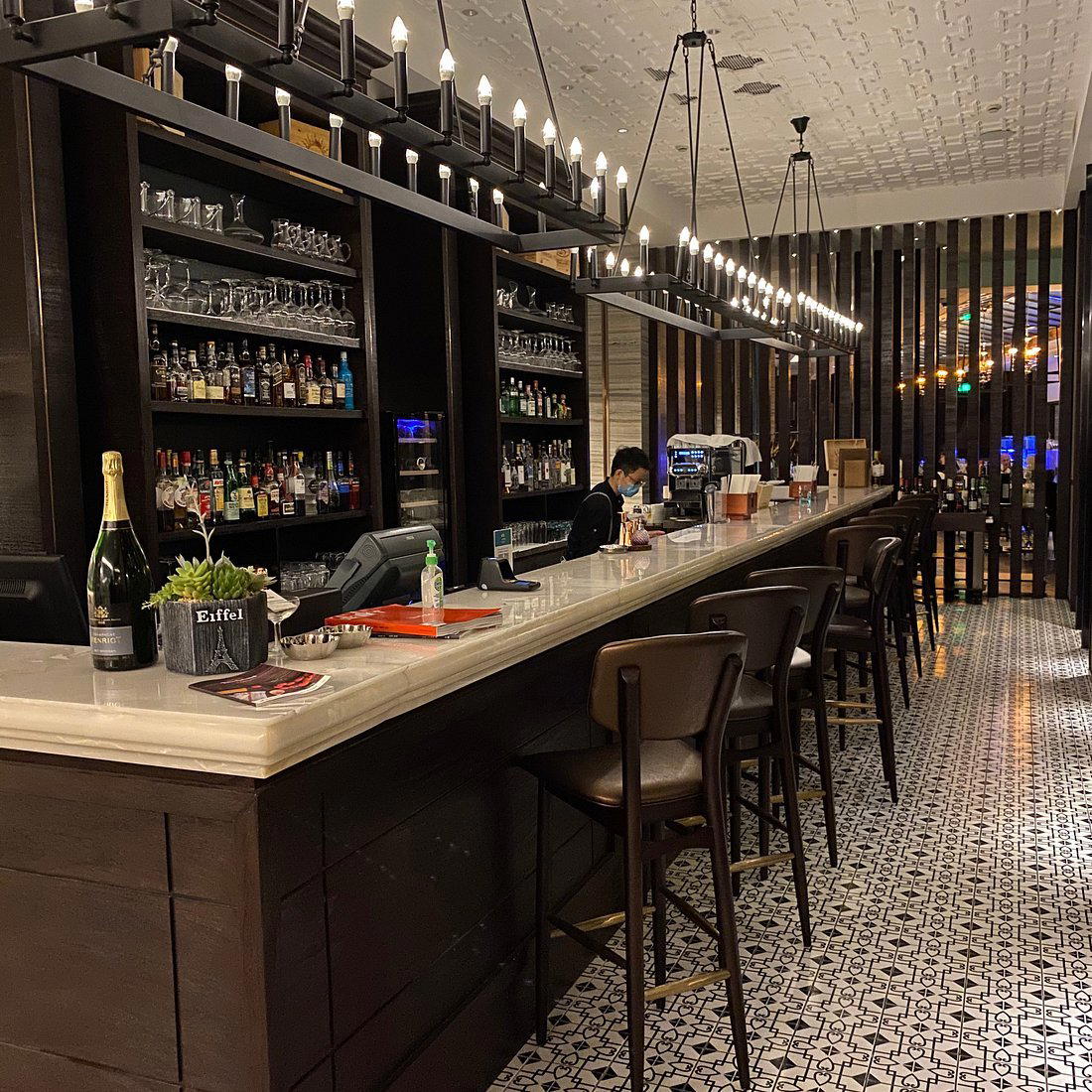
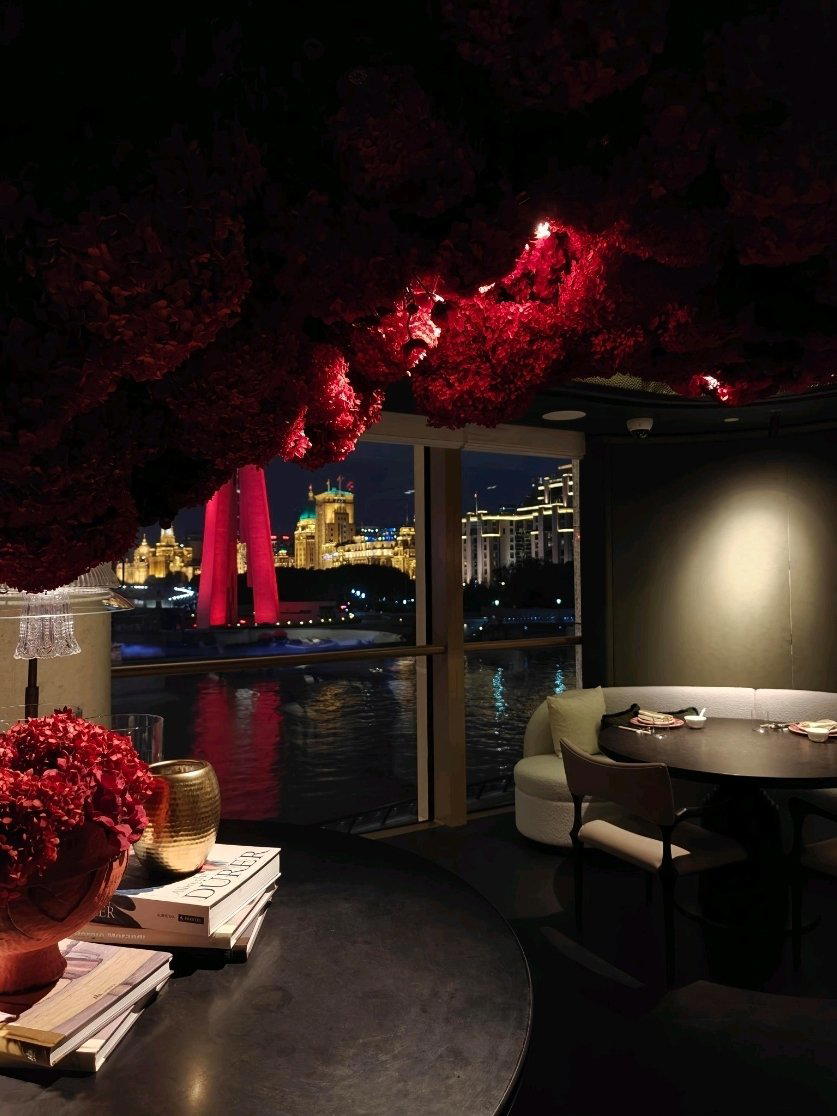
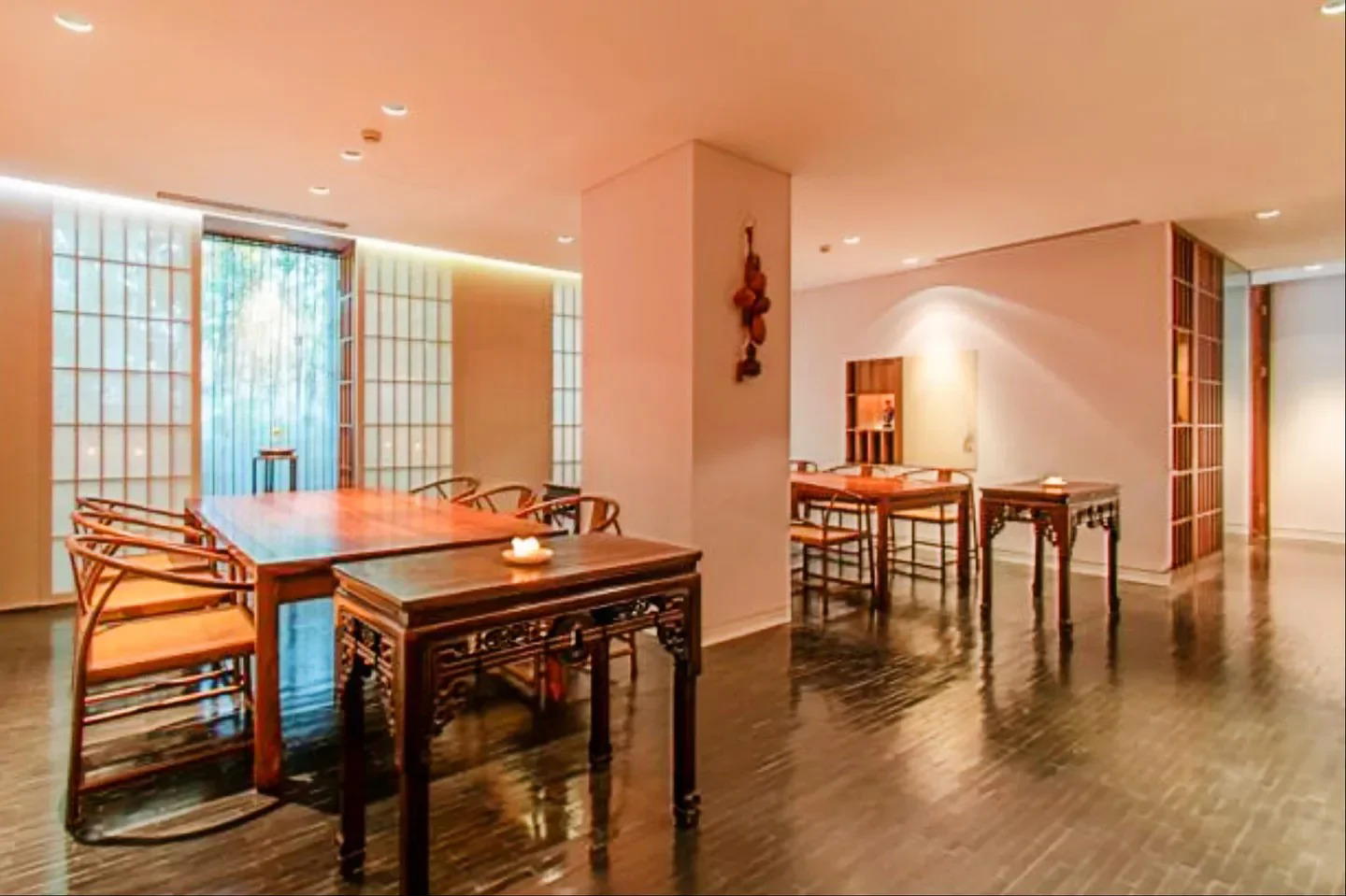
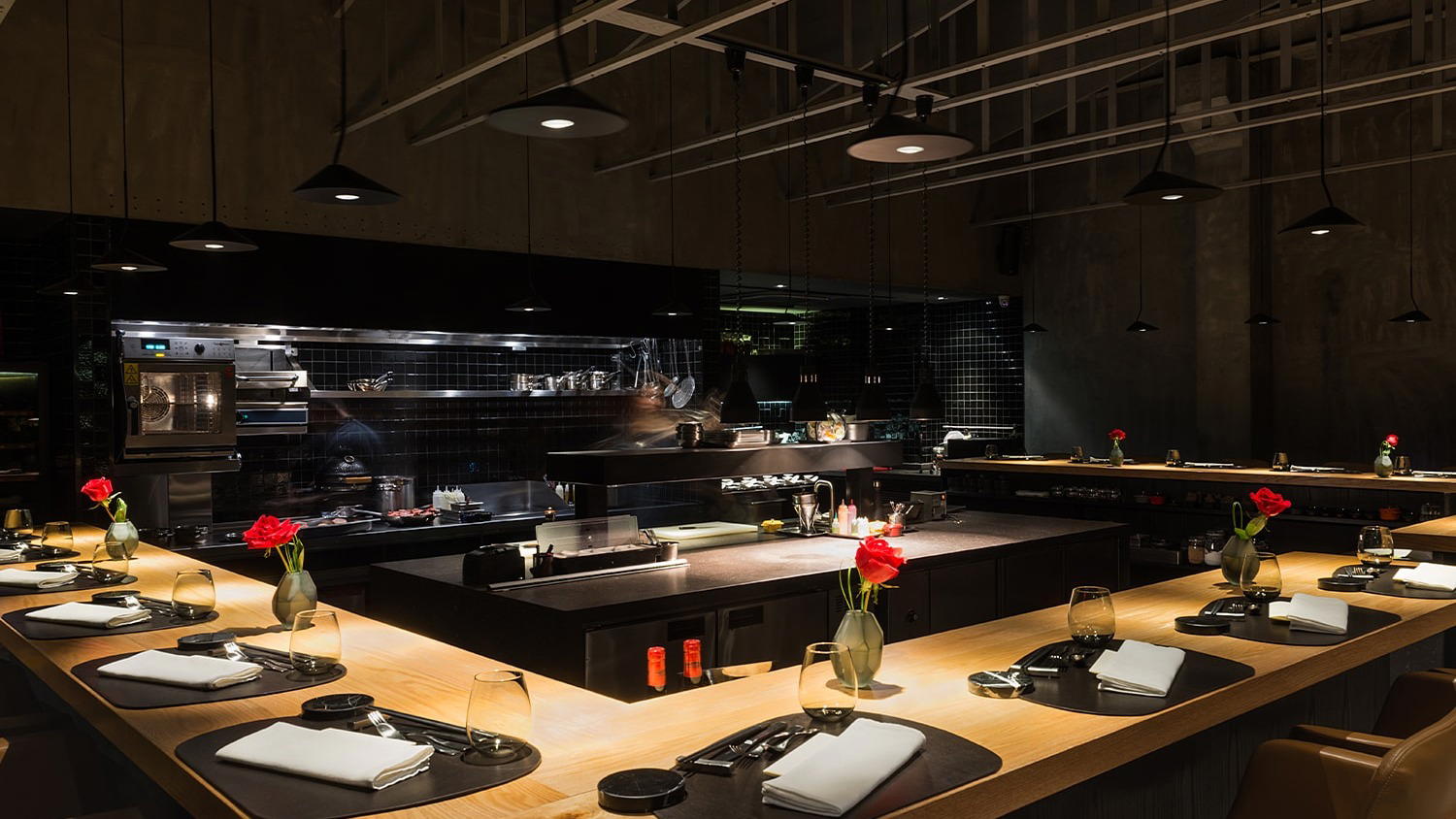
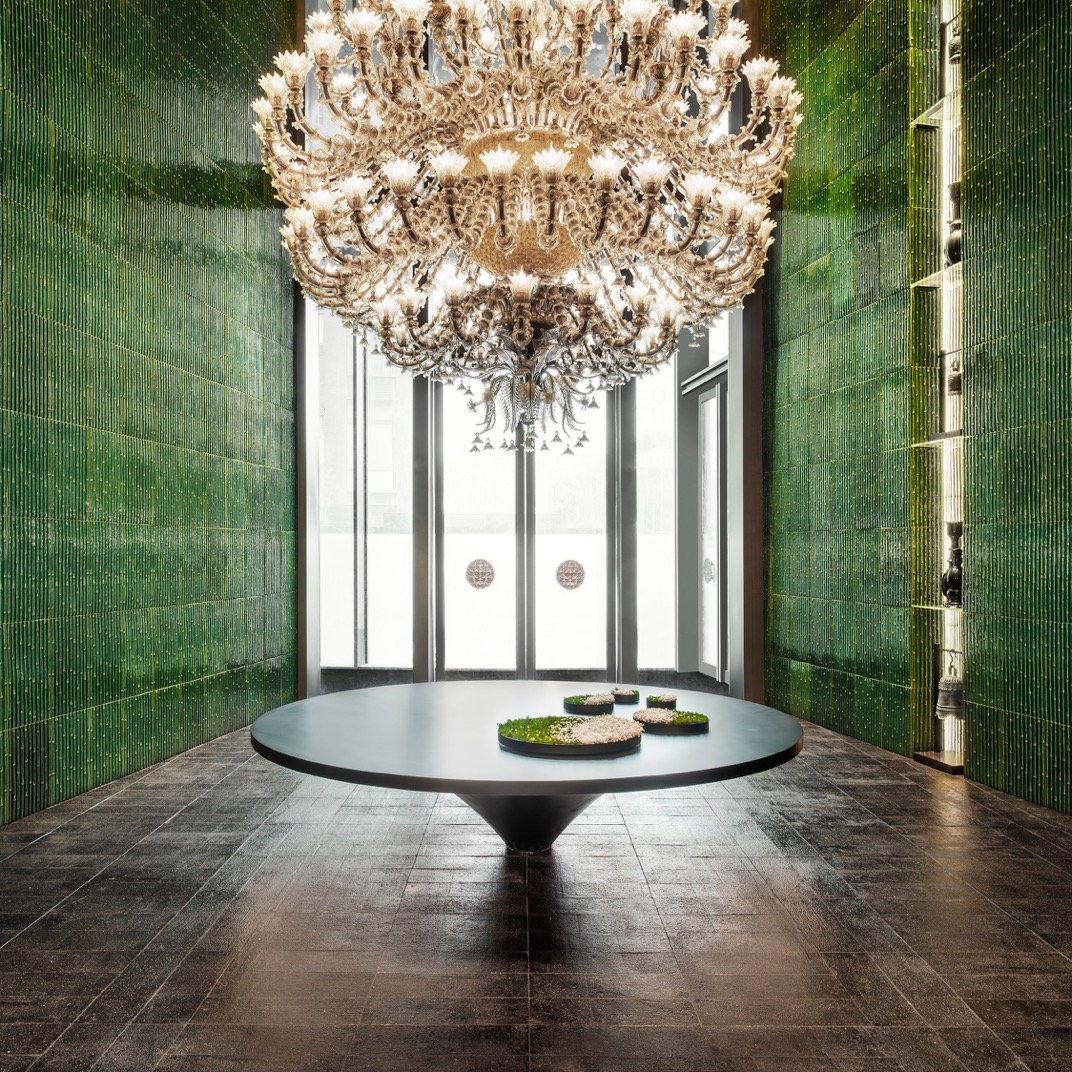
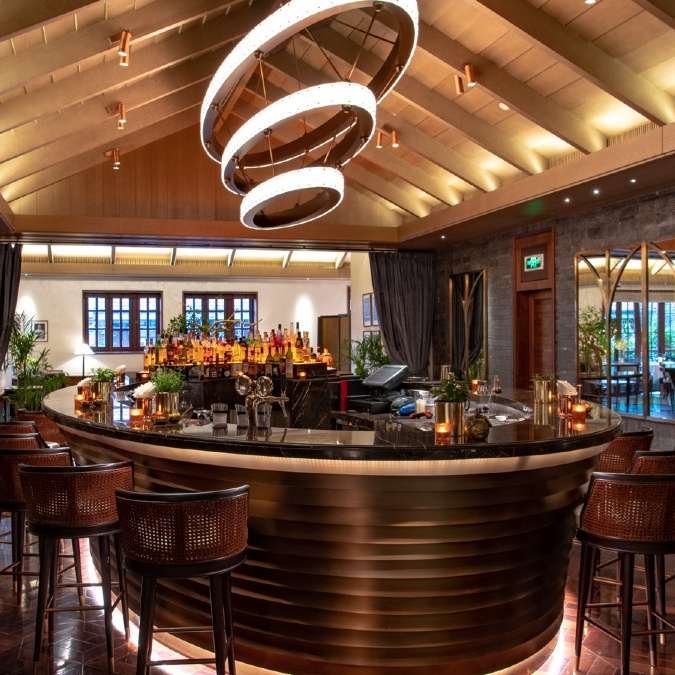
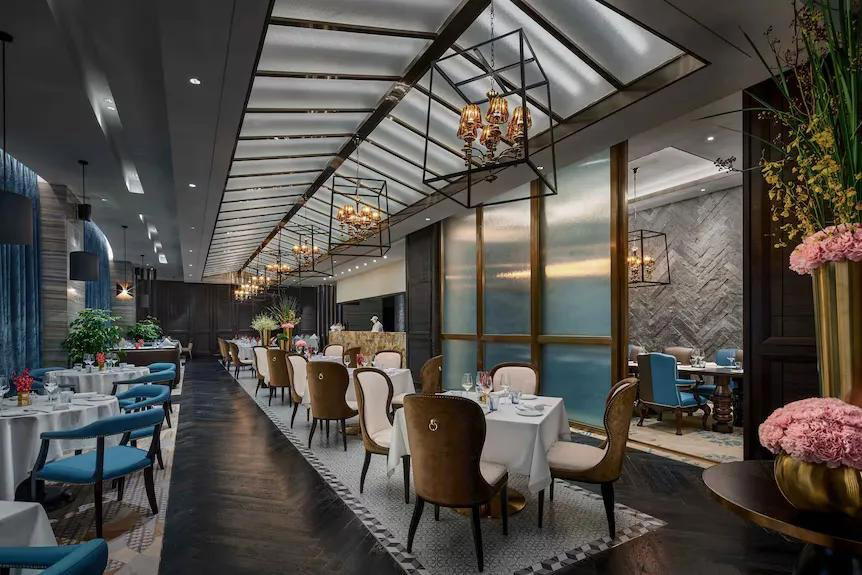
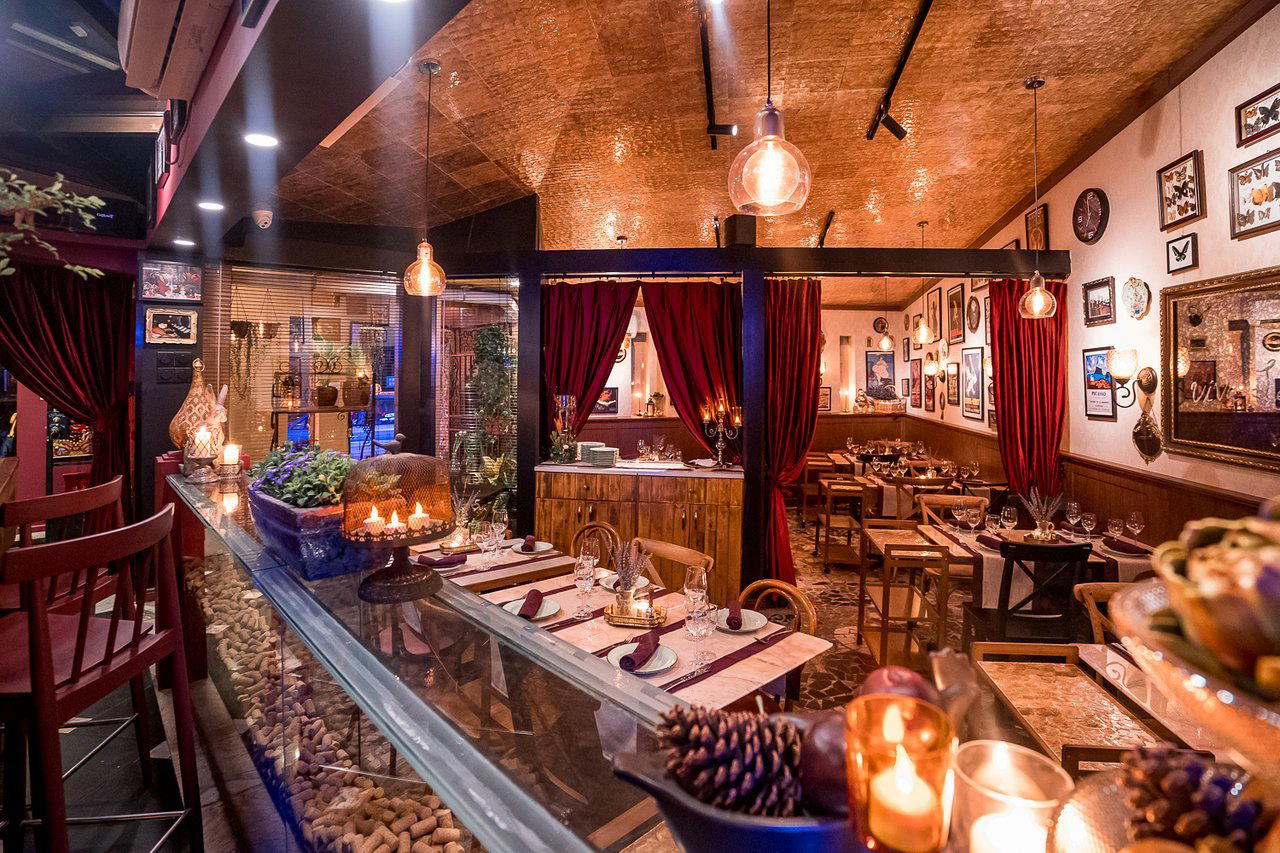
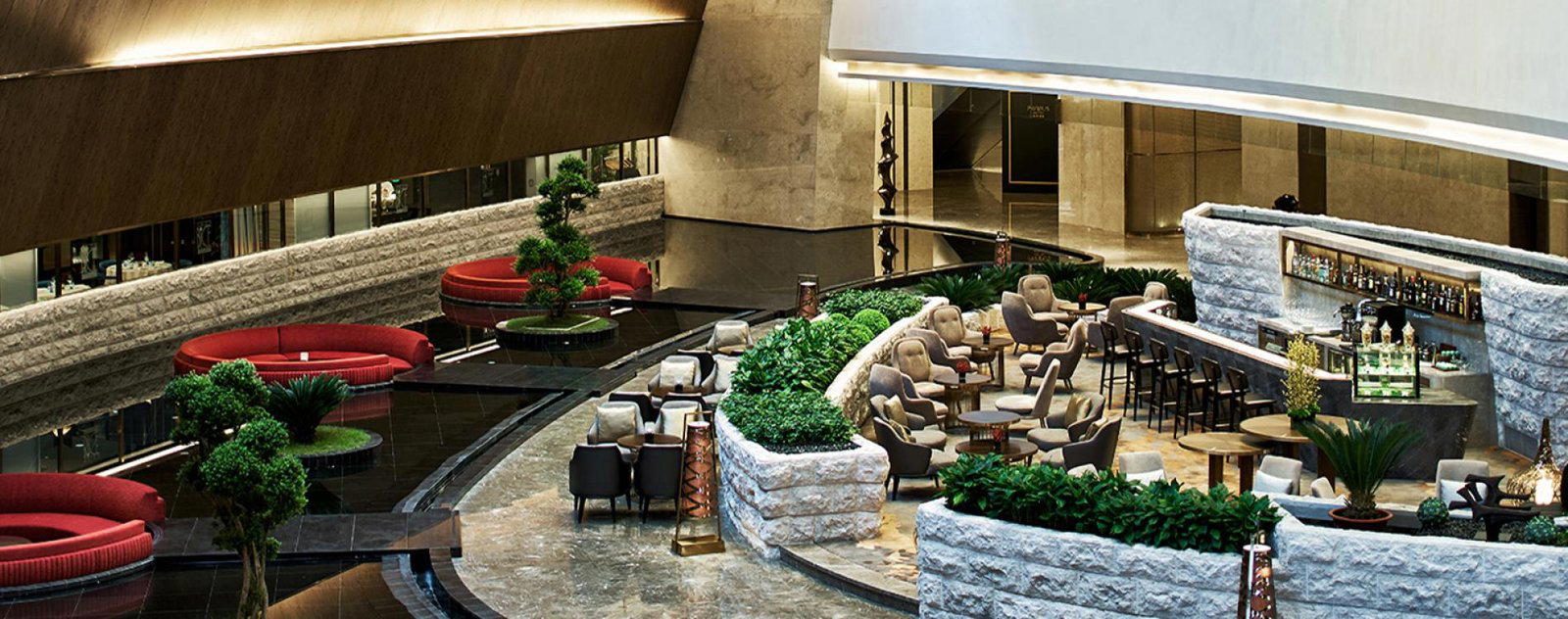
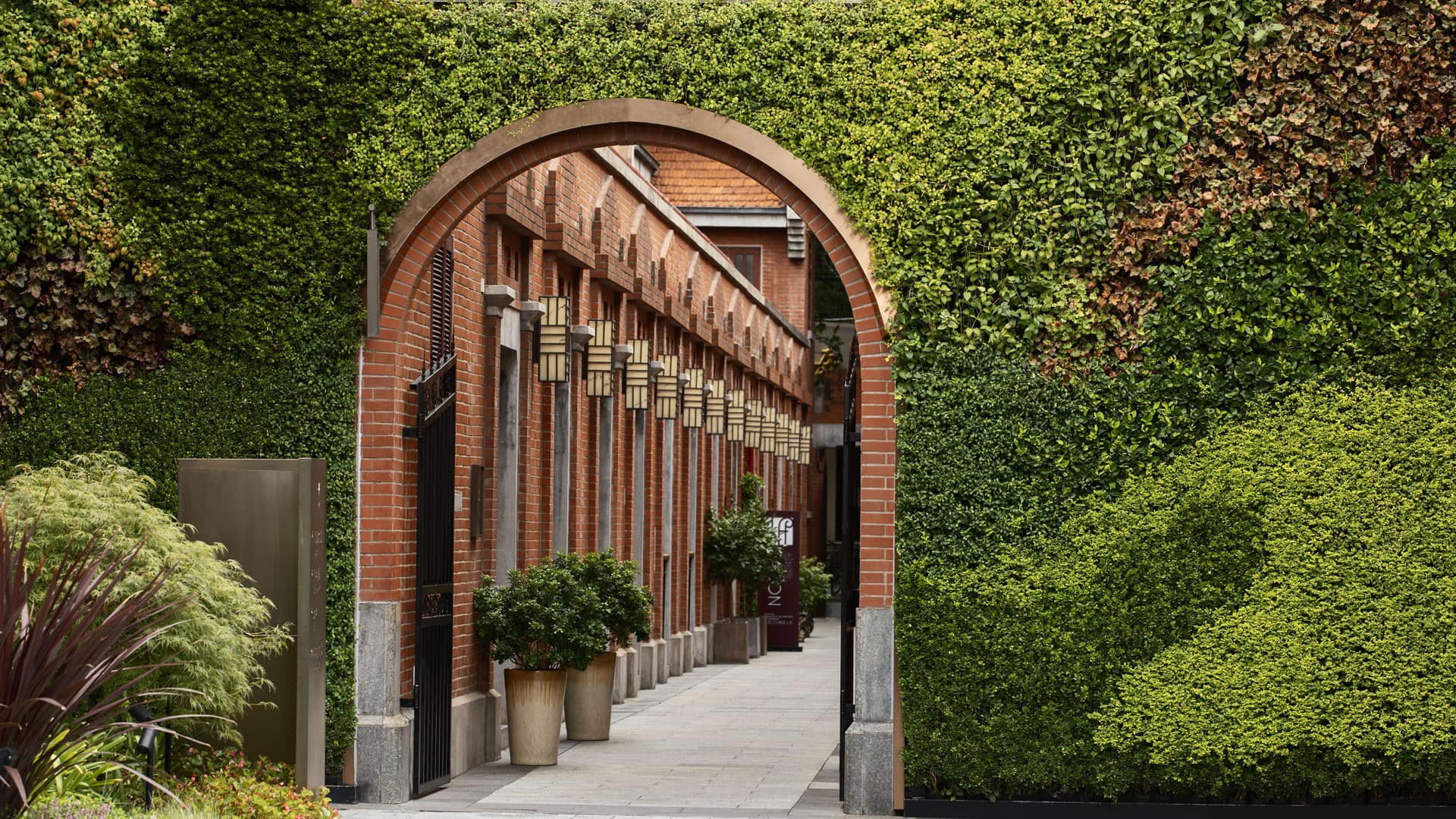
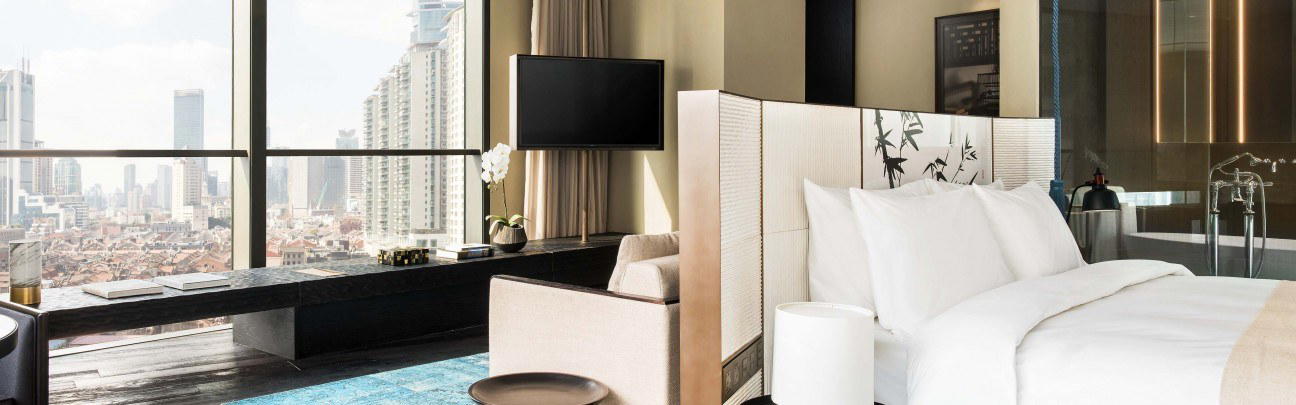
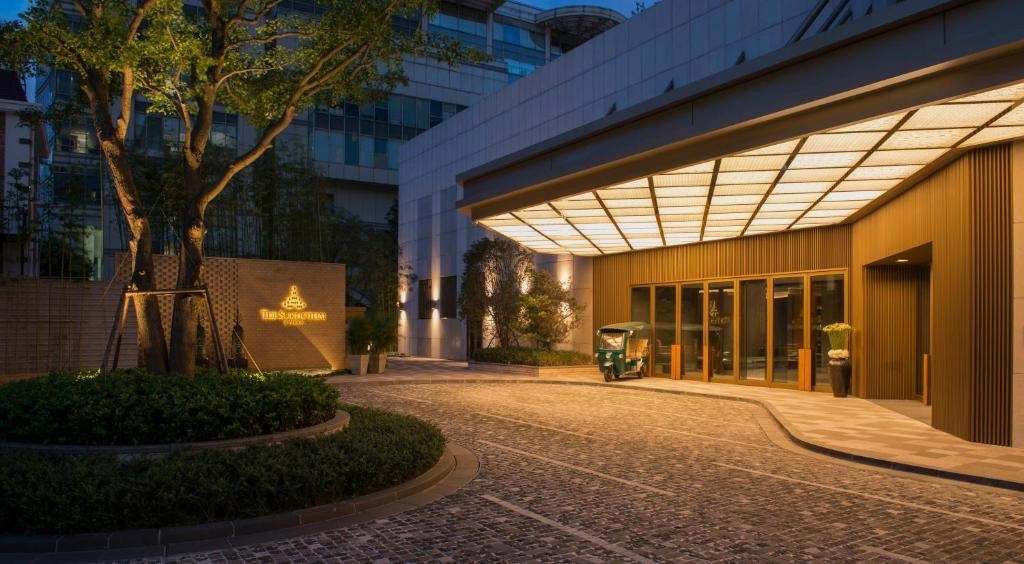
Warm, elegant, and relaxed with a refined Italian feel; the brand emphasizes chic 'Made in Milan' style and internationally prominent hospitality.