Beyla

Beyla occupies the plant-forward tier of Carlsberg Byen's dining scene, running an all-day format that moves from breakfast through dinner without compromise on its organic, zero-waste sourcing principles. Operated by the same group behind Restaurant Ark (5 Radishes) and Bistro Lupa (3 Radishes), it carries serious kitchen credentials into a format designed for everyday frequency rather than occasion dining.
Pearl is the En Primeur Club membership app — saves, bookings, and concierge access live there. Same editors, same standards.
- Address
- Købkes Pl. 34, 1760 Carlsberg Byen, Denmark
- Phone
- +45 40 70 78 88
- Website
- beyla.dk
- Directions
- Get directions
 Saves & bookings on Pearl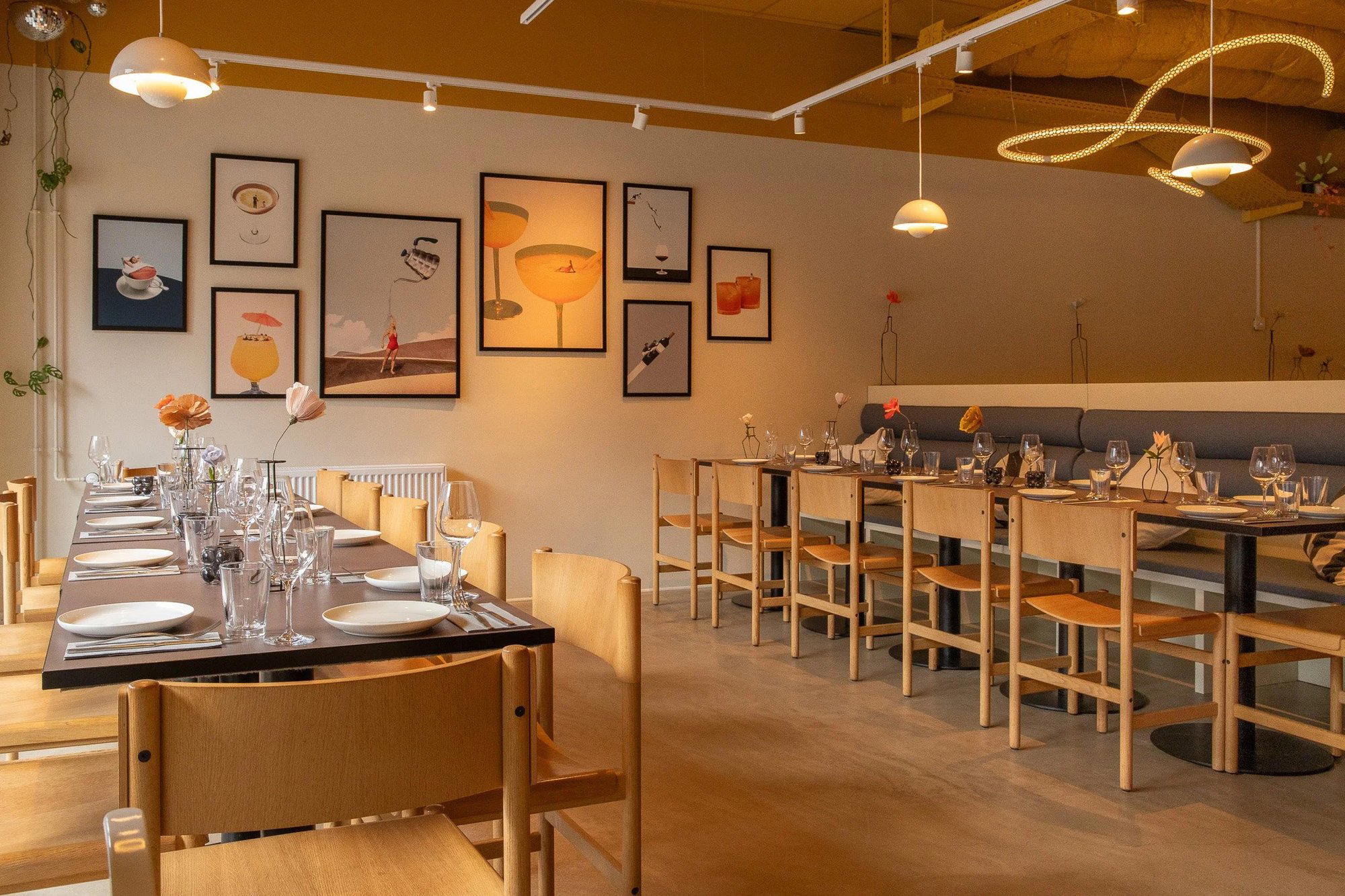
Where Carlsberg Byen's Regenerative Dining Culture Takes Root
Carlsberg Byen is one of Copenhagen's more deliberate urban projects: a former brewery district repurposed into a mixed residential and commercial neighbourhood with enough critical mass to support restaurants that serve actual locals, not just visitors passing through. The dining scene that has emerged here skews younger and more values-driven than the tasting-menu corridor running through central Copenhagen. Organic sourcing, waste reduction, and plant-forward cooking are not positioning statements in this part of the city; they are baseline expectations. Beyla, located at Købkes Pl. 34, operates squarely within that framework.
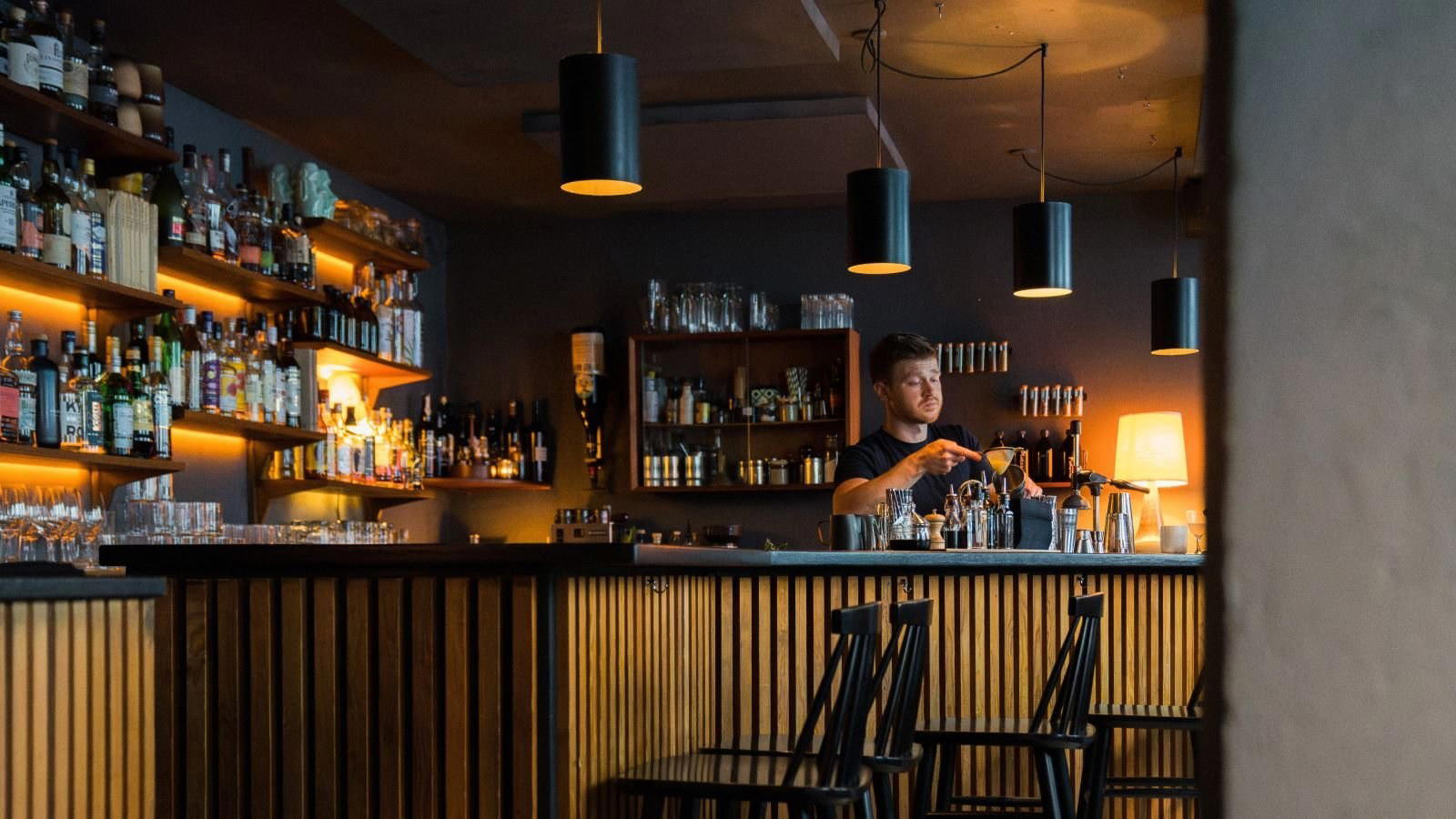
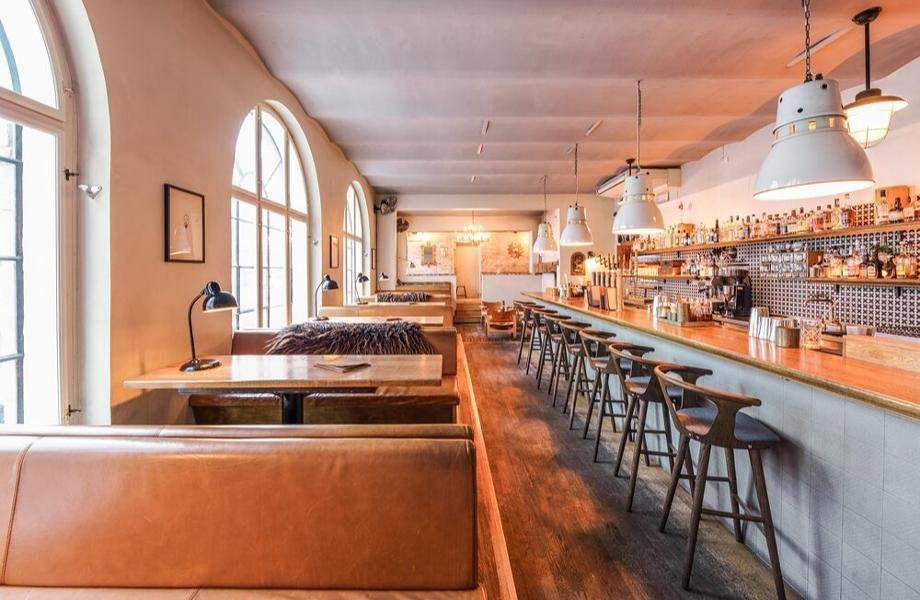
Approaching the address, the neighbourhood itself signals the register: broad cobbled plazas, converted industrial architecture, and a pace that sits somewhere between destination and local haunt. Beyla does not announce itself with the visual ceremony of a fine-dining room. The design language belongs to the same Northern European tradition of functional warmth that frames ingredient-led cooking as the spectacle rather than the decor. What you notice on entry is the rhythm of an all-day kitchen: the same space carries breakfast into brunch, brunch into lunch, and lunch into dinner without resetting the tone.
The Sourcing Logic Behind the Menu
Denmark's plant-based restaurant sector has matured considerably over the past decade, moving from novelty positioning toward genuine culinary argument. The better operators in this space are not simply removing animal products; they are rebuilding dishes from an ingredient-first logic, where the sourcing chain and the cooking method are inseparable. Beyla's kitchen works within that tradition, with organic and sustainable procurement as structural rather than decorative commitments.
The food waste question is where the kitchen's sourcing philosophy becomes most visible. Reducing waste to a minimum and using every ingredient to its fullest is a practice that demands menu engineering discipline: you cannot build a zero-waste system around a static, overlong menu. It requires rotating produce intelligently, cross-utilising trim across dishes, and treating by-products as primary ingredients. The result, in kitchens that execute this well, is cooking that feels more responsive and less formulaic than standard restaurant menus. Seasonal availability drives decisions, which means the menu at Beyla is necessarily shaped by what Danish and wider Nordic producers can supply at any given time. For the reader who wants a snapshot of what that means in practice, consult our full Carlsberg Byen restaurants guide for broader context on how the neighbourhood's kitchens are currently sourcing.
The cuisines that influence the kitchen span international reference points rather than a single regional tradition. That breadth is meaningful in a plant-based context: drawing from Southeast Asian fermentation techniques, Middle Eastern vegetable preparations, and Nordic preservation methods gives the kitchen more tools to build depth and complexity without relying on animal fats or stocks. The benchmark dishes in this format are the ones that make the plant-based origins genuinely irrelevant to the eating experience, and that is the standard Beyla's kitchen is working toward.
Operator Credentials and What They Signal
Copenhagen's plant-forward and sustainable restaurant scene is competitive enough that kitchen pedigree matters as a quality signal. The owners of Beyla also operate Restaurant Ark, which holds 5 Radishes, and Bistro Lupa, which holds 3 Radishes. Within Copenhagen's recognition frameworks, those ratings place both venues in the tier of restaurants that take sourcing and technique seriously enough to earn independent validation. That operator background is relevant to Beyla not because it guarantees equivalence, but because it indicates the group has the supply chain relationships, the waste management infrastructure, and the kitchen talent to run a sustainable operation at scale across multiple formats.
Running an all-day restaurant within the same sustainability framework as a Radish-rated tasting venue is operationally harder than it sounds. The margin pressure on breakfast and lunch service is different from dinner, and the sourcing commitment must hold across all dayparts, not just the high-ticket evening menu. Groups that manage this consistently tend to have more sophisticated procurement relationships than single-venue operators. For comparable examples of how Copenhagen's broader restaurant culture handles the intersection of sustainability credentials and serious cooking, the work being done at Noma in Copenhagen and Jordnær in Gentofte provides useful reference points, even though those venues operate in a different price tier and format.
Across Denmark's wider restaurant scene, the commitment to ingredient provenance and reduced environmental footprint appears consistently at the recognised end of the market. You find the same logic at Kadeau Bornholm in Åkirkeby, Dragsholm Slot Gourmet in Hørve, and Frederikshøj in Aarhus, among others listed in our Denmark coverage. Beyla is not operating at that tasting-menu tier, but it draws from the same sourcing culture and applies it to a more accessible, higher-frequency format.
Format, Frequency, and How to Plan Your Visit
The all-day structure is one of Beyla's defining characteristics. Covering breakfast, brunch, lunch, and dinner from a single kitchen and a consistent sourcing framework is a format more common in Amsterdam and London than in Copenhagen, where restaurants tend to cluster around lunch-and-dinner or dinner-only operations. That breadth makes Beyla useful at multiple points in a day's itinerary rather than as a single fixed destination. For visitors staying nearby, exploring the neighbourhood through the our full Carlsberg Byen hotels guide, our full Carlsberg Byen bars guide, and our full Carlsberg Byen experiences guide will help map Beyla into a fuller stay rather than treating it as an isolated reservation.
Given the group's profile and the neighbourhood's growing reputation, booking ahead for dinner service is advisable, particularly on weekends. For international comparison on how sustainability credentials translate into recognised restaurant programs, Le Bernardin in New York City and Emeril's in New Orleans illustrate how sourcing philosophy scales at the summit of the market in different national contexts.
Side-by-Side Snapshot
Comparable venues nearby, for context on price, style, and recognition.
| Venue | Cuisine | Price | Notes |
|---|---|---|---|
| BeylaThis venue — the venue you are viewing | Modern Plant-Based Vegan | $$$ | Not listed |
| SommerPONY | New Age Nordic | $$$ | Allinge |
| Almanak i Operaen | Modern Danish Bistro | $$$ | Indre By |
| Frederiks Have | Modern Danish Nordic Fine Dining | $$$ | Frederiksberg |
| Atzepeng | Craft Cocktails | $$ | Vesterbro-Kongens Enghave |
| Apotek 57 | Danish Bakery Brunch | $$ | Indre By |
Recognition history
Dated appearances from independent guides and award organizations, with the underlying list record or original source where available.
We're Smart World 2 Radishes
We're Smart World
Continue exploring
More in Carlsberg Byen
Restaurants in Carlsberg Byen
Browse all →
Bars in Carlsberg Byen
Browse all →
At a Glance
- Lively
- Trendy
- Cozy
- Whimsical
- Modern
- Date Night
- Special Occasion
- Brunch
- Group Dining
- Open Kitchen
- Terrace
- Natural Wine
- Craft Cocktails
- Local Sourcing
- Organic
- Farm To Table
Current opening hours
- Monday
- 5–10 PM
- Tuesday
- 5–10 PM
- Wednesday
- 5–10 PM
- Thursday
- 5–10 PM
- Friday
- 5–11 PM
- Saturday
- 10 AM–3 PM, 5–11 PM
- Sunday
- 10 AM–3 PM, 5–9 PM
Hours can change for holidays and private events. Last verified .
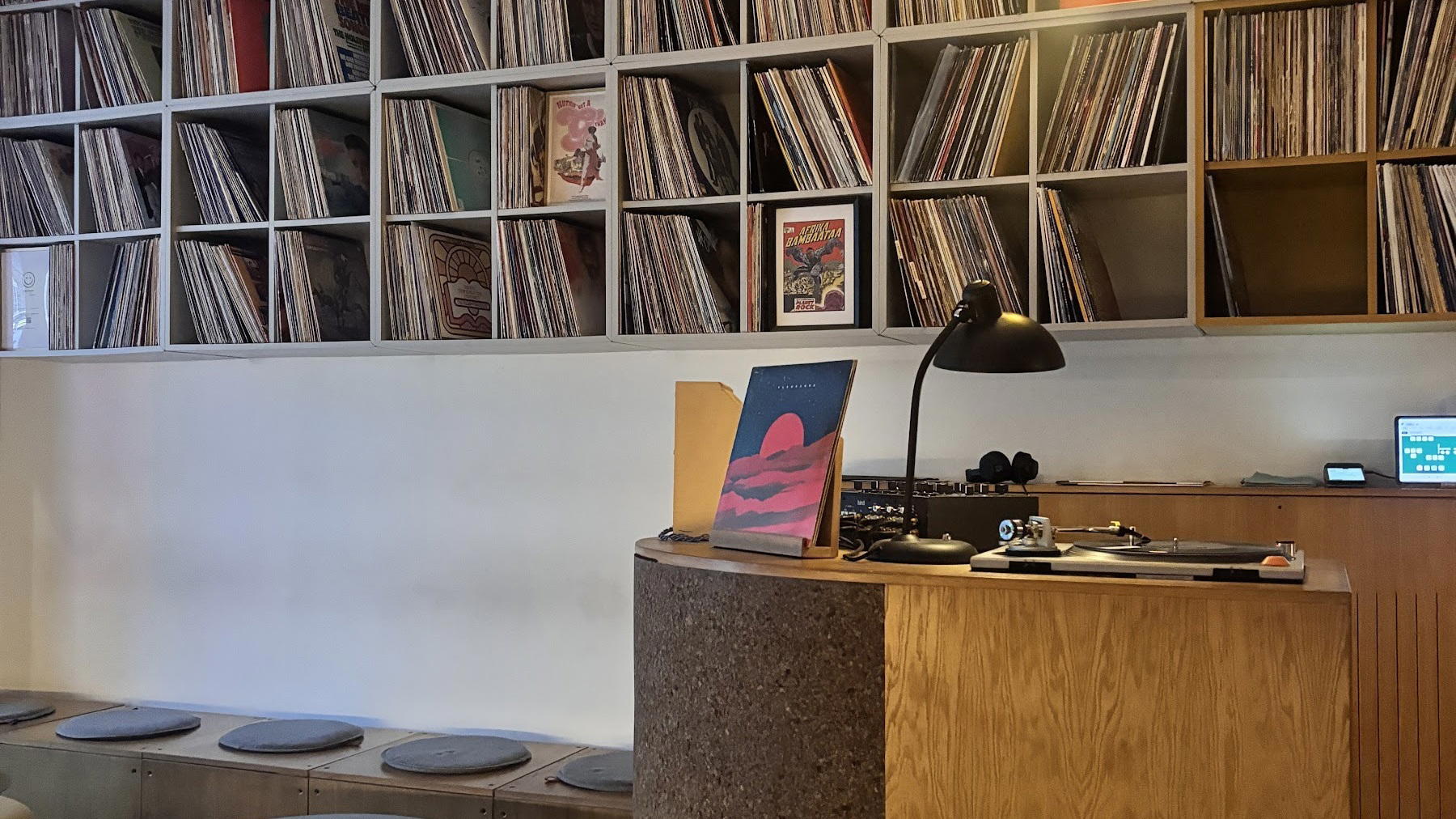
Bright, quirky setting with cozy, lively atmosphere, friendly service, and fun playlist.