
Set within an interior courtyard of the Lopesan Costa Meloneras Resort, Bevir by Lopesan channels the produce-driven philosophy of chef José Luis Espino into two literary tasting menus, eleven and fourteen courses respectively, that pay tribute to Canarian writer Benito Pérez Galdós. The kitchen's commitment to local ingredients, framed under the concept 'Where the vegetable garden meets the sea', positions it among the more considered fine-dining addresses on Gran Canaria's southern coast.
Pearl is the En Primeur Club membership app — saves, bookings, and concierge access live there. Same editors, same standards.
- Address
- C. Mar Mediterráneo, 1, 35100 Meloneras, Las Palmas, Spain
- Phone
- +34 928 40 28 98
- Website
- widget.stay-app.com
- Directions
- Get directions
 Saves & bookings on Pearl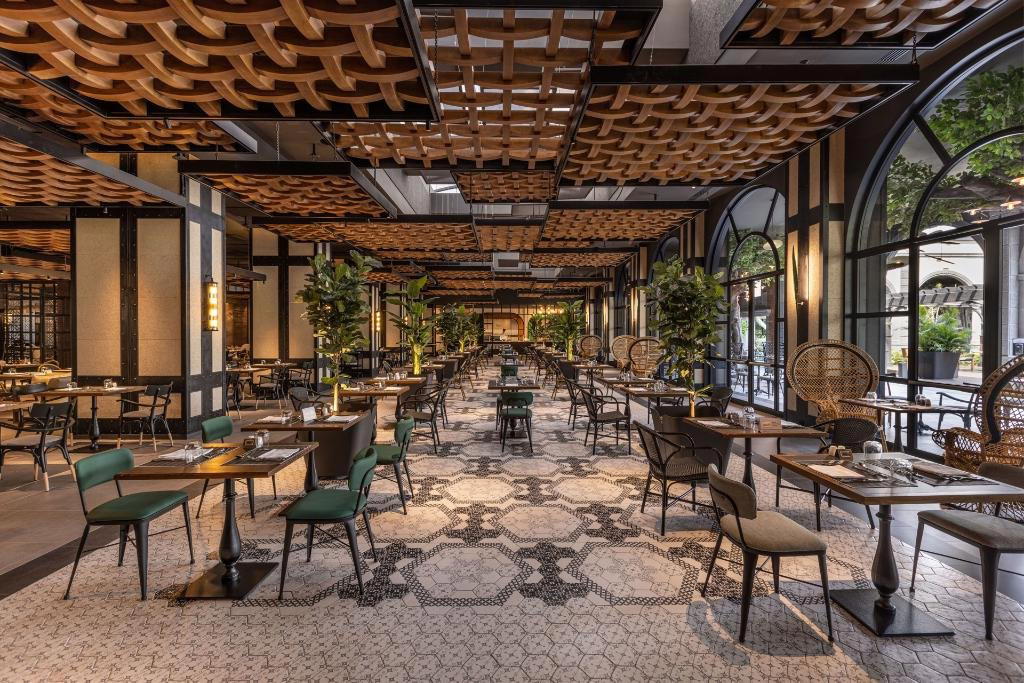
An Interior Courtyard, a Literary Conceit, and the Canarian Coast on the Plate
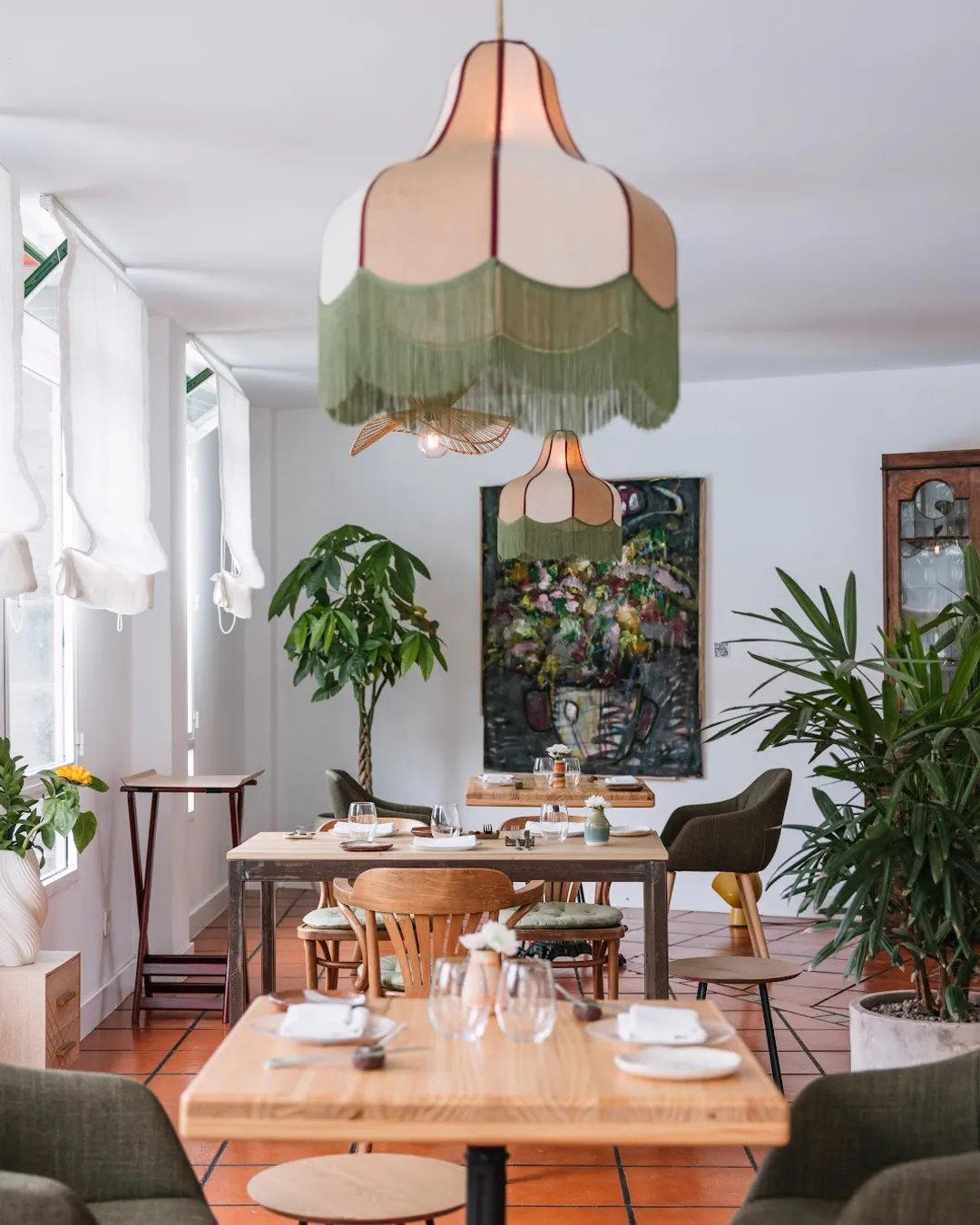
There is a particular kind of resort dining room that works against itself: grand atrium ceilings, too much ambient noise, a menu designed for the common denominator of a thousand-key hotel. The dining room at Bevir by Lopesan refuses that template. The restaurant occupies an interior courtyard within the Lopesan Costa Meloneras Resort & Spa, the building wrapped around it so that large windows frame the space from above rather than opening outward. The effect is contained and focused, a room that reads as destination rather than amenity. Minimalist in its aesthetic, it asks the food to carry the weight of the experience, and the food, in the main, obliges.
For context on Gran Canaria's fine-dining scene: until recently, the island's most serious cooking was concentrated in Las Palmas de Gran Canaria, the capital, where chef José Luis Espino first established his reputation. The southward migration of that ambition to Meloneras, a resort strip better known for sun-package hotels than serious kitchens, is itself a meaningful development. It mirrors a broader pattern visible across Spain's coastal regions, where chefs with urban track records are beginning to treat resort settings as legitimate creative platforms rather than commercial compromises. Bevir's presence in Meloneras shifts the calculus for what visitors to the island's south can reasonably expect at the table.
The Logic of 'Where the Vegetable Garden Meets the Sea'
Ingredient sourcing, in Espino's kitchen, is not a marketing posture. The Canary Islands sit at a latitude that produces distinct growing conditions: volcanic soil, a climate that rarely freezes, and proximity to both the Atlantic and the fishing traditions of the African coast. This geography produces ingredients that mainland Spanish kitchens cannot easily replicate, small-farm vegetables with concentrated flavour profiles, Atlantic fish species less common in northern waters, and a culinary history shaped by trade routes rather than regional European isolation.
The concept 'Where the vegetable garden meets the sea' is an editorial frame for a kitchen that treats both halves of that equation with equivalent seriousness. That balance matters. Spanish fine dining has historically leaned on seafood as its prestige protein, Aponiente in El Puerto de Santa María and Quique Dacosta in Dénia both built their reputations substantially through coastal produce, but Espino's dual emphasis on garden produce and marine ingredients reflects an approach that treats the Canarian terroir whole rather than selectively. The beetroot with beurre blanc and dill oil, described as a standout dish, is instructive: a root vegetable given the architectural attention that most kitchens reserve for the fish course, its combination of acidity, fat, and herbal oil suggesting a kitchen that thinks laterally about where intensity comes from.
Two Menus, One Literary Frame
The tasting menu structure at Bevir is organised around a specific cultural reference: the fiction of Benito Pérez Galdós, the nineteenth-century Canarian novelist whose work sits at the centre of Spain's literary canon. Two menus take their names from characters in his most celebrated novel. Fortunata runs to eleven courses; Jacinta extends to fourteen. The choice of a literary framework is less eccentric than it might initially appear. Galdós was born in Las Palmas de Gran Canaria, and his fiction is deeply rooted in Spanish social life and character. Using his characters as a structural device ties the dining experience to a specific Canarian cultural identity rather than reaching for a generic fine-dining internationalism.
Spain's three-Michelin-star kitchens, Arzak in San Sebastián, El Celler de Can Roca in Girona, Azurmendi in Larrabetzu, Cocina Hermanos Torres in Barcelona, and DiverXO in Madrid, have each built identities around a specific regional or conceptual commitment. Bevir operates at a different tier in terms of current recognition, but the structural logic is the same: a menu that coheres around something beyond ingredient quality alone, where the cultural or territorial argument is legible in the sequencing. That is a harder thing to pull off in a resort hotel than it sounds, and the Galdós framework gives the kitchen a local anchor that pure technique alone cannot provide.
Placing Bevir in the Wider Spanish Fine-Dining Conversation
Spain has spent thirty years building one of the world's most discussed fine-dining cultures, with the Basque Country and Catalonia generating the majority of international attention. The Canary Islands have remained largely peripheral to that conversation, despite producing ingredients that mainland kitchens import and despite a climate that supports year-round growing. Bevir, alongside the earlier Las Palmas operation, represents a serious argument for the Canarian archipelago as a fine-dining geography in its own right, distinct from both mainland Spain and the generic luxury-hotel restaurant model.
Comparison with other Spanish chefs who have built reputations on coastal and vegetable produce is instructive: Ricard Camarena in València has worked a similar dual-focus on garden and sea with considerable critical success; Martin Berasategui in Lasarte-Oria and Mugaritz in Errenteria have each shown how regional specificity sustains a kitchen's identity over decades. Bevir's trajectory from Las Palmas to Meloneras suggests a kitchen with expansion ambitions, and the resort setting, with its built-in audience of international visitors, provides a platform that a capital-city address alone does not.
For points of comparison further afield, Atrio in Cáceres illustrates what a serious regional restaurant looks like outside the main Spanish fine-dining corridors, and internationally, Le Bernardin in New York City and Atomix in New York City represent how tasting-menu formats anchored in specific ingredient philosophies perform at the highest recognition levels.
Planning Your Visit
Bevir by Lopesan is located within the Lopesan Costa Meloneras Resort & Spa at C. Mar Mediterráneo, 1, 35100 Meloneras, Las Palmas, making it accessible whether you are staying in the hotel or arriving from elsewhere on the southern coast. The kitchen runs two tasting menus, Fortunata at eleven courses and Jacinta at fourteen.
At-a-Glance Comparison
Comparable venues nearby, for context on price, style, and recognition.
| Venue | Cuisine | Price | Awards | Notes |
|---|---|---|---|---|
| Bevir by LopesanThis venue — the venue you are viewing | Modern Canarian Mediterranean Tasting Menus | $$$$ | Michelin Plate | Not listed |
| Rêver | Modern Mediterranean with French and International Influences | $$$$ | Michelin Plate | Vegueta (Triana) |
| La Cocina de Colacho | Modern Mediterranean Tasting Menu | $$$$ | Michelin Plate | Playa Blanca |
| Amante | Modern Mediterranean Fine Dining | $$$$ | Not listed | Cala Sol d'en Serra |
| Embarcadero | Upscale Mediterranean & Spanish seafood with marina views | $$$ | Not listed | Muelle Deportivo |
| Pakta | Nikkei (Peruvian-Japanese Fusion) | $$$$ | Not listed | Poble Sec |
Recognition history
Dated appearances from independent guides and award organizations, with the underlying list record or original source where available.
Michelin Plate
Michelin
Continue exploring
More in Meloneras
Restaurants in Meloneras
Browse all →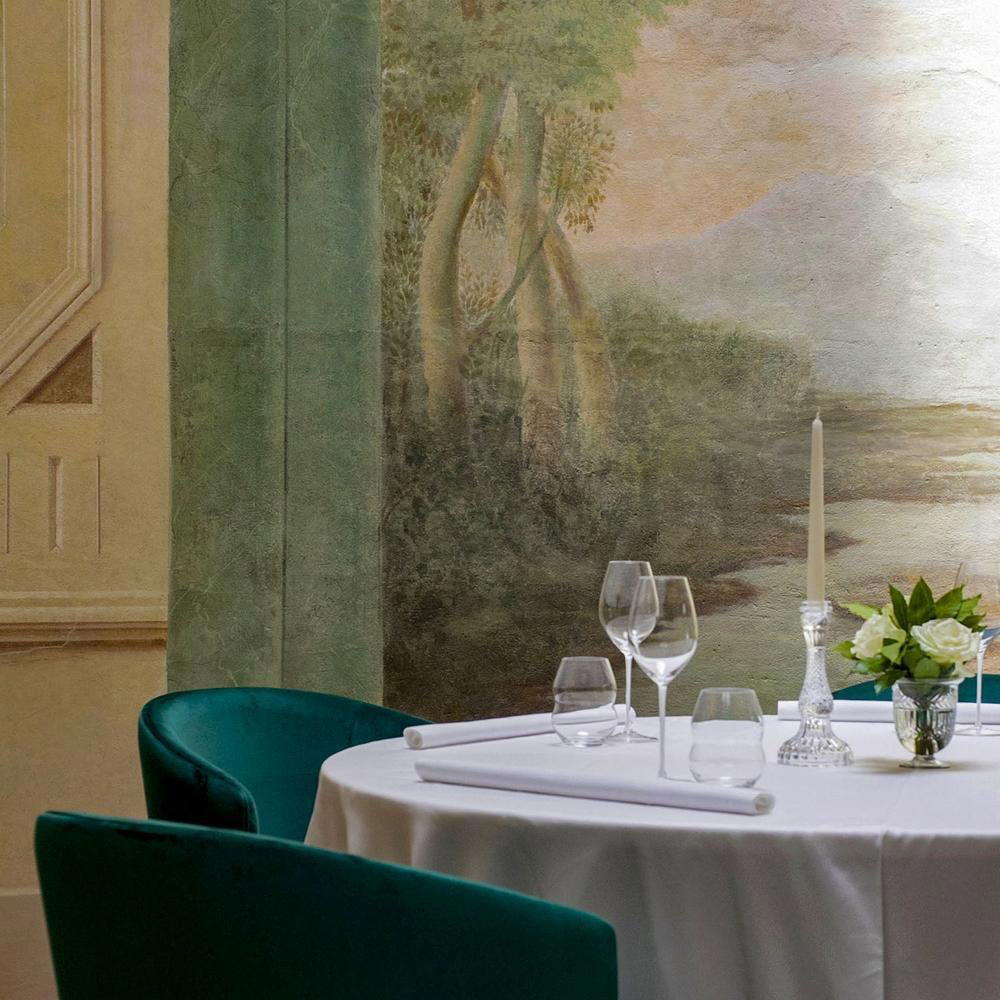
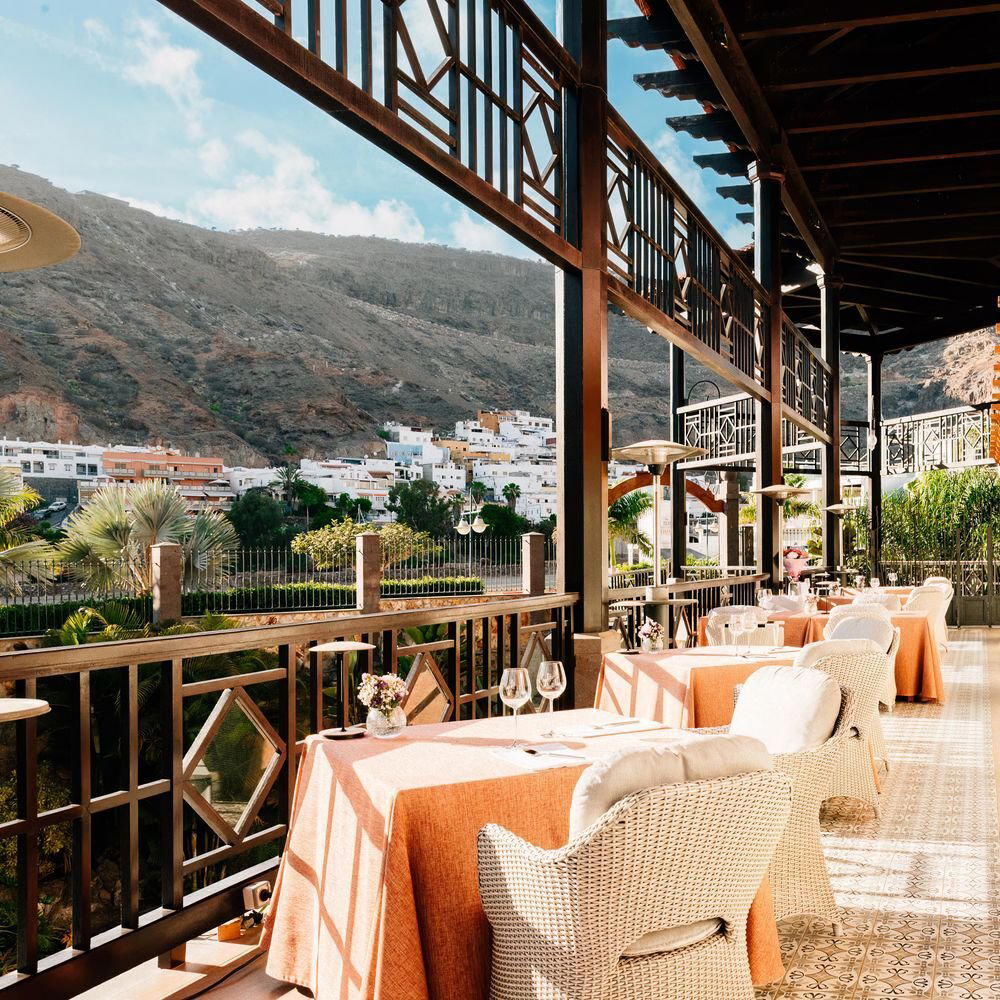
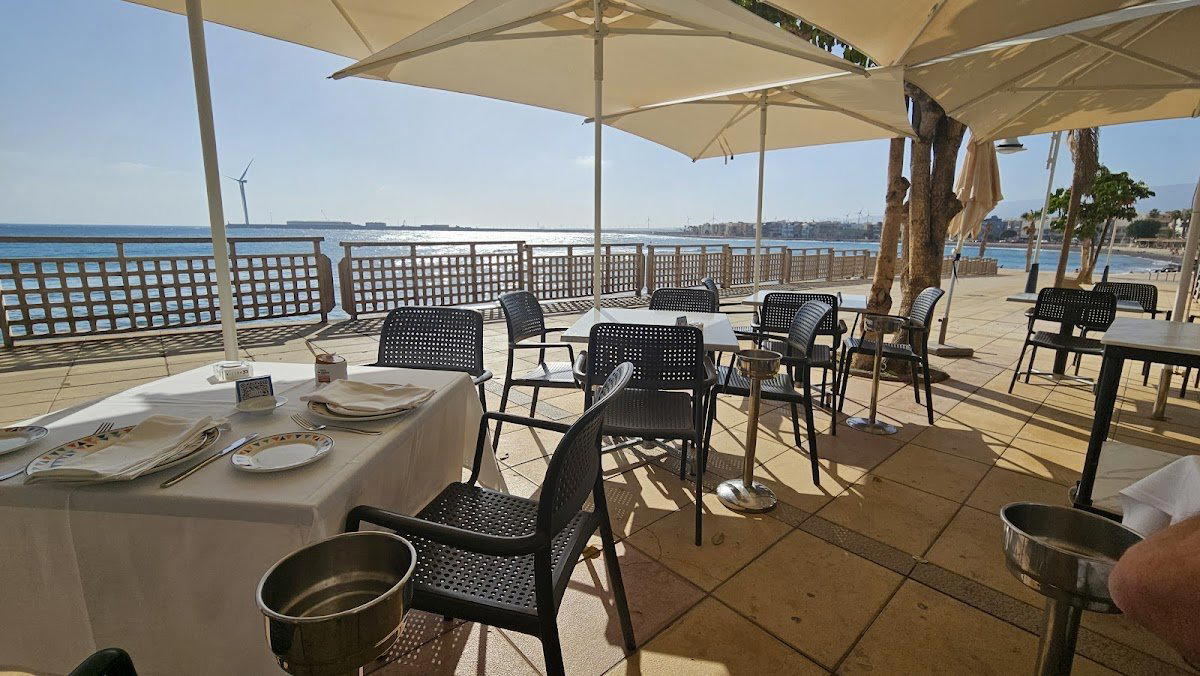
Bars in Meloneras
Browse all →

At a Glance
- Elegant
- Modern
- Intimate
- Sophisticated
- Minimalist
- Date Night
- Special Occasion
- Hotel Restaurant
- Extensive Wine List
- Sommelier Led
- Local Sourcing
- Garden
Current opening hours
- Monday
- Closed
- Tuesday
- 7–11 PM
- Wednesday
- 7–11 PM
- Thursday
- 7–11 PM
- Friday
- 7–11 PM
- Saturday
- 7–11 PM
- Sunday
- 7–11 PM
Hours can change for holidays and private events. Last verified .
Warm inviting atmosphere in an interior courtyard with large windows and minimalist aesthetic.