El Santo

Michelin Plate
Our verdict
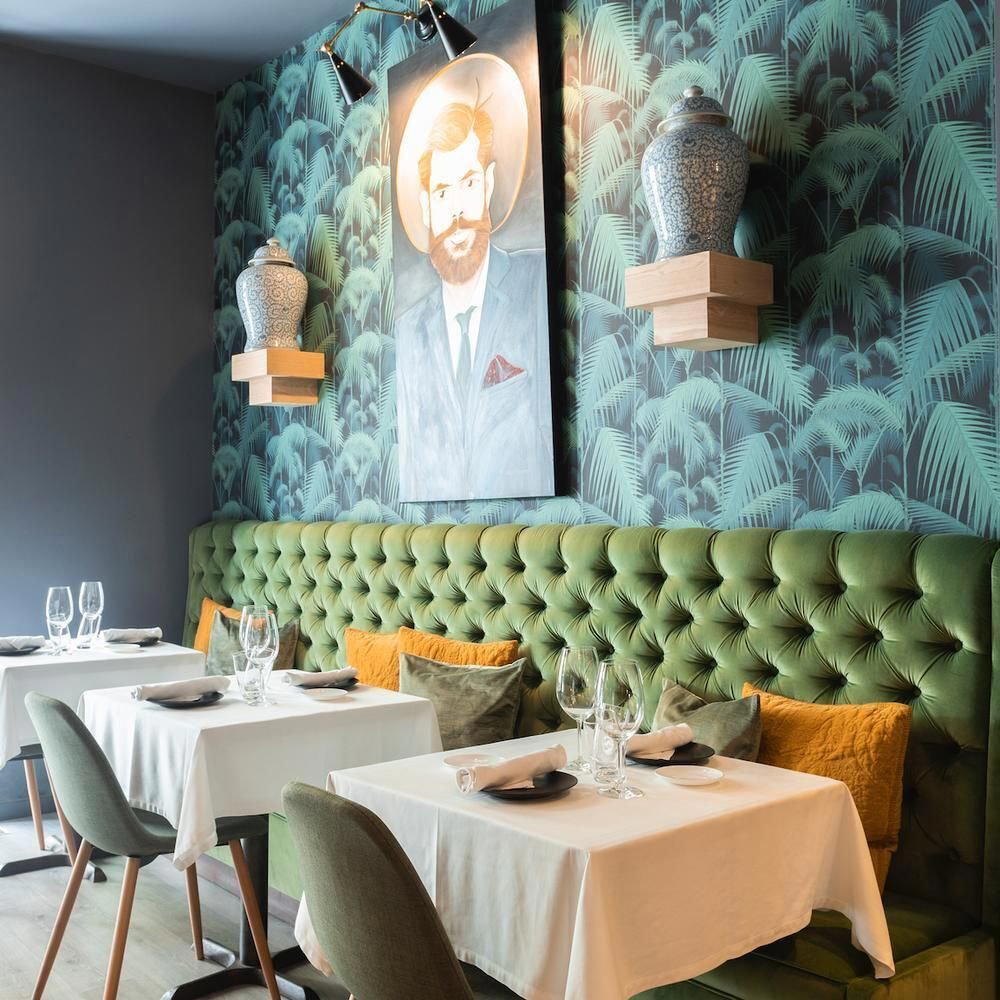
In Las Palmas de Gran Canaria's Triana district, El Santo brings together the Canary Islands' deep-rooted culinary traditions and the Atlantic's historical ties to Latin America. Behind restored stone walls accented with tropical details, the kitchen works through Canarian staples with a clear Mexican influence — the mojo 'snow' on black papa arrugada potatoes being the reference point most regulars reach for. A Michelin Plate recognition in 2024 puts it at the credible mid-range of the city's modern dining conversation.

Pearl is the En Primeur Club membership app — saves, bookings, and concierge access live there. Same editors, same standards.
- Address
- C. Escritor Benito Pérez Galdós, 23, 35002 Las Palmas de Gran Canaria, Las Palmas, Spain
- Phone
- +34 928 28 33 66
- Hours
- Mon ClosedTue–Sat 1–3:30 PM, 8–11:30 PMSun Closed
- Website
- elsantorestaurante.com
- Directions
- Get directions
- Booking
- Book on TheFork
The menu
What to order
- Papas negras bien arrugadas con nieve de mojo y mojo mole
- Ostra escabechada en salmorejo canario
- Canelones de ropa vieja
Where Triana's Stone Walls Set the Tone
The Triana district in Las Palmas de Gran Canaria reads differently from the tourist circuits of the coast. Its 19th-century commercial streets, built largely by Andalusian settlers who shaped the neighbourhood's character over generations, have a weathered self-sufficiency that younger parts of the city lack. Walking along Calle Escritor Benito Pérez Galdós, the architecture speaks plainly: thick stone, narrow frontages, and an old-town density that resists renovation's usual smoothing-over. El Santo sits inside that fabric rather than apart from it. The restored property keeps the stone walls visible, and the design layers in tropical elements — plants, textures, materials from further south — that quietly signal the kitchen's own range of references. The effect is not a themed space but an honest one, where the room tells you something accurate about what arrives on the plate.
The Canarian Table and Its Atlantic Inheritance
To understand what El Santo is doing, it helps to understand the particular culinary position the Canary Islands occupy. Geographically closer to Morocco than to Madrid, the archipelago has always absorbed influences from multiple directions. The trans-Atlantic trade routes that ran through Las Palmas for centuries left lasting marks on the local kitchen, sweet potatoes, peppers, and maize arrived from the Americas long before mainland Spain, and certain cooking traditions took root here that have no direct equivalent on the Iberian Peninsula.
That history creates a natural opening for a kitchen that works with Canarian staples while drawing on Mexican technique and flavour logic. The mole and the mojo are not as far apart as they might appear on a Spanish menu: both are condiment-forward, built on dried chillies, and function as structural components of a dish rather than afterthoughts. At El Santo, the combination of Canarian recipes and Mexican cooking visible in certain dishes is less a fusion conceit than an acknowledgement of what these two food cultures share at a structural level. Restaurants in Las Palmas with similar aspirations, among them Muxgo, Poemas by Hermanos Padrón, and Tabaiba, tend to sit at higher price points and with more elaborate tasting formats. El Santo holds a different position: the €€ price range places it at the accessible end of the city's serious modern cooking, with a Michelin Plate in 2024 confirming that it belongs in that credible mid-range tier.
The Ritual of the Meal: Pacing and What to Order First
The editorial angle that matters most at a restaurant like El Santo is not the décor or the credentials but the rhythm of eating there. The kitchen works with bold flavours, which means the order in which dishes arrive has consequence. At the mid-range of a menu built on strong mojo and mole notes, starting with something clean and structural before moving into the richer preparations is a sensible approach. The black papa arrugada, wrinkled potatoes in the Canarian tradition, small, salt-cured, and served here with a mojo rendered as snow, is a dish that makes the local tradition explicit without being a museum piece. The texture contrast between the potato's dense skin and the aerated mojo is a technique question as much as a flavour one. The addition of mole mojo builds a second register on leading: the dried-chilli depth of mole against the herbal sharpness of green mojo produces something that does not exist cleanly in either tradition alone.
At this price tier, the Canarian kitchen often defaults to the familiar. El Santo's willingness to take that familiarity and introduce a parallel culinary grammar, one that arrives from the Atlantic's other shore, is what differentiates it from the neighbourhood's more conservative dining rooms. Spain's most discussed modern restaurants, from DiverXO in Madrid to El Celler de Can Roca in Girona and Arzak in San Sebastián, operate at a different scale and ambition. El Santo is not competing with those rooms. It is doing something more specific: making Canarian food legible to a contemporary diner without erasing the texture of the original.
How El Santo Sits in the Las Palmas Dining Tier
Las Palmas de Gran Canaria's restaurant scene has been developing at a pace that its reputation has not always kept up with. The city has Michelin-starred kitchens, Muxgo and Poemas by Hermanos Padrón both hold single stars, and a growing cohort of creative mid-range tables that carry Michelin Plate recognition. El Santo belongs to that second cohort alongside restaurants like Deliciosamarta and Qué Leche. El Santo's Canarian-Mexican axis is a defined position, not a general label of 'modern cuisine.'
The Triana location reinforces that positioning. This is not the tourist-heavy seafront or the newer commercial districts; it is a residential-commercial neighbourhood with its own long-standing character. Dining in Triana involves a different pace from elsewhere in the city: the streets are walkable, the surrounding context is genuinely local, and the evening rhythm extends rather than rushes. That environment shapes how the meal at El Santo unfolds.
Planning Your Visit
Frequently asked questions
How do I find El Santo?
El Santo is located at C. Escritor Benito Pérez Galdós, 23, 35002 Las Palmas de Gran Canaria, Las Palmas, Spain, Las Palmas de Gran Canaria.
Does El Santo have a Michelin star or similar recognition?
El Santo has received recognition including: El Santo boasts an excellent location in the Triana district, a part of the old town with a special beauty and character that result from its original occupation by residents who settled here mainly from Andalucía. The restaurant features a….
What do regulars order at El Santo?
The black papa arrugada with mojo snow and mole mojo is the dish most closely associated with El Santo — a Canarian staple reframed through Mexican technique. It encapsulates the kitchen's approach: island recipes pushed in a direction that the Canary Islands' Atlantic-Americas connections actually justify historically.
How much does it cost to eat at El Santo?
Pricing at El Santo is listed as €€.
Can I walk in to El Santo?
El Santo sits at Calle Escritor Benito Pérez Galdós 23 in Triana, walkable from the main shopping streets of Las Palmas de Gran Canaria's old town. No booking contact is listed in public records, so arriving early or asking your accommodation to make contact on arrival is the safest approach for securing a table.
What's the signature at El Santo?
The papa arrugada with mojo snow and mole mojo defines the restaurant's identity: a Canarian staple dressed with a technique borrowed from Mexican cuisine, served inside a restored stone building in the Triana district. The 2024 Michelin Plate recognition points to consistent kitchen execution across a menu that holds that same Canarian-Mexican axis throughout.
Cuisine and Awards Snapshot
| Venue | Cuisine | Price | Awards | Notes |
|---|---|---|---|---|
| El SantoThis venue — the venue you are viewing | Modern Canarian-Mexican Fusion | $50–100 | Michelin Plate | Not listed |
| Muxgo | Contemporary Canarian Haute Cuisine | $150–200 | 1 Michelin Star · Guía Repsol 1 Sol | Creative |
| Poemas by Hermanos Padrón | Modern Mediterranean Fine Dining | $100–150 | 1 Michelin Star · Guía Repsol 2 Soles | Creative |
| El Equilibrista 33 | Modern Canarian | $30–50 | Michelin Bib Gourmand · Guía Repsol 1 Sol | Not listed |
| Hikari Japanese Roots | Modern Japanese Omakase | Not listed | Michelin Plate | Not listed |
| Nákar | Modern Basque-Navarra | $50–100 | Michelin Plate | Not listed |
Recognition history
Dated appearances from independent guides and award organizations, with the underlying list record or original source where available.
Michelin Plate
Michelin
Full recognition history (3 entries)
Michelin Plate
Michelin
Michelin Plate
Michelin
Continue exploring
More in Las Palmas de Gran Canaria
Restaurants in Las Palmas de Gran Canaria
Browse all →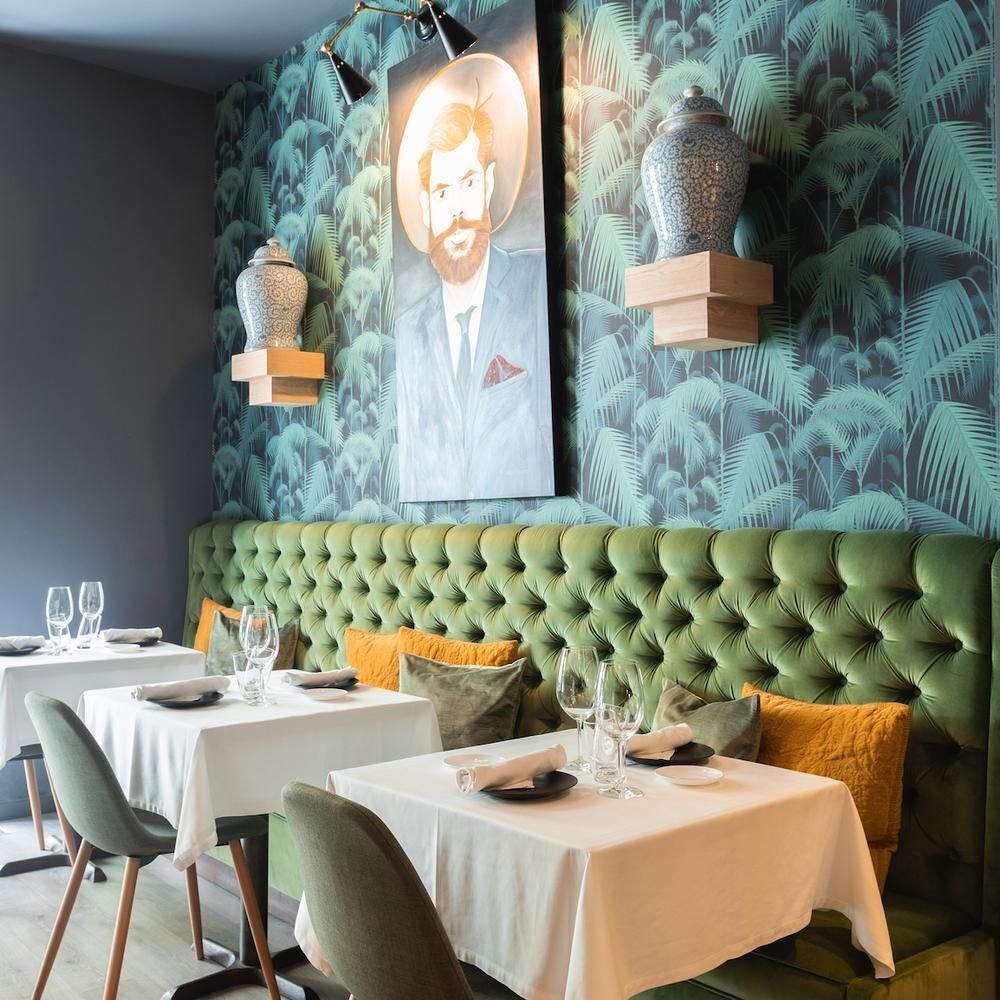
Bars in Las Palmas de Gran Canaria
Browse all →
Details
- Cozy
- Elegant
- Trendy
- Intimate
- Date Night
- Special Occasion
- Historic Building
- Extensive Wine List
- Local Sourcing
- Street Scene
- Small Plates
- A La Carte
- Vegetarian Friendly
- Vegan Options
- Gluten Free Options
Current opening hours
- Monday
- Closed
- Tuesday
- 1–3:30 PM, 8–11:30 PM
- Wednesday
- 1–3:30 PM, 8–11:30 PM
- Thursday
- 1–3:30 PM, 8–11:30 PM
- Friday
- 1–3:30 PM, 8–11:30 PM
- Saturday
- 1–3:30 PM, 8–11:30 PM
- Sunday
- Closed
Hours can change for holidays and private events. Last verified .
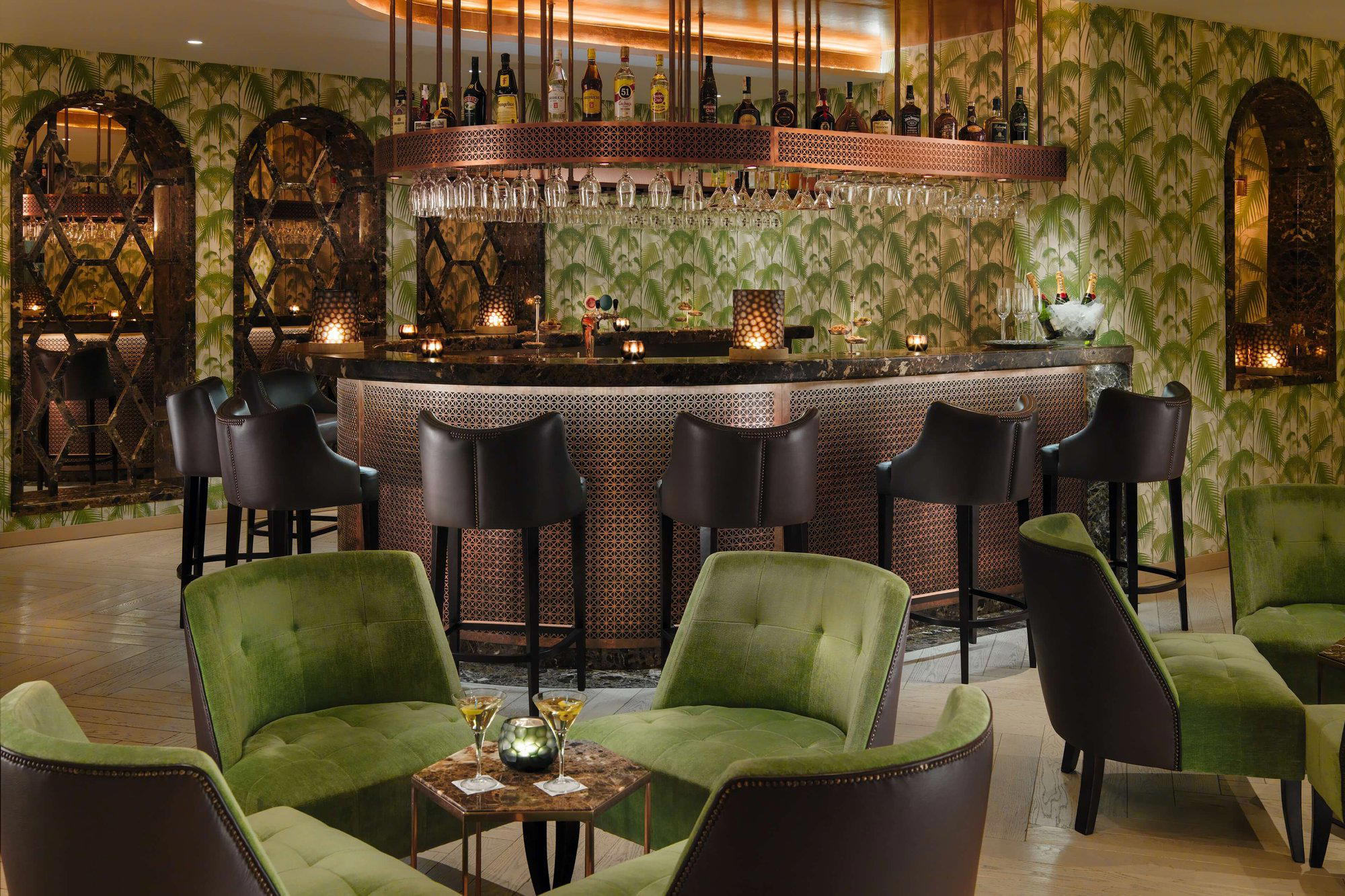
Acogedor atmosphere with tasteful decor combining stone walls and tropical touches, comfortable seating, quiet and pleasant ambiance.