Revés Bistro

Guía Repsol 1 Sol
Our verdict
Revés Bistro belongs to the ingredient-led side of Las Palmas de Gran Canaria dining, where island produce and Spanish bistro habits matter more than spectacle. Its 1 Sol recognition in Guía Repsol 2026 places it in a credible regional tier for travellers comparing modern Canarian cooking across the capital.

Pearl is the En Primeur Club membership app, where members save venues, book tables and use the concierge.
The menu
What to order
- Calamar en texturas y su tinta negra
- Cremoso de yuzu, espuma de limón y helado de té verde
Approaching the dining culture of Las Palmas de Gran Canaria means reading the island before reading a menu. Atlantic produce, local markets and a growing attention to provenance all meet in a capital that has become sharper about place. Revés Bistro fits that conversation: not as a stage for imported luxury, but as part of a local shift toward restaurants that make sourcing and setting feel legible without turning lunch or dinner into a lecture.
That matters in Gran Canaria because the island’s serious restaurants now sit between two pressures. One is tourism, which rewards safe repetition near the coast. The other is a more ambitious local audience, which expects restaurants to treat Canarian ingredients as material for contemporary dining rather than folklore. The 1 Sol listing from Guía Repsol 2026 gives Revés Bistro a useful marker in that second group, especially for readers weighing it against Las Palmas peers such as Rêver, Qué Leche, Deliciosamarta, Hikari Japanese Roots and Casa Brito.
Island produce, contemporary discipline and a quieter kind of ambition
The more interesting restaurants in Las Palmas are not simply copying mainland tasting-menu culture. They are working through an island pantry that changes the rhythm of a meal: seafood from the Atlantic, produce shaped by local conditions, cheeses with regional identity, and sauces and stews that carry Canarian memory without needing museum treatment. Revés Bistro is strongest as a lens on that movement, where the point is not maximal luxury but a clear relationship between ingredient and place.
That puts it closer to the modern local dining conversation than to a generic resort restaurant. The bistro identity is useful because it suggests flexibility: a format with enough informality for regular local use, but enough care and sourcing discipline to justify critical attention. In Las Palmas, that middle ground is competitive. Deliciosamarta, Qué Leche, Hikari Japanese Roots and Rêver all help define the city’s current dining map in different ways. Revés Bistro reads as part of the same urban conversation, but its appeal is strongest for travellers who want the island to remain visible on the plate.
For wider context, the city’s restaurant scene rewards comparison. Other Las Palmas de Gran Canaria dining rooms show how local and maritime habits remain central to the table, while the broader Las Palmas de Gran Canaria restaurants guide makes clear that the capital is no longer a single-note beach-and-seafood proposition. Its better meals now come from choosing a lane: traditional comfort, polished modern cooking, specialist precision, or produce-led dining with island roots.
Where Revés Bistro sits in the Las Palmas dining map
Revés Bistro has the useful profile of a restaurant that can be read both locally and nationally. Guía Repsol’s 2026 1 Sol recognition is not decorative; in Spain, the Soles system often catches regional restaurants whose value lies in place, product and consistency rather than global ceremony. For Gran Canaria, that signal matters because the island’s dining credibility depends on restaurants that can speak beyond tourism while staying anchored in local supply.
The comparison with mainland Spain is instructive. A traveller moving through Spanish regional dining might place Las Palmas alongside other dining rooms in different climates and markets: different settings, different local habits, but the same question of how regional identity survives in contemporary formats. Denser tourism economies elsewhere make Gran Canaria’s quieter ingredient-led restaurants feel especially instructive when the goal is to understand how a place speaks through its restaurants.
The international comparison is less about cuisine than format. Some cities address specificity through specialist counters, narrow formats and casual precision. Las Palmas works differently: the strength is not import fidelity but the friction between Atlantic geography, local dining rhythms and island agriculture. Revés Bistro’s value lies in that friction.
How to plan a sharper Las Palmas food trip around it
Revés Bistro is better treated as part of a focused capital itinerary than as a standalone detour. The restaurant sits in Las Palmas de Gran Canaria, a city where meals can be paired with beach time, old-quarter walking, wine bars and coastal drives without forcing a resort schedule onto the day. Readers planning beyond restaurants should use the Las Palmas de Gran Canaria hotels guide, Las Palmas de Gran Canaria bars guide, Las Palmas de Gran Canaria wineries guide and Las Palmas de Gran Canaria experiences guide to build a tighter route around the capital rather than treating dinner as an isolated booking.
The editorial case is clear: choose Revés Bistro when the goal is to understand how Las Palmas is translating island produce into contemporary restaurant language. It is not the only answer in the city, and it should not be read as a grand formal temple. Its importance is more grounded: a Repsol-recognised bistro in a capital where provenance, restraint and regional confidence are becoming the more persuasive luxury.
Frequently asked questions
Is Revés Bistro a family-friendly restaurant?
Revés Bistro is a restaurant in Las Palmas de Gran Canaria with a 2026 Guía Repsol 1 Sol. For family-specific needs, check the venue’s official channels before booking.
What is the atmosphere like at Revés Bistro?
Revés Bistro is best understood as a bistro in Las Palmas de Gran Canaria. Its 2026 Guía Repsol 1 Sol suggests a dining room with enough polish to merit national attention without needing to be read as a grand formal temple.
What time does Revés Bistro open and close?
Check Revés Bistro’s official channels for the latest service times before planning a visit.
What's Revés Bistro's location?
Las Palmas de Gran Canaria.
What makes Revés Bistro worth seeking out?
The main draw is the combination of a Las Palmas de Gran Canaria setting and a 2026 Guía Repsol 1 Sol, which places it in recognisable national company while keeping the focus on the city’s contemporary dining conversation.
Is Revés Bistro allergy-friendly?
Check the venue's official channels for the latest information before booking.
A Quick Peer Check
Comparable venues by cuisine and price in the same metro.
| Venue | Cuisine | Price | Awards | Notes |
|---|---|---|---|---|
| Revés BistroThis venue (the venue you are viewing) | Modern creative Spanish fine dining | $50–100 | Guía Repsol 1 Sol | Not listed |
| Casa Brito | Traditional Spanish Grill | Not listed | Michelin Plate · Guía Repsol 1 Sol | Traditional Cuisine |
| Rêver | Modern Mediterranean with French and International Influences | $50–100 | Michelin Plate | Mediterranean Cuisine |
| Qué Leche | Modern Fusion with Canarian & Venezuelan Influences | $30–50 | Michelin Plate · Guía Repsol 1 Sol | Modern Cuisine |
| Deliciosamarta | Traditional Mediterranean with Canarian Touches | $30–50 | Michelin Plate | Creative |
| Hikari Japanese Roots | Modern Japanese Omakase | Not listed | Michelin Plate | Japanese |
Recognition history
Dated appearances from independent guides and award organizations, with the underlying list record or original source where available.
Guía Repsol 1 Sol
Guía Repsol
Continue exploring
More in Las Palmas de Gran Canaria
Restaurants in Las Palmas de Gran Canaria
All restaurants in Las Palmas de Gran Canaria →
Bars in Las Palmas de Gran Canaria
All bars in Las Palmas de Gran Canaria →


Details
- Modern
- Elegant
- Cozy
- Intimate
- Date Night
- Special Occasion
- Business Dinner
- Group Dining
- Standalone
- Extensive Wine List
- A La Carte
- Tasting Menu
- Wine
- Vegetarian Friendly
Current opening hours
- Monday
- 1:30–5 PM
- Tuesday
- Closed
- Wednesday
- Closed
- Thursday
- 1:30–5 PM, 8–11 PM
- Friday
- 1:30–5 PM, 8–11 PM
- Saturday
- 1:30–5 PM, 8–11 PM
- Sunday
- 1:30–5 PM
Hours can change for holidays and private events. Hours as of .
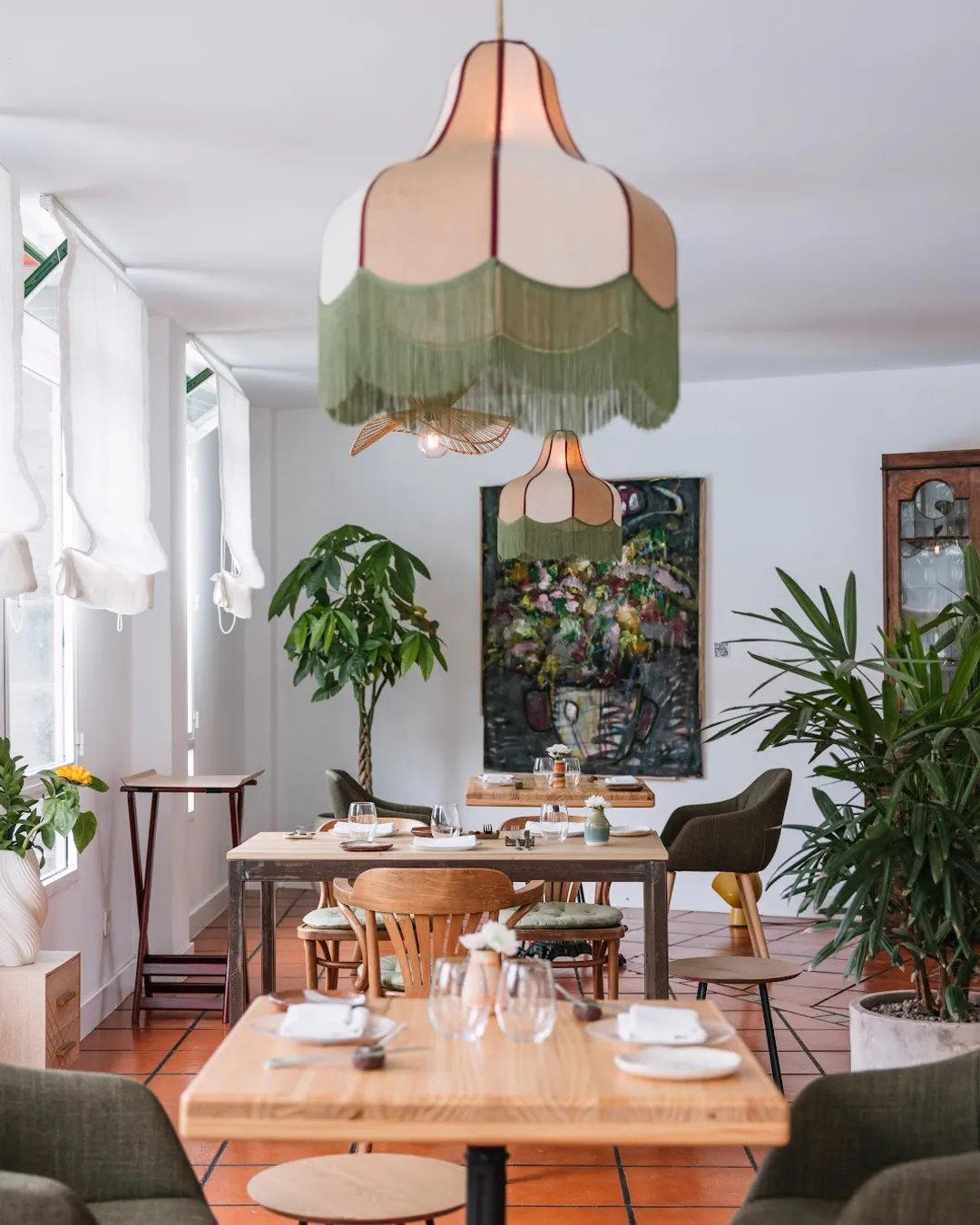
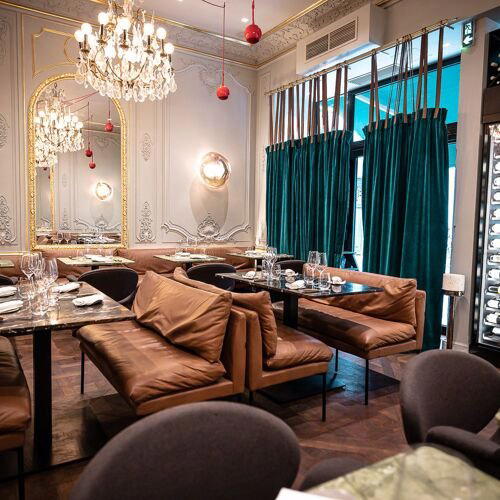
Refined yet relaxed bistro atmosphere with contemporary design, warm lighting, and an intimate dining room that focuses attention on the finely plated, creative dishes.