Bestie sits on East Pender Street in Vancouver's Chinatown-adjacent corridor, a neighbourhood where casual formats punch well above their price tier. The address places it at the intersection of the city's counter-culture dining scene and its growing appetite for focused, unfussy cooking. For visitors mapping Vancouver's more informal end of the spectrum, this block rewards the detour.
- Address
- 105 E Pender St, Vancouver, BC V6A 1T5, Canada
- Phone
- +1 604 620 1175
- Website
- bestie.ca
- Directions
- Get directions
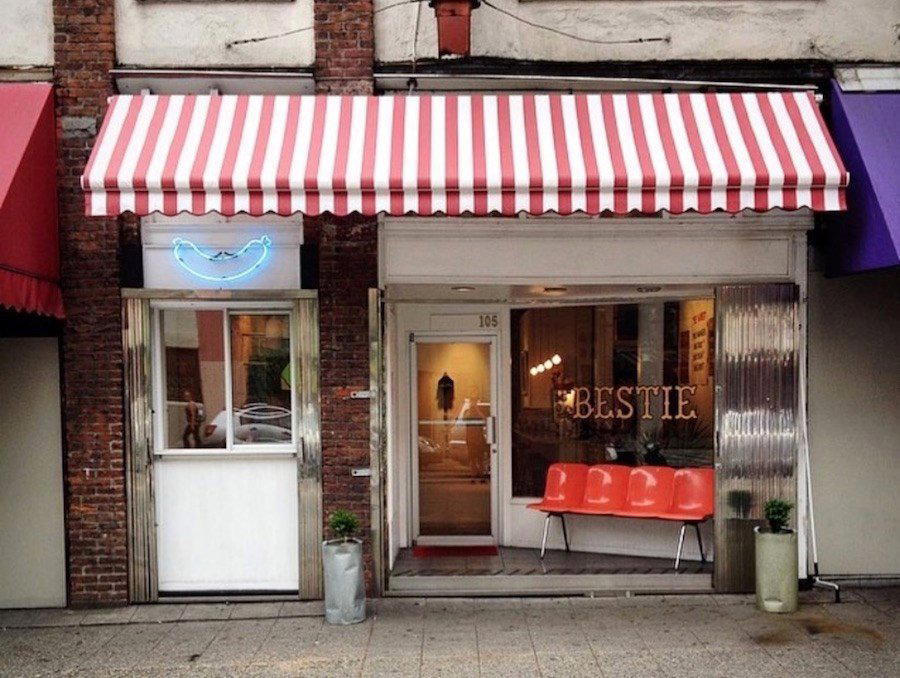
East Pender and the Casual End of Vancouver Dining
There is a particular register of Vancouver restaurant that operates below the $$$$ tier occupied by counters like Masayoshi and Kissa Tanto, yet refuses to behave like a casual afterthought. These are rooms where the cooking is deliberate and the atmosphere is specific, even if the price point suggests otherwise. Bestie is a restaurant serving German Currywurst at 105 E Pender St in Vancouver, and at about $10 per person it belongs to this category. The address puts it in the stretch of Vancouver where Chinatown's older commercial fabric bleeds into the creative corridor that has attracted a wave of independent operators over the past decade.
East Pender is not the address you associate with the city's formal dining scene, and that is precisely the point. The blocks between Main and Gore have become home to a cluster of places that define themselves by what they are not: not white-tablecloth, not tasting-menu-only, not concerned with impressing the same crowd that books AnnaLena or Barbara weeks in advance. The neighbourhood's character, shaped by decades of immigrant commerce and more recent waves of studio spaces and independent retail, provides a specific ambient pressure on the restaurants that open here. The expectation is directness.
The Atmosphere on East Pender
Approaching this block on foot, the sensory information arrives in layers. Street-level signage competes with the residual visual language of older Chinatown storefronts, painted hoardings, and hand-lettered menus. The sound profile shifts depending on the hour: delivery trucks in the morning, foot traffic building through lunch, the particular compressed hum of a narrow dining room filling up in the evening. Restaurants in this corridor tend toward compact floorplates and high turnover. The physical environment is not designed for lingering the way that larger rooms in Yaletown or South Granville might accommodate it.
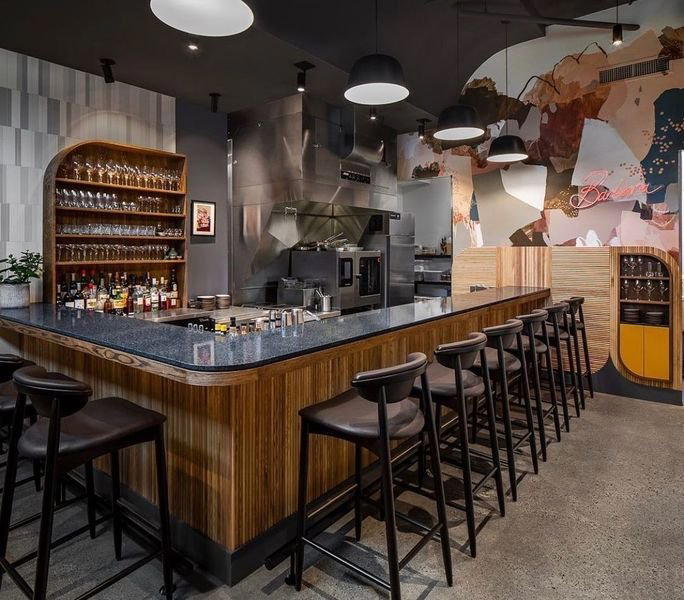
Bestie's East Pender address speaks to this compression. The format common to this stretch of the city favours counter seating or closely arranged tables, a configuration that naturally raises the ambient noise level and creates a dining atmosphere that reads as social rather than ceremonial. This is a meaningful distinction in Vancouver, where the premium end of the market has increasingly clustered around hushed omakase formats and chef's-table experiences. The middle register, the kind of place you might visit on a Tuesday without a reservation booked three weeks out, occupies a different emotional frequency entirely.
Where Bestie Sits in the Vancouver Spectrum
Vancouver's restaurant scene has developed a clear stratification over the past several years. At the leading end, the city's Japanese-influenced counters, its farm-to-table tasting rooms, and its Chinese fine-dining destination like iDen and QuanJuDe Beijing Duck House command serious price points and advance planning. Below that tier, the city has a healthy population of mid-range independents that serve as the actual daily texture of urban dining. Bestie operates in this second register, on a street that has historically attracted operators willing to trade foot traffic and visibility for lower rents and a more self-selecting clientele.
That positioning matters when considering the broader Canadian dining context. Across the country, from Alo in Toronto to Tanière³ in Quebec City to the remote ambition of Fogo Island Inn Dining Room, there is a spectrum between destination formality and neighbourhood utility. Bestie occupies the utility end of that spectrum in a city where even the utility end has become increasingly considered. The East Pender address is not a compromise; it reflects a deliberate positioning within a specific community of diners.
For visitors arriving in Vancouver without a reservation at the city's more formal rooms, the East Pender corridor offers an alternative logic. Rather than competing for seats at counters that book out weeks ahead, these blocks reward walking and looking: reading the rooms from the street, making the call at the door. That is a different kind of dining intelligence, and it suits a particular kind of traveller.
The Broader Casual Format Argument
Across North American cities, the casual format has undergone a reassessment. What was once read as the default fallback for lower budgets has become, in specific neighbourhoods and specific hands, a more intentional mode of operation. The compressed room, the focused menu, the lack of ceremony: these are no longer simply markers of limited resource. In cities like San Francisco, where Lazy Bear built a communal dining format that decoupled formality from quality, or in New York, where Le Bernardin represents the formal pole against which everything else calibrates, there is now a mature understanding that a room's register does not determine its seriousness.
Vancouver has tracked this shift with its own local inflections. The city's geography, its cultural diversity, and its relatively young fine-dining infrastructure mean that the casual end of the market has always been stronger than in older, more established dining capitals. East Pender is one of the neighbourhoods where that strength is most legible. The block does not perform casualness as a concept; it simply operates at a register that fits its community and its real estate.
Visitors who have spent time at places like Cafe Brio in Victoria or Eigensinn Farm in Singhampton will recognise the underlying logic: Canadian restaurants at the mid-tier have learned to do more with less, and the results often carry a particular clarity of focus that larger, more resourced operations can lose. Bestie, in its East Pender context, belongs to that tradition.
Planning Your Visit
East Pender Street is accessible on foot from downtown Vancouver in under twenty minutes, and several transit lines serve the surrounding blocks. The neighbourhood is most active from mid-morning through the dinner hour, and the restaurant density on this stretch means that flexible visitors who arrive without a fixed booking can usually find a seat somewhere on the block. Bestie is walk-in friendly. The surrounding blocks also offer context for the meal: the older storefronts, the mixed-use character of the street, and the proximity to the heart of Chinatown all contribute to an atmosphere that is particular to this corner of the city.
City Peers
Comparable venues nearby, for context on price, style, and recognition.
| Venue | Cuisine | Price | Notes |
|---|---|---|---|
| BestieThis venue — the venue you are viewing | German Currywurst | $ | Not listed |
| New Town Bakery & Restaurant | Chinese & Filipino Bakery Cafe | $ | Chinatown |
| Fritz European Fry House | Belgian-Style Fries & Poutine | $ | Downtown |
| Sal y Limon | Authentic Mexican Taqueria | $ | Sunset |
| Hot Pie Pizza | Pizza by the Slice | $ | Gastown |
| Moxies - West Georgia | Modern Canadian Grill | $$ | Downtown |
Continue exploring
More in Vancouver
Restaurants in Vancouver
Browse all →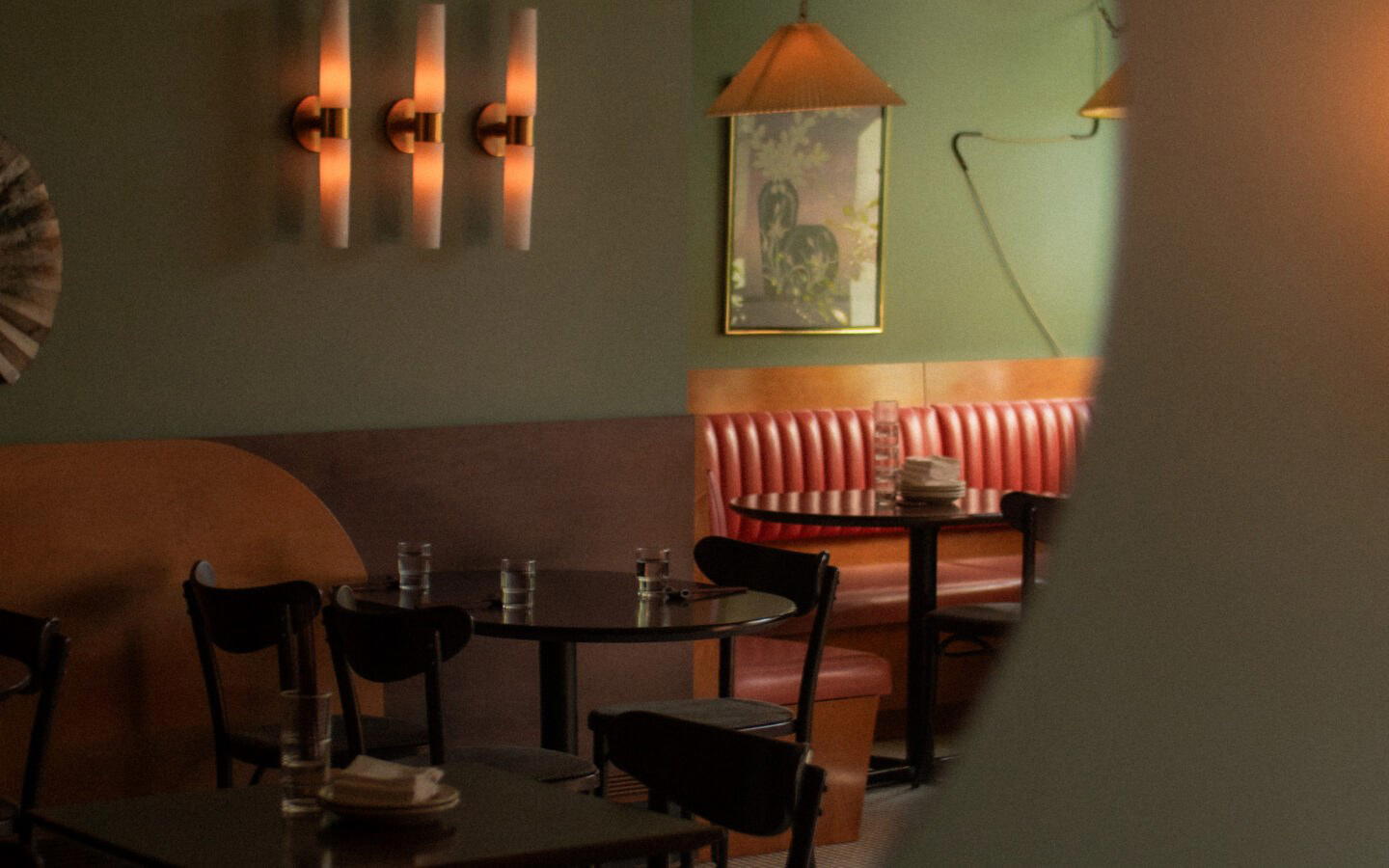
Bars in Vancouver
Browse all →
At a Glance
- Trendy
- Modern
- Cozy
- Casual Hangout
- Late Night
- Open Kitchen
- Beer Program
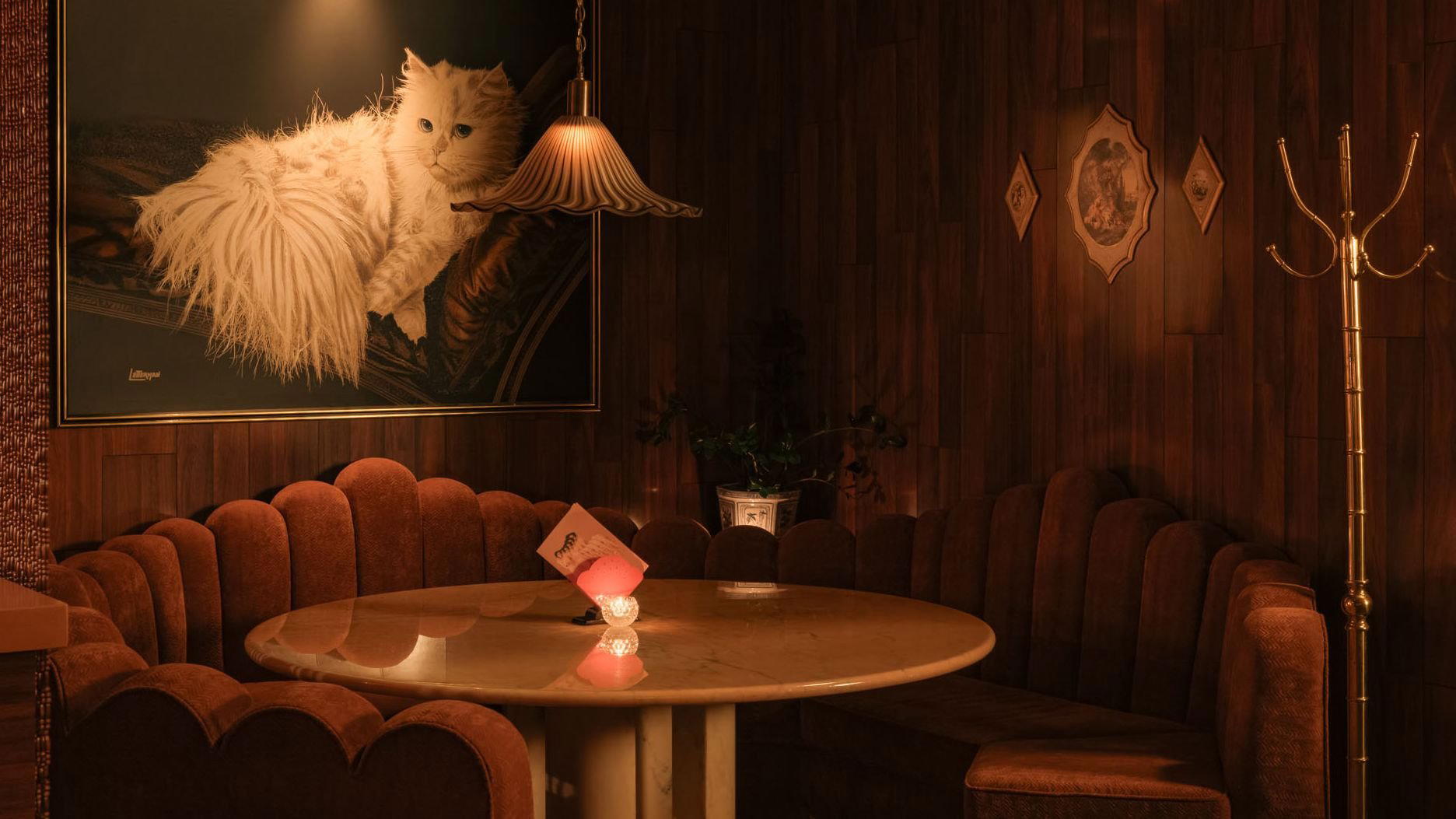
Cool, modern design with a warm, inviting hip atmosphere.