Bergtrotte Osterfingen

Bergtrotte Osterfingen sits at the edge of a Schaffhausen wine village where agricultural rootedness is the organizing principle rather than an afterthought. The address on Trottenweg, literally 'pressing-house path', signals the grape-growing tradition that shapes the surrounding landscape and, by extension, the character of the table here. For those willing to venture beyond Switzerland's better-publicized restaurant corridors, it represents a different register of Swiss dining.
Pearl is the En Primeur Club membership app — saves, bookings, and concierge access live there. Same editors, same standards.
- Address
- Trottenweg 38, 8218 Osterfingen, Switzerland
- Phone
- +41526811168
- Website
- bergtrotte.ch
- Directions
- Get directions
 Saves & bookings on Pearl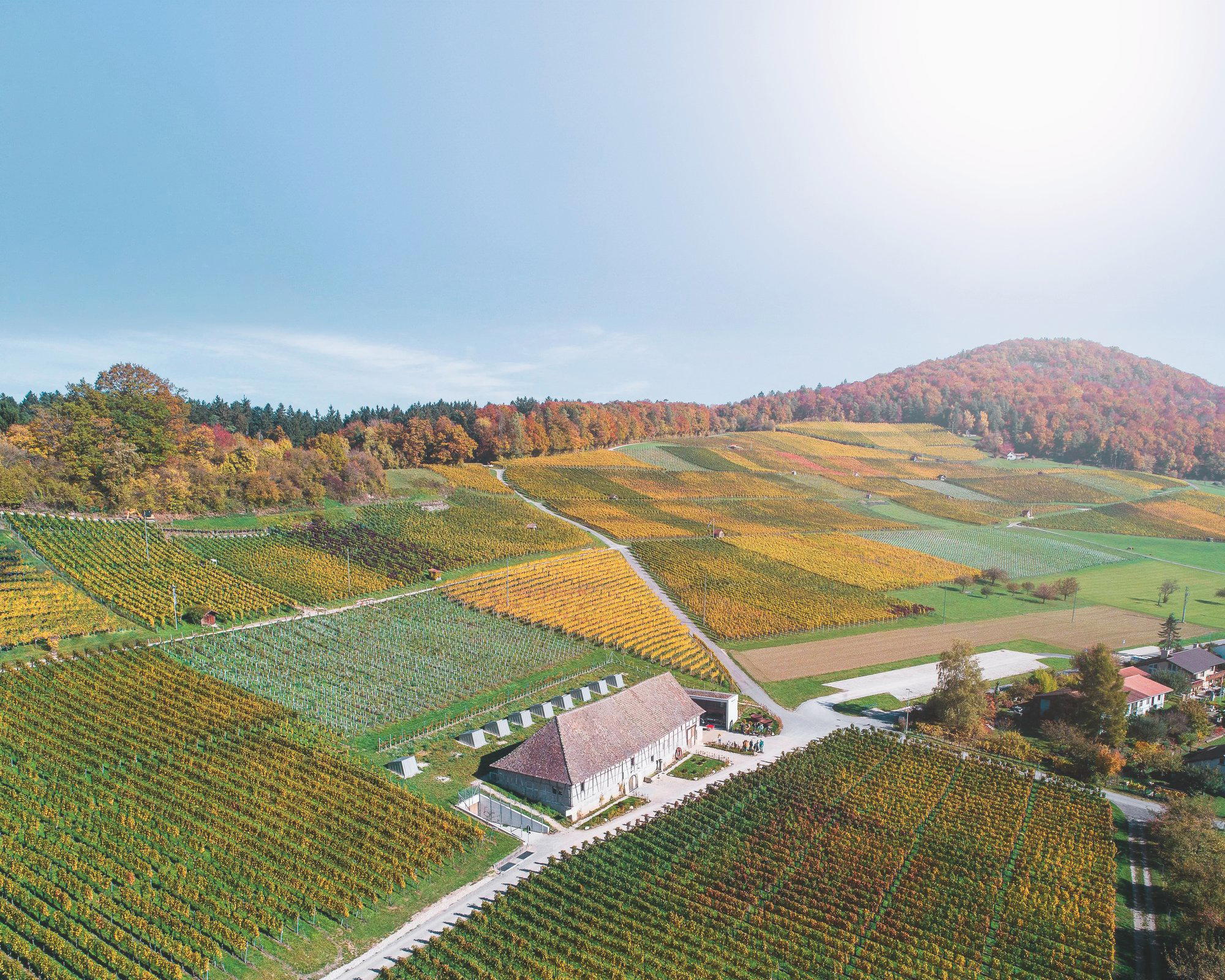
A Wine Village Address That Does the Explaining
Osterfingen sits in the Klettgau, a quiet Schaffhausen canton corner that produces some of German-speaking Switzerland's more serious Pinot Noir without attracting the attention that the grape commands further west. The village has fewer than five hundred residents, a clutch of working wine estates, and the kind of unperformed agricultural calm that city-based restaurant scenes attempt to simulate with reclaimed wood and potted herbs. Bergtrotte Osterfingen occupies a position on Trottenweg 38, the name translates as pressing-house path, which is a more precise statement of local identity than most restaurants achieve through deliberate branding.
What Ingredient Sourcing Looks Like at This Scale
Switzerland's most-discussed restaurants in the fine dining tier tend to operate through the same sourcing logic: a well-connected kitchen with relationships across Alpine producers, premium proteins from named farms, foraged elements that telegraph seasonal seriousness. Venues such as Schloss Schauenstein in Fürstenau and Memories in Bad Ragaz sit in that upper bracket, where the sourcing narrative has become as refined as the plating. Bergtrotte operates at a different altitude, literally and figuratively. The Klettgau's agricultural identity is wine-forward, and a restaurant embedded in that tradition draws on a production context immediately visible through the vineyard rows on the slopes above the village. That proximity is not decorative. It reflects the way rural Swiss restaurants in wine-growing regions have historically anchored their tables to what the surrounding hectares produce, rather than constructing a supply chain outward.
Across comparable Swiss settings, coherent expressions of regional cooking treat the wine as infrastructure rather than accompaniment: dishes are built around the growing conditions that produce the grape, and the local palate for Pinot-friendly food, leaning toward game, river fish, and root vegetables, shapes the menu logic. The Klettgau's Pinot Noir, made from Blauburgunder vines on calcareous soils, is a regional product with genuine character, and it provides the flavor reference point for the kind of cooking this village setting implies.
The Schaffhausen Canton Register
German-speaking Switzerland maintains a distinct gastronomic register from the Romand tradition, and the Schaffhausen area sits furthest north of any Swiss canton, sharing more agricultural and climatic identity with neighboring Baden-Württemberg than with Zurich's urban dining scene thirty-odd kilometers to the south. That context produces a different set of expectations at the table: hearty preparations with strong regional anchoring tend to be respected more than international technique applied to Swiss ingredients. Restaurants such as Taverne zum Schäfli in Wigoltingen and Mammertsberg in Freidorf represent different points on the Thurgau and eastern Swiss spectrum, but the Klettgau has its own character shaped by viticulture rather than alpine farming.
For visitors accustomed to the formality tier that venues such as Cheval Blanc by Peter Knogl in Basel or Einstein Gourmet in Sankt Gallen represent, a Klettgau village address offers a recalibration rather than a step down. The ingredient logic changes: proximity and seasonality become the organizing principles, and the value proposition is tied to place rather than to international recognition signals.
Positioning Within Switzerland's Broader Restaurant Picture
Switzerland's fine dining circuit, anchored by venues including Hotel de Ville Crissier in Crissier, Maison Wenger in Le Noirmont, and focus ATELIER in Vitznau, clusters around recognized culinary centers and resort destinations. The country also supports a quieter register of restaurant: places in small wine towns, agricultural valleys, and non-touristic cantonal villages where the kitchen's relationship to local production is more direct and the room carries fewer international visitors. Bergtrotte sits in that second category.
Internationally, the comparison is less to celebrated destination rural restaurants like Lazy Bear in San Francisco and more to the kind of producer-adjacent tables found across Alsace, Baden, or the Aargau wine trail: places where the wine estate context frames the meal, where reservations are secured locally before they appear on international radar, and where the geographic specificity of what arrives on the plate is the point. Venues such as Da Vittorio in St. Moritz or La Brezza in Ascona serve an international resort clientele for whom place-specificity is desirable but not structurally necessary. Bergtrotte addresses a different kind of visitor appetite entirely.
Getting There and Practical Orientation
Osterfingen is accessible by car from Schaffhausen in under twenty minutes; rail connections run to Hallau, the nearest larger wine-producing commune, and the walk or short drive from there follows vine-flanked roads through the Klettgau. The address at Trottenweg 38 situates the restaurant within the agricultural fabric of the village rather than on a main through-road, which means arriving requires intention rather than stumbling upon it. That self-selection effect is common to this class of rural Swiss restaurant. Alpine and wine-region restaurants of this type frequently operate on reduced weekly schedules, with weekend evenings and lunch services carrying more weight than a full seven-day calendar.
For those combining a visit with broader Schaffhausen canton exploration, the Rhine Falls at Neuhausen and the wine estates of Hallau and Oberhallau provide geographic anchors. The wine tourism infrastructure in the Klettgau, while less developed than Valais or the Lavaux, has strengthened over the past decade alongside growing recognition of the region's Pinot Noir. A table at a village restaurant like Bergtrotte fits naturally into a day that includes estate visits, particularly if the Blauburgunder produced on the slopes above Osterfingen is the starting point of interest. For alpine-vegetarian framing that occupies a related register elsewhere in Switzerland, Magdalena in Schwyz and La Table du Valrose in Rougemont offer contrasting but related approaches to regional ingredient primacy.
Side-by-Side Snapshot
Comparable venues nearby, for context on price, style, and recognition.
| Venue | Cuisine | Price | Notes |
|---|---|---|---|
| Bergtrotte OsterfingenThis venue — the venue you are viewing | Regional Swiss Cuisine | $$ | Not listed |
| Restaurant gartenHAUS | Modern Swiss Herbal Cuisine | $$ | Reussbühl |
| Restaurant Gartenstadt mit Pavillon | Swiss with Mediterranean Influences | $$ | Münchenstein |
| Rigi | Swiss Regional | $$$ | Rigi Kulm |
| Hotel Restaurant Alpenblick | Swiss Regional with Lake Views | $$$ | Weggis |
| Fischer's Fritz | Swiss Lakeside Seafood | $$$ | Wollishofen |
Recognition history
Dated appearances from independent guides and award organizations, with the underlying list record or original source where available.
Falstaff Restaurant - 92 Falstaff Points
Falstaff
Continue exploring
More in Osterfingen
Restaurants in Osterfingen
Browse all →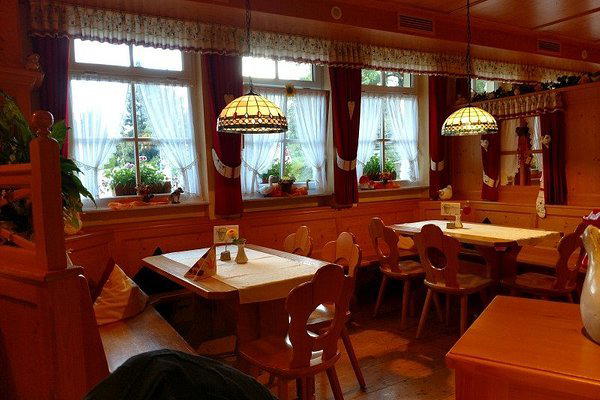
Bars in Osterfingen
Browse all →
At a Glance
- Rustic
- Cozy
- Scenic
- Historic
- Casual Hangout
- Family
- Terrace
- Historic Building
- Extensive Wine List
- Local Sourcing
- Vineyard
- Mountain
Current opening hours
- Monday
- Closed
- Tuesday
- Closed
- Wednesday
- Closed
- Thursday
- 11:30 AM–9:30 PM
- Friday
- 11:30 AM–9:30 PM
- Saturday
- 11:30 AM–9:30 PM
- Sunday
- 11:30 AM–6 PM
Hours can change for holidays and private events. Last verified .
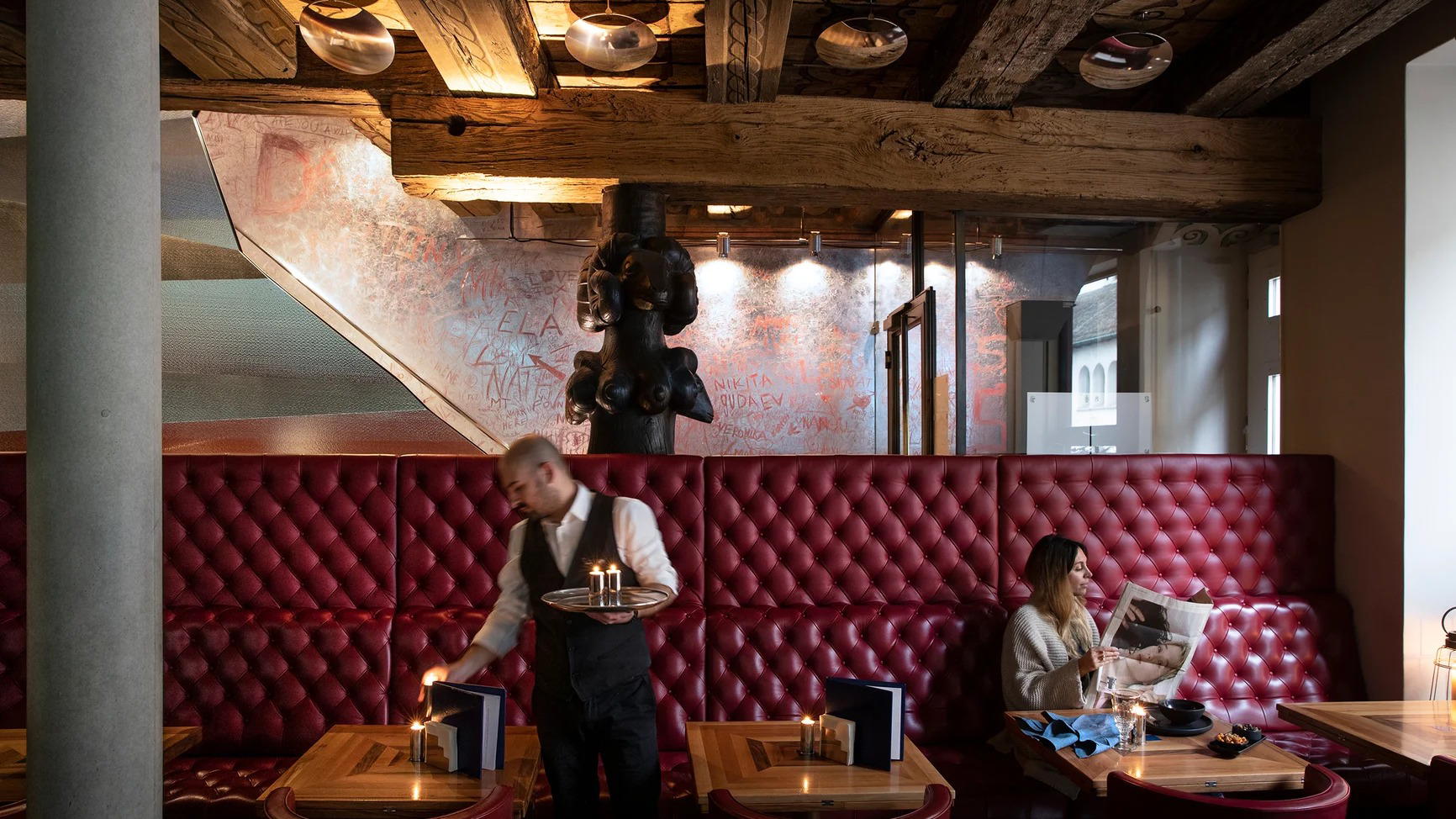
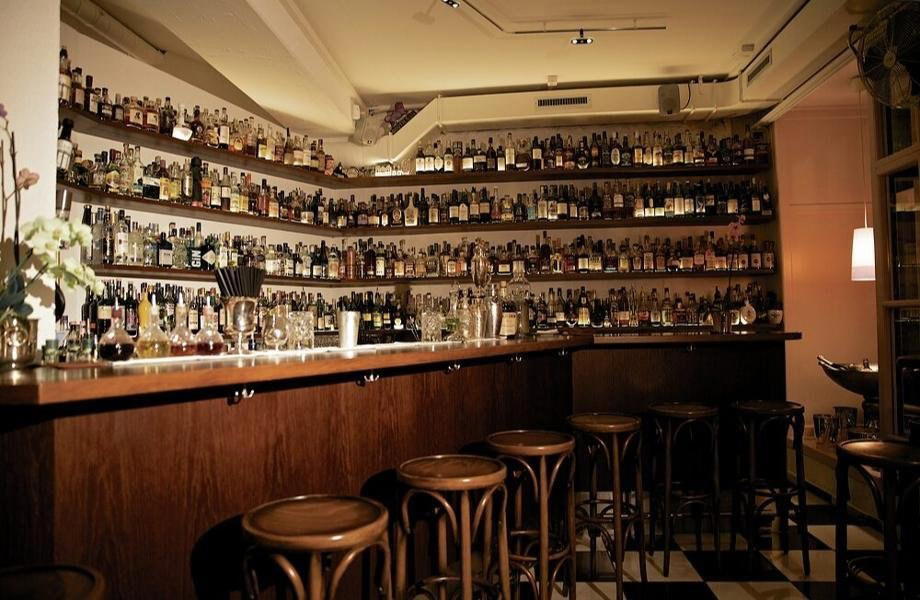
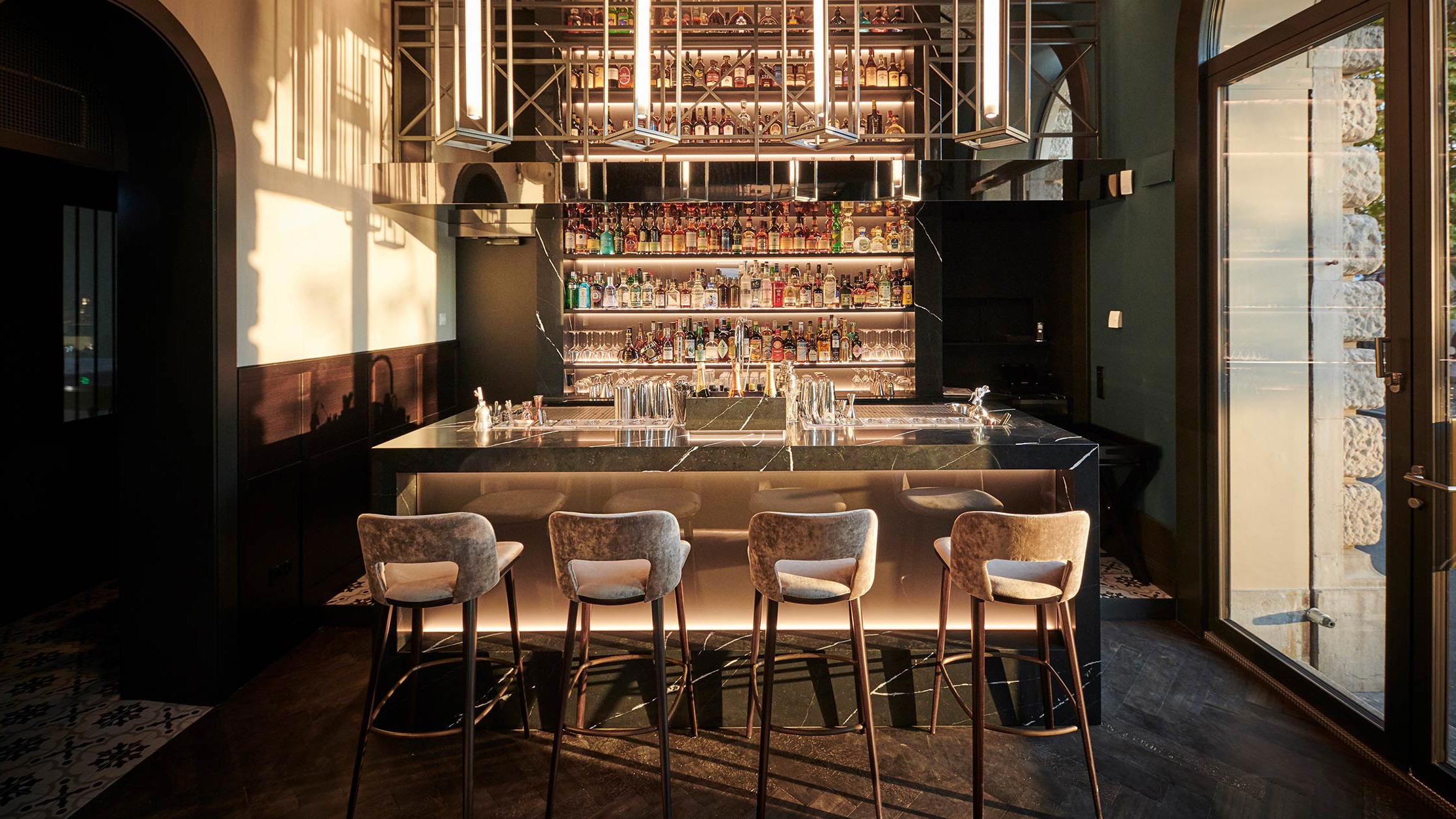
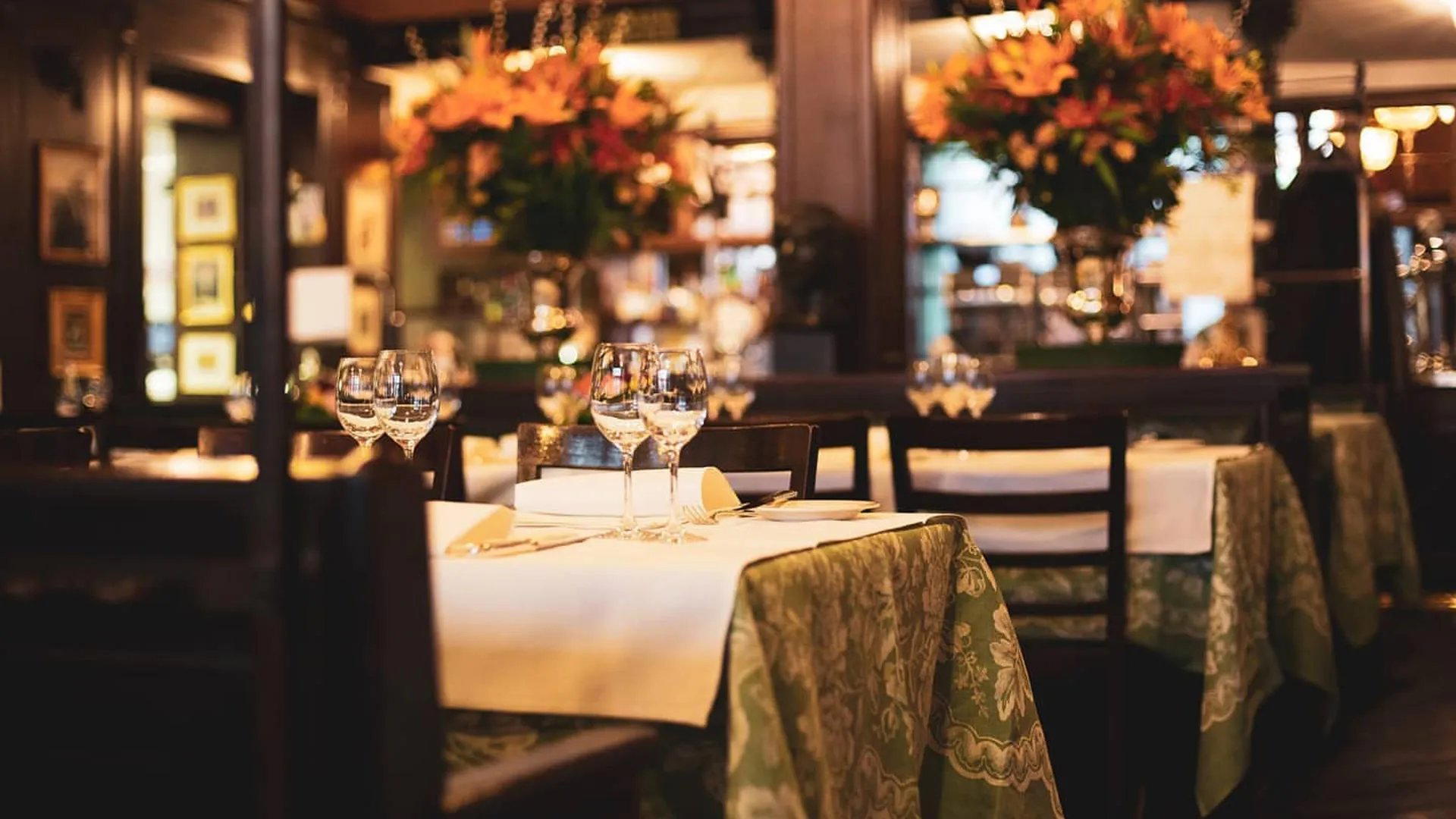
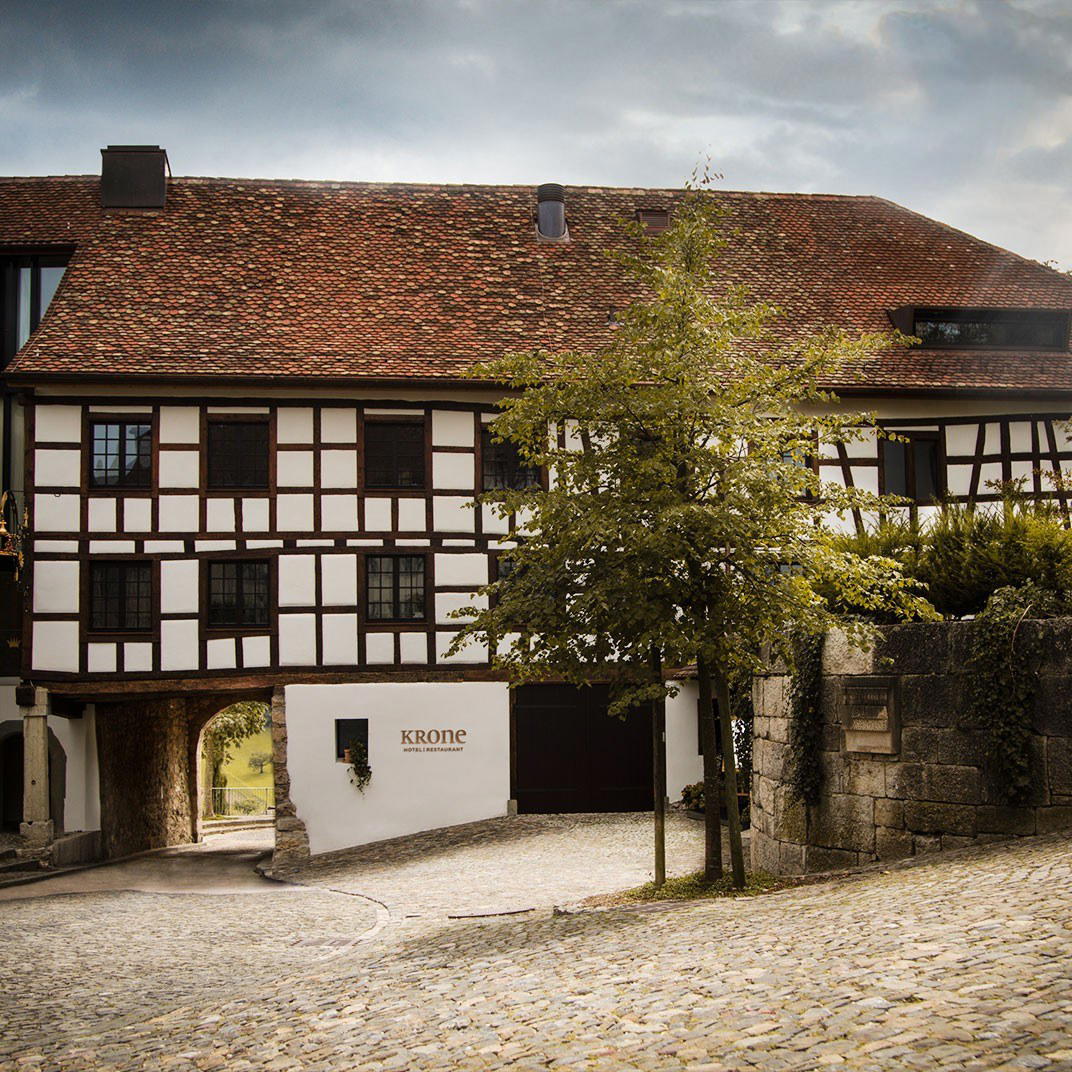
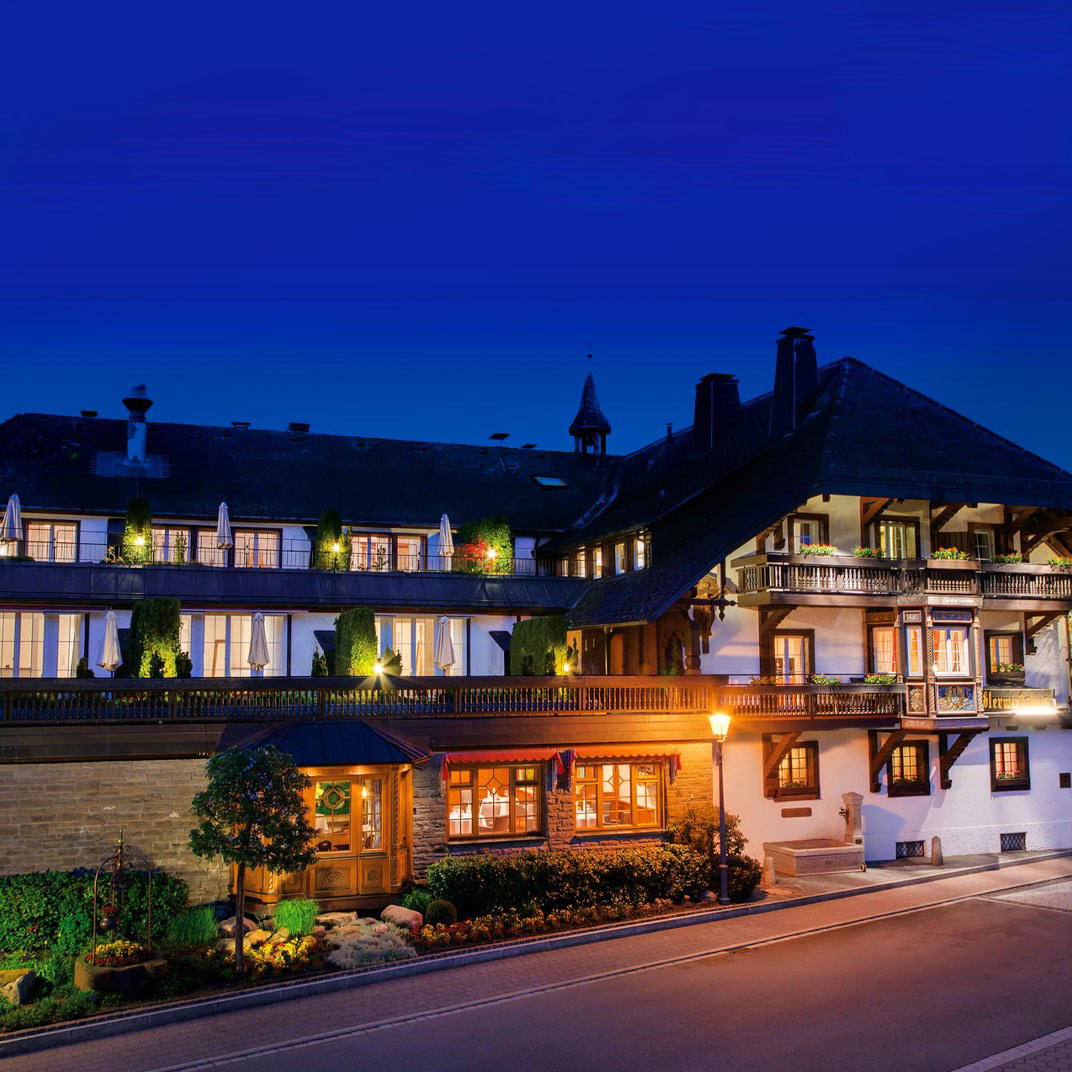
Cozy historical setting blending old timber with modern concrete elements, featuring a nice terrace with vineyard views and a relaxed rural atmosphere.