Restaurant Gartenstadt mit Pavillon
Restaurant Gartenstadt mit Pavillon serves Swiss with Mediterranean influences in a garden and terrace setting, with an extensive wine list and conversational pacing for lunch or dinner.
Pearl is the En Primeur Club membership app — saves, bookings, and concierge access live there. Same editors, same standards.
- Address
- Emil Frey-Strasse 164, 4142 Münchenstein, Switzerland
- Phone
- +41614116677
- Website
- restaurantgartenstadt.ch
- Directions
- Get directions
 Saves & bookings on Pearl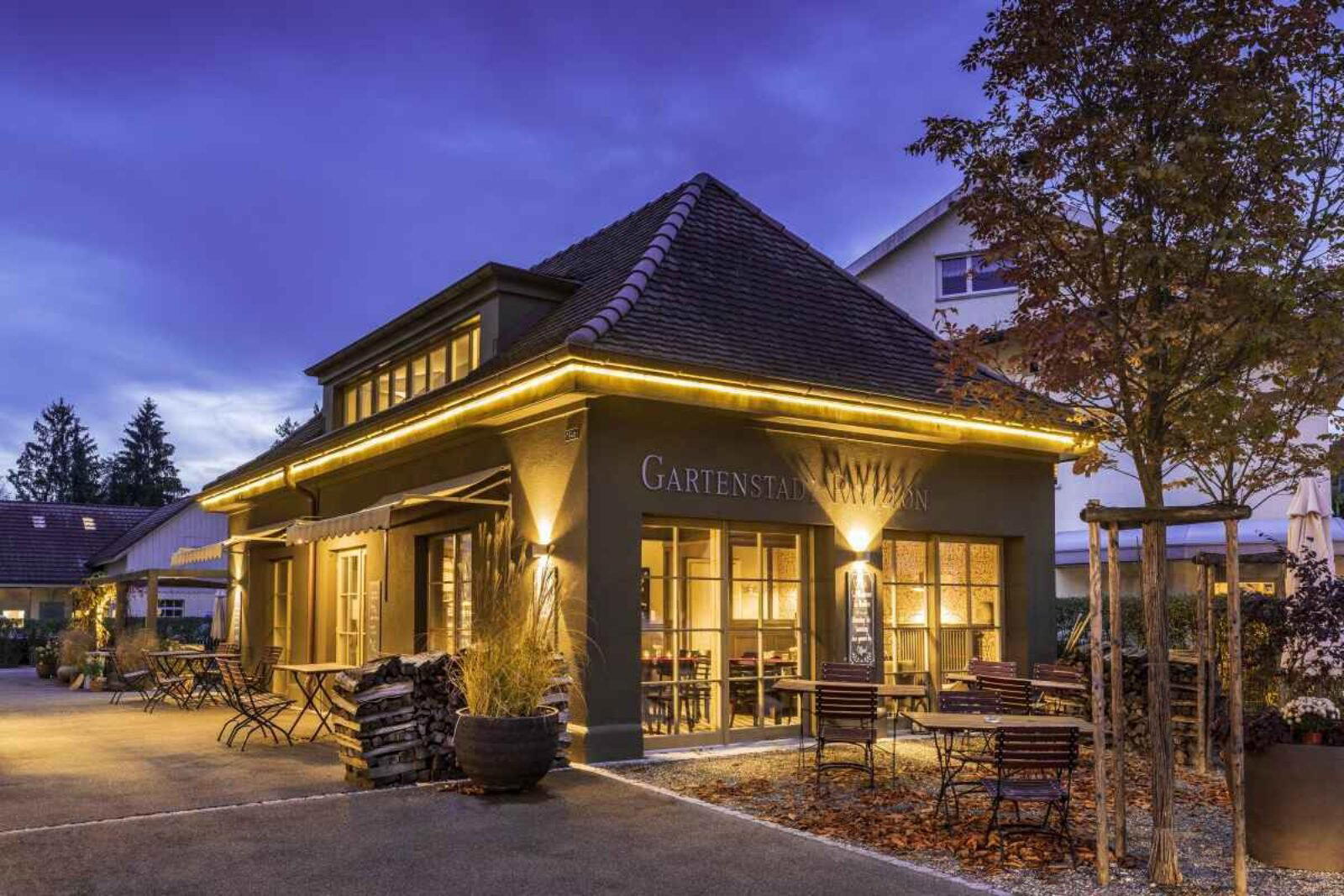
A Garden Suburb Address in the Basel Orbit
Münchenstein sits directly south of Basel, separated from the city by little more than the Birs river and a tram line. The suburb occupies an interesting position in the regional dining map: close enough to draw from Basel's professional and cultural crowd, but removed enough that restaurants here tend to serve a local constituency first and destination visitors second. Emil Frey-Strasse, a commercial artery running through the municipality, is the kind of address where a neighbourhood restaurant can sustain itself across decades without the pressure of tourist footfall. Restaurant Gartenstadt mit Pavillon occupies that kind of position, a place rooted in its immediate community, with a garden-pavilion format that signals seasonal, outdoor-adjacent hospitality rather than formal dining theatre.
The name itself is worth parsing. "Gartenstadt" translates as garden city, a planning concept with deep roots in early twentieth-century European urbanism, and the pavillon suffix points toward an architectural form associated with terrace dining and temperate-season eating. Both references frame the experience before you arrive: this is a place oriented around the outdoors, around the rhythm of the growing season, and around a Swiss regional tradition of dining that extends into the garden when the weather allows. For context on the wider Swiss fine dining scene, the Basel periphery compares with destinations further afield.
Sourcing and the Swiss Regional Tradition
Switzerland's most credible kitchens have long worked within short supply chains, partly out of practical necessity, the country's geography fragments distribution, and partly because Swiss agricultural identity, from Emmental dairy to Basel-region market gardens, gives chefs a strong regional palette to draw from. The pattern holds at different price points. At the formal end, places like Cheval Blanc by Peter Knogl in Basel operate within a French classical frame but source carefully across the Swiss northwest. Schloss Schauenstein in Fürstenau has built its reputation in part on estate-grown produce and a deep integration between kitchen and landscape. The principle scales down: neighbourhood restaurants in the Basel orbit that take sourcing seriously are working within the same regional logic, just without the Michelin infrastructure around them.
A garden-pavilion format supports this approach structurally. Kitchen gardens, proximity to Basel's regional markets, and a menu that shifts with what is available rather than what is consistent are all characteristics compatible with the Gartenstadt positioning. Where Swiss restaurants in this category succeed, it tends to be because the sourcing discipline creates a seasonal coherence that holds the menu together across the year, even as individual dishes rotate. Compare this with the approach at Memories in Bad Ragaz or focus ATELIER in Vitznau, where Modern Swiss identity is built on a similar seasonal logic but at a higher formality tier and price point.
How the Pavilion Format Shapes the Experience
Pavilion-format restaurants in the Swiss tradition occupy a specific experiential register. They are not casual in the dismissive sense, but they carry less ceremony than a fully enclosed dining room with tablecloths and sommelier service. The pavilion typically functions as an extension of or alternative to the main dining room, used most actively from late spring through early autumn when the Swiss midlands offer reliable enough weather for extended outdoor meals. This seasonal weighting means the experience in June or September differs materially from a winter visit, when the interior carries the full weight of the dining format.
This structural seasonality is relevant for planning. A restaurant with a garden pavilion is, effectively, two different propositions across the calendar year. The outdoor format tends to encourage a more relaxed pace, longer tables, and an informal relationship between guests and kitchen. The Swiss tendency toward regional produce means that this is also the period when the menu is typically at its most ingredient-led, drawing on summer vegetables, stone fruits, and the herb gardens that supply kitchens in the Basel market-garden belt. Visitors calibrating their timing should factor this in. For comparison, the seasonal logic operates similarly at Magdalena in Schwyz and at Maison Wenger in Le Noirmont, where the relationship between kitchen, landscape, and season is part of the explicit identity.
Positioning in the Basel Periphery
The restaurants that tend to hold their ground in suburban Swiss addresses do so by being genuinely useful to their immediate community, by offering something the neighbourhood cannot easily replicate at home, without the friction of a city-centre reservation system or the price premium that comes with a formal dining room in Basel itself. Münchenstein's position on the tram network (line 11 runs from Basel's city centre to the suburb) makes the restaurant accessible without a car, which matters for dinner services where wine plays a role.
Within the Swiss restaurant market, the community-anchored neighbourhood format sits at a significant distance from the destination restaurant model represented by places like Hotel de Ville Crissier in Crissier or 7132 Silver in Vals, where guests travel specifically for the kitchen. At Gartenstadt mit Pavillon, the dynamic reverses: the restaurant serves the neighbourhood, and guests who arrive from outside do so because they are looking for exactly this kind of embedded, non-performative Swiss hospitality. That is a coherent position, and in a market where Swiss dining increasingly splits between high-formality destination restaurants and international casual formats, it is not a crowded one.
For broader Swiss reference points at different price tiers and formats, IGNIV Zürich by Andreas Caminada, Colonnade in Lucerne, La Brezza in Ascona, Einstein Gourmet in Sankt Gallen, Da Vittorio St. Moritz, and La Table du Lausanne Palace in Lausanne all represent the range of what Swiss hospitality offers at the upper tier. Internationally, the sourcing-driven neighbourhood format has close analogues at Le Bernardin in New York City and Atomix in the same city, though at a different price and ambition level.
Planning Your Visit
Münchenstein is reachable from Basel in under fifteen minutes by tram, making it practical for an evening departure without a car. The regular hours run Tuesday to Friday for lunch and dinner, with Saturday dinner only and Sunday and Monday closed. Visitors with a specific interest in the garden setting should confirm availability and format at the time of booking, as Swiss neighbourhood restaurants of this type often adapt their configuration across seasons without publishing changes in real time.
At-a-Glance Comparison
Comparable venues nearby, for context on price, style, and recognition.
| Venue | Cuisine | Price | Notes |
|---|---|---|---|
| Restaurant Gartenstadt mit PavillonThis venue — the venue you are viewing | Swiss with Mediterranean Influences | $$ | Not listed |
| Freiburger Falle | Traditional Swiss Steak & Cheese | $$ | old town |
| Fredi | Modern Swiss with Mediterranean influences | $$ | Old Town |
| Seeger | Swiss & European Brasserie | $$ | St. Gallen Center |
| Marzilibrücke | Swiss Fondue & European Bistro | $$$ | Sandrain |
| Rössli | Swiss with Sushi and European Influences | $$$ | Historic Altstadt |
Continue exploring
More in Munchenstein
Restaurants in Munchenstein
Browse all →
Bars in Munchenstein
Browse all →
Hotels in Munchenstein
Browse all →
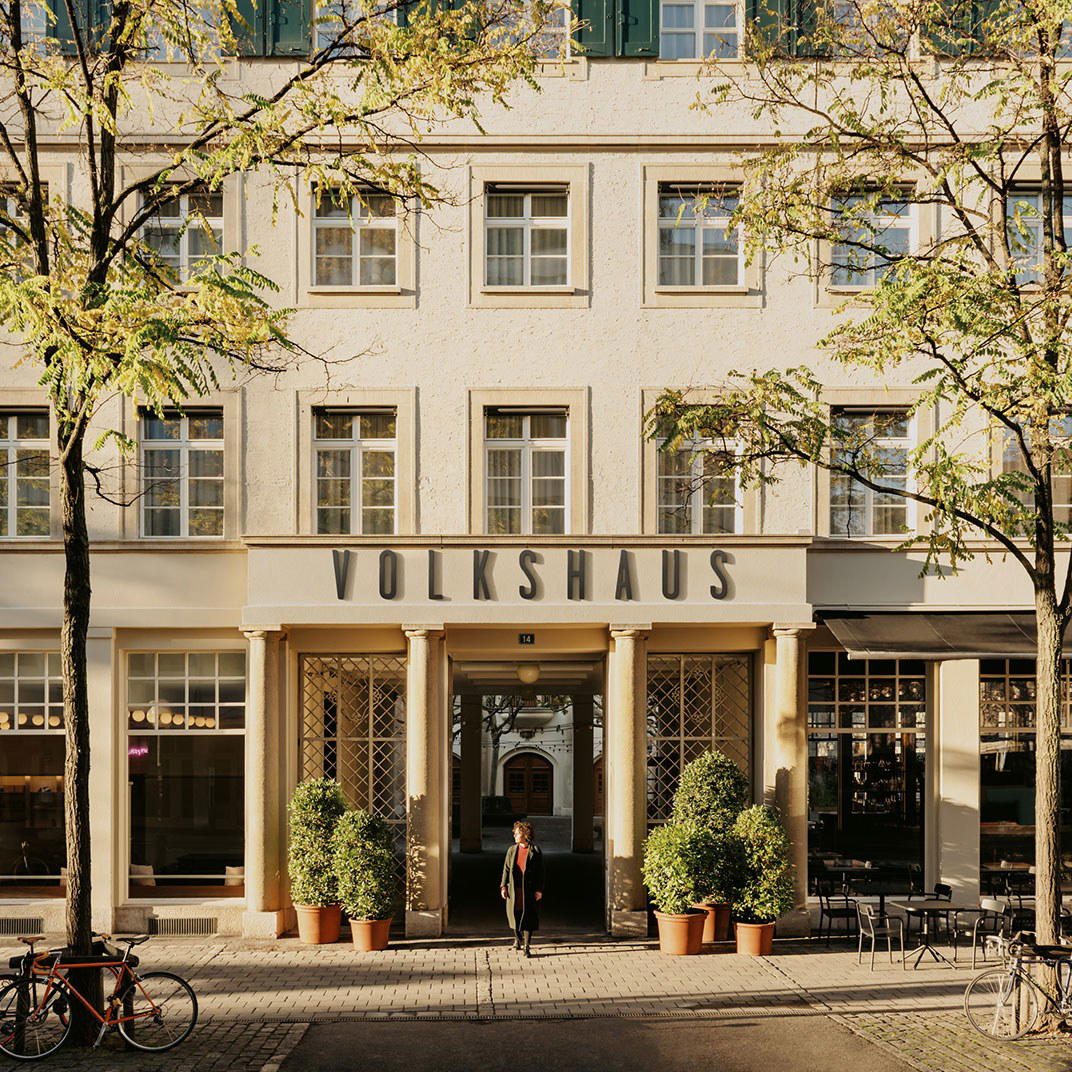
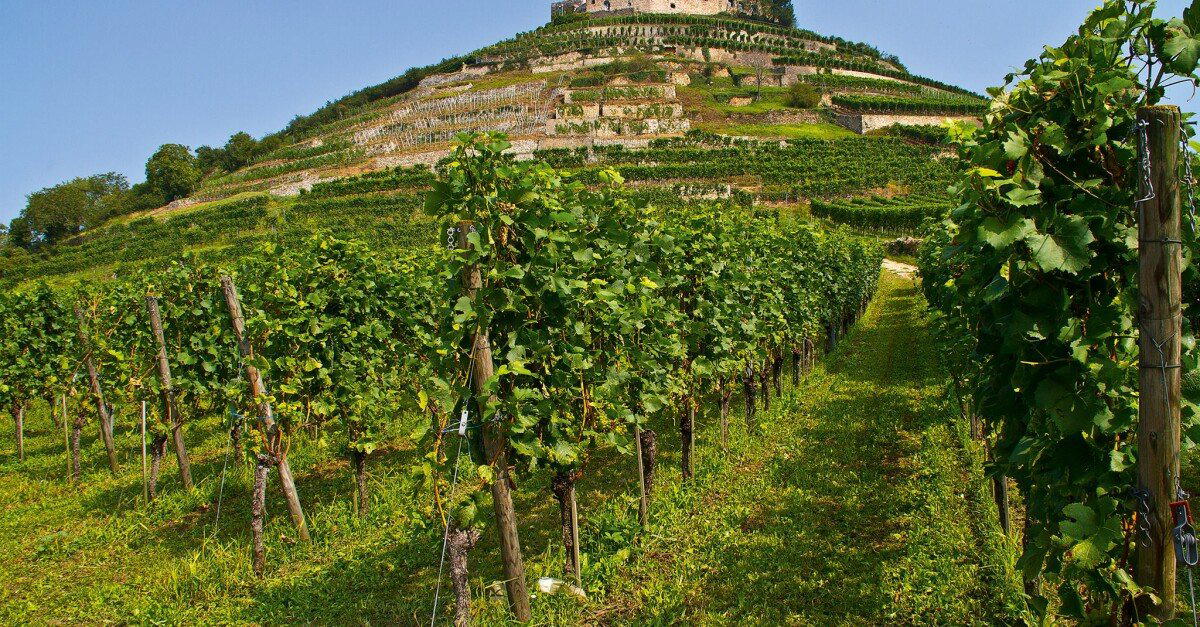
Wineries in Munchenstein
Browse all →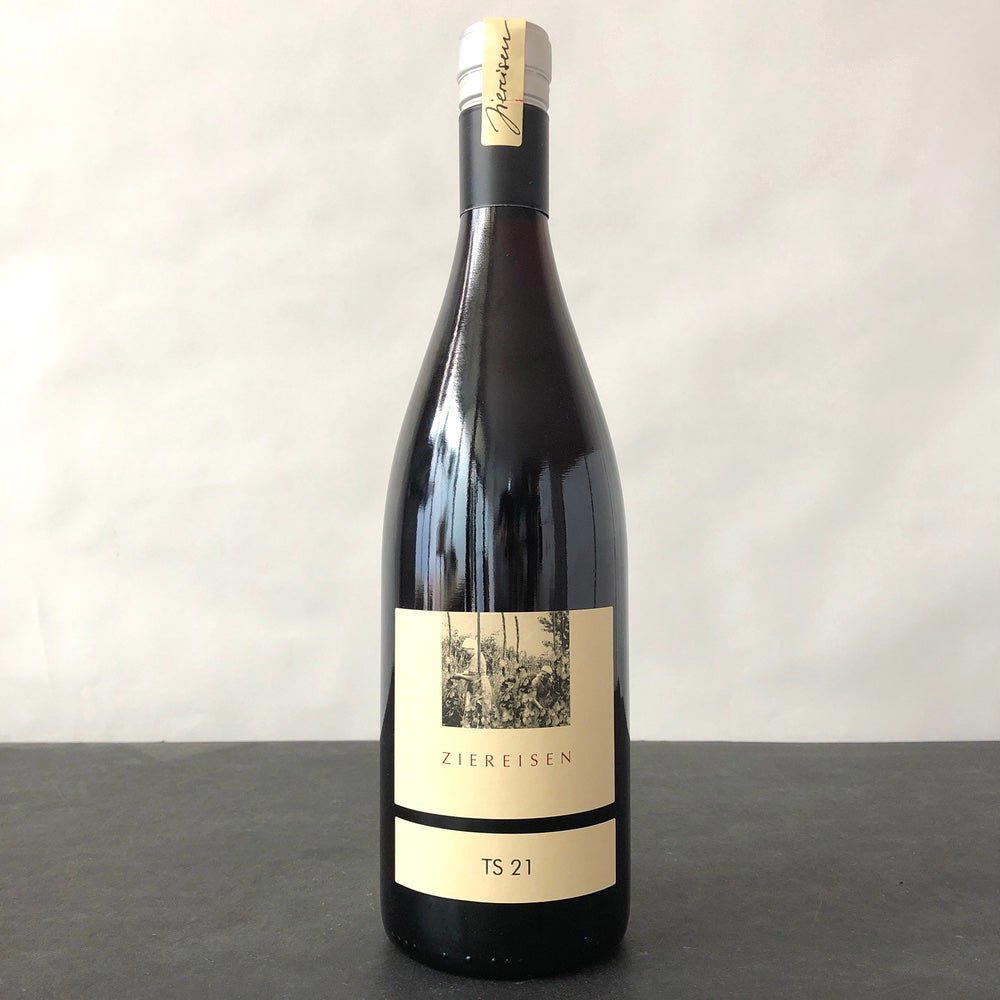
At a Glance
- Cozy
- Scenic
- Rustic
- Classic
- Family
- Group Dining
- Casual Hangout
- Garden
- Terrace
- Extensive Wine List
- Garden
Current opening hours
- Monday
- Closed
- Tuesday
- 11:45 AM–2 PM, 6–10:30 PM
- Wednesday
- 11:45 AM–2 PM, 6–10:30 PM
- Thursday
- 11:45 AM–2 PM, 6–10:30 PM
- Friday
- 11:45 AM–2 PM, 6–10:30 PM
- Saturday
- 6–10:30 PM
- Sunday
- Closed
Hours can change for holidays and private events. Last verified .
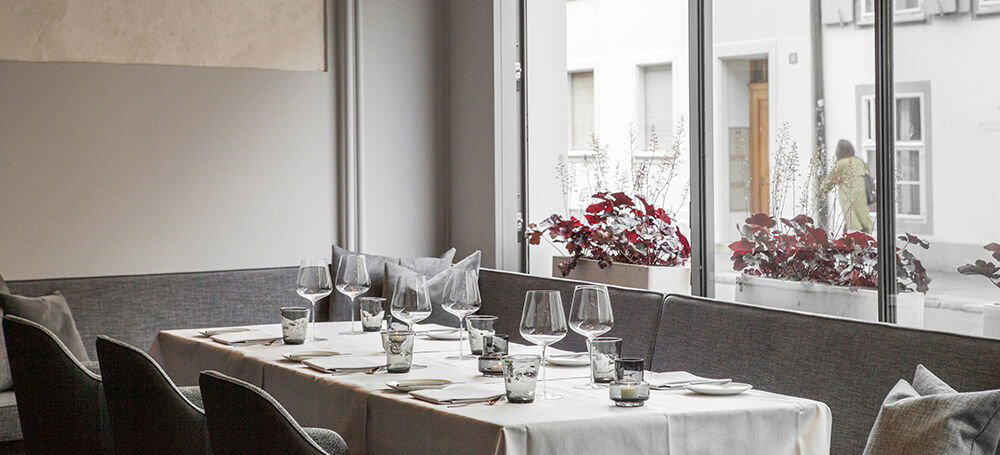
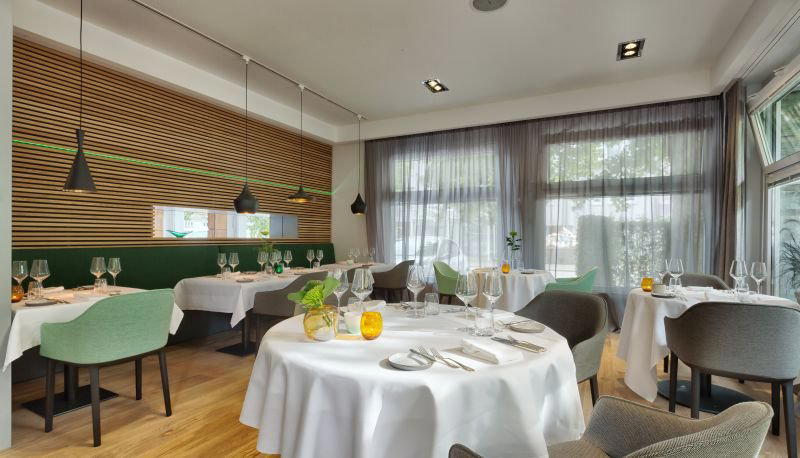
Cozy and stylish interior with a distinctive garden atmosphere under chestnut trees or in the pavilion, inviting guests to linger.