Rigi
Rigi Kulm sits at 1,797 metres on the summit of the Rigi massif in canton Schwyz, where the food tradition is shaped less by brigade ambition than by altitude and access. The dining at this elevation belongs to a category of Swiss mountain hospitality where provenance and terrain define the plate before a chef ever touches it. See our full Rigi Kulm restaurants guide for broader context.
Pearl is the En Primeur Club membership app — saves, bookings, and concierge access live there. Same editors, same standards.
- Address
- 6410 Arth, Switzerland
- Phone
- +41 41 880 18 88
- Website
- rigikulm.ch
- Directions
- Get directions
 Saves & bookings on Pearl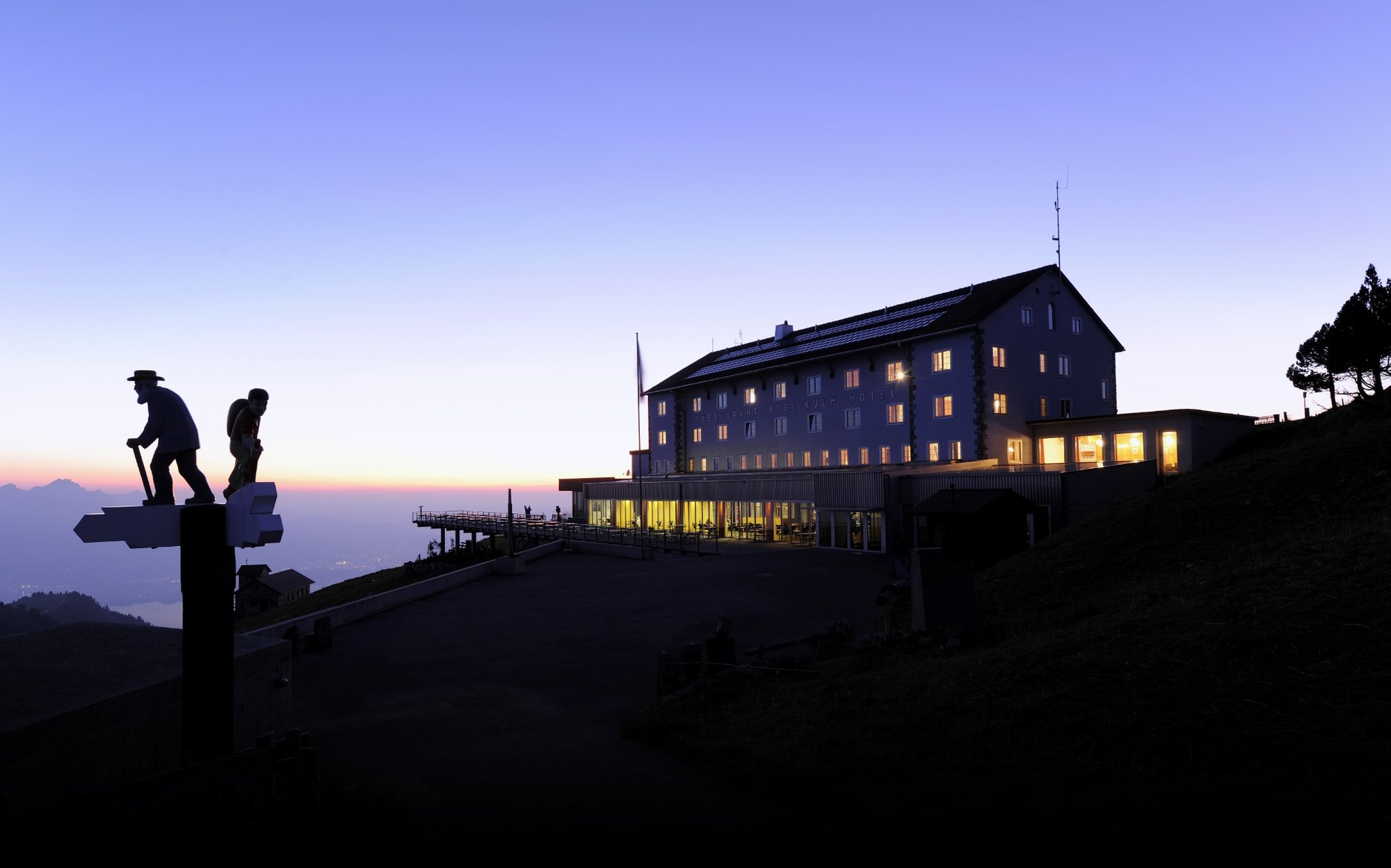
Where the Mountain Shapes the Menu
Rigi is a restaurant in Arth, Switzerland, serving Swiss Regional cuisine, with a price per person of about $45. Approach Rigi Kulm by the rack railway from Arth-Goldau or Vitznau and the ascent itself frames your expectations. The gradient is steep, the villages thin out, and by the time the summit comes into view at 1,797 metres, the logic of the place is already clear: this is not a destination you drift into. Every guest has made a deliberate choice to be here, and the dining that follows carries the same quality of intentionality. At this altitude in the Swiss interior, the question of where food comes from is not a marketing proposition, it is an operational constraint that shapes every plate.
The Rigi massif has long been a destination, and its hotels helped establish alpine hospitality on the mountain. That long hospitality tradition means the dining here is not a recent graft onto outdoor adventure infrastructure; it is the continuation of a practice refined across generations of feeding travellers who had climbed far enough to be genuinely hungry.
Altitude as a Sourcing Argument
Swiss alpine kitchens at this elevation operate within a specific geography of supply. The Rigi sits between Lake Lucerne and Lake Zug, and the agricultural land on its lower slopes, dairy pastures, orchards, smallholdings, provides the immediate larder. Rigi-Kräuter, the aromatic herbs that grow on the mountain's flanks, have been documented as a local ingredient for centuries and appear in everything from infusions to flavouring preparations. What grows at 1,000 metres on a south-facing slope tastes different from lowland equivalents; the shorter growing season concentrates flavour, and the cooler air slows plant metabolism in ways that affect texture and intensity.
This kind of altitude-specific sourcing is increasingly a differentiator across Switzerland's restaurant tier. Operations like Magdalena in Schwyz, a short distance geographically but in a different culinary register, have built recognition on alpine-vegetarian sourcing logic that treats the mountain as collaborator rather than backdrop. Further afield, Schloss Schauenstein in Fürstenau and Memories in Bad Ragaz work within the Swiss €€€€ bracket by foregrounding regional provenance as a primary value proposition. The Rigi context aligns with that broader national direction, even if its expression is shaped by elevation rather than chef-driven creative ambition.
The Summit Dining Tradition in Switzerland
High-altitude dining in Switzerland occupies a distinct category, separate from the urban fine-dining circuit anchored in cities like Basel, where Cheval Blanc by Peter Knogl operates, or Sankt Gallen, home to Einstein Gourmet. Mountain dining at the Rigi level is governed by different rhythms: a lunch service shaped by day-trippers arriving on the morning rack railway, an evening atmosphere defined by guests who have chosen to stay rather than descend. The two experiences are functionally separate, and the better approach for a serious meal is almost always to arrive late afternoon and eat after the day-visitor crowds have gone down.
Seasonal swing matters enormously here. The summit is accessible year-round, but the character of the place changes substantially by season. Winter arrivals find a snow-covered plateau with low cloud or, on clear days, a panorama across a sea of fog covering the Swiss Mittelland. Summer evenings are warmer and the light lingers past eight o'clock, making terrace dining viable through the shoulder season. Each mode has its advocates, and neither is wrong.
The broader context of Swiss mountain hospitality also includes properties like focus ATELIER in Vitznau, which sits at the base of the Rigi on the Lake Lucerne shore. The contrast between that lakeside precision and the summit's more grounded, terrain-driven approach captures something true about how Swiss dining is stratifying: technical ambition concentrated in accessible locations, while altitude venues retain a hospitality character shaped more by place than by programme.
Reading the Swiss Alpine Menu Through a Sourcing Lens
Across the Swiss alpine dining category, from La Table du Valrose in Rougemont to Mammertsberg in Freidorf, the menus that read most honestly are those that acknowledge what the season and the altitude actually make available. Cheese from Rigi-area dairies, lake fish from Lucerne and Zug, cured meats from the Schwyz valley, mushrooms foraged from the treeline: these are the building blocks of a coherent mountain menu, and they do not require a Michelin-cited kitchen to be done well. The discipline is in not overcomplicating them.
That restraint distinguishes the alpine category from the creative-Swiss tier found at places like Taverne zum Schäfli in Wigoltingen, where the creative impulse is the point, or internationally-inflected Swiss addresses like The Japanese Restaurant in Andermatt and Da Vittorio in St. Moritz, where the mountain setting is the frame around an imported culinary identity. Rigi Kulm sits in a different position: the mountain is the identity, and the food, at its leading, should make that legible on the plate.
Planning a Visit
Access is by rack railway from Arth-Goldau (served by mainline Swiss rail connections from Zurich and Lucerne) or from Vitznau on the lake shore. Both lines are covered by the Swiss Travel Pass, making the journey practical without a car. The summit village has a cluster of hotels and restaurants within a short walk of the upper station. For one considered meal, an overnight stay gives access to the evening light and the early-morning summit quiet before day visitors arrive, a meaningful difference in atmosphere from a lunchtime-only visit. Those planning a broader Swiss dining trip might use Rigi Kulm as a contrast point alongside more formally ambitious addresses. For context on the wider Swiss scene, Maison Wenger in Le Noirmont, Skin's in Lenzburg, and La Brezza in Ascona represent the range of registers Swiss dining currently spans.
Fast Comparison
Comparable venues nearby, for context on price, style, and recognition.
| Venue | Cuisine | Price | Notes |
|---|---|---|---|
| RigiThis venue — the venue you are viewing | Swiss Regional | $$$ | Not listed |
| Kreuz | Modern Swiss Regional | $$$ | old village center |
| Café de Ville | Swiss Grand Café | $$$ | Old Town Lucerne |
| Bergrestaurant @Paradise | Modern Swiss Mountain Cuisine | $$$ | Findeln |
| Rätia | Swiss Regional | $$$ | Jenins |
| Bad Eptingen | Traditional Swiss | $$$ | Eptingen |
Continue exploring
More in Rigi Kulm
Restaurants in Rigi Kulm
Browse all →

Bars in Rigi Kulm
Browse all →
At a Glance
- Scenic
- Elegant
- Classic
- Special Occasion
- Celebration
- Panoramic View
- Historic Building
- Hotel Restaurant
- Terrace
- Local Sourcing
- Mountain
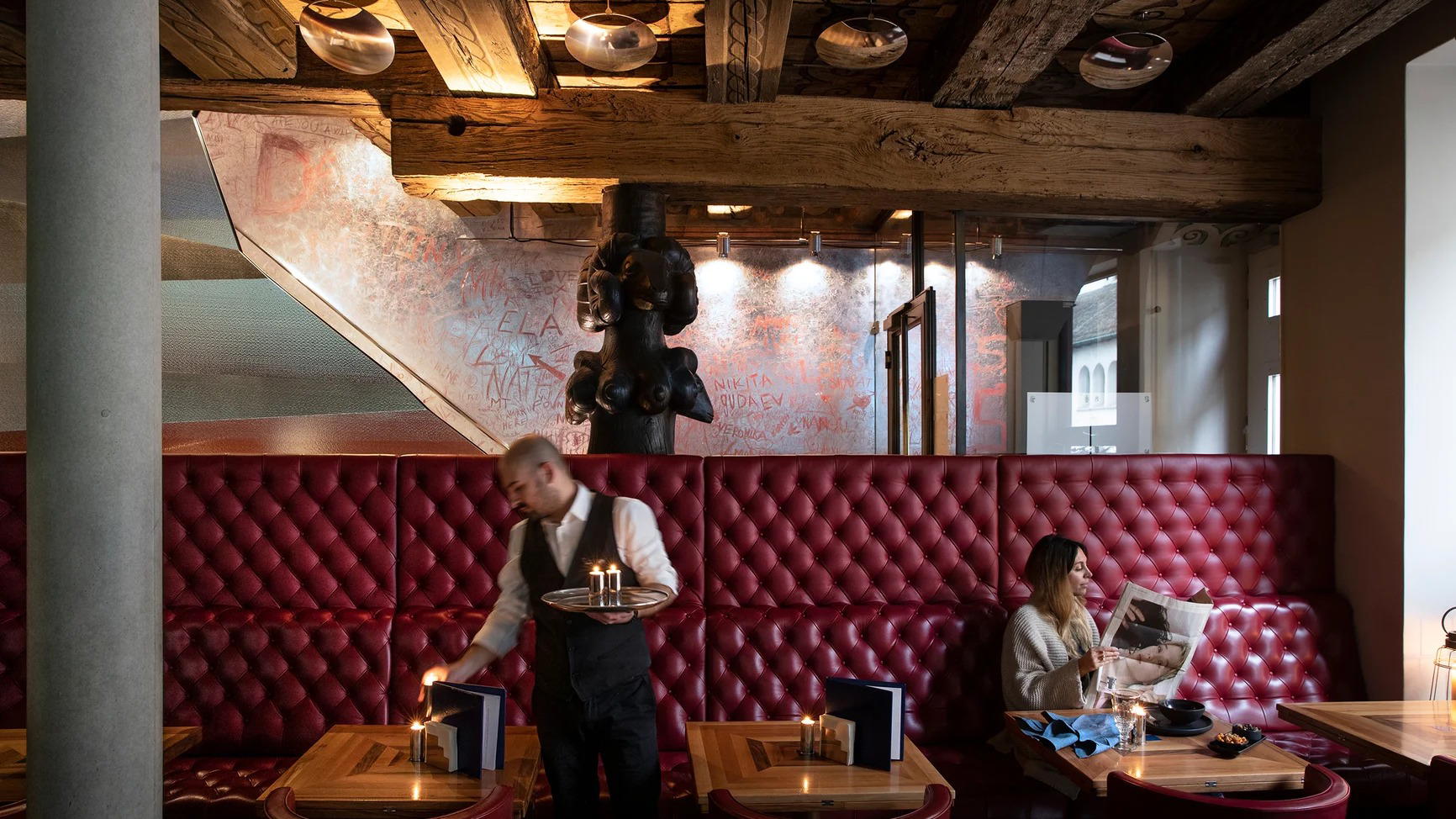
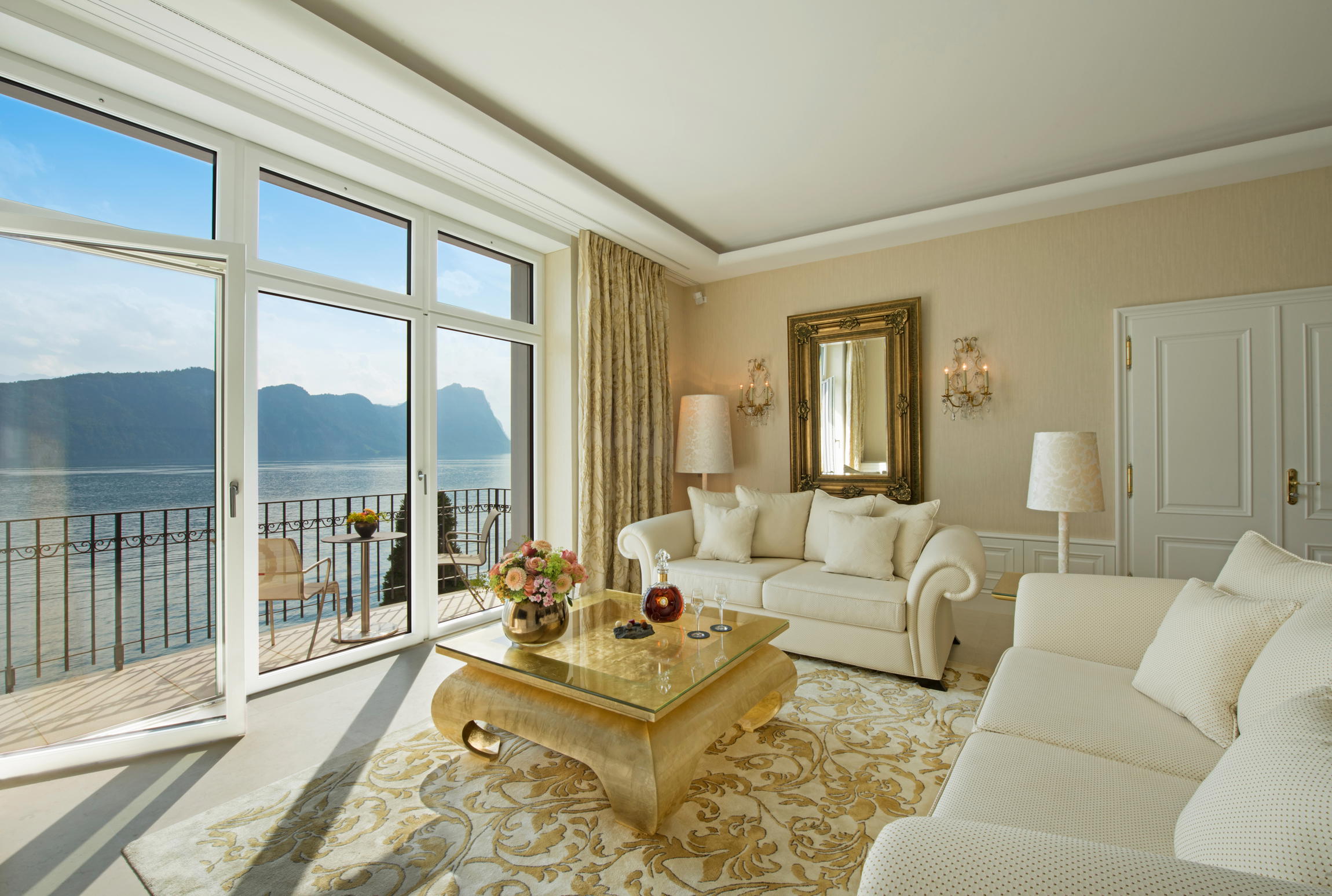
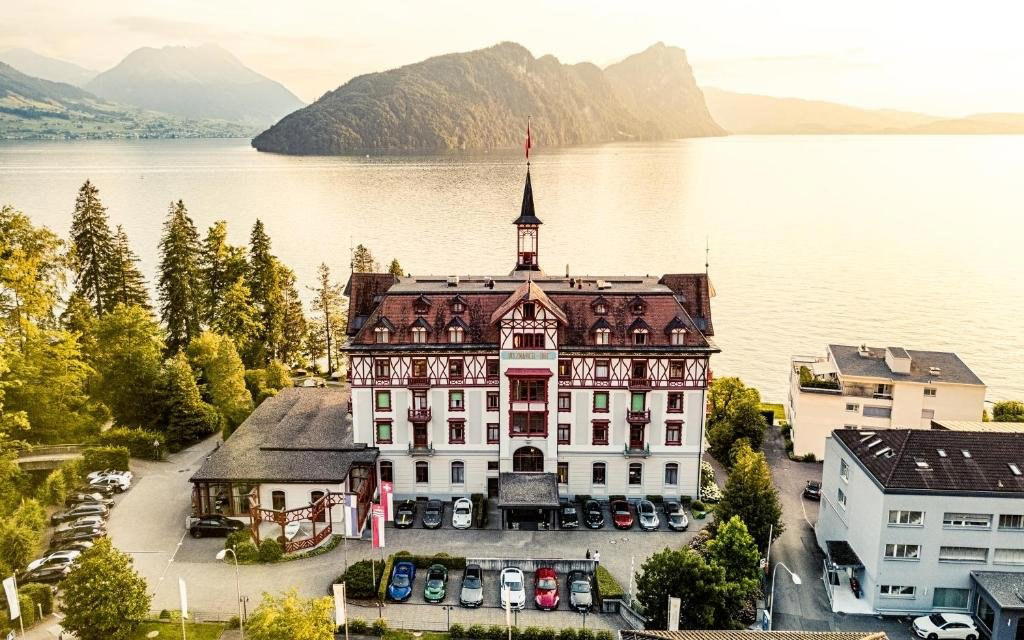
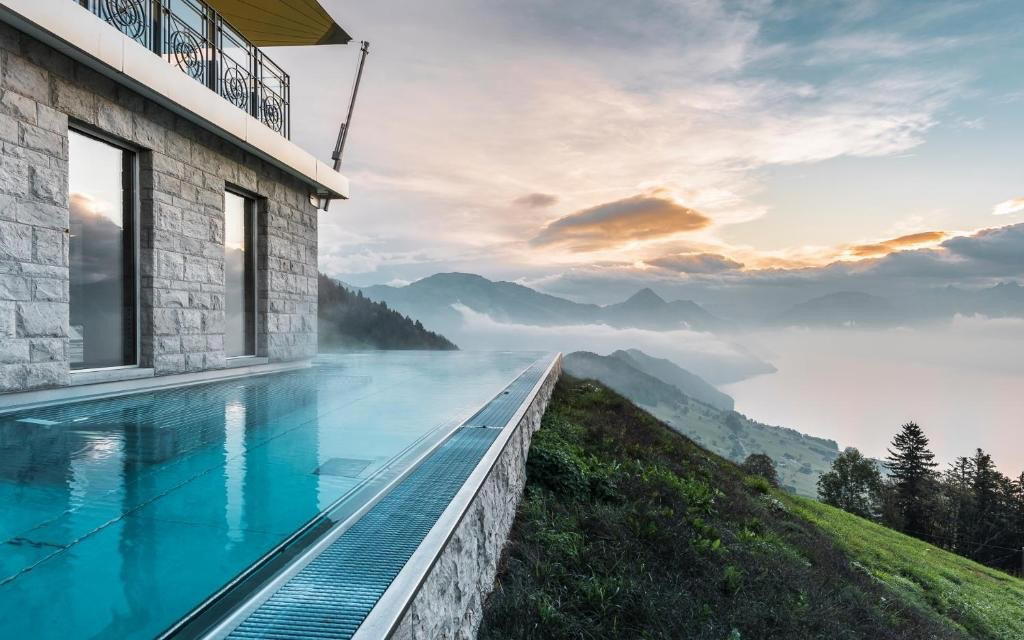
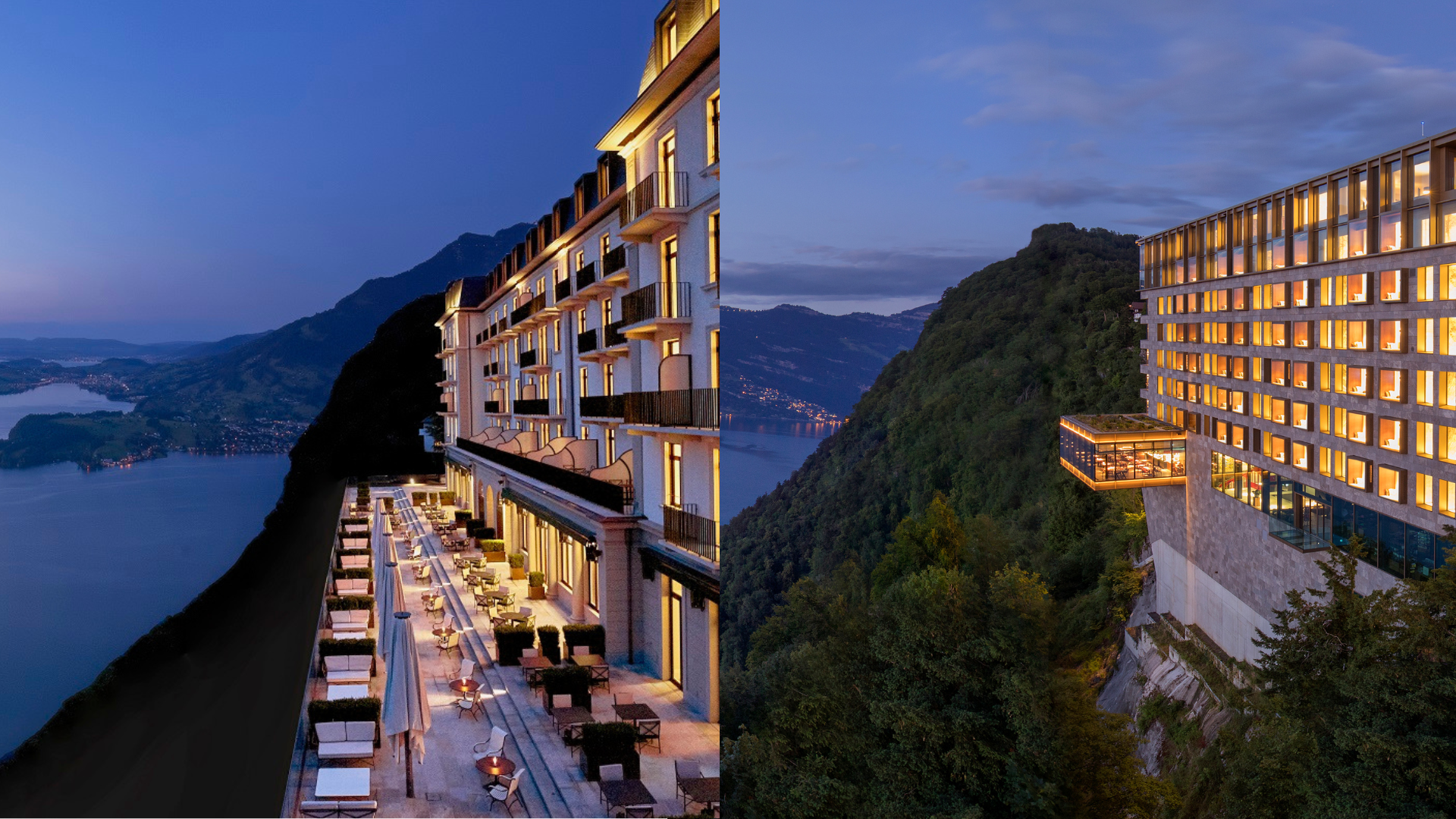
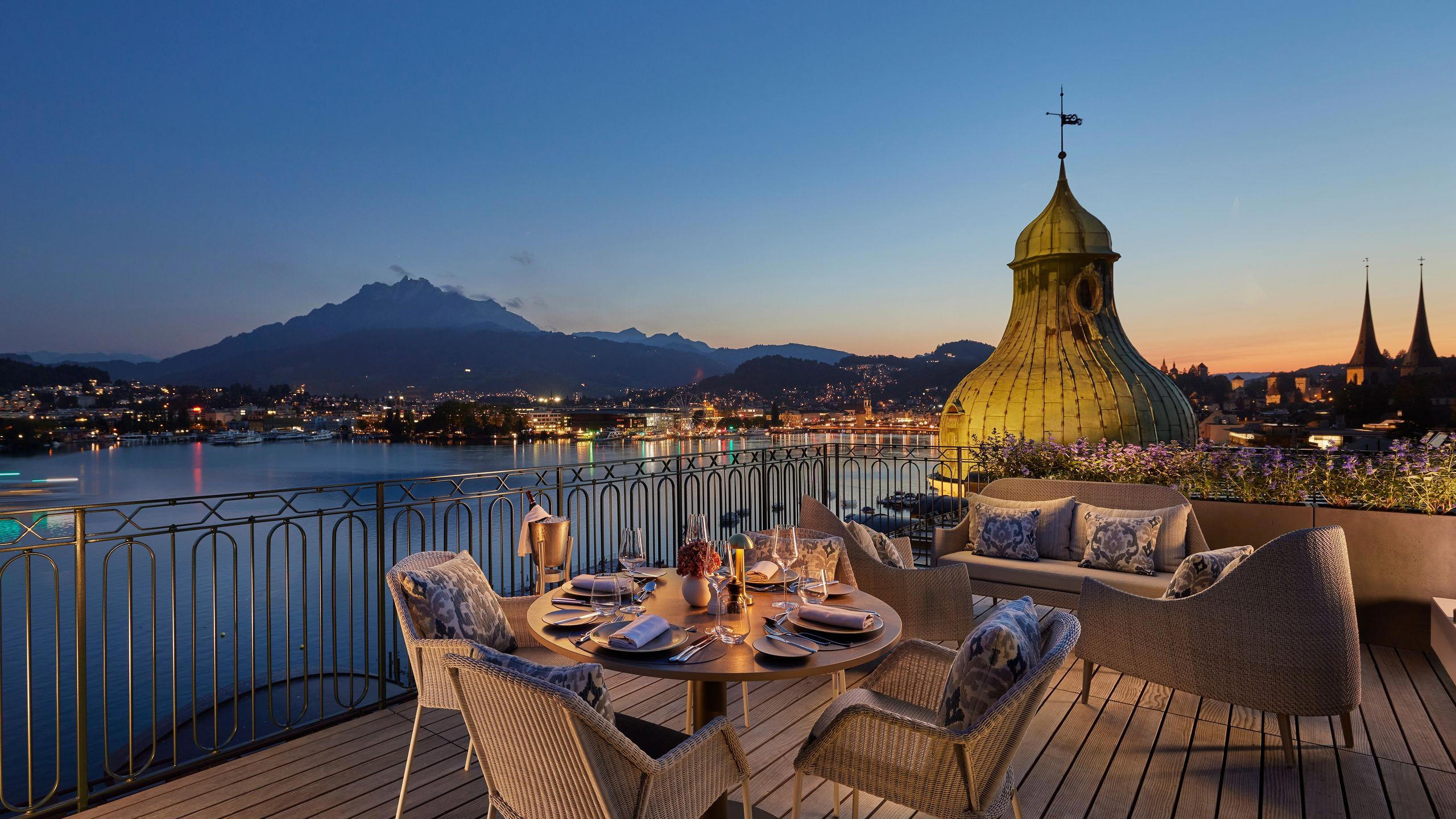
Stylish and historic with enchanting Alpine panorama views or in the Art Nouveau Kulmsaal.