Benji's Buns
On Christopher Street in the West Village, Benji's Buns occupies a corner of the neighbourhood that has long rewarded casual loyalty over reservation strategy. The menu centers on the bun as a structural argument: how a single format, applied with discipline, can anchor an entire dining experience. For West Village regulars, it reads as a neighbourhood fixture with a clear point of view.
Pearl is the En Primeur Club membership app — saves, bookings, and concierge access live there. Same editors, same standards.
- Address
- 122 Christopher St, New York, NY 10014
- Phone
- (866) 329-8740
- Website
- benjisbuns.com
- Directions
- Get directions
 Saves & bookings on Pearl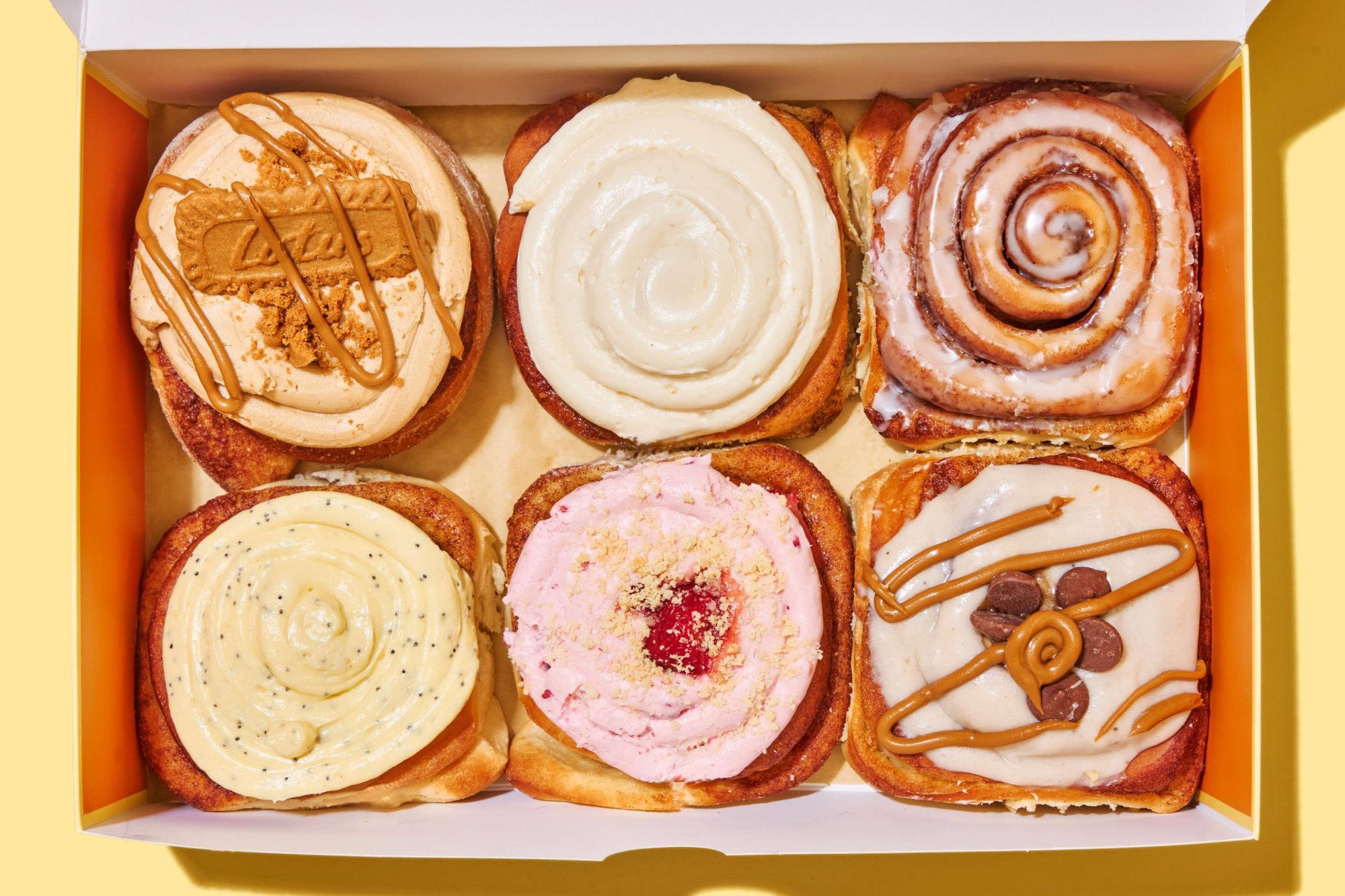
Christopher Street and the Case for Doing One Thing Well
The West Village has never needed another sprawling menu. The neighbourhood's dining character runs toward the specific: the wine bar with forty covers and a single-page list, the pasta spot that prints four shapes and rotates two, the counter that opened on a side street and hasn't changed its format in a decade because it doesn't need to. Christopher Street, in particular, has accumulated that kind of institutional calm. Benji's Buns is a restaurant in New York City at 122 Christopher St, known for gooey cinnamon rolls and casual walk-in dining. Its address tells you something before the food does.
Arriving on Christopher Street, the block reads residential first, then commercial in patches. The format at Benji's Buns is legible from the outside: this is not a restaurant that signals ambition through scale. That restraint is itself an editorial position in a city where dining rooms at the upper end, from Le Bernardin to Eleven Madison Park to Masa, communicate seriousness through spatial compression and controlled ceremony. Benji's Buns operates at a different register entirely, and the question worth asking is what its menu reveals about how that register works.
Menu Architecture: The Bun as Organizing Principle
In American casual dining, the bun is rarely treated as a serious structural element. It functions as delivery mechanism, a vehicle for protein and condiment, designed to disappear into the overall experience rather than define it. The more interesting approach, and the one that distinguishes certain operators in cities like New York, San Francisco, and Chicago, is to treat the bun as the organizing logic of the entire menu: every decision about texture, filling density, moisture level, and temperature works backward from the bread itself.
The restaurant appears to operate on this second model. The name is not incidental. Menus built around a single dominant format, whether it's the omakase counter structure at the high end or the smash-burger specialist at the casual tier, tend to be more internally coherent than menus that expand outward to accommodate every diner preference. That coherence shows up in consistency: when a kitchen repeats the same preparation dozens of times a service, the margin for error narrows. Across New York's casual dining tier, the venues that have earned sustained neighbourhood loyalty, as distinct from social-media traffic, are disproportionately the ones with that kind of focused format.
The argument is simple: a focused menu can sharpen a kitchen's execution. A tight, bun-centered menu implies a kitchen that has thought hard about sourcing, about what goes inside versus what gets left off, and about how the bread itself behaves across different fillings. That thinking, when executed consistently, is what separates a neighbourhood regular from a one-visit curiosity.
West Village Context: Where Benji's Buns Sits in the Neighbourhood Tier
New York's dining tiers are more granular than price alone suggests. The West Village contains, within a few blocks, some of the city's most expensive tasting-menu formats and some of its most durable casual counters. The two tiers rarely compete directly: a diner choosing between Per Se and a neighbourhood bun spot is not making a value comparison. They are choosing between entirely different kinds of evening.
What matters at the casual tier is a different set of criteria: reliability, neighbourhood fit, a menu that rewards return visits rather than one-time exploration. The West Village has produced durable examples of this across formats, and Christopher Street has its own micro-history of spots that outlast their initial buzz. The restaurant, positioned on that street, enters a neighbourhood conversation that has already filtered out a significant number of competitors. The ones that remain tend to have a specific answer to the question of what they are.
By comparison, the Michelin-tracked upper tier in New York, represented by venues like Atomix and the Michelin three-star cohort, operates on entirely different booking and pricing logic. That tier is not the relevant comparable set here. The relevant comparison is the casual West Village counter with a defined format, a loyal local customer base, and a menu that doesn't try to be everything. Across other American cities, equivalents exist: Lazy Bear in San Francisco demonstrates what format discipline looks like at the tasting-menu tier, while Alinea in Chicago shows it at the conceptual extreme. The restaurant operates far from either of those registers, but the underlying principle, that a menu with a clear organizing logic outperforms a menu designed by committee, applies across price points.
Seasonal Timing and When to Visit
Christopher Street and the surrounding West Village blocks see their most pleasant foot traffic in late spring and early autumn, when the neighbourhood's tree cover and low building heights make the walk between venues genuinely agreeable. Summer in the West Village tends to compress outdoor seating into the pavement space aggressively, and the neighbourhood gets crowded on weekend evenings from June through August. For a casual counter format, weekday visits during those months tend to deliver a more considered experience than Saturday evening, when the surrounding blocks absorb significant throughput from across the city.
Early autumn, roughly September through mid-November, is when the West Village operates closest to its residential character: the tourist density drops, the pace normalizes, and the neighbourhood's repeat-visitor dining culture reasserts itself.
New York City Dining Beyond Benji's Buns
Elsewhere in the United States, Emeril's in New Orleans, Providence in Los Angeles, Single Thread Farm in Healdsburg, and The French Laundry in Napa represent the upper tier of the country's dining geography. Internationally, 8 1/2 Otto e Mezzo Bombana in Hong Kong and Alain Ducasse at Louis XV in Monte Carlo anchor the European and Asian ends of the premium dining map.
Know Before You Go
- Address: 122 Christopher St, New York, NY 10014
- Neighbourhood: West Village, Manhattan
- Format: Casual counter, bun-focused menu
- Leading timing: Weekday visits; late spring or early autumn for neighbourhood character
- Booking: Walk-in friendly
- Pricing: About $15 per person
Same-City Peers
Comparable venues nearby, for context on price, style, and recognition.
| Venue | Cuisine | Price | Notes |
|---|---|---|---|
| Benji's BunsThis venue — the venue you are viewing | Gooey Cinnamon Rolls | $$ | Not listed |
| Mr. Broadway | Eclectic Kosher Diner | $$ | Midtown-Times Square |
| Park Avenue Tavern | Classic American Tavern | $$ | Midtown-Times Square |
| Brooklyn Diner USA | Classic New York Diner | $$ | Midtown-Times Square |
| Altar | Modern American Small Plates & Cocktails | $$ | Crown Heights (North) |
| Lunchbox | American Burgers & Sandwiches | $$ | Westerleigh-Castleton Corners |
Continue exploring
More in New York City
Restaurants in New York City
Browse all →

Bars in New York City
Browse all →
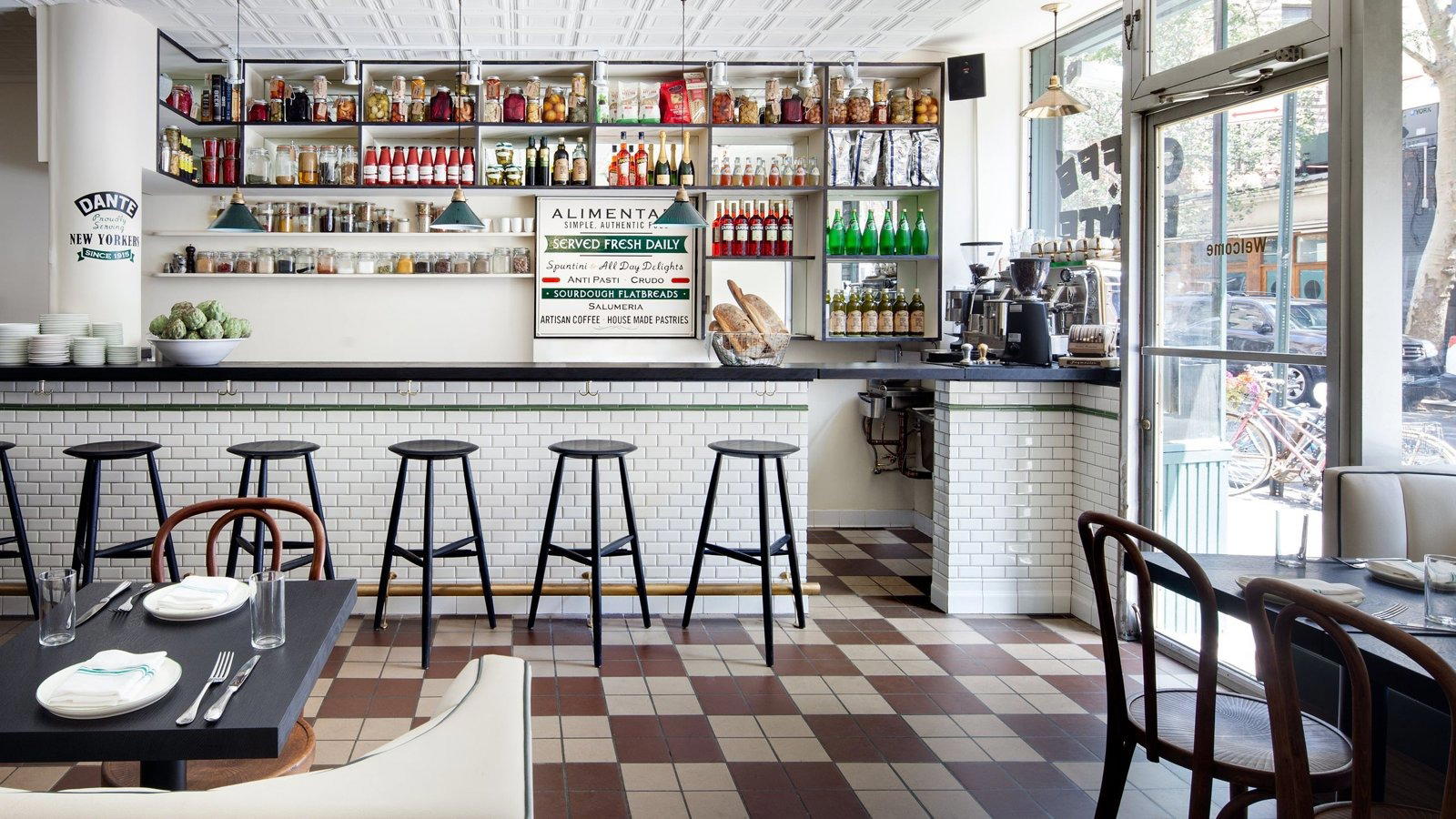
Hotels in New York City
Browse all →


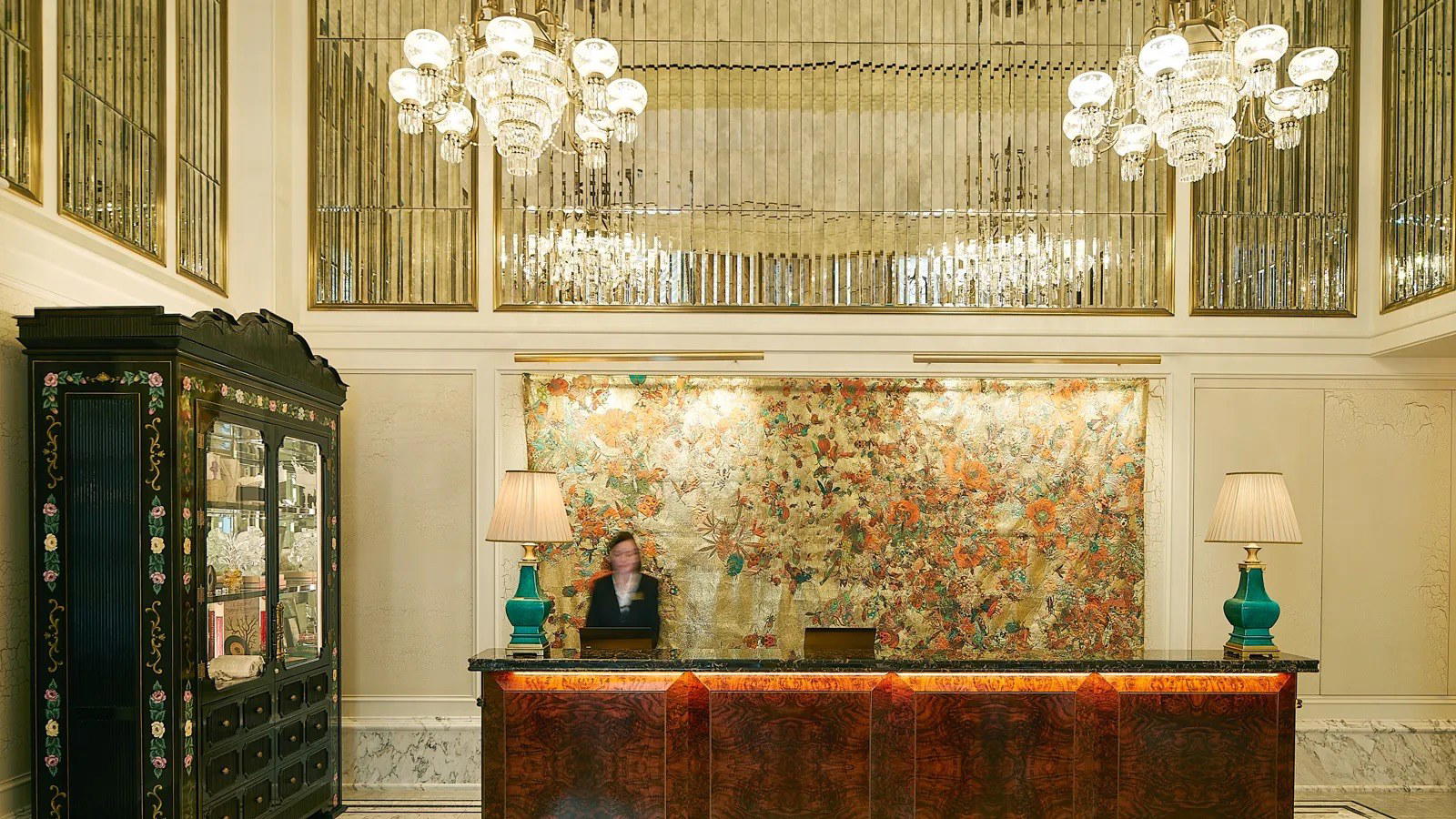






At a Glance
- Cozy
- Trendy
- Casual Hangout
- Brunch
Current opening hours
- Monday
- 11 AM–10 PM
- Tuesday
- 11 AM–10 PM
- Wednesday
- 11 AM–10 PM
- Thursday
- 11 AM–12 AM
- Friday
- 11 AM–12 AM
- Saturday
- 10 AM–12 AM
- Sunday
- 10 AM–12 AM
Hours can change for holidays and private events. Last verified .
Bright all-yellow interior with a welcoming, happy atmosphere focused on rich, warm pastries.