Bell´s Steakhouse & Burgers in Aschheim serves American steakhouse and burgers with dry aged ribeye and burgers, plus an open kitchen and local sourcing for dinner.
Pearl is the En Primeur Club membership app — saves, bookings, and concierge access live there. Same editors, same standards.
- Address
- Erdinger Str. 7, 85609 Aschheim, Germany
- Phone
- +498962244123
- Website
- mybells.de
- Directions
- Get directions
 Saves & bookings on Pearl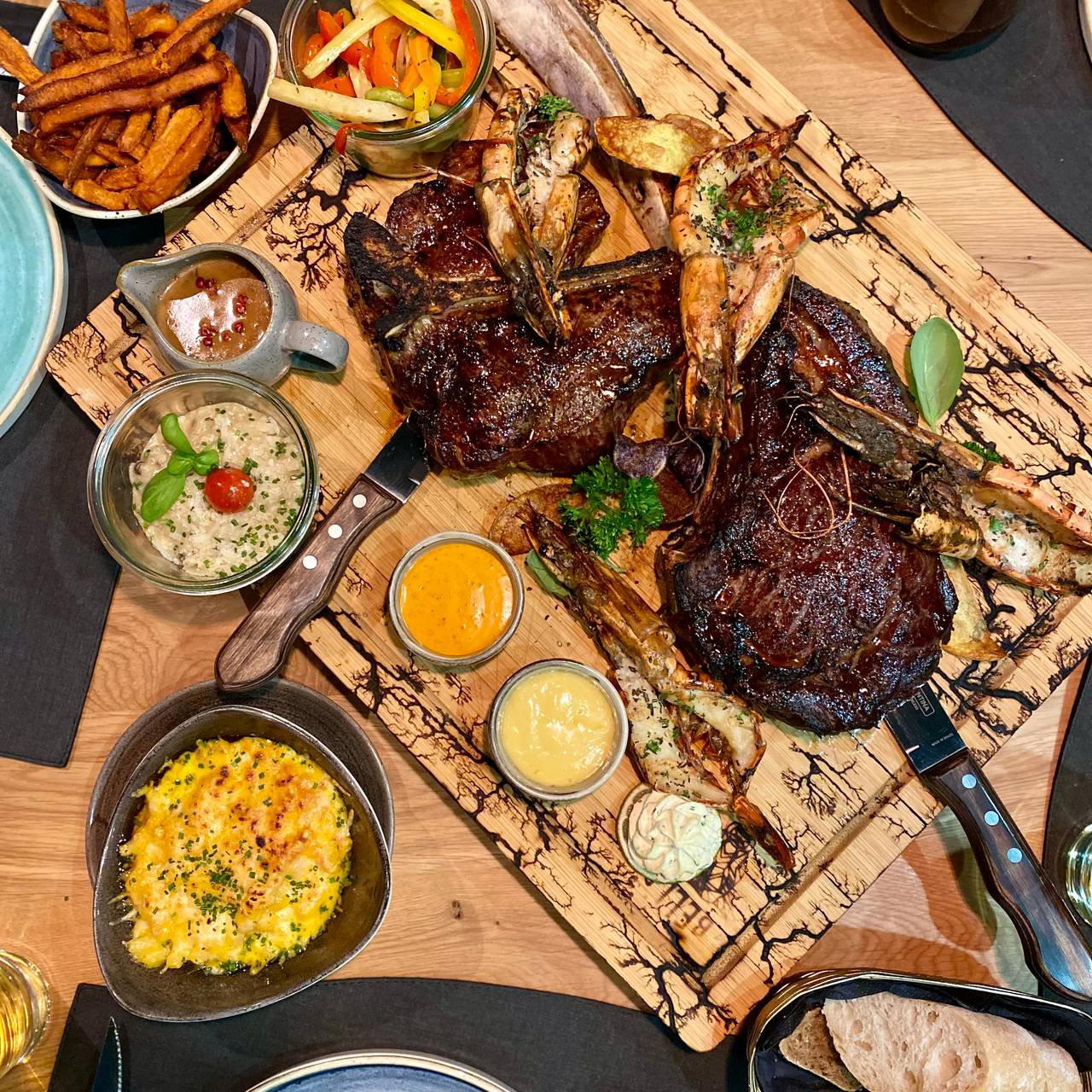
Steakhouse Culture in the Munich Suburban Belt
The stretch of municipalities east of Munich, running out toward the airport corridor, does not figure prominently in Germany's dining conversation. That conversation is dominated by the rooms of central Munich, places like JAN in Munich, where tasting menus and wine pairings are the primary offering. But the suburban towns along this axis, Aschheim among them, have their own dining character: direct, format-driven, and oriented around one or two things done consistently well. The steakhouse format sits comfortably in that tradition. Across Germany, the steakhouse category has matured from the American-import novelty of the 1990s into a more considered format, with sourcing conversations, cut selection, and dry-aging programs now as standard in credible operations as they are in any fine-dining kitchen.
Where Sourcing Becomes the Argument
Germany's meat culture has long prioritised provenance. The country's butchery tradition, Metzgerei, operates on regional supply logic, and the better end of the steakhouse category has absorbed that discipline. What distinguishes the more credible operations from the generic grill chains is not ambience or branding but the willingness to name the farm, the breed, or the region behind the cut on the plate. Bavarian producers, Black Forest operations, and imported selections from Ireland, the US, or Japan have all entered the repertoire of serious German steakhouses over the past decade, with each origin carrying a different fat marbling profile, aging potential, and price point.
Bell's Steakhouse and Burgers, on Erdinger Strasse in Aschheim, operates in this context. The address places it in a commercial corridor rather than a destination dining quarter, which is typical for this category in suburban Bavaria. Steakhouses in this tier rarely need a prestigious postcode to build a following; they need consistency, a clear cut roster, and pricing that matches the local market. That combination tends to draw a repeat clientele rather than first-time visitors chasing novelty. For anyone approaching from Munich, Aschheim sits a short drive northeast of the city boundary, making it accessible from the eastern suburbs and the airport motorway without the parking complications of central Munich.
The Burger Format Within the Steakhouse Category
The pairing of steakhouse and burger menu under one roof reflects a shift that has consolidated across the German market over the past five years. Premium burger formats, using the same sourcing logic as steak programs, have moved from standalone concepts into steakhouse menus as a lower entry-point option that still demonstrates kitchen commitment to ingredient quality. The burger in this context is not a concession to casual dining; it is a test of the same grinding, seasoning, and sourcing decisions that define the steak program. A kitchen confident in its beef supply tends to produce a burger worth ordering. The two formats share supply chains, and that alignment matters to how the burger reads on the plate.
This dynamic is visible at the high end of the European market too. Contrast the pure tasting-menu format of places like Schwarzwaldstube in Baiersbronn or Aqua in Wolfsburg, where sourcing is expressed through composed dishes across a long sequence of courses, with the steakhouse model, where sourcing is concentrated into a single protein and its preparation. The steakhouse argument is a more compressed one: the cut, the aging, the temperature, and the resting time carry the entire editorial weight. There is less room to pivot if the sourcing is weak.
Aschheim in the Broader Bavarian Dining Picture
Bavaria's dining identity runs along two parallel tracks. One is the Michelin-facing track, represented by rooms like ES:SENZ in Grassau and Schanz in Piesport in the broader German region, where precision and seasonal produce define the offer. The other is the everyday Bavarian track, built around meat, bread, and beer, with less performative presentation and more emphasis on volume and value. The steakhouse format occupies a middle position between those two tracks. It prices above the traditional Wirtshaus but below the fine-dining tier, and it draws on the same Bavarian appetite for quality meat without requiring the formality of a tasting-menu room.
That middle position is commercially sensible in a suburban location. Aschheim's resident and working population is not primarily seeking tasting menus; it is seeking reliable, high-quality options that do not require a reservation months in advance or a jacket at the door. The steakhouse answers that demand more directly than most formats. For comparison, the formal tier of German dining, represented by venues like Vendôme in Bergisch Gladbach, Victor's Fine Dining by Christian Bau in Perl, or Waldhotel Sonnora in Dreis, operates on a completely different visitor logic, with destination-driven travel and long booking horizons. The suburban steakhouse format inverts that model: accessibility and regularity over occasion and rarity. Further afield, the same tension between accessible and destination dining plays out in city-level formats like Lazy Bear in San Francisco or Le Bernardin in New York City. Bell's operates on a reservation-recommended basis.
Planning a Visit
Bell's Steakhouse and Burgers is located at Erdinger Strasse 7, 85609 Aschheim. The address is in the commercial zone of the town, practical for anyone driving in from Munich's eastern suburbs or the airport direction. The restaurant is open Tuesday through Sunday from 5 to 11 PM and is closed on Monday. The dress code is smart casual.
Germany's wider dining scene, from the creative dessert focus of CODA Dessert Dining in Berlin to the classic French rigour of Restaurant Haerlin in Hamburg and the wine-focused rooms at L.A. Jordan in Deidesheim and Bagatelle in Trier, confirms that the country's appetite for format diversity is strong. The steakhouse occupies its own clear lane within that diversity, and Aschheim's position in the airport-adjacent suburban belt makes it a format that serves a practical function the city centre cannot always offer: reliable, protein-led dining without the friction of urban parking or formal booking systems. GästeHaus Klaus Erfort in Saarbrücken and Ösch Noir in Donaueschingen represent the formal end of the German dining spectrum, and sitting that context alongside a suburban steakhouse is a useful reminder that Germany's dining range runs wider than its Michelin tally suggests.
Quick Comparison
Comparable venues nearby, for context on price, style, and recognition.
| Venue | Cuisine | Price | Notes |
|---|---|---|---|
| Bell´s Steakhouse & BurgersThis venue — the venue you are viewing | American Steakhouse & Burgers | $$$ | Not listed |
| Restaurant Greens | Casual Global, International & German | $$ | Aschheim |
| Sökmen Kebap | Turkish Fast Food | $ | Aschheim |
| Beef Room 61 | Modern Steakhouse Grill | $$$ | Schwabing |
| Grill im Künstlerhaus | Premium Grilled Steaks & Seafood | $$$ | Isarvorstadt |
| The LOUIS Grillroom | Premium Grill & Steakhouse | $$$$ | Altstadt |

At a Glance
- Lively
- Energetic
- Date Night
- Group Dining
- Special Occasion
- Open Kitchen
- Local Sourcing
Current opening hours
- Monday
- Closed
- Tuesday
- 5–11 PM
- Wednesday
- 5–11 PM
- Thursday
- 5–11 PM
- Friday
- 5–11 PM
- Saturday
- 5–11 PM
- Sunday
- 5–11 PM
Hours can change for holidays and private events. Last verified .
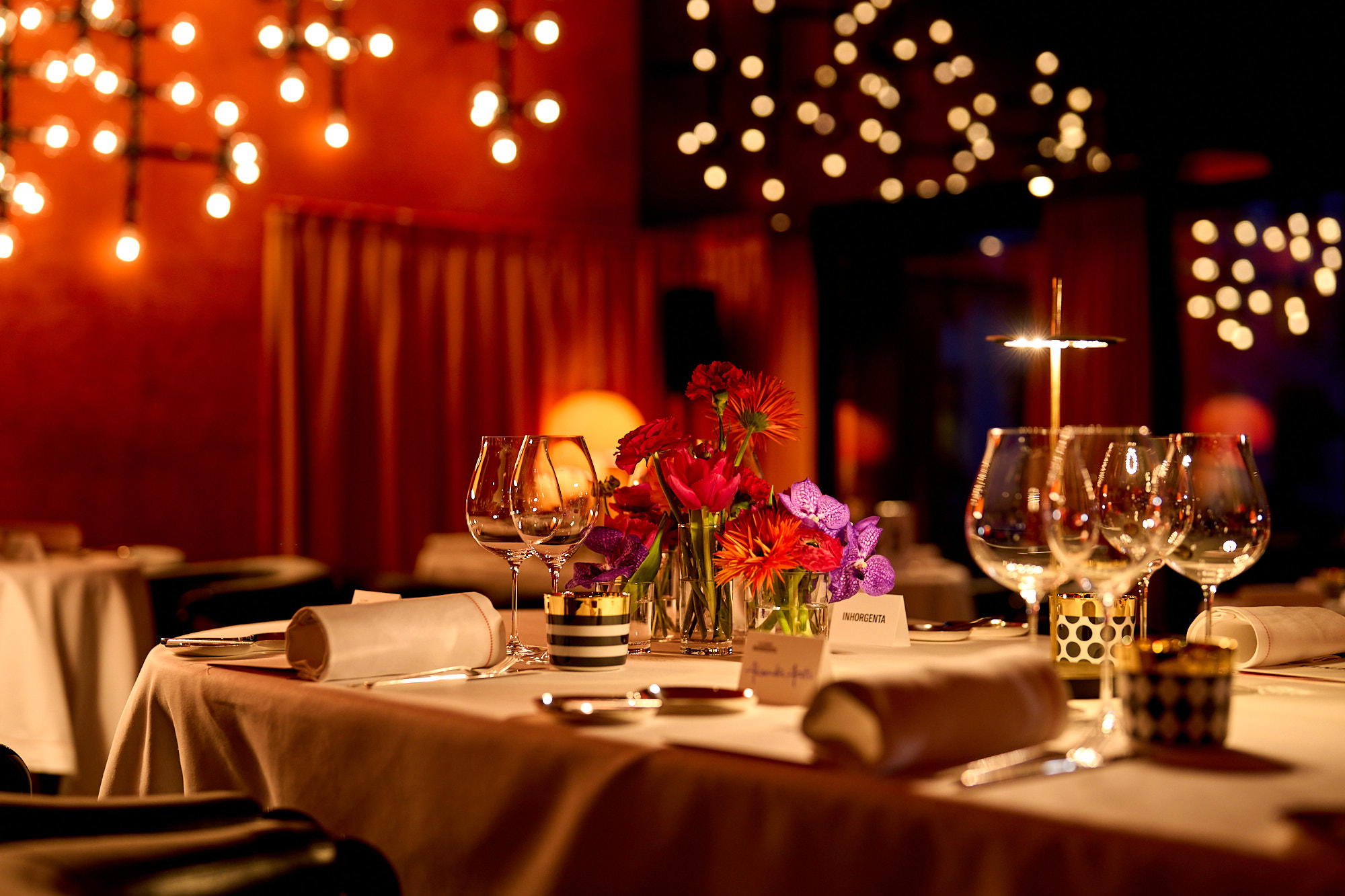
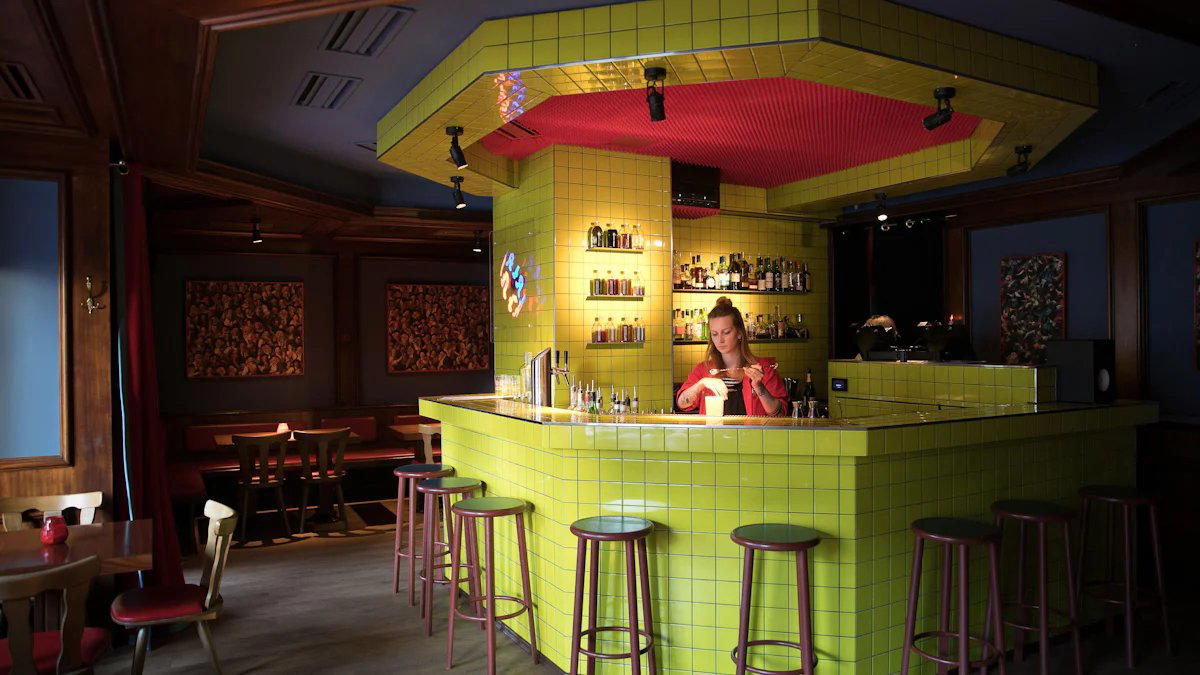
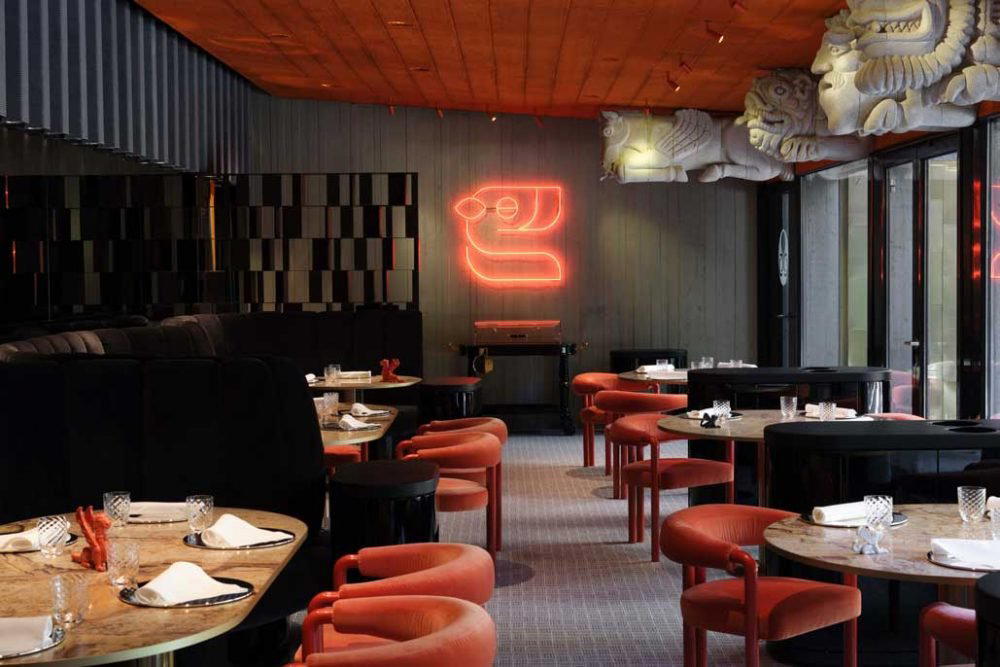
Energetic steakhouse atmosphere with great mood, friendly staff, and a memorable American-style dining experience.