Bell at Skenfrith

The Bell at Skenfrith sits in the Monnow Valley on the Welsh-English border, delivering classic cuisine with a 2025 Michelin Plate to its name. It occupies a tier of rural British dining where provenance and locality carry more weight than urban spectacle, making it a serious destination for those travelling through Monmouthshire.
Pearl is the En Primeur Club membership app — saves, bookings, and concierge access live there. Same editors, same standards.
- Address
- skenfrith NP7 8UH, United Kingdom
- Phone
- +44 1600 750235
- Website
- thebellatskenfrith.co.uk
- Directions
- Get directions
 Saves & bookings on Pearl
Where the Monnow Valley Sets the Menu
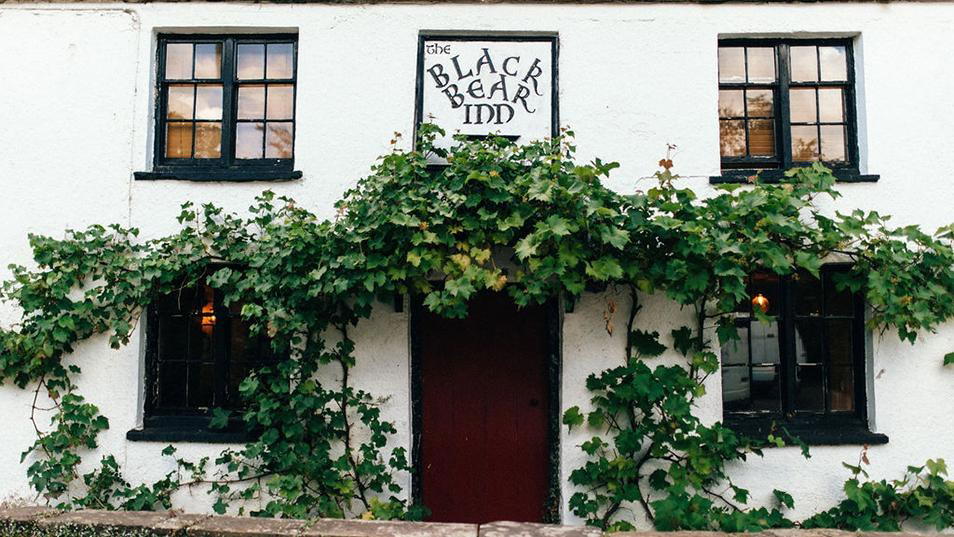
The Monnow Valley has a particular relationship with food that most urban diners never encounter. Here, on the Welsh-English border where Monmouthshire tilts into Herefordshire, the agricultural calendar still dictates what arrives on the plate. The surrounding land is cattle and sheep country, the river valleys produce soft fruit, and the proximity to the Brecon Beacons means game is never far from the sourcing conversation. Bell at Skenfrith operates within this geography rather than despite it. The building itself signals this immediately: stone walls, a low-slung profile, and a position in the village of Skenfrith that places it squarely inside the working landscape rather than at a remove from it. Approaching from any direction, the countryside has already told you what to expect at the table.
Classic Cuisine in a Provenance-Led Region
British classic cuisine at this price point (£££) is a category that rewards proximity to good raw materials above almost anything else. The techniques are established, the vocabulary is familiar, and so the differentiator becomes consistency of sourcing and the confidence to let ingredients carry the work. This is a different competitive logic from high-concept restaurants in London or the larger British destination properties. CORE by Clare Smyth in London operates at ££££ with three Michelin stars and a different structural ambition entirely. The Fat Duck in Bray and L'Enclume in Cartmel similarly occupy a tier defined by technical transformation rather than material directness. Its 2025 Michelin Plate places it in a coherent category: the rural British dining room where the region is the larder.
That positioning connects it more naturally to properties like Gidleigh Park in Chagford or Moor Hall in Aughton, both of which operate where strong agricultural hinterlands make provenance a structural feature of the menu rather than a marketing claim. The classic cuisine framing at the Bell means French-influenced technique applied to British materials, a format that has a long track record in the Welsh Borders precisely because the raw ingredients justify it.
The Sourcing Argument for the Welsh Borders
Monmouthshire's food geography is genuinely useful here. The county sits at the convergence of Welsh pastoral farming and English market-garden tradition, with the Usk and Monnow rivers providing the soft, humid conditions that favour quality grass-fed beef and lamb. Abergavenny, twenty minutes from Skenfrith, hosts one of Britain's most documented food festivals and has functioned for decades as a node connecting Welsh producers with restaurant buyers. That supply infrastructure matters for a kitchen operating at Michelin Plate level in a village setting: the distribution networks that have developed around the Welsh Borders food scene give a rural kitchen access to materials that would have required urban proximity a generation ago.
Classic cuisine in this context means the kitchen is working with established technique, not reinventing it. The value to the diner is that the sourcing quality becomes audible in the cooking: a well-sourced piece of Welsh Black beef handled classically will demonstrate its provenance more clearly than the same cut processed through elaborate technique. Restaurants operating in this mode, and the Hand and Flowers in Marlow is another useful reference point, tend to earn their recognition through that clarity rather than through conceptual novelty.
What the Michelin Plate Signals
The 2025 Michelin Plate is a specific and measurable claim. It sits below star recognition but above the guide's general population of listed restaurants, indicating that inspectors found cooking of consistent quality and intention. For a village inn in Monmouthshire, this is a meaningful signal: it confirms the kitchen is operating with discipline, not coasting on the appeal of the setting or the relative lack of direct local competition.
For comparison, restaurants in the same classic cuisine register at higher price tiers, Le Manoir aux Quat' Saisons in Great Milton, Restaurant Andrew Fairlie in Auchterarder, carry Michelin star recognition and price accordingly. The Bell operates at a register below that ceiling, which is precisely its editorial interest: Michelin-recognised cooking at £££ in a rural Welsh border setting is a value proposition that urban equivalents at the same award level cannot replicate. hide and fox in Saltwood and Midsummer House in Cambridge each demonstrate how the same classic-to-contemporary British register plays out in different geographic and price contexts.
Planning a Visit
Skenfrith is not a destination you arrive at by accident. The village sits in the Monnow Valley approximately twelve miles from Abergavenny and is reached most easily by car from the A465 corridor. That remoteness is a feature rather than a liability: the journey through the valley is part of the context for what the kitchen is doing. Given the Michelin Plate recognition and the review volume, booking ahead is advisable, particularly on weekends and during the summer months when the Welsh Borders attract significant leisure traffic. The £££ price range positions the Bell at a point where it functions as a considered meal destination rather than a casual drop-in, which means most visitors are arriving with intention.
The classic cuisine category travels well beyond Britain too: KOMU in Munich and Maison Rostang in Paris represent how the same broad tradition plays out in Continental European contexts, useful reference points for placing the Bell's approach within the longer arc of the format. Closer to home, Opheem in Birmingham demonstrates how Michelin recognition functions across different registers and cuisine types within the British Midlands corridor that feeds visitors to the Welsh Borders.
Fast Comparison
Comparable venues nearby, for context on price, style, and recognition.
| Venue | Cuisine | Price | Awards | Notes |
|---|---|---|---|---|
| Bell at SkenfrithThis venue — the venue you are viewing | Modern British Gastropub | $$$ | Michelin Plate | Not listed |
| Carters of Moseley | Modern British Fine Dining | $$$ | Not listed | Moseley |
| Greyhound on the Test | Modern British Gastropub | $$$ | Michelin Plate | Stockbridge |
| The Baiting House | Modern British Gastropub | $$$ | Michelin Plate | Upper Sapey |
| The Bower House | Modern British Fine Dining | $$$ | Michelin Plate | Shipston-on-Stour town centre |
| Salty Monk | Modern British Gastropub | $$$ | Michelin Plate | Sidmouth |
Recognition history
Dated appearances from independent guides and award organizations, with the underlying list record or original source where available.
Michelin Plate
Michelin
Continue exploring
More in Skenfrith
Restaurants in Skenfrith
Browse all →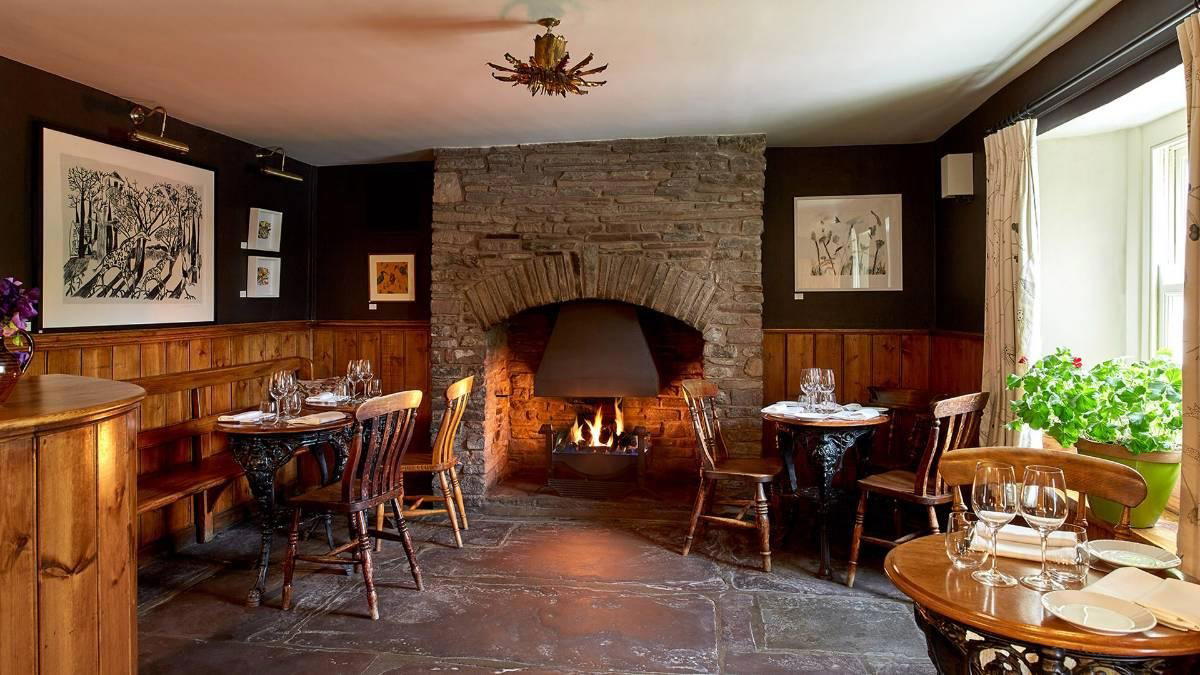
Bars in Skenfrith
Browse all →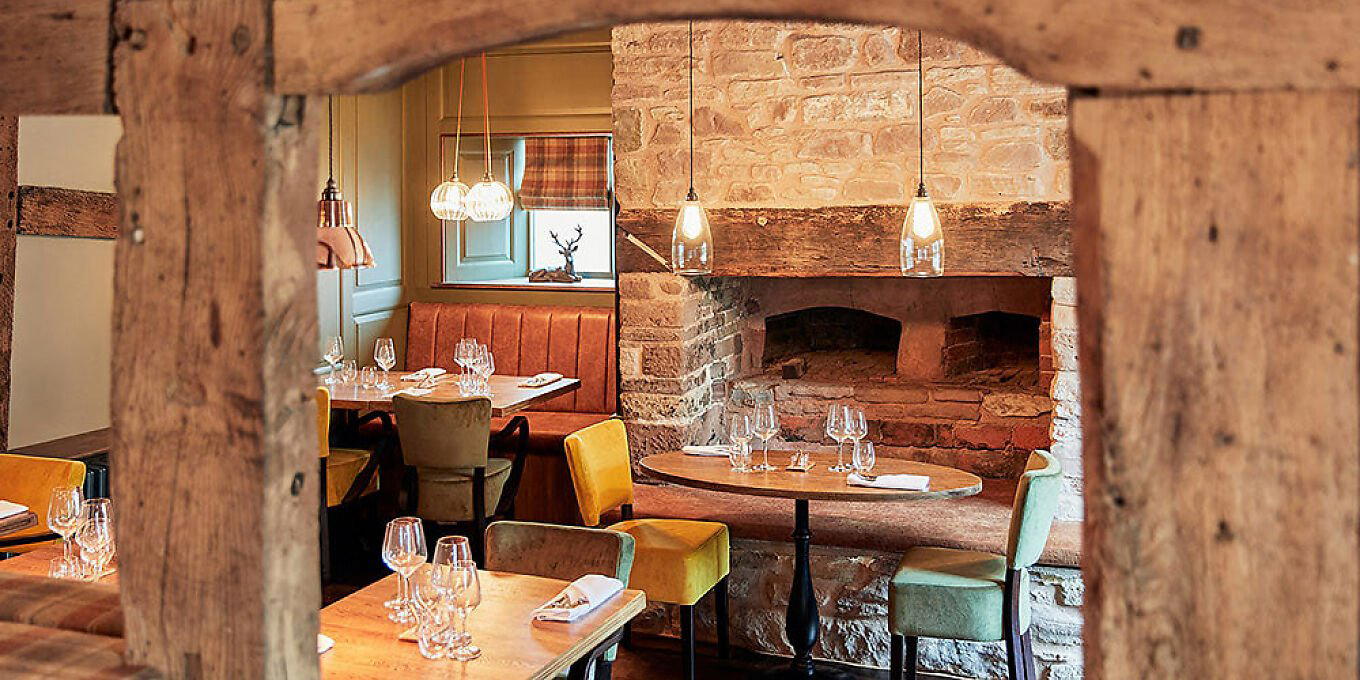

At a Glance
- Cozy
- Rustic
- Elegant
- Scenic
- Date Night
- Special Occasion
- Historic Building
- Garden
- Extensive Wine List
- Farm To Table
- Local Sourcing
- Organic
- Garden
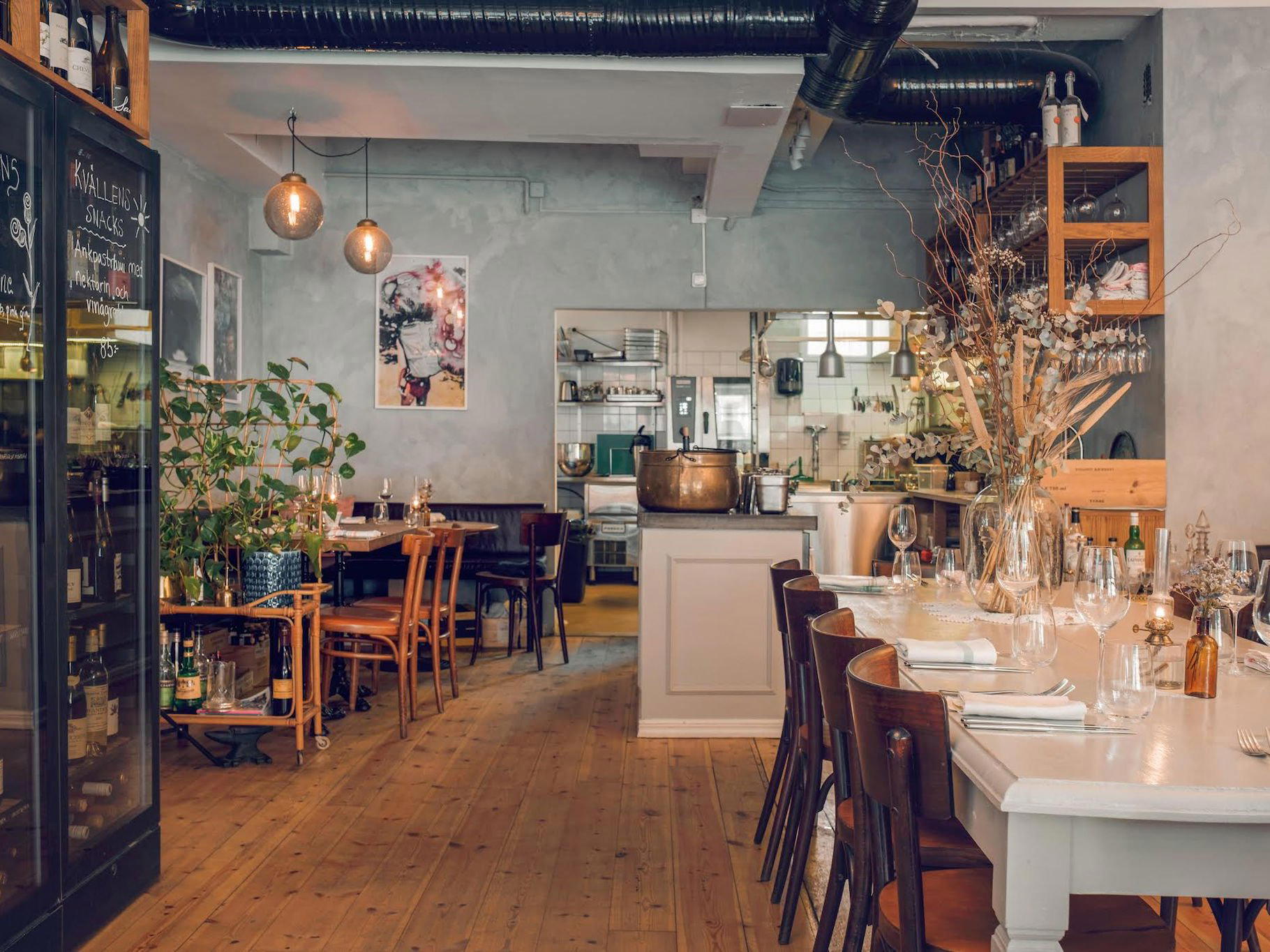
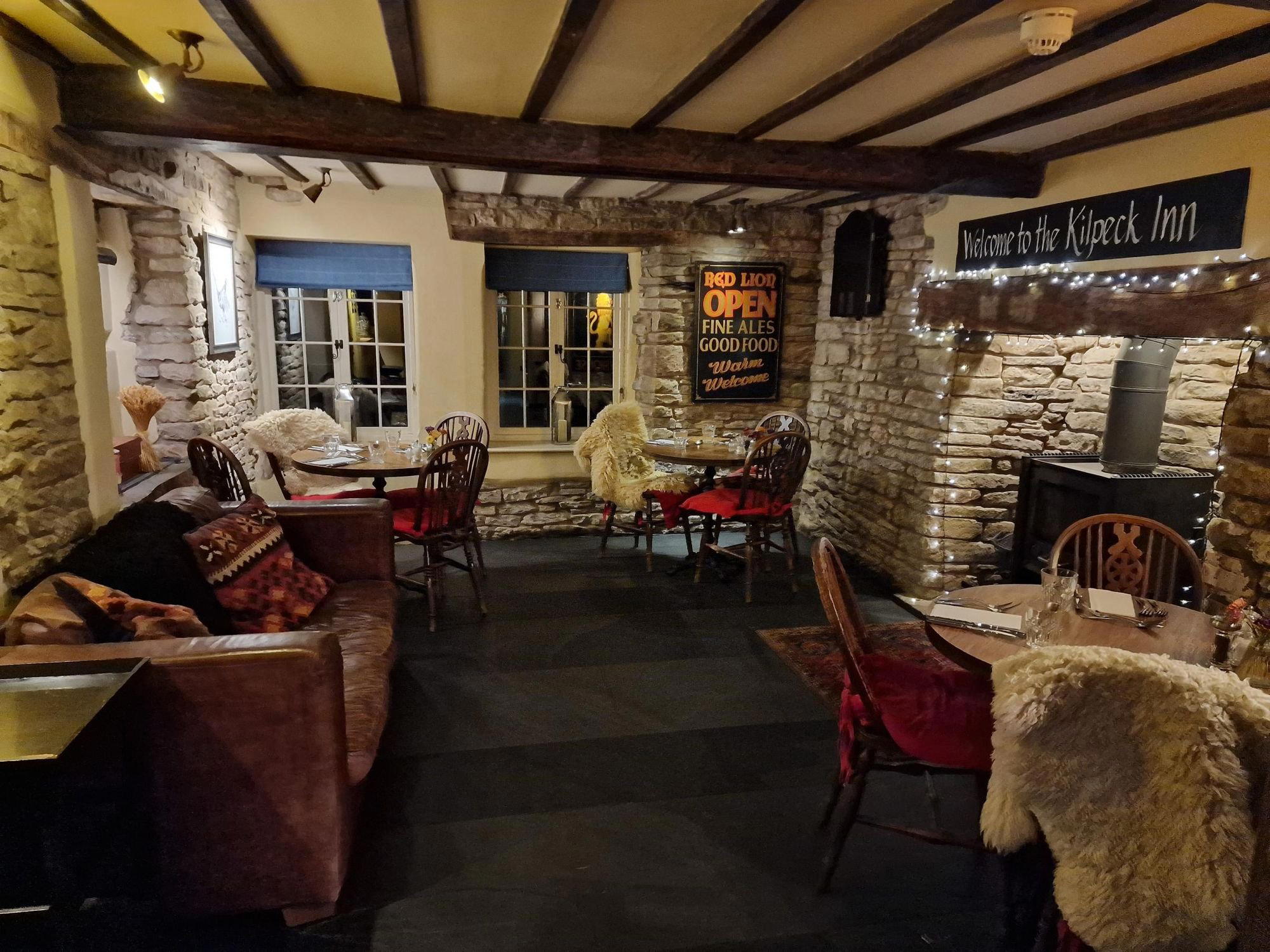
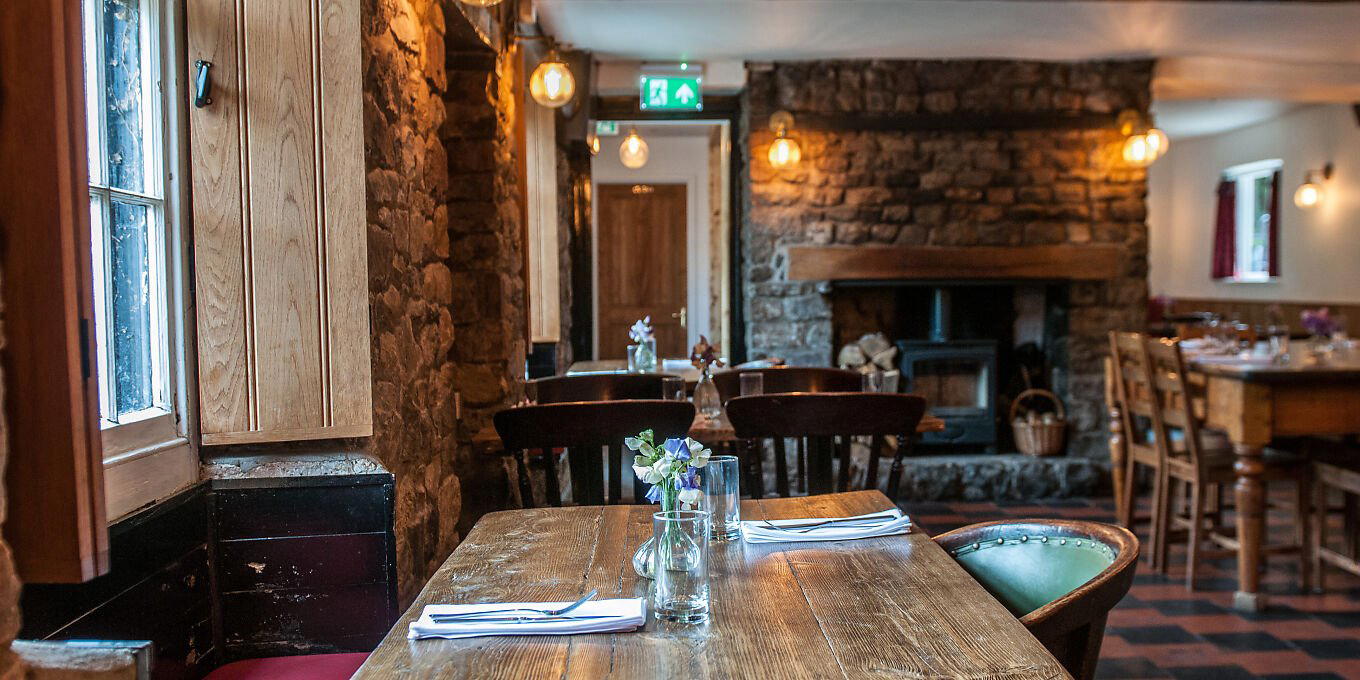
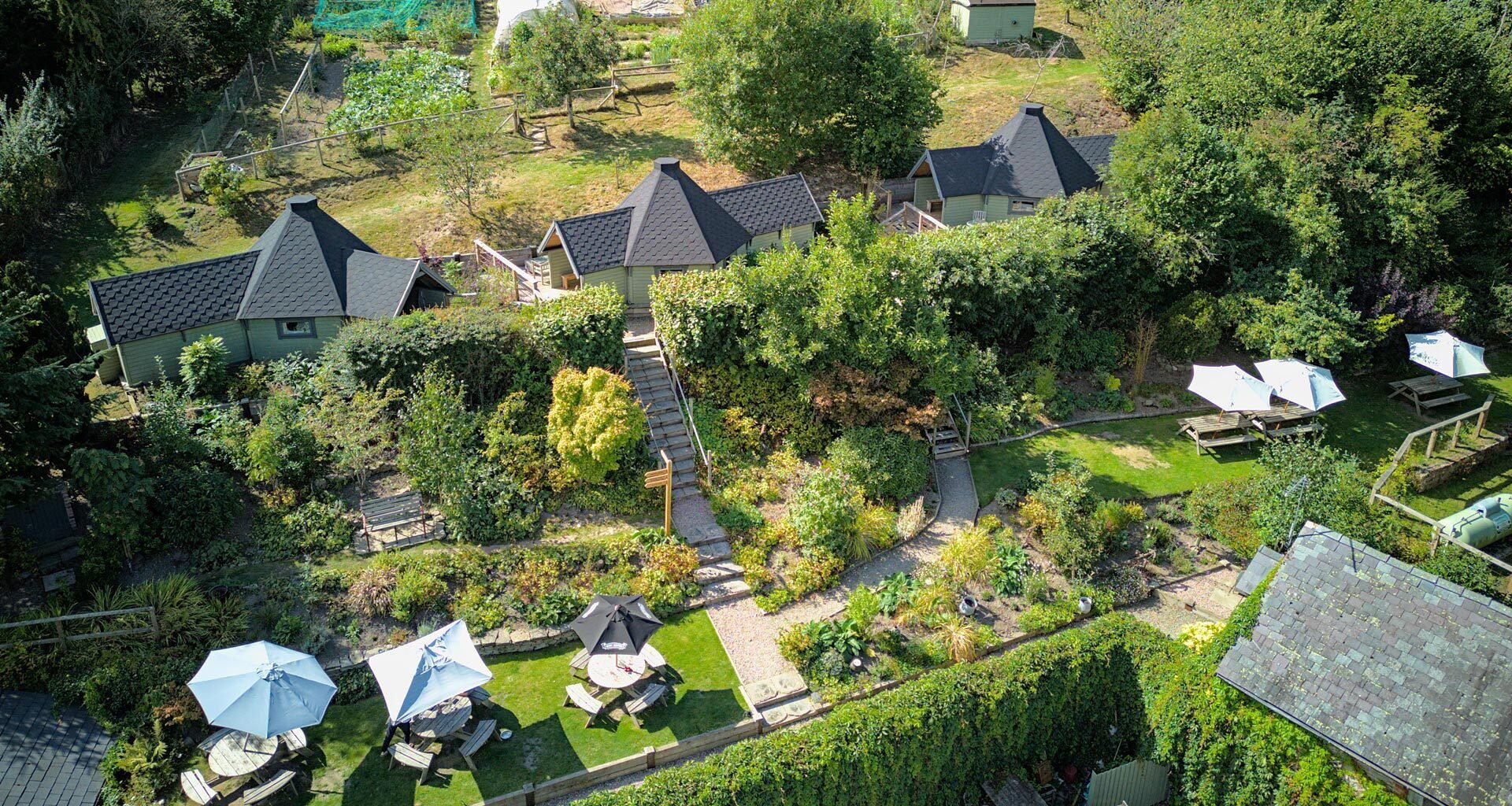
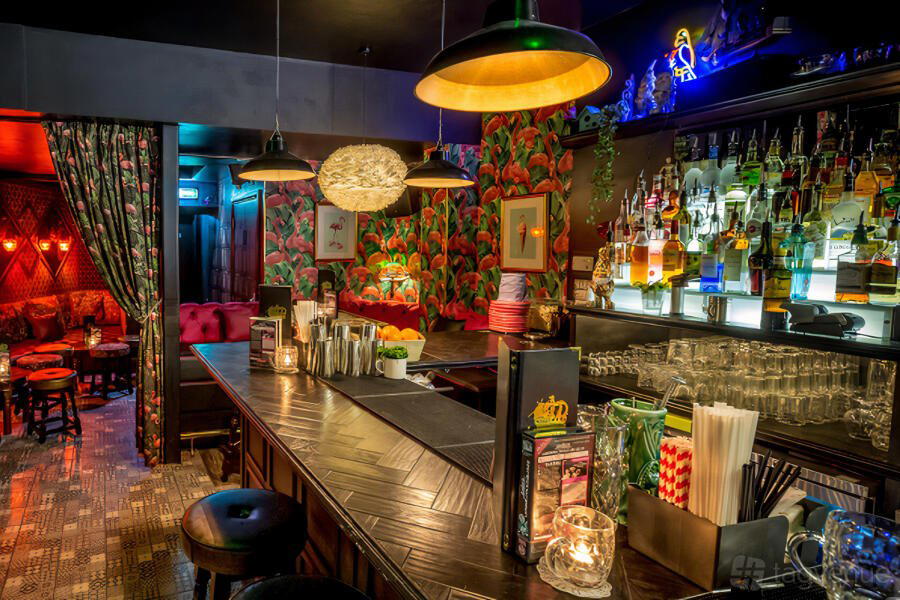
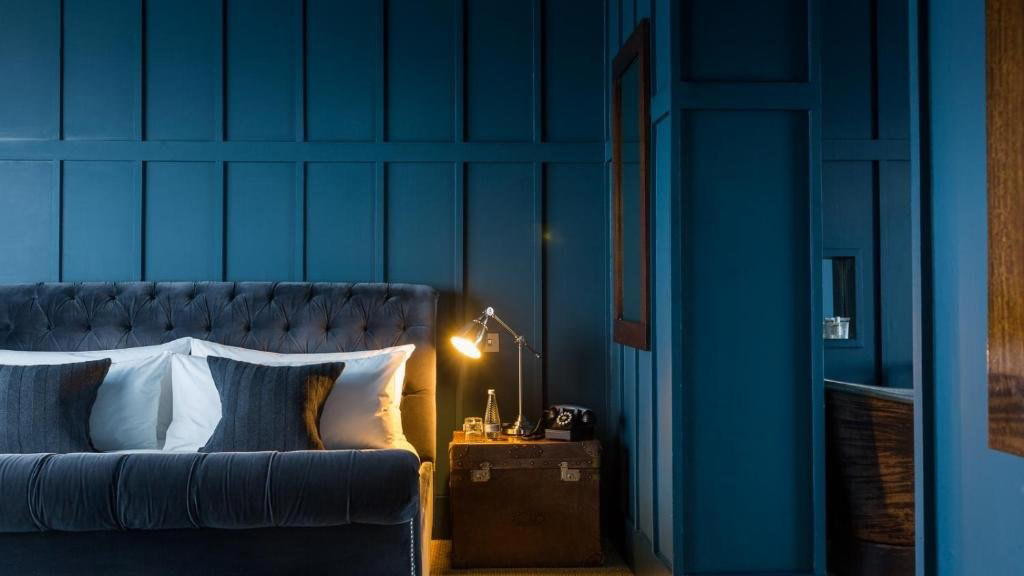
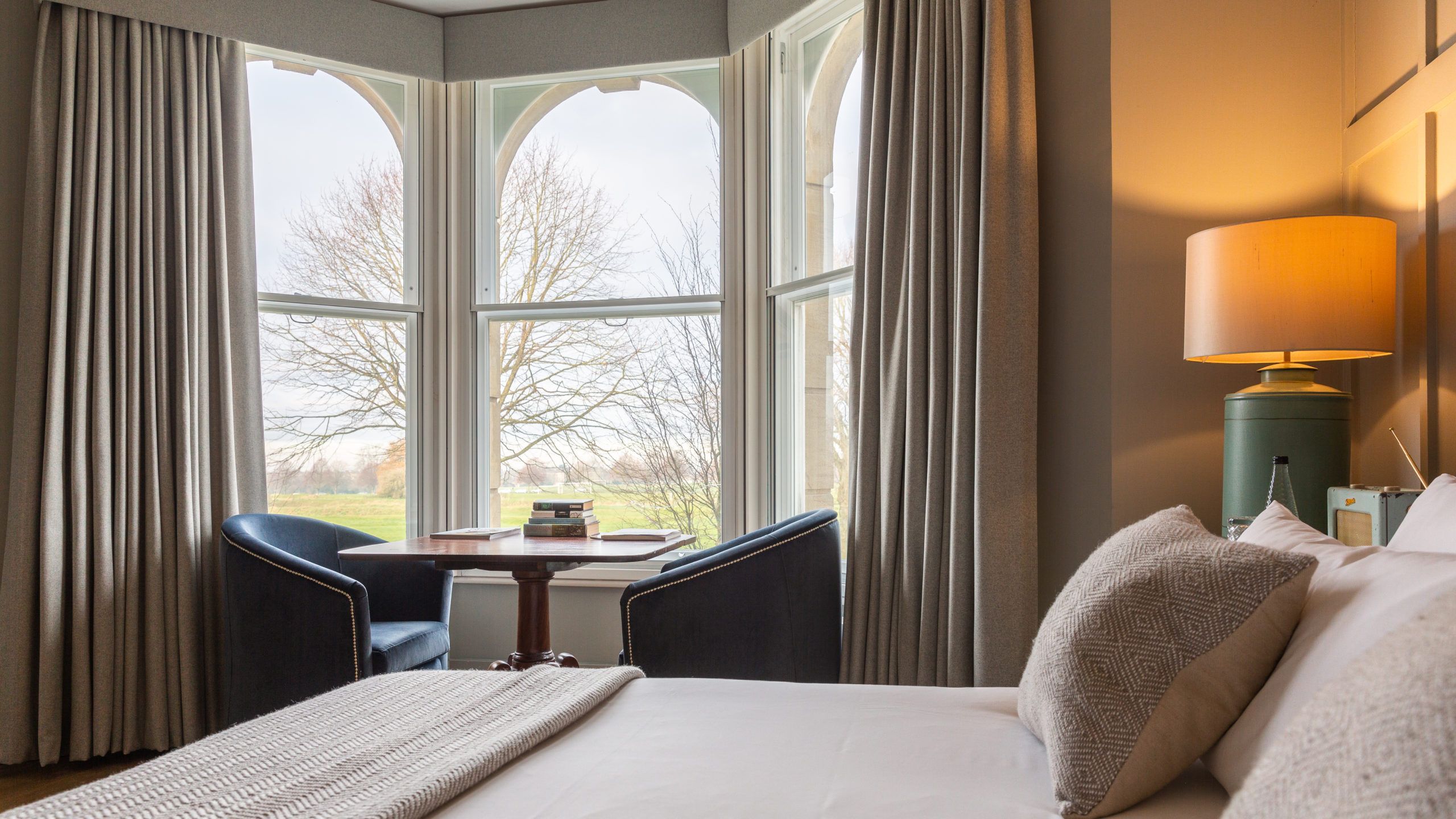
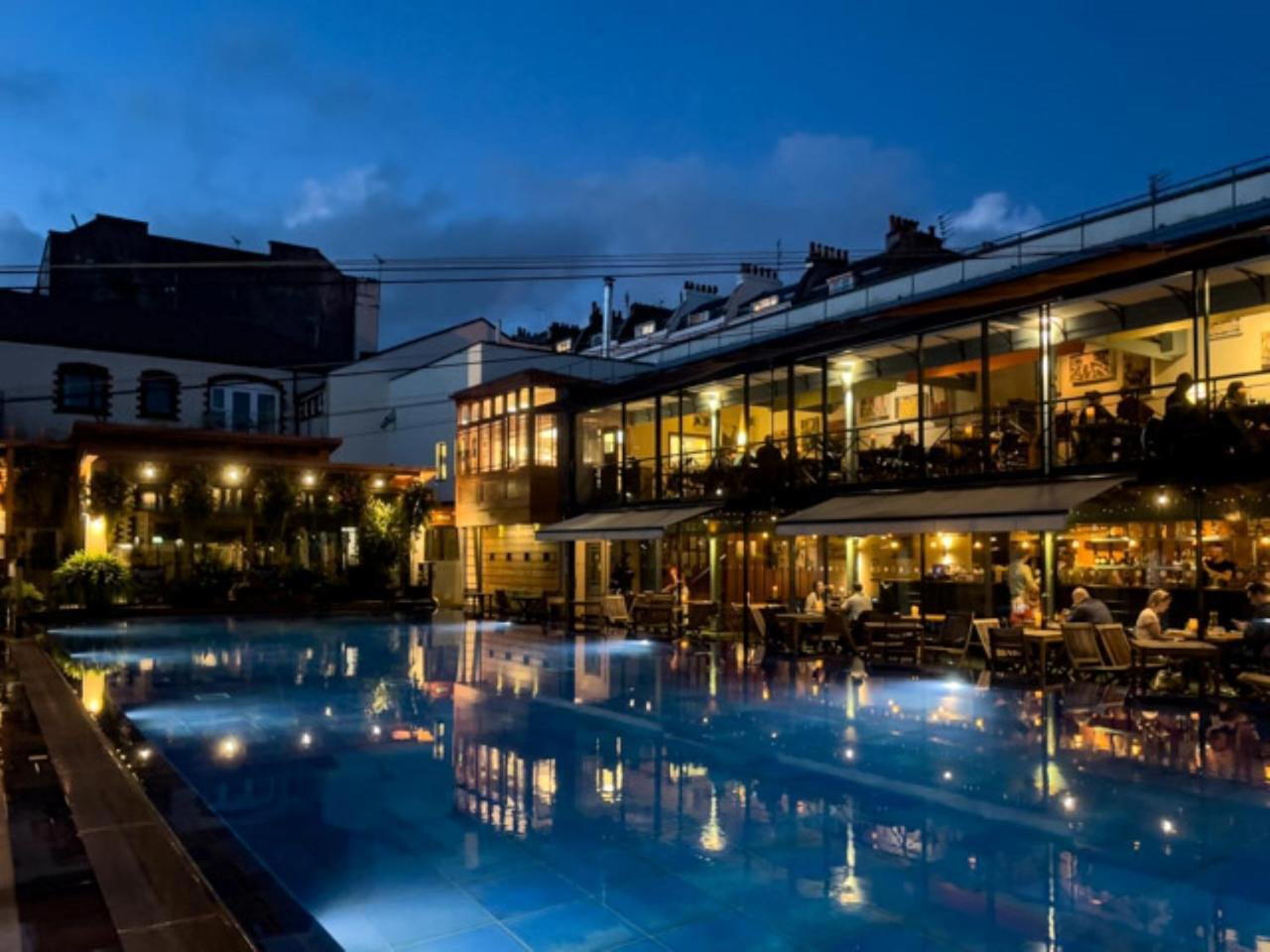
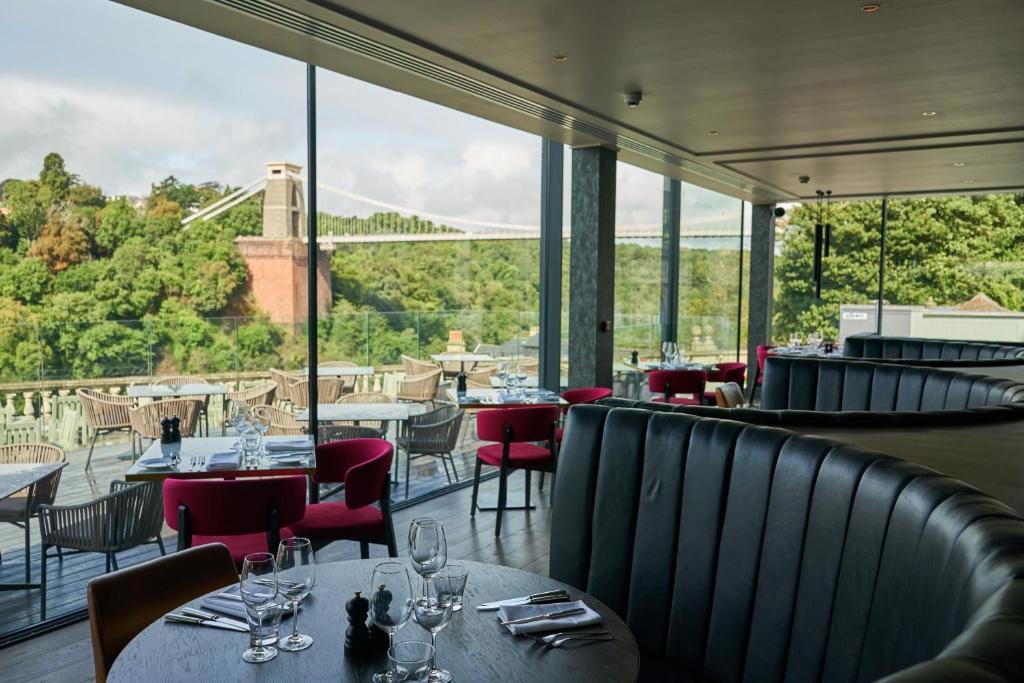
Warm and cozy atmosphere with wood beams, flagstone floors, open log fires, and river views, blending rustic charm with understated elegance.