Salty Monk

A 16th-century salt house in Sidford's East Devon countryside, Salty Monk holds a Michelin Plate (2025) for classically grounded regional cooking served across two distinct dining rooms. The format runs from small plates and hearty mains through to afternoon tea, with overnight rooms, a gym, and a garden hot tub available for those who want to extend the visit. Google reviewers rate it 4.6 from 139 reviews.
Pearl is the En Primeur Club membership app — saves, bookings, and concierge access live there. Same editors, same standards.
- Address
- Church St, Sidford, Sidmouth EX10 9QP, United Kingdom
- Phone
- +44 1395 513174
- Website
- saltymonk.com
 Saves & bookings on Pearl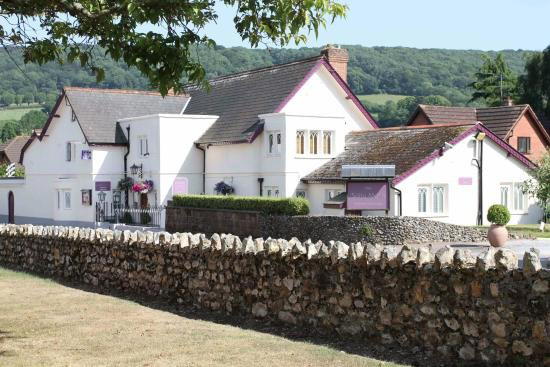
A Salt House Repurposed, a Region on the Plate
Church Street in Sidford is not a destination most visitors arrive at by accident. The village sits just inland from Sidmouth on Devon's Jurassic Coast, in a stretch of East Devon that has kept its agricultural rhythms intact despite the pull of coastal tourism nearby. It is precisely this kind of setting that tends to produce a particular type of British restaurant: one rooted in local supply, running a format calibrated to the surrounding community rather than a passing trade, and building a reputation over years rather than seasons. Salty Monk fits that pattern, operating out of a 16th-century salt house on Church Street, a building whose original purpose, the curing and storage of salt for trade, quietly frames the kitchen's relationship with preservation, provenance, and the slower craft of ingredient handling that defines good regional cooking.
What Regional Cuisine Means in This Corner of Devon
The phrase 'regional cuisine' is used loosely across British dining, but in Devon it carries genuine weight. The county has one of England's most productive agricultural and coastal supply networks: Red Ruby beef raised on Dartmoor, line-caught fish from Brixham, dairy from farms within a few miles of most kitchens, and soft fruit and vegetables from market gardens in the Exe Valley. Restaurants that commit to this supply chain cook differently from those that source nationally and apply local labelling as a marketing layer. The emphasis shifts toward seasonal availability, ingredient condition at point of delivery, and classical techniques that let primary produce carry the dish rather than obscure it. Salty Monk's kitchen works in this tradition, producing main courses described by Michelin assessors as classically based, arriving with minimal fuss but carrying genuine flavour. That is a specific kind of culinary discipline, one that requires confidence in the ingredient itself.
The Michelin Plate recognition is a signal worth reading carefully. It sits below star level but above a mere listing, indicating food that Michelin's team considers good cooking, carefully executed. In Devon and across the South West, a handful of restaurants hold stars: Gidleigh Park in Chagford is the region's most established fine-dining benchmark. Salty Monk operates in a different register, closer in spirit to the tradition of the serious country restaurant where execution and hospitality matter more than theatrical presentation. Compare that to destination kitchens with international profiles such as L'Enclume in Cartmel or Moor Hall in Aughton, and the positioning becomes clear: Salty Monk is not competing on tasting-menu ambition but on the more durable grounds of regional integrity and consistent kitchen standards.
The Format: Two Rooms, Multiple Registers
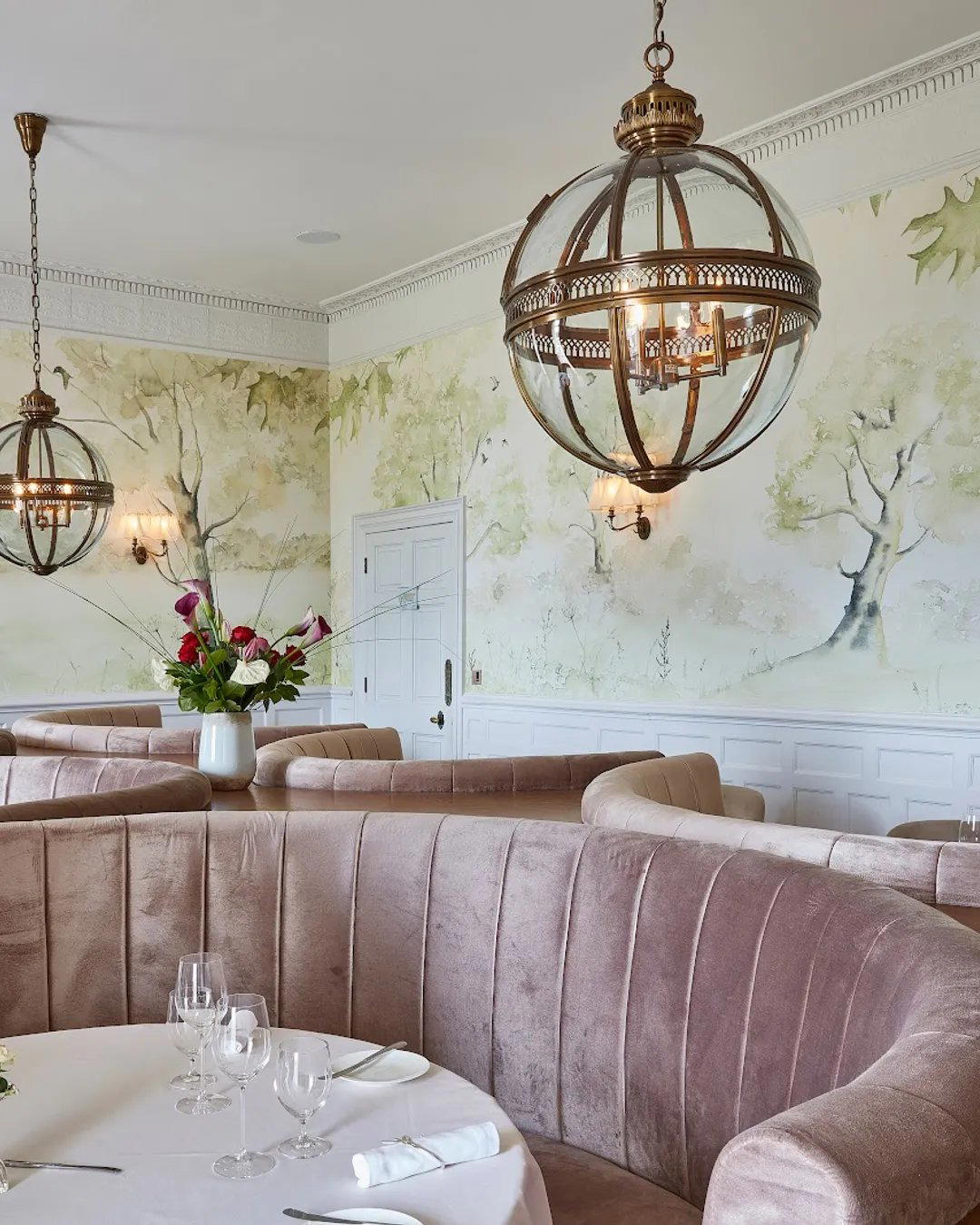
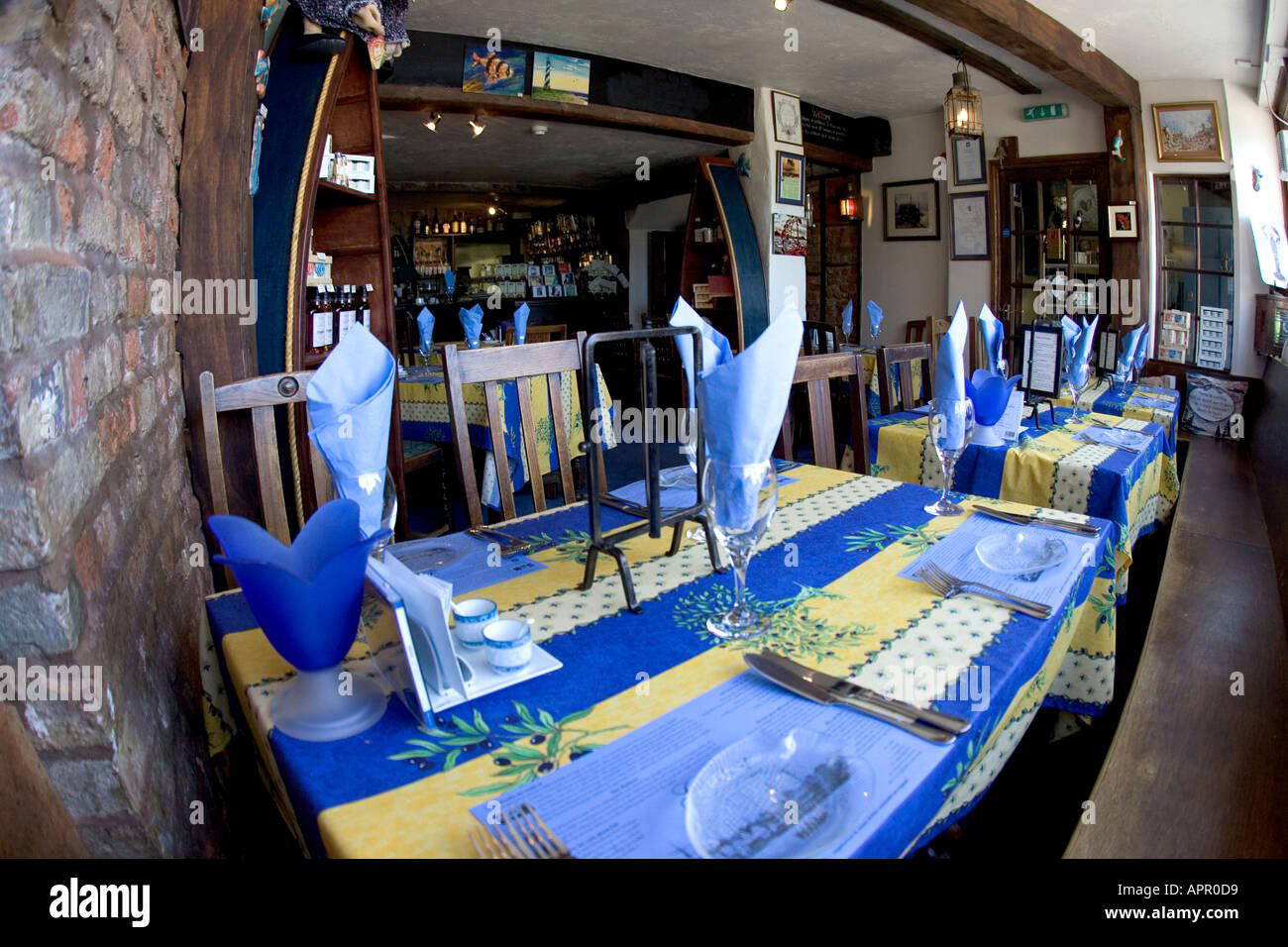
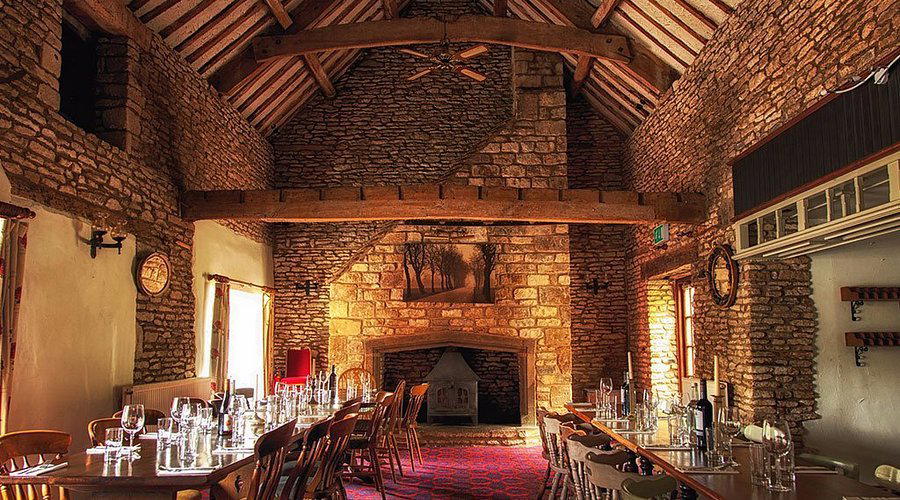
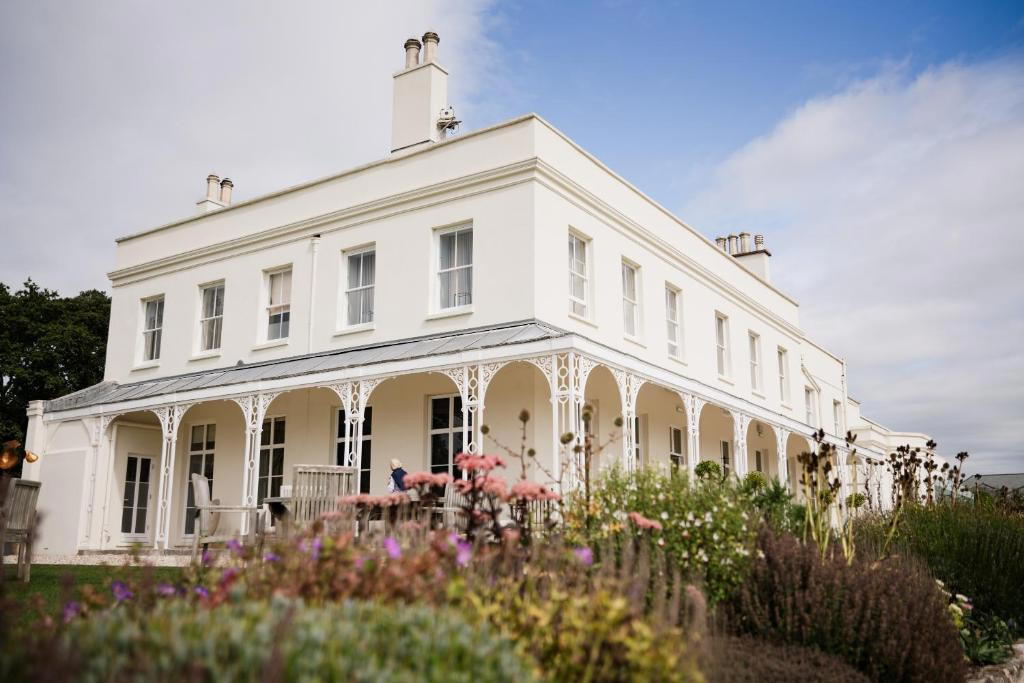
Building's age shows in a way that works in its favour. Stone walls, low ceilings, and the structural logic of a 16th-century working building give Salty Monk a physical character that purpose-built dining rooms rarely achieve. Two spaces operate inside the same property: the Abbots Den, which carries the historical weight of the building's interior, and the Garden Room, which opens toward natural light and the outdoors. The choice between them is not merely aesthetic but changes the quality of the dining experience, particularly depending on season and time of day.
Menu structure follows a logical arc: small plates to begin, then a classically framed main course, with afternoon tea available as a standalone format. This is not a kitchen that imposes a single tasting sequence on every table. The option to arrive for afternoon tea positions the venue alongside Devon's broader tradition of cream teas and hospitality-led afternoons, a format the county has sustained commercially and culturally for generations. Overnight rooms extend the proposition further, with a gym and garden hot tub available to residents, placing Salty Monk in the category of small destination restaurants with accommodation, a format increasingly common in rural Britain where the economics of hospitality benefit from multiple revenue streams and guests benefit from not having to drive home.
Ingredient Logic and the Salt House Tradition
There is a coherence between the building's history and the kitchen's approach that is worth naming directly. Salt was the original food-preservation technology, the thing that made it possible to extend the life of meat, fish, and dairy before refrigeration changed the calculus entirely. A kitchen operating in a former salt house, in a region with the agricultural and coastal resources Devon possesses, has a natural argument for thinking about provenance and preservation as connected concerns. Classically based cooking in this context means respecting the integrity of the ingredient at source, using technique to enhance rather than transform, and presenting main courses that reflect the season's current leading rather than a fixed year-round menu identity. That approach is increasingly valued across British regional dining as the conversation around food supply chains has shifted from a niche concern to a mainstream one.
For comparison points in the regional cuisine category at the European level, see Fahr in Künten-Sulz and Gannerhof in Innervillgraten, both of which operate on similar principles of hyper-local sourcing within their own geographic contexts. Closer to home, hide and fox in Saltwood represents the kind of serious regional commitment that has earned recognition in a different English county. For urban British benchmarks in the Michelin tier, The Ledbury in London and Midsummer House in Cambridge operate at a different price point and scale, but they share the underlying conviction that ingredient quality at source determines what is possible on the plate.
Planning a Visit
Sidford sits within easy reach of Sidmouth and the East Devon AONB, making it a logical base for anyone exploring the Jurassic Coast. The restaurant is at Church St, Sidford, Sidmouth EX10 9QP. Pricing runs at the £££ tier, which places it in the mid-to-upper range for Devon's restaurant scene, below the cost of a tasting menu at a starred country house but above casual dining in the coastal towns nearby. Google reviewers rate it 4.6 from 140 reviews. Booking is recommended, particularly for weekend dinner and afternoon tea. Guests staying overnight gain access to the garden hot tub and gym.
How It Stacks Up
Comparable venues nearby, for context on price, style, and recognition.
| Venue | Cuisine | Price | Awards | Notes |
|---|---|---|---|---|
| Salty MonkThis venue — the venue you are viewing | Modern British Gastropub | $$$ | Michelin Plate | |
| Queens Arms | Modern British Gastropub | $$$ | Michelin Plate | Corton Denham |
| Cora | Modern British Tasting Menu | $$$ | Michelin Plate | Castle Quarter Arcades |
| Thomas | Modern British Fine Dining | $$$ | Michelin Plate | Pontcanna |
| Cuubo | Modern British with Italian accent | $$$ | Michelin Plate | Harborne |
| The Chandlers Arms | Modern British Gastropub | $$$ | Michelin Plate | Epwell |
At a Glance
- Romantic
- Cozy
- Elegant
- Intimate
- Rustic
- Date Night
- Special Occasion
- Celebration
- Historic Building
- Garden
- Courtyard
- Extensive Wine List
- Local Sourcing
- Garden
Light, airy, and pleasantly decorated with a relaxing courtyard garden view, blending old and new charm.