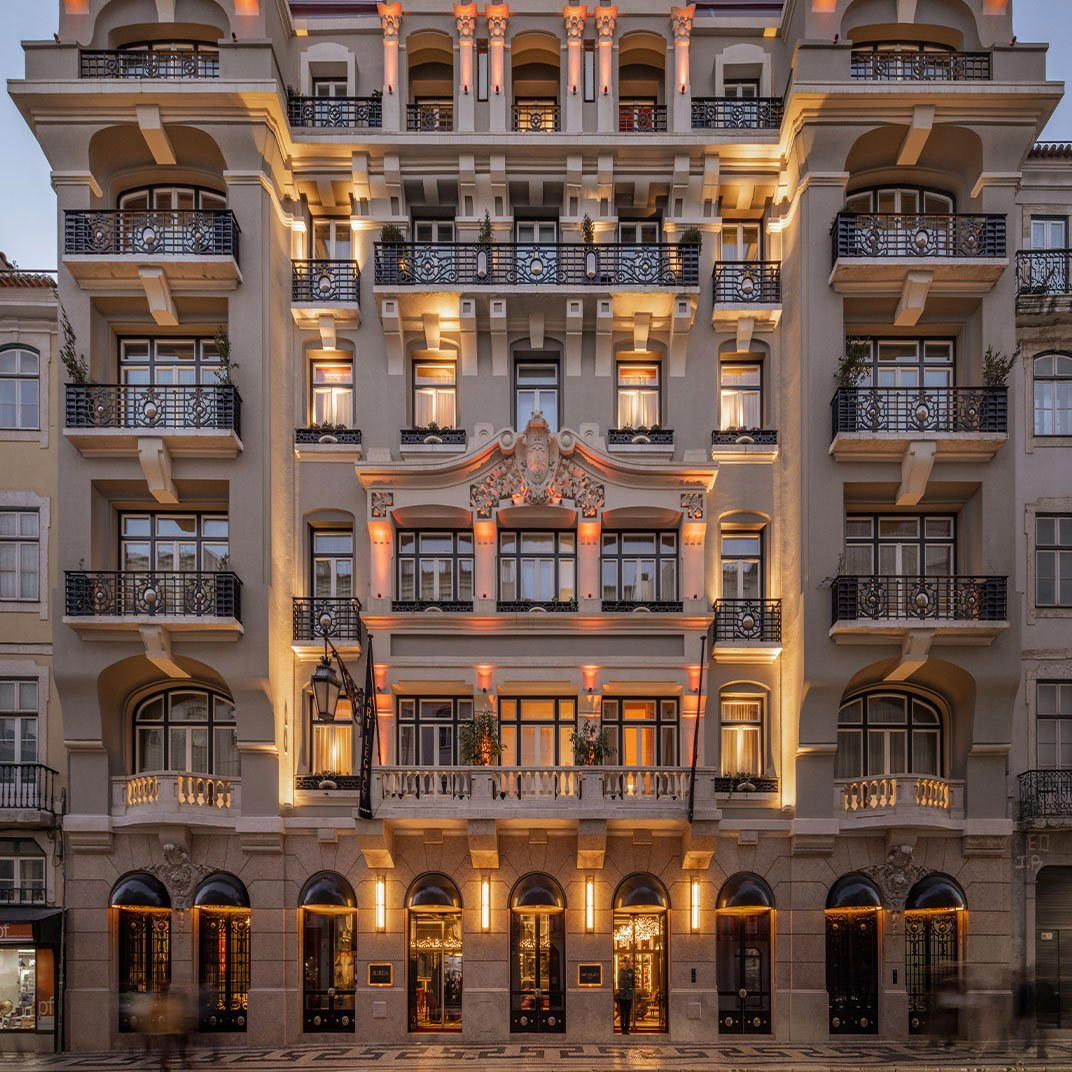
Beira Gare occupies a historic address on Praça Dom João da Câmara in central Lisbon, placing it within easy reach of the city's most discussed dining addresses. The restaurant sits at the intersection of traditional Portuguese hospitality and a contemporary service approach, where the relationship between kitchen, floor, and cellar defines the experience as much as any single dish.
- Address
- Praça Dom João da Câmara 4, 1200-090 Lisboa, Portugal
- Phone
- +351 21 342 0405
- Website
- tripadvisor.pt
- Directions
- Get directions
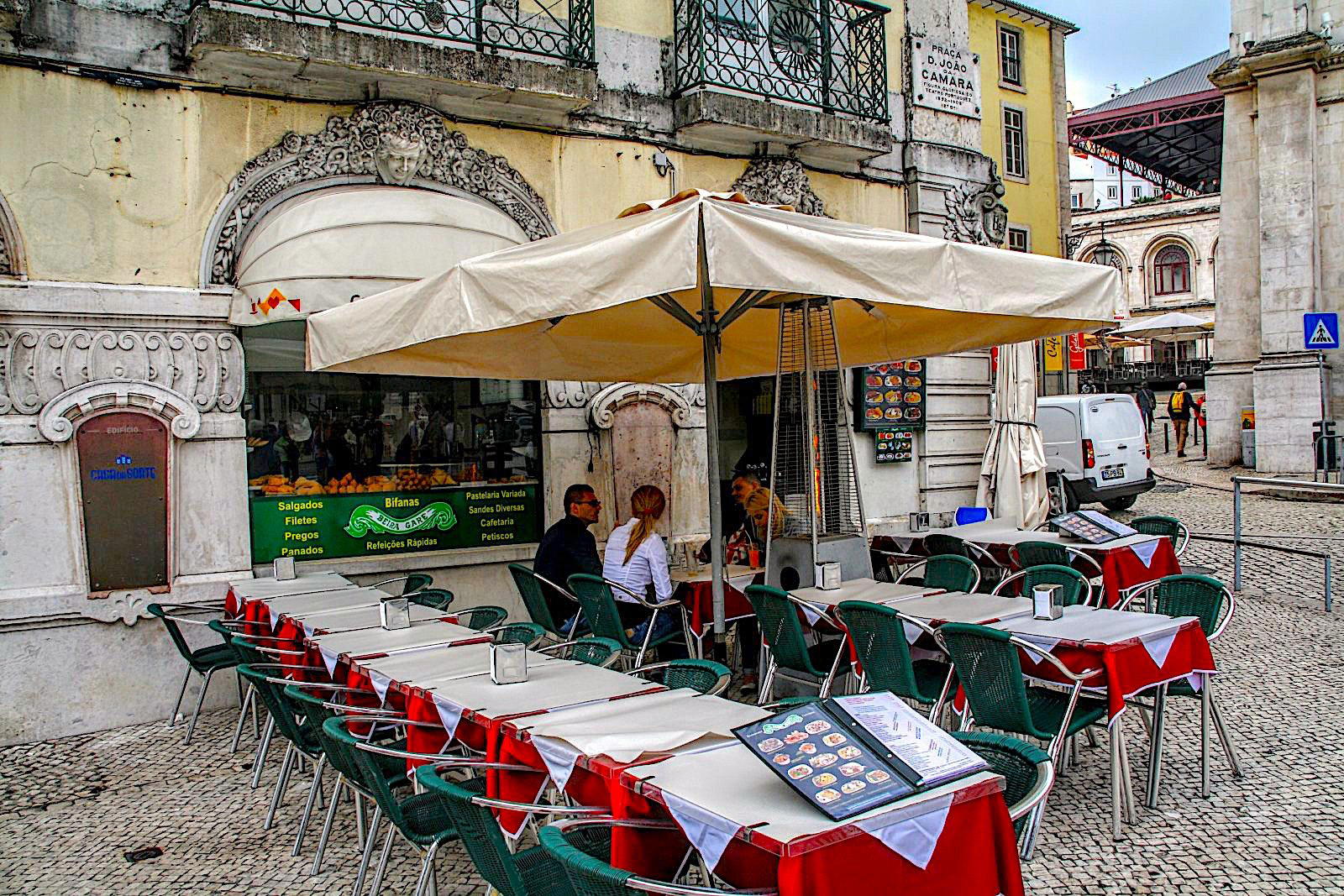
Where the Station Quarter Shapes the Dining Room
Praça Dom João da Câmara sits at the threshold between Lisbon's commercial centre and the older residential grid that climbs toward Bairro Alto. The square takes its character from movement: commuters crossing from Rossio station, tourists pausing at the edge of Chiado, locals cutting through on the way to somewhere else. Restaurants on this edge of the city occupy a different position from those deeper inside neighbourhoods like Príncipe Real or Santos, where foot traffic is slower and the clientele more deliberate. The ones that hold attention here tend to do so through consistency and a clear proposition, not novelty alone. Beira Gare, a closed restaurant serving traditional Portuguese street food at Praça Dom João da Câmara 4, addressed that challenge through the discipline of its service structure rather than through spectacle.
The Floor as an Argument for Collaboration
In Lisbon's dining rooms, the conversation about what makes a restaurant work has shifted noticeably in the past decade. The city's most discussed addresses, from Belcanto in Chiado to CURA at the Four Seasons, have built reputations not just on what arrives at the table but on the coherence between the kitchen, the wine program, and the front-of-house narrative. That coherence is the harder thing to replicate. A technically accomplished dish is teachable; a dining room where the sommelier's pacing, the runner's knowledge, and the senior floor team's read of the table all move in alignment is a different kind of achievement.
Beira Gare positions itself within that tradition of floor-led dining. The service approach here is premised on the idea that the guest's experience of a meal is assembled across multiple handoffs, not delivered in a single moment. What the sommelier explains about a regional wine from the Alentejo, how that explanation connects to what the kitchen has sent out, and how the floor team reads whether to linger or retreat, these are the variables that separate a competent restaurant from one worth returning to. Portugal's dining culture has deep roots in generous, unhurried hospitality, and the leading Lisbon rooms have found ways to translate that into a format that also works for international visitors who arrive with specific expectations.
Lisbon's Mid-to-Upper Tier: Where Beira Gare Fits
The Portuguese capital now operates across a wider range of serious dining than it did even five years ago. At the leading, a cluster of Michelin-recognised addresses has drawn international attention: Eleven on Avenida da Liberdade, 50 Seconds from Martin Berasategui with its panoramic river position, and 2Monkeys in its more irreverent creative register. Below that tier, a broader set of restaurants serves the city's own residents and the growing cohort of travellers who come specifically to eat well without committing to a tasting menu every night.
The restaurant operates in this intermediate zone, where the expectation is serious cooking and attentive service without the formality of a full tasting-menu format. That zone is especially competitive in Lisbon right now. The city's expansion of quality at the mid-level means restaurants here must justify their position with consistent execution rather than resting on price or address. The square's proximity to Rossio makes it accessible from most central accommodation, which matters for travellers building a multi-night dining itinerary across the city.
Portugal's dining geography extends well beyond the capital, of course. Those planning longer trips around the country will find similarly serious floor-led experiences at Antiqvvm in Porto, the dramatically sited Casa de Chá da Boa Nova in Leça da Palmeira, or The Yeatman in Vila Nova de Gaia, where the cellar is the clear centrepiece. In the Algarve, Vila Joya in Albufeira, Ocean in Porches, and Gusto by Heinz Beck in Almancil represent the southern tier. Fortaleza do Guincho in Cascais and Ó Balcão in Santarém extend the map inland and along the coast, while Il Gallo d'Oro in Funchal and Al Sud in Lagos represent the archipelago and the western Algarve respectively. For a full view of the Lisbon dining scene, the EP Club Lisbon restaurants guide maps the city's current options across price tiers and styles.
Portuguese Cuisine at This Address
The country's culinary tradition gives any Lisbon restaurant working in a broadly Portuguese register a deep pantry to draw from: the Atlantic seafood supply that reaches the city within hours of landing, the Alentejo's pork and grain traditions, the wine regions that span from the Minho in the north to the Douro and Setúbal closer to the capital. Restaurants that succeed in this register tend to be selective rather than exhaustive, choosing a legible editorial position within the tradition rather than attempting a comprehensive survey.
For international visitors arriving with a comparative frame of reference, the service dynamic at a room like this sits somewhere between the precision-driven team model of a place like Le Bernardin in New York City and the more convivial, host-forward format that defines somewhere like Lazy Bear in San Francisco. Portugal has its own version of this: warm but never performative, structured but never stiff. The country's hospitality culture resists the transactional efficiency that some northern European and American dining rooms have moved toward, and the better Lisbon restaurants have retained that quality without sacrificing pace or professionalism.
Planning a Meal at Beira Gare
The address on Praça Dom João da Câmara places the restaurant within walking distance of Rossio station and the main Chiado commercial area, making it a practical choice for central Lisbon stays. Lisbon's dining rooms across the mid-to-upper tier generally warrant advance reservation, particularly from late spring through September, when international visitor numbers compress availability. Arriving without a booking during peak season at any address in this part of the city is an avoidable risk.
Price and Positioning
Comparable venues nearby, for context on price, style, and recognition.
| Venue | Cuisine | Price | Notes |
|---|---|---|---|
| Beira GareThis venue — the venue you are viewing | Not listed | $ | Not listed |
| A Tendinha do Rossio | Baixa, Traditional Portuguese Petiscos | $ | Not listed |
| Toma Lá Dá Cá | Bairro Alto, Traditional Portuguese | $ | Not listed |
| Taberna Sal Grosso | Not listed | $$ | Santa Apolonia, Modern Portuguese Petiscos |
| Tasca do Chico - fado | Not listed | $ | Alfama, Traditional Portuguese Petiscos with Fado |
| Hamburg | Olivais Norte, Handcrafted Burgers | $ | Not listed |
Continue exploring
More in Lisbon
Restaurants in Lisbon
Browse all →
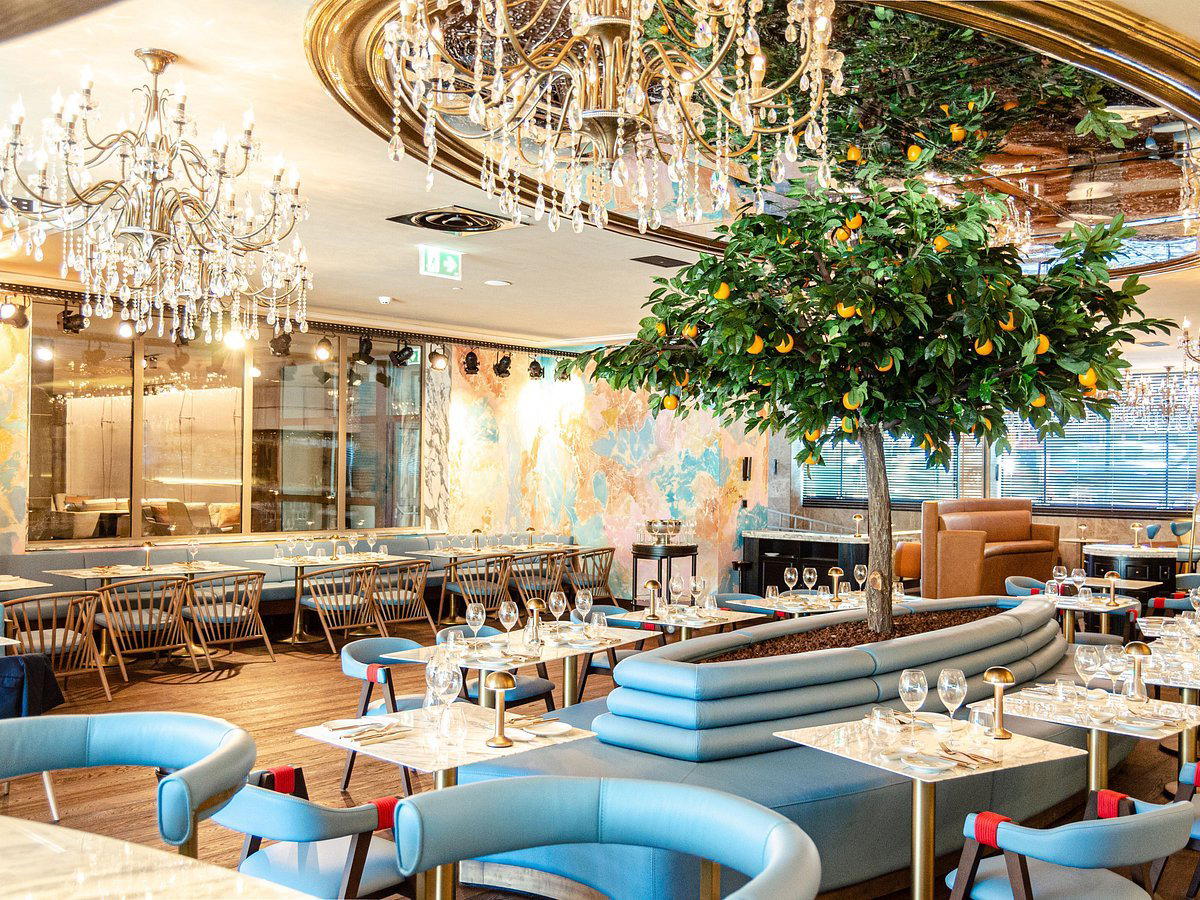
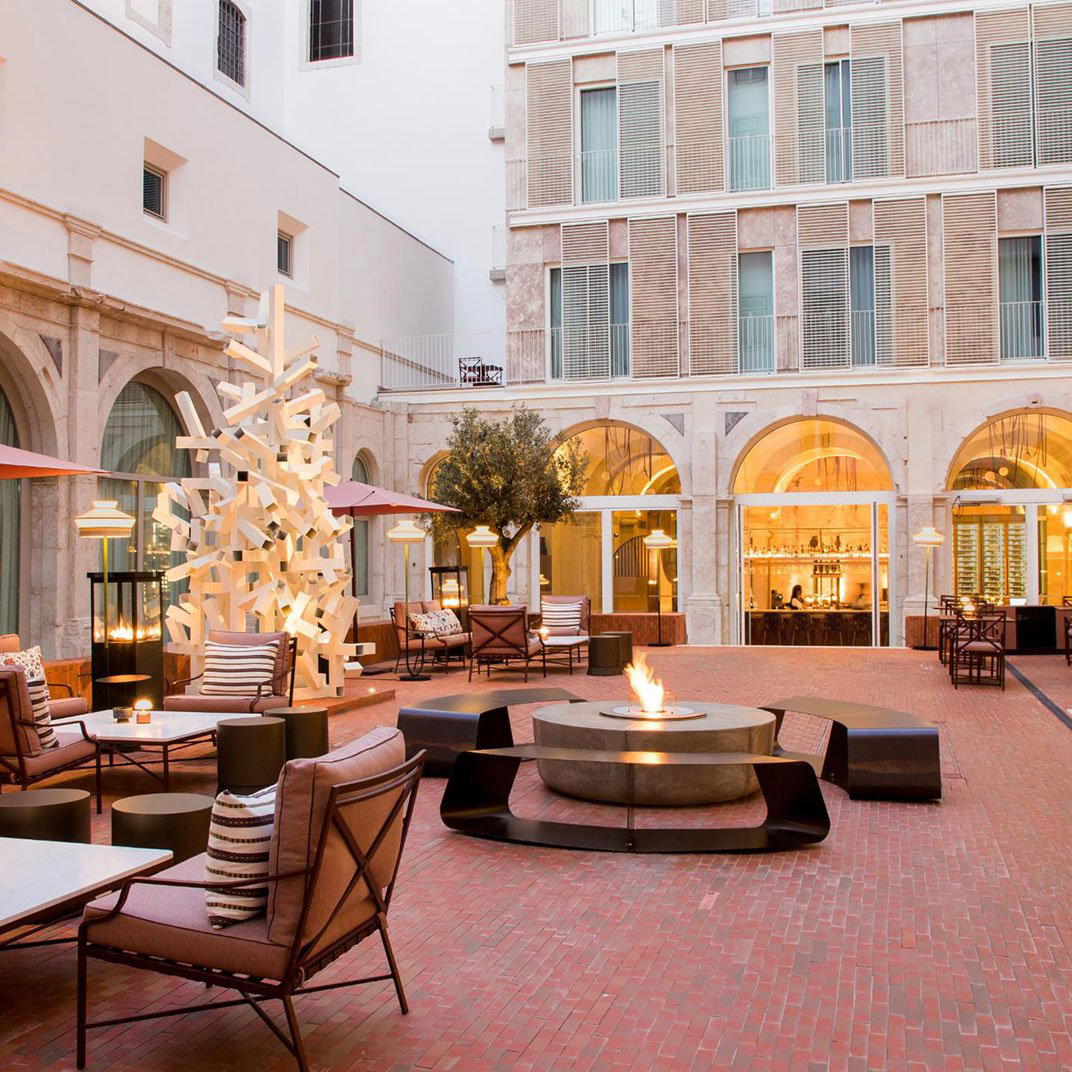
Bars in Lisbon
Browse all →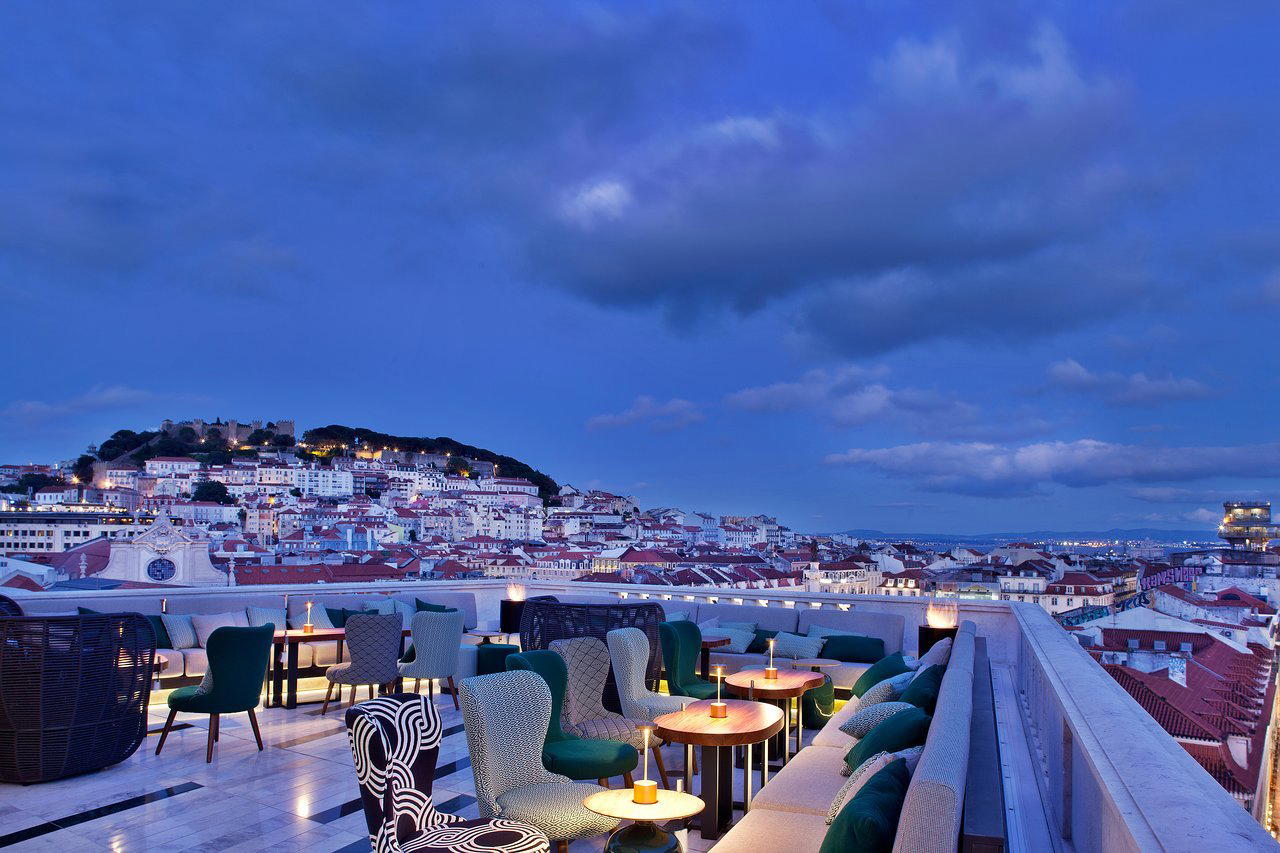
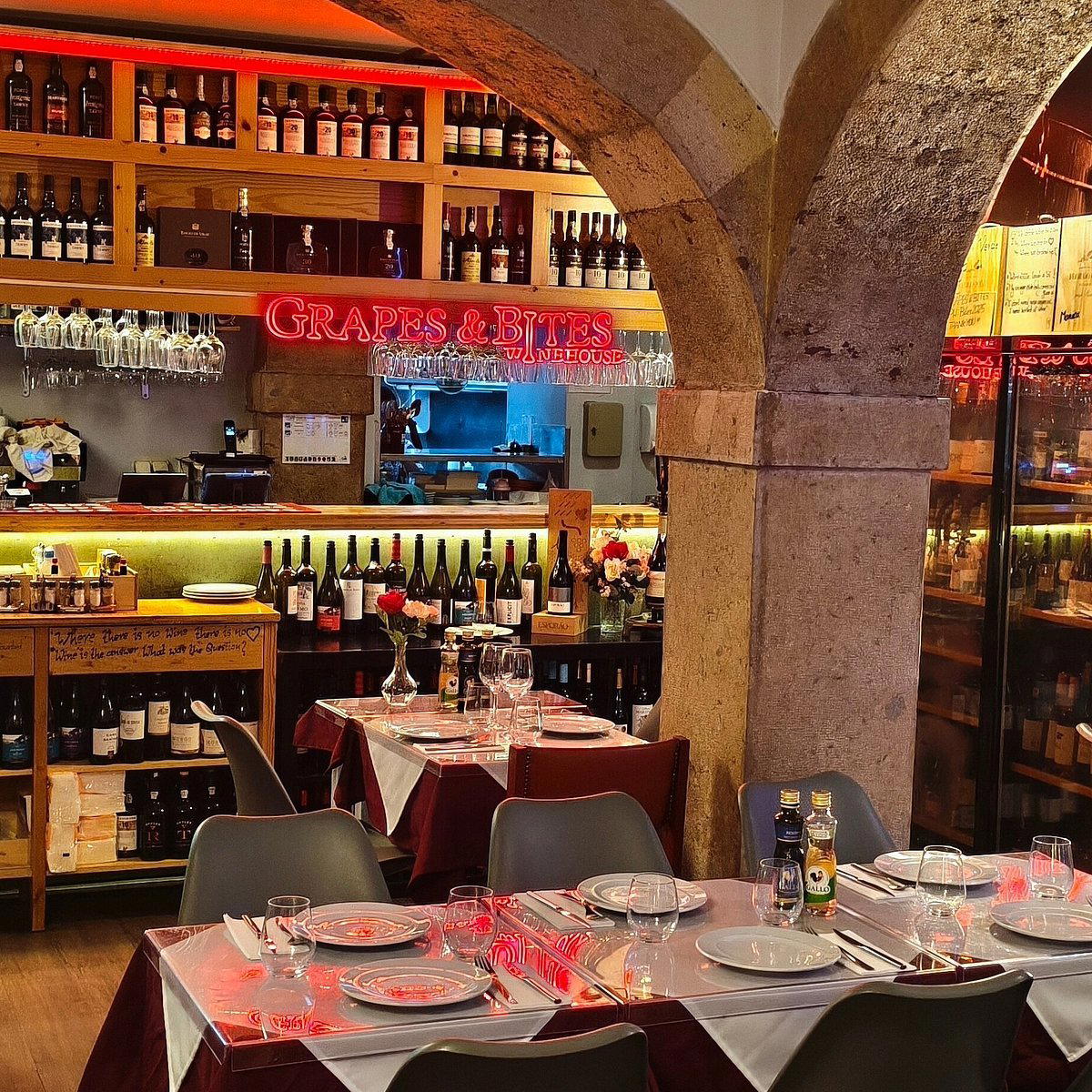
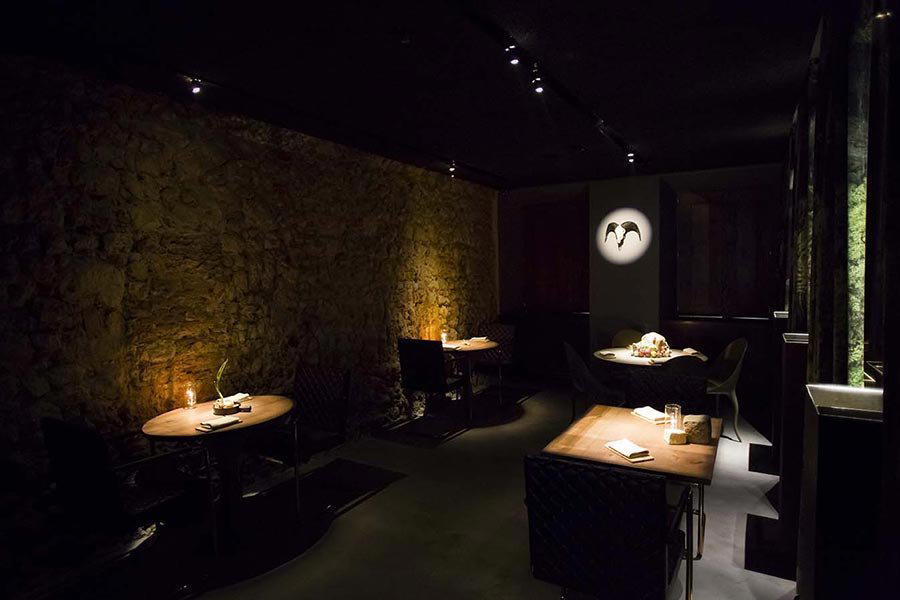
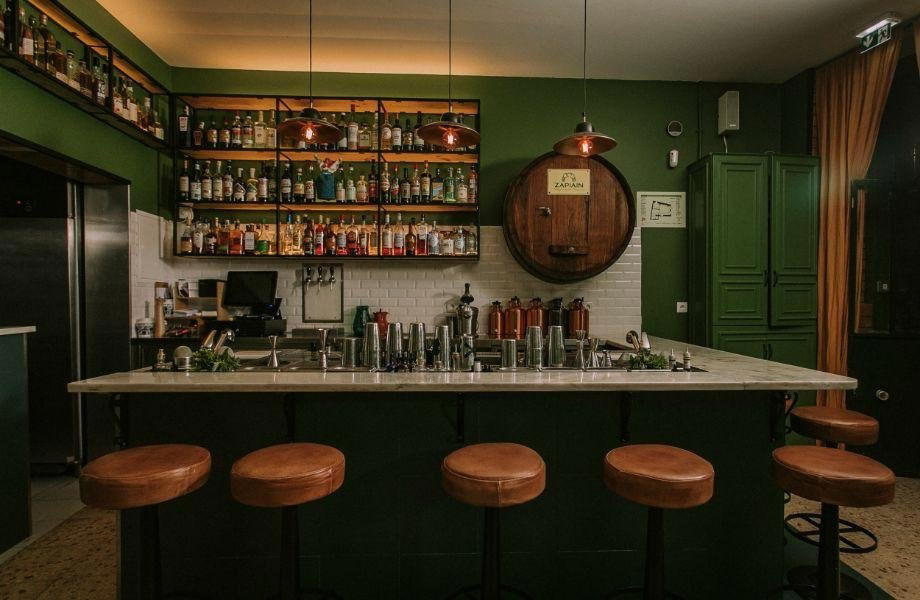
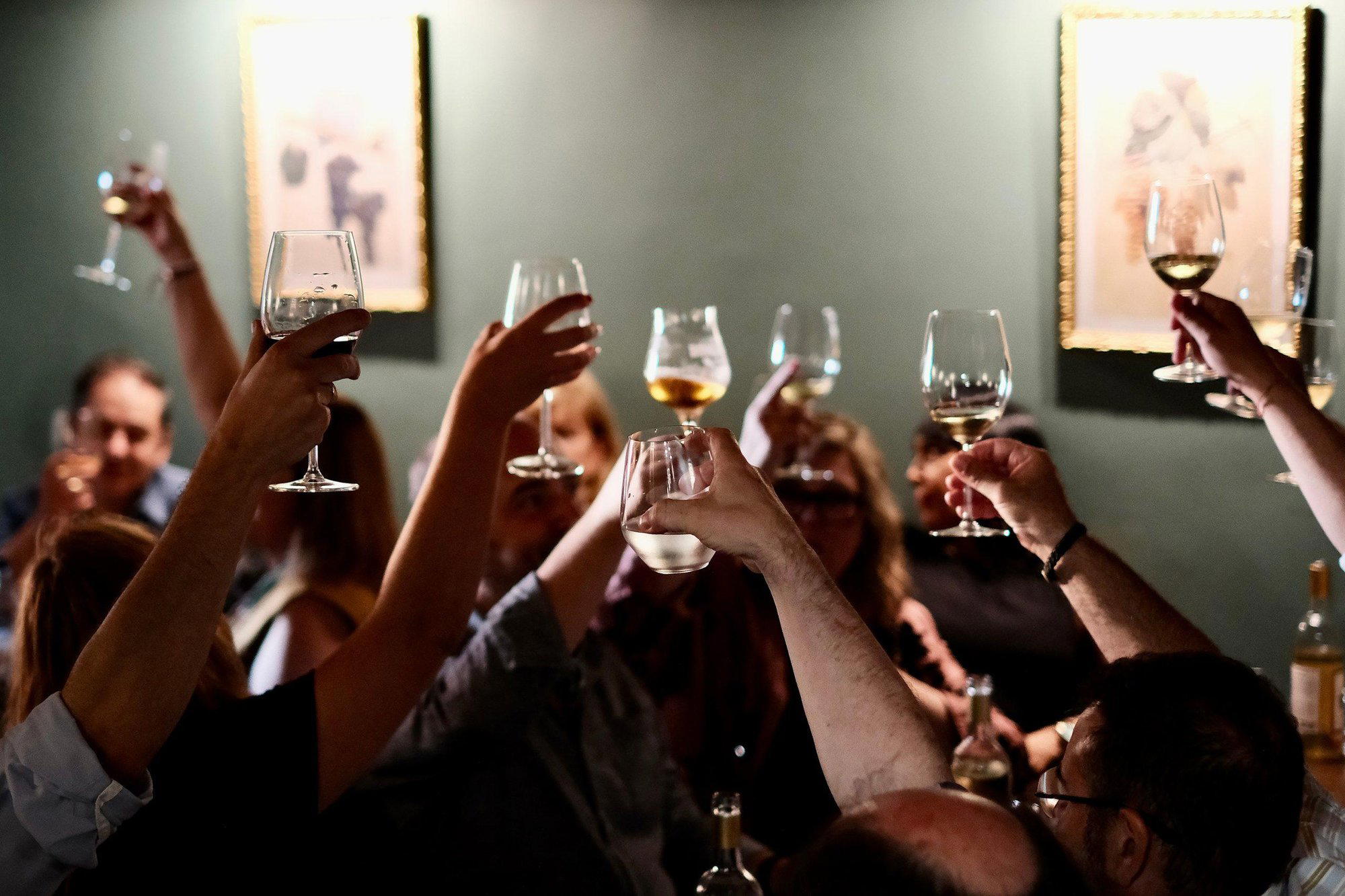
Hotels in Lisbon
Browse all →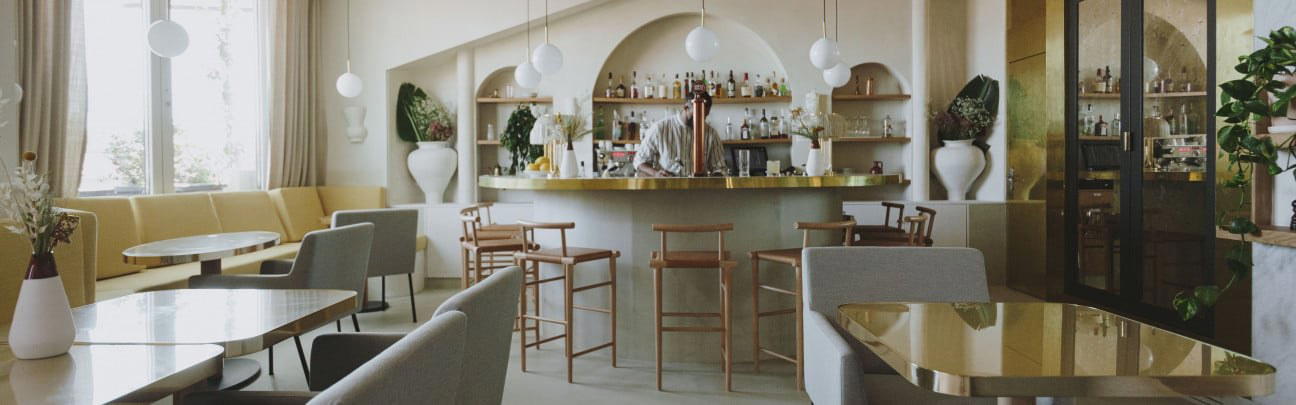
At a Glance
- Cozy
- Lively
- Rustic
- Casual Hangout
- Historic Building
- Beer Program
- Street Scene
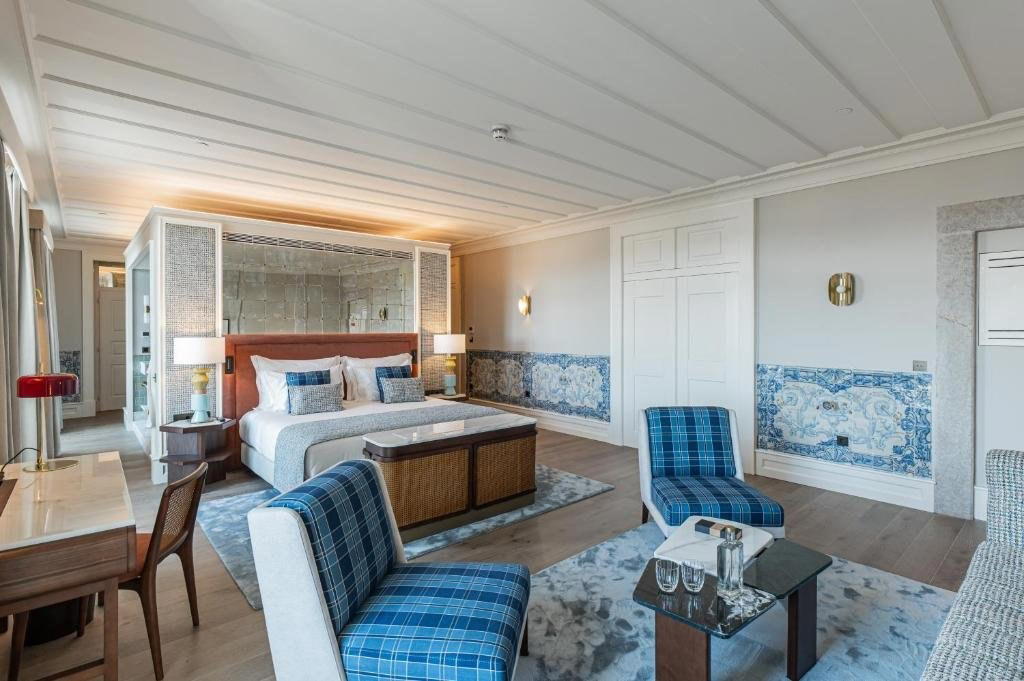
Simple, warm, and convivial street food atmosphere with a local feel and historic azulejo wall decor.