A Travessa do Sequeiro address in Lisbon's Bairro Alto places Toma Lá Dá Cá squarely inside the neighbourhood's informal-but-serious dining tradition. The name itself, a Portuguese idiom for mutual exchange, signals the register: convivial, direct, without ceremony. For those who return regularly, it represents a particular strand of Lisbon eating that neither the city's Michelin circuit nor its tourist-facing tascas quite replicate.
Pearl is the En Primeur Club membership app — saves, bookings, and concierge access live there. Same editors, same standards.
- Address
- Tv. do Sequeiro 38, 1200-441 Lisboa, Portugal
- Phone
- +351 21 195 6692
- Directions
- Get directions
 Saves & bookings on Pearl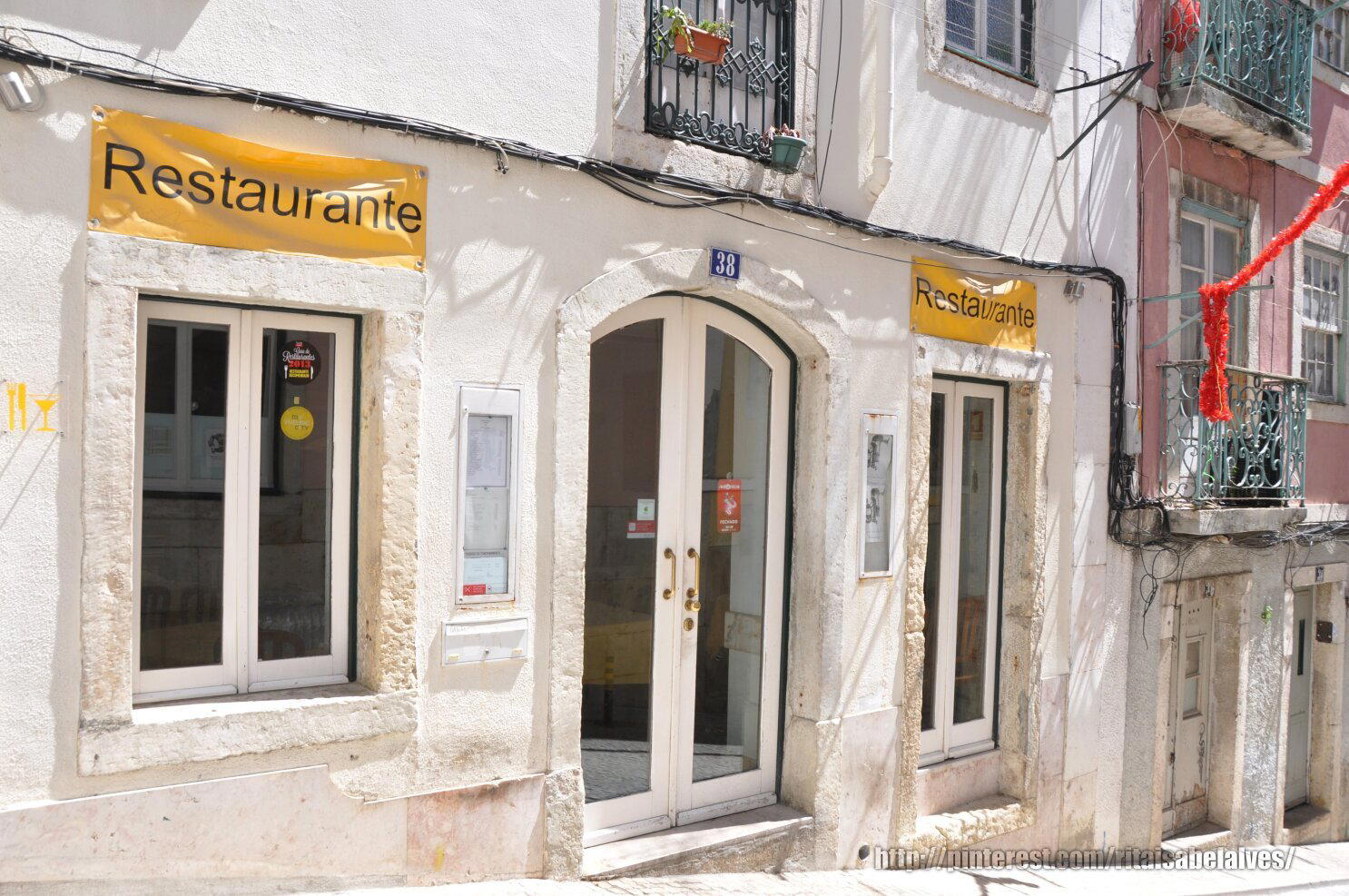
The Travessa at the Edge of Bairro Alto
Travessa do Sequeiro is the kind of street that doesn't announce itself. Running off the denser grid of Bairro Alto, it belongs to the older, quieter layer of the neighbourhood, before the bars took hold, before the queues formed outside the natural wine shops. Walking down it toward number 38, the approach already tells you something: this is not a space that has been dressed for a first impression. The building is understated in the way that confident Lisbon restaurants often are, the kind of place where the regulars don't need a sign and the newcomers take a moment to confirm they've arrived at the right address.
The name itself carries meaning. Toma lá, dá cá is a Portuguese idiom for reciprocal exchange, give and take, back and forth, and it sets the tone for what the room offers before you've sat down. This is a dining register that Lisbon does particularly well and that exists almost nowhere else in quite the same form: informal enough to allow conversation to carry across the room, specific enough that the food has a genuine point of view.
What the Regulars Know
One useful frame for understanding a place like this is not the menu as printed but the menu as navigated by people who have been coming for years. Lisbon's mid-tier neighbourhood restaurants, the bracket below the Michelin-starred circuit occupied by Belcanto, CURA, and Eleven, tend to reward loyalty in ways that tasting-menu restaurants structurally cannot. The dish that isn't listed, the producer whose wine appears only when asked, the table that gets tucked away from the draft near the door: these are the currencies of the returning guest.
In Bairro Alto specifically, the restaurants that have held a local clientele across different economic cycles share a common characteristic: they don't pivot with each trend. While Lisbon's broader dining scene has undergone considerable reinvention, with creative formats and international-chef collaborations multiplying across the city, places on streets like Travessa do Sequeiro tend to hold a particular line. The regulars return because that line holds.
Toma Lá Dá Cá sits outside Portugal's Michelin-starred tier, from Vila Joya in the Algarve to Casa de Chá da Boa Nova on the northern coast, The Yeatman in Gaia, and Ocean in Porches. That positioning is not a gap, it is the point. The restaurants that anchor a neighbourhood over time are rarely the ones chasing stars.
The Bairro Alto Dining Register
Bairro Alto's food identity is more layered than its late-night reputation suggests. Alongside the bars and the fado houses, the neighbourhood has long supported a strand of serious, no-ceremony cooking that draws on the traditions of Lisbon's older tascas without being nostalgic about it. The cooking in this register tends to be Portuguese in its ingredients and rhythms, salt cod prepared in its various forms, slow-braised meats, the kind of seasonal vegetable preparation that reflects what the market had that morning rather than what a printed concept demands.
This is a different ambition from what the city's formal fine-dining addresses pursue. At 50 Seconds from Martin Berasategui, the frame is progressive and internationally credentialled. The Bairro Alto neighbourhood restaurant operates on a different clock entirely: slower to change, more attached to its suppliers, more interested in the return visit than the first one.
Comparable dynamics play out across Portugal's restaurant cities. In Porto, Antiqvvm occupies a different tier but reflects a similar fidelity to Portuguese culinary tradition. In Funchal, Il Gallo d'Oro brings an entirely different influence. And beyond Portugal's borders, the community-restaurant model, the place that earns loyalty through consistency rather than spectacle, has its own versions, from Le Bernardin in New York to the chef-driven communal format of Lazy Bear in San Francisco. The mechanism differs; the underlying logic of repeat patronage is the same.
Practical Notes for the First Visit
Travessa do Sequeiro 38 in the 1200-441 postal district puts Toma Lá Dá Cá within walking distance of the main Bairro Alto arteries, reachable on foot from Chiado or via the Bica funicular from the waterfront. The address is residential-scale, which means arriving in the area early enough to orient yourself is sensible, the street numbers don't always follow an obvious logic to the first-time visitor.
Because no current booking method, phone number, or website is listed in public records, one reliable approach is to arrive in person during early service to establish contact directly, or to ask your hotel concierge to make an inquiry on your behalf. For a restaurant in this neighbourhood register, walk-in at lunch or early dinner often proves more productive than chasing a digital reservation trail.
Further afield, the Cascais coast produces its own strong table at Fortaleza do Guincho, while the Alentejo and Algarve circuits, anchored by addresses like Ó Balcão in Santarém, Al Sud in Lagos, and Gusto by Heinz Beck in Almancil, extend the argument for Portugal as a country worth eating across seriously.
Side-by-Side Snapshot
Comparable venues nearby, for context on price, style, and recognition.
| Venue | Cuisine | Price | Notes |
|---|---|---|---|
| Toma Lá Dá CáThis venue — the venue you are viewing | Traditional Portuguese | $ | Not listed |
| 138 Liberdade | Modern Portuguese with Sushi | $$$ | Baixa |
| Miguel Castro e Silva | Portuguese Seafood Classics | $$ | Chiado |
| Caracóis de São Bento | Traditional Portuguese Snails & Seafood | $ | Bairro Alto |
| Time Out Market | Portuguese Food Hall | $$ | Chiado |
| Dear Breakfast - Chiado | All-Day Breakfast & Brunch | $$ | Rossio |
Continue exploring
More in Lisbon
Restaurants in Lisbon
Browse all →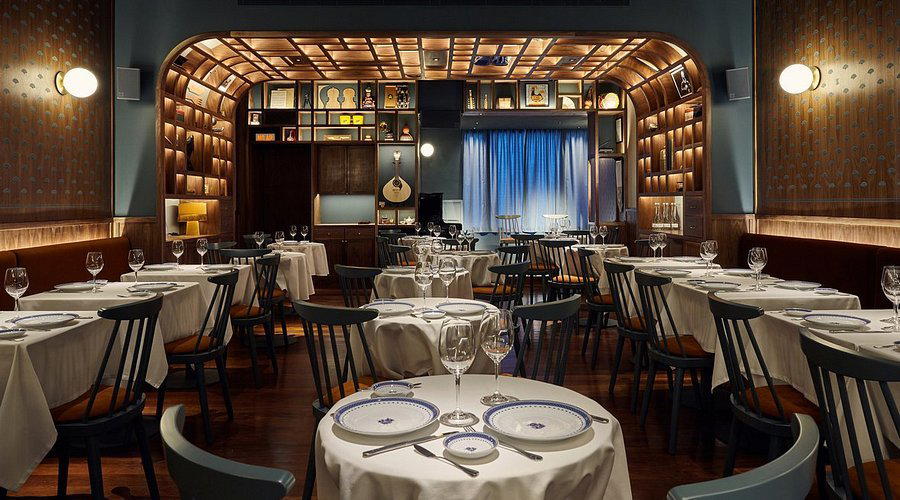
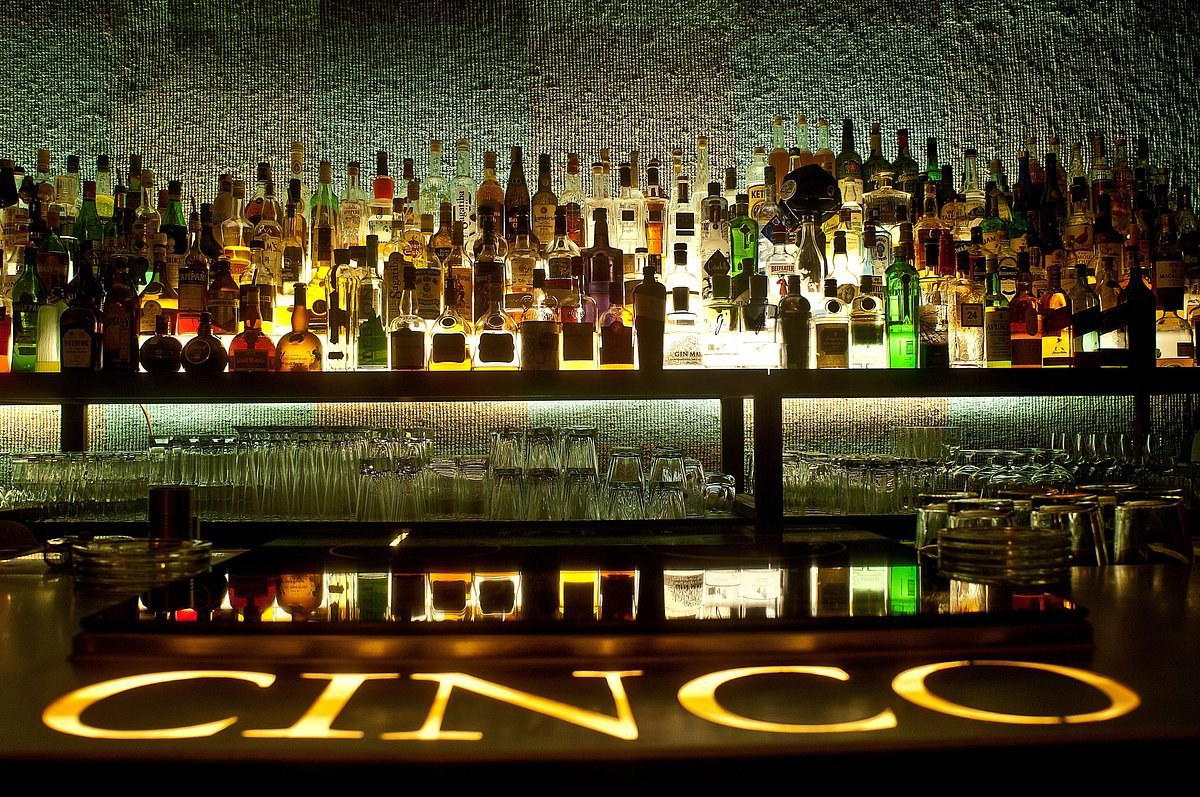
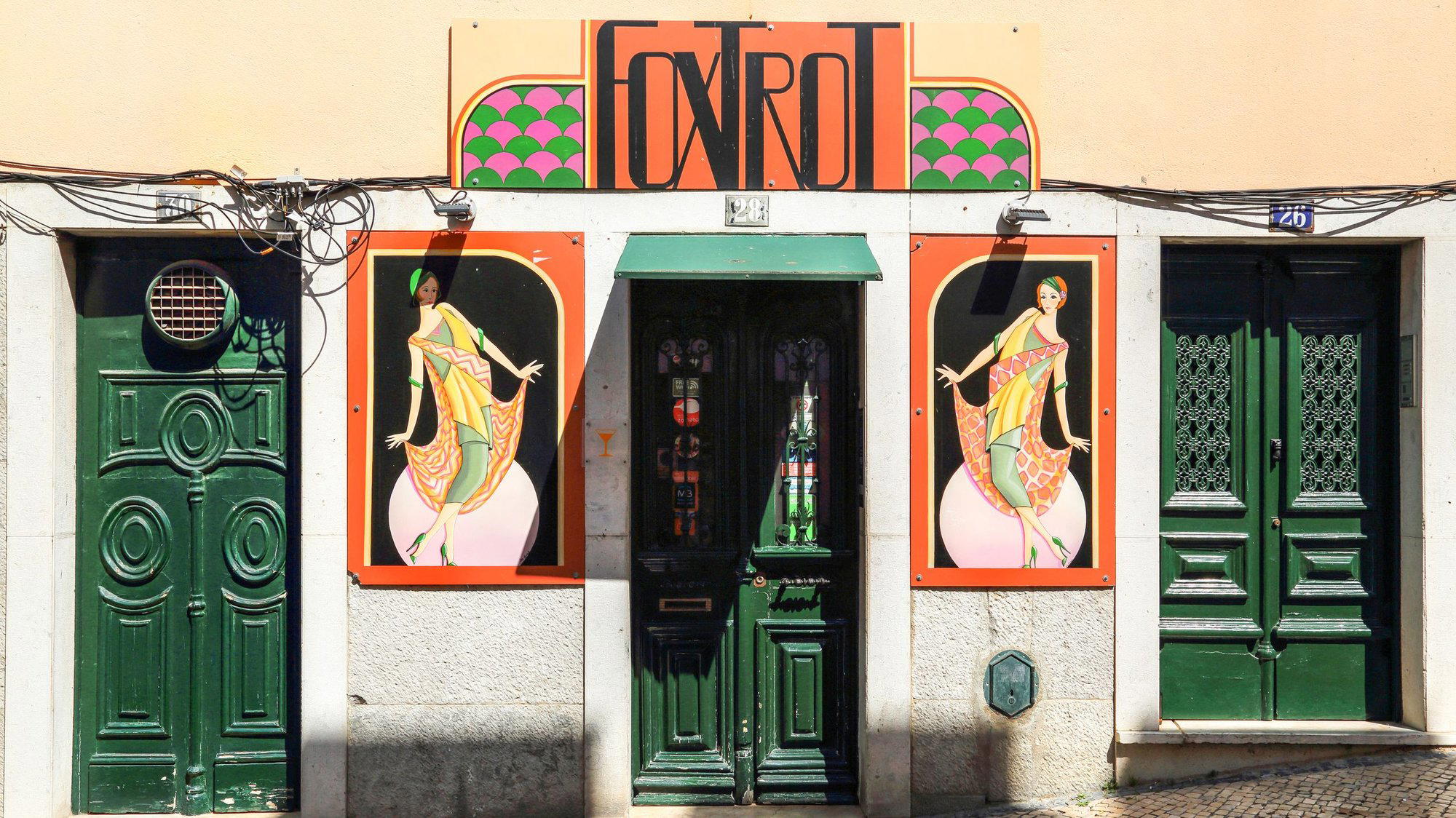
Bars in Lisbon
Browse all →
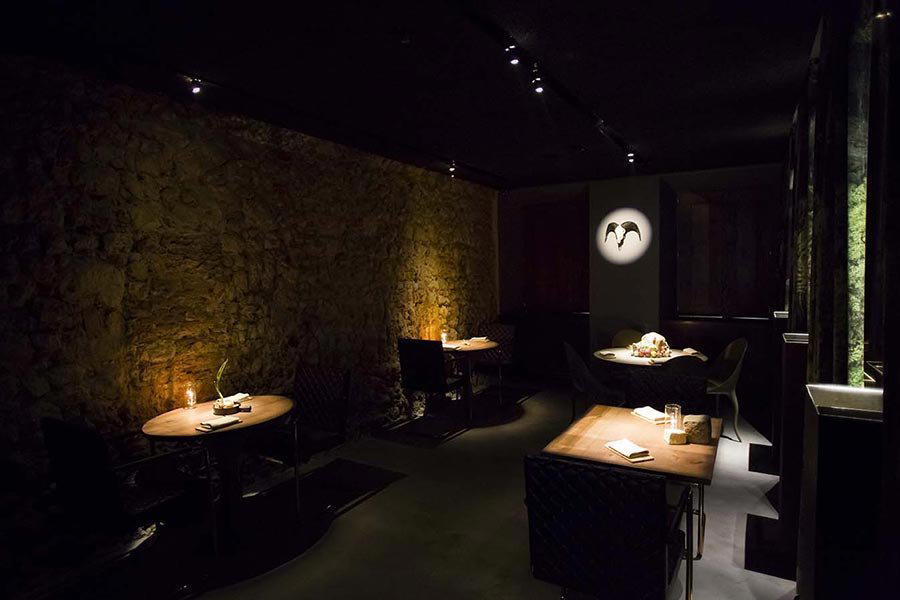
Hotels in Lisbon
Browse all →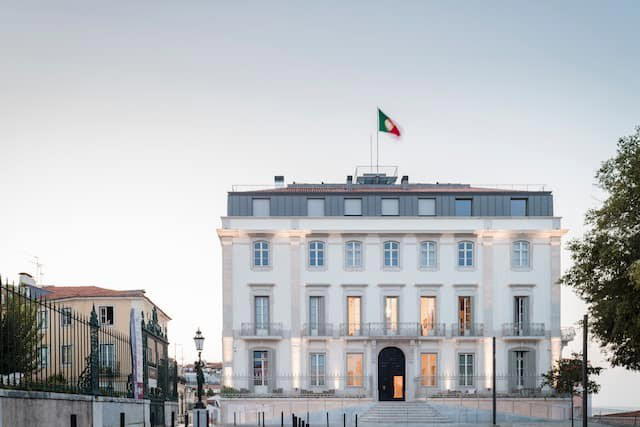
At a Glance
- Cozy
- Classic
- Intimate
- Casual Hangout
- Family
- Street Scene
Current opening hours
- Monday
- 12–11 PM
- Tuesday
- 12–11 PM
- Wednesday
- 12–11 PM
- Thursday
- 12–11 PM
- Friday
- 12–11 PM
- Saturday
- 12–11 PM
- Sunday
- 12–11 PM
Hours can change for holidays and private events. Last verified .