
Falstaff Winery - Listed
Grgić is a small Dalmatian cellar in Trstenik where Pelješac terroir, native grapes, and Croatian-Napa history intersect. The focus is narrow and serious: Plavac Mali and Pošip, shaped by a family winery founded in 1996 by Miljenko “Mike” Grgich, Violet Grgić, and Ivo Jeramaz.

Pearl is the En Primeur Club membership app — saves, bookings, and concierge access live there. Same editors, same standards.
- Address
- Trstenik, Poluotok Pelješac, Pelješko vinogorje - Pelješac, Dubrovačko-neretvanska županija, Kroatien
- Directions
- Get directions

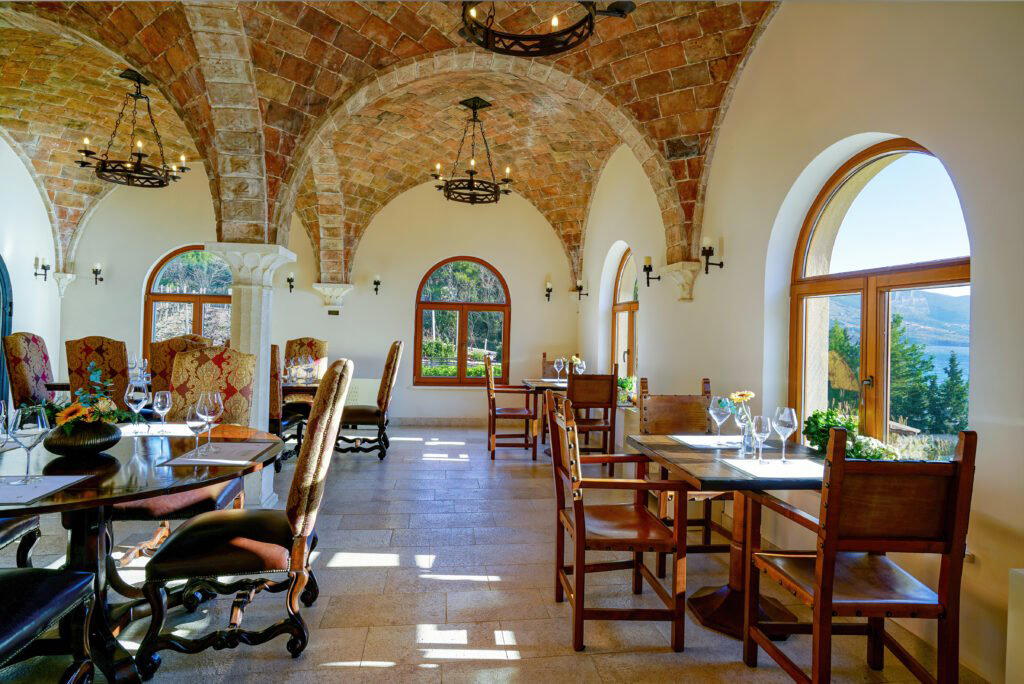
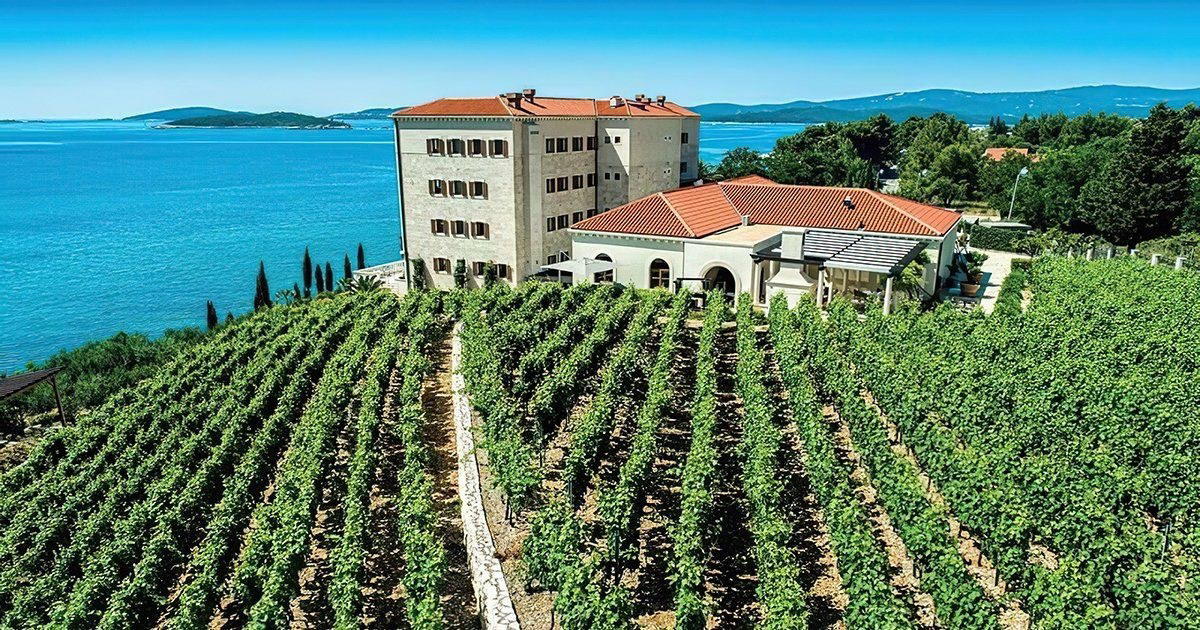
Trstenik gives Grgić a clear Dalmatian setting: Mediterranean light, a scenic seaside context, and a cellar experience that feels traditional rather than staged. The picture is deliberately modest, and that modesty is central to how the venue should be understood. Grgić is best described as a small Dalmatian cellar with a simple tasting room, where the focus stays on the wines themselves rather than on elaborate hospitality, decorative production, or a highly choreographed visitor experience.
What can be said with confidence is that Grgić offers a relaxed, unpretentious atmosphere in Trstenik and carries a strong sense of Croatian-Napa winemaking heritage. That heritage gives the visit a wider frame, but the practical experience remains grounded and direct: a coastal village setting, a traditional cellar format, and an emphasis on tasting wine in a setting that does not try to overwhelm the wines with spectacle.
A simple Dalmatian cellar with a wine-focused brief
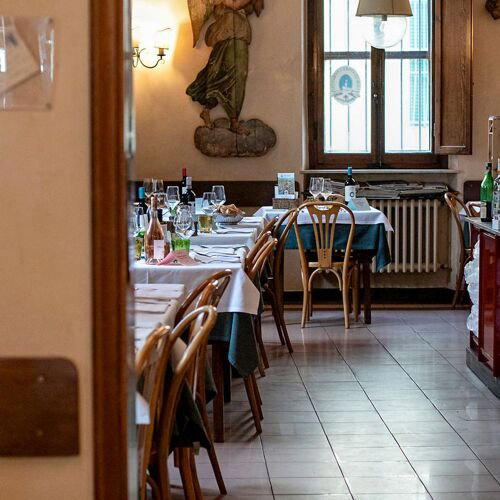
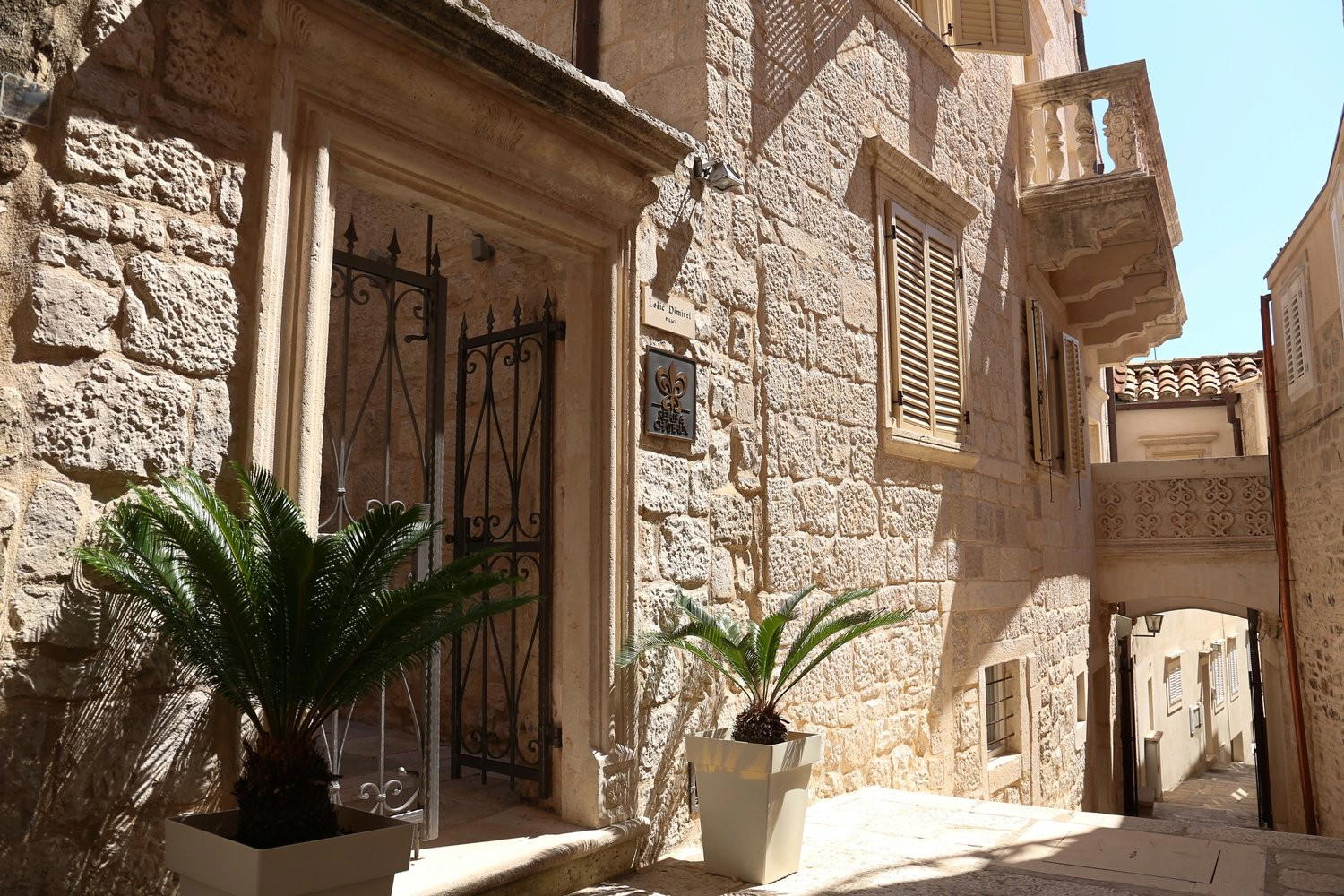
It is a small, traditional Dalmatian cellar in Trstenik, with a simple tasting room and an emphasis on wine rather than spectacle. That description is important because it sets expectations in the right place. Visitors should not approach Grgić as a large hospitality complex or as a destination built around polished performance. Its appeal lies in the opposite direction: a more direct encounter with a Dalmatian cellar environment, where the room is secondary and the wines carry the experience.
For visitors, that heritage is best treated as atmosphere and context: a sense that Grgić connects Dalmatian wine culture with a broader winemaking legacy. It adds depth to the stop without needing to turn the visit into a biography lesson. The point is not a heavily narrated history, but a feeling that the cellar sits at an intersection of local coastal identity and a wider wine-world memory.
That makes the venue a better fit for travelers who want a direct, low-key cellar experience than for those looking for a highly produced luxury visit. The appeal is the combination of Trstenik, Mediterranean light, a simple tasting room, and a relaxed focus on the wines themselves. In that sense, Grgić is most rewarding when approached with restrained expectations: come for the cellar feel, the coastal context, and the wine-focused brief, not for an expansive hospitality program or an elaborate set of add-ons.
A small cellar format with scenery doing part of the work
The experience is deliberately unpretentious. Grgić is described as a small, traditional Dalmatian cellar with a simple tasting room, where the atmosphere is relaxed and the wines remain the center of attention. This small-format character helps define the rhythm of a visit. Rather than asking visitors to move through a grand sequence of spaces, the venue keeps the experience compact, giving the tasting room and the wines a practical, direct role.
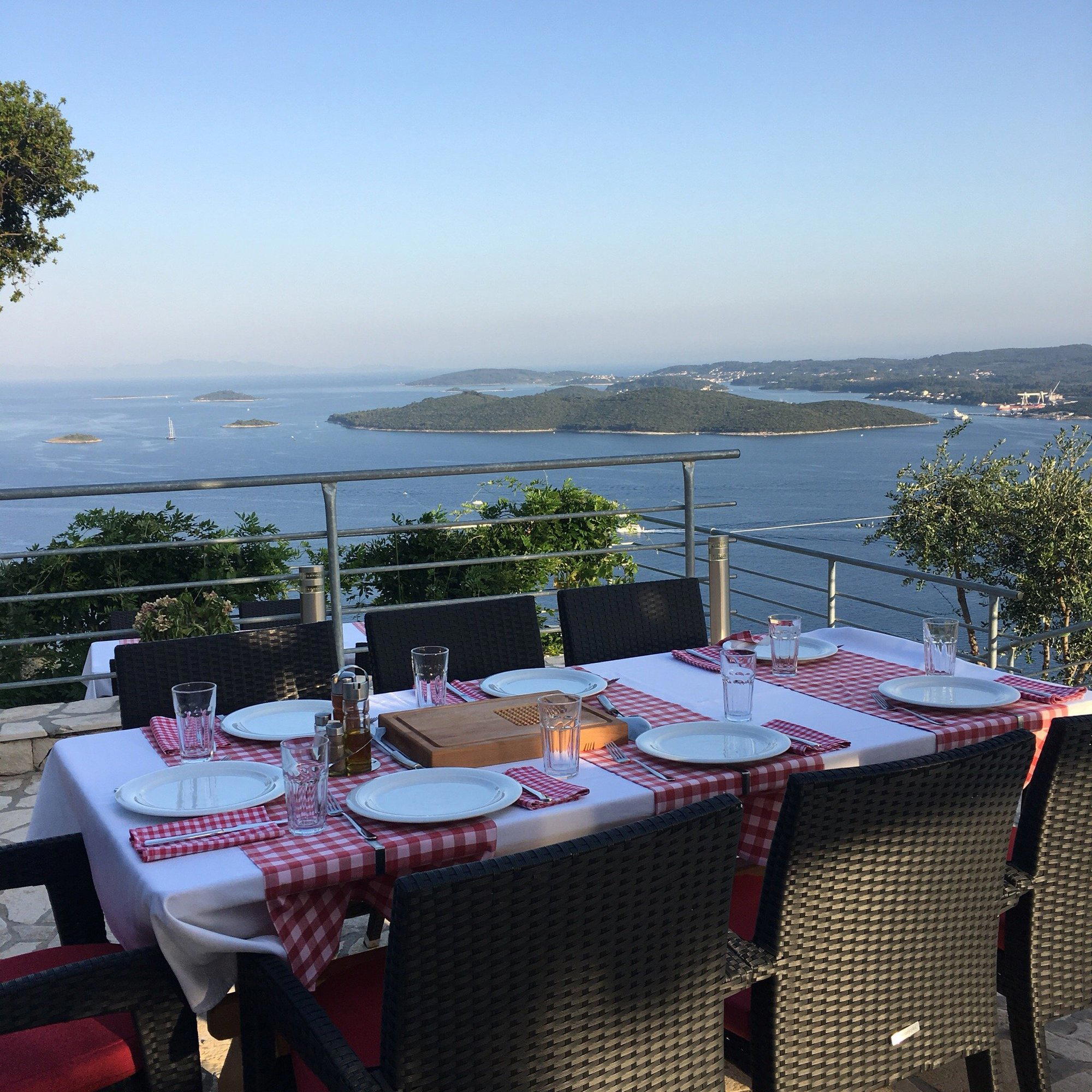
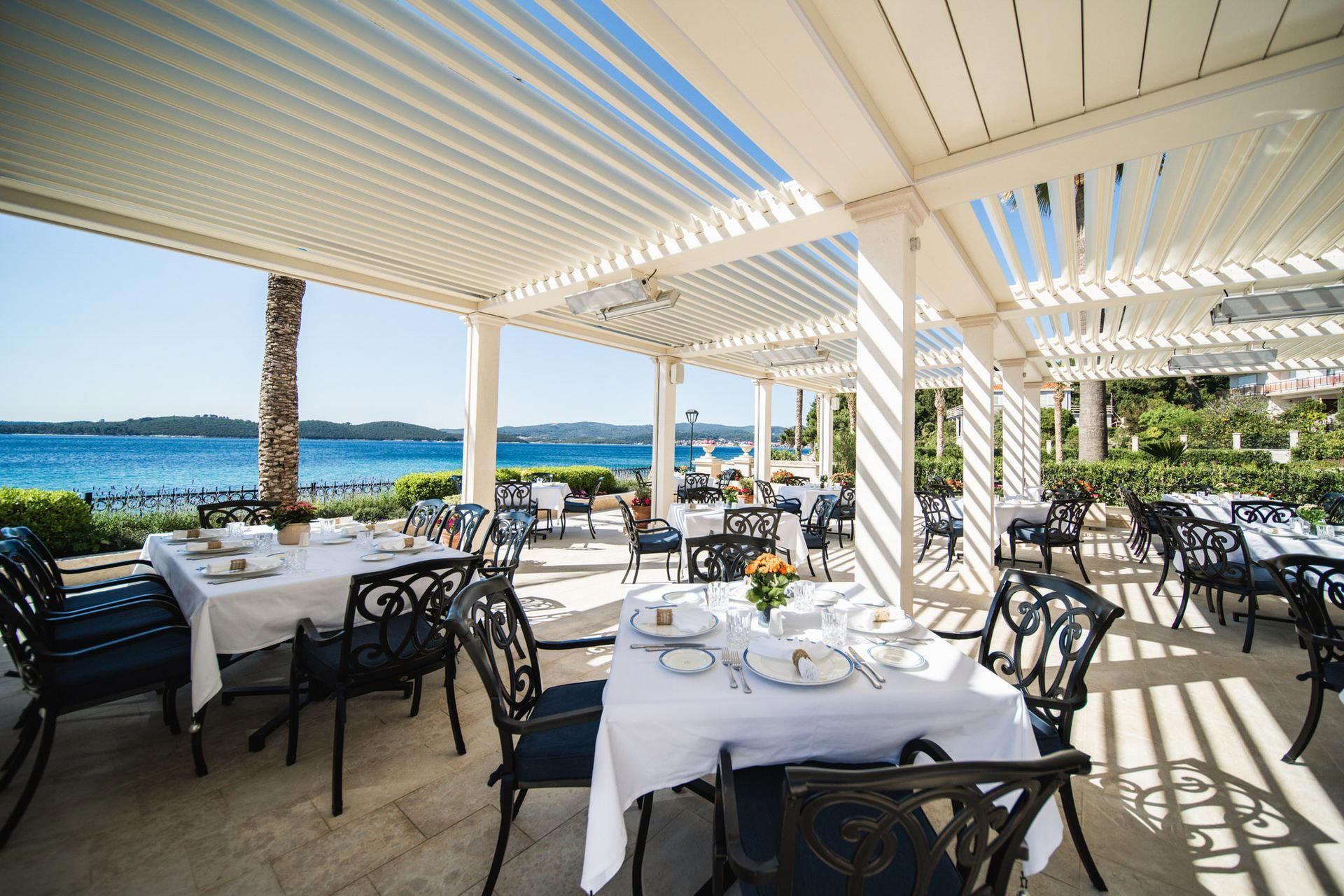
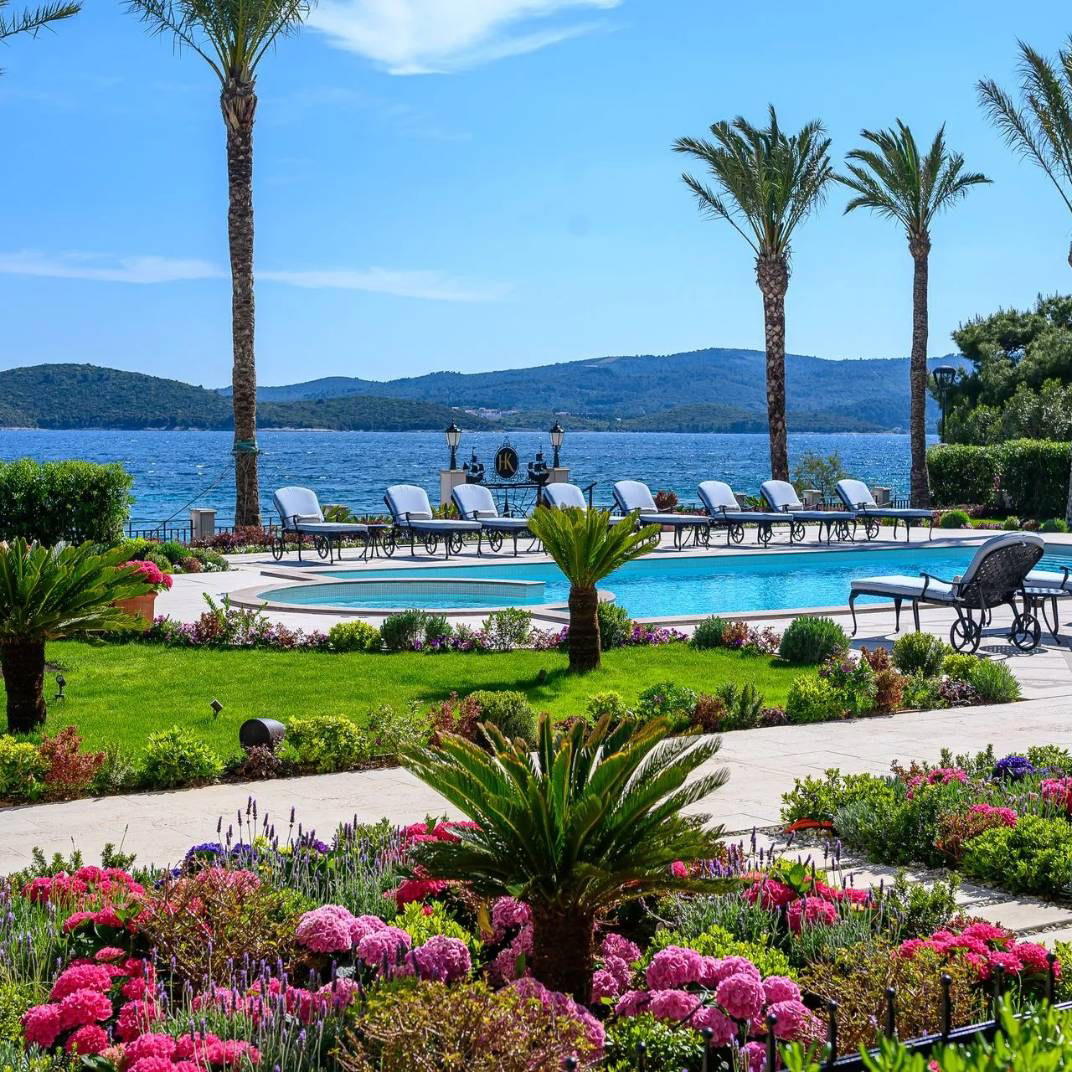
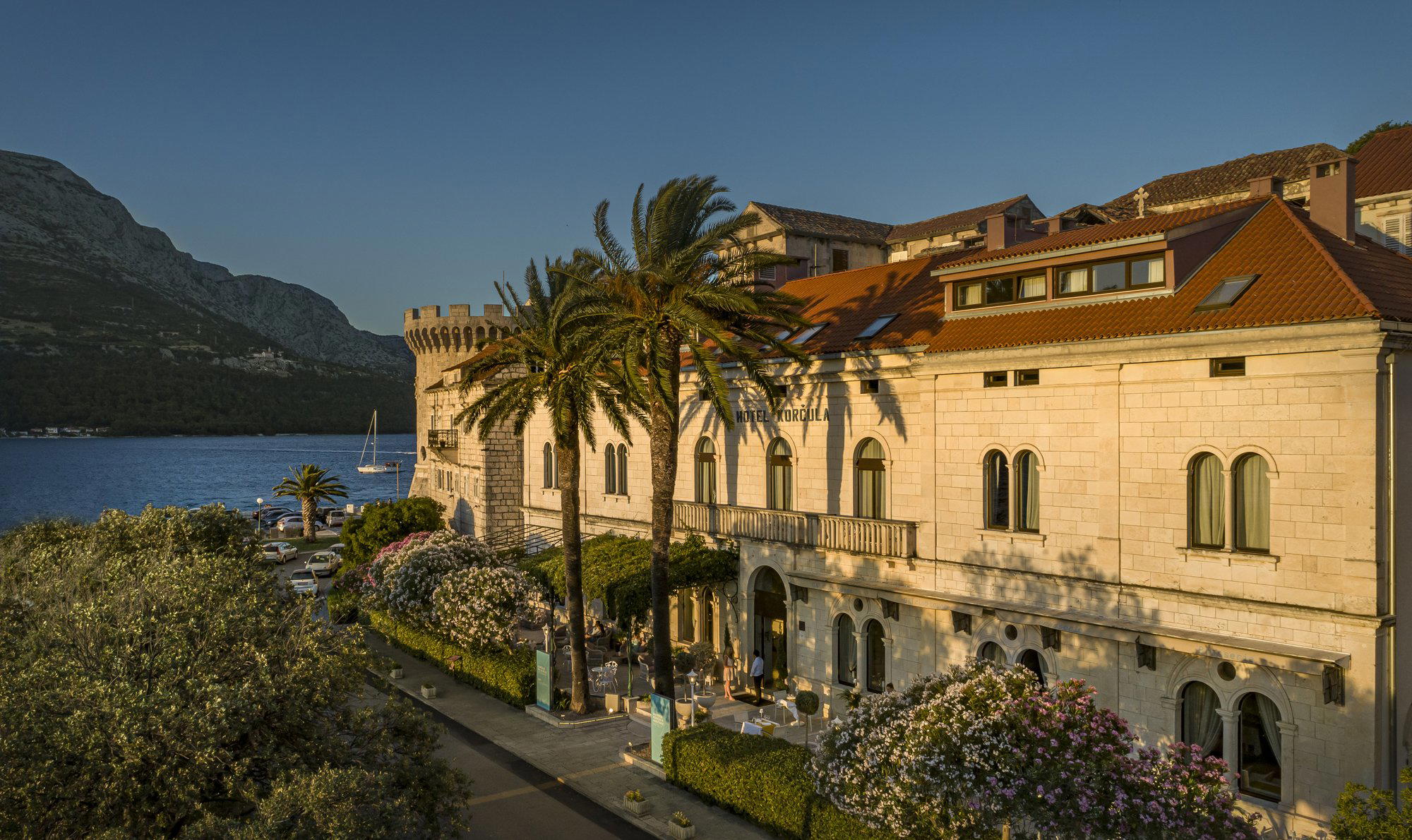
The scenic seaside setting is part of the appeal, but it should be read as context rather than decoration. Trstenik’s Mediterranean light and coastal character help frame the cellar’s mood, while the room itself remains simple and wine-focused. That balance matters: the village and the sea give the stop its sense of place, yet the cellar does not need to compete with the landscape. The setting softens the experience, making it feel anchored in Dalmatia, while the tasting room keeps attention on what is in the glass.
Travel planning in Trstenik usually works better when wine is treated as one strand of the day rather than a stand-alone itinerary. Pair Grgić with the village’s coastal rhythm, then consider other dining in Trstenik generically as part of the wider stay. This is a venue that fits naturally into a slower coastal day, especially for travelers who prefer a compact wine stop over a more formal destination visit. The scale of the cellar and the simplicity of the tasting room make it easy to understand as part of Trstenik’s broader atmosphere rather than as something separate from it.
The editorial case for Grgić is strongest for travelers who value simplicity, atmosphere, and wine heritage over elaborate hospitality. It is a compact Trstenik stop with a traditional Dalmatian cellar feel, a relaxed tasting-room setting, and a confirmed price level of $$. Its strengths are quiet but coherent: Mediterranean light, seaside context, a small cellar format, and a wine-first approach. For the right visitor, that restraint is not a limitation but the main reason to go.
Recognition history
Dated appearances from independent guides and award organizations, with the underlying list record or original source where available.
Falstaff Winery - Listed
Falstaff
Continue exploring
More in Trstenik
Wineries in Trstenik
Browse all →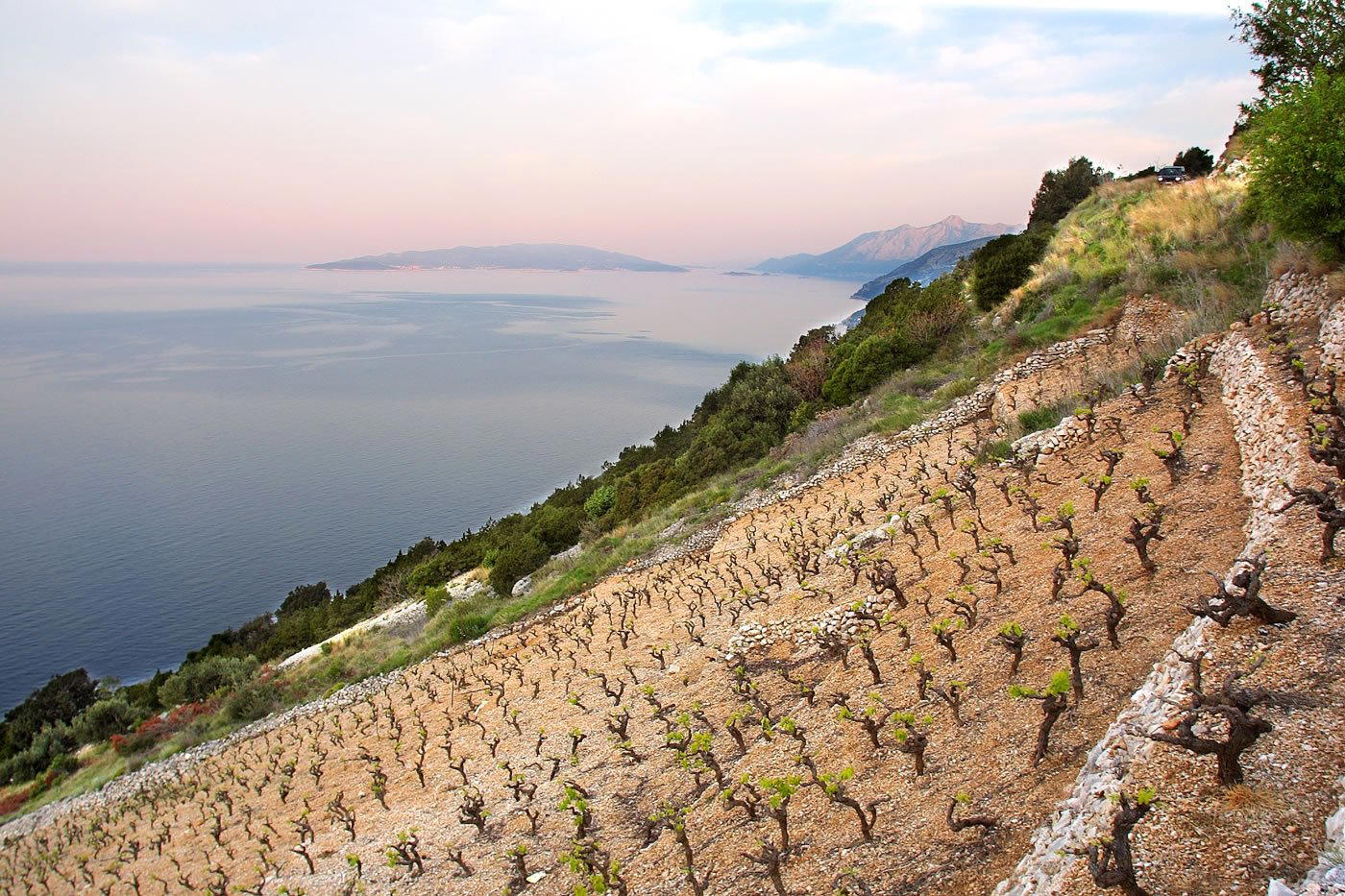
Bars in Trstenik
Browse all →
Restaurants in Trstenik
Browse all →
Details
- Scenic
- Classic
- Rustic
- Well Known
- Romantic
- Romantic Getaway
- Group Outing
- Solo Exploration
- Wine Education
- Special Occasion
- Estate Grounds
- Waterfront
- Panoramic View
- Private Tasting
- Sustainable
- Waterfront
- Vineyard
- Plavac Mali
- Pošip
- Dingač (plavac Mali)
- Postup (plavac Mali)
- Still Red
- Still White
- Bar Tasting
- Private Tasting
- Retail Shop Purchases
- English
- Croatian
Small, traditional Dalmatian cellar with a simple tasting room focused on the wines themselves, offering a relaxed, unpretentious atmosphere and a strong sense of Croatian-Napa winemaking heritage with Mediterranean light from its scenic seaside setting.