Bazaar Meat
Bazaar Meat brings José Andrés's theatrical approach to protein-forward dining into Miami's competitive steakhouse tier. The format blends Spanish avant-garde technique with fire-driven American cuts, placing it in a separate lane from the city's traditional chophouses. It reads less as a steakhouse and more as a provocation about what a steakhouse can be.
- Address
- Miami, United States
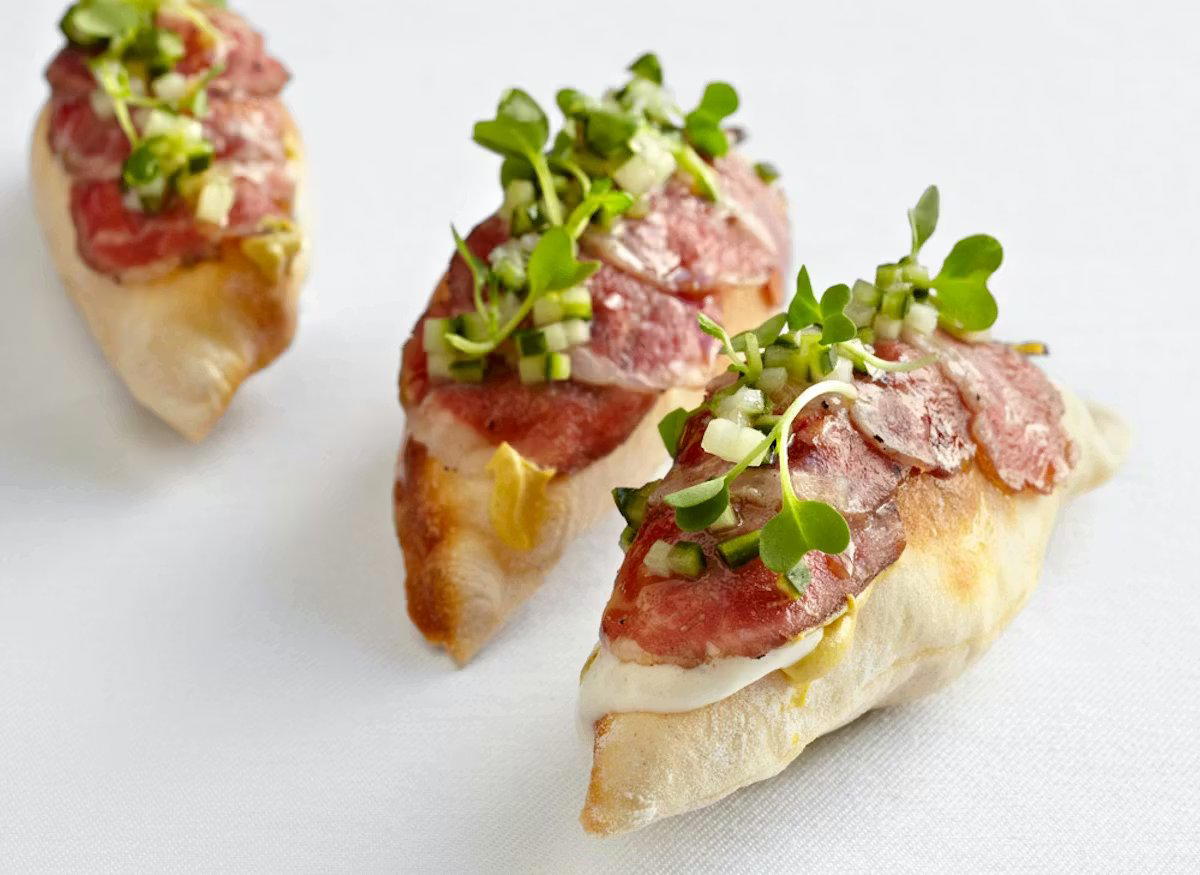
Fire, Theatre, and the American Cut in Miami
Miami's steakhouse scene has always been pulled in two directions: the old-school South Beach power-dining room, where the aged prime ribeye and the tableside Caesar are the whole point, and a newer wave of concept-led formats that use meat as a canvas for something more layered. Bazaar Meat is a restaurant in Miami's Brickell district, in the SLS Hotel, serving modern Spanish steakhouse cooking at a price tier of about $150 per person. It sits firmly in the second camp. The room signals this immediately. The scale is deliberate, the lighting theatrical, and the visual language owes more to a Spanish bodega crossed with a butcher's hall than to a conventional steakhouse. Approaching the space, the expectation of a white-linen chophouse dissolves quickly.
That positioning matters because Miami now has a genuine range of steakhouse formats to choose from. Prime One Twelve holds the power-dining end of the market with decades of local credibility. Bavette's occupies a French-influenced, dimly lit bistro-chophouse register. Edge Steak and Bar operates from a hotel perch with a broader contemporary menu. Fine Cut Steakhouse pitches itself at the premium hotel dining tier. And ITAMAE represents the further edge of Miami's protein-driven creativity, where Peruvian technique and Japanese influence converge. Bazaar Meat's distinction within this set is a format that treats the steakhouse template as a starting point rather than a constraint.
The Cuts: What the Menu Is Actually Arguing
The editorial angle of any serious steakhouse in 2024 is the cut itself, because the cut determines everything: the fat distribution, the texture under heat, the relationship between char and interior, and ultimately the price-to-satisfaction logic a diner is being asked to accept. Bazaar Meat's approach to this is more pluralistic than a traditional American chophouse, where the ribeyeversus-strip versus filet debate is essentially the whole conversation.
American steakhouse convention has long treated the ribeye as the fat-forward, crowd-pleasing benchmark and the New York strip as the leaner, more assertive alternative for guests who want texture over richness. The filet, cut from the tenderloin, sacrifices marbling for a clean, almost neutral tenderness that makes it the entry point for guests cautious about fat. The tomahawk, in reality a bone-in ribeye with an extended rib still attached, arrived in the premium steakhouse as a theatrical object as much as a culinary choice. Its visual impact on the pass and the table has made it a standard feature at high-visibility restaurants in cities like Miami, where dining is as much performance as sustenance.
What separates this concept from a conventional operator is the layering of technique around those cuts. Spanish culinary tradition, particularly the wood-fire and ember traditions of the Basque country and the open-hearth cooking of the meseta, has a long claim on large-format beef cookery. The Andrés Group brings that vocabulary into contact with American sourcing and American cut logic. The result is a steakhouse that balances Spanish technique with American cut logic.
For context on how that approach compares at a global level, operations like Capa in Orlando and A Cut in Taipei represent the range of premium steakhouse formats now operating outside traditional American beef markets, each developing its own vocabulary around fire, sourcing, and cut presentation.
Miami's Appetite for This Format
Miami is one of the few American cities where a steakhouse can simultaneously target local expense-account diners, international leisure visitors, and a Latin American clientele with its own distinct expectations around beef quality and preparation. That triangulation shapes how the restaurant positions itself differently from, say, a comparable Andrés property in Las Vegas or Washington D.C. The city's food scene has also expanded its ambition considerably over the past decade. Formats that would have struggled here in 2010 now find a receptive audience. Miami's restaurant scene across all categories has deepened, and the steakhouse tier has followed that trajectory.
Comparison venues outside the steak category illustrate how far Miami's premium dining has moved. The techniques applied at places like Lazy Bear in San Francisco or Alinea in Chicago normalized a more performance-conscious approach to fine dining in American cities generally, and Miami absorbed that influence. The restaurant is, in part, the steakhouse-tier expression of that shift: the idea that a room built around beef should still have something to say about how beef is cooked, sourced, and served, rather than simply executing a formula inherited from mid-century New York. Restaurants like Le Bernardin in New York and The French Laundry in Napa long established that fine dining in America could carry genuine intellectual weight; the restaurant makes a version of that argument within the steakhouse format.
Miami's proximity to Latin American beef cultures is also relevant here. Argentina has among the more developed wood-fire beef traditions in the world, and Miami restaurants drawing on that heritage, including Los Fuegos by Francis Mallmann at the Four Seasons, occupy a distinct niche within the city's meat-focused dining. The restaurant's Spanish-inflected approach offers a parallel but formally different interpretation of fire and large-format cuts. Both formats are playing a long game against the more conventional American prime chophouse model.
Planning a Visit
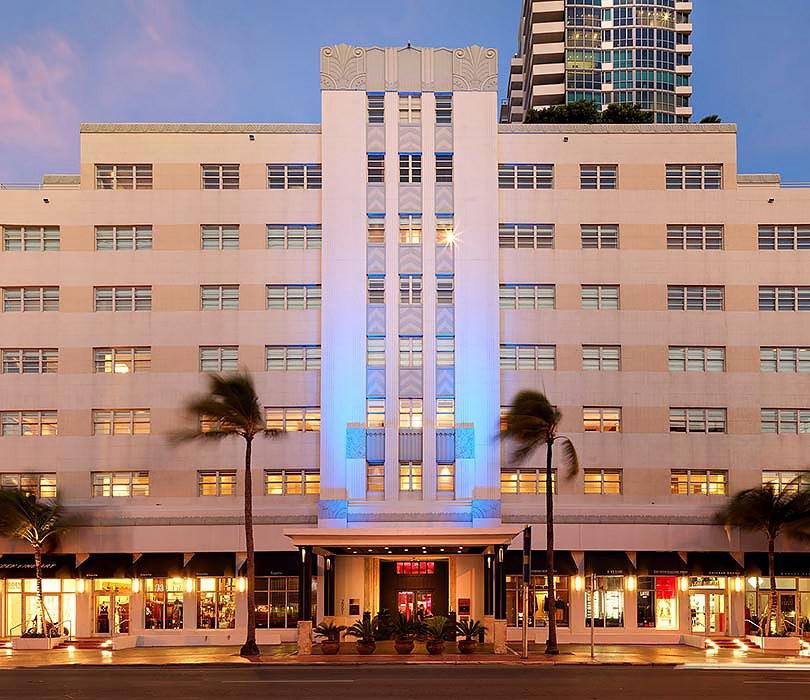
The restaurant is located within the SLS Hotel in Miami's Brickell district, which places it close to the city's financial and hotel corridor rather than in the South Beach dining cluster. That geography shapes the audience: more business-dinner and hotel-guest traffic, less of the nightlife-adjacent crowd that animates South Beach venues after 10pm. Reservations are essential. For those coordinating a broader trip, the Miami hotels guide, bars guide, and experiences guide provide the wider planning context, and the Miami wineries guide covers the wine-focused dimension of the city's hospitality. For restaurants beyond the steakhouse category, the full Miami restaurants guide covers the breadth of the scene, while venues like Emeril's in New Orleans and Single Thread in Healdsburg offer reference points for how American culinary ambition expresses itself at a similar price tier in other markets.
At-a-Glance Comparison
Comparable venues nearby, for context on price, style, and recognition.
| Venue | Cuisine | Price | Notes |
|---|---|---|---|
| Bazaar MeatThis venue — the venue you are viewing | Modern Spanish Steakhouse | $$$$ | Not listed |
| Jamon Iberico Pata Negra Restaurant | Authentic Spanish Tapas | $$$ | Overtown |
| Seaspice Brasserie & Lounge | Mediterranean Seafood Brasserie | $$$$ | Overtown |
| Casa Juancho | Authentic Spanish Tapas & Paella | $$$ | Coral Gate |
| LeKoke Wine and Bites | Spanish Tapas and Wine | $$ | Little Havana |
| La Mar Miami by Gastón Acurio | Authentic Peruvian Cevicheria | $$$$ | Brickell Key |

At a Glance
- Whimsical
- Elegant
- Trendy
- Modern
- Special Occasion
- Date Night
- Business Dinner
- Open Kitchen
- Design Destination
- Hotel Restaurant
- Extensive Wine List
- Craft Cocktails
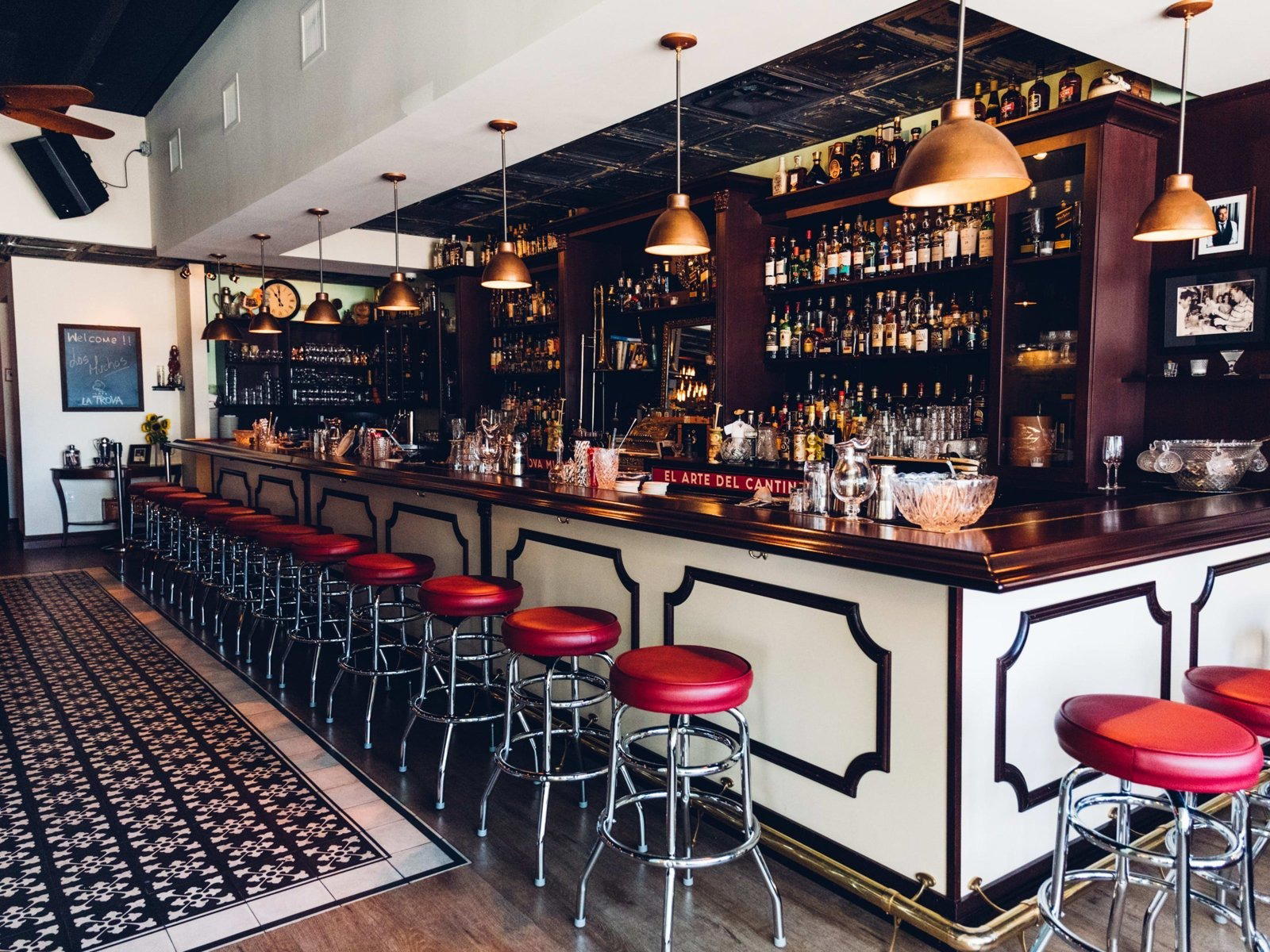
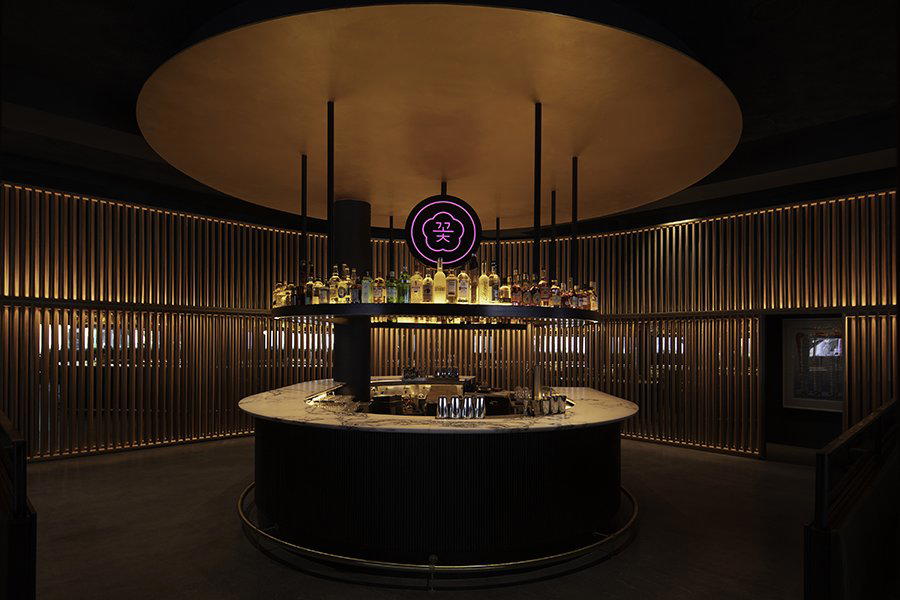
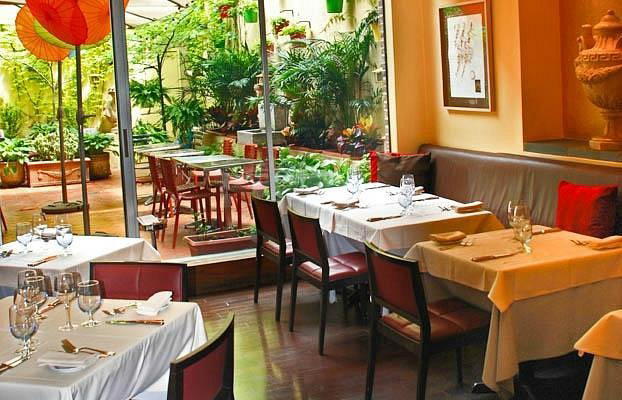
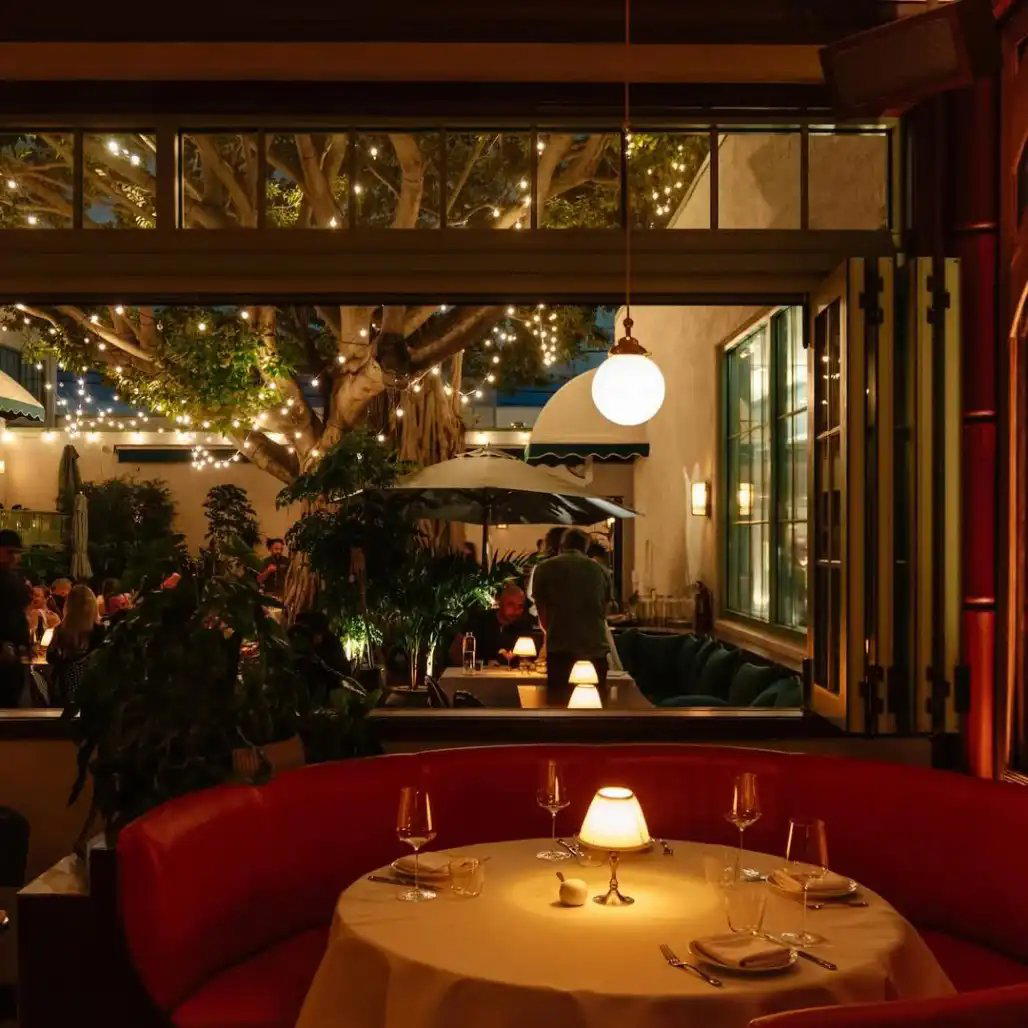
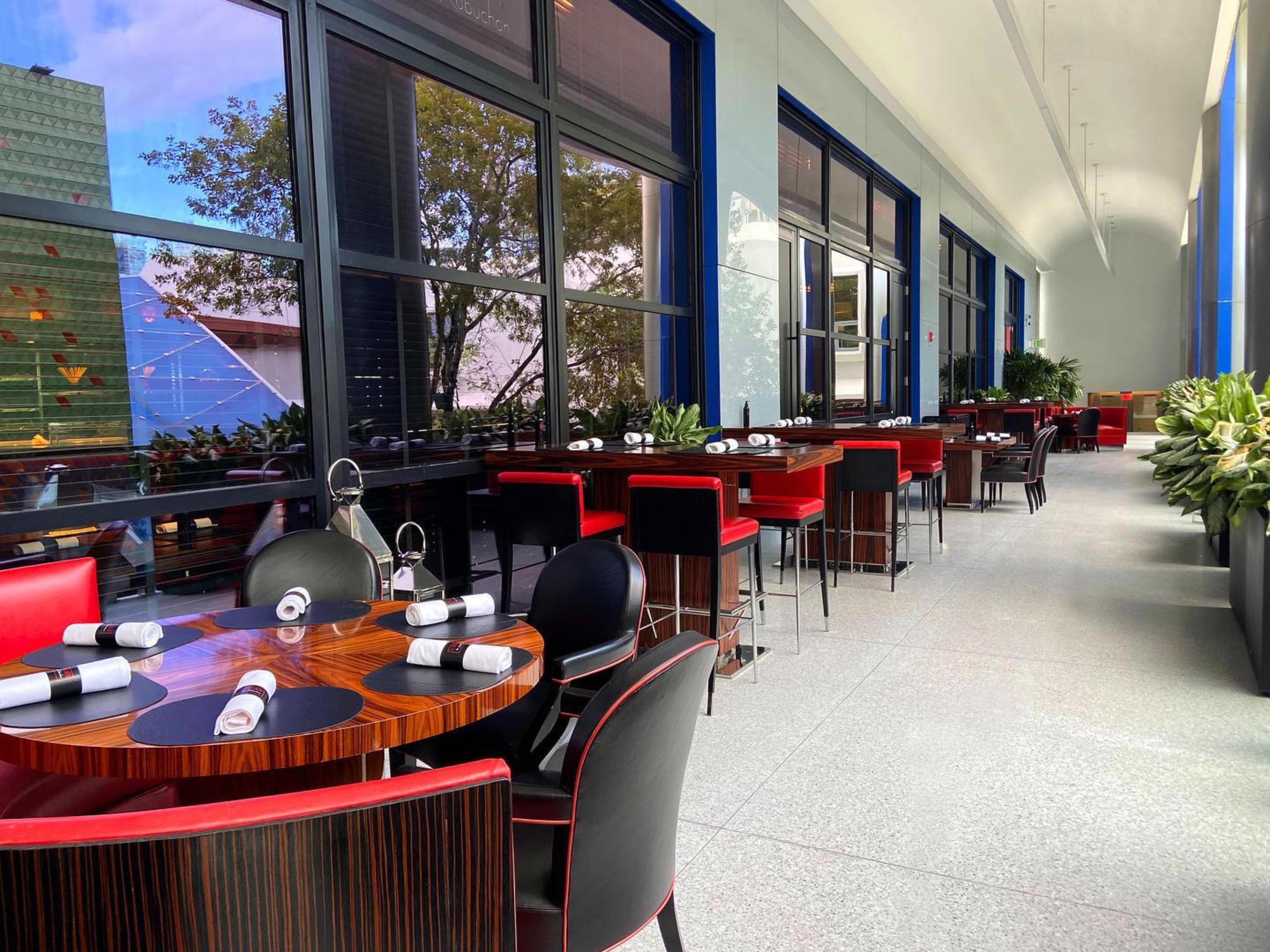
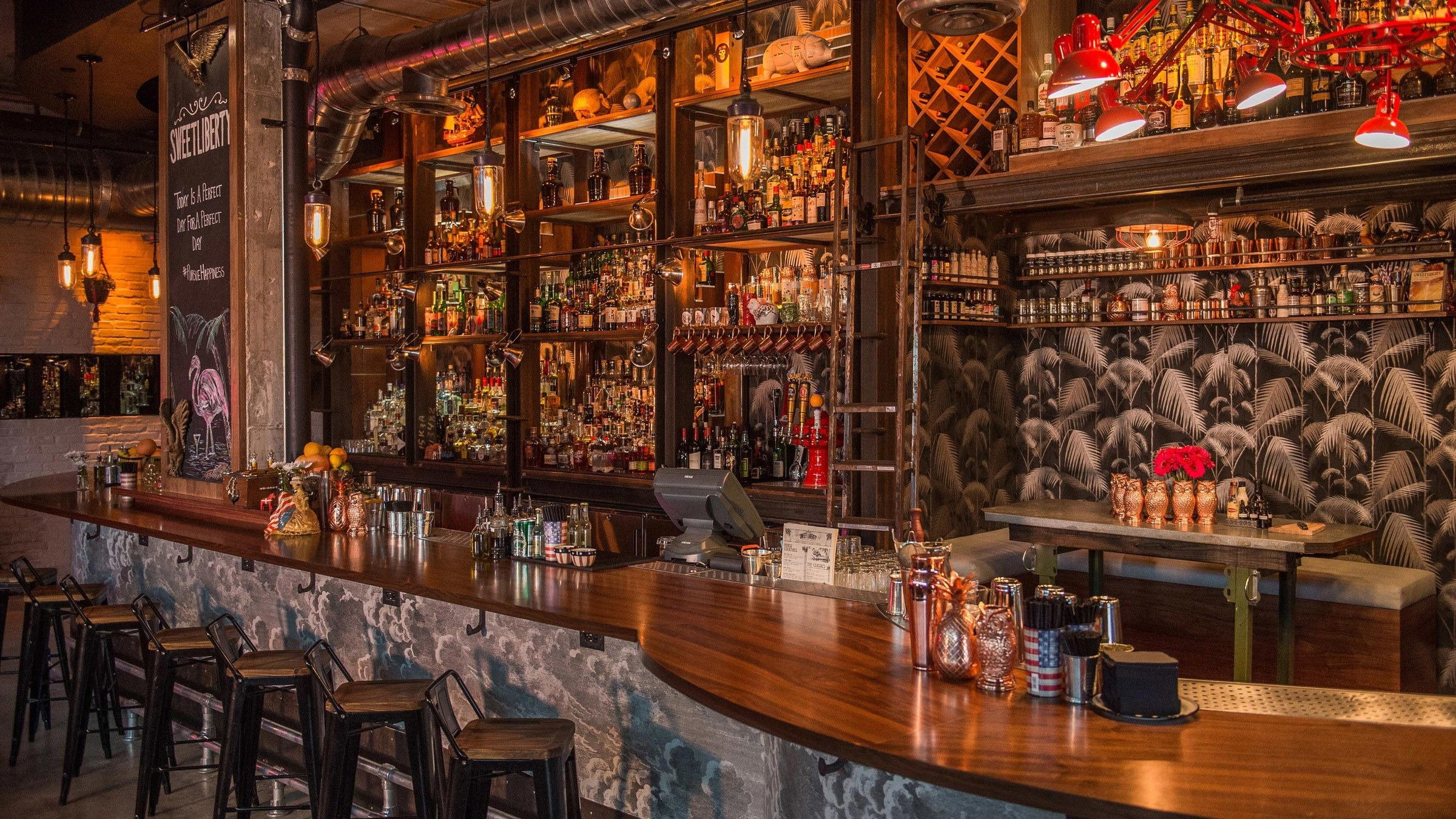
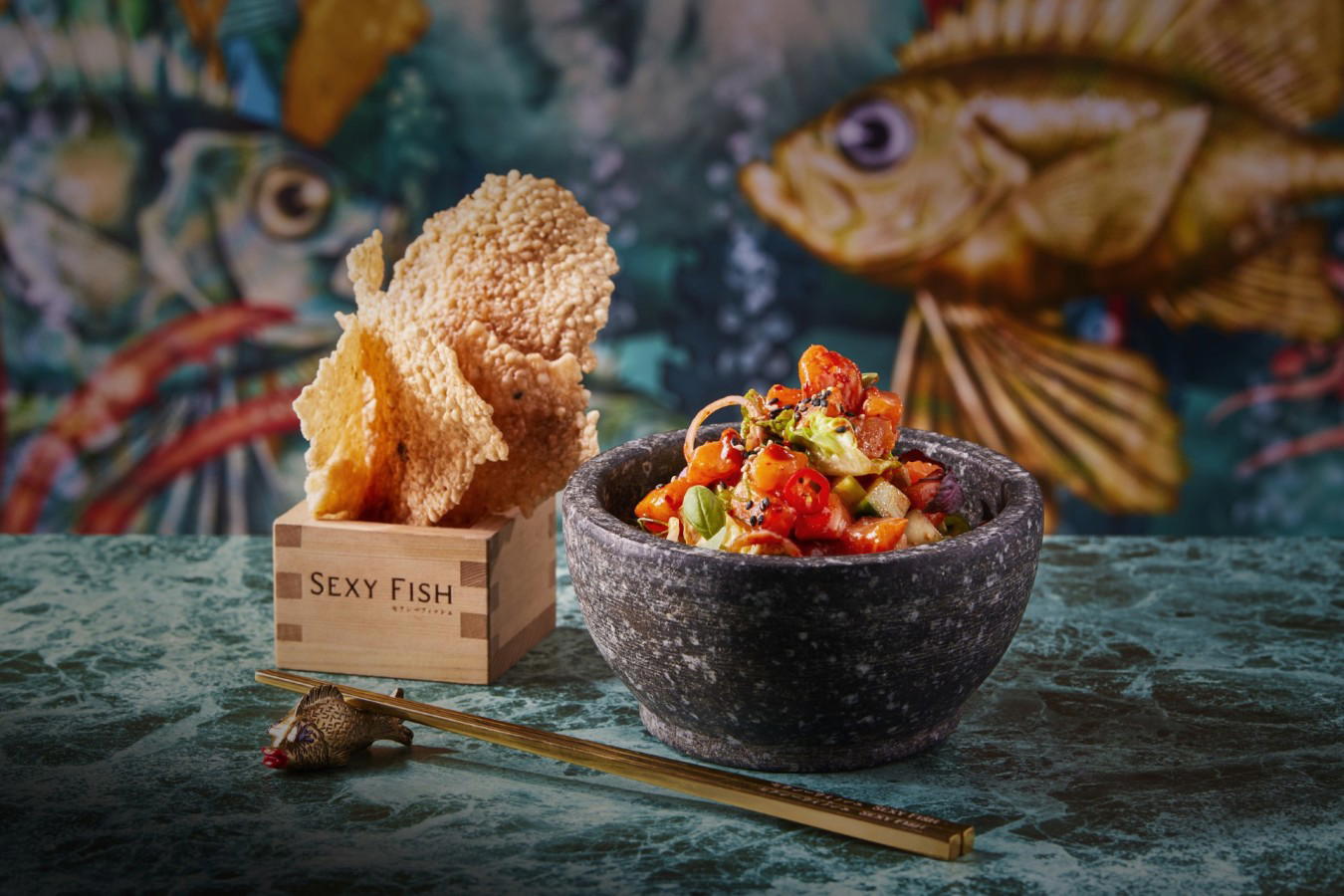
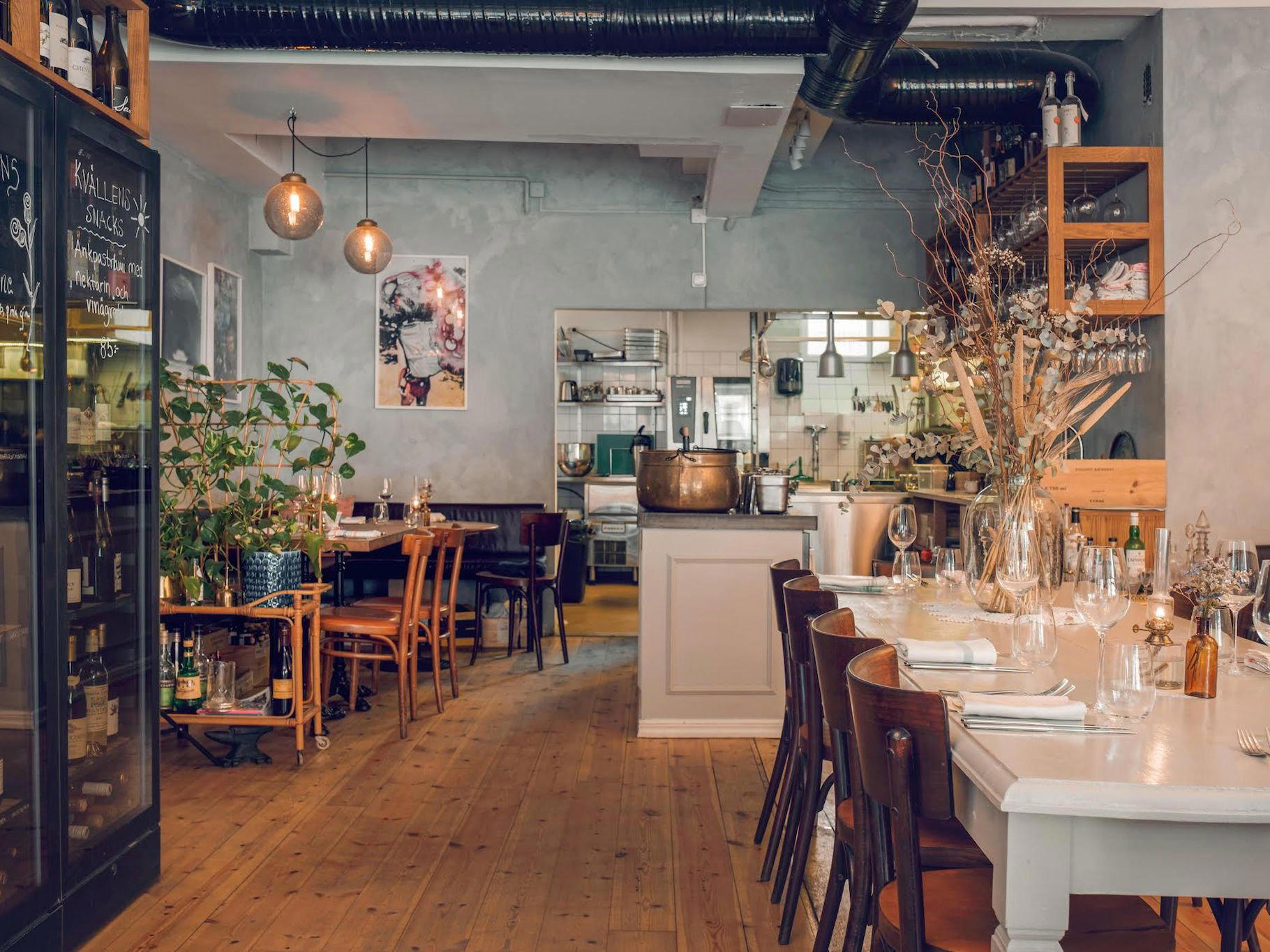
Dark, quirky decor with bizarre elements like fire pits and inventive serving styles, creating an intimate yet entertaining atmosphere.