Google: 4.6 · 459 reviews
Bayberry Garden
Bayberry Garden occupies a compelling position on Dyer Street in Providence's rapidly evolving Jewelry District, where the city's farm-to-table sensibility meets a neighbourhood in mid-transformation. Sitting at the intersection of industrial history and contemporary dining culture, it draws the kind of attention that comes when a restaurant is precisely timed to its surroundings. For a fuller picture of Providence's dining scene, see our city guide.
 Discover on Pearl
Pearl is the En Primeur Club membership app — saves, bookings, and concierge access live there. Same editors, same standards.
Dyer Street and the Jewelry District's Dining Moment
Providence has been rewriting its culinary reputation for the better part of two decades, but the Jewelry District's emergence as a serious dining corridor is a more recent development. The neighbourhood that once housed silversmithing workshops and textile factories now sits adjacent to the Brown University medical campus and a cluster of adaptive-reuse residential buildings. That demographic and architectural shift has created demand for restaurants that operate at a higher register than the casual staples that first colonised the area. Bayberry Garden, at 225 Dyer Street, lands in that context: a restaurant positioned at the precise moment when the Jewelry District is building a dining identity it didn't previously have.
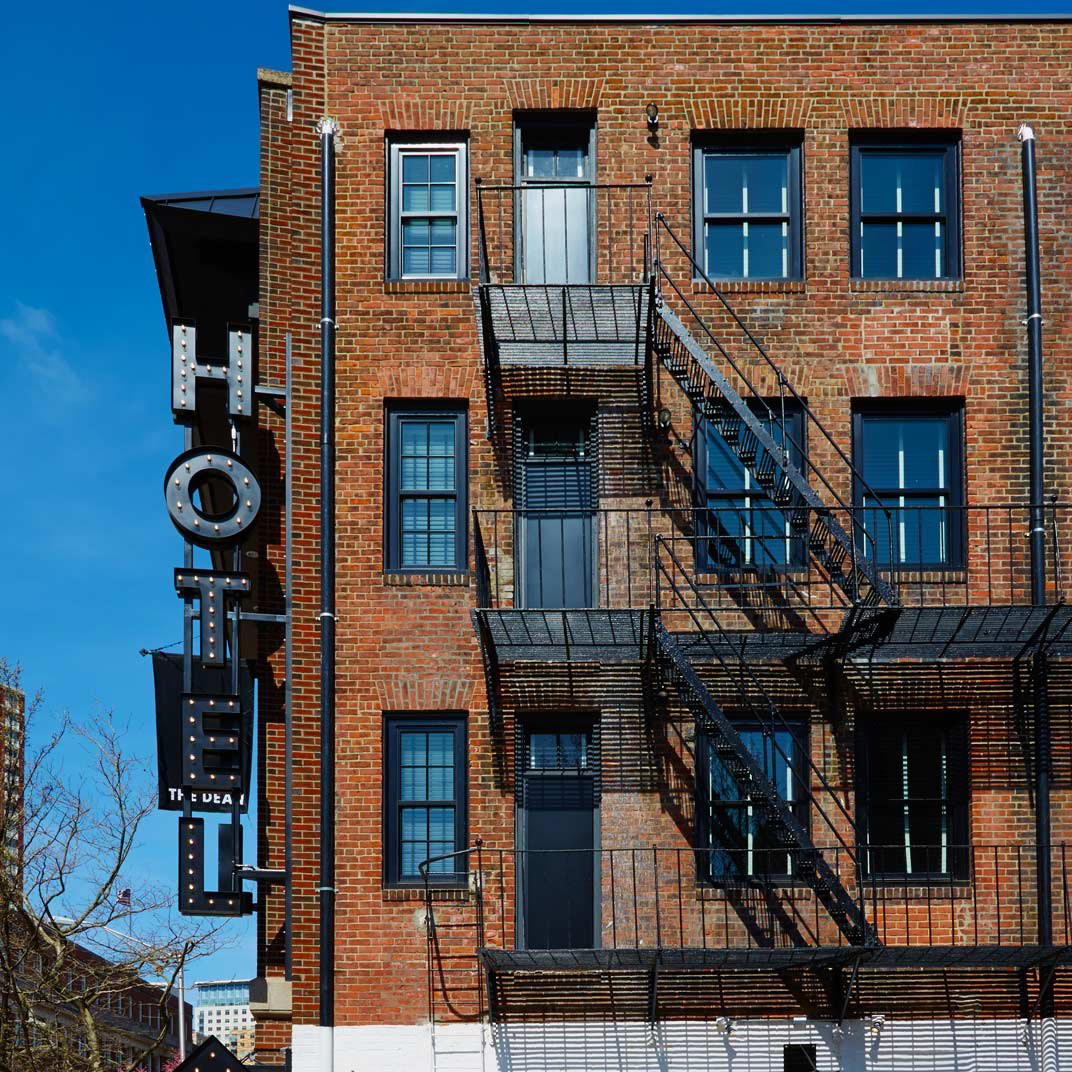
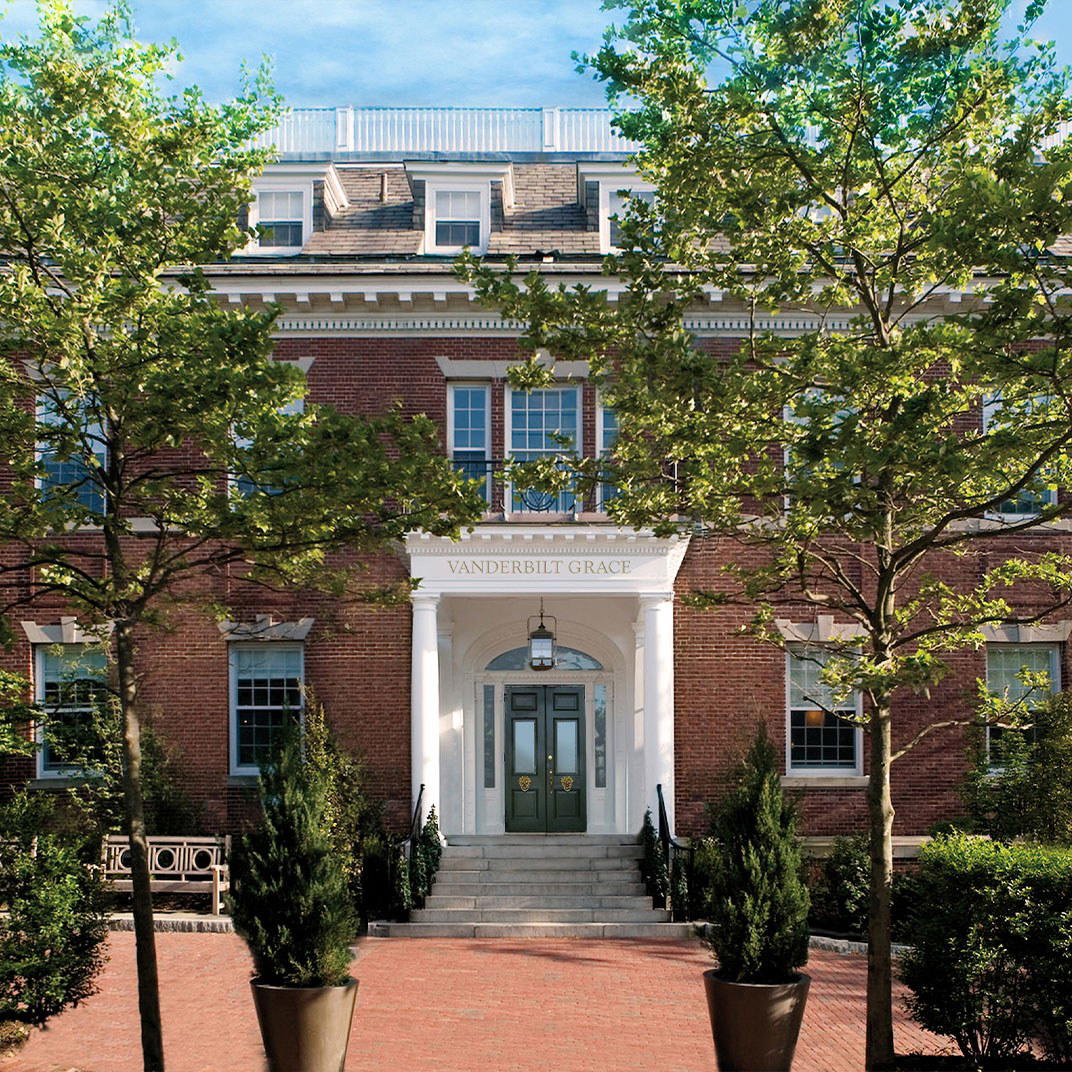
Dyer Street runs close to the Providence River, and the area retains an industrial grain — exposed brick, wide-lane streets designed for freight, buildings with structural bones visible through renovation. That physical character tends to attract restaurants with a certain editorial confidence: places that let the room do some of the atmospheric work rather than papering over it with decorative excess. Nationally, this dynamic has played out in comparable post-industrial corridors in cities like Chicago, where Smyth occupies a West Loop building with similar material honesty, or San Francisco, where Lazy Bear turned a converted industrial space into one of the country's more interesting tasting-menu formats. The Jewelry District is earlier in that arc, which means the restaurants arriving now are effectively setting the terms for what the neighbourhood becomes.
Providence's Broader Dining Conversation
To understand where Bayberry Garden sits, it helps to map the wider Providence dining scene. The city has a long-established Italian-American tradition anchored in Federal Hill, represented by places like Anthony's Authentic Italian Cuisine and the more refined Bacaro, which operates in a wine-bar format closer to a northern Italian osteria. On the other end of the spectrum, Al Forno Restaurant has held a position in the American dining conversation since the 1980s, credited with popularising grilled pizza as a technique that spread well beyond Rhode Island. More recent arrivals have pushed the creative range: Gift Horse applies Korean technique to New England seafood in a format that reflects Providence's evolving appetite for cuisine that draws on multiple traditions simultaneously. 10 Prime Steak & Sushi occupies the upscale hybrid format that major American cities now tend to produce at least one of. The question Bayberry Garden enters into is what the Jewelry District specifically adds to that already-varied mix.
Providence's dining culture has also been shaped by Johnson & Wales University's culinary programme, which has seeded the local scene with technically trained cooks for decades. That pipeline doesn't always translate into visible, named talent at the top tier — Providence lacks the headline-chef culture of Boston or New York , but it creates a baseline of kitchen competence that supports a wider range of serious restaurants than a city of Providence's size might otherwise sustain. For visitors building a full itinerary, our full Providence restaurants guide maps the scene across neighbourhoods and price points.
The Garden Concept in Urban Dining
The name Bayberry Garden gestures toward New England's botanical and coastal identity. Bayberry is native to the Rhode Island coastline, a shrub associated with colonial-era candlemaking and the particular grey-green scrub of the region's barrier beaches. Using that reference in a restaurant name planted in an urban, post-industrial block creates an interesting tension: it signals a connection to local natural character while operating in a setting that is almost entirely built environment. This kind of naming strategy has become more common as farm-to-table rhetoric has matured into something more place-specific. Restaurants that previously would have simply declared seasonal sourcing are now reaching for botanical and geographic specificity , a shift visible at places like Single Thread Farm in Healdsburg and Blue Hill at Stone Barns in Tarrytown, where the name itself encodes a sourcing philosophy. Bayberry Garden operates at a different scale than either of those, but the naming logic is part of the same cultural moment.
Rhode Island's agricultural and coastal resources give any serious restaurant in Providence access to a procurement story worth telling. The state's oyster harvest, in particular, has grown significantly as aquaculture operations in Narragansett Bay have expanded. Local farm networks in the Blackstone Valley and South County supply restaurants across the state. A restaurant with a garden-referencing name in this geography is implicitly entering a conversation about provenance that diners in Providence are increasingly equipped to interrogate.
Positioning Against National Benchmarks
The American fine-dining and upscale-casual tier has produced clear reference points against which any ambitious restaurant in a secondary city gets measured. The French Laundry in Napa, Le Bernardin in New York City, and The Inn at Little Washington define one end of the American dining spectrum: destination-scale operations with decades of accumulated recognition. Providence restaurants don't compete in that tier, nor should they try to. What cities like Providence can offer is a closer relationship between restaurant and neighbourhood, less theatrical remove between kitchen and diner, and pricing that doesn't require the overhead justification of a Manhattan lease. Addison in San Diego and Atomix in New York City show what happens when ambition in secondary or outer-borough markets gets the right conditions; Emeril's in New Orleans is an older example of a restaurant that made a non-primary market into a destination in its own right. The Jewelry District is at an early enough stage that a restaurant arriving now with genuine commitment to the neighbourhood has the opportunity to become part of its definition rather than arriving after it's already set.
Practical Notes for Visitors
Bayberry Garden sits at 225 Dyer Street in Providence's Jewelry District, a short distance from the Providence River waterfront and accessible from downtown on foot or by short ride. The Jewelry District lacks the parking density of suburban dining destinations, so arriving by ride-share or on foot from the downtown core is the more practical approach. As with most restaurants in emerging Providence neighbourhoods, confirming current hours and booking arrangements directly before visiting is advisable, as operational details in this part of the city can shift as the neighbourhood develops. The Providence dining scene rewards visitors who treat the city as a two-day proposition: enough time to cover both the Federal Hill Italian corridor and the newer-format restaurants in areas like the Jewelry District and the waterfront. Those planning a wider New England dining trip might consider Providence as a complementary stop to Boston, with its own distinct culinary character rather than a lesser version of its larger neighbour. For comparable fare and atmosphere, Atelier Moessmer Norbert Niederkofler in Brunico and Providence in Los Angeles represent the kind of place-rooted ambition that Providence's dining scene is steadily building toward at the local level.
A Tight Comparison
Comparable venues for orientation, based on our database fields.
| Venue | Notes | Price |
|---|---|---|
| Bayberry Garden | This venue | |
| Al Forno Restaurant | Italian | |
| Oberlin | Wine Bar | |
| Mills Tavern | American | |
| Gift Horse | New England Seafood (Korean twist) | |
| Gracie's |
Continue exploring
More in Providence
Restaurants in Providence
Browse all →

Bars in Providence
Browse all →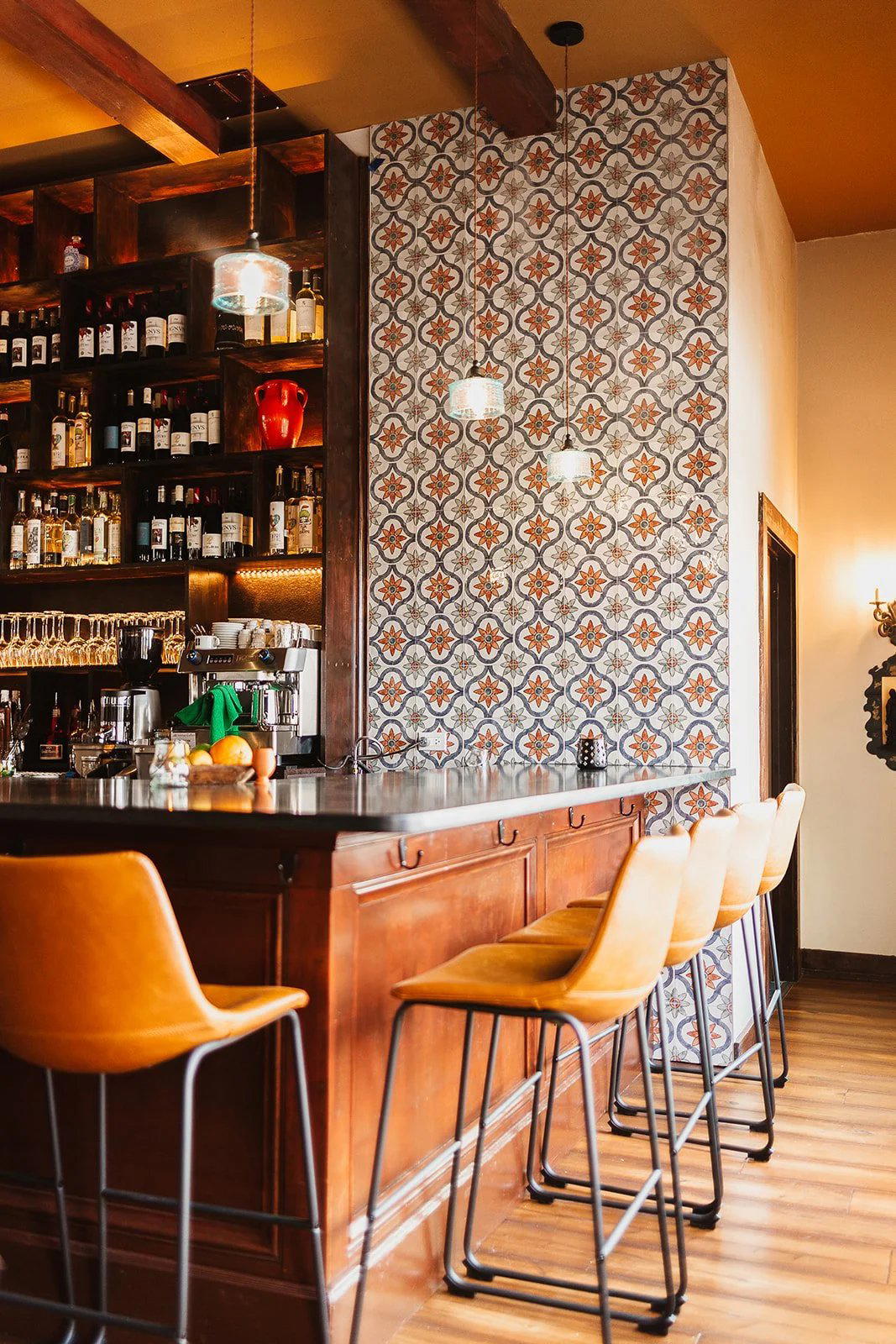

At a Glance
- Scenic
- Cozy
- Elegant
- Modern
- Date Night
- Brunch
- Special Occasion
- Open Kitchen
- Terrace
- Garden
- Craft Cocktails
- Beer Program
- Local Sourcing
- Sustainable Seafood
- Waterfront
- Street Scene
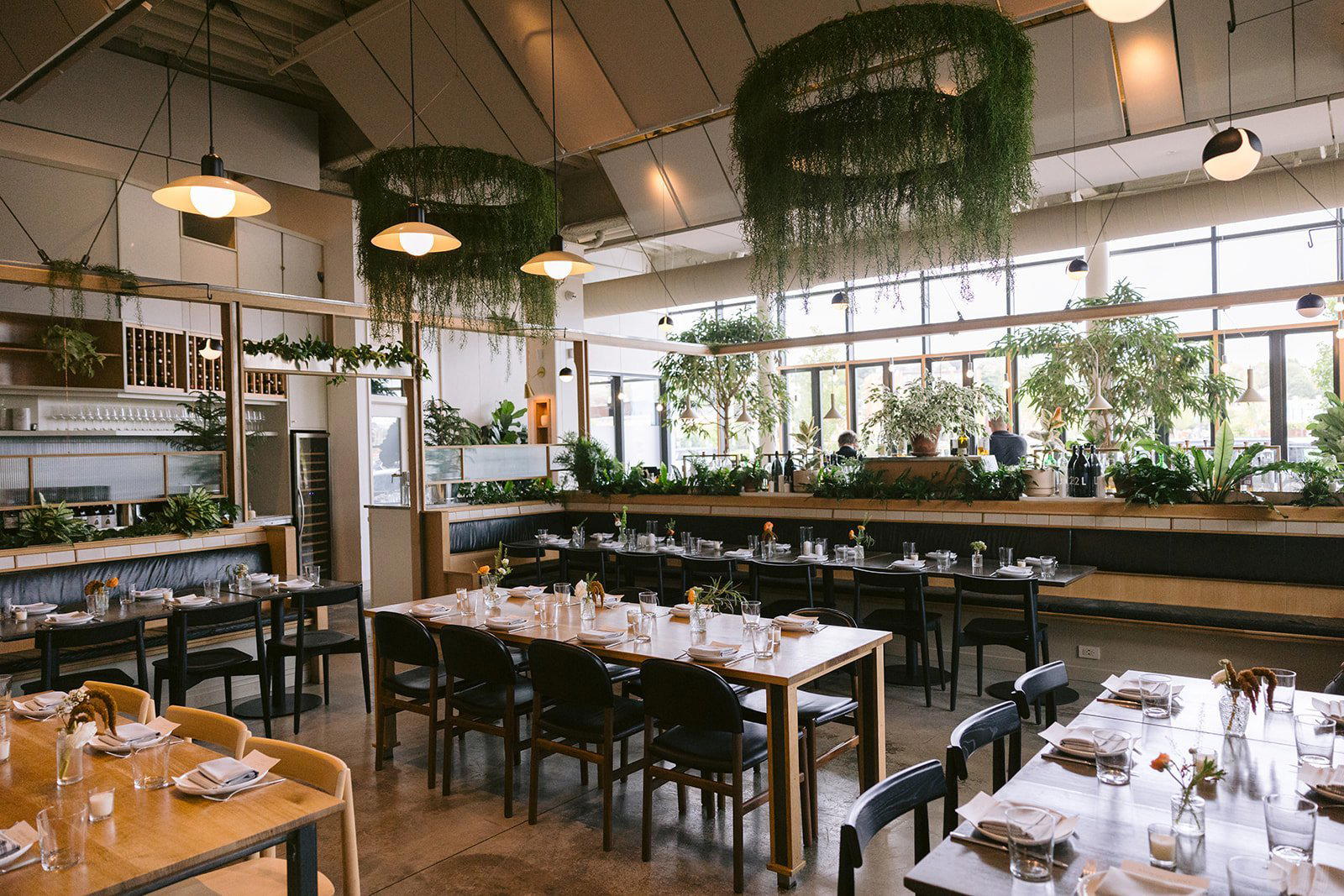
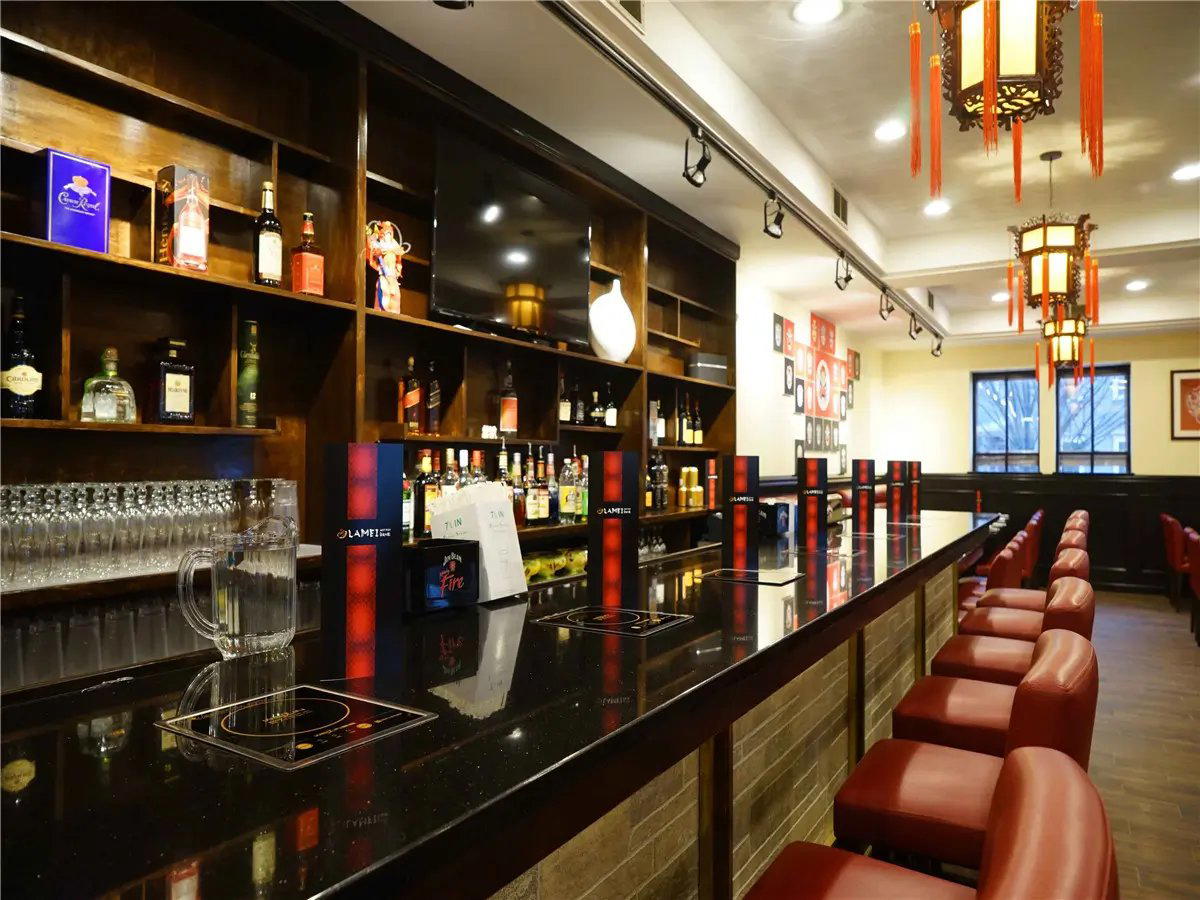
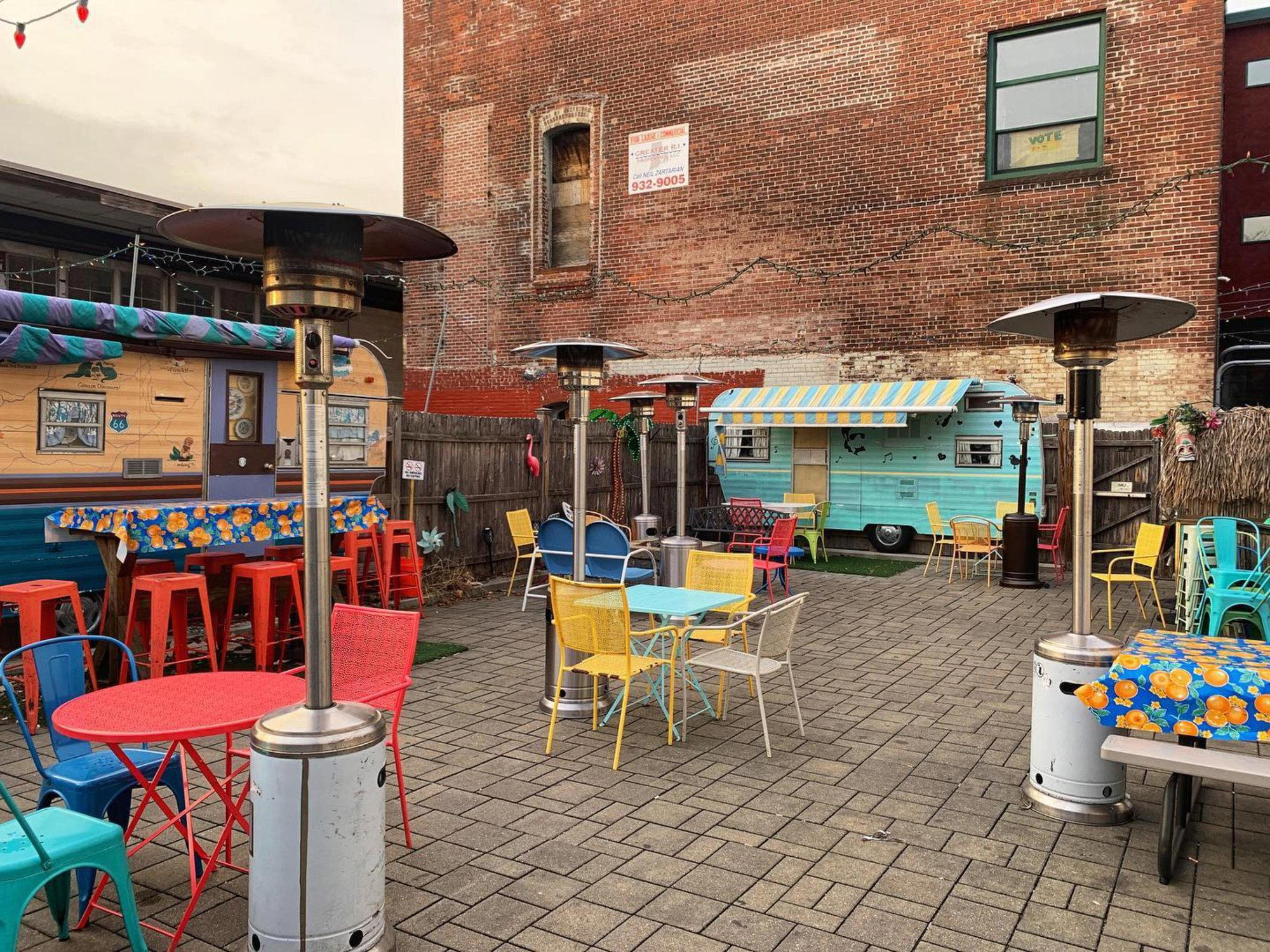
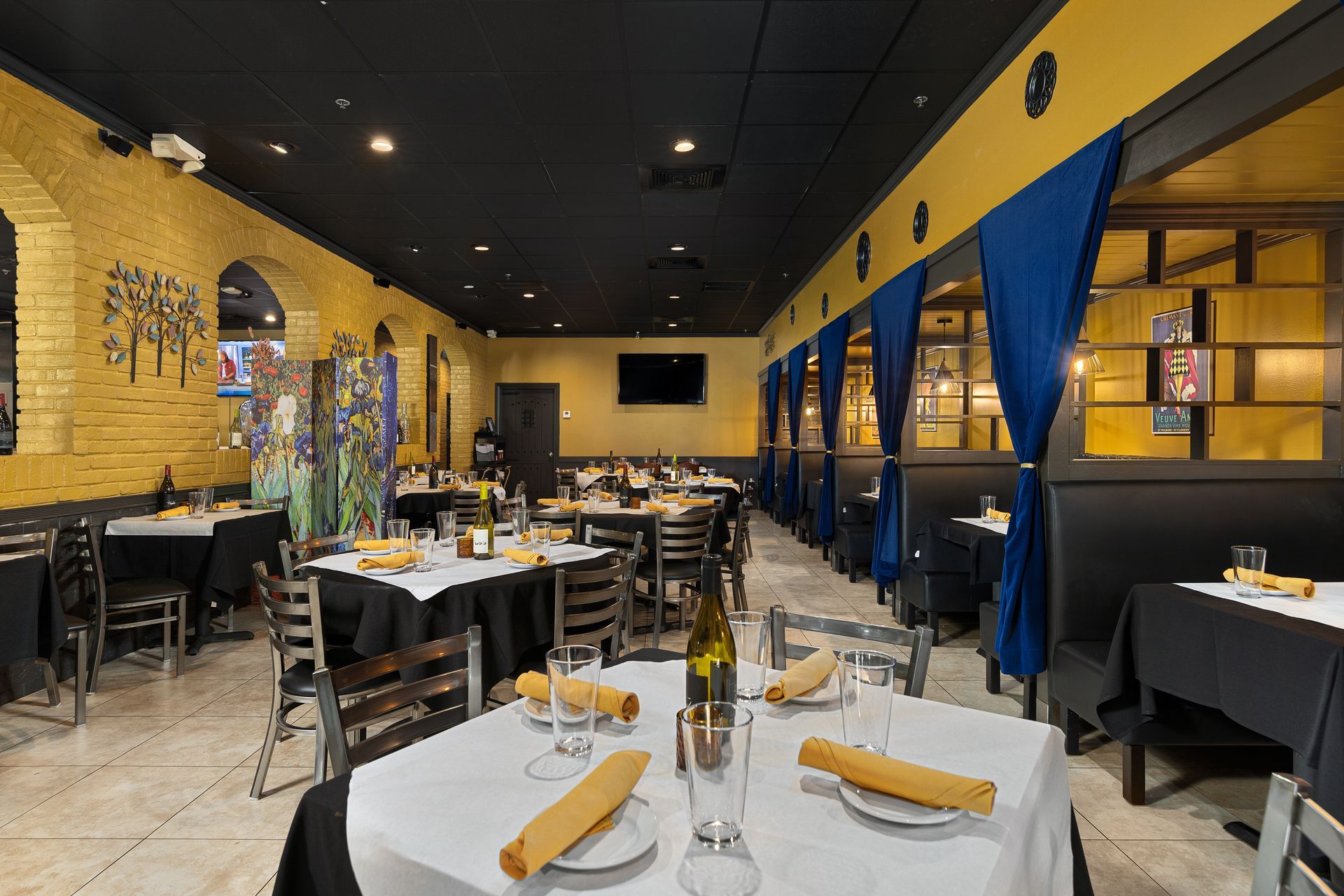
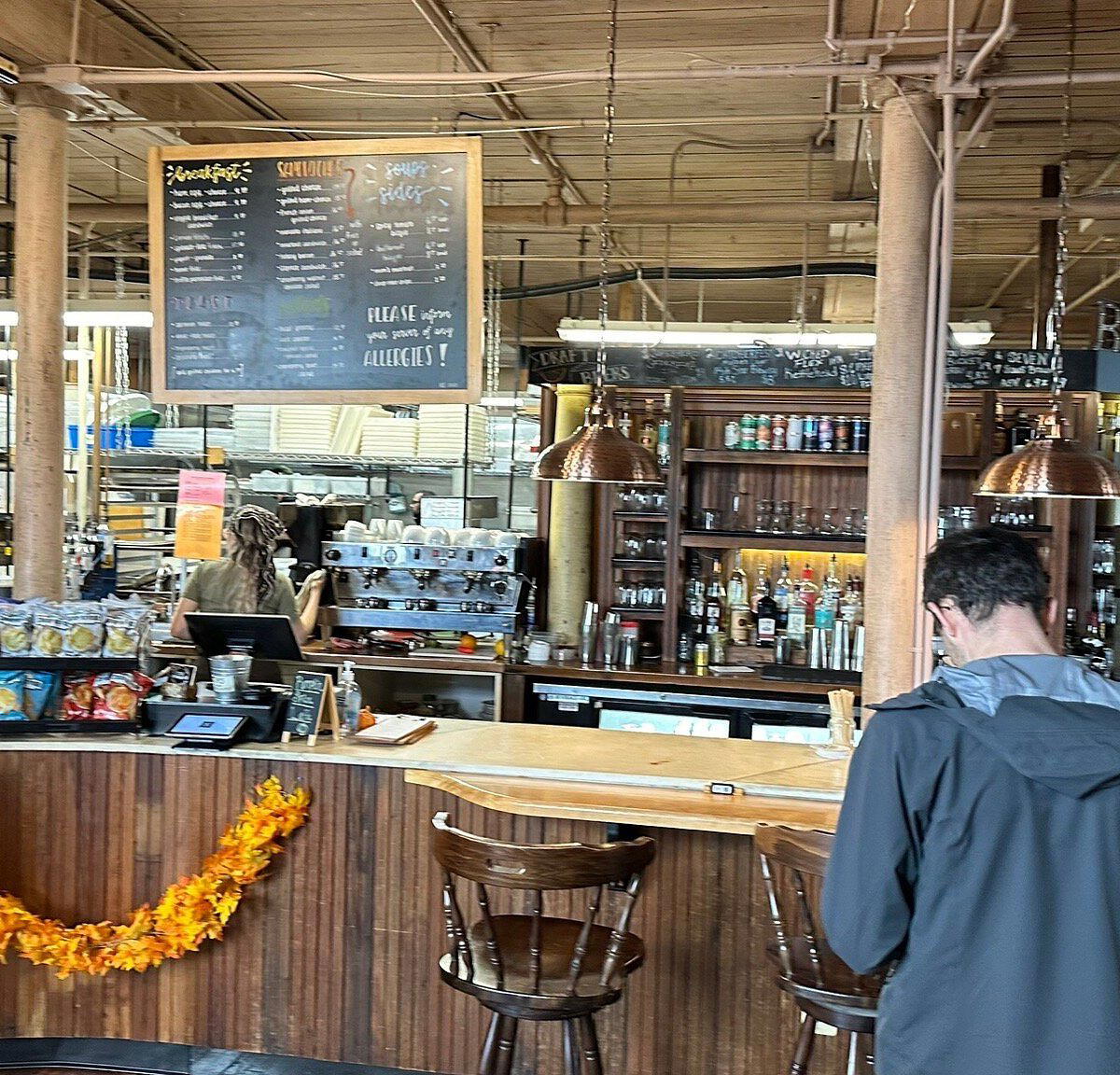
Bright, sun-drenched interiors filled with lush organic elements creating a vibrant, organic-industrial atmosphere.