Bacaro
Our verdict
On the revitalized South Water Street corridor, Bacaro occupies the kind of address that Providence's dining scene has quietly cultivated for years: a canal-adjacent room where Italian small-plate tradition meets a serious approach to wine. The format rewards the unhurried guest, and the room's position within the city's compact but consequential restaurant district makes it a reliable measure of where Providence stands right now.

Pearl is the En Primeur Club membership app, where members save venues, book tables and use the concierge.

The menu
What to order
- Rustic Baked Pasta
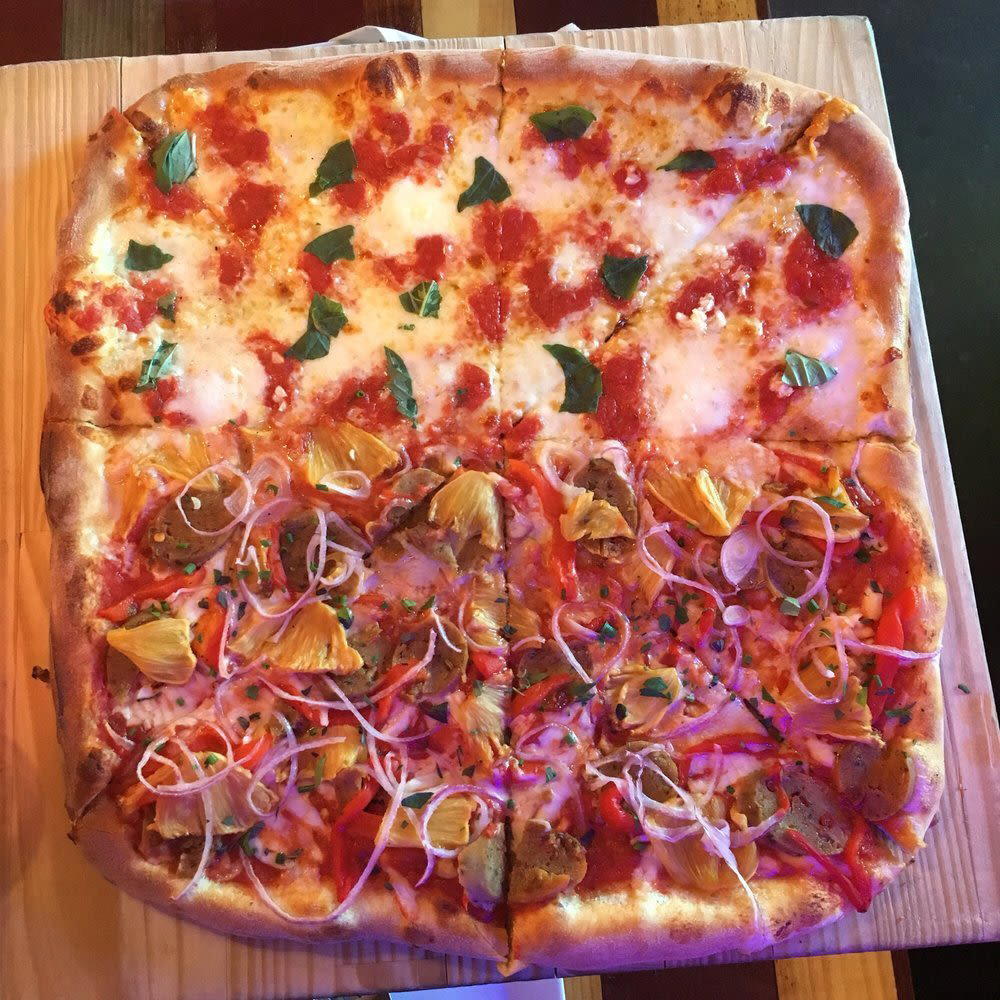
- Grilled Pizza Bianca
- Charcuterie & Cheese Boards
- Smelts
- Sardines
- Pork Belly
Where the Canal Meets the Counter
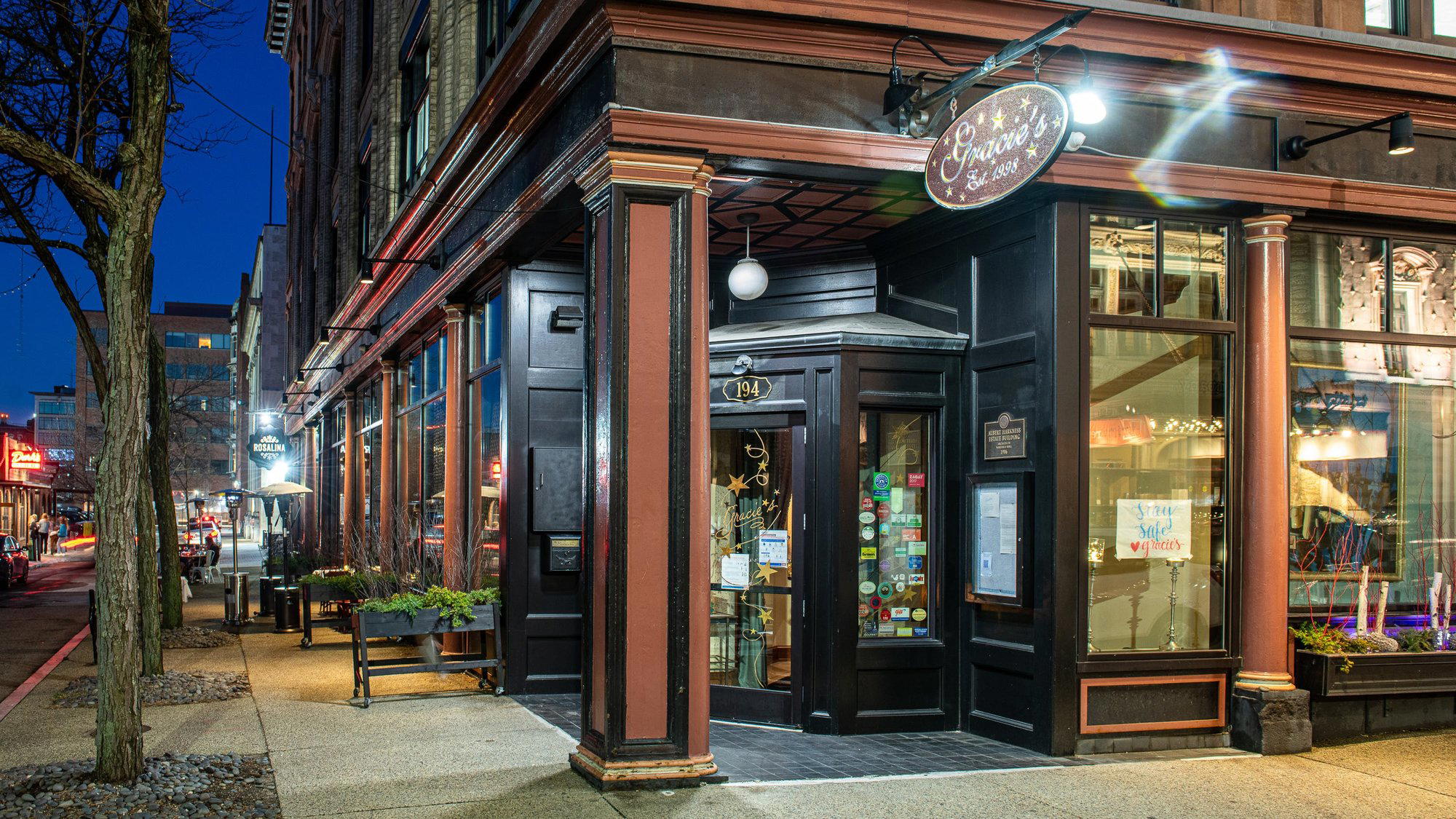
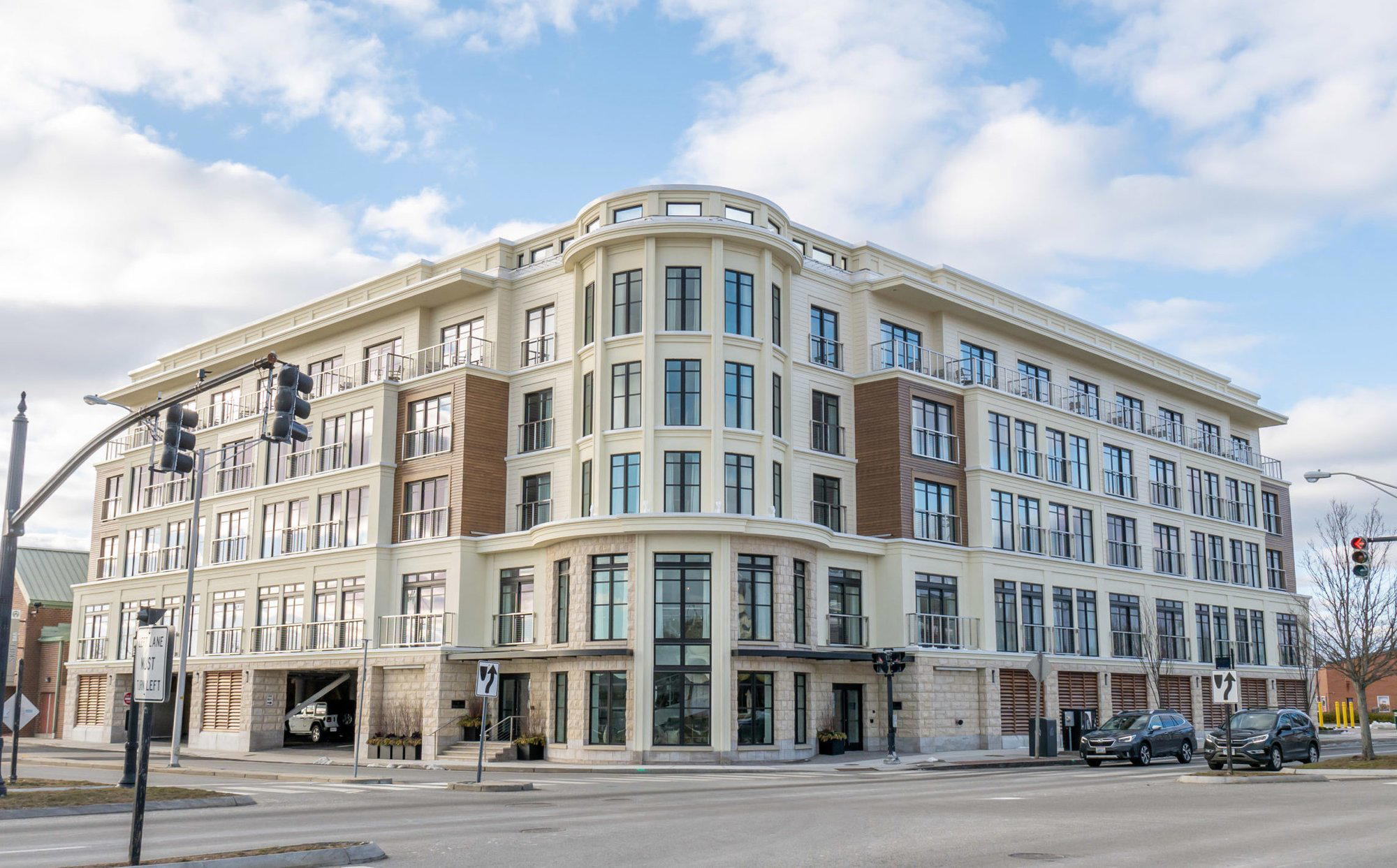
South Water Street sits at the seam between Providence's Financial District and its working waterfront, and the walk toward 262 tells you something about how the city's dining character has evolved. The streetscape is neither polished nor gritty; it carries the low-key confidence of a neighbourhood that has attracted serious operators without requiring them to perform at volume. Bacaro occupies that register. The approach is unhurried, the signage modest, and the room, once inside, communicates its priorities through proportion rather than theatrics: a proper bar, wine within reach, and the kind of ambient noise that allows conversation without effort.
The name itself is a signal. In Venice, a bacaro is a neighbourhood wine bar where cicchetti, small bites served at the counter, are consumed standing or perched, glass in hand, before or after a proper meal. The format is social rather than ceremonial, built on repetition and familiarity rather than occasion. Providence's version translates that ethos into a sit-down dining room while retaining the structural logic of the original: small plates, attentive pours, and a pacing that the guest is expected to control.
The Ritual of the Small Plate
Dining at Bacaro asks something specific of its guests: a willingness to eat laterally rather than vertically. The conventional progression from starter to main to dessert is beside the point here. The meal unfolds as a series of decisions, each plate arriving as a small commitment rather than a course, and the table's rhythm is self-determined. This is a format that rewards experience; first-time guests occasionally misread the portion logic, ordering too conservatively or too ambitiously in the first round. Return visitors understand that the cadence is built in halves, ordering in two passes and adjusting as the table develops.
That structure has a direct effect on how wine functions in the meal. Rather than selecting a bottle to carry through three courses, the format invites glass-by-glass pairing, with the wine list serving as a parallel menu rather than an accompaniment. This is consistent with the Venetian model, where the selection of the drink and the selection of the bite are simultaneous acts of equal weight. Providence's wine culture has matured considerably over the past decade, and Bacaro operates within that broader shift: a city that once defaulted to Italian-American house carafes now supports a conversation about producers, regions, and vintages at the neighbourhood level.
For context on how Providence's Italian-leaning dining has developed, Al Forno Restaurant remains the city's benchmark for wood-fired Italian tradition, while Anthony's Authentic Italian Cuisine anchors the red-sauce register.
Providence in a Broader Dining Frame
Rhode Island's dining scene has long punched above its weight relative to the state's size, sustained in part by Johnson and Wales University's culinary influence and in part by a local hospitality culture that expects quality without demanding spectacle. Providence is not a city where restaurants succeed by chasing national press cycles; the guest base is local-heavy, and reputation is built incrementally, through consistent execution and word of mouth across a compact geography.
That context matters for understanding what Bacaro represents. In larger markets, the Italian small-plate and natural wine format has become a recognizable template, deployed at scale across Brooklyn, Los Angeles, and Chicago. In Providence, the same format carries a different weight: it is less a trend adoption and more a genuine fit with how the city actually eats. The canal-side address, the moderate room size, and the format's inherent resistance to throughput all suggest a restaurant designed for Providence's specific register rather than imported from another city's playbook.
Across the wider New England corridor, Gift Horse has established a distinct identity by pulling New England seafood through a Korean lens, and Bayberry Garden represents the more produce-driven end of the local spectrum. Bacaro's differentiation is structural: the format, the wine orientation, and the Italian reference point give it a lane that none of its immediate Providence neighbours occupy in quite the same way.
For guests exploring the full depth of what the city offers, the full Providence restaurants guide maps the scene from waterfront to College Hill, and 10 Prime Steak and Sushi covers the high-end steakhouse register for those building a multi-night itinerary.
How Bacaro Sits Within the National Conversation
The Italian small-plate wine bar format has been executed at a high level across American cities for long enough that comparison is inevitable. At the far end of formality, venues like Le Bernardin in New York City or The French Laundry in Napa represent the tasting-menu pole of American fine dining. Closer to Bacaro's register, places like Smyth in Chicago or Lazy Bear in San Francisco demonstrate how smaller, more format-specific rooms can accumulate serious reputations outside the headline markets. Atomix in New York City shows what happens when a culturally specific format is executed with complete discipline in a high-attention market.
Bacaro is not competing in that conversation directly, nor does it need to. Its value is local and relational: a room that understands what Providence diners want from an evening and builds its format accordingly. That is a different kind of ambition than national recognition, but it is not a lesser one. The canal-adjacent address, the wine-first orientation, and the cicchetti-derived pacing are not gestures toward somewhere else; they are commitments to a specific version of hospitality that happens to fit this city well.
Further afield, for readers building longer journeys through the American fine dining circuit, Blue Hill at Stone Barns in Tarrytown, Single Thread Farm in Healdsburg, Addison in San Diego, Providence in Los Angeles, The Inn at Little Washington, and Emeril's in New Orleans each represent a distinct American interpretation of the committed dining experience. And for international reference, Atelier Moessmer Norbert Niederkofler in Brunico offers a European counterpoint to the format-driven Italian dining tradition that informs Bacaro's identity.
Planning Your Visit
Bacaro sits at 262 South Water Street in the Jewelry District, close enough to the pedestrian bridge and the Providence River walkway that arrival on foot from downtown hotels is the natural approach. The room's format, small plates ordered in rounds, means that the length of the meal is genuinely in the guest's hands; a focused two-person dinner can resolve in under two hours, while a larger table ordering widely across the list might extend considerably beyond that. Advance reservations are advisable, particularly on weekends, when the canal-side neighbourhood draws both local regulars and out-of-state visitors.
Frequently asked questions
What's Bacaro's location?
Bacaro is located at 262 S Water St, Providence, RI 02903, Providence.
What makes Bacaro in Providence different from a standard Italian restaurant?
Bacaro takes its name and format from the bacari of Venice, wine bars where standing at the counter with a glass and a plate of cicchetti is the default mode rather than the exception. That positions 262 South Water Street as closer to a European drinking-and-grazing establishment than to a conventional Italian-American dining room with pasta courses and entrees. For Providence, a city with a historically strong Italian-American community and a university-driven appetite for culinary specificity, the distinction is meaningful rather than merely conceptual.
What's the signature dish at Bacaro?
Bacaro operates on the Italian bacaro model, meaning the menu is built around a rotating selection of small plates rather than a single headline dish. The format rewards repeat visits and lateral ordering across multiple plates rather than a single main course. Specific current menu items are best confirmed directly before visiting, as the selection shifts with the season.
How hard is it to get a table at Bacaro?
Bacaro is located at 262 South Water Street in Providence's Jewelry District, a stretch that draws consistent foot traffic from the Financial District and the Providence River walkway. Providence's dining scene is tight relative to the city's size, and well-positioned waterfront spots fill quickly, particularly on weekend evenings. Checking ahead for reservation availability is advisable rather than walking in without a plan.
What has Bacaro built its reputation on?
The venue has established itself within Providence's dining scene by committing to the bacaro format, an Italian tradition of wine-anchored small-plate eating that sits closer to a Venetian bar than a conventional American restaurant. Rhode Island's culinary infrastructure, supported in part by Johnson & Wales University, has produced a diner base that responds well to format-forward concepts like this one. Bacaro's South Water Street address places it at one of the city's more compelling dining corridors.
Do they accommodate allergies at Bacaro?
Given the small-plate format, which often involves shared kitchen preparation, anyone with serious dietary restrictions should check the venue's official channels before booking to clarify what can be adjusted.
Is a meal at Bacaro worth the investment?
That depends largely on how you approach the format. The bacaro model means spending is incremental, accumulated across several small plates and wine pours rather than a fixed tasting menu price. Providence diners familiar with the Italian small-plate format tend to find that the canal-adjacent setting on South Water Street adds context the food alone cannot provide. Current pricing should be confirmed with the venue directly.
Cuisine-First Comparison
Comparable venues nearby, for context on price, style, and recognition.
| Venue | Cuisine | Price | Awards | Notes |
|---|---|---|---|---|
| BacaroThis venue (the venue you are viewing) | Italian Trattoria & Enoteca | $50–100 | Not listed | Not listed |
| Oberlin | Modern Italian with Wood-Fired Cooking | $50–100 | James Beard Award Semi Finalist | Downtown Providence |
| Al Forno Restaurant | Modern Italian Grilled Pizza | $50–100 | Not listed | Fox Point |
| Persimmon | Modern American Farm-to-Table | $50–100 | James Beard Award Semi Finalist | Fox Point |
| Hemenway's | Classic New England Seafood | $50–100 | Not listed | Downtown Providence |
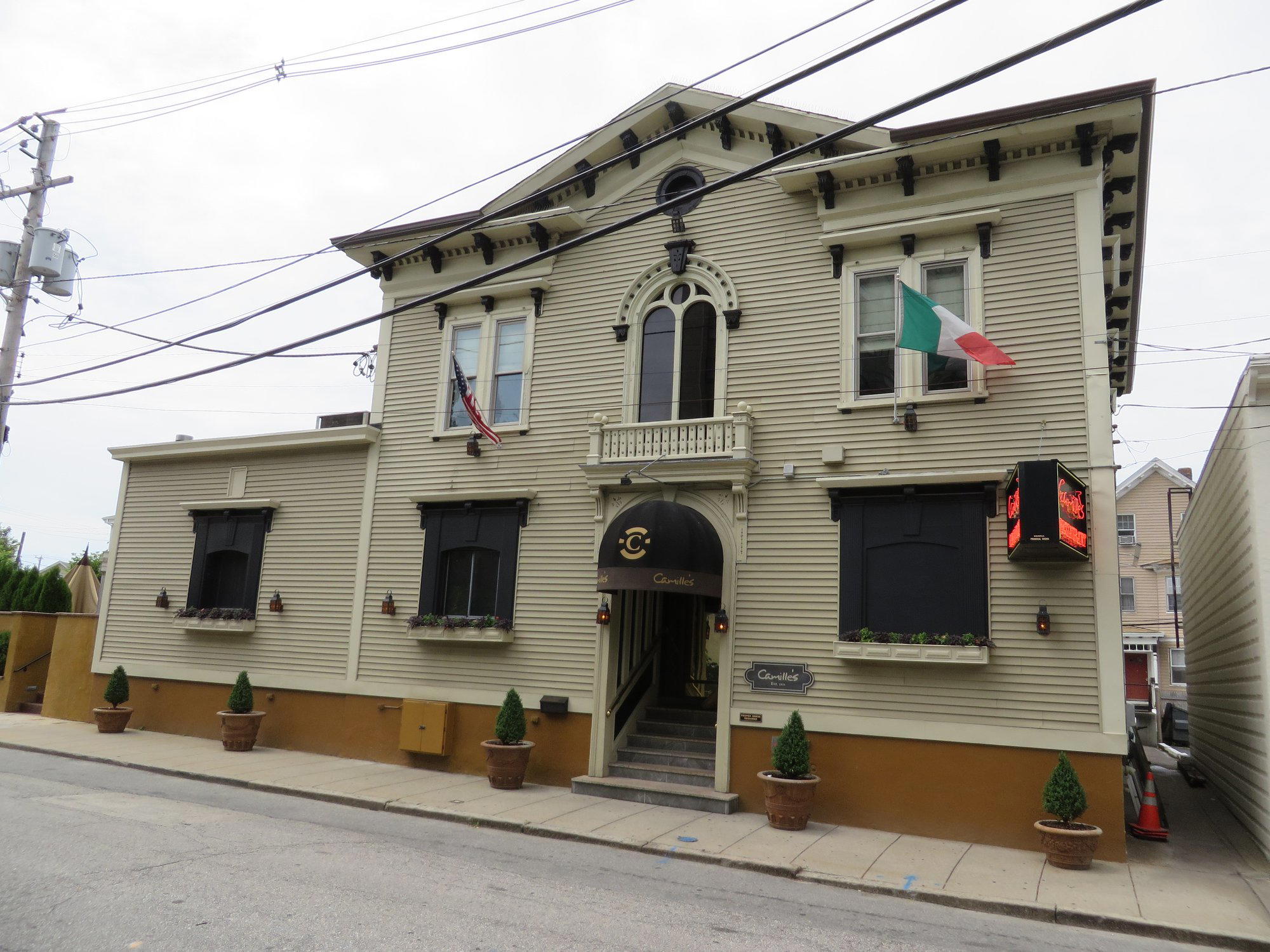
| Camille's | Classic Italian Fine Dining | $50–100 | Wine Spectator Award of Excellence | Federal Hill |
Continue exploring
More in Providence
Restaurants in Providence
All restaurants in Providence →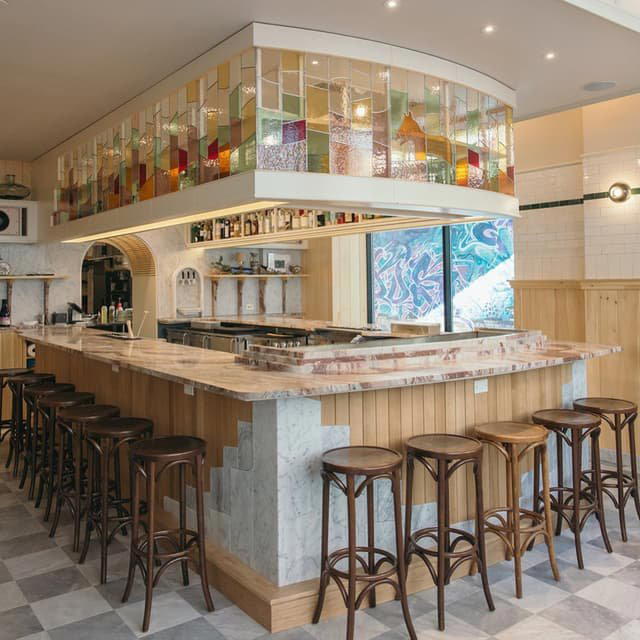

Details
- Rustic
- Elegant
- Romantic
- Sophisticated
- Date Night
- Casual Hangout
- Group Dining
- After Work
- Open Kitchen
- Waterfront
- Historic Building
- Standalone
- Extensive Wine List
- Local Sourcing
- Waterfront
- Small Plates
- A La Carte
- Wine
- Italian Wine
- Vegetarian Friendly
- Vegan Options
- Gluten Free Options
Current opening hours
- Monday
- Closed
- Tuesday
- 5–10 PM
- Wednesday
- 5–10 PM
- Thursday
- 5–10 PM
- Friday
- 5–10 PM
- Saturday
- 5–10 PM
- Sunday
- Closed
Hours can change for holidays and private events. Hours as of .
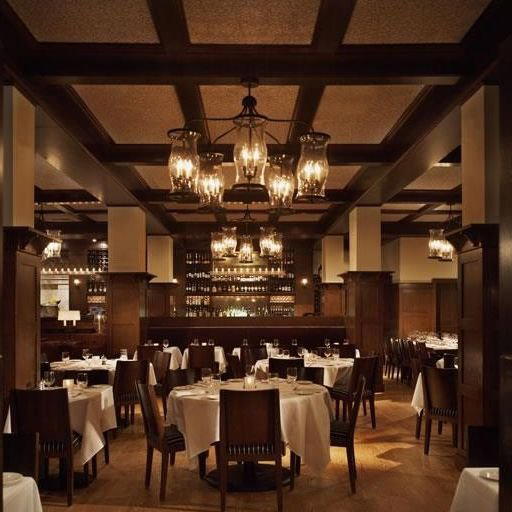
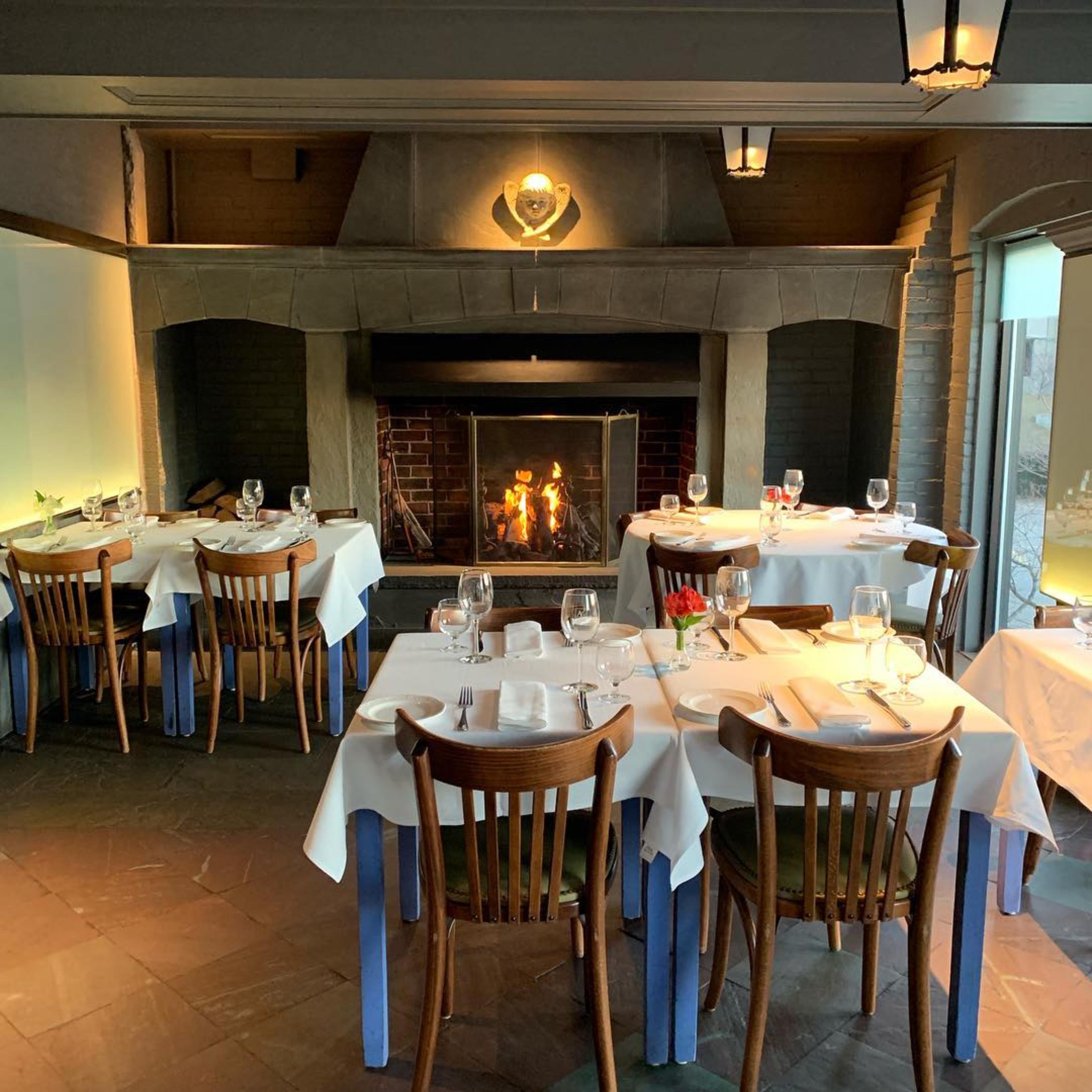
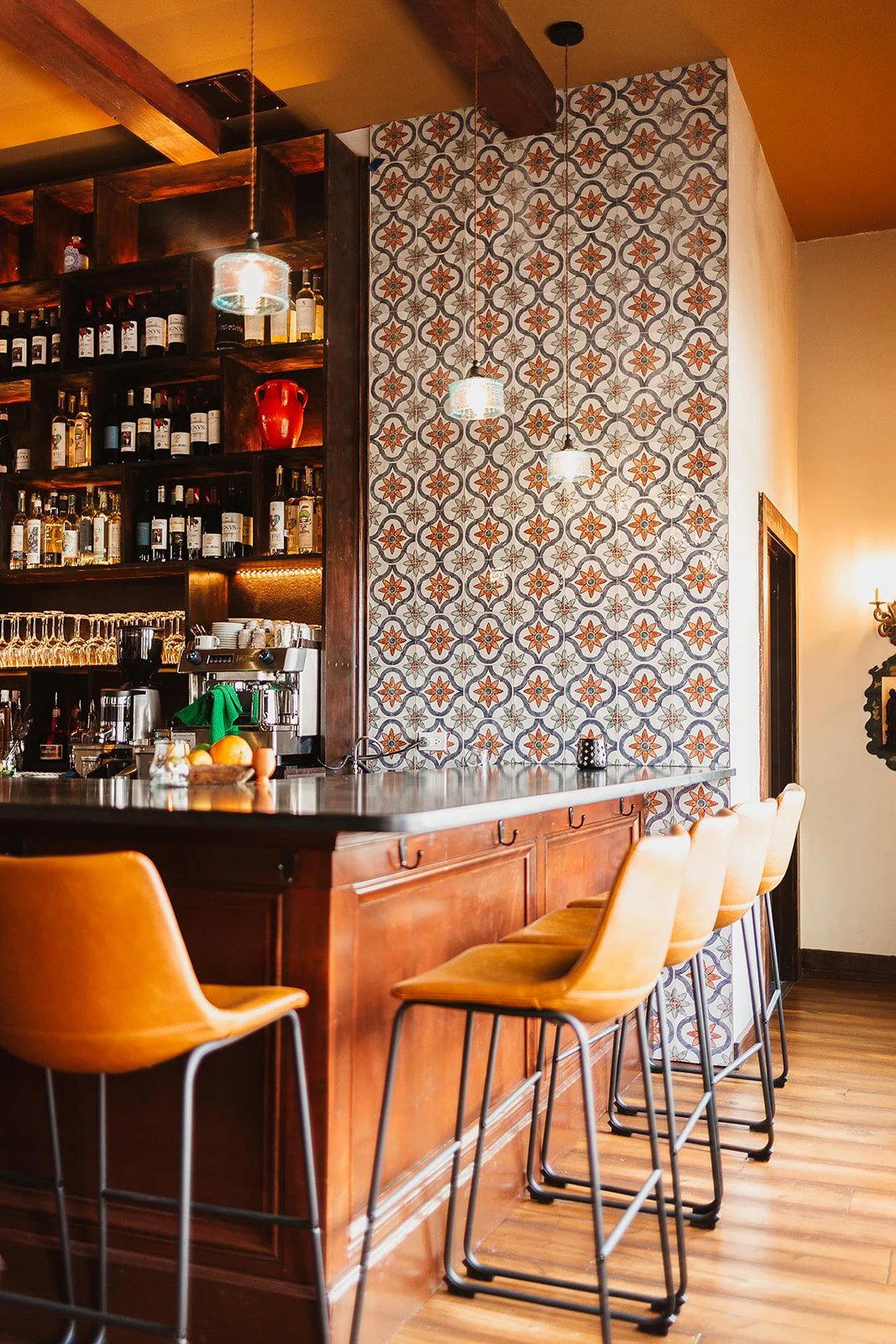
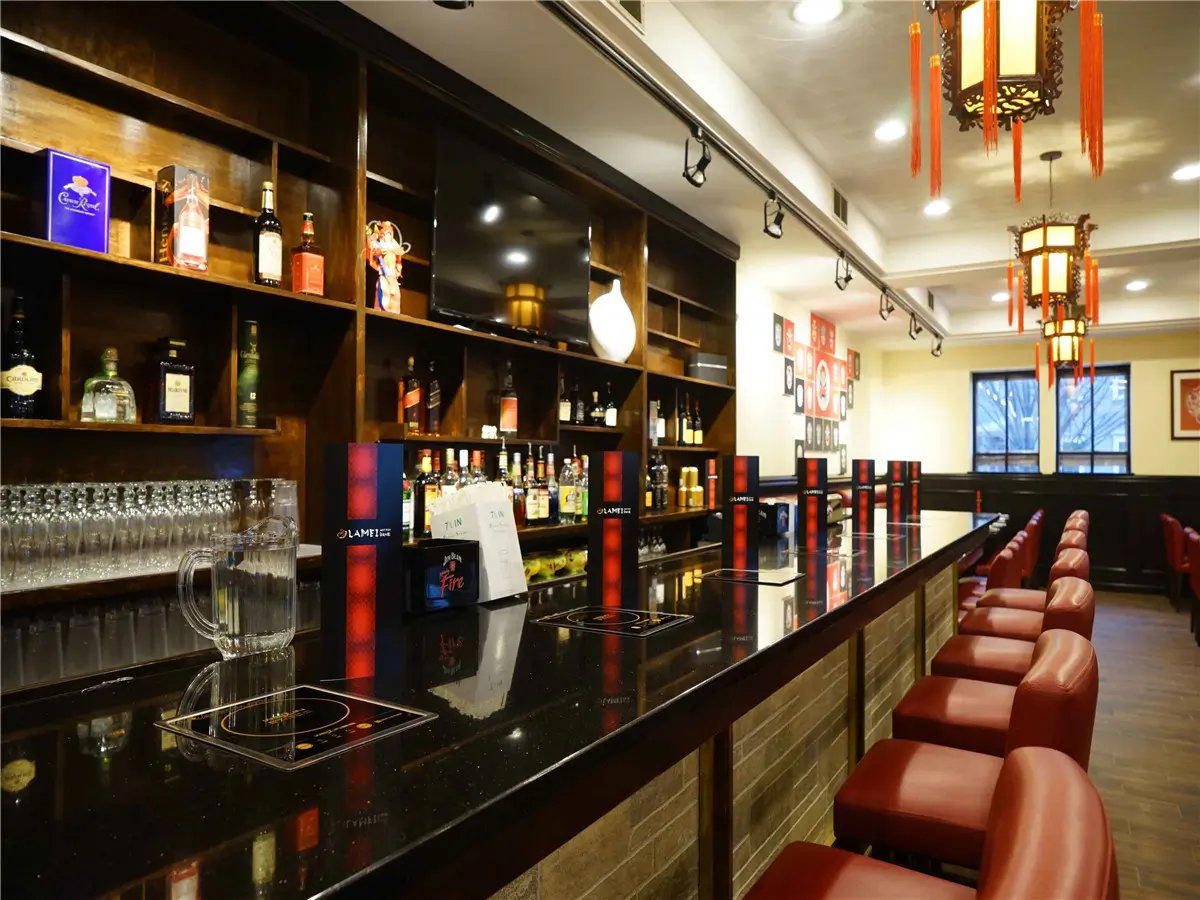
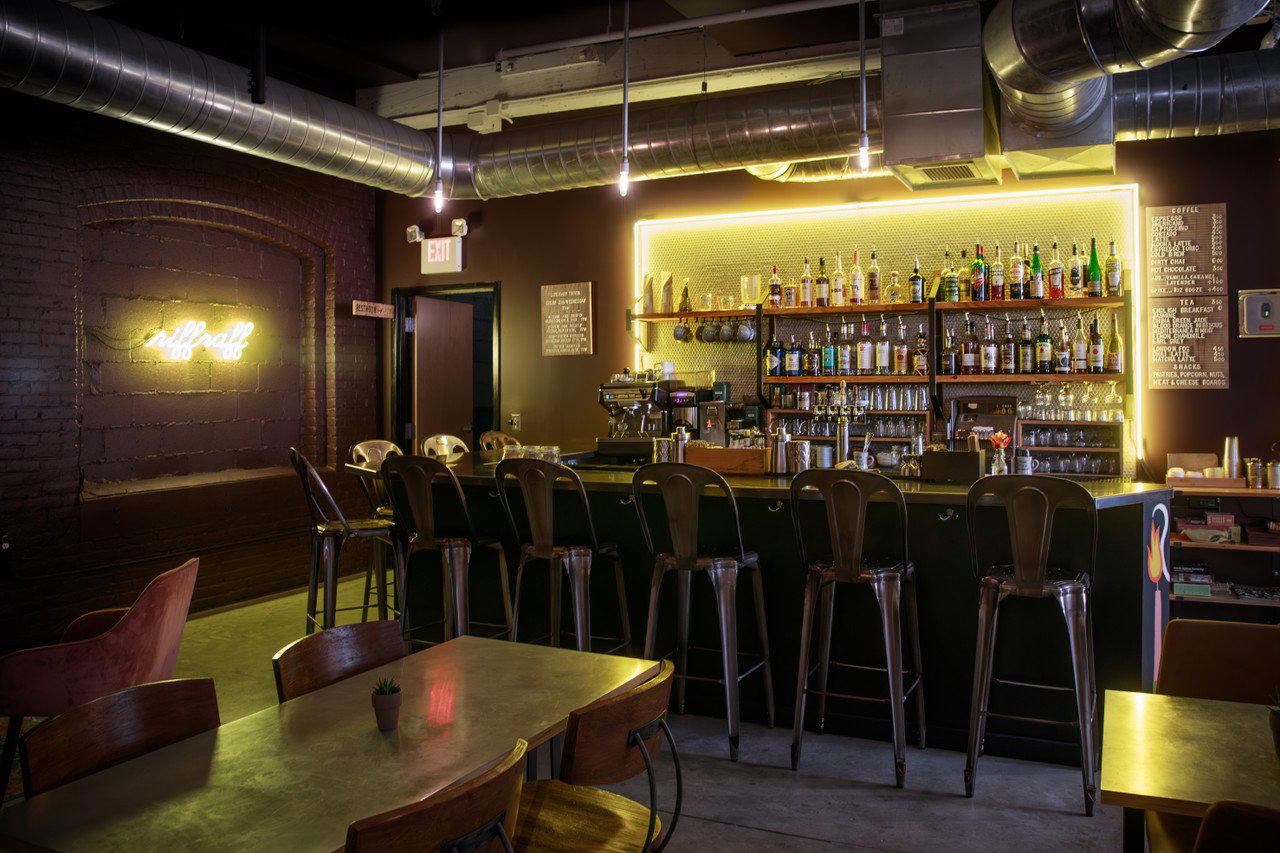
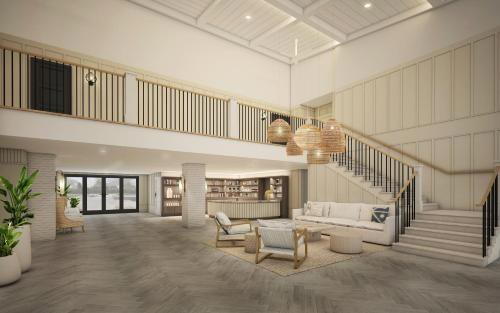
Warm and inviting with an open kitchen concept; rustic Italian aesthetic in a historic riverfront building with refined yet approachable atmosphere.