Bayan Ko

Michelin Plate
Our verdict
Bayan Ko in Chicago's Ravenswood neighbourhood has pivoted from casual Filipino-Cuban comfort food to an intimate tasting menu format, earning a Michelin Plate in 2024. The kitchen weaves Cuban and Filipino heritage into a single, coherent menu — arroz caldo with lobster and calamansi butter, wagyu vaca frita, mojo-cured pork belly — without reverence becoming rigidity. A diner next door handles the walk-in crowd wanting lumpia and adobo.

Pearl is the En Primeur Club membership app — saves, bookings, and concierge access live there. Same editors, same standards.
- Address
- 1810 W Montrose Ave, Chicago, IL 60613
- Phone
- (773) 698-6373
- Hours
- Mon–Tue ClosedWed–Sat 5–10 PMSun Closed
- Website
- bayankochicago.com
- Directions
- Get directions
- Booking
- Book on Tock
From Family Table to Tasting Counter: How Ravenswood's Filipino-Cuban Kitchen Found Its Voice
Tasting menus built around diaspora cooking represent one of the more contested formats in American fine dining right now. The argument against them holds that structure and ceremony can flatten exactly the communal, improvisational qualities that make cuisines like Filipino food compelling in the first place. The argument for them — and Bayan Ko at 1810 W Montrose Ave makes it quietly but clearly — is that the format creates space for a kitchen to connect dots that family-style service tends to skip over. When you're passing dishes around a table, the logic between a Cuban black bean puree and a Filipino calamansi butter gets lost. Course by course, it lands.
Ravenswood is not where Chicago's fine dining press tends to look first. The neighbourhood sits north of Lincoln Square on the Brown Line, quieter and more residential than the West Loop blocks that dominate the city's reservation conversation. That positioning is part of Bayan Ko's evolution: it started as a more accessible, casual operation, then pivoted to a tasting menu format that now anchors the dining room. The diner next door, run by the same team, absorbed the walk-in crowd wanting lumpia or pork adobo, allowing the restaurant itself to commit fully to the longer format. It is a structural decision with real consequences, the kitchen can develop dishes with more precision, and the dining room can hold a different pace.
The Format Change and What It Produced
The pivot to a tasting menu is not merely a business decision reframed as a culinary one. It reflects a specific ambition: to present Cuban and Filipino cooking as a unified sensibility rather than a fusion novelty. These are the two heritages the husband-and-wife team behind Bayan Ko bring to the kitchen, and the tasting format lets the menu make that argument dish by dish rather than leaving it to a one-line description on a website.
The evidence from the current menu is specific. Arroz caldo, a Filipino rice porridge dish that typically functions as restorative home cooking, gets rebuilt with lobster poached in calamansi butter, retaining the dish's warming logic while pushing its register well above its origins. Vaca frita, the Cuban crisp-fried beef preparation, translates here to grilled wagyu with black bean and plantain purees alongside: the Cuban framework intact, the ingredient quality shifted. Pork belly arrives smeared in mojo with a fine crust, mojo being the Cuban citrus-garlic marinade that, placed next to Filipino preparations, reveals how much the two food cultures share in their treatment of pork and acid.
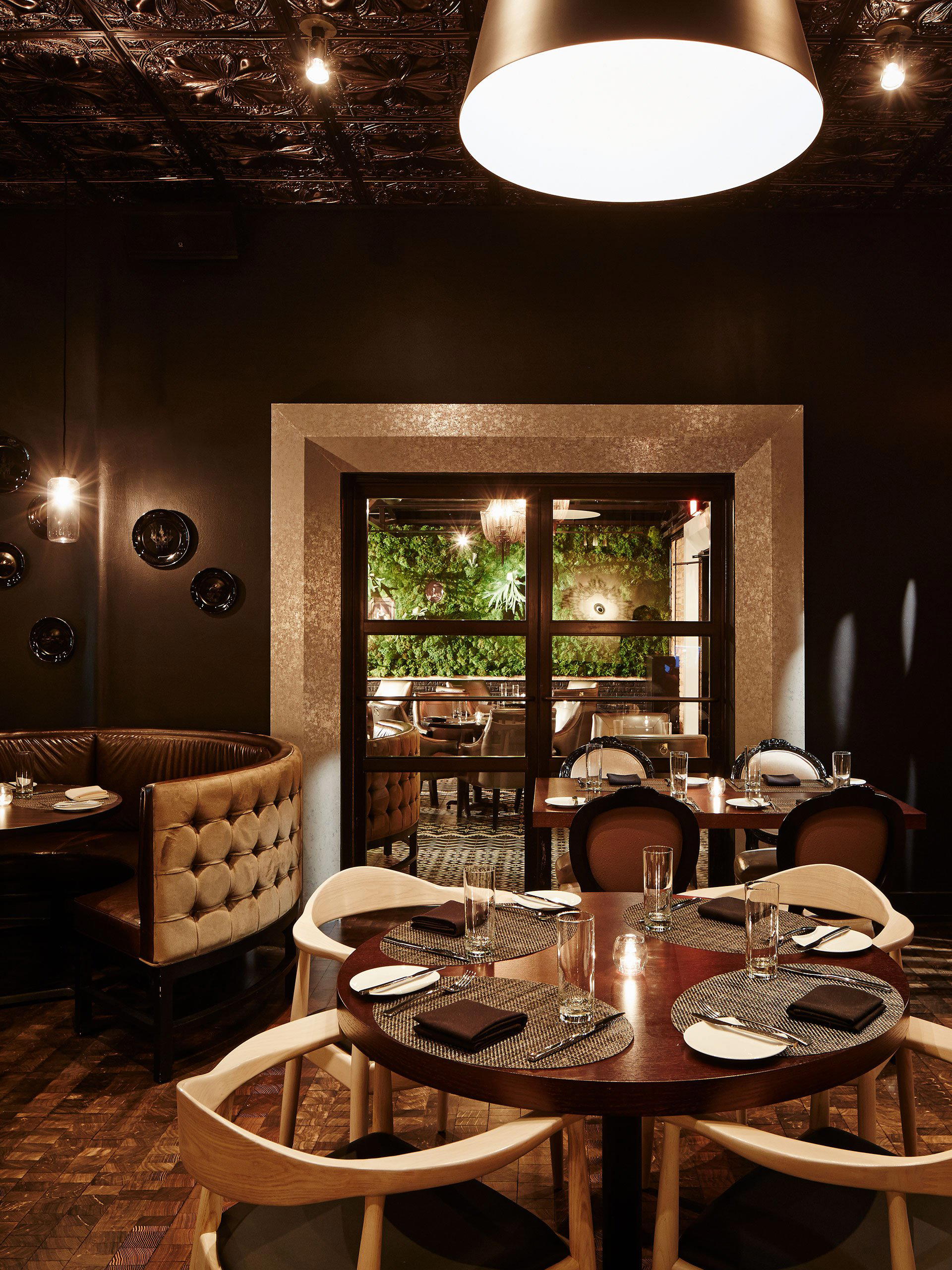
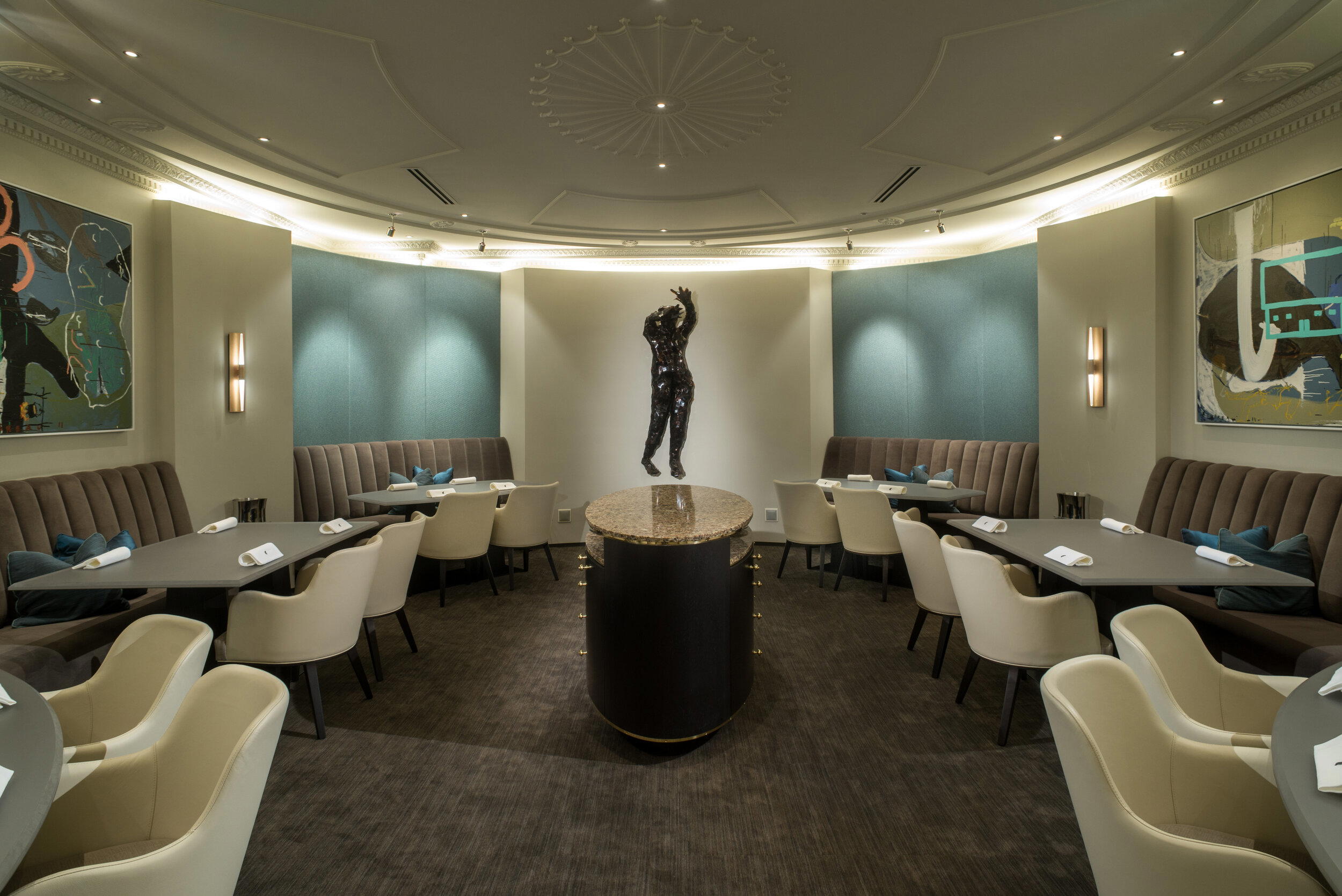
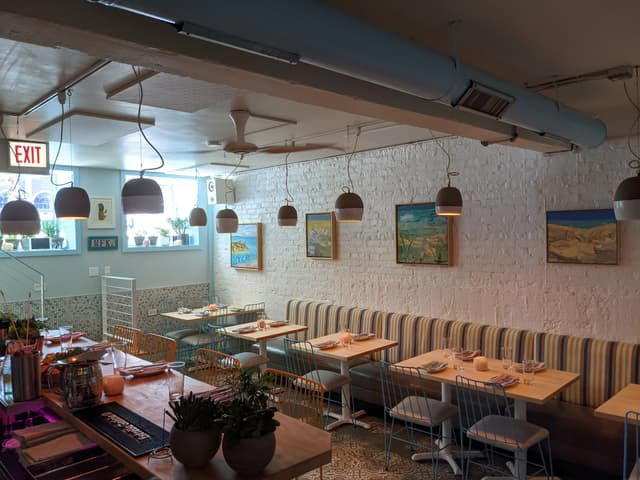
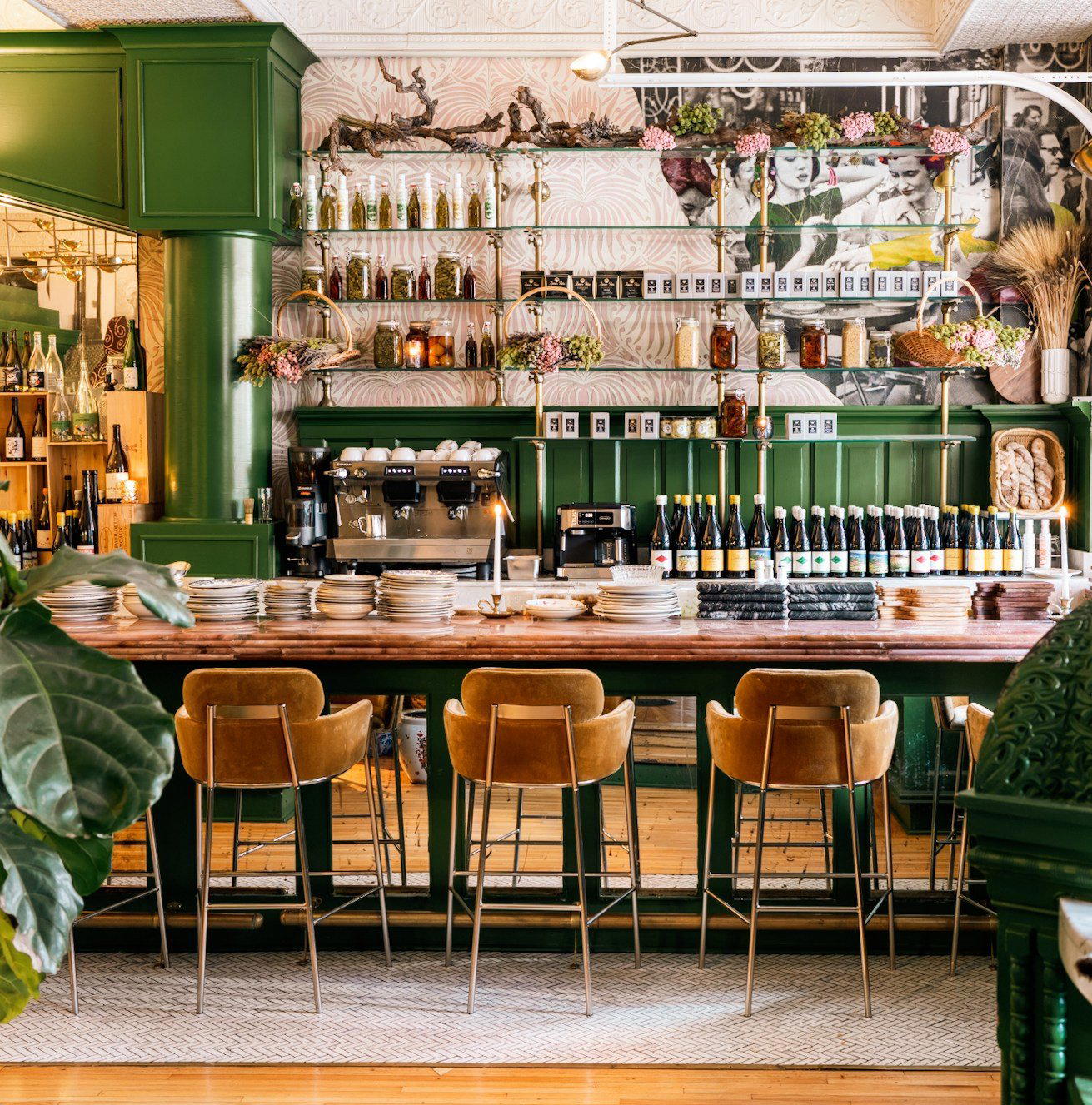
What the format also produces is tonal control. The dining room is described as relaxed rather than formal, and the menu reads with what the kitchen calls a zippy quality, dishes that carry intent without demanding ceremony from the diner. That combination, formal tasting structure with informal room energy, is a calibration that Chicago's leading Filipino restaurant Kasama has also pursued at its Michelin-starred counter, though Kasama operates at a different price architecture and with a distinct Philippine regional focus. Bayan Ko occupies its own coordinates: the Cuban-Filipino fusion angle is not a shared lane.
Where Bayan Ko Sits in Chicago's Filipino Dining Picture
Filipino cuisine's presence in Chicago's premium dining tier has grown substantially. Kasama holds a Michelin star and operates at full tasting menu prices; Boonie's works a different register. Bayan Ko's 2024 Michelin Plate recognition places it in the acknowledged tier without the star designation, a position that, in Michelin's own language, signals a kitchen cooking good food worth knowing about. For Filipino cooking specifically, that recognition matters: the cuisine has historically been underrepresented in fine dining credit structures in the United States relative to its complexity and regional range.
Nationally, the conversation around Filipino fine dining runs through places like Hapag in Makati, where the tasting menu format for Philippine cuisine has been developed with considerable rigour, and extends to American operations like Kaya in Orlando. Bayan Ko sits within that broader shift toward treating Filipino cooking as tasting menu material without apology or over-explanation.
Within Chicago's wider fine dining field, the $$$$ price tier places Bayan Ko in the same bracket as the city's most decorated rooms: Alinea, Smyth, and Oriole all operate at that level with three Michelin stars each. Bayan Ko is not competing with those rooms on size, ceremony, or media profile.
The Dual-Venue Model and What It Means for Your Visit
The decision to split the operation, tasting menu restaurant on one side, casual diner next door, is worth understanding before you book. It means Bayan Ko the restaurant is built for the longer format, and there is no casual fallback within the dining room itself. If you are travelling with guests who want a shorter, more informal meal, the diner handles that; the restaurant asks for your full evening. That is not an unusual arrangement at this price tier, but it is worth knowing in advance given that the address and the casual register of the dining room decor might suggest more flexibility than the format actually allows.
The $$$$ price range and tasting menu format mean the booking process deserves the same lead time you would apply to other sought-after Chicago rooms. The restaurant is intimate by design, which limits capacity and means tables at peak times move quickly. Ravenswood is accessible via the Brown Line, making it direct from most central Chicago neighbourhoods without requiring a car.
For context on what else Chicago's dining scene offers at this tier and beyond, see our full Chicago restaurants guide. For the rest of the city's food, drink, and stay picture, the Chicago hotels guide, bars guide, wineries guide, and experiences guide cover the wider ground. For comparison with how Filipino-inflected tasting menus work at other price points and locations across the US, Lazy Bear in San Francisco, Le Bernardin in New York City, Providence in Los Angeles, Single Thread Farm in Healdsburg, The French Laundry in Napa, and Emeril's in New Orleans each offer reference points for the broader American fine dining conversation in which Bayan Ko participates.
Frequently asked questions
Is Bayan Ko child-friendly?
Bayan Ko runs a set tasting menu at the $$$$ price tier inside an intimate Ravenswood dining room — a format that does not suit young children well. Families with kids are better directed next door to the couple's casual diner, which serves lumpia, pork adobo, and other à la carte Filipino standards in a more relaxed setting.
What is the atmosphere like at Bayan Ko?
Lawrence Letrero and Raquel Quadreny have kept the dining room deliberately relaxed as a counterweight to the tasting menu structure — Michelin Plate recognition without the stiffness that often accompanies it. The Ravenswood address (1810 W Montrose Ave) reinforces the neighbourhood-restaurant register rather than the downtown formality of Chicago's more ceremonial $$$$ rooms.
What awards or recognition does Bayan Ko have?
Bayan Ko has received recognition including: Husband and wife team Lawrence Letrero and Raquel Quadreny are raising the stakes at their intimate restaurant in Ravenswood. In a departure from the usual family-style dishes, they offer a tasting menu in a quest to celebrate their Cuban a….
What do regulars order at Bayan Ko?
The kitchen controls the sequence here, so individual ordering is not part of the format. Dishes that have defined the menu include black rice and lobster poached in calamansi butter (the kitchen's take on arroz caldo), grilled wagyu with black bean and plantain purees in the manner of vaca frita, and a mojo-smeared pork belly noted as a recent highlight in the 2024 Michelin record.
Side-by-Side Snapshot
| Venue | Cuisine | Price | Awards | Notes |
|---|---|---|---|---|
| Bayan KoThis venue — the venue you are viewing | Modern Filipino-Cuban Tasting Menu | $50–100 | Michelin Plate | Not listed |
| Alinea | Avant-Garde Molecular Gastronomy | $300–500 | 2 Michelin Stars · World's 50 Best #37 | Progressive American, Creative |
| Smyth | Modern American Tasting Menu | $200–300 | 3 Michelin Stars · World's 50 Best #1 | Progressive American, Contemporary |
| Kasama | Modern Filipino | $30–50 | 2 Michelin Stars · World's 50 Best #31 | Filipino |
| Next Restaurant | Avant-Garde Themed Tasting Menus | Not listed | 1 Michelin Star · We're Smart World 2 Radishes | American Cuisine |
| Boka | Modern American Seasonal Fine Dining | $150–200 | 1 Michelin Star · La Liste Top Restaurants | New American, Contemporary |
Recognition history
Dated appearances from independent guides and award organizations, with the underlying list record or original source where available.
Michelin Plate
Michelin
Full recognition history (2 entries)
Michelin Plate
Michelin




Details
- Intimate
- Cozy
- Modern
- Date Night
- Special Occasion
- Open Kitchen
- Craft Cocktails
- Tasting Menu
- Prix Fixe
- Vegetarian Friendly
- Vegan Options
Current opening hours
- Monday
- Closed
- Tuesday
- Closed
- Wednesday
- 5–10 PM
- Thursday
- 5–10 PM
- Friday
- 5–10 PM
- Saturday
- 5–10 PM
- Sunday
- Closed
Hours can change for holidays and private events. Last verified .
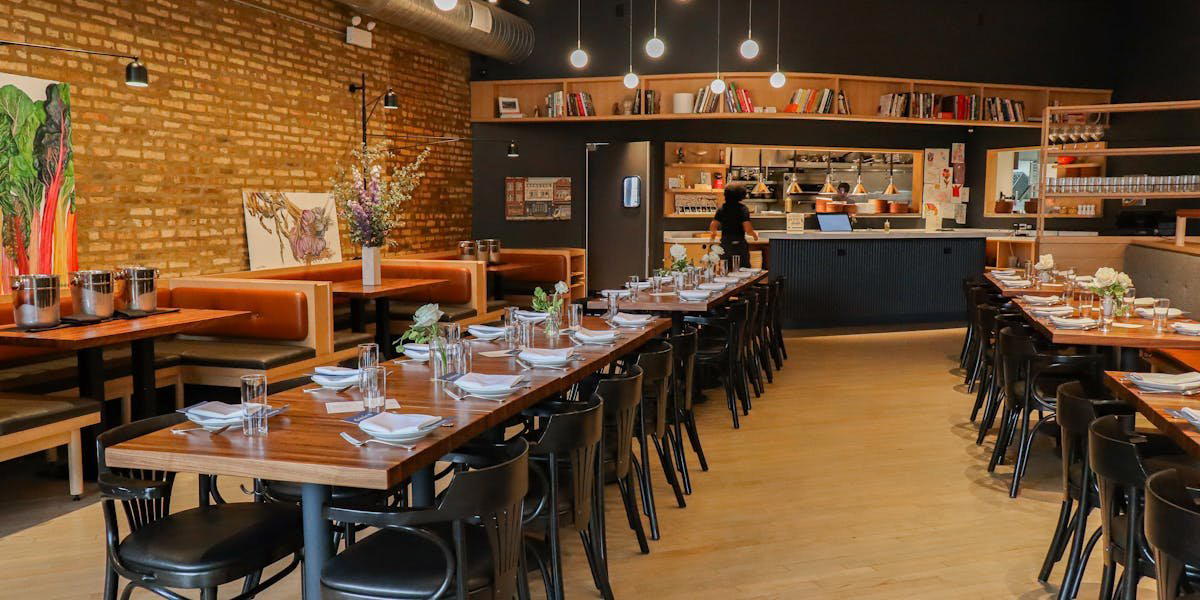
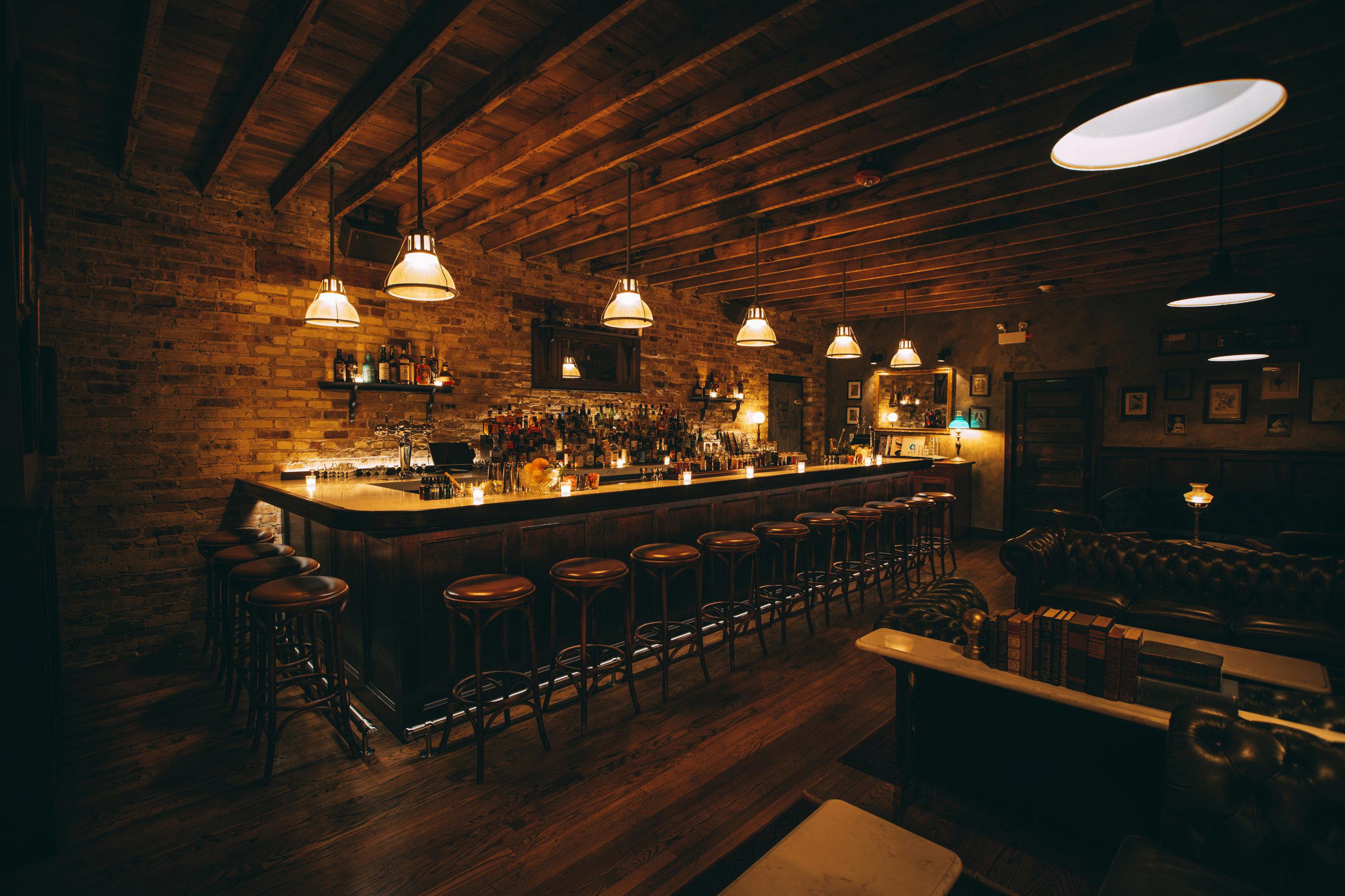
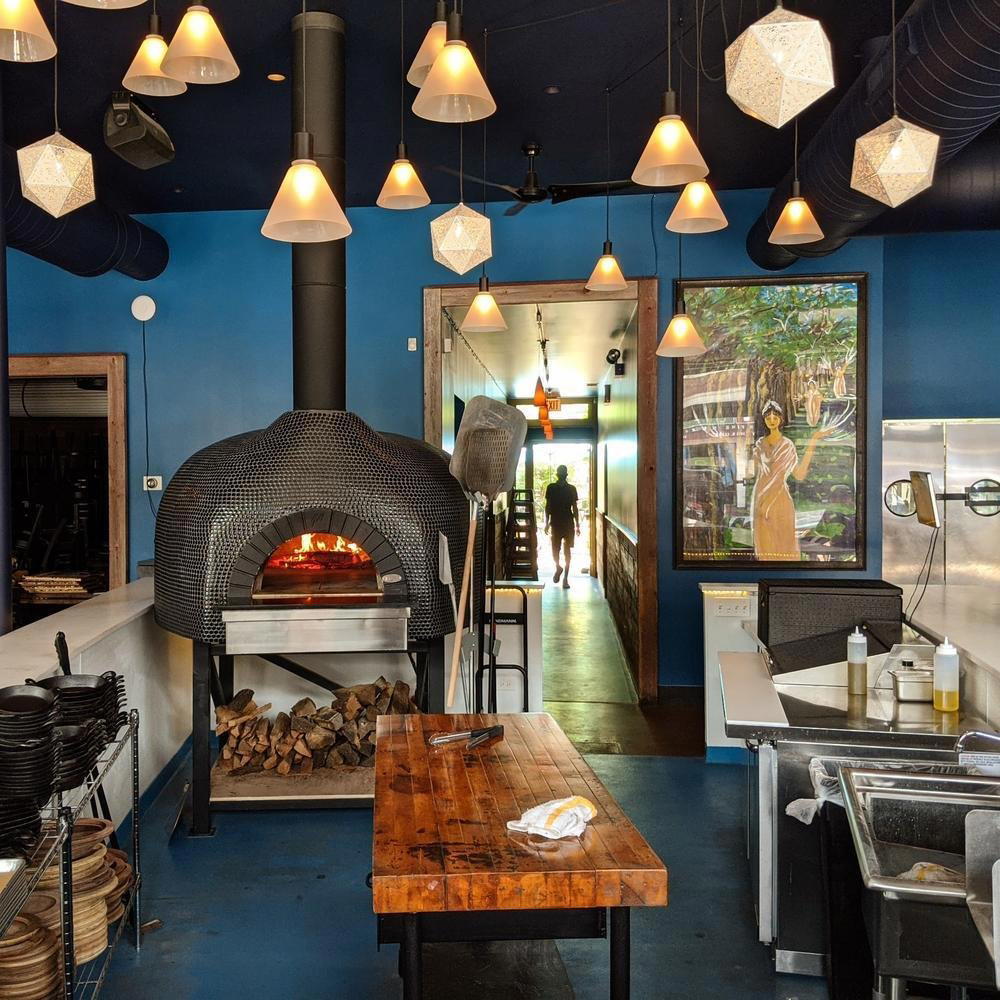
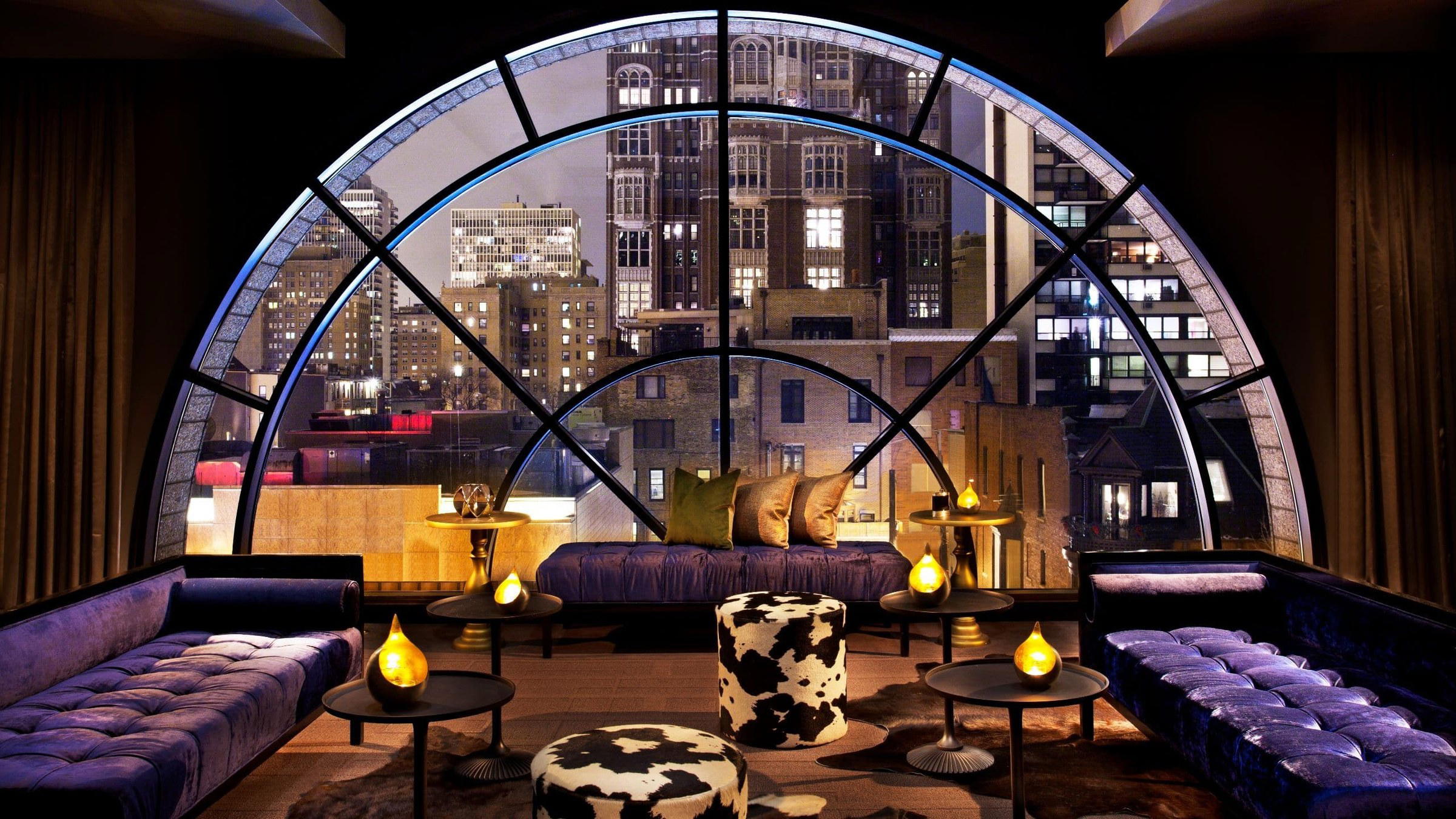
Relaxed and dressed-down dining room in an intimate space seating 24, with attentive service and a neighborhood-friendly atmosphere.