Bastián brings a Basque lens to Aarhus dining, a city better known for New Nordic restraint, seafood, bakeries, and casual bistro culture. The point here is the small-plates rhythm: ordering in rounds, sharing across the table, and treating dinner as a social sequence rather than a fixed progression.
 Discover on Pearl
Pearl is the En Primeur Club membership app — saves, bookings, and concierge access live there. Same editors, same standards.
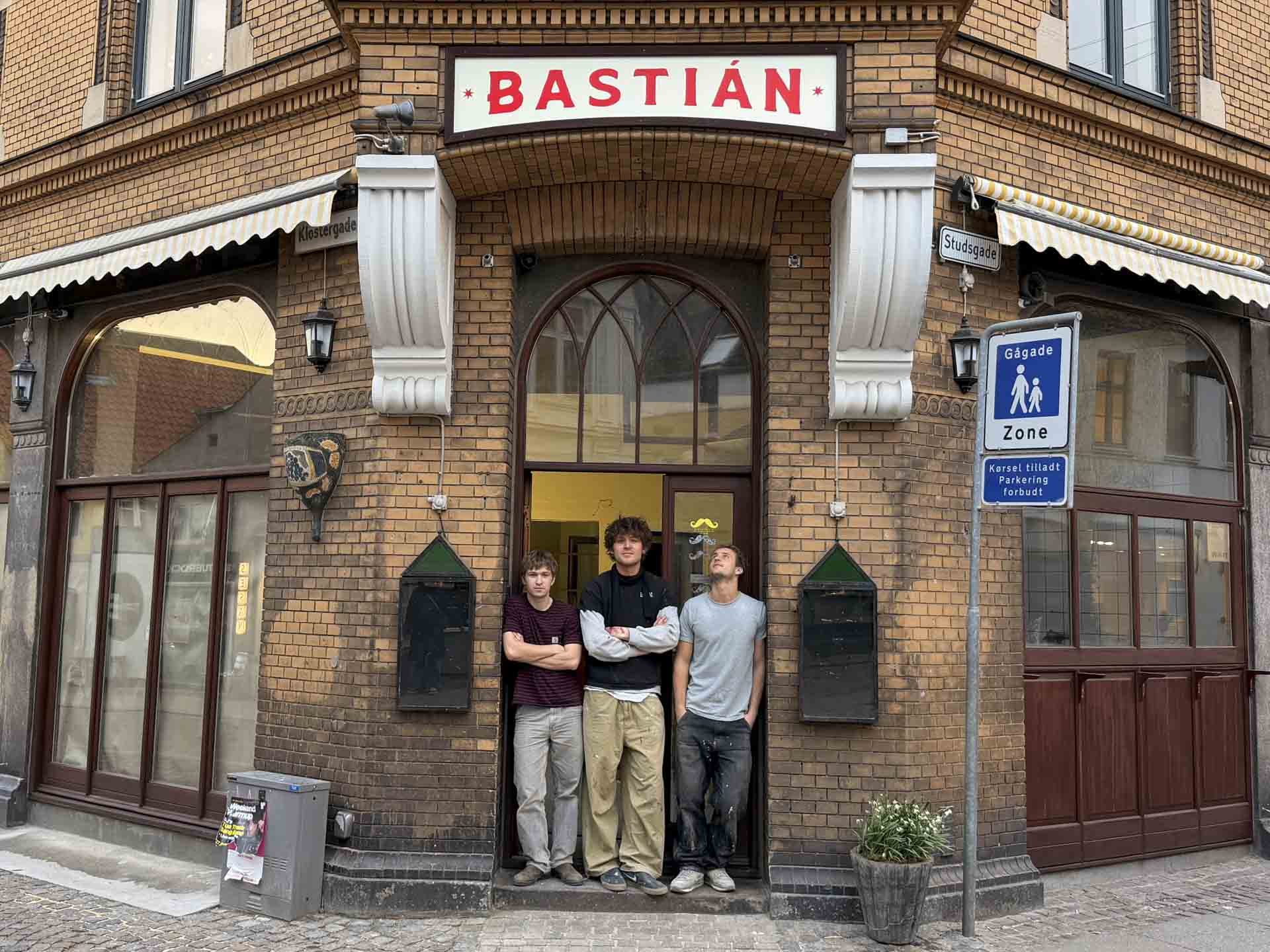
The first signal of a Basque meal is not a grand course arriving under ceremony. It is the table beginning to fill in fragments: a plate for sharing, a glass set down, another order added because the first round changed the appetite of the room. In Aarhus, where much of the serious dining conversation tends to orbit Nordic produce, seafood, and modern bistro formats, Bastián shifts the tempo toward the Iberian small-plates tradition.
That matters because tapas and pintxo culture are often misunderstood outside Spain. The format is not simply “small portions.” It is a way of eating that rewards sequencing, conversation, and restraint at the point of ordering. A table does better by starting with fewer dishes, reading the pace, then adding. Basque cooking, in particular, carries a stronger bar-and-table identity than many formal tasting-menu cultures: salt, heat, smoke, preserved seafood, grilled meat, peppers, and bread often matter as much as plated composition. The value is in rhythm, not accumulation.
Basque small plates change the pace of an Aarhus dinner
Aarhus has become increasingly confident as a dining city, but its restaurant culture is still compact enough that a clear culinary point of view is useful. A Basque restaurant does not need to mimic San Sebastián to make sense here; it needs to offer a counterweight to the city’s cooler Nordic grammar. Small plates loosen the meal. They let two people eat lightly or a larger table build a longer evening without surrendering to a fixed menu.
That ordering logic is the main reason to seek out Bastián. The restaurant’s Basque identity places it in a category that is narrower in Aarhus than Italian trattoria cooking, French-leaning bistro dining, or pan-Asian casual formats. Diners mapping the city can treat it as part of a broader spread rather than a direct substitute for places such as A-Kin Thai, AmoRomA, Anker, anx (Smørrebrød), or Atelier 33 (French). Those names point to the breadth of Aarhus dining; the Basque angle points to a different kind of evening.
The smarter approach is to order as if the table is being edited. Begin with a compact round, let the salt and acidity set the direction, then decide whether the meal should move toward vegetables, seafood, meat, or another set of bar-friendly plates. Basque dining rewards that kind of adjustment. It also suits mixed groups, because sharing reduces the pressure of choosing a single main course and lets the table split risk across several dishes.
The Basque tradition works because it is social before it is formal
The strongest Basque rooms understand that informality is not the same as looseness. The tradition has discipline: quick bites, repeated rounds, confident seasoning, and a close relationship between kitchen and drinking culture. Aarhus gives that format a useful setting. The city is large enough to support international cooking, but small enough that restaurants cannot rely on novelty alone. A Basque address has to make sense on a Tuesday as much as on a weekend.
This is also where diners should separate tapas culture from generic sharing-plate fashion. Modern restaurants across Europe have adopted shared plates because they help kitchens vary portion size and push tables toward breadth. Basque cooking arrived at that structure through bar culture, not trend mechanics. Pintxos and tapas grew around standing, drinking, grazing, and moving. In a seated Danish context, the form becomes more composed, but the social contract remains: order, talk, pass plates, repeat.
For visitors using Aarhus as a food weekend rather than a single-meal stop, this slot is useful. It can sit between a more classically structured dinner and a casual lunch, or operate as the evening’s main event for a group that wants variety without the weight of a tasting menu. The city’s wider scene is easier to read through our full Aarhus restaurants guide, with hotels, bars, wineries, and experiences mapped separately in our full Aarhus hotels guide, our full Aarhus bars guide, our full Aarhus wineries guide, and our full Aarhus experiences guide.
Where it fits in a wider Danish and Basque itinerary
For Danish dining travelers, the useful question is not whether Aarhus can reproduce the Basque Country. It cannot, and it does not need to. The more relevant comparison is itinerary function. Copenhagen cocktail and restaurant nights, regional Danish inns, sushi counters, and Spanish tavern cooking all serve different travel moods. A route might include 1105 Copenhagen in Copenhagen, 2takt Café & Brasserie in Frederikshavn, Aagaard Kro in Egtved, Aalekroen in Silkeborg, Aji Sushi in Roskilde, or akmē in Nordhavn, but a Basque meal answers a separate craving: informality with structure.
Travelers chasing the source tradition can look toward the Basque Country itself, where restaurants such as Aitor Rauleaga, Basque in Bilbao and Ama Taberna, Basque in Tolosa sit much closer to the cultural origin of the cuisine. In Aarhus, the appeal is different. It is the chance to put Basque ordering habits into a Danish city break: less ceremony, more table movement, and a meal shaped by appetite as it develops.
The verdict is practical rather than sentimental. Choose this for a shared dinner, a group that likes to trade plates, or a night when a fixed sequence feels too rigid. The cuisine type is the trust signal here: Basque cooking brings a clear structure, and in Aarhus that clarity gives the restaurant its reason to be.
Comparable Venues Nearby
Comparable venues nearby, for context on price, style, and recognition.
| Venue | Cuisine | Price | Notes |
|---|---|---|---|
| BastiánThis venue — the venue you are viewing | Modern Basque-inspired wine bar & restaurant | $$ | |
| LouLou Aarhus | italian | $$ | Aarhus C |
| Piccolina | Authentic Italian Pizzeria | $$ | Aarhus C |
| Havnær | Modern Seafood and Danish | $$ | Aarhus Ø |
| Restaurant Klokken | Traditional Danish | $$ | Midtbyen |
| Restaurant L'øst | Modern Scandinavian Grill | $$ | Midtbyen |

At a Glance
- Cozy
- Lively
- Trendy
- Intimate
- Date Night
- Group Dining
- Casual Hangout
- After Work
- Special Occasion
- Standalone
- Wine Cellar
- Extensive Wine List
- Natural Wine
- Craft Cocktails
- Local Sourcing
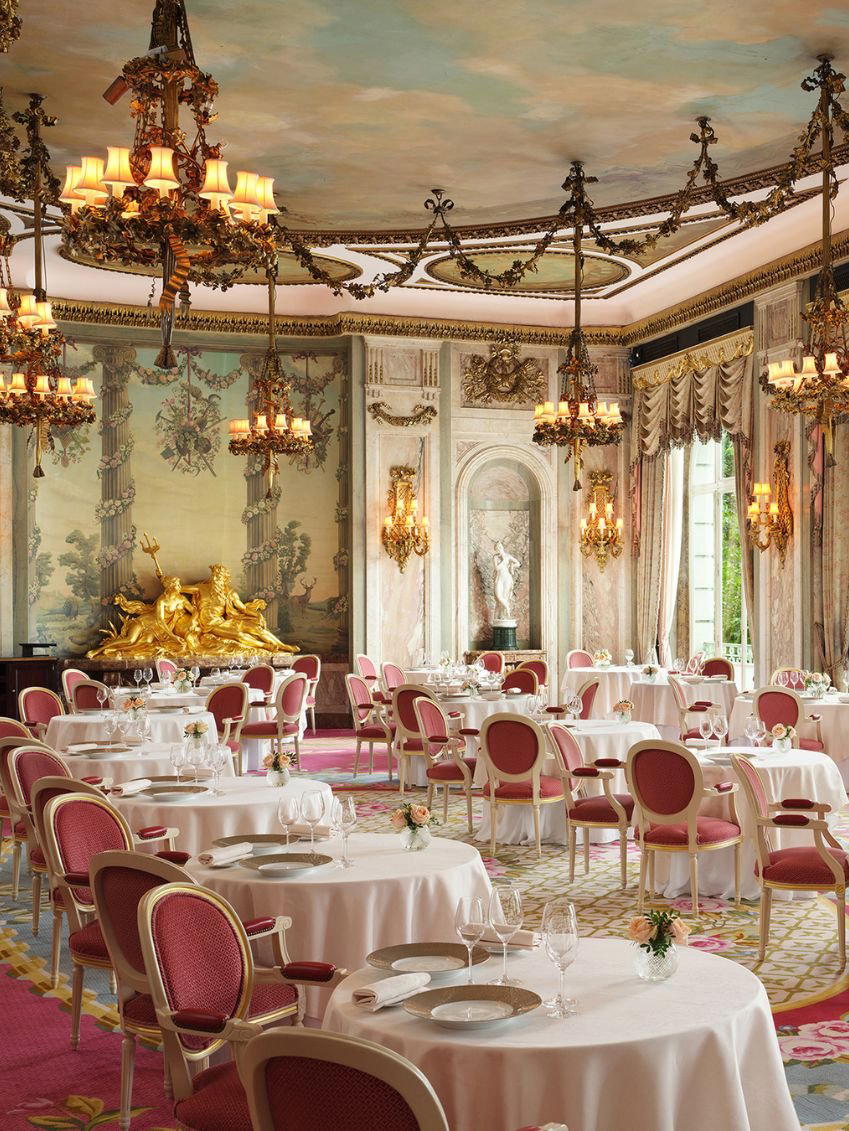
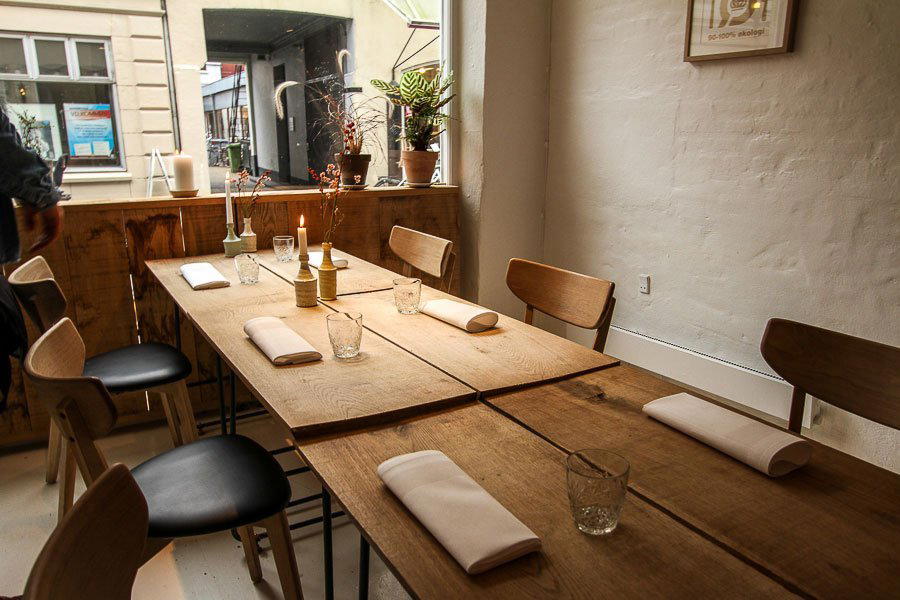
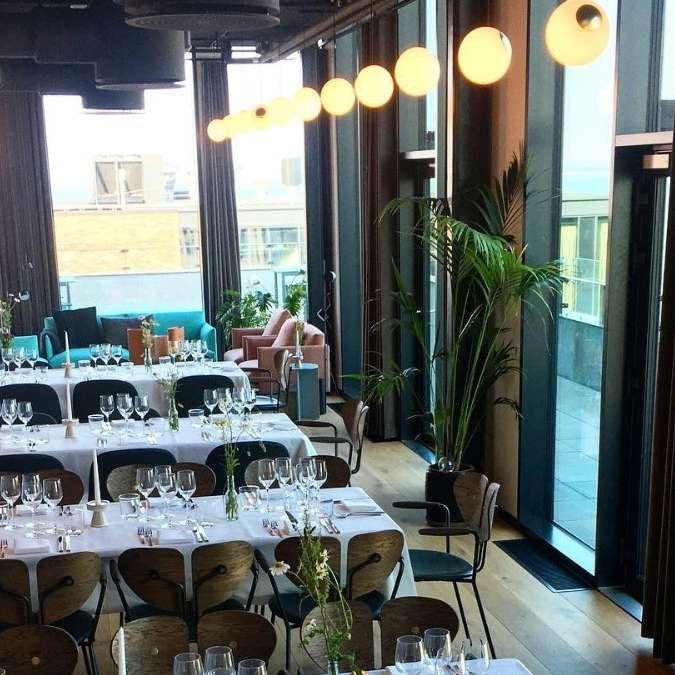
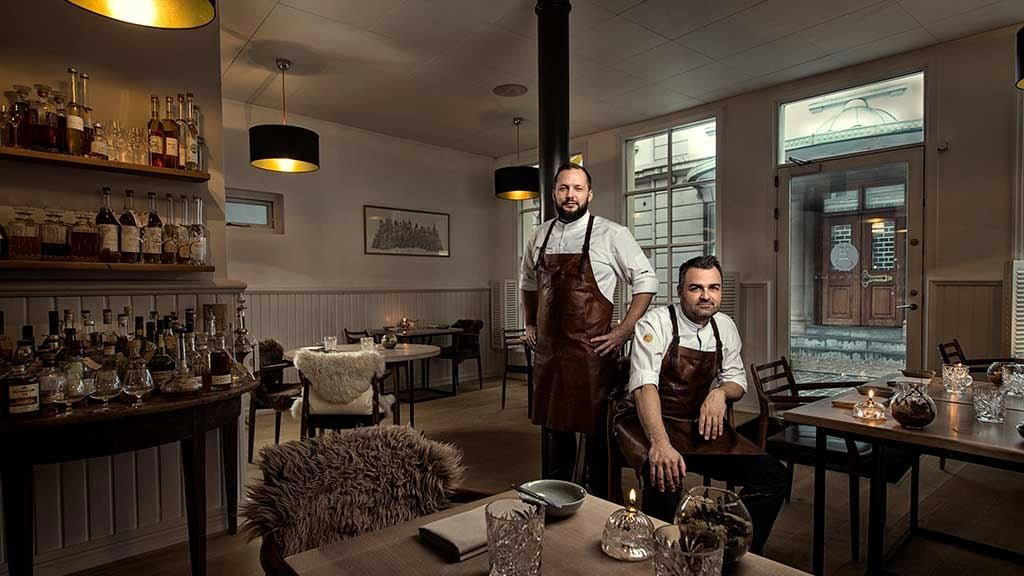
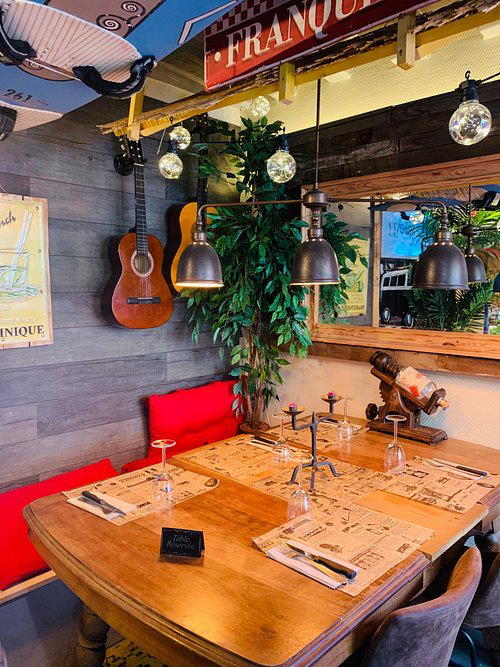
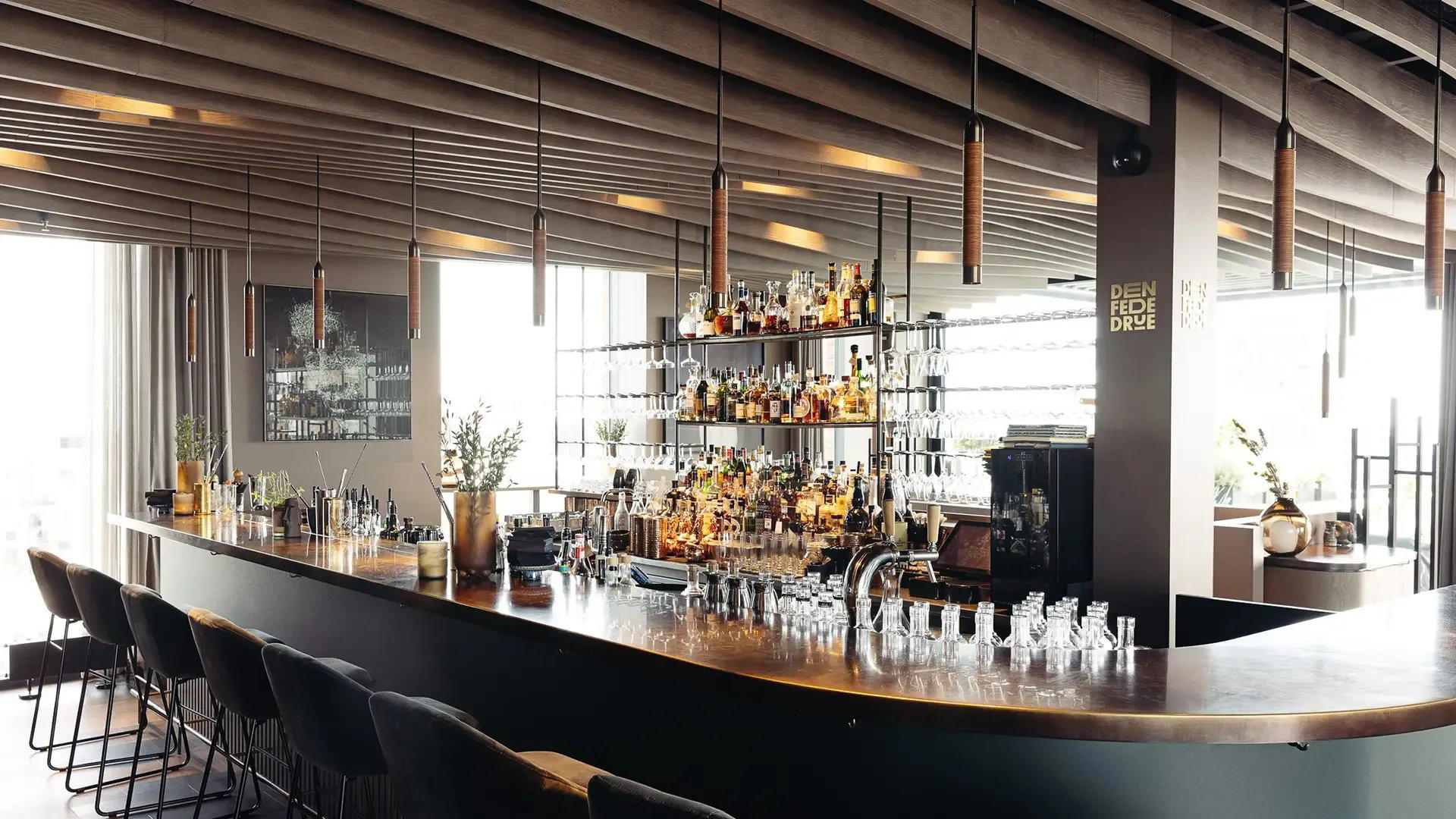
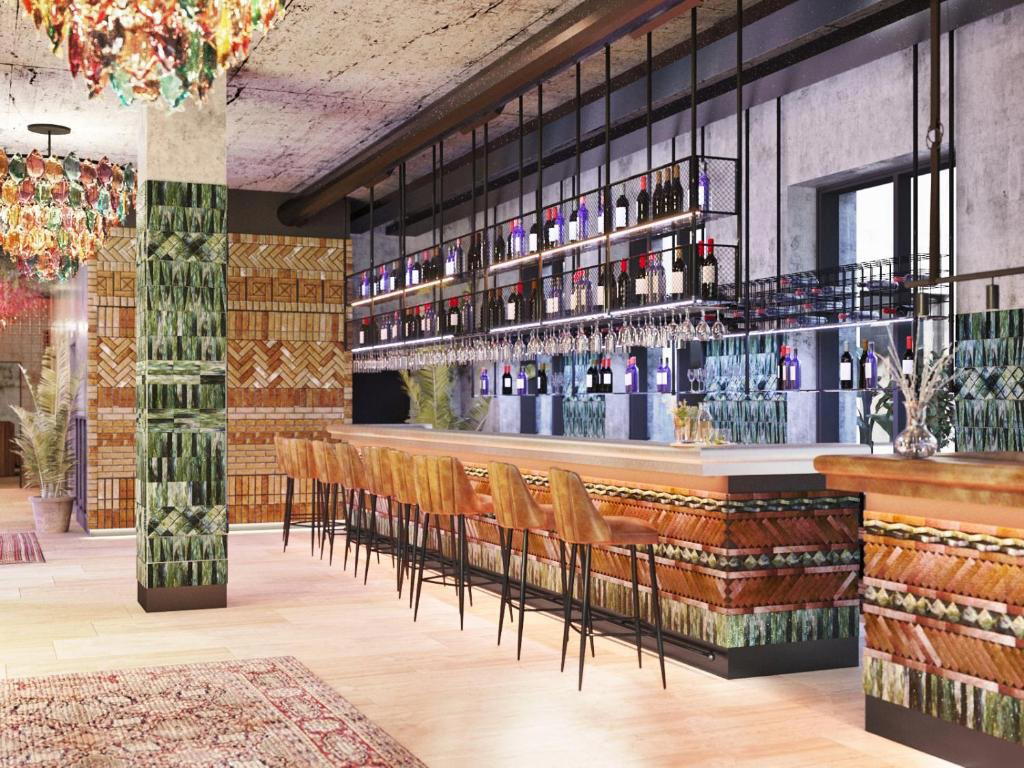
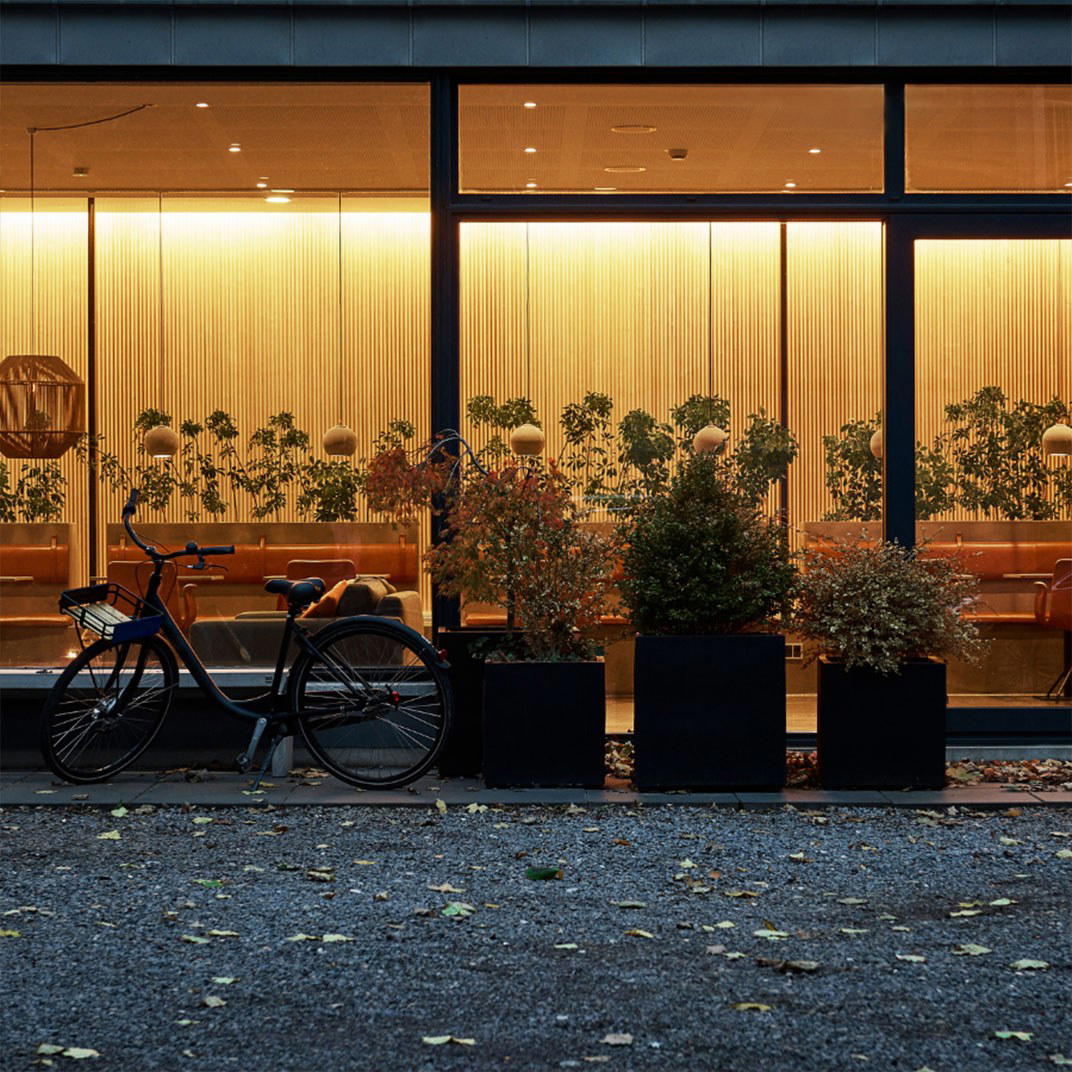
Warm, dimly lit and intimate, with a buzzing but relaxed neighborhood feel and a laid-back wine bar atmosphere focused on sharing plates and conversation.