Our verdict
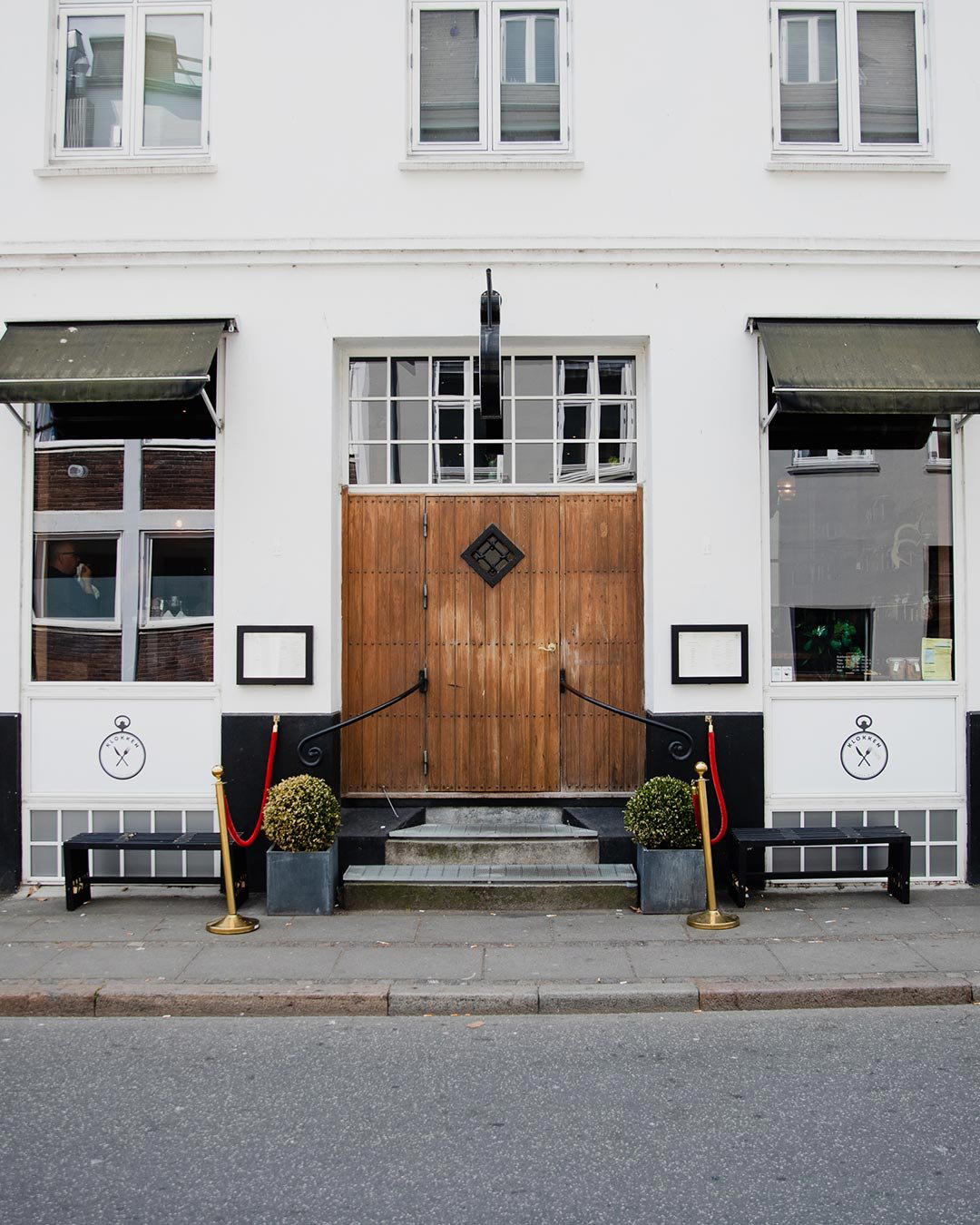
On Mindegade in central Aarhus, Restaurant Klokken occupies a quiet but deliberate position in a city that has become one of Denmark's most serious dining destinations. The address places it within easy reach of the cathedral quarter, and its presence in a scene shaped by Michelin-recognised peers makes it a notable entry point into Aarhus dining at a considered level.

Pearl is the En Primeur Club membership app — saves, bookings, and concierge access live there. Same editors, same standards.
The menu
What to order
- Smørrebrød
- Panfried plaice
- Roast beef
- Fried beef tartare
- Pork and parsley gravy
- Bøfsandwich
Aarhus as a Dining City, and Where Klokken Sits Within It
Aarhus has done something relatively rare for a city of its size: it has built a serious fine-dining infrastructure that doesn't simply orbit Copenhagen. The restaurants here draw on the same New Nordic philosophical inheritance, but have developed distinct identities shaped by local produce networks, proximity to Jutland's coastline and farmland, and a growing local appetite for ambitious food. Frederikshøj operates at the creative apex of that scene, while Domestic and Gastromé occupy different registers of modern and creative cooking. Substans has contributed to the city's reputation for sustained, produce-driven work. Restaurant Klokken, addressed at Mindegade 6 in the central city, is part of this broader pattern: a Aarhus restaurant operating in a district where the expectation for quality is established rather than aspirational.
Mindegade runs through a neighbourhood that rewards walking. The street's position near the cathedral and the old canal district means the approach to Klokken passes through one of the city's more historically textured areas, where older building stock and contemporary dining exist without friction. That physical setting matters to how a restaurant like this is read: it isn't positioned on a destination strip, which in Aarhus terms signals something about intent.
What Menu Architecture Reveals About a Restaurant
In any serious dining city, the structure of a restaurant's menu is its clearest statement of priorities. A kitchen that organises around a long tasting sequence is making a different argument than one that presents a shorter, sharper card with pronounced individual dishes. The former asks the diner to submit to a narrative; the latter asks them to make decisions, and trusts that each course can stand alone. Across Aarhus's better restaurants, this tension plays out in different ways. The longer tasting format has become associated with the city's Michelin-tier addresses, where the progression of courses mirrors the kind of storytelling logic that Scandinavian fine dining has refined over two decades.
In a market where Gastromé represents creative modern cuisine at the €€€€ tier, and Domestic anchors the New Nordic approach at €€€, the question of where Klokken positions its offer on price and format is one that repays direct inquiry with the restaurant.
The broader point holds regardless of format detail: menu architecture is the primary signal a kitchen sends about its ambitions. Whether a restaurant builds from ingredient-led simplicity or constructs elaborate multi-course sequences, the logic of that structure tells an informed diner more than any individual dish description. Denmark's leading restaurants, from Geranium in Copenhagen to Jordnær in Gentofte, have demonstrated that the sequencing of a meal is itself a form of argument. Provincial addresses like Henne Kirkeby Kro in Henne and LYST in Vejle have extended this logic outside the capital, suggesting that the discipline of menu construction is no longer a Copenhagen exclusive.
The Aarhus Fine Dining Context
To understand any restaurant in Aarhus's upper tiers, it helps to understand the city's competitive positioning. Aarhus has received Michelin attention across several addresses, which has raised the baseline expectation for what a serious dinner here should deliver. That recognition affects pricing, pacing, and the assumptions diners bring.
Across Jutland and the broader Danish regions, the fine-dining pattern has shifted toward tighter, more deliberate operations. Alimentum in Aalborg, ARO in Odense, and Domæne in Herning each illustrate how provincial Danish cities have developed serious dining addresses that compete on quality rather than geography. The same logic applies in Aarhus, where the density of recognised restaurants on a per-capita basis is notable by European standards. Our full Aarhus restaurants guide maps the wider scene if you're building a longer trip around the city's food culture.
Beyond Jutland, properties like Dragsholm Slot Gourmet in Hørve, Frederiksminde in Præstø, and MOTA in Nykøbing Sjælland demonstrate how deeply the Danish dining tradition has extended into regional settings. This context matters when assessing Klokken: it sits within a national culture that takes restaurant cooking seriously at every latitude.
For contrast, consider how differently ambition is expressed in other global restaurant markets. Le Bernardin in New York City operates a menu built around French technique applied to seafood with considerable rigour, while Atomix in New York City has developed a tasting format that draws on Korean culinary traditions through a fine-dining lens. Both illustrate how menu architecture functions as a statement of cultural and culinary positioning, not merely a list of dishes.
Planning a Visit to Mindegade 6
Restaurant Klokken is located at Mindegade 6, 8000 Aarhus, in Denmark's second city. Aarhus Central Station is within walking distance of the city centre, and Mindegade is accessible on foot from most of the central accommodation options. For visitors combining dinner with a broader Aarhus evening, the neighbourhood also has options across other cuisine types, including A-Kin Thai for those seeking something outside the Scandinavian register.
In Aarhus's fine-dining bracket, reservations at leading addresses typically need to be secured several weeks in advance, particularly on weekend evenings. Whether Klokken operates at that level of demand is worth verifying, but the assumption that walk-in availability will be direct at a central city restaurant of this type is generally a poor one to carry.
Frequently asked questions
What should I eat at Restaurant Klokken?
The most reliable approach is to check the restaurant's current menu directly, either via their own channels or by contacting them ahead of your visit. In the context of Aarhus's dining scene, which draws heavily on Jutland's seasonal produce, the expectation at this level is that the menu will reflect what is available and well-sourced rather than a fixed house repertoire.
Do I need a reservation for Restaurant Klokken?
In Aarhus, restaurants operating at a considered level, particularly those in central locations like Mindegade, tend to fill quickly on Thursday through Saturday evenings. If the restaurant is running a tasting or set format, capacity is typically limited by design, which compounds the demand. The safest assumption is that advance booking is advisable, and the restaurant should be contacted directly to confirm their current booking approach.
What is Restaurant Klokken known for?
Restaurant Klokken is a named address in Aarhus's dining scene, located on Mindegade in the city's historic centre. Specific cuisine focus and signature style should be confirmed with the restaurant directly, as detailed records are not currently available.
How does Restaurant Klokken handle allergies?
Danish restaurants at the considered end of the market generally handle dietary requirements with care, but the specific approach, particularly for tasting formats, is best confirmed in advance. Contact the restaurant directly before your booking, particularly if you have a serious allergy, as kitchens operating set menus may require advance notice to adjust safely.
Does Restaurant Klokken justify its prices?
In the Aarhus fine-dining context, prices at peer addresses range from the €€€ tier at Domestic to €€€€ at Frederikshøj and Gastromé. Value at this level in Denmark is generally assessed against the quality of produce, the discipline of the kitchen, and the overall structure of the experience rather than portion size or course count.
Is Restaurant Klokken suitable for a business dinner?
Mindegade's central Aarhus location makes it accessible for visitors staying across most of the city's business accommodation options, and the address has the profile of a restaurant suited to a professional dining occasion. Contacting the restaurant directly to ask about room configuration and typical atmosphere on your chosen evening is the reliable way to assess this before booking.
What It’s Closest To
Comparable venues nearby, for context on price, style, and recognition.
| Venue | Cuisine | Price | Notes |
|---|---|---|---|
| Restaurant KlokkenThis venue — the venue you are viewing | Traditional Danish | $20–30 | Not listed |
| LAVA | Danish & French Bistro | $20–30 | Midtbyen |
| Ramen Takumi | Authentic Japanese Ramen | $20–30 | city center |
| LouLou Aarhus | italian | Not listed | Aarhus C |
| Gusto | Modern Sourdough Pizza | $20–30 | Latinerkvarteret |
| Cinco | Latin American Social Dining | $50–100 | Aarhus Centrum |
Continue exploring
More in Aarhus
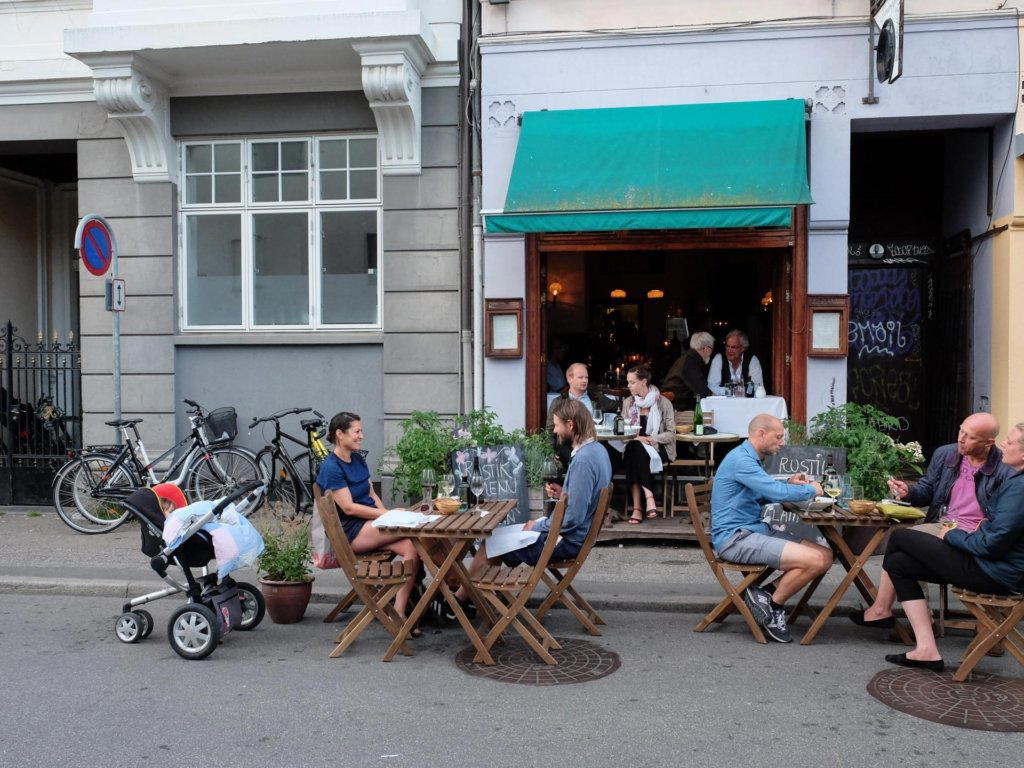
Restaurants in Aarhus
All restaurants in Aarhus →
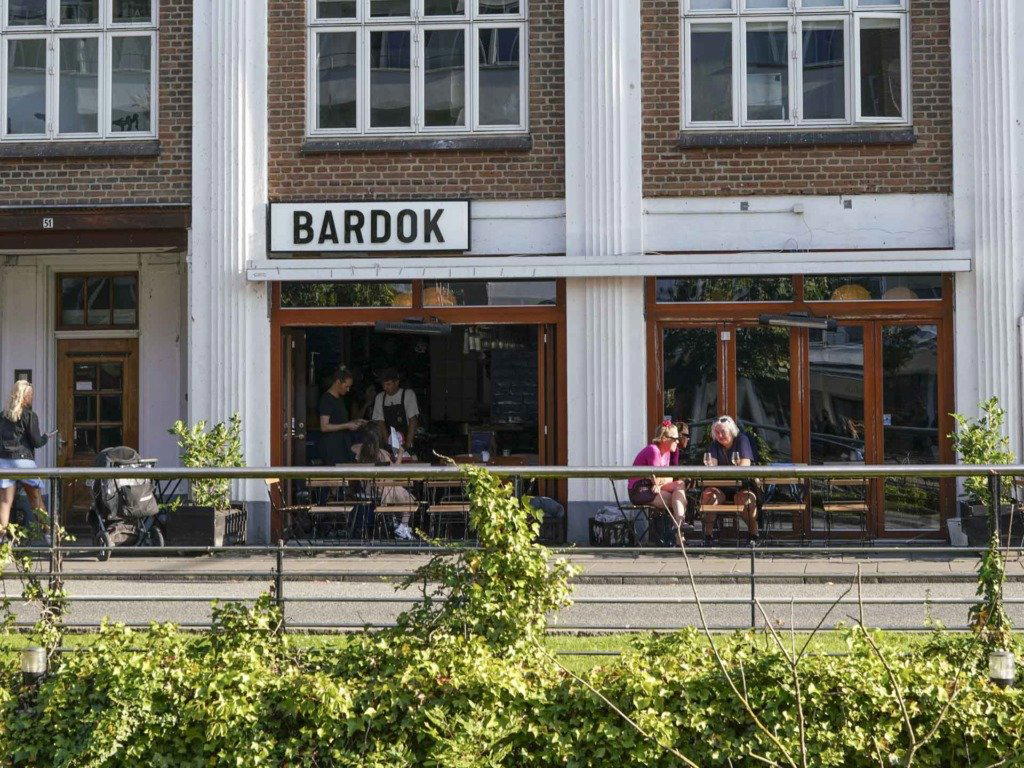
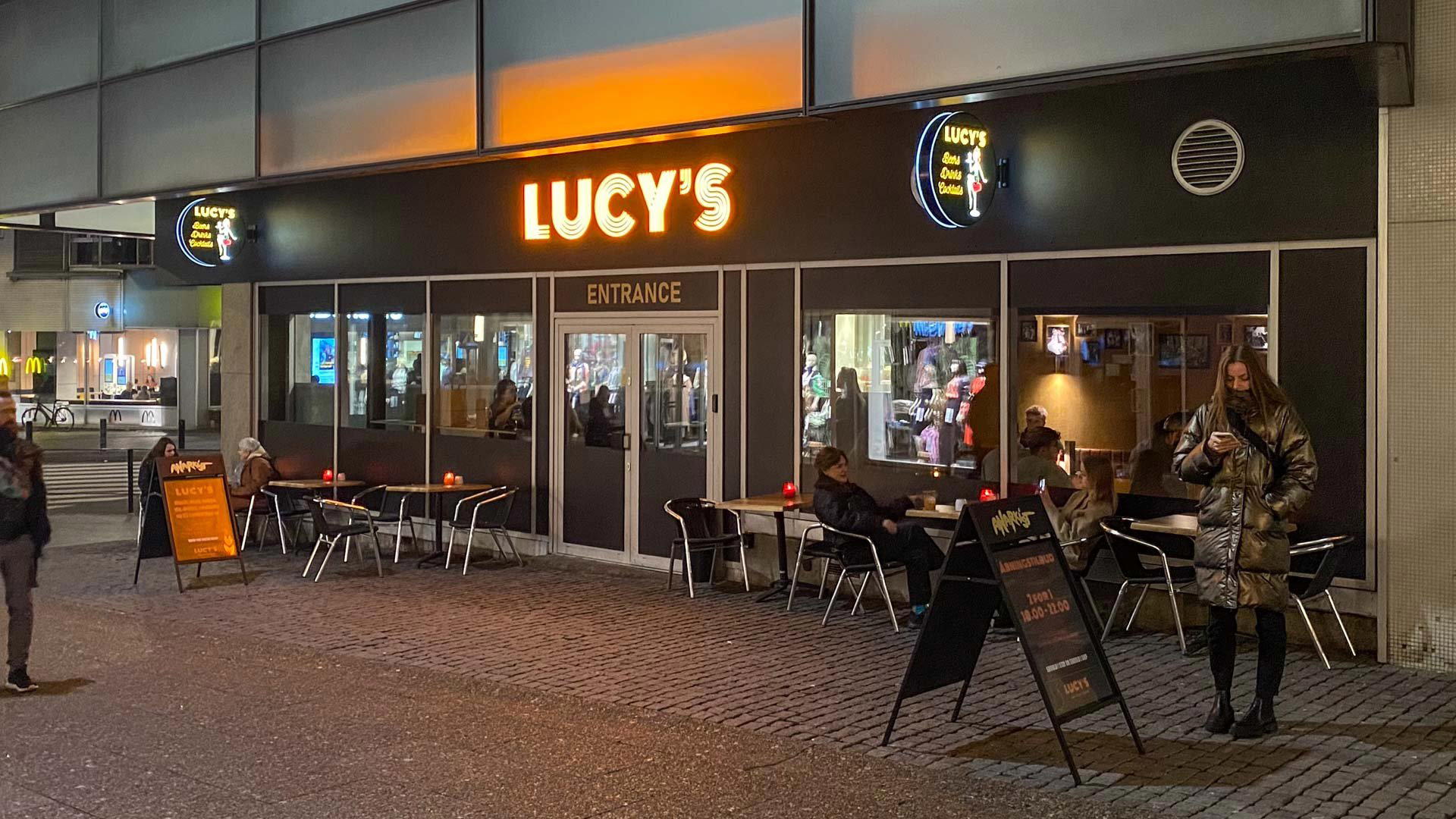
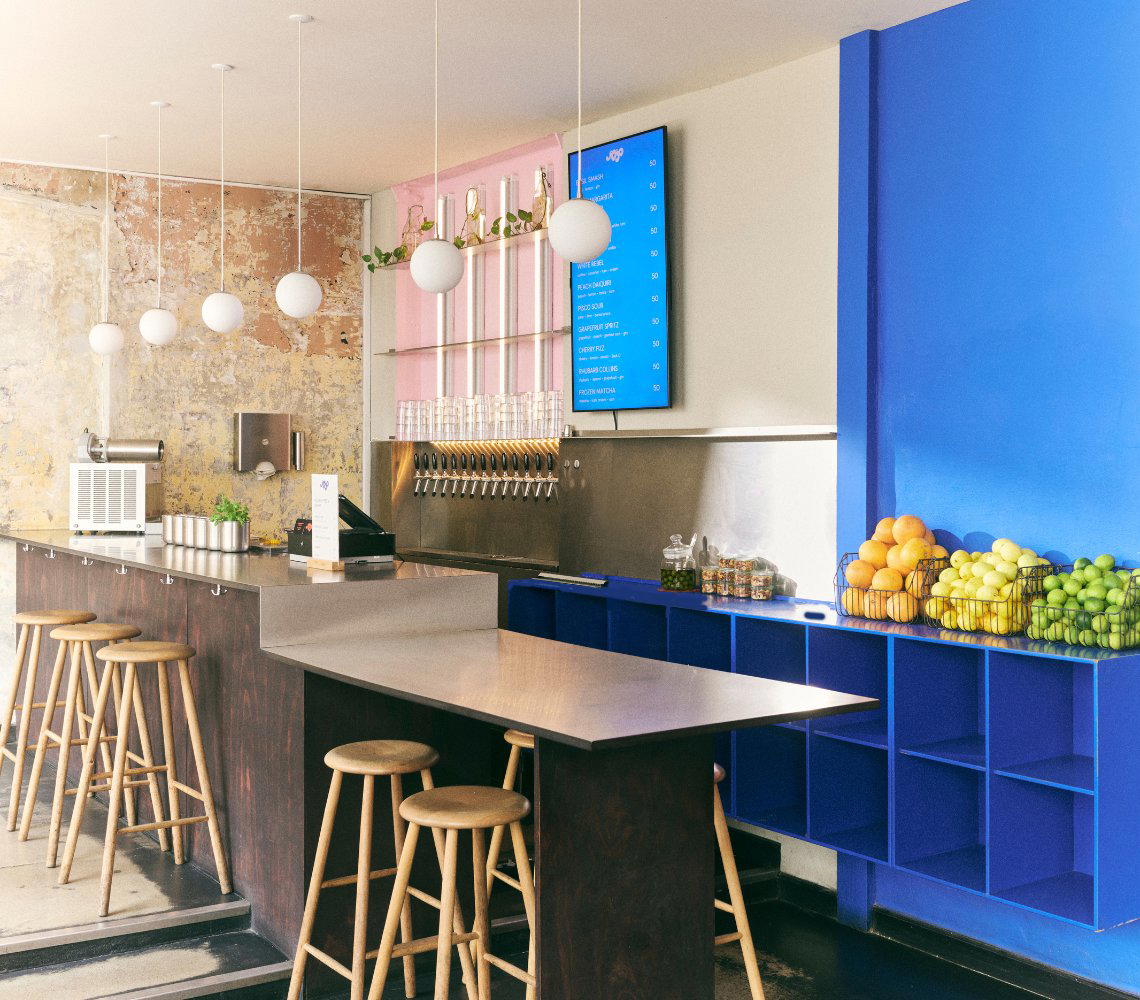
Bars in Aarhus
All bars in Aarhus →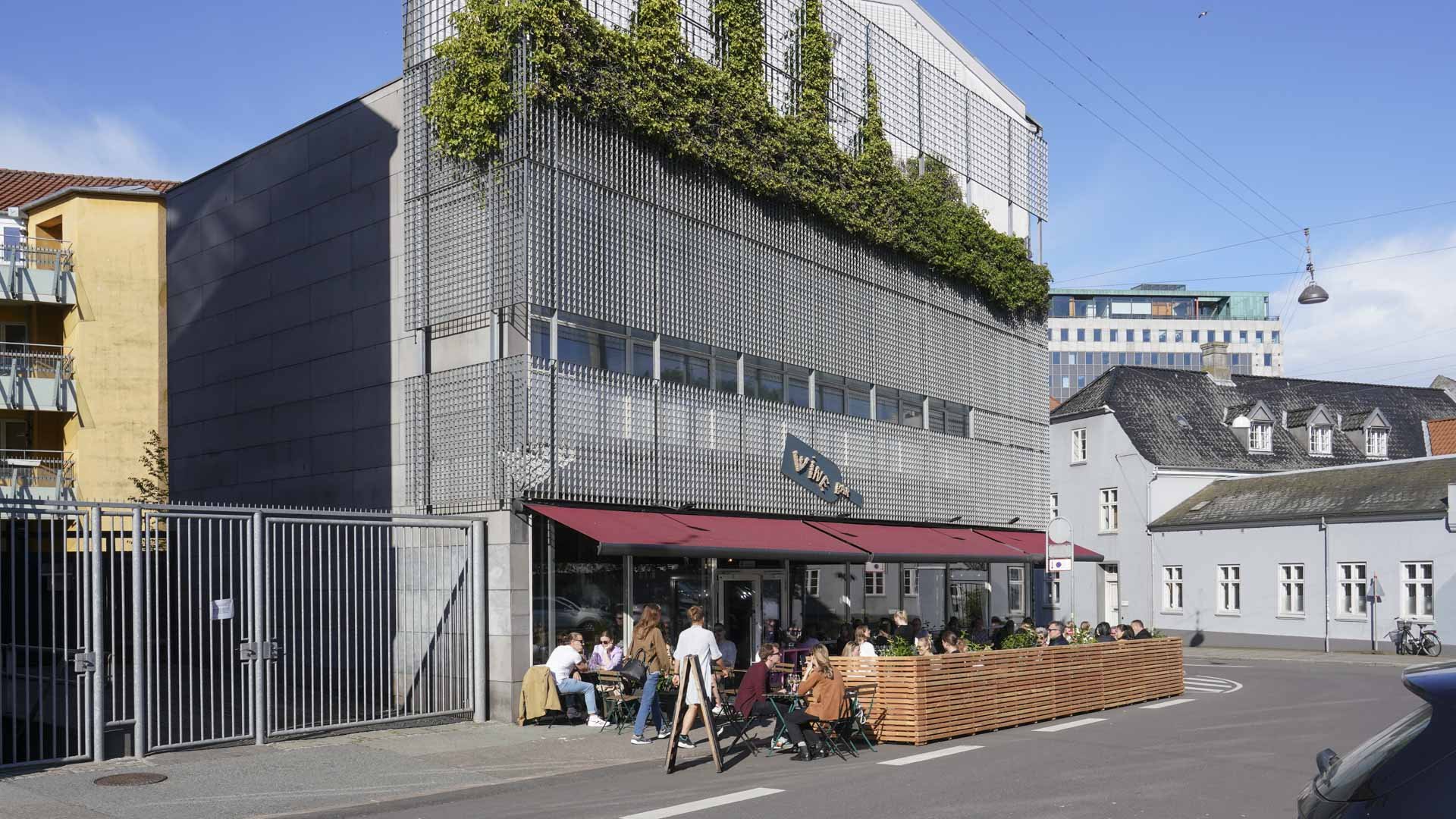
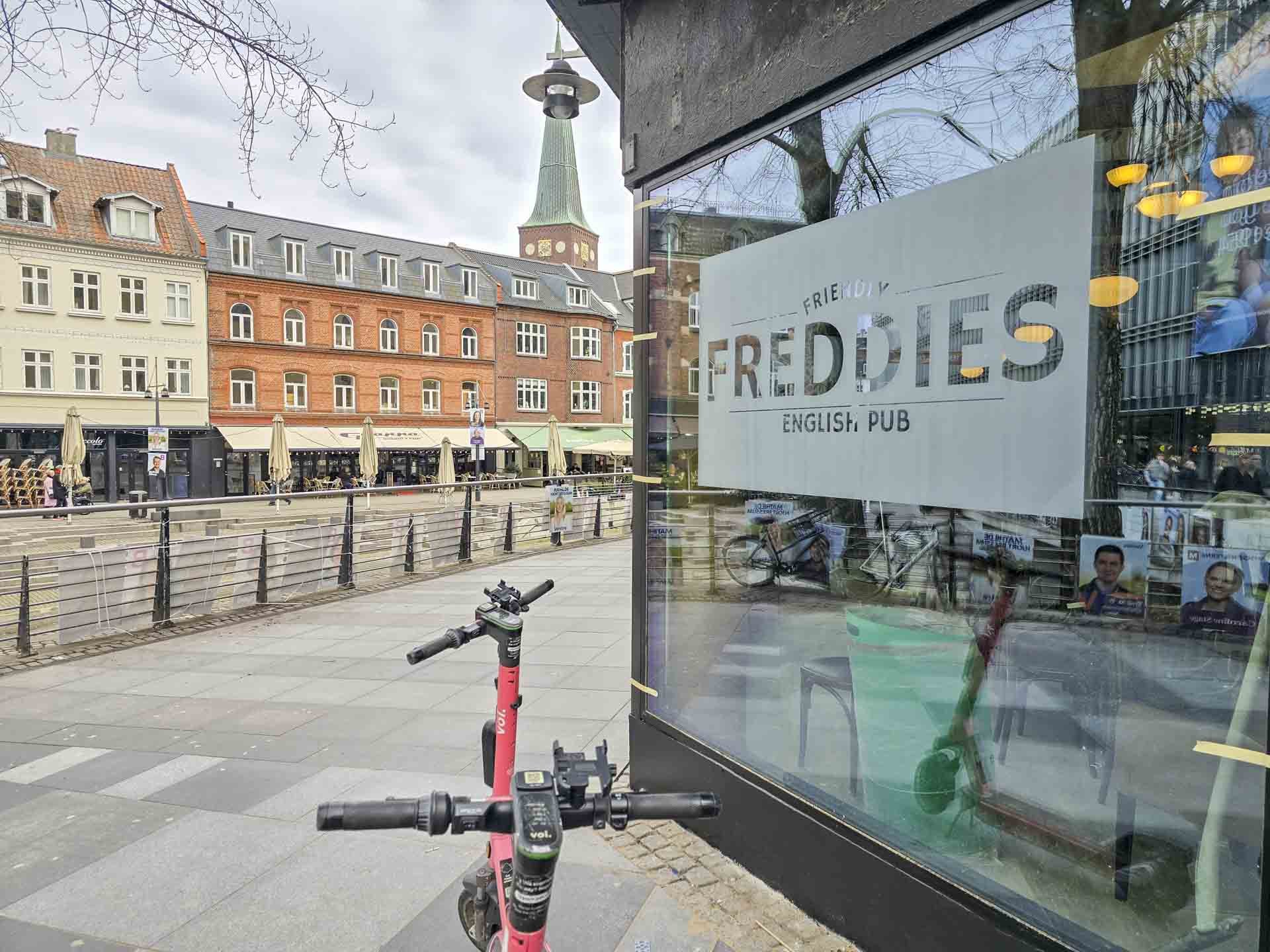
Hotels in Aarhus
All hotels in Aarhus →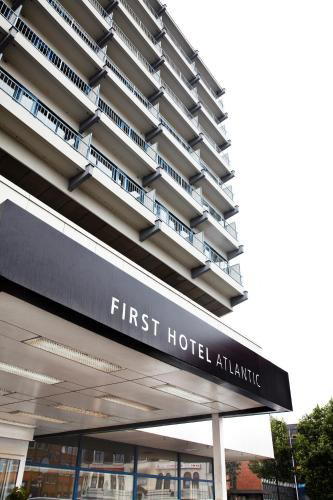
Wineries in Aarhus
Browse all →
Details
- Cozy
- Classic
- Intimate
- Casual Hangout
- Group Dining
- Historic Building
- Standalone
- Open Kitchen
- Beer Program
- A La Carte
- Small Plates
- Homemade Schnapps
- Beer
Current opening hours
- Monday
- 11:30 AM–2 PM, 5–8 PM
- Tuesday
- 11:30 AM–2 PM, 5–8 PM
- Wednesday
- 11:30 AM–2 PM, 5–8 PM
- Thursday
- 11:30 AM–2 PM, 5–8 PM
- Friday
- 11:30 AM–10 PM
- Saturday
- 11:30 AM–10 PM
- Sunday
- 11:30 AM–2 PM
Hours can change for holidays and private events. Last verified .
Warm, cozy, and nostalgic with wooden details and intimate booth seating; described as a 'time capsule where coziness permeates the walls' with classic Danish charm.