BAST sits on Kasteelstraat in Bornem, a quiet Flemish town along the Schelde that rarely appears on Belgium's fine-dining circuit. What draws attention here is the kitchen's apparent commitment to sourcing discipline — a thread running through a broader regional movement that places ingredient provenance at the centre of the plate rather than the margin of the menu. For those already exploring Flemish creative cooking, Bornem now warrants a detour.
Pearl is the En Primeur Club membership app — saves, bookings, and concierge access live there. Same editors, same standards.
- Address
- Kasteelstraat 4, 2880 Bornem, Belgium
- Phone
- +32470528721
- Website
- bastbornem.be
- Directions
- Get directions
 Saves & bookings on Pearl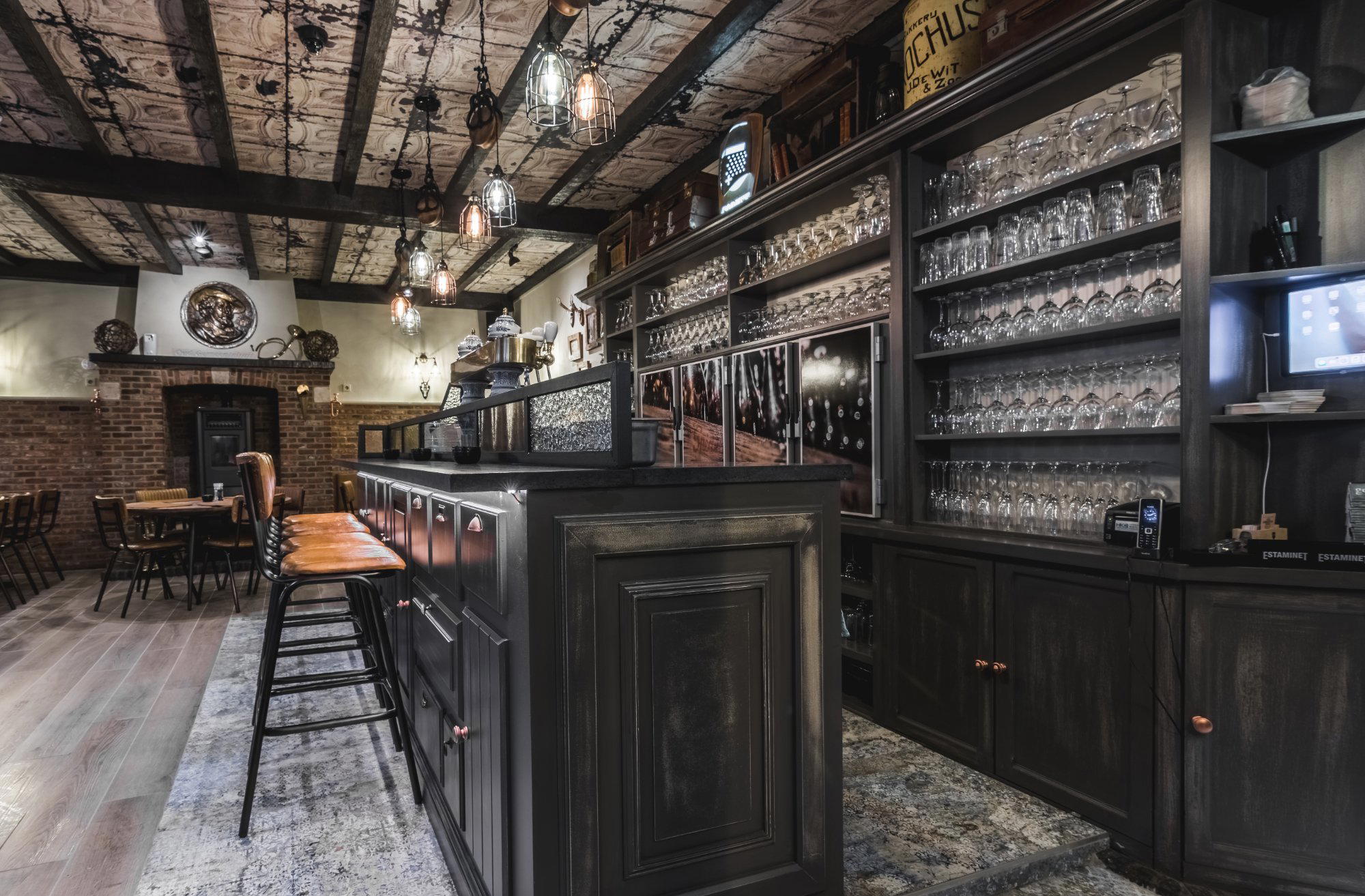
Where Bornem Fits in the Flemish Fine-Dining Picture
Belgium's serious restaurant geography has long been defined by a handful of anchor cities: Antwerp, where Zilte holds court above the MAS museum; Ghent, where Vrijmoed has made modern Flemish cooking a full creative discipline; and Roeselare, where Boury continues to refine a French-Flemish idiom over multiple Michelin stars. The towns along the Schelde corridor between Antwerp and Ghent sit in a quieter tier — known locally, rarely profiled internationally. Bornem is one of those towns, and BAST, at Kasteelstraat 4, is the address that has begun to change its profile.
This pattern — a serious kitchen appearing in a provincial town with limited dining infrastructure around it, is not unique to Belgium. It tracks a broader European shift in which high-cost urban rents have pushed focused, ingredient-led projects toward smaller markets where property and sourcing logistics align more favourably. The result is that the towns surrounding major Flemish cities have begun to accumulate addresses worth planning around, rather than simply passing through.
Ingredient Sourcing as Editorial Argument
The question that matters most for any kitchen operating in the €€€€ tier in Flemish Belgium is not whether the cooking is skilled, at that price point, technical competence is a baseline, not a differentiator. The more consequential question is whether the sourcing philosophy justifies the position. Belgium has enough high-end creative cooking, from Hof van Cleve in Kruishoutem to La Durée in Izegem, that any new entrant in the category has to make a clear case for why its pantry is different.
Ingredient sourcing has become the dominant editorial argument in Flemish fine dining over the past decade. Where earlier generations of Belgian chefs built their reputations on classical French technique applied to local produce, the current generation tends to foreground the produce itself, naming farms, specifying regions, and designing menus around what is available rather than what is consistent. This is not simply an aesthetic choice. It reflects a structural shift in how leading Belgian kitchens think about their supply chains, moving away from wholesale distributors and toward direct relationships with growers, fishers, and small-scale producers in the Schelde lowlands, the polders, and the coastal strip.
BAST's position in Bornem places it in productive proximity to that agricultural geography. The Schelde valley running through this part of Antwerp Province is market-garden country, dense with small holdings growing brassicas, root vegetables, and herbs that rarely reach urban wholesale markets. A kitchen that builds sourcing relationships in this zone has access to produce that is genuinely hard to replicate at an Antwerp or Brussels address, where supply chains necessarily run through intermediaries. Whether BAST has fully capitalised on that geographic advantage is the central critical question for any reader planning a visit.
The Address and the Approach
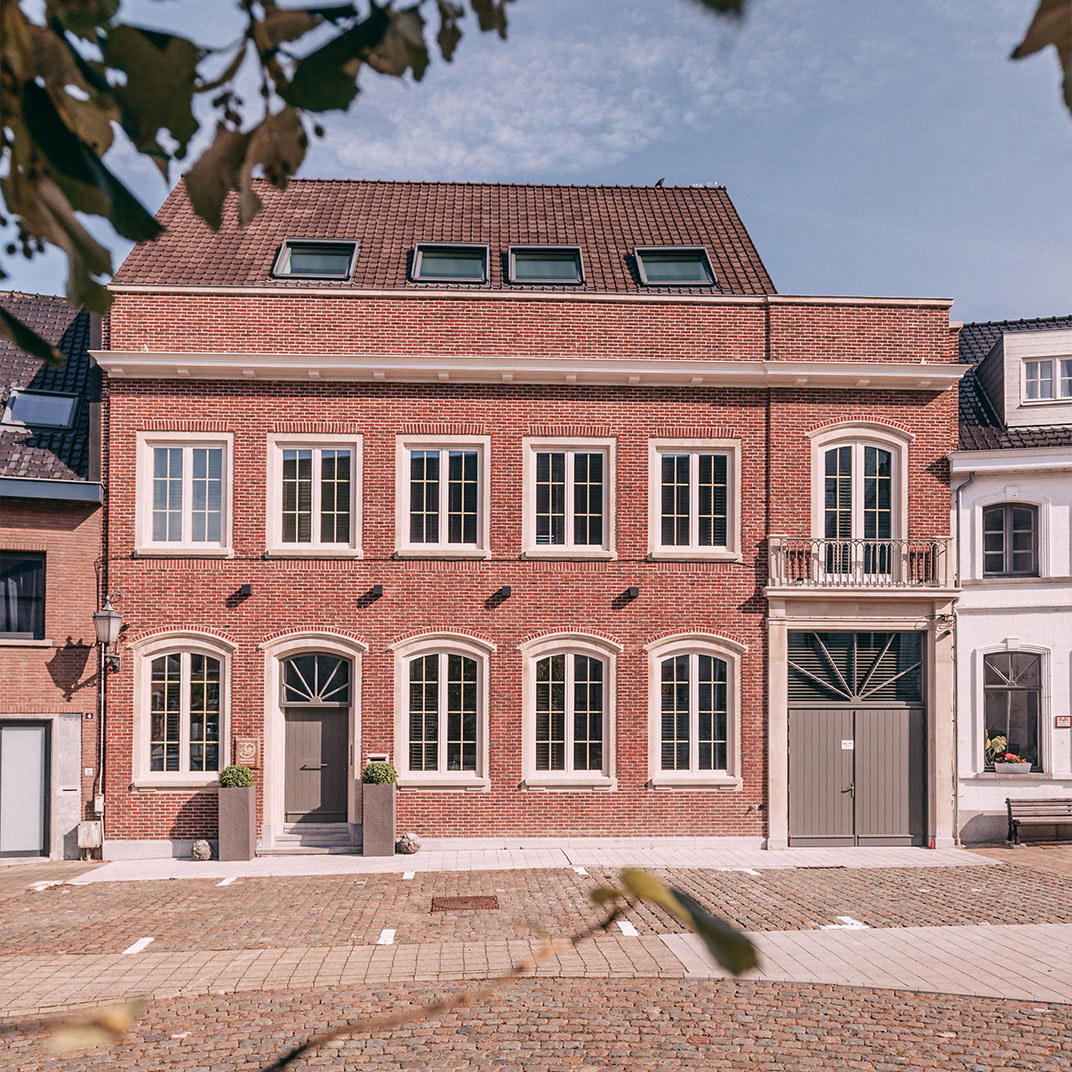
Kasteelstraat, castle street, is a name that signals something about Bornem's self-presentation. The town's historic centre carries the architectural weight typical of Schelde riverside settlements: brick, modest scale, and a civic seriousness that is quite different from the louder design ambitions of Antwerp's dining quarter. A restaurant choosing to operate on this street is making a statement about register. This is not a venue positioning itself against urban competition through spectacle or provocation. It is an address that asks to be taken on its own terms, in its own context.
That context places BAST in a peer conversation that includes other focused provincial addresses across Flanders: Cuchara in Lommel, Ralf Berendsen in Neerharen, and De Jonkman in Sint-Kruis. These are kitchens that have chosen depth over visibility, places where the food is designed for repeat visitors who understand what they are looking for, rather than first-time tourists following a list. Within Bornem itself, Biestro H-eat and Eyckerhof provide context for the town's dining range, though BAST appears to occupy a distinct tier in terms of ambition and format.
Belgium's Provincial Fine-Dining Moment
It is worth situating BAST within a wider Belgian phenomenon. The country's Michelin geography has always been denser per capita than most European nations, but the distribution has shifted in recent years. Stars that once concentrated in Brussels and the coastal resorts now appear with regularity in towns that most international visitors would struggle to locate on a map. D'Eugénie à Emilie in Baudour and La Table de Maxime in Our are examples from the French-speaking south; the Flemish north has its own equivalent addresses. For international reference points, this kind of regional fine-dining commitment is more comparable to what one finds at destination-specific kitchens like Willem Hiele in Oudenburg than to the urban competitive sets at Bozar in Brussels.
The reader flying in from further afield for a Belgium dining trip, or, for that matter, comparing this to what they know from Le Bernardin in New York or Lazy Bear in San Francisco, should understand that provincial Belgian fine dining operates on a different set of conventions. The format is typically prix-fixe or near-fixed, the wine list leans heavily on natural and low-intervention producers from France and Belgium, and the pacing is unhurried in a way that urban kitchens with faster table turns cannot match. These are structural features of the category, not venue-specific claims.
Planning a Visit to Bornem
Bornem sits on the main rail line between Antwerp-Central and Ghent-Sint-Pieters, which makes it accessible without a car for visitors already plotting a Flemish circuit. The journey from Antwerp runs under thirty minutes; from Ghent, marginally longer. BAST's address on Kasteelstraat is walkable from Bornem station. For international visitors, Brussels Airport is the practical entry point, with onward connections to Antwerp or a direct rail transfer that puts Bornem within an hour's reach. Those building a multi-day Flemish dining itinerary might logically pair a Bornem meal with addresses in Antwerp or Ghent, given the rail geometry. Our full Bornem restaurants guide covers the town's broader dining range for those wanting more context before committing to a trip.
Provincial Flemish kitchens of this type frequently operate on limited seatings across a compressed weekly schedule, Thursday through Saturday dinner service, with some weekend lunch offerings, is a common pattern in this tier, though that cannot be confirmed for BAST without current source data. Booking windows at comparable provincial addresses in Belgium typically run four to eight weeks for weekend slots.
Fast Comparison
| Venue | Cuisine | Price | Awards |
|---|---|---|---|
| BASTThis venue — the venue you are viewing | This venue | Not listed | Not listed |
| Boury | Modern Frlemish, Creative French | €€€€ | Michelin 3 Star |
| Comme chez Soi | French - Belgian, Classic Cuisine | €€€€ | Michelin 1 Star |
| Vrijmoed | Modern Flemish, Creative | €€€€ | Michelin 2 Star |
| La Durée | French-Belgian, Creative | €€€€ | Michelin 2 Star |
| Cuchara | Modern European, Creative | €€€€ | Michelin 2 Star |
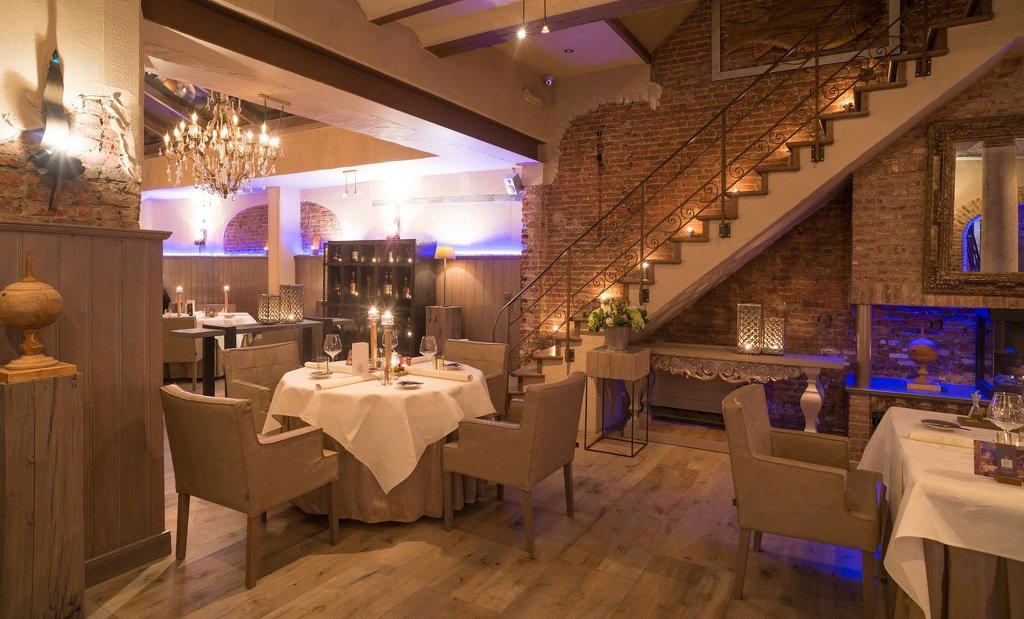
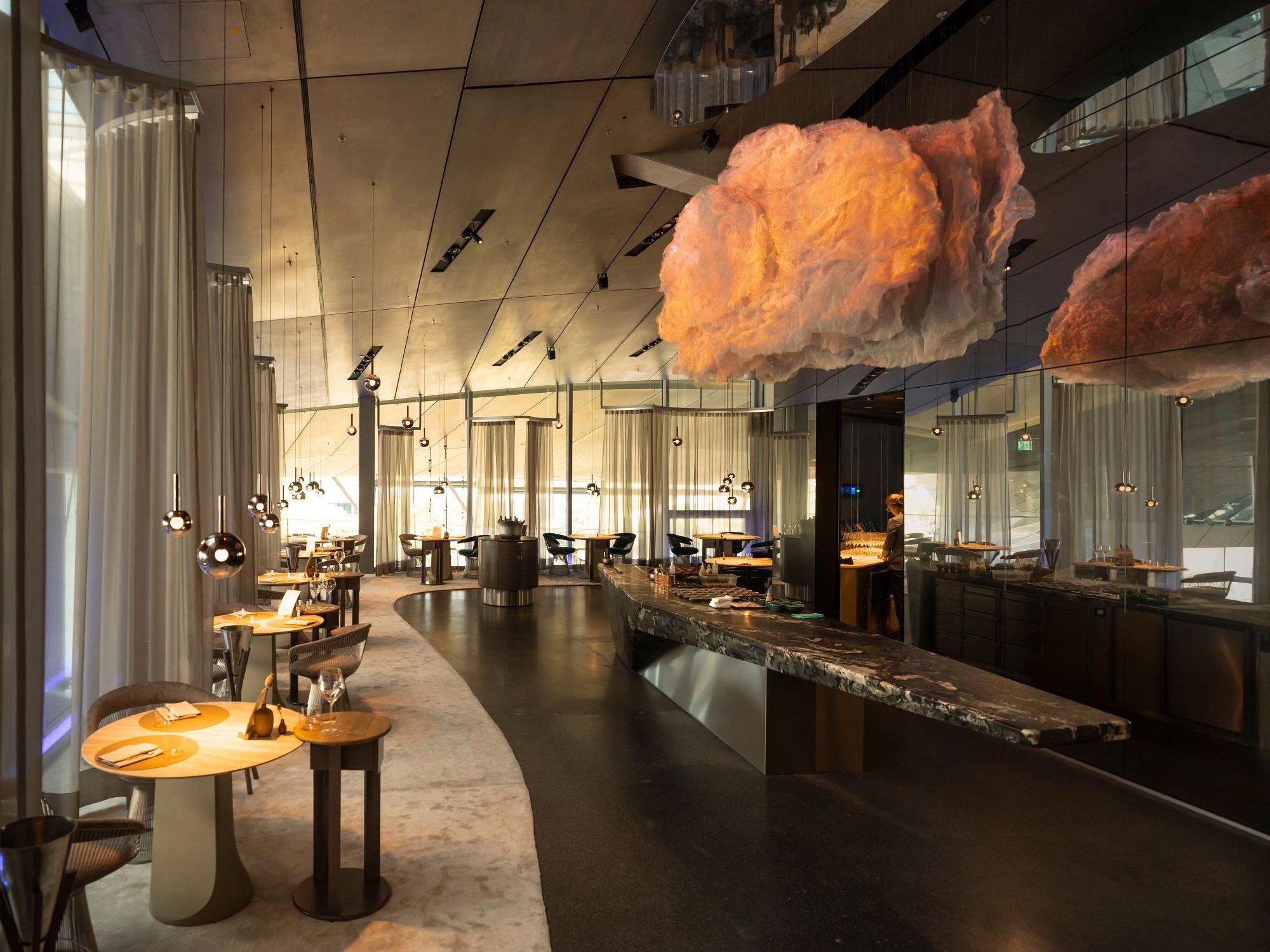
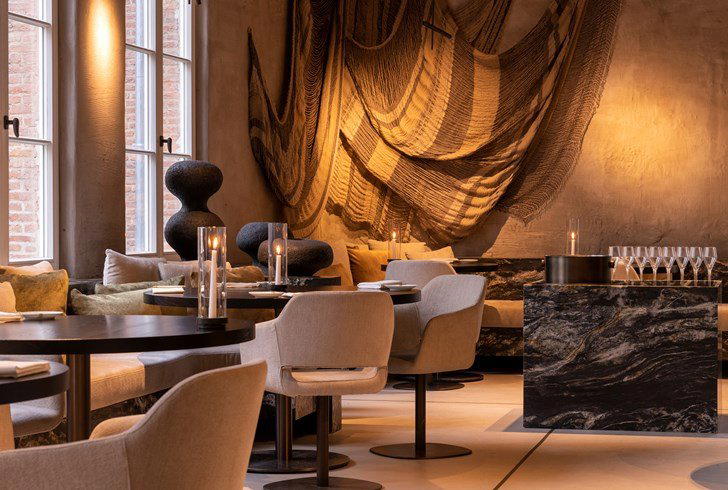
At a Glance
- Cozy
- Modern
- Intimate
- Group Dining
- Casual Hangout
- Celebration
- Standalone
Current opening hours
- Monday
- 9 AM–2 PM
- Tuesday
- Closed
- Wednesday
- 11 AM–3 PM, 6–11 PM
- Thursday
- 11 AM–3 PM, 6–11 PM
- Friday
- 11 AM–3 PM, 6–11 PM
- Saturday
- 6–11 PM
- Sunday
- 11 AM–2 PM, 5–10 PM
Hours can change for holidays and private events. Last verified .
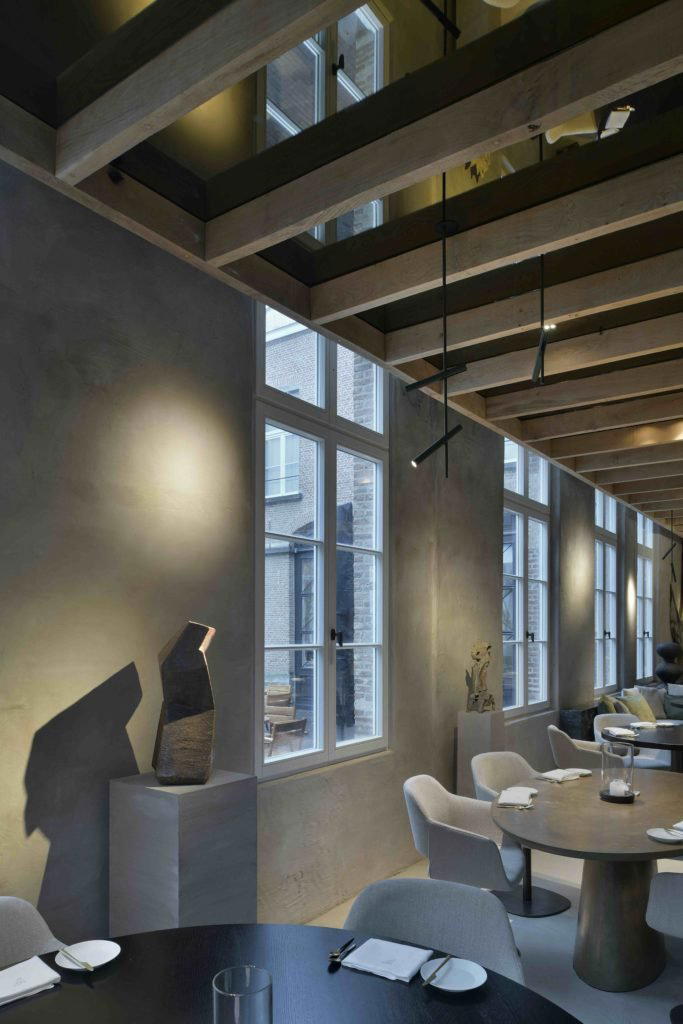
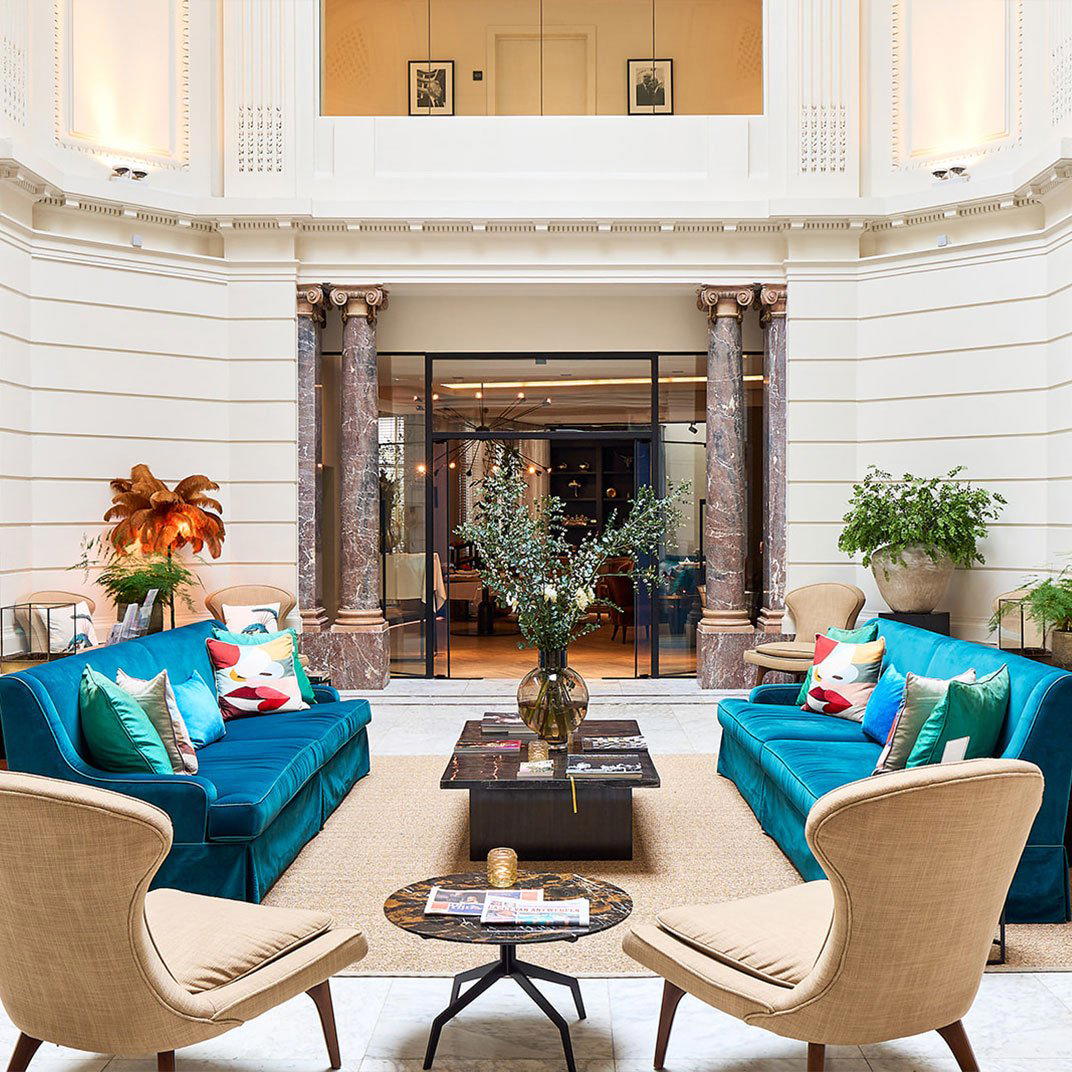
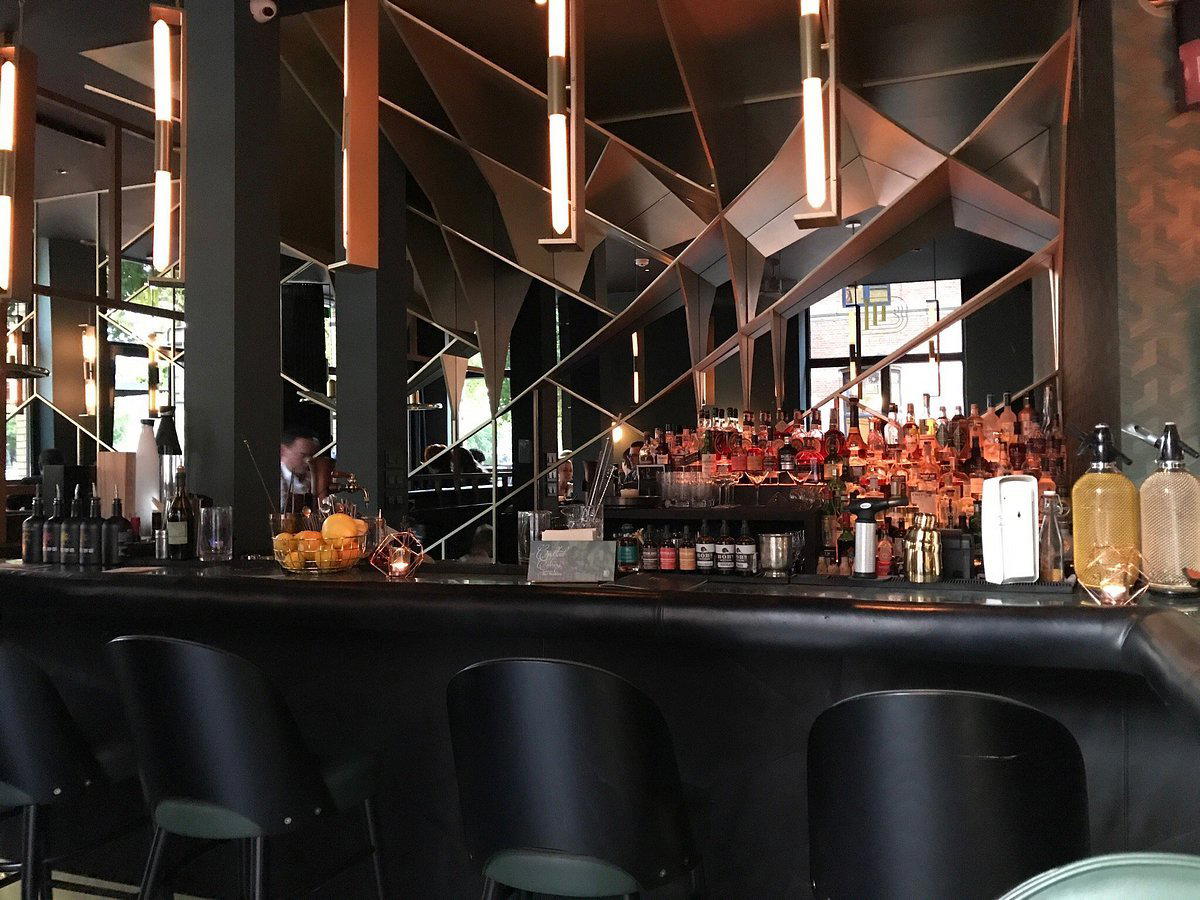
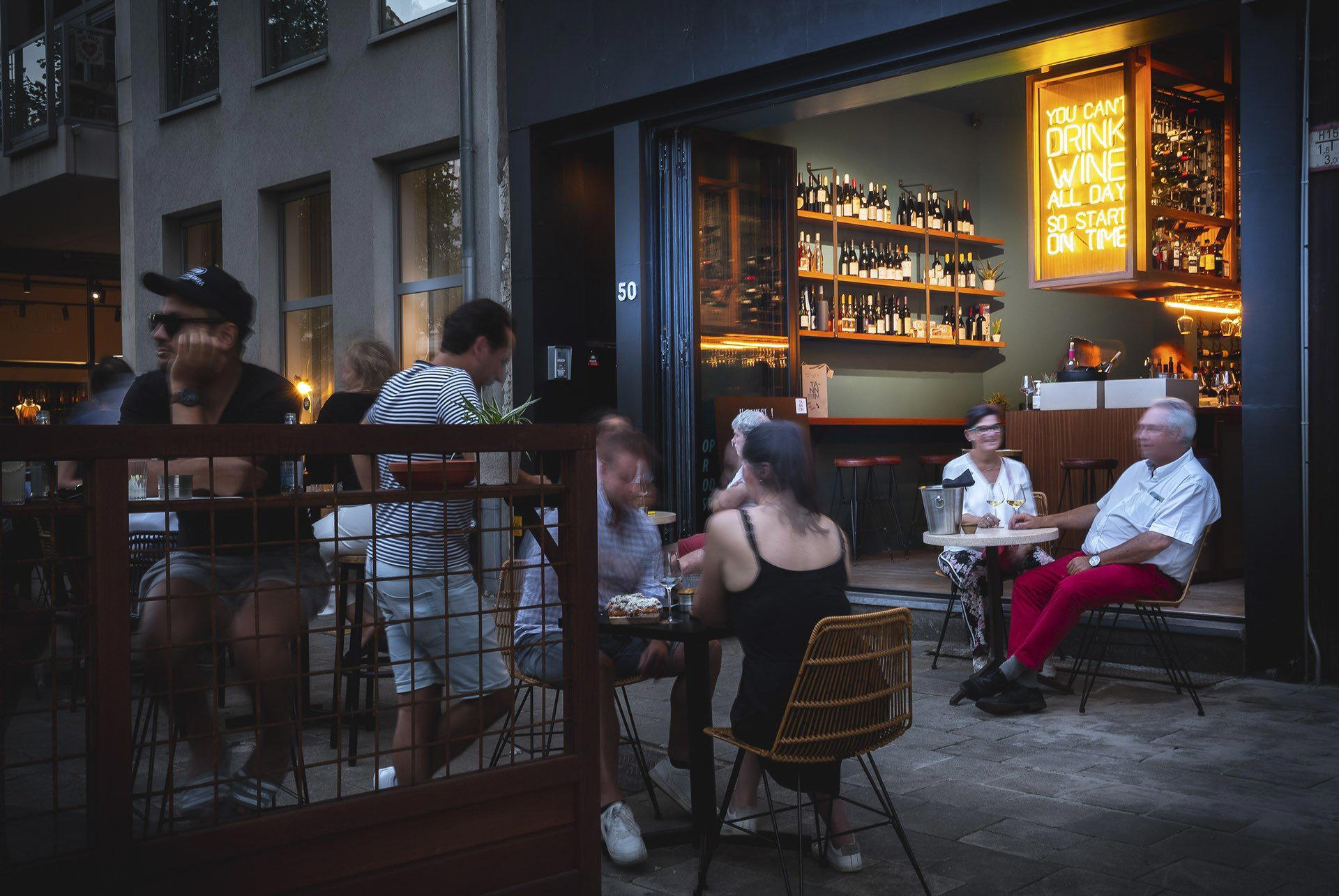
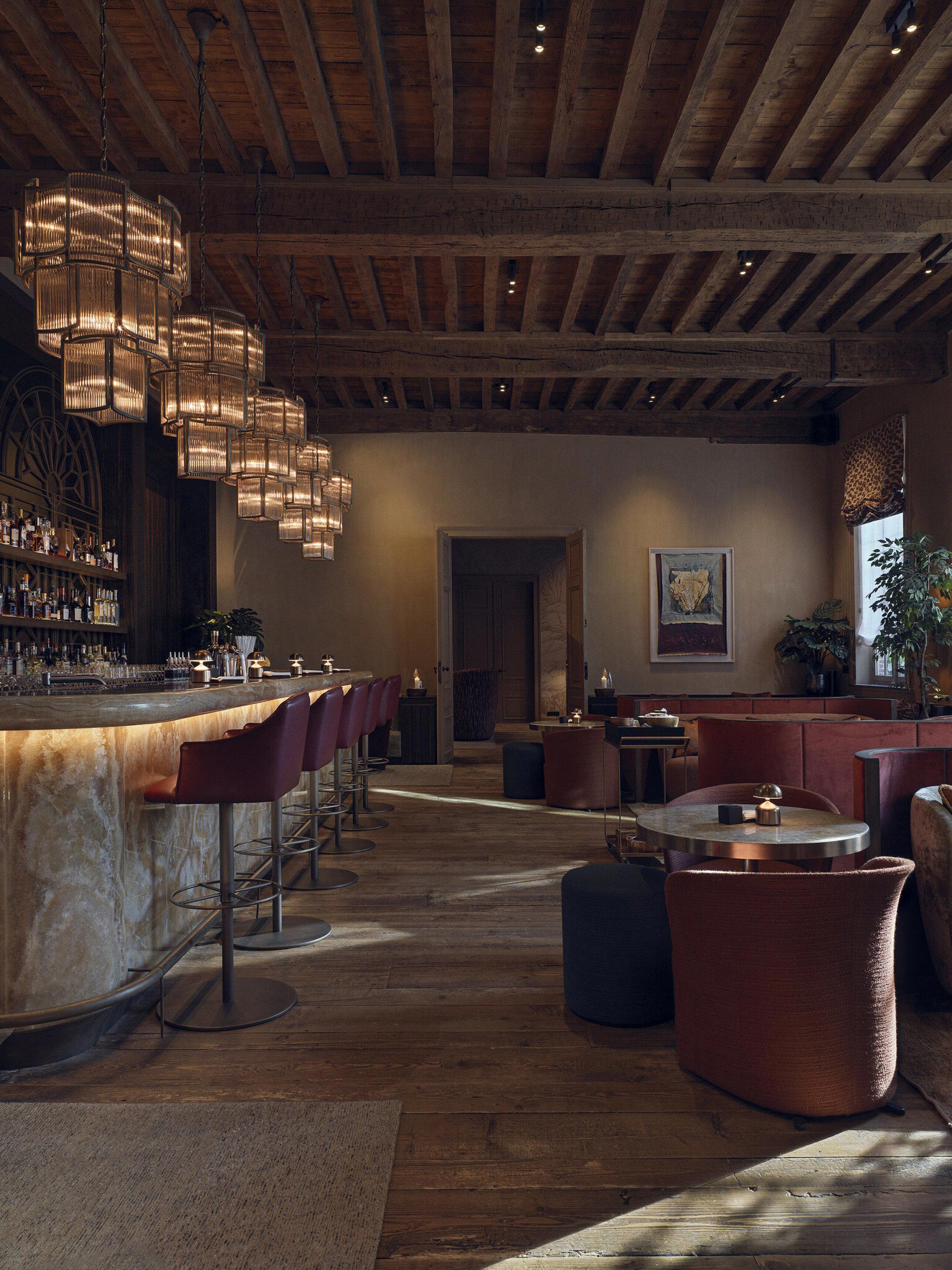
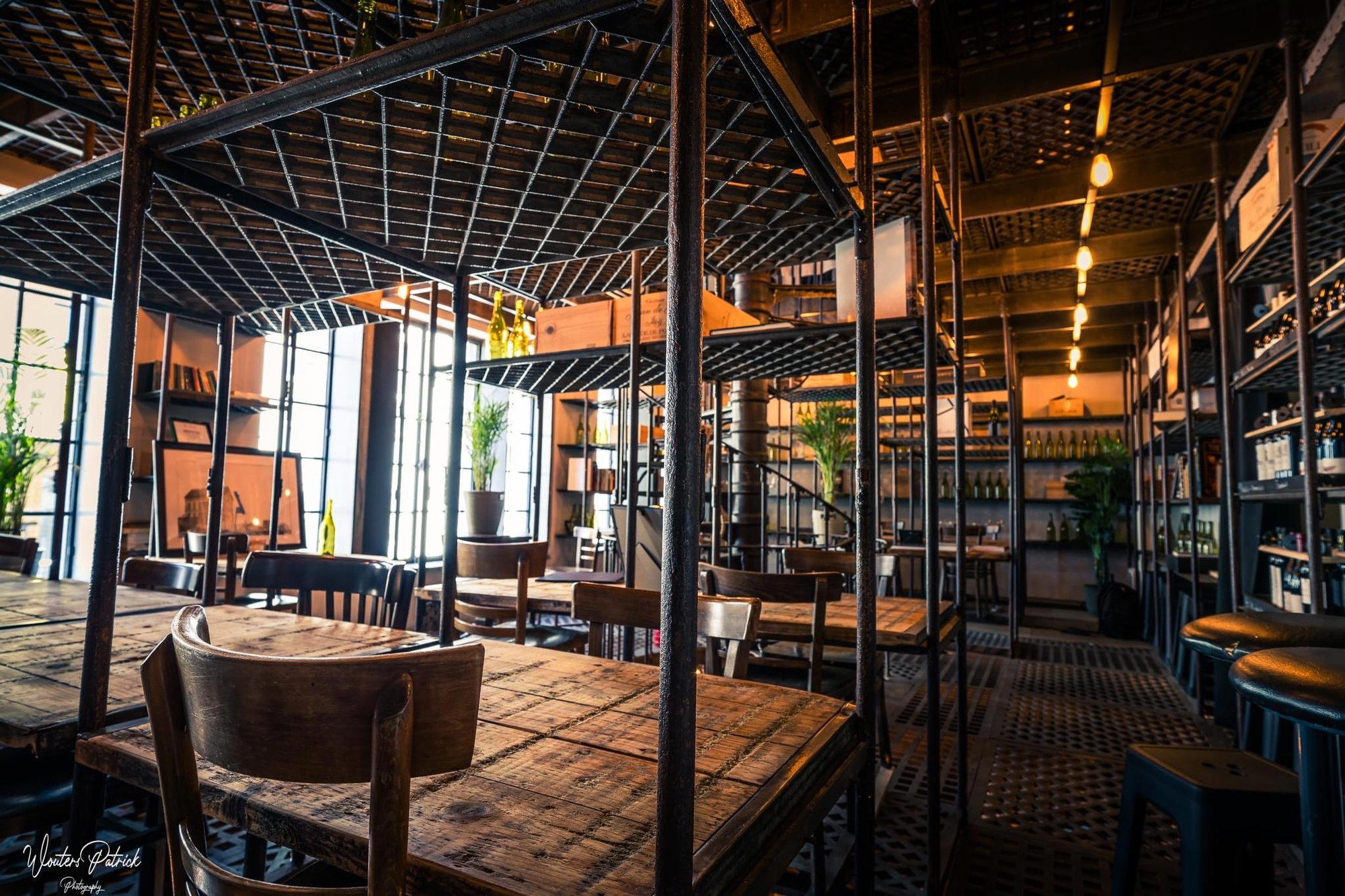
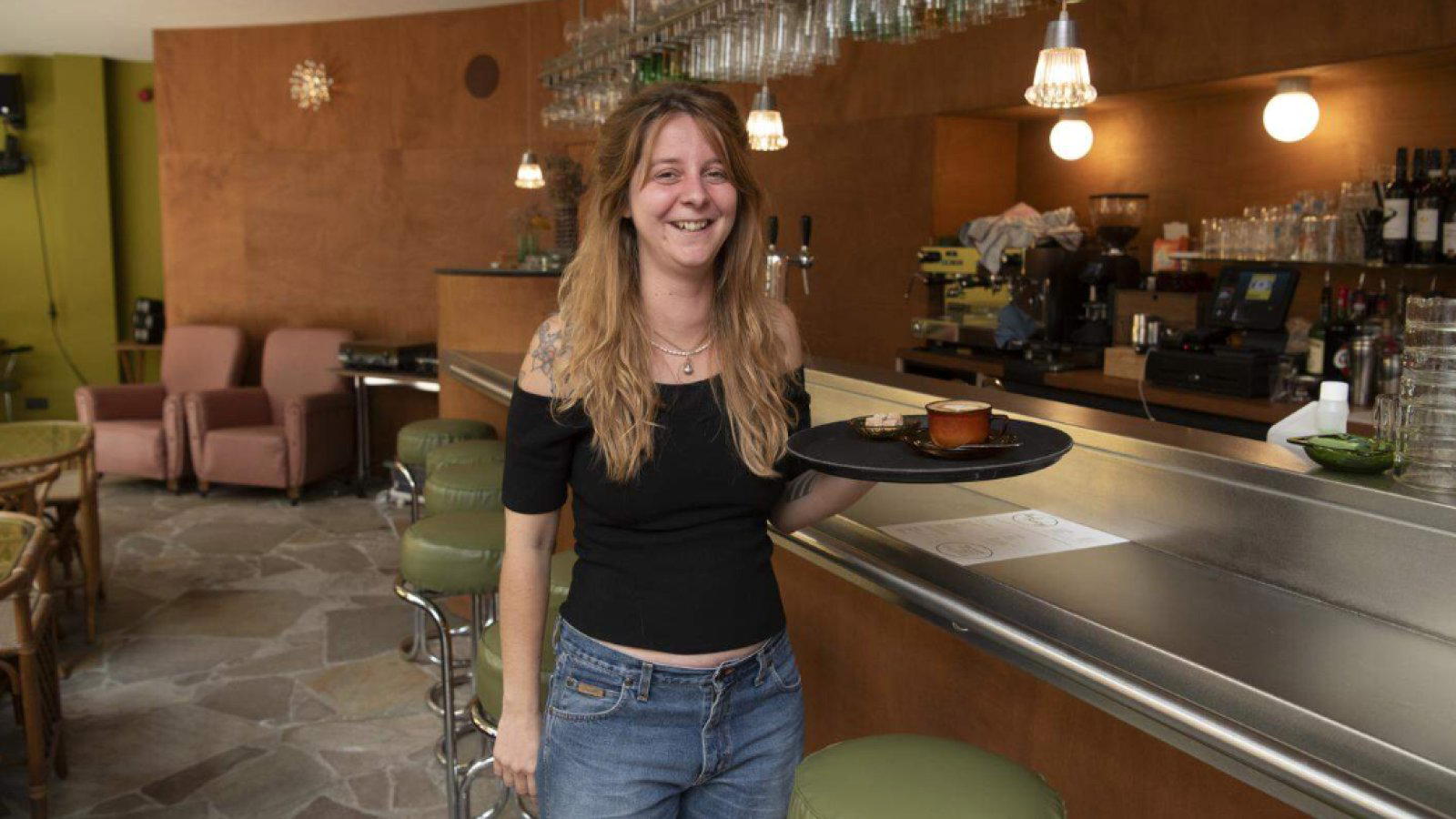
Warm and inviting atmosphere with personalized and friendly service in a cozy setting.
Know Before You Go
- Getting there
- Kasteelstraat 4, 2880 Bornem, Belgium