
50 Top Pizza Italia #66
Our verdict
Bas & Co in Pesche delivers Neapolitan-style pizza shaped by long fermentation and ancient local grains. Must-try plates include the Arancino Sannita fried rice ball, the signature Pan Pizza with airy, hydrated dough, and the Pizza with ancient grain dough made from risciola, romanella and solina flours. The kitchen pairs bright, seasonal toppings with a curated Molise and Campania wine list, and the restaurant earned a 2025 Travelers' Choice award and a place on the 50 Top Pizza list. Expect attentive table service, warm stone interiors, and pizzas that arrive with blistered char, tender crumb and clear, regional flavors that taste of Sannio fields and artisan milling.

Pearl is the En Primeur Club membership app, where members save venues, book tables and use the concierge.
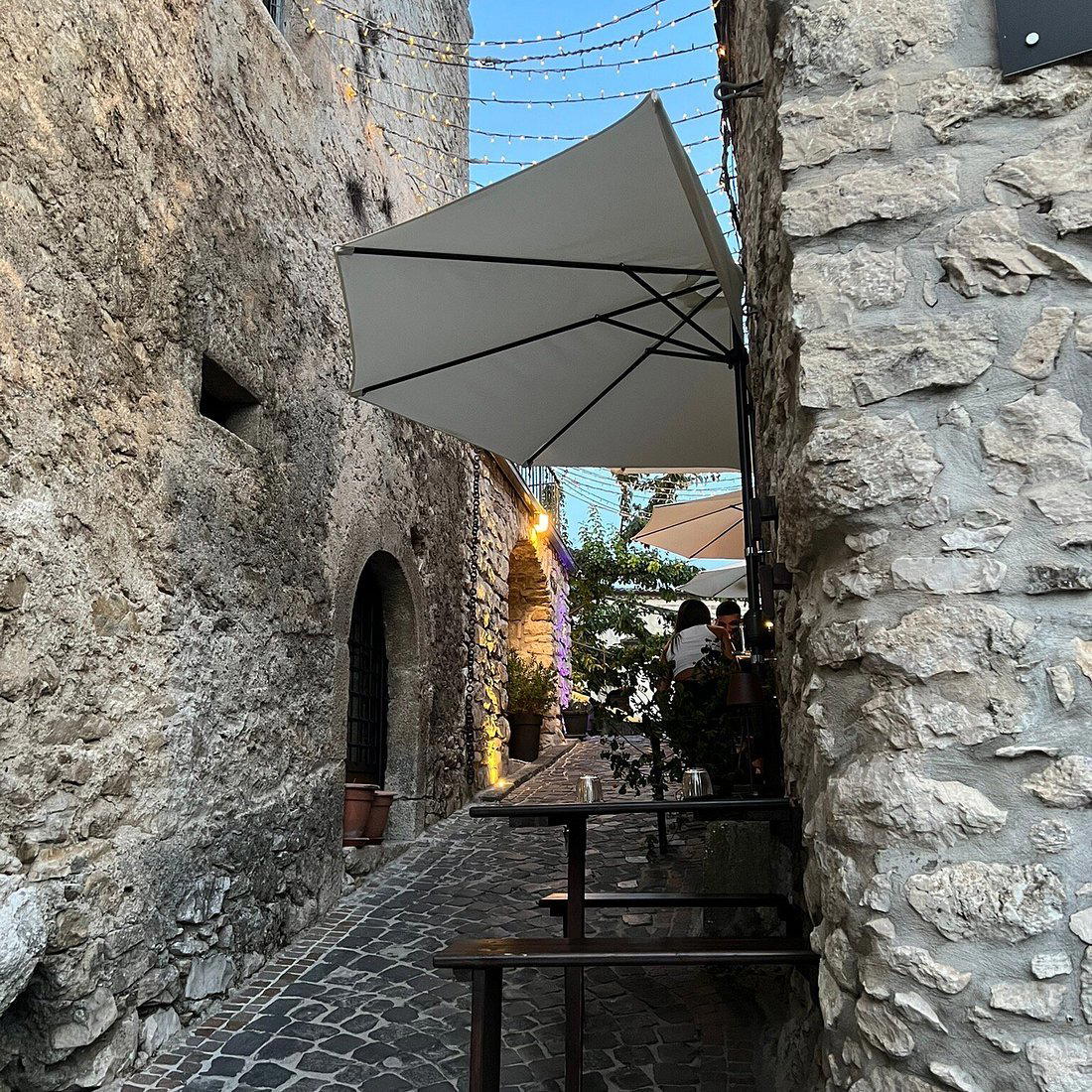
Stone Walls, Seasonal Roots: Pizza in the High Villages of Molise
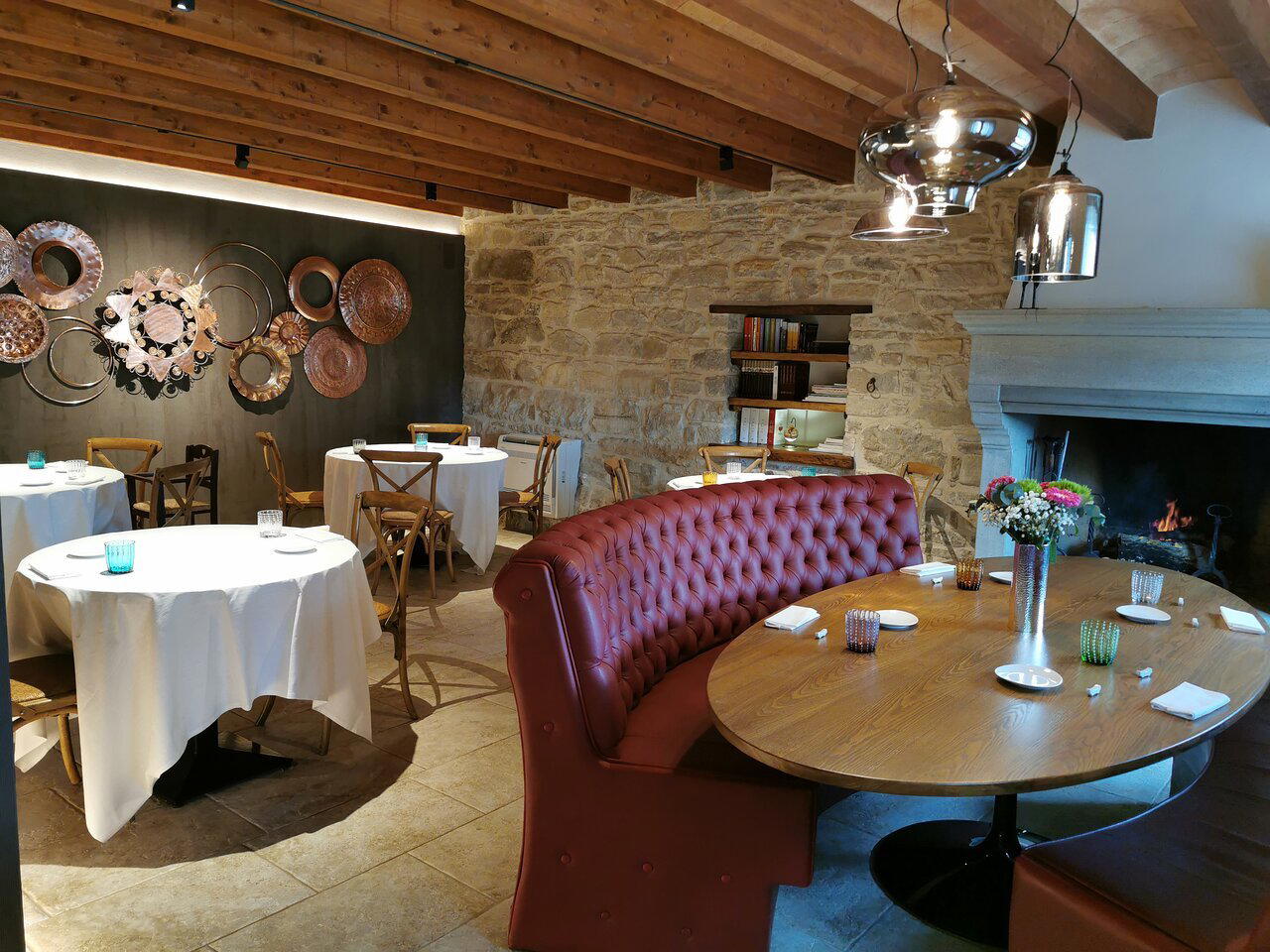
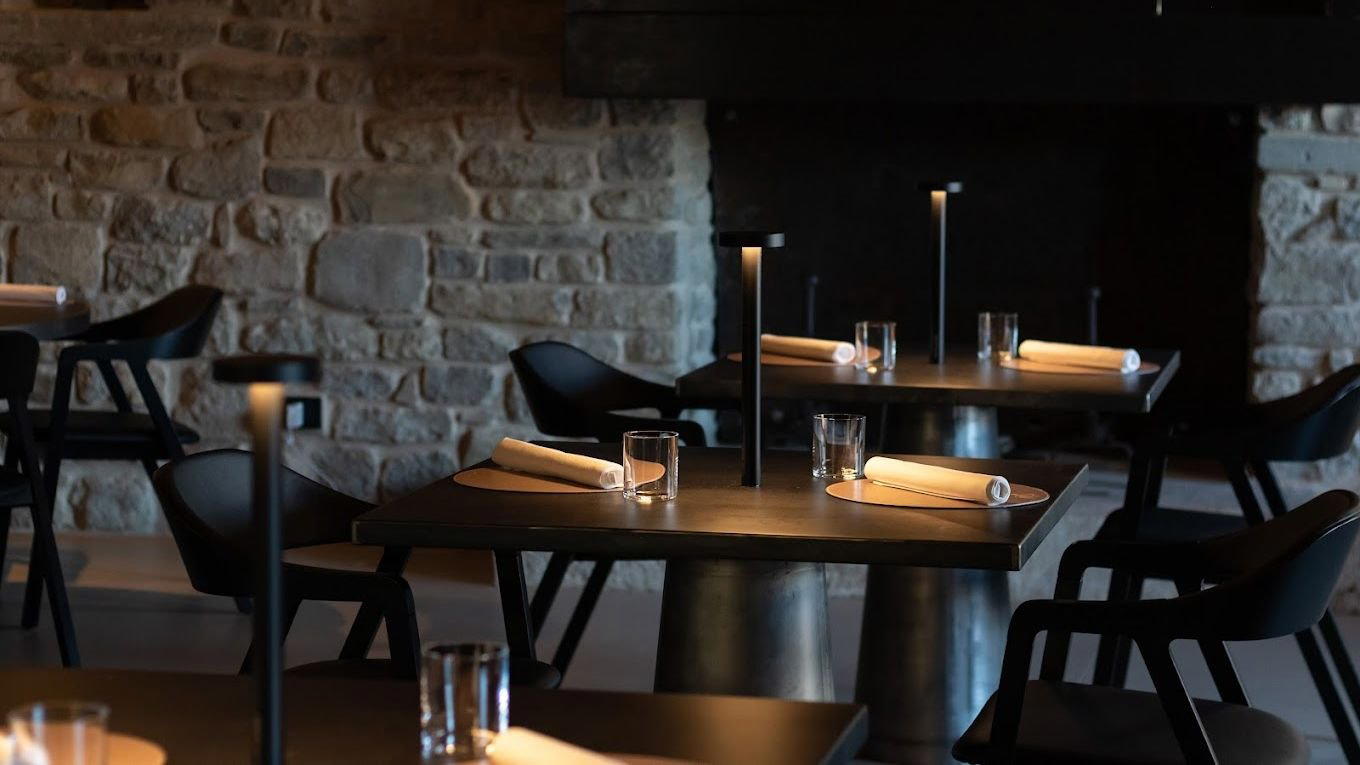
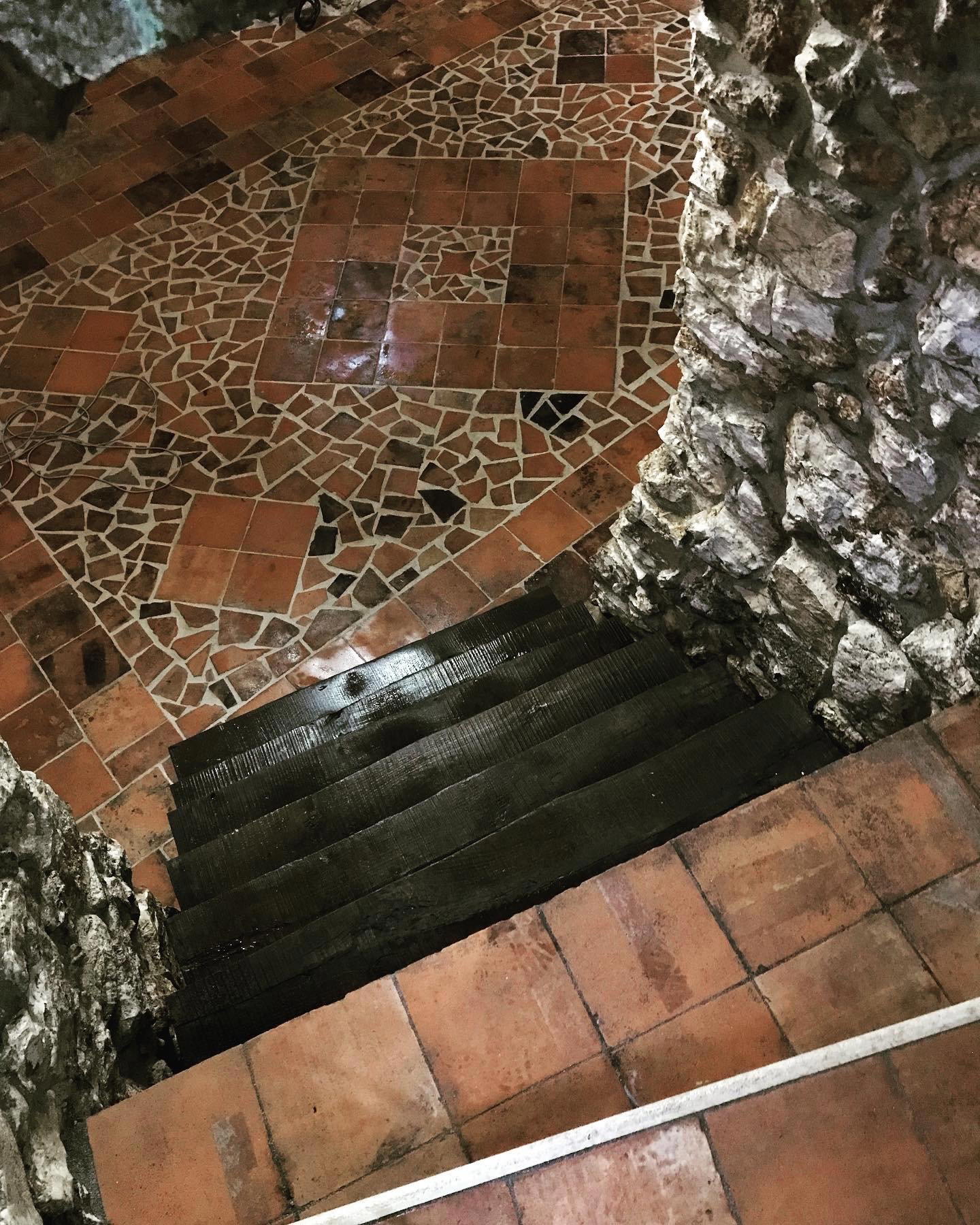
The approach to Pesche already signals a different register. The village sits on a limestone ridge above Isernia, its medieval stone facades pressing close to narrow streets that have changed little in form for centuries. In this kind of setting, the question of what a restaurant sources and why it sources it carries more weight than it does in a city with wholesale markets at its back door. Bas & Co occupies one of these ancient stone buildings on Via Guglielmo Marconi, and the architecture does something useful: it frames the food as a continuation of place rather than a departure from it.
Molise is among the least-visited regions in mainland Italy, a fact that has protected both its agricultural character and its culinary habits from the homogenising pressures of mass tourism. The region's produce, particularly its grains, legumes, and preserved meats, reflects a cooking tradition shaped by altitude, limited infrastructure, and a preference for ingredients that keep. What Bas & Co does is bring that tradition into conversation with the technical demands of contemporary pizza-making, specifically the kind of long-fermented, high-hydration doughs that have redefined what Italian pizza can be over the past two decades.
The Ingredient Logic Behind the Menu
The kitchen at Bas & Co frames its sourcing around two overlapping territories: Molise and, to a lesser degree, Campania. This is not an arbitrary pairing. Molise shares a long cultural and agricultural border with Campania, and the two regions have exchanged ingredients and techniques for generations. The pizza tradition itself draws heavily on Campanian DNA, so incorporating Campanian influences alongside Molise-specific produce reflects a coherent geography rather than a chef's personal eclecticism.
The doughs are described as light and well-hydrated, a formulation that demands both time and precision. High-hydration pizza doughs are unforgiving of shortcuts: they require longer fermentation windows, more careful handling at the bench, and a baking environment controlled with some accuracy. The result, when executed well, is a crust with a pronounced open crumb, good char on the cornicione, and a digestibility that distinguishes them from denser commercial-yeast alternatives. That the kitchen has oriented its programme around research-led dough work, rather than simply sourcing good toppings, suggests a technical commitment that places Bas & Co in a different tier from the average rural pizzeria.
Seasonal ingredients anchor the rotating menu, with a particular emphasis on products symbolic of Molise. What this means in practice shifts through the year: spring brings wild herbs and fresh cheeses; autumn and winter tilt toward cured meats, aged cheeses, and preserved vegetables. For visitors to the region, this kind of seasonality is itself informative, a way of reading what the land produces and when.
What to Order: Fried Appetisers and Pan Pizza
The arancino sannita sits among the fried appetisers and is worth treating as a reference point for understanding the kitchen's approach. The Sannio is a historic territory that straddles the border between modern Molise and Campania, so the name signals an explicit geographical claim. Arancini are typically associated with Sicilian street food, but a Sannita version made with locally specific ingredients represents the kitchen's method of anchoring classic formats in the particulars of this corner of central-southern Italy. The frying at Bas & Co is described as expert, which in practical terms means proper oil temperature and timing, the two variables that separate a fried dish with real textural contrast from one that absorbs grease and collapses.
The pan pizza (pizza al tegamino or in padella, depending on regional usage) rounds out a menu that covers traditional and special variants. Pan pizza formats, baked in oiled steel pans, produce a thicker, crispier base than a direct-deck bake, and they suit heavier toppings and longer resting times. Offering both formats within the same programme signals a kitchen comfortable with the distinct technical demands of each.
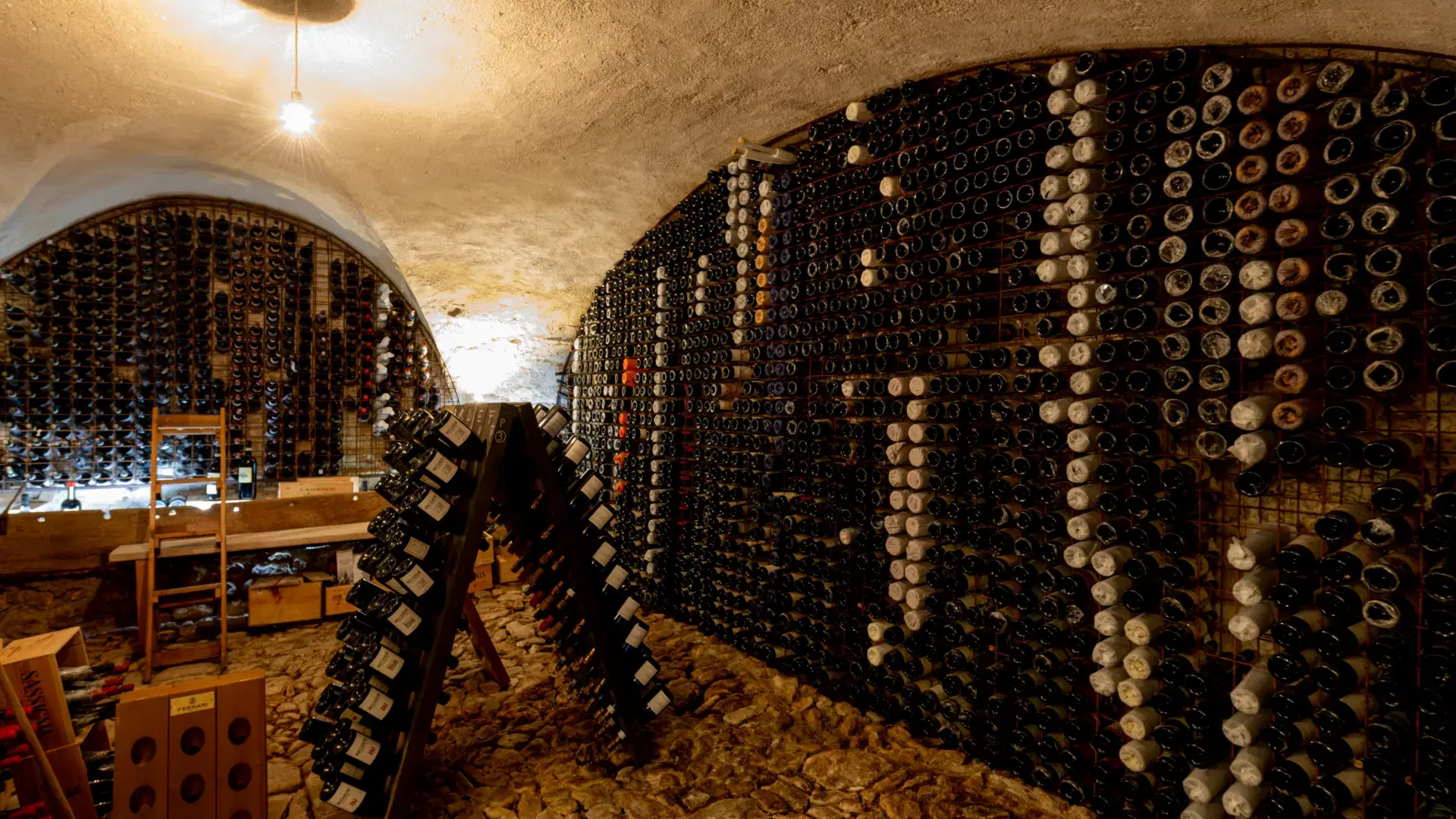
Wine cellar is described as noteworthy, which in a Molise context is worth pausing on. The region has a small but increasingly serious winemaking community, with Tintilia del Molise (a rare indigenous red grape variety) as its most distinctive offering. A wine list that takes the cellar seriously in a village of this size and geography suggests deliberate curation rather than a default selection of commercial labels.
Where Bas & Co Sits in the Broader Italian Pizza Scene
Italy's pizza scene has split clearly over the past decade. At the leading end, operations like those at three-Michelin-starred restaurants in Campania and creative Italian restaurants elsewhere have absorbed pizza as a format for technical expression. At the other end, tourist-facing venues in major cities keep price low and volume high. Bas & Co occupies a more specific position: a research-oriented pizza programme in a rural setting, drawing on regional produce and dough craft, with no obvious metropolitan peer pressure to dilute the approach. For comparison, the kind of culinary rigour associated with destination restaurants like Reale in Castel di Sangro, the closest three-Michelin-starred address in the same part of central Italy, signals that the Abruzzo-Molise corridor has real culinary ambition beyond its population density. Bas & Co operates at a very different price point and format, but it draws on the same regional logic.
For readers familiar with Italy's broader fine dining map, addresses like Osteria Francescana in Modena, Dal Pescatore in Runate, or Enoteca Pinchiorri in Florence represent the formal, multi-course end of Italian regional cooking. Bas & Co is not in that category, nor is it trying to be. Its frame of reference is the Italian trattoria and pizzeria tradition, executed with more technical intent than the format usually demands. That distinction matters: it means the value proposition is clarity and craft, not ceremony. See also Piazza Duomo in Alba, Le Calandre in Rubano, Enrico Bartolini in Milan, Atelier Moessmer Norbert Niederkofler in Brunico, Uliassi in Senigallia, Quattro Passi in Marina del Cantone, and Casa Perbellini 12 Apostoli in Verona for the wider spectrum of Italian dining. Further afield, Le Bernardin in New York City and Atomix in New York City show how different cities frame ingredient-led restaurant programmes.
Planning a Visit
Pesche is a small hill village, and Bas & Co is the kind of address that rewards a deliberate trip rather than an opportunistic one. Isernia, the nearest town of any size, sits below the ridge and has rail connections to Naples and Rome, making the area accessible without a car, though reaching Pesche itself is more practical with private transport. The full guides to restaurants, hotels, bars, wineries, and experiences in Pesche are the right starting point for building an itinerary around the village. Because the menu follows seasonal availability, visits in different months will produce a different reading of what the region currently grows and preserves.
Frequently asked questions
Does Bas & Co work for a family meal?
The pizza-centred format and range of menu options, from traditional to special pizzas and fried appetisers, suit a relaxed family setting. The attentive service noted at Bas & Co translates well to mixed-age groups. The stone village of Pesche is the kind of destination where a meal becomes the centrepiece of a half-day out rather than a quick stop.
Is Bas & Co formal or casual?
Bas & Co is a casual address in the old stone buildings of Pesche, a hill village above Isernia. The setting is rustic and rooted in local character, not polished dining-room formality. Come dressed for a pizza meal in a medieval village, not a tasting-menu counter.
Is Bas & Co Michelin-listed?
Bas & Co has received recognition including: Located in the ancient stone buildings of Pesche, Bas & Co offers a pizza experience rooted in research and local territory. They use light, hydrated doughs and seasonal ingredients, particularly those symbolic of Molise, with some Campania….
What should I order at Bas & Co?
The arancino sannita is the clearest expression of the kitchen's fried appetiser work and worth ordering as an introduction to the menu's logic. The pan pizza is a notable feature alongside the traditional and special pizza options. The wine cellar is specifically called out as a strength, so pairing with a regional bottle makes sense.
How do I find Bas & Co?
Bas & Co is located at Via Guglielmo Marconi, 10, 86090 Pesche IS, Italy, Pesche.
How hard is it to get a table at Bas & Co?
Pesche is a small hill village and Bas & Co draws visitors from beyond the immediate area, so booking ahead is advisable, particularly at weekends. No public booking data is available to cite lead times precisely, but given the village scale, walk-ins carry more risk than at a city pizzeria. A call ahead is the practical approach.
What's the defining dish or idea at Bas & Co?
The defining idea is territory as ingredient logic: the menu is framed around Molise's seasonal produce, with some Campanian influence, expressed through light, hydrated doughs rather than heavy bases. The arancino sannita captures the same thinking on the fried side, drawing on the Sannio food tradition of the wider region. It is a kitchen that uses sourcing as the argument, not spectacle.
Comparison Snapshot
| Venue | Cuisine | Price | Awards | Notes |
|---|---|---|---|---|
| Bas & CoThis venue (the venue you are viewing) | Neapolitan-Style Pizza | Not listed | 50 Top Pizza Italia #66 | Not listed |
| Atelier Moessmer Norbert Niederkofler | Modern Alpine Fine Dining | $300–500 | 3 Michelin Stars · World's 50 Best #20 | Italian, Creative |
| Dal Pescatore | Classic Italian Fine Dining | $200–300 | 3 Michelin Stars · World's 50 Best #38 | Italian, Italian Contemporary |
| Enoteca Pinchiorri | Contemporary Italian Fine Dining | $200–300 | 3 Michelin Stars · World's 50 Best #32 | Italian - French, Italian Contemporary |
| Enrico Bartolini | Modern Italian Fine Dining | $300–500 | 3 Michelin Stars · World's 50 Best #85 | Creative |
| Osteria Francescana | Avant-Garde Italian Contemporary | $300–500 | 3 Michelin Stars · World's 50 Best #1 | Progressive Italian, Creative |
Recognition history
Dated appearances from independent guides and award organizations, with the underlying list record or original source where available.
50 Top Pizza Italia #66
50 Top Pizza
Full recognition history (2 entries)
50 Top Pizza Italy #72
50 Top Pizza

Continue exploring
More in Pesche
Restaurants in Pesche
All restaurants in Pesche →
Hotels in Pesche
Browse all →

Details
- Rustic
- Cozy
- Intimate
- Casual Hangout
- Family
- Extensive Wine List
- A La Carte
- Vegetarian Friendly
Current opening hours
- Monday
- 7 PM–12 AM
- Tuesday
- Closed
- Wednesday
- 7 PM–12 AM
- Thursday
- 7 PM–12 AM
- Friday
- 7 PM–12 AM
- Saturday
- 7 PM–12 AM
- Sunday
- 7 PM–12 AM
Hours can change for holidays and private events. Hours as of .
Rustic charm in a restyled stone and wooden house with warm, welcoming service and pleasant outdoor seating in summer.