Barrita de Mar Polanquito
Barrita de Mar Polanquito occupies a specific corner of Mexico City's Polanco seafood scene, where casual coastal formats compete alongside destination-dining rooms on the same tree-lined streets. The address on Luis G. Urbina places it within Polanquito's dense cluster of neighbourhood restaurants, where the gap between a quick lunch counter and a serious fish kitchen can be a single storefront. For visitors mapping Mexico City's seafood options, it represents the more accessible, neighbourhood-facing end of a district otherwise known for upscale spending.
Pearl is the En Primeur Club membership app — saves, bookings, and concierge access live there. Same editors, same standards.
- Address
- Luis G. Urbina 4, Polanco, Polanco IV Secc, Miguel Hidalgo, 11550 Ciudad de México, CDMX, Mexico
- Phone
- +525529625887
- Website
- barritademar.mx
- Directions
- Get directions
 Saves & bookings on Pearl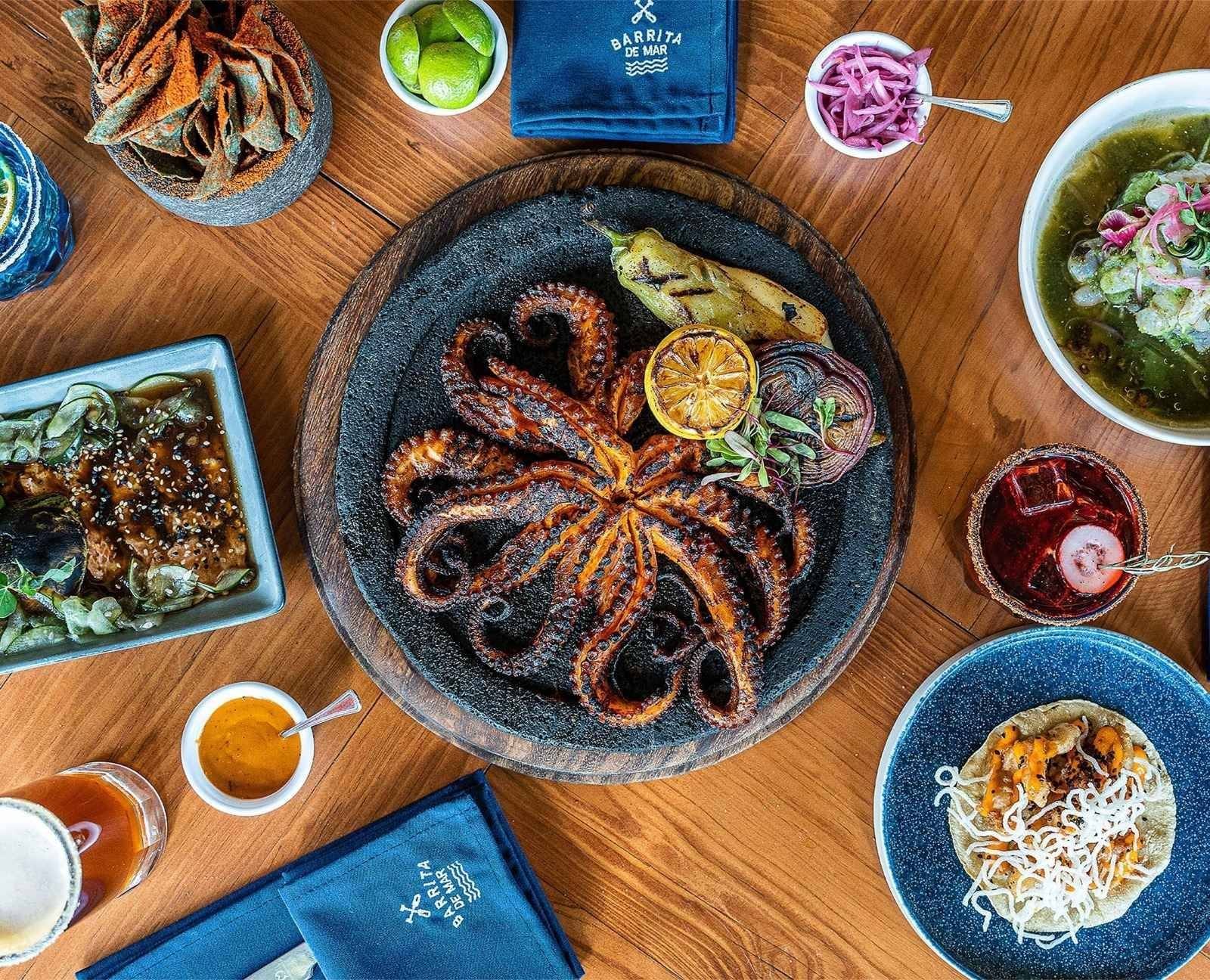
Polanquito and the Coastal Kitchen in the Capital
Mexico City sits roughly 2,300 metres above sea level and more than 300 kilometres from the nearest coast, yet its fish and seafood culture is among the more developed of any landlocked capital in the Americas. The explanation is partly logistical, refrigerated trucking routes from Veracruz, Sinaloa, and the Pacific ports run nightly, delivering catch that moves through wholesale markets before sunrise, and partly cultural. Mexican seafood cookery is not a regional accent; it is a national register, as present in the capital's street stalls and neighbourhood cantinas as in the coastal towns where the traditions originated.
Polanco, and specifically the sub-district locals call Polanquito around Presidente Masaryk and the streets that feed off it, concentrates a disproportionate share of the city's sit-down dining. The neighbourhood has always attracted restaurants that pitch to professionals, families, and visiting executives in the same evening, and its fish bars and marisquerías occupy a particular niche: less formal than the destination rooms on Masaryk itself, more composed than the raw-bar carts of La Merced or the weekend-only operations in Roma Norte. Barrita de Mar Polanquito sits on Luis G. Urbina 4, which places it precisely inside this middle register.
The Marisquería Format and What It Asks of the Kitchen
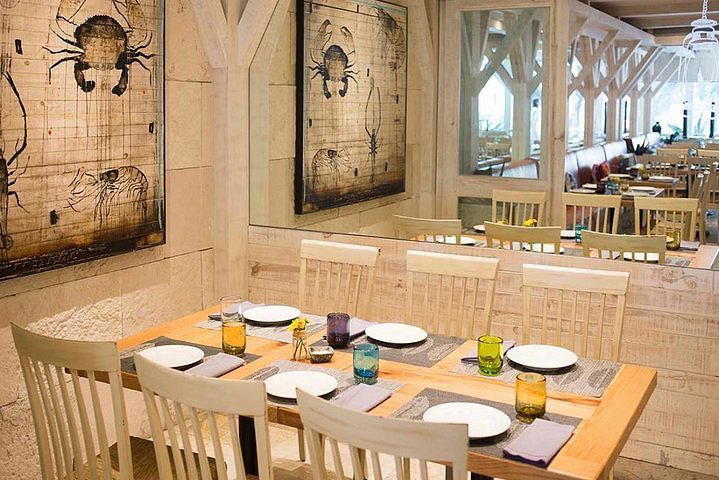
The marisquería, Mexico's answer to the Spanish marisco bar and the French fruits de mer counter, operates on a logic of freshness signalled through simplicity. When a kitchen is working with good product, the menu tends toward tostadas topped with aguachile-cured shrimp, raw clams on the half shell, fish tacos dressed with nothing more than cabbage and lime, and ceviches built with the day's available fish rather than a fixed species. The format rewards brevity and punishes ambition that outruns the supply chain.
That tradition is visible across Mexico City's marisquería scene, from the long-established operations in the Centro Histórico to the more polished formats that have opened in Condesa and Roma over the last decade. The Polanquito version, of which Barrita de Mar is one example, adapts the format to a neighbourhood where the clientele expects a degree of finish without abandoning the casual rhythm that defines the category. Tablecloths and extensive wine lists would be category drift; good product, fast service, and cold beer with lime are the actual performance metrics.
For readers accustomed to comparing Mexico City's seafood offer against the tasting-menu rooms that dominate the international conversation about Mexican dining, Pujol, Quintonil, or Em, the marisquería operates in an entirely different economy of intent. The point is not a composed, multi-course statement about Mexican cuisine; it is the efficient delivery of coastal product to an urban audience that cannot get to the coast on a Tuesday.
Barrita de Mar Polanquito in Its Local Context
Luis G. Urbina runs parallel to the main commercial spine of Polanquito, which means it catches foot traffic from the neighbourhood's residential blocks and office buildings rather than the tourist circuit that moves along Presidente Masaryk toward Rosetta or further south toward Sud 777. That positioning is relevant because it shapes the operational mode: this is a restaurant serving a repeat, local clientele rather than one calibrated to first-time visitors building a single-trip itinerary.
Within Polanco's seafood offer, the relevant peer comparison is not the high-ticket destination rooms but the cluster of neighbourhood fish bars that have made the sub-district one of the more reliable places in Mexico City for a midweek seafood lunch. The area's density of restaurants creates meaningful competition at the quality floor, a kitchen that is not sourcing carefully or turning product quickly will lose regulars to the next block almost immediately.
Mexico City's broader seafood scene has been shaped by migration from Veracruz, Guerrero, Sinaloa, and Baja California, each region carrying distinct technical traditions: the citrus-forward ceviches of Veracruz, the chile-heavy aguachiles of Sinaloa, the raw preparations that Baja has pushed into the capital's more experimental kitchens. A neighbourhood bar operating in Polanco is drawing from all of these simultaneously, and the menu at any given marisquería in the district tends to reflect that plurality rather than a single regional identity. For a more regionally rooted expression of Mexico's seafood traditions, the wider national dining scene offers pointed alternatives: HA' in Playa del Carmen or Le Chique in Puerto Morelos both work with coastal product in formats where the regional specificity is more deliberate.
Placing the Visit in a Mexico City Itinerary
For visitors working through Mexico City's dining options, the marisquería lunch has a different function than the evening destination dinner. It is the meal that punctuates a morning at the Museo Tamayo or a walk through Bosque de Chapultepec, compact, restorative, calibrated to early afternoon rather than a long evening. Polanco's grid makes it walkable from most of the neighbourhood's hotels and from the Auditorio and Polanco metro stations, which puts Luis G. Urbina within reach without planning a specific transit leg.
For those building a fuller picture of Mexico City's restaurant culture, the contrast between a neighbourhood fish bar in Polanquito and the rooms that represent the city's international profile, see our full Mexico City restaurants guide, is itself part of the story. Mexico City's dining identity is not reducible to its tasting-menu rooms. The marisquería, the taquería de canasta, and the neighbourhood cantina are the substrate on which the destination dining scene sits, and understanding one clarifies the other.
A Tight Comparison
Comparable venues nearby, for context on price, style, and recognition.
| Venue | Cuisine | Price | Notes |
|---|---|---|---|
| Barrita de Mar PolanquitoThis venue — the venue you are viewing | Polanco Chapultepec, Mexican Seafood | $$$ | Not listed |
| Alfil Restaurante | Condesa, Mexican-Middle Eastern Fusion | $$$ | Not listed |
| Xuna | Roma Norte, Contemporary Mexican | $$$ | Not listed |
| CASA TEO | Not listed | $$$ | Chapultepec Morales, Contemporary Mexican Fine Dining |
| La Capital | Hipodromo, Modern Mexican | $$$ | Not listed |
| Palominos | Del Valle Norte, Sonoran Steakhouse | $$$ | Not listed |
Continue exploring
More in Mexico City
Restaurants in Mexico City
Browse all →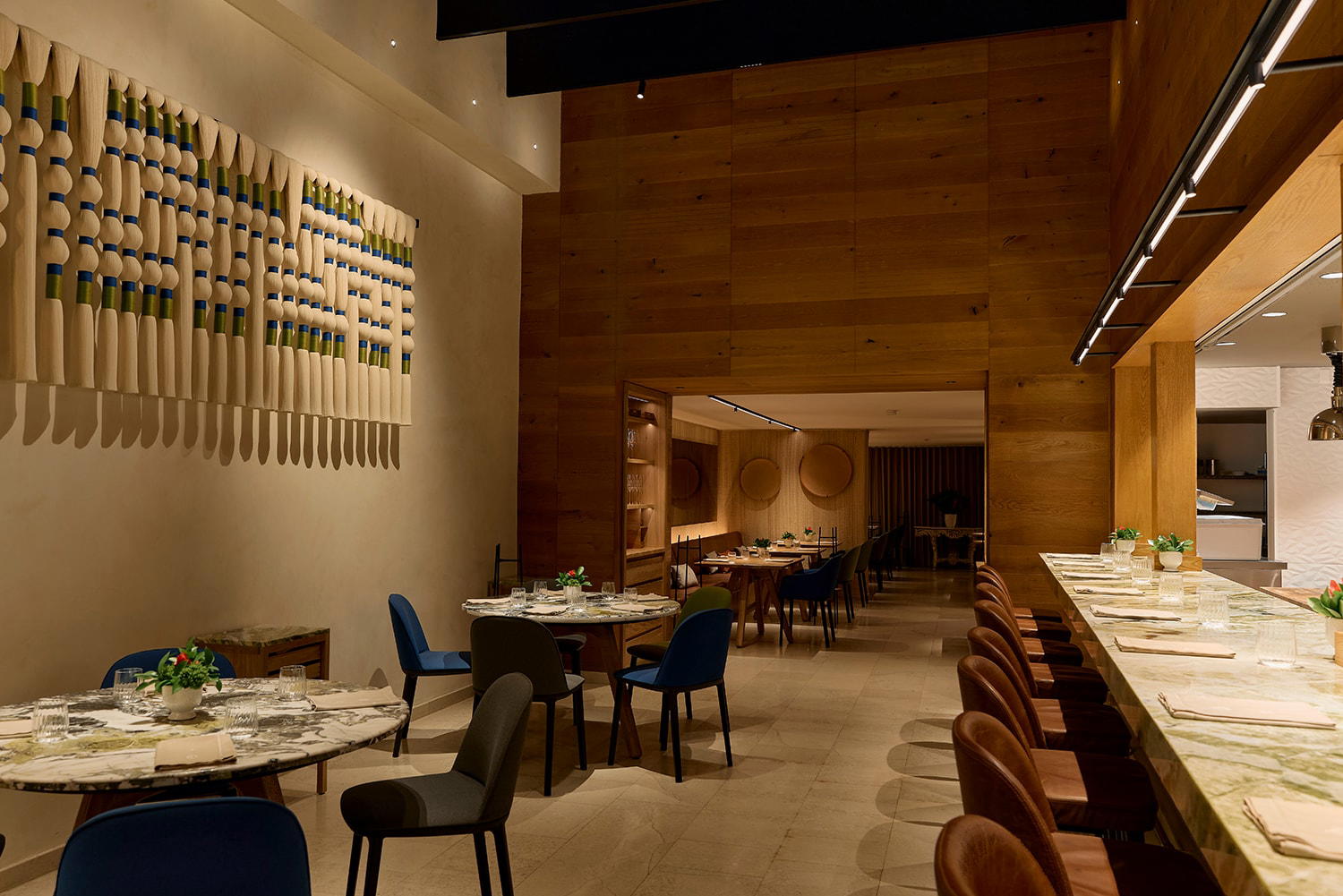
Bars in Mexico City
Browse all →
At a Glance
- Lively
- Cozy
- Trendy
- Date Night
- Family
- Group Dining
- Casual Hangout
- Open Kitchen
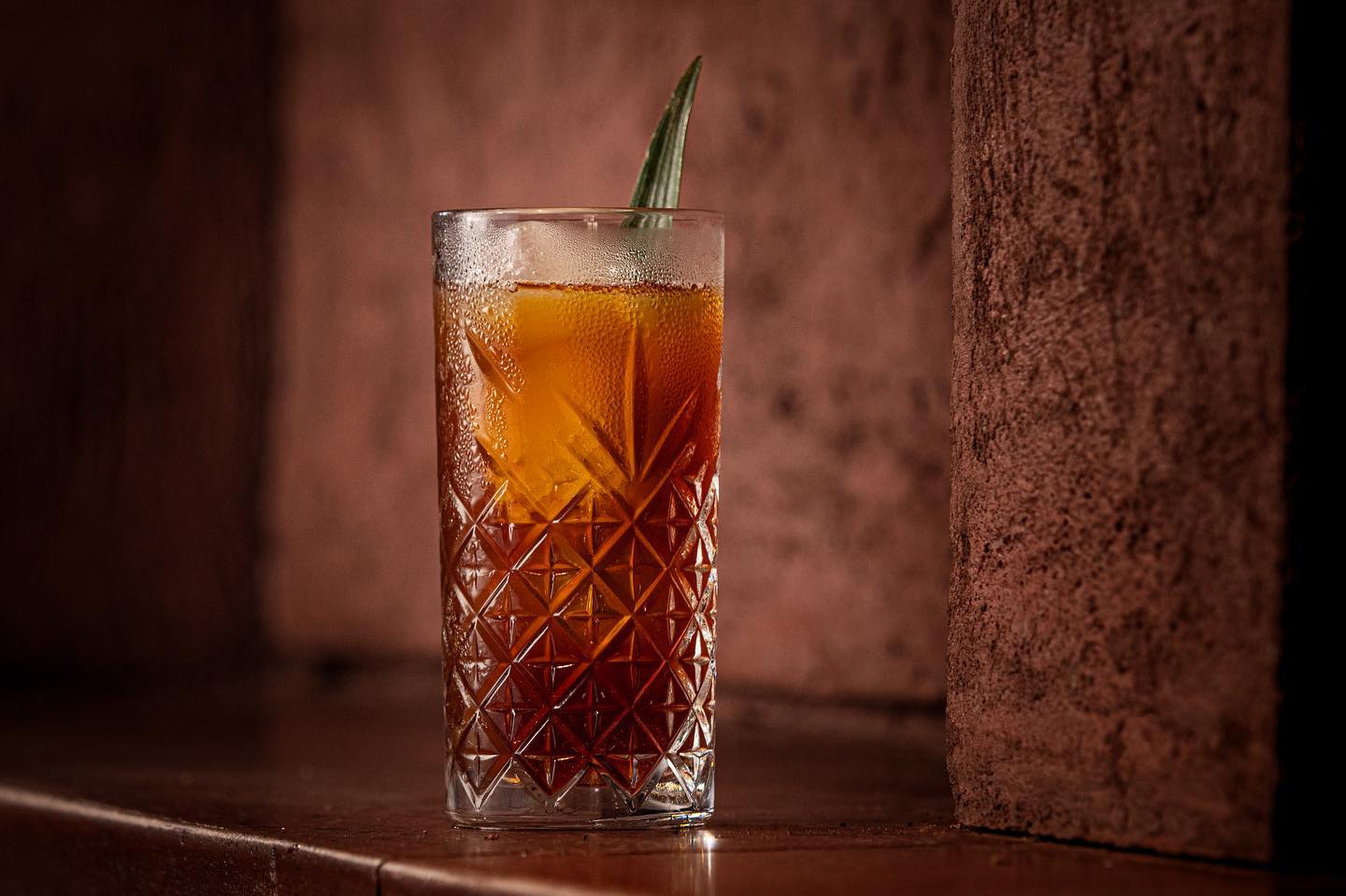
- Craft Cocktails
Current opening hours
- Monday
- 12–10 PM
- Tuesday
- 12 PM–12 AM
- Wednesday
- 12 PM–2 AM
- Thursday
- 12 PM–2 AM
- Friday
- 12 PM–2 AM
- Saturday
- 12 PM–2 AM
- Sunday
- 12–10 PM
Hours can change for holidays and private events. Last verified .
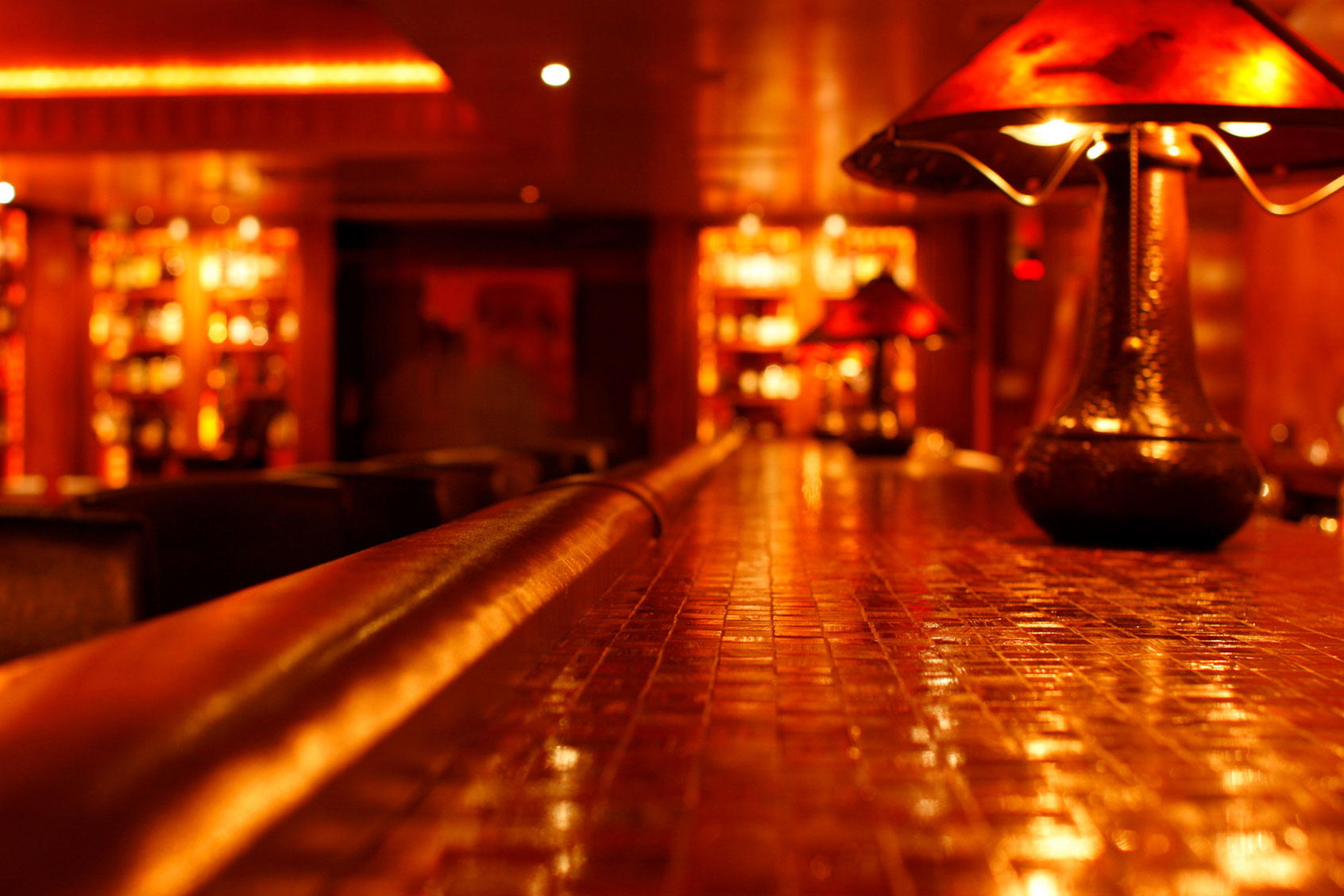
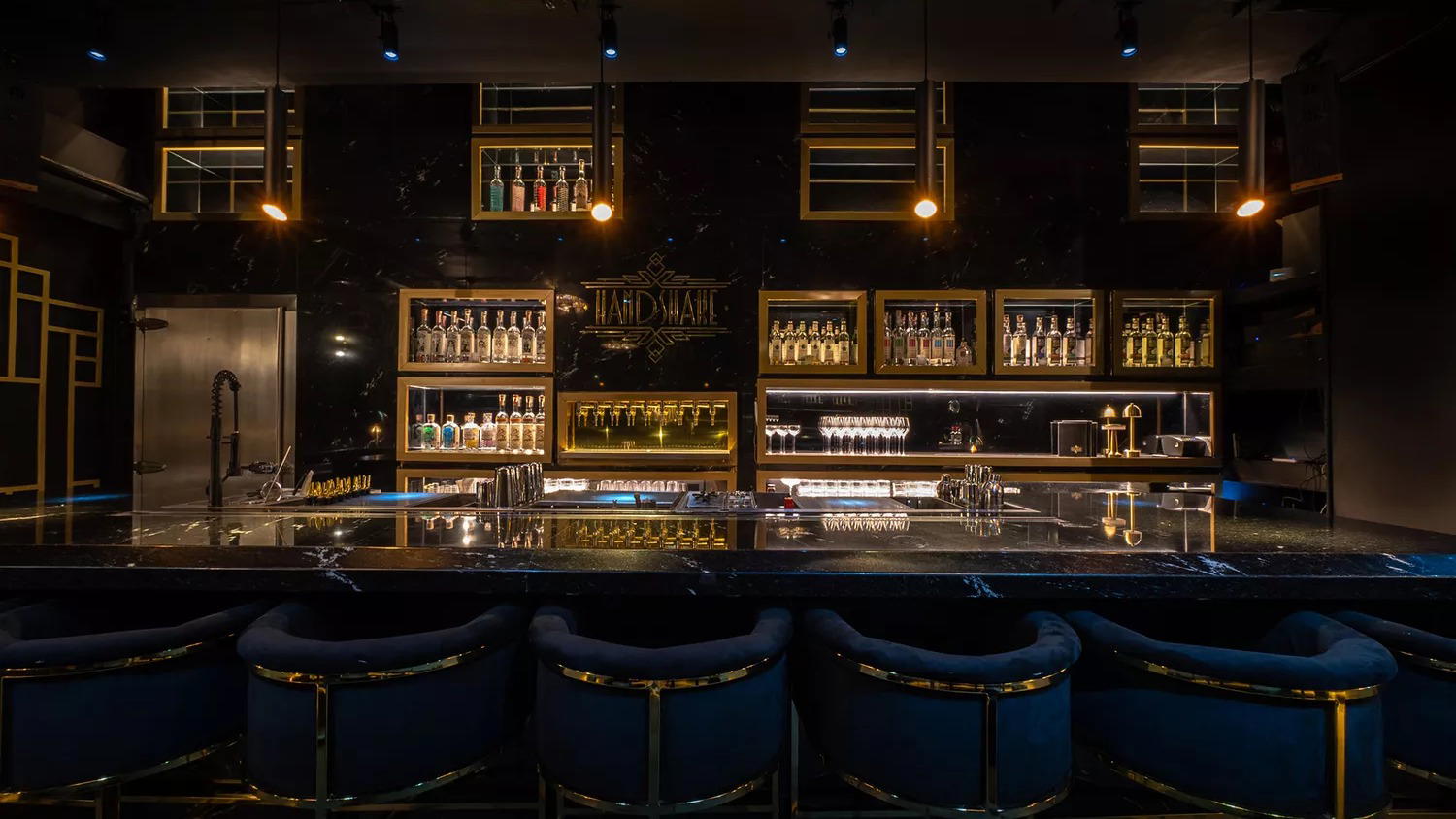
Relaxed yet energizing with great music at adequate volume and Instagrammable decor.