
White Guide Sweden Restaurants - Fine Level
Our verdict
Barbro occupies a waterfront address on Hornstulls strand in Södermalm, one of Stockholm's most food-forward neighbourhoods. The restaurant sits at an interesting remove from the Michelin-chasing formality of the city's top tier, operating in a register that rewards those who know where to look on Stockholm's west-side waterfront.

Pearl is the En Primeur Club membership app — saves, bookings, and concierge access live there. Same editors, same standards.
- Address
- Hornstulls strand 13, 117 39 Stockholm, Sweden
- Phone
- +46 8 550 602 66
- Hours
- Mon ClosedTue–Thu 5–11 PMFri–Sat 5 PM–12:30 AMSun 5–9 PM
- Website
- bar-bro.se
- Directions
- Get directions
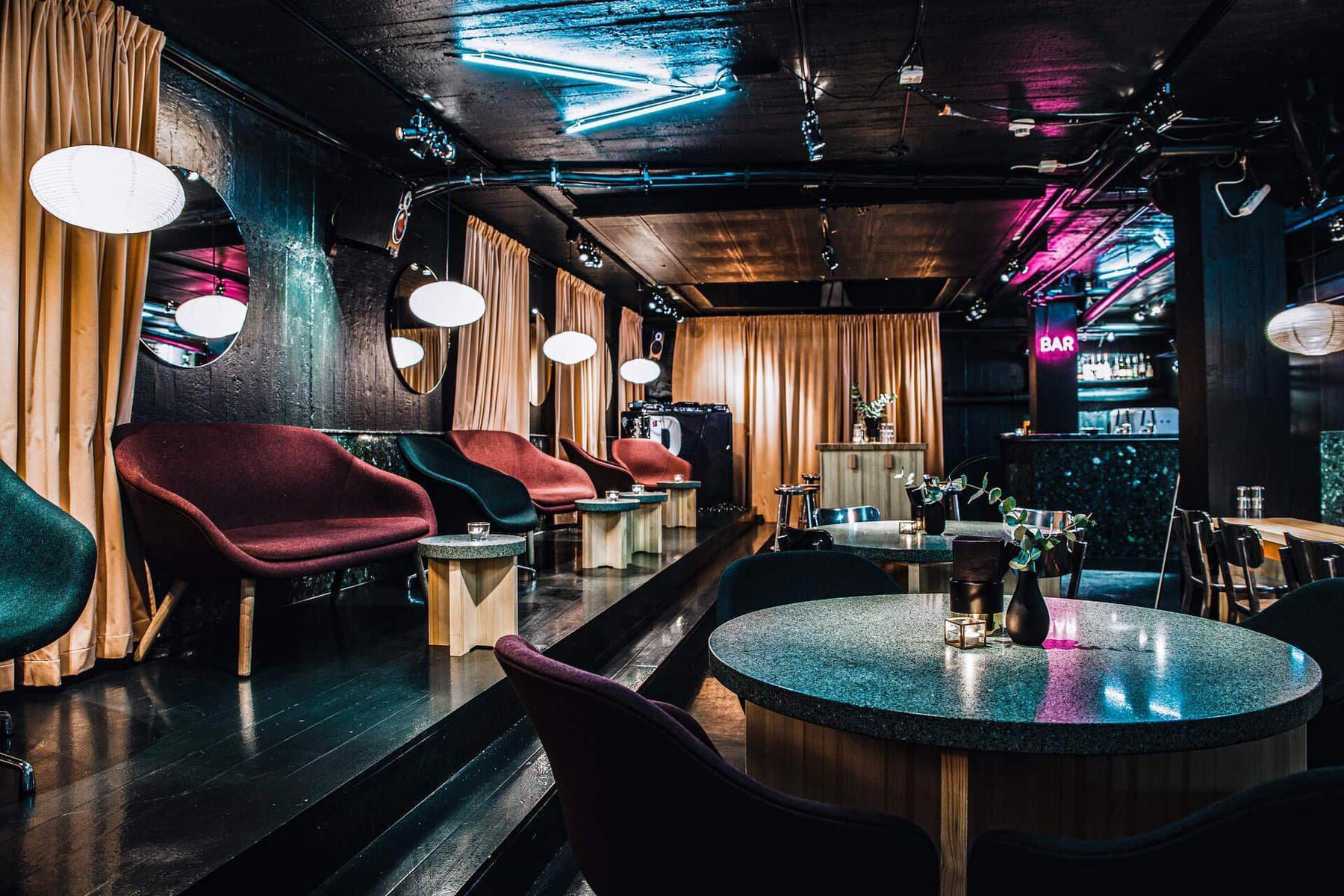
The menu
What to order
- Fried shiitake dumplings
- Tempura fried spicy tuna
- Blackened salmon
Waterfront Södermalm and Where Barbro Fits
Stockholm's dining map has a clear centre of gravity: the Östermalm and Gamla Stan addresses that cluster around tasting-menu formality, white tablecloths, and the kind of international press attention that places like Frantzén and AIRA attract. Södermalm has always pulled in a different direction. The island's western edge, along Hornstulls strand, is where the city's more neighbourhood-facing hospitality has settled: less ceremony, closer to the water, and oriented toward the kind of regulars who walk rather than taxi. Barbro, at Hornstulls strand 13, occupies exactly that position.
The address itself signals something. Hornstull sits at the southwestern tip of Södermalm, where the waterfront opens toward Liljeholmsviken and foot traffic runs between the local market and the Hornstull T-bana stop. This is not a destination-dining corridor in the way that Stureplan is, which means the venues that thrive here tend to earn their place through repeat custom rather than tourist flow. Barbro is part of that fabric.
The Ingredient Question in Swedish Dining
Across Swedish fine and mid-fine dining, the sourcing narrative has become structurally important in the past decade. What began as a Nordic chef movement — foraging, hyperlocality, named farms — has filtered down into a broader expectation among Stockholm diners that provenance is part of what you are paying for. Venues like Adam/Albin and Aloë have built their identity around that sourcing discipline. The question for any Södermalm address operating at a remove from those formal tiers is how seriously the ingredient conversation is taken.
Sweden's geography answers part of that question automatically. The country's coastline, archipelago waters, lake systems, and forested interior produce a raw material base that restaurants in most European capitals would find difficult to replicate: Baltic seafood, cold-water freshwater fish, wild mushrooms from the boreal forests, elk and reindeer from the north, root vegetables that develop density over long Scandinavian winters. Any Stockholm kitchen drawing on domestic suppliers is working with genuinely strong material. The sourcing choices a venue makes, which coast, which season, which producer, are what distinguish one kitchen's approach from another's.
This is the context in which Södermalm's more neighbourhood-facing restaurants have room to operate. The formal tasting-menu circuit in Stockholm, represented at its apex by Michelin-starred rooms and by ambitious regional destinations like VYN in Simrishamn, Vollmers in Malmö, and ÄNG in Tvååker, places sourcing at the centre of a larger composed experience. A neighbourhood venue can do the same work at a different scale and price point, letting the product carry the meal rather than the architecture of a set menu.
The Hornstull Waterfront Context
Barbro's physical environment on Hornstulls strand gives it a character that most central Stockholm venues cannot replicate. The strand runs along the water's edge, and the properties facing the channel benefit from light and aspect that change meaningfully across seasons. Summer in Stockholm shifts dining culture substantially: the long evenings, outdoor seating culture, and the city's relationship with water all come into play. A waterfront Södermalm address in June or July operates in a very different register than the same space in a February snowfall.
That seasonal variation matters for how a kitchen programs its menu. Swedish culinary tradition has always been built around seasonal adjustment, the preservation methods, the root cellar logic, the emphasis on what is available now rather than what can be flown in, and a waterfront address with genuine seasons makes that programming visible to the diner in a way that a windowless city-centre room does not. The light outside is part of the meal.
For comparison, venues operating in Stockholm's more formal tier, including Operakällaren, are shaped by their grand interiors and institutional weight. Barbro's Hornstull position puts it in a different conversation: smaller scale, more immediate neighbourhood connection, and a physical relationship with the waterfront that functions as part of the dining experience itself.
Swedish Dining Beyond Stockholm's Centre
Understanding where Barbro sits in the broader Swedish picture requires some geography. Stockholm's restaurant scene exists within a national dining culture that has genuine depth outside the capital. The Skåne region in the south has produced serious kitchens, including Signum in Mölnlycke, Claesgatan 8 in Malmö, and Sydkustens at Pillehill in Skivarp. Gothenburg has its own strong independent scene, anchored by places like Hoze. Smaller regional venues such as Knystaforsen in Rydöbruk, PM & Vänner in Växjö, and Bistro Jarlen in Halmstad demonstrate that sourcing-led cooking is not a capital-city phenomenon but a national posture.
That national context matters because it sets a high floor. Stockholm diners who have eaten at serious regional Swedish kitchens arrive at Södermalm venues with calibrated expectations about ingredient quality and seasonal honesty. Barbro operates in an environment where those expectations exist even among relatively casual diners.
For international reference, the neighbourhood-facing waterfront restaurant model has equivalents in cities like New York, where technically serious kitchens operate outside the white-tablecloth circuit, and in San Francisco, where venues like Lazy Bear demonstrated that format innovation and ingredient sourcing discipline could coexist without formal-dining trappings. Seafood-focused coastal cooking at the highest technical level, as seen at Le Bernardin in New York, shows what ingredient-first philosophy looks like when taken to its logical conclusion. Stockholm's waterfront venues are drawing on a different but related logic.
Planning a Visit
Barbro sits on Hornstulls strand 13 in Södermalm's western end, a short walk from Hornstull T-bana station on the red line, which makes it direct to reach from central Stockholm without a taxi. The waterfront position means the approach on foot along the strand is part of arriving. Visiting during summer gives access to Stockholm's long-evening light and the outdoor culture that transforms this part of Södermalm; winter visits trade that for a more interior, neighbourhood-local atmosphere. For a broader view of where Barbro sits within Stockholm's full dining range, our full Stockholm restaurants guide maps the city's options across tier and neighbourhood.
Frequently asked questions
How do I find Barbro?
Barbro is located at Hornstulls strand 13, 117 39 Stockholm, Sweden, Stockholm.
Is Barbro a practical dining option if I'm arriving by public transport to Hornstull?
Barbro's address at Hornstulls strand 13 is within walking distance of Hornstull T-bana station on Stockholm's red line, making it one of the more straightforwardly reachable waterfront venues in Södermalm without requiring a taxi or city-centre connection. That access point sets it apart from several strand-facing restaurants that require more deliberate travel planning from central Stockholm.
What's the signature dish at Barbro?
The venue sits on Hornstulls strand in Södermalm's west end, a waterfront address that in Stockholm tends to shape menus around seasonal Swedish produce.
How hard is it to get a table at Barbro?
Barbro's position on Hornstulls strand in Södermalm puts it in a category of Stockholm waterfront venues that fill quickly on summer evenings and weekend nights. Mid-week visits and off-peak season bookings generally offer more flexibility.
What is Barbro known for?
Barbro is associated with Södermalm's waterfront dining scene at Hornstulls strand 13, operating at a deliberate distance from the tasting-menu formality of Östermalm and Gamla Stan. It occupies the neighbourhood-facing segment of Stockholm's restaurant map, where the draw is the strand setting rather than chef-driven accolade chasing. That positioning gives it a different rhythm from Stockholm's more publicised central addresses.
A Quick Peer Check
| Venue | Cuisine | Price | Awards | Notes |
|---|---|---|---|---|
| BarbroThis venue — the venue you are viewing | Japanese Fusion Small Plates | $20–30 | White Guide Sweden Restaurants - Fine Level | Not listed |
| Operakällaren | Modern Scandinavian Fine Dining | $150–200 | 1 Michelin Star · World's 50 Best #27 | Swedish, Modern Cuisine |
| AIRA | Modern Nordic Seasonal Tasting Menu | $200–300 | 2 Michelin Stars · La Liste Top Restaurants | Modern European, Modern Cuisine |
| Adam / Albin | Modern Scandinavian Fine Dining | $100–150 | 1 Michelin Star · La Liste Top Restaurants | New Nordic |
| Ekstedt | Wood-Fire Nordic Fine Dining | $200–300 | 1 Michelin Star · La Liste Top Restaurants | Progressive Asador, Grills |
| Etoile | Creative International Fine Dining | $300–500 | 1 Michelin Star · Star Wine List | Contemporary French, Creative |
Recognition history
Dated appearances from independent guides and award organizations, with the underlying list record or original source where available.
White Guide Sweden Restaurants - Fine Level
White Guide
Continue exploring
More in Stockholm
Restaurants in Stockholm
Browse all →
Bars in Stockholm
Browse all →
Details
- Cozy
- Trendy
- Lively
- Modern
- Date Night
- Casual Hangout
- Late Night
- Open Kitchen
- Craft Cocktails
- Waterfront
- Small Plates
- Sake Program
- Craft Cocktails
- Vegetarian Friendly
- Vegan Options
- Gluten Free Options
Current opening hours
- Monday
- Closed
- Tuesday
- 5–11 PM
- Wednesday
- 5–11 PM
- Thursday
- 5–11 PM
- Friday
- 5 PM–12:30 AM
- Saturday
- 5 PM–12:30 AM
- Sunday
- 5–9 PM
Hours can change for holidays and private events. Last verified .
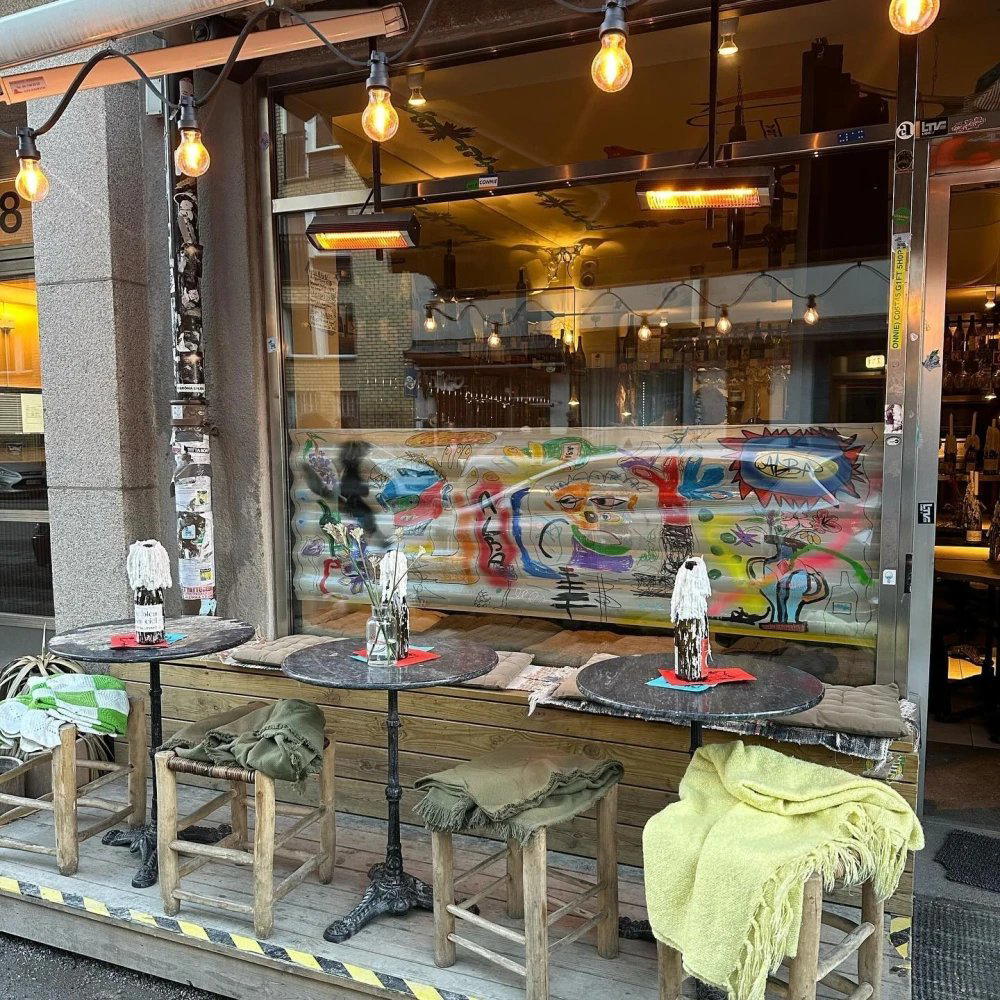
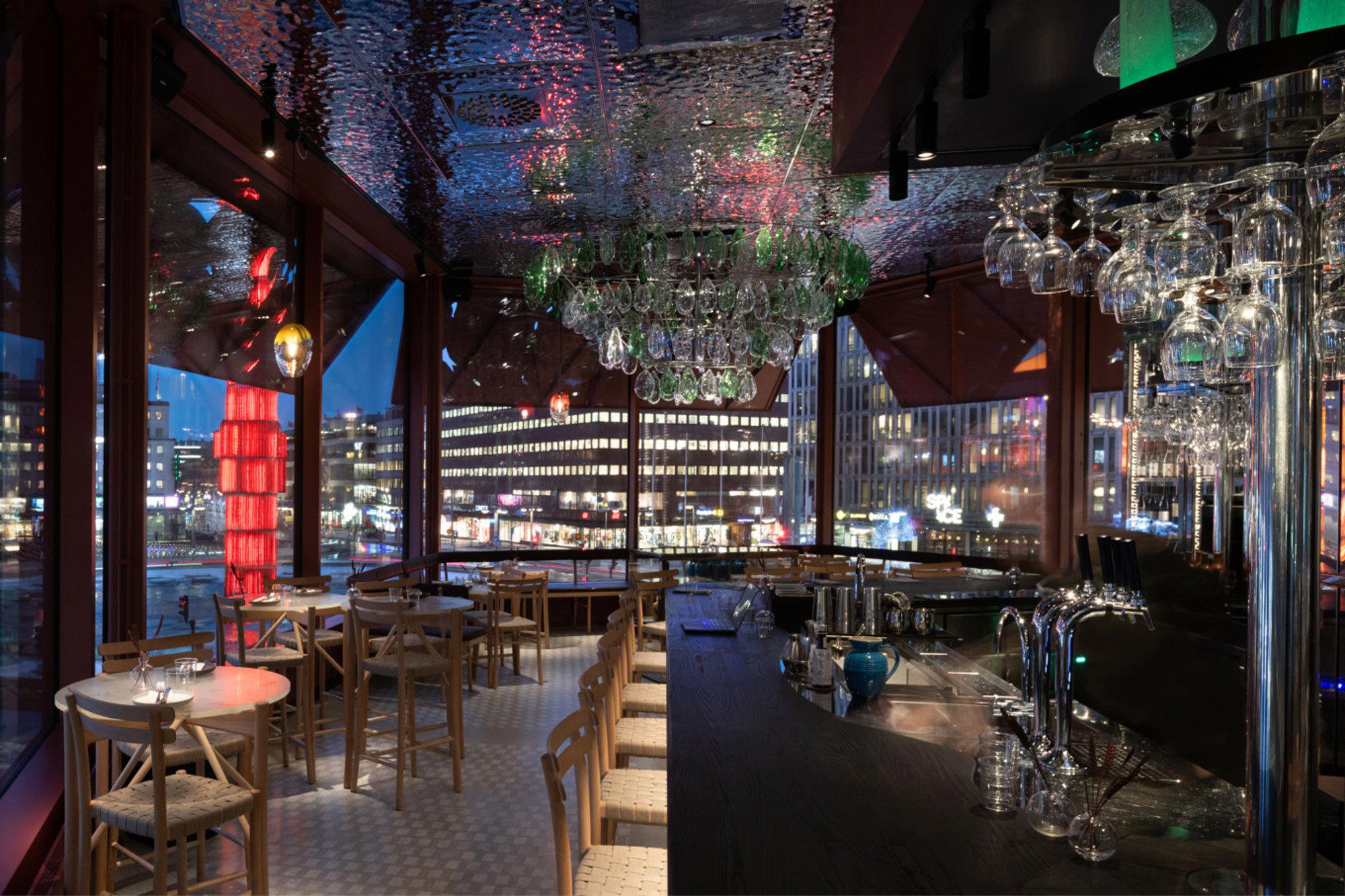
Cozy and friendly atmosphere with a simple yet elegant Japanese-Scandinavian design, lively and lively setting.