
Michelin Plate
Our verdict
On Rue du Dragon in Saint-Germain-des-Prés, Baillotte holds a Michelin Plate (2025) for French cuisine shaped by Japanese precision. Chef Satoshi Amitsu, who trained at Georges Blanc, produces colour-driven plates, flame-charred mackerel, fregola sarda, and shiso vinaigrette sit alongside meticulous jus and well-chosen wines by the glass. The price point is €€€, but the cooking punches above it.

Pearl is the En Primeur Club membership app, where members save venues, book tables and use the concierge.
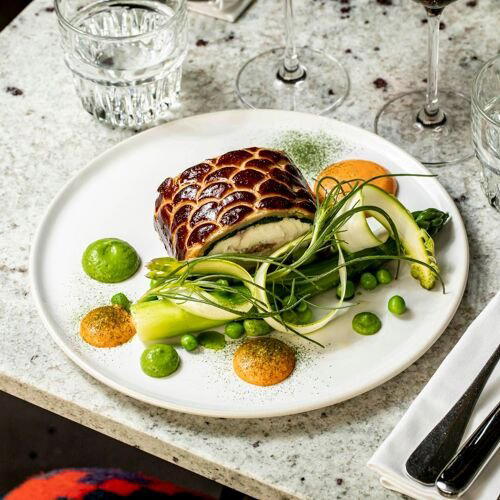
The menu
What to order
- Gigot d’agneau
- Tataki de thon
- Velouté de champignons
A Red Frontage on Rue du Dragon
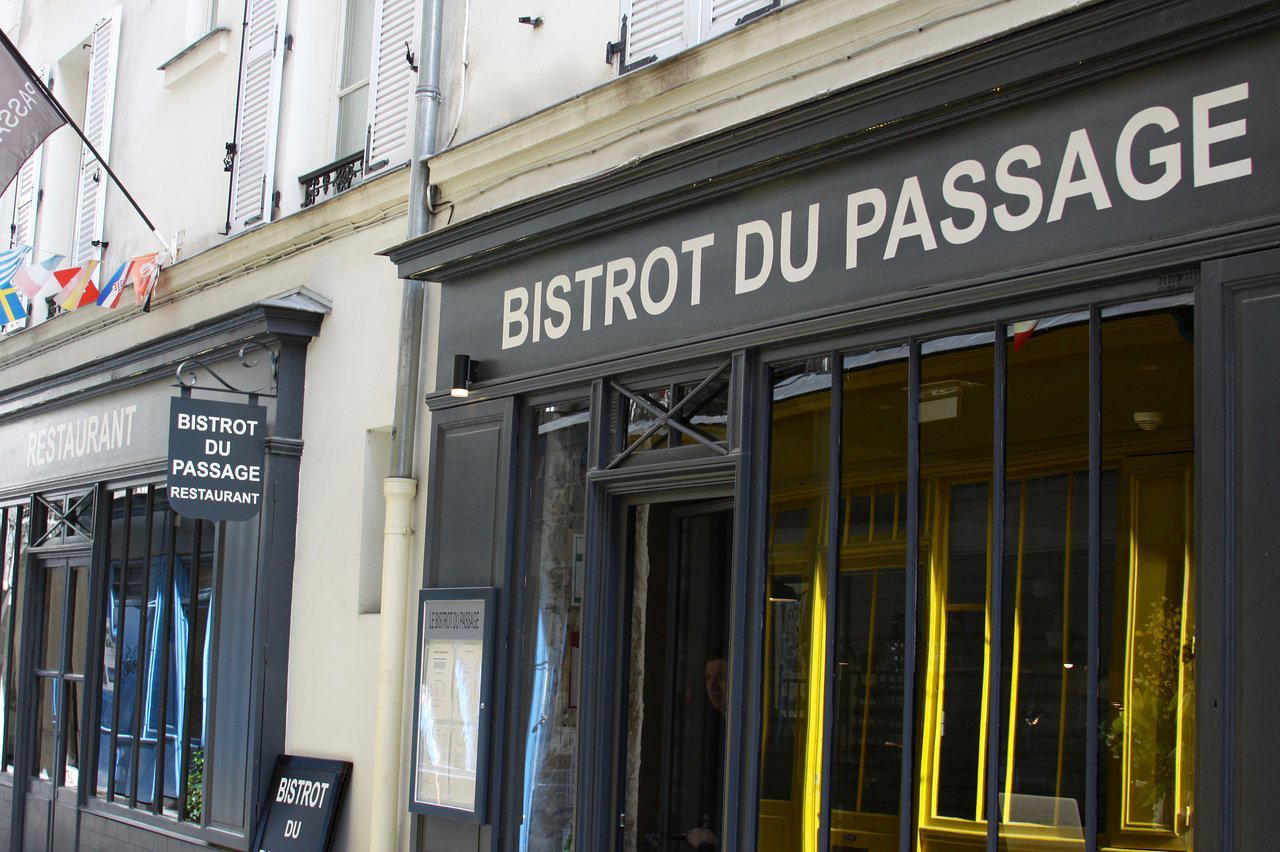
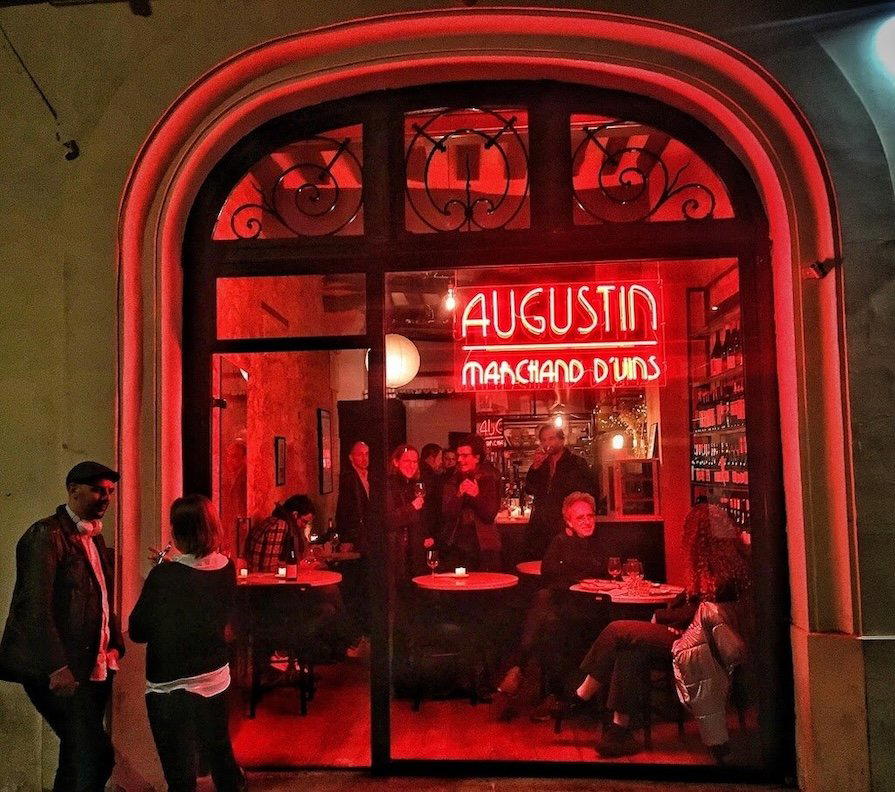
Saint-Germain-des-Prés has always attracted a particular kind of restaurant: places that dress modestly but cook with ambition. The sixth arrondissement's dining fabric runs from zinc-counter bistros on the quieter side streets to destination addresses drawing reservations from across the city. Baillotte sits on Rue du Dragon, a short, cobbled run between Boulevard Saint-Germain and Rue de Vaugirard, and announces itself with a red frontage that reads more as a neighbourhood address than a showcase venue. That restraint is consistent with what happens inside.
The bistro format in Paris has been under pressure for some time, squeezed between the casualisation of dining on one side and the upward drift of serious cooking toward tasting-menu formats on the other. What Baillotte represents is a third position: the kind of place that applies genuine technical rigour to a recognisably French menu without demanding the full ritual of a grande table evening. That position, serious without being ceremonial, is where the most interesting eating in Paris has been happening for the better part of a decade, and Baillotte earns its Michelin Plate (2025) within that tradition.
Where Japanese Precision Meets French Structure
Paris has a longer history than most cities of Japanese chefs working within French culinary grammar. The trajectory runs through kitchens like that of Kei, which earned three Michelin stars by treating French technique as a language rather than a doctrine, and extends into a wider cohort of smaller addresses where the same discipline operates at lower price points. Baillotte belongs to that wider cohort. Chef Satoshi Amitsu, who spent time at Georges Blanc, a three-star institution in the Bresse region with roots going back through the classic French tradition, brings the kind of kitchen discipline that shows in the details: the colour and contrast in each plate, the quality of the jus, the treatment of acidity.
The Michelin inspectors describe it well: what reads as "semi-gourmet" in the chef's own characterisation of the menu is, in practice, French cuisine executed with the kind of meticulous sauce work and structural clarity that you would expect at a higher price bracket. The flame-charred mackerel with fregola sarda, beetroot, raspberry, walnut and shiso vinaigrette is the kind of dish where every element is load-bearing: the char provides bitterness, the raspberry and shiso provide acidity and fragrance, the walnut adds texture. Nothing is decorative. The veal dish, with mushrooms, chervil root, quince condiment and a full-bodied gravy, operates in the same register, using the quince to cut the richness of the jus without sweetening the plate.
This approach to contrast and colour sits within a broader French tradition of treating the plate as a compositional problem. It is worth noting that Amitsu's training at Georges Blanc, whose kitchen has produced a number of chefs who have gone on to earn their own recognition, provides the technical grounding. But the sensory effect at Baillotte is specifically his own: controlled, precise, alive to contrast in a way that keeps the French structure from becoming heavy.
The Room and the Experience
The bistro setting matters here because it shapes the pace and register of the meal. Saint-Germain's better bistros maintain a particular kind of atmosphere: genuinely warm without being performative, the room working as a frame for the food rather than competing with it. The red frontage on Rue du Dragon suggests that logic before you walk in, it is a colour choice that communicates welcome without spectacle.
The wine program reinforces this. The Michelin record notes a good selection of wines by the glass, with expert advice from the service team and a deliberate move away from the usual favourites. In a city where many bistros default to the same Loire Sauvignon and Burgundy Pinot by the glass, a list that ranges further, and a service team equipped to guide it, is a practical advantage for diners who eat alone or in pairs and want to match each course without committing to a bottle. The glass-pour format also keeps the total spend manageable at a venue that already sits at the €€€ price point, which is moderate for a Michelin-recognised address in the sixth.
Placing Baillotte in Context
Paris's Michelin-rated modern cuisine runs from three-star addresses, 114, Faubourg, the creative work at Accents Table Bourse, or the ambitions visible at Anona and Amâlia, down to Plate-level addresses that operate with serious kitchens but without the prix-fixe ceremony. Baillotte prices against the latter group and competes well within it. The three-star houses in Paris, places like Paul Bocuse, Bras in Laguiole, or Auberge de l'Ill, define what the French system's top tier looks like, and those standards inform the competitive pressure even at the Plate level. Georges Blanc, where Amitsu trained, sits in that same high-reference bracket.
The Japanese-French synthesis visible at Baillotte also has international peers. At the more extreme end of the format, you see it in the work of Frantzén in Stockholm or FZN by Björn Frantzén in Dubai, where Nordic and French grammars are worked against each other at trophy price points. Baillotte operates at the other end of that spectrum: the same cross-cultural precision, compressed into a bistro format and priced for regular rather than occasional dining.
For Paris regulars who follow the bistro-with-ambition tier, this is a useful address in a well-located part of the sixth. For visitors building a Paris itinerary around serious eating, it offers a convincing alternative to the ceremonial end of the market. See our full Paris restaurants guide for further options across price tiers, or plan around it using our full Paris hotels guide, bars guide, and experiences guide.
Know Before You Go
- Address: 16 Rue du Dragon, 75006 Paris, France
- Cuisine: Modern French with Japanese technique
- Price range: €€€
- Recognition: Michelin Plate (2025)
- Nearest area: Saint-Germain-des-Prés, 6th arrondissement
- Wine: Good selection by the glass; expert guidance from service team
Frequently asked questions
What should I budget for a meal at Baillotte?
Pricing at Baillotte is listed as €€€.
What distinctions does Baillotte have?
Baillotte has received recognition including: Michelin Plate (2025); Perhaps chef Satoshi Amitsu (previously at Georges Blanc) is just being modest when he uses the term "semi-gourmet" cuisine on his website, because this bistro with an alluring red frontage easily holds its own agains….
What dish is Baillotte famous for?
Baillotte is defined by its approach rather than a single signature plate. Chef Satoshi Amitsu, who trained at Georges Blanc, builds dishes around French structure enriched by Japanese attention to colour, contrast, and sauce work, flame-charred mackerel with beetroot, raspberry, walnut, and shiso vinaigrette is a documented example of that sensibility. The 2025 Michelin Plate recognises the consistency of this method across the menu.
Where exactly is Baillotte?
Baillotte is located at 16 Rue du Dragon, 75006 Paris, France, Paris.
What's the best way to book Baillotte?
Baillotte sits at a €€€ price point with a 2025 Michelin Plate in the sixth arrondissement, a combination that keeps tables in demand among Paris residents and international visitors alike. No direct booking link or phone number is currently listed publicly, so checking the restaurant's website or platforms such as TheFork and Resy is the practical starting point. Booking a few weeks ahead is advisable, particularly for weekend evenings.
Just the Basics
| Venue | Cuisine | Price | Awards | Notes |
|---|---|---|---|---|
| BaillotteThis venue (the venue you are viewing) | Modern French-Japanese Bistronomic | $50–100 | Michelin Plate | Not listed |
| Alléno Paris au Pavillon Ledoyen | Modern French Fine Dining | $150–200 | 3 Michelin Stars · World's 50 Best #79 | Creative |
| Kei | Modern French with Japanese Influences | $300–500 | 3 Michelin Stars · World's 50 Best #93 | Contemporary French, Modern Cuisine |
| L'Ambroisie | Classic French Haute Cuisine | $300–500 | 2 Michelin Stars · World's 50 Best #23 | French, Classic Cuisine |
| Le Cinq - Four Seasons Hôtel George V | Modern French Fine Dining | $300–500 | 3 Michelin Stars · World's 50 Best #24 | French, Modern Cuisine |
| Plénitude | Modern French Sauce-Led Fine Dining | $300–500 | 3 Michelin Stars · World's 50 Best #14 | Contemporary French |
Recognition history
Dated appearances from independent guides and award organizations, with the underlying list record or original source where available.
Michelin Plate
Michelin
Full recognition history (3 entries)
Michelin Plate
Michelin
Michelin Plate
Michelin
Continue exploring
More in Paris
Restaurants in Paris
All restaurants in Paris →
Bars in Paris
All bars in Paris →
Details
- Intimate
- Cozy
- Elegant
- Classic
- Date Night
- Business Dinner
- Special Occasion
- Open Kitchen
- Natural Wine
- Local Sourcing
- A La Carte
- Natural Wine
Current opening hours
- Monday
- Closed
- Tuesday
- 12–2 PM, 7–10 PM
- Wednesday
- 12–2 PM, 7–10 PM
- Thursday
- 12–2 PM, 7–10 PM
- Friday
- 12–2 PM, 7–10 PM
- Saturday
- 12–2 PM, 7–10 PM
- Sunday
- 12–2 PM
Hours can change for holidays and private events. Hours as of .
Warm and intimiste Parisian bistro atmosphere with velvet chairs, marble tables, large paintings, and a verrière separating the open kitchen.