Persimmon

On College Hill's quieter residential edge, Persimmon occupies a position in Providence fine dining that sits closer to the New England tasting-menu tradition than to the city's Italian-American mainstream. The address on Hope Street places it squarely in the neighborhood's unhurried domestic scale, and the restaurant's approach to menu architecture has made it a reference point for serious dining in Rhode Island.
Pearl is the En Primeur Club membership app — saves, bookings, and concierge access live there. Same editors, same standards.
- Address
- 99 Hope St, Providence, RI 02906
- Phone
- +14014327422
- Website
- persimmonri.com
- Directions
- Get directions
 Saves & bookings on Pearl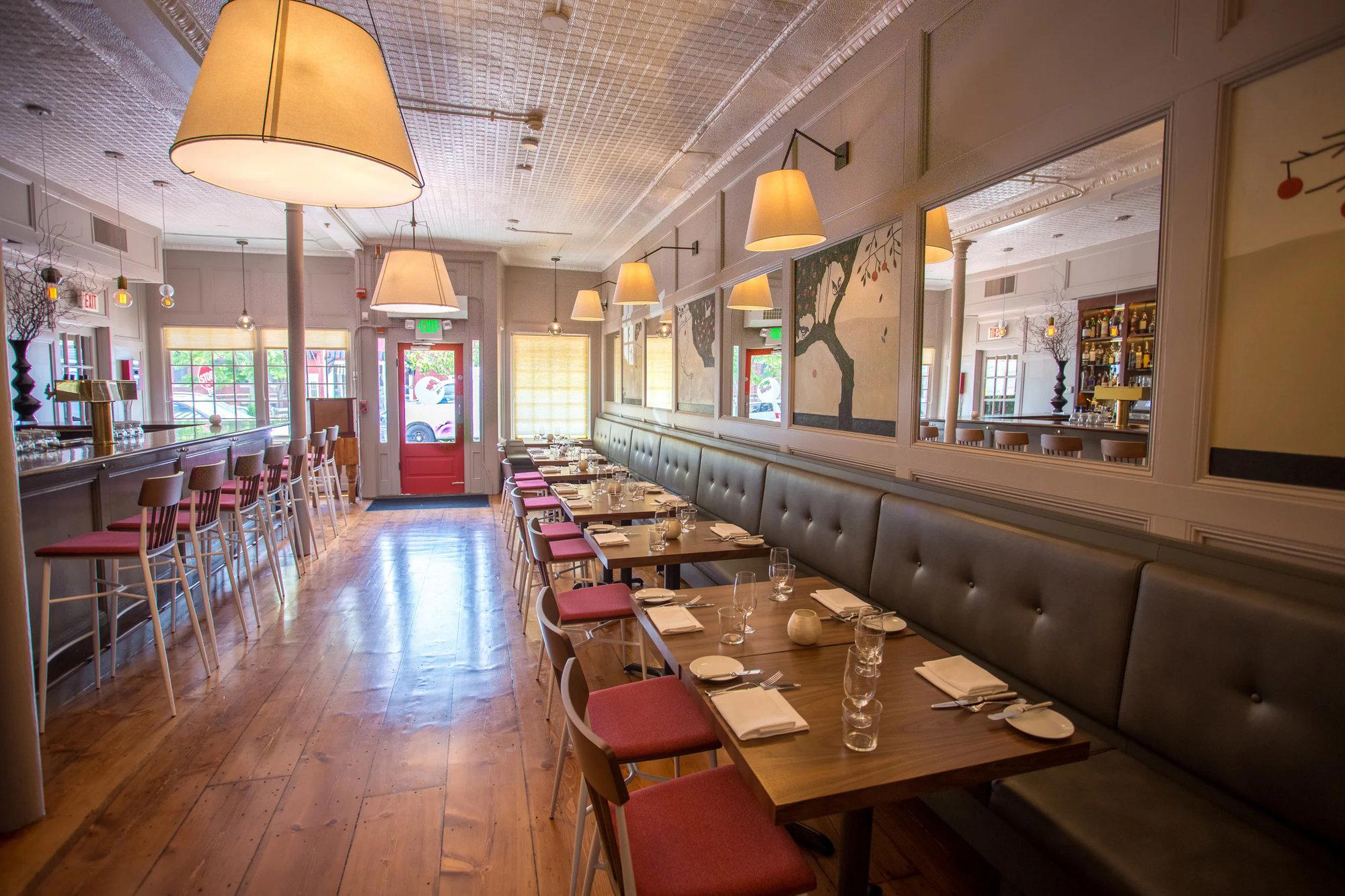
College Hill and the Case for Quiet Fine Dining
Providence's fine dining conversation tends to start downtown or along the waterfront, where Al Forno Restaurant set the template for wood-fired Italian ambition decades ago and where 10 Prime Steak & Sushi operates in a different register entirely. Persimmon at 99 Hope Street belongs to a separate tradition: the residential-street fine dining room that earns its reputation without the scaffolding of a high-traffic location. College Hill, with its Brown University adjacency and Federal-era streetscape, has the character of a neighborhood that expects a certain seriousness from its institutions. A restaurant on Hope Street is not making a loud pitch for passing foot traffic. It is assuming that the people who find it already know why they are there.
That physical context matters when you read the menu. Restaurants that occupy low-visibility addresses in established residential neighborhoods tend to build their programs around repeat visitors and word-of-mouth rather than tourist capture. The menu architecture at a place like Persimmon reflects that orientation: the structure is designed to reward attention, not to reassure the unfamiliar.
How the Menu Frames the Experience
In American fine dining, the shift away from à la carte toward tasting-format or prix-fixe structures has been one of the defining moves of the last two decades. Kitchens that adopt this approach are making a specific argument: that the sequence of a meal is as meaningful as any individual dish, and that the chef's editorial hand should govern pace and proportion. This is the same logic that drives the programs at Lazy Bear in San Francisco and Alinea in Chicago, though at different scales and price points.
Persimmon's menu architecture sits within New England's quieter version of that argument. The region's premium dining rooms have generally resisted the maximalist, high-production theatrics that characterize some national tasting-menu formats. What tends to emerge instead is a closer alignment with local sourcing rhythms: the menu moves with what is available in Rhode Island and southern New England, which means it changes in ways that reflect seasonal shifts rather than chef-driven concept cycles. That kind of program requires the kitchen to be technically consistent across a rotating set of ingredients, which is a harder discipline than executing the same ten dishes nightly.
For the reader trying to understand what to expect at the table, the relevant comparison is less with Providence's Italian-American mainstream, well represented by Anthony's Authentic Italian Cuisine and Bacaro, and more with the broader New England tasting-table tradition. Gift Horse operates in the same city with a different inflection, applying Korean technique to New England seafood, which puts the two restaurants in an interesting position relative to each other: both are drawing on regional product, but through different formal lenses.
Persimmon in the National Fine Dining Frame
Placing a Providence restaurant in national context requires honesty about the difference in competitive density. Cities like New York, Chicago, and San Francisco have deep benches of tasting-menu programs that have been running long enough to accumulate Michelin recognition, 50 Best placements, and James Beard hardware. Le Bernardin in New York City, The French Laundry in Napa, and Blue Hill at Stone Barns in Tarrytown operate in markets where critical infrastructure is thick and competitive pressure is constant. Single Thread Farm in Healdsburg and Addison in San Diego show what regionally rooted fine dining can achieve in California's award-dense environment.
Providence is a smaller market, which cuts two ways. On one hand, a serious restaurant here is not fighting for the same critical oxygen as Atomix in New York City or The Inn at Little Washington. On the other hand, the city has genuine culinary credentials built over decades, and the food community that has formed around institutions like Al Forno creates a knowing local audience. Providence in Los Angeles and Emeril's in New Orleans are reminders that cities outside the primary culinary markets have produced restaurants that hold up against any national comparison. 8½ Otto e Mezzo Bombana in Hong Kong makes the same point internationally. What a smaller market like Providence can offer a fine dining room is a loyal, food-literate audience and a lower baseline noise level, both of which are real advantages for a kitchen that wants to build its program deliberately.
Reading the Address
99 Hope Street is on College Hill's residential slope, away from the commercial density of Thayer Street and the institutional weight of Brown's central campus. The street has a domestic cadence: residential facades, mature trees, the particular quiet of a neighborhood that goes to bed at a reasonable hour. A restaurant operating here is not betting on ambient foot traffic from a hotel district or a late-night bar crowd. It is betting on reservations.
That operational logic shapes everything from the pace of service to the staffing ratio. Rooms that run on reservations can calibrate turns, preparation, and sourcing more precisely than high-volume operations. They tend to produce a different kind of hospitality: less reactive, more deliberate.
For visitors to Providence planning an evening in this tier, the practical consideration is direct: Hope Street is accessible from downtown Providence, though the walk up College Hill takes fifteen minutes and involves some gradient. Most visitors arriving from downtown hotels or the train station will find a rideshare the more practical option for an evening reservation.
Planning Your Visit
Persimmon sits at the upper tier of Providence dining, alongside the handful of restaurants in the city that have built reputations on focused, product-driven menus rather than scale or concept novelty. Persimmon is recommended for reservations and is open Wednesday and Thursday from 5 to 9:30 PM, Friday and Saturday from 5 to 10 PM.
A Lean Comparison
Comparable venues nearby, for context on price, style, and recognition.
| Venue | Cuisine | Price | Notes |
|---|---|---|---|
| PersimmonThis venue — the venue you are viewing | Fox Point, Modern American Farm-to-Table | $$$ | Not listed |
| Waterman Grille | East Side, Seasonal New American Grill | $$$ | Not listed |
| Red Stripe | Not listed | $$ | Wayland Square, American Brasserie with French Influence |
| New Rivers | East Side, Seasonal American Bistro | $$$ | Not listed |
| Maria's Cucina | Broadway, Classic Italian Family Recipes | $$$ | Not listed |
| Gracie's | Downtown, Modern American Fine Dining | $$$$ | Not listed |
Recognition history
Dated appearances from independent guides and award organizations, with the underlying list record or original source where available.
James Beard Award Semi Finalist
James Beard Award
Continue exploring
More in Providence
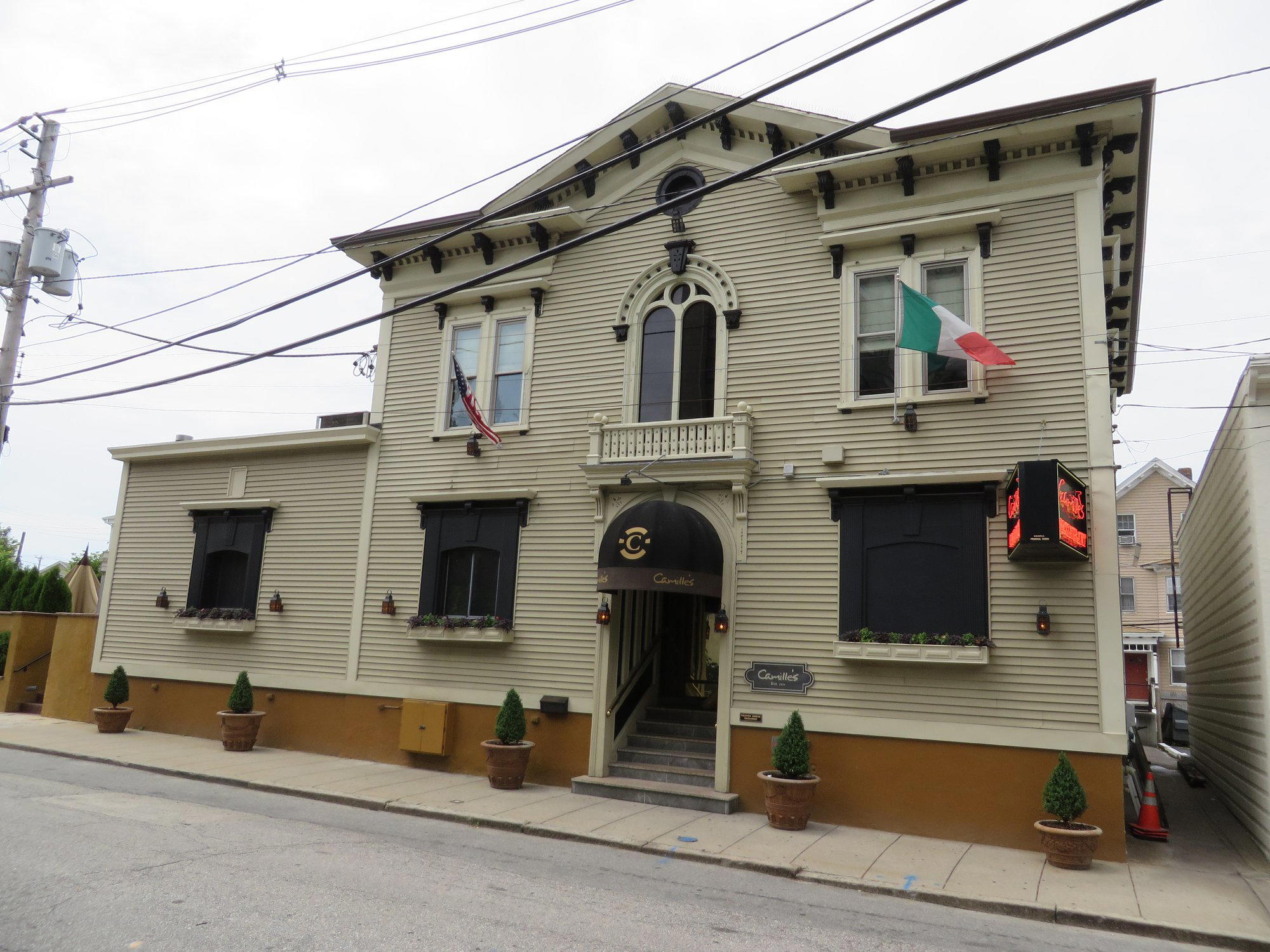
Restaurants in Providence
Browse all →
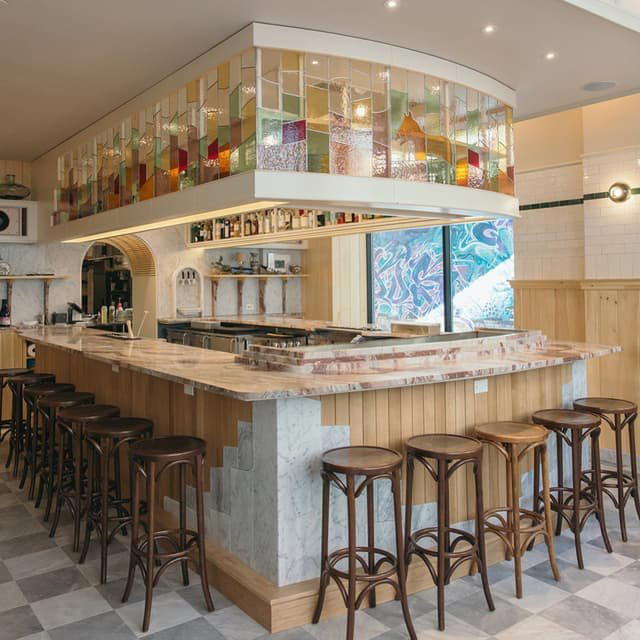
Bars in Providence
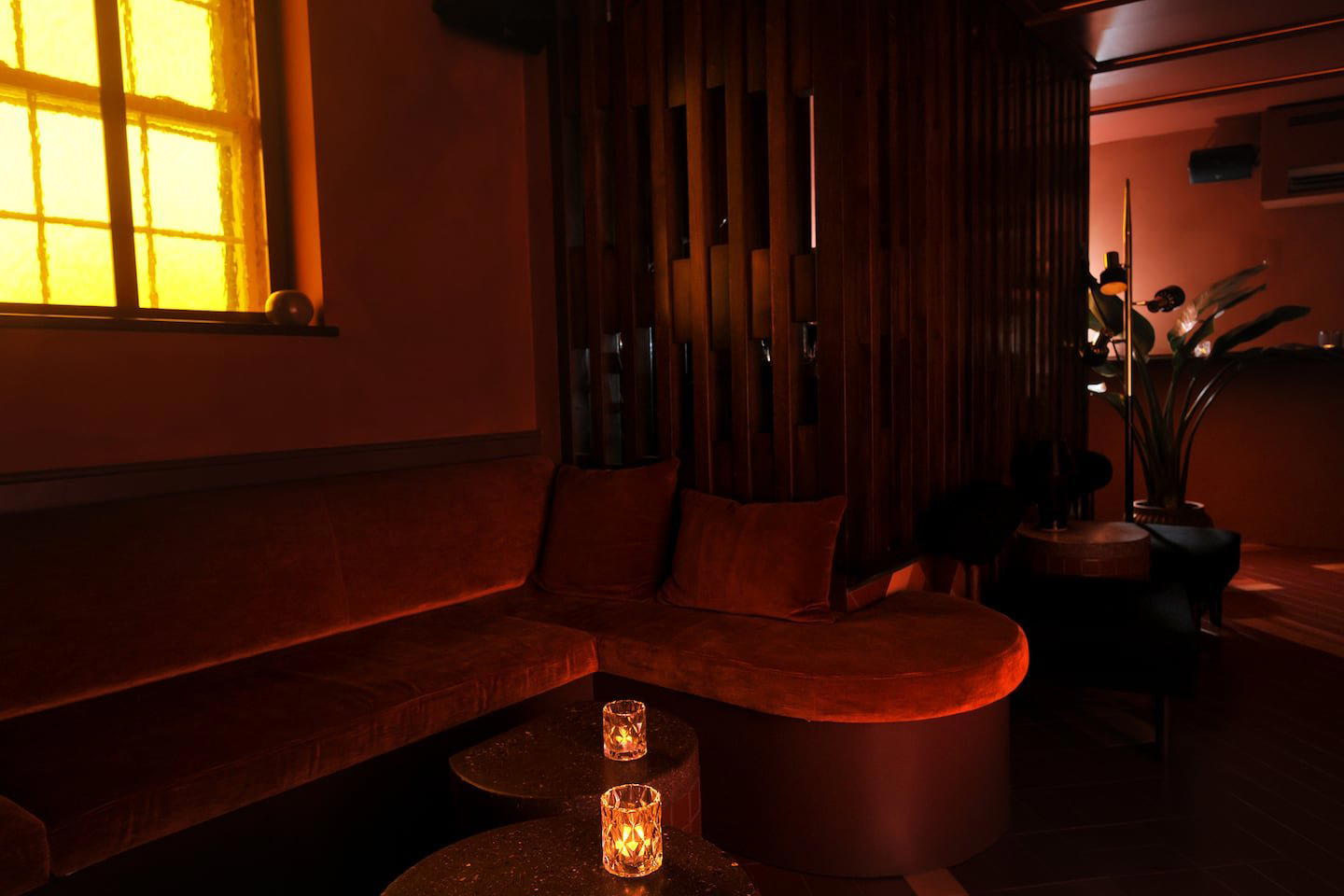
Browse all →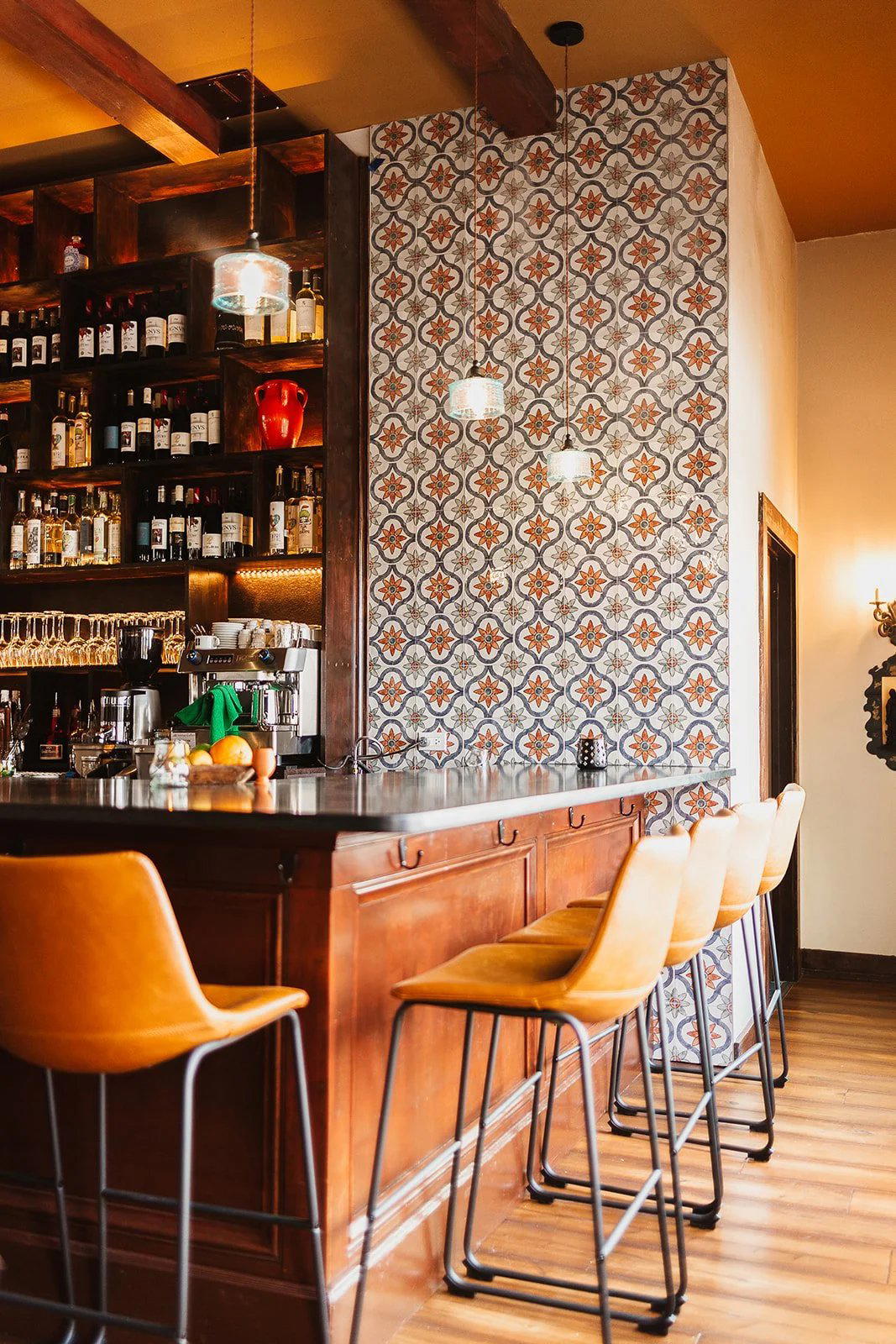
At a Glance
- Cozy
- Intimate
- Elegant
- Date Night
- Special Occasion
- Celebration
- Open Kitchen
- Extensive Wine List
- Farm To Table
- Local Sourcing
Current opening hours
- Monday
- Closed
- Tuesday
- Closed
- Wednesday
- 5–9:30 PM
- Thursday
- 5–9:30 PM
- Friday
- 5–10 PM
- Saturday
- 5–10 PM
- Sunday
- Closed
Hours can change for holidays and private events. Last verified .
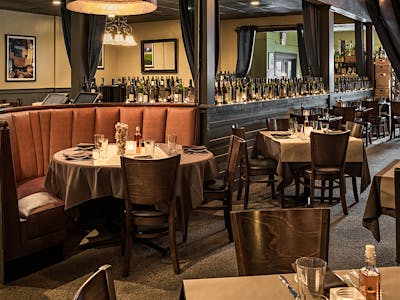
Bright but cozy interior with warm earth tones creating a welcoming and intimate atmosphere.