Azara
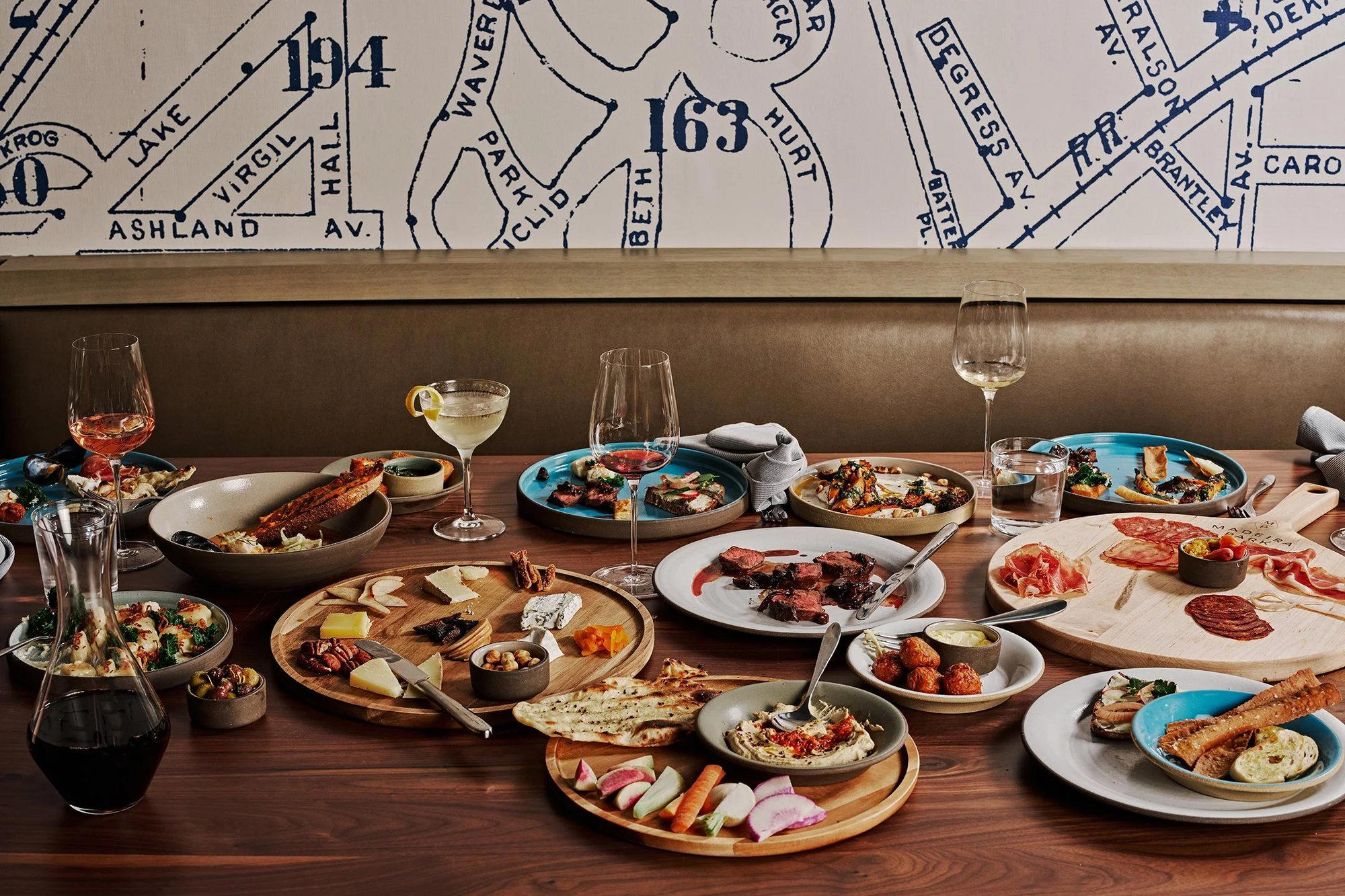
Azara brings Atlanta’s appetite for flexible, social dining into a longevity-inspired frame, drawing from Mediterranean, Asian, and Latin traditions rather than one fixed canon. The useful read here is the table format: built for grazing, sharing, and assembling a meal across bright, cross-cultural flavors in the city’s increasingly fluid restaurant scene.
Pearl is the En Primeur Club membership app — saves, bookings, and concierge access live there. Same editors, same standards.
- Address
- 550 Somerset Terrace NE, Atlanta, GA 30306
- Phone
- (470) 312-2112
- Website
- azaraatl.com
- Directions
- Get directions
 Saves & bookings on Pearl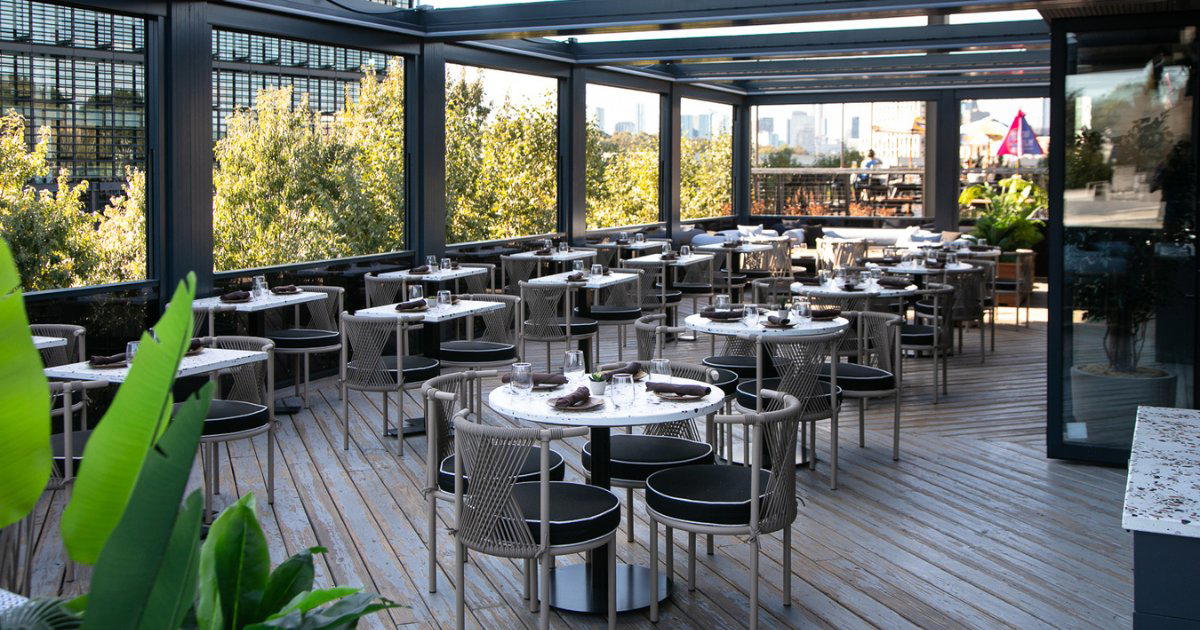
Somerset Terrace sits in one of Atlanta’s more kinetic dining corridors, where the BeltLine-adjacent rhythm has pushed restaurants toward all-day flexibility and tables suited to several evenings at once: a quick bite, a long catch-up, or a group ordering widely. Azara belongs to that newer Atlanta pattern. Its appeal is not formality, but a room that can move from daytime ease into a later, more social register without changing its grammar.
That grammar matters because Atlanta is especially receptive to shared plates. The city’s dining culture has never been purely tasting-menu driven, and stronger recent openings understand that groups want control: vegetable-led plates, something grilled or protein-heavy, bright sauces, dips, rice, bread, or tortillas depending on the kitchen’s reference point. Azara’s Mediterranean / Asian / Latin description reads less like novelty fusion than a bet on how people already eat when not ordering in strict courses.
Longevity cooking, read through the shared table
The longevity-inspired label gives the kitchen a contemporary hook, but the more interesting lens is older: meze, banchan, botanas, and the small-plate traditions that turn dinner into conversation rather than sequence. Mediterranean dining has long treated the center of the table as common territory. Asian and Latin traditions bring their own social logic, from pickled accents and rice-based comfort to grilled, sauced, and hand-held formats. At its strongest, this style lets a meal feel abundant without the heaviness of a classic steakhouse order.
Azara’s cross-regional positioning reflects a broader shift in American city dining. Health-coded restaurants once leaned on subtraction: no butter, no gluten, no pleasure. The more compelling version now works through addition, using acid, spice, herbs, legumes, grains, fermented notes, and texture to make lighter food hold attention. The editorial test is not whether the menu sounds virtuous, but whether it can build a table with enough contrast to keep a group engaged.
Atlanta is a useful city for this experiment because its restaurant audience is unusually comfortable with hybrid cues. Southern dining here has long absorbed Caribbean, West African, Korean, Mexican, Vietnamese, and Middle Eastern influences through immigrant communities and chef-led restaurants. A longevity-inspired Mediterranean / Asian / Latin kitchen is not an outlier; it is part of the city’s larger move away from rigid cuisine borders and toward formats that borrow structure from several traditions at once.
Where Azara fits in Atlanta's all-day dining mood
The telling detail is the operating rhythm. Azara opens from late morning through dinner on most service days, with later hours on Friday and Saturday, and closes on Monday. That schedule makes it closer to the modern neighborhood all-day restaurant than the special-occasion room. It can catch lunch, early dinner, and weekend groups without demanding one use case.
That flexibility matters in Atlanta because the dining map is spread across distinct pockets rather than one central restaurant district. Midtown, Old Fourth Ward, Inman Park, and surrounding corridors each carry a different tempo, and Somerset Terrace suits guests moving between daytime plans and evening dining. For a fuller itinerary, Our full Atlanta restaurants guide gives the wider restaurant context, while Our full Atlanta bars guide, Our full Atlanta hotels guide, Our full Atlanta experiences guide, and Our full Atlanta wineries guide help frame the rest of the trip.
The area’s range also matters. Nearby Atlanta dining can swing from rooftop drinking to neighborhood pasta, from polished Midtown rooms to casual counters. Within that spread, Azara’s value is editorial rather than trophy-driven: it serves the market looking for a table that feels current, social, and adaptable. For adjacent Atlanta reference points across different moods, see 437 Memorial Dr SE a5, 5Church Midtown, 683 Midtown Bar and Bistro, 9 Mile Station, and a mano.
How to order when the cuisine crosses borders
Treat the menu as a table-building exercise, not a linear meal. Start with anchors: spreads, vegetables, grains, salads, or other shareable starters if offered that day. Then add contrast through something warm, something protein-led, and something with sharper seasoning. In kitchens pulling from Mediterranean, Asian, and Latin traditions, balance is everything; too many sauced plates blur together, while too many lean plates can make the meal feel like a checklist.
This is where the meze mentality helps. A strong shared table needs temperature shifts, acidity, fat, crunch, and clean breaks between richer bites. The cuisine description suggests a kitchen interested in those contrasts, though the exact order should follow the current menu rather than any presumed signature. No named chef, award program, or signature dish defines the public identity here, so the better assessment is format-led: Azara is part of Atlanta’s move toward health-aware, socially built dining, not a chef-biography destination.
That pattern is visible beyond Atlanta. Across the United States, cross-cultural, casual-premium restaurants are using narrow concepts less often and table flexibility more often. Different expressions appear in places as varied as Jōdo Saké Bar in Los Angeles, Onigiri Time in Pasadena, ¿Por Qué No? in Portland, 'Ai Love Nalo in Waimanalo Beach, 'āina in San Francisco, 'Ama 'Ama in Kapolei, -Grilled beef Sukiyaki- KAMAKURA TANUKIAN 鎌倉 たぬき庵 in Kamakura, and ¡Salud! in Los Angeles. The common thread is not cuisine similarity; it is the move away from rigid courses and toward meals assembled by the table.
Azara is strongest on paper for diners who want that freedom: groups, mixed appetites, and guests who prefer a lighter, brighter dinner without surrendering the pleasure of ordering widely. It is less clearly aimed at travelers chasing formal accolades or chef-counter theater. In Atlanta, that distinction is useful. The city has enough restaurants designed to signal occasion; this one reads as a room for the increasingly common night when the table wants range, pace, and shared control.
How It Compares
Comparable venues nearby, for context on price, style, and recognition.
| Venue | Cuisine | Price | Notes |
|---|---|---|---|
| AzaraThis venue — the venue you are viewing | Mediterranean Fusion | $$$ | Not listed |
| Knife Modern Mediterranean | Modern Mediterranean | $$$ | Buckhead |
| Fia Restaurant | Modern Mediterranean Wood-Fired Grill | $$$ | Buckhead |
| Wisteria | Modern Southern | $$$ | Inman Park |
| Agave Restaurant, Est. 2000 | Eclectic Southwestern | $$$ | Cabbagetown |
| Pata Negra | Modern Mexican Mezcaleria | $$$ | Brookwood/Upper Midtown |
At a Glance
- Scenic
- Modern
- Sophisticated
- Trendy
- Energetic
- Date Night
- Group Dining
- Celebration
- Special Occasion
- After Work
- Rooftop
- Panoramic View
- Design Destination
- Standalone
- Craft Cocktails
- Zero Proof
- Farm To Table
- Local Sourcing
- Skyline
Current opening hours
- Monday
- Closed
- Tuesday
- 10 AM–9 PM
- Wednesday
- 10 AM–9 PM
- Thursday
- 10 AM–9 PM
- Friday
- 10 AM–11 PM
- Saturday
- 10 AM–11 PM
- Sunday
- 10 AM–9 PM
Hours can change for holidays and private events. Last verified .
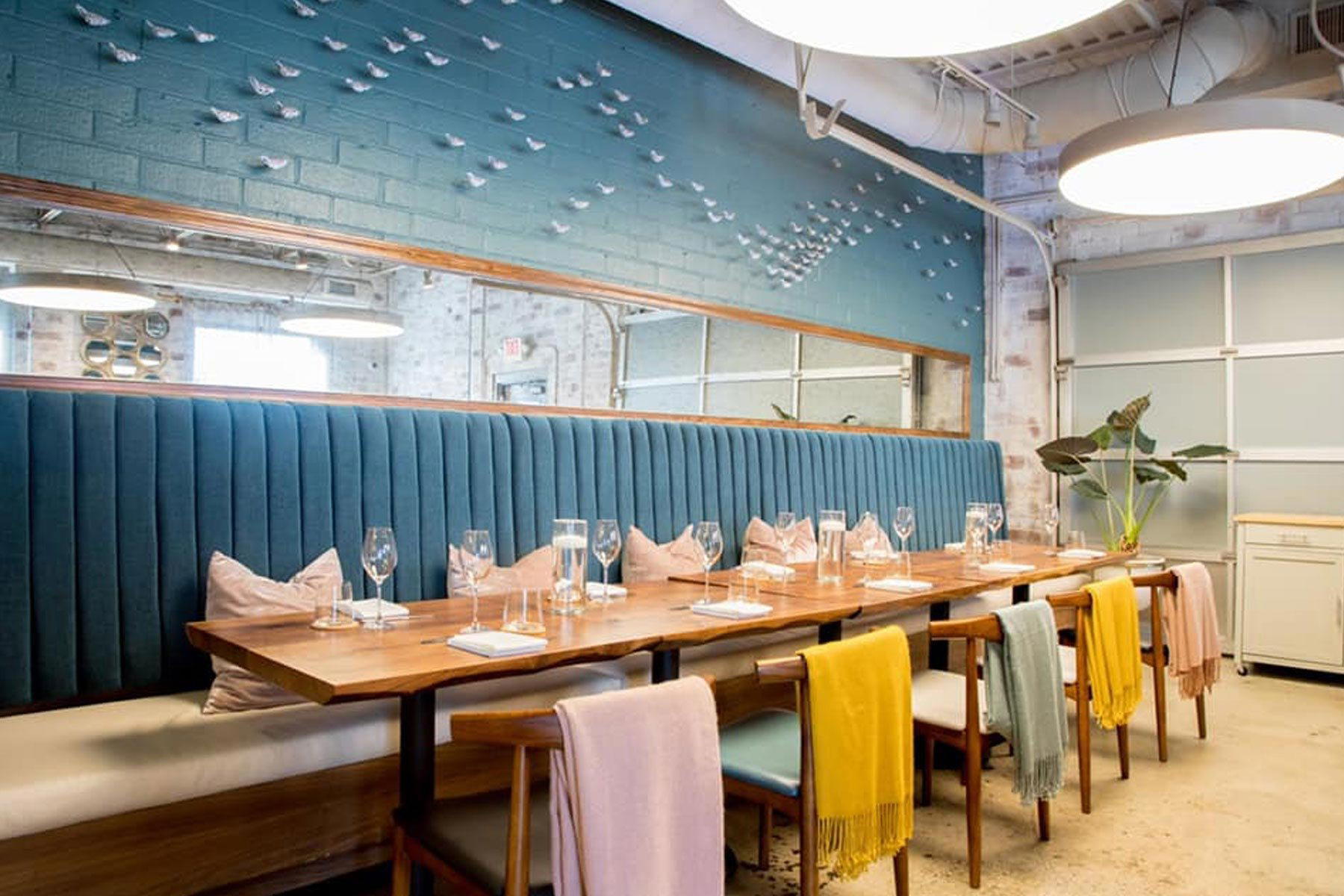
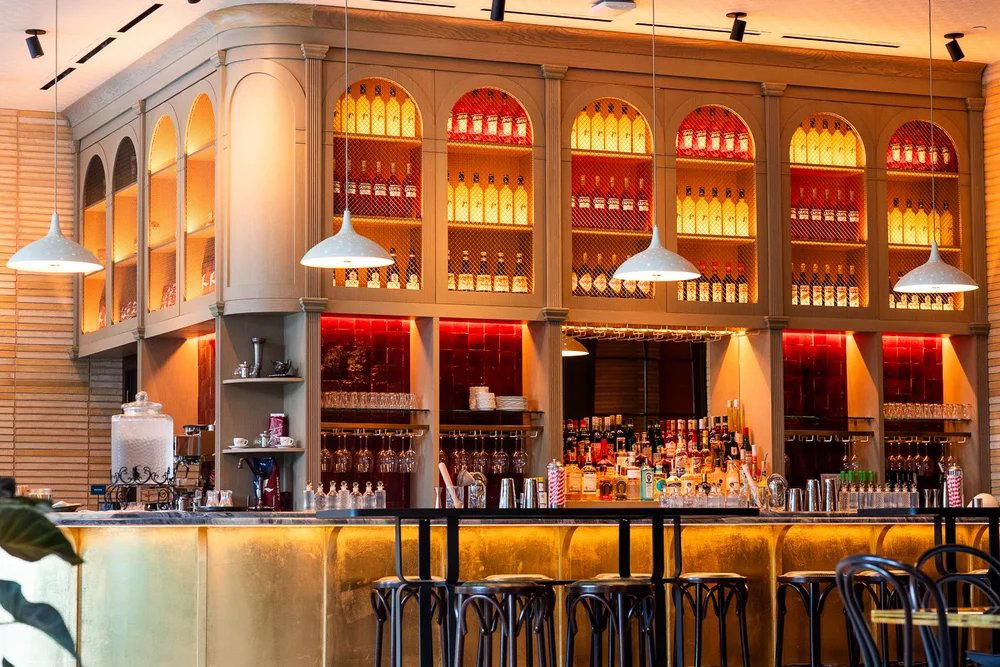
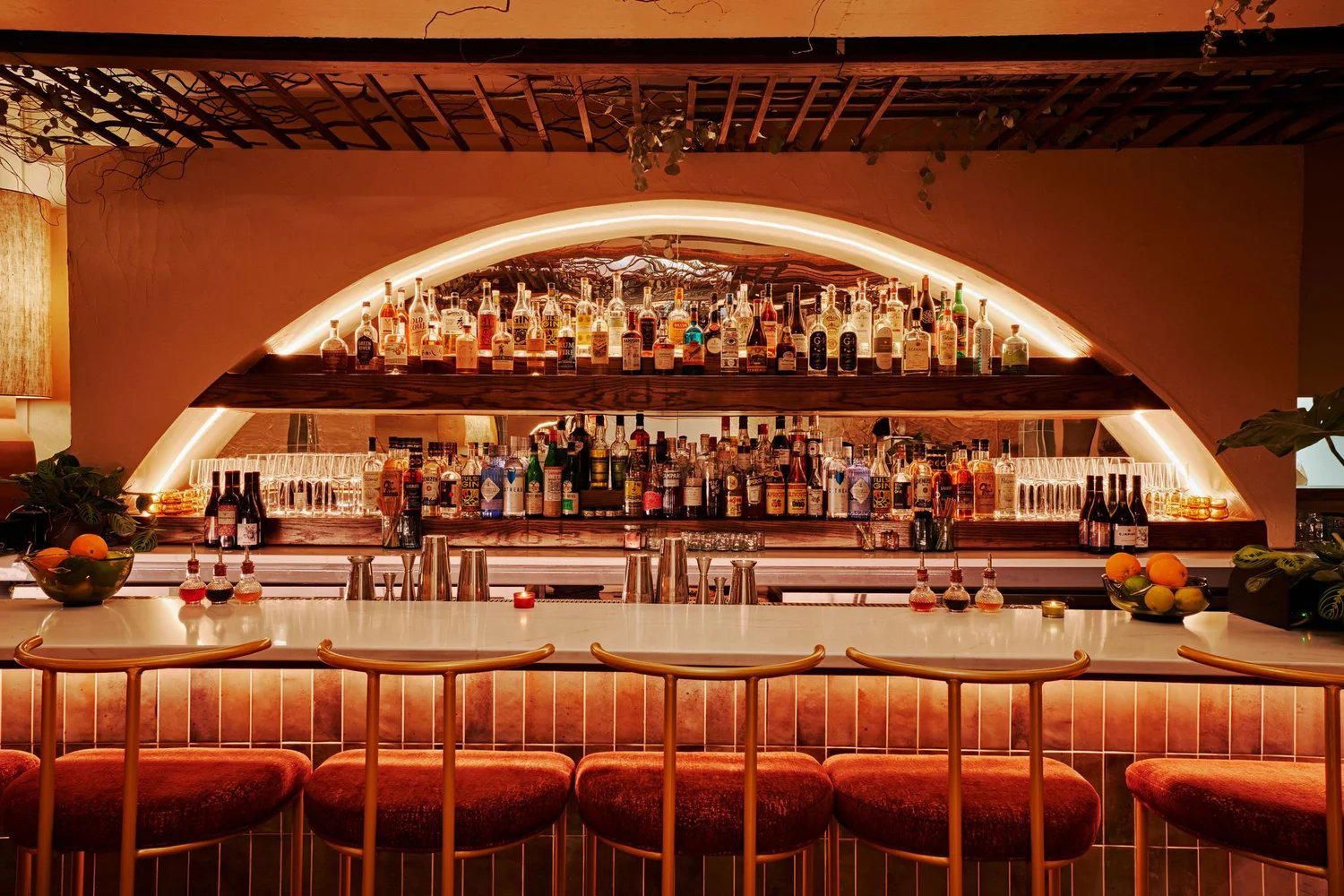
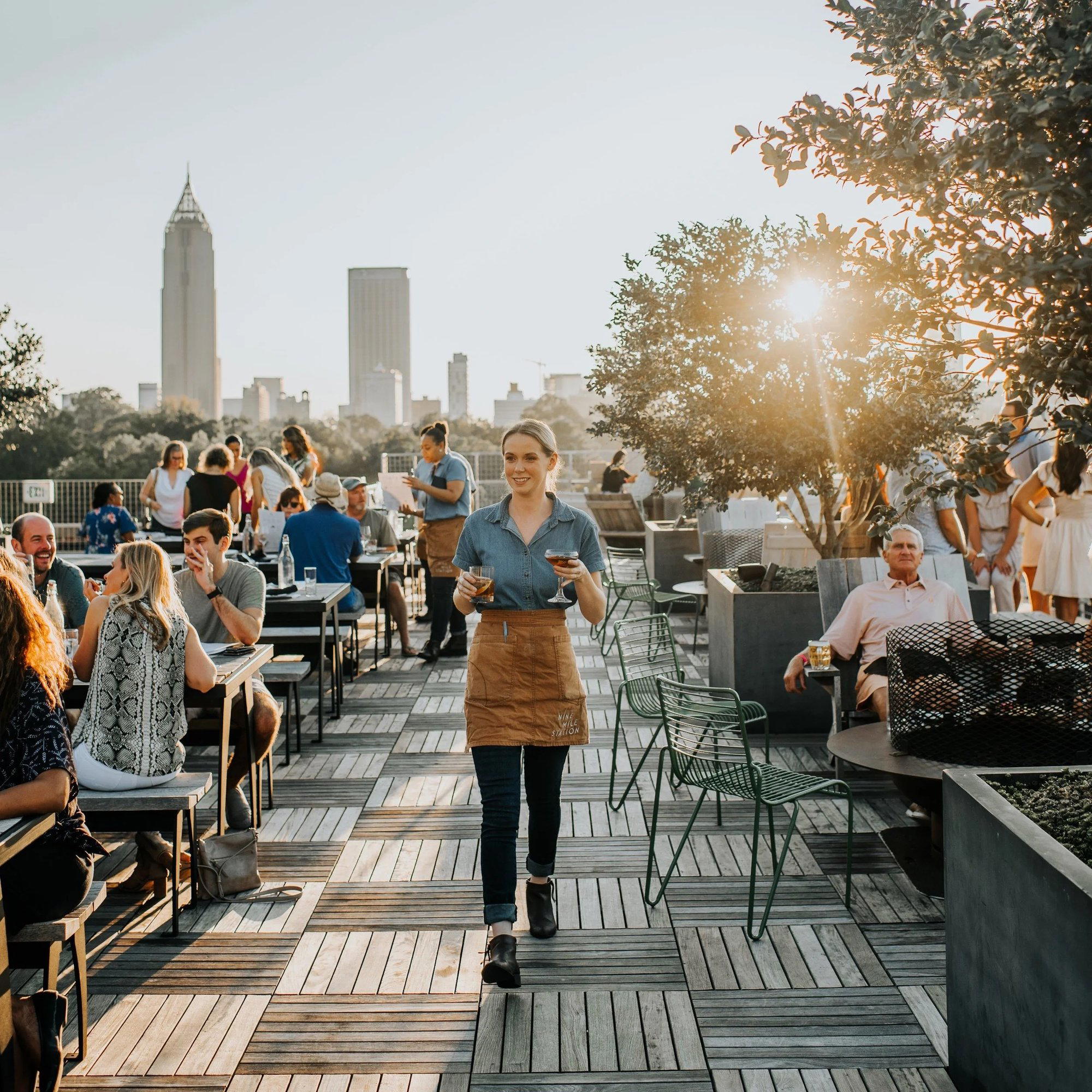
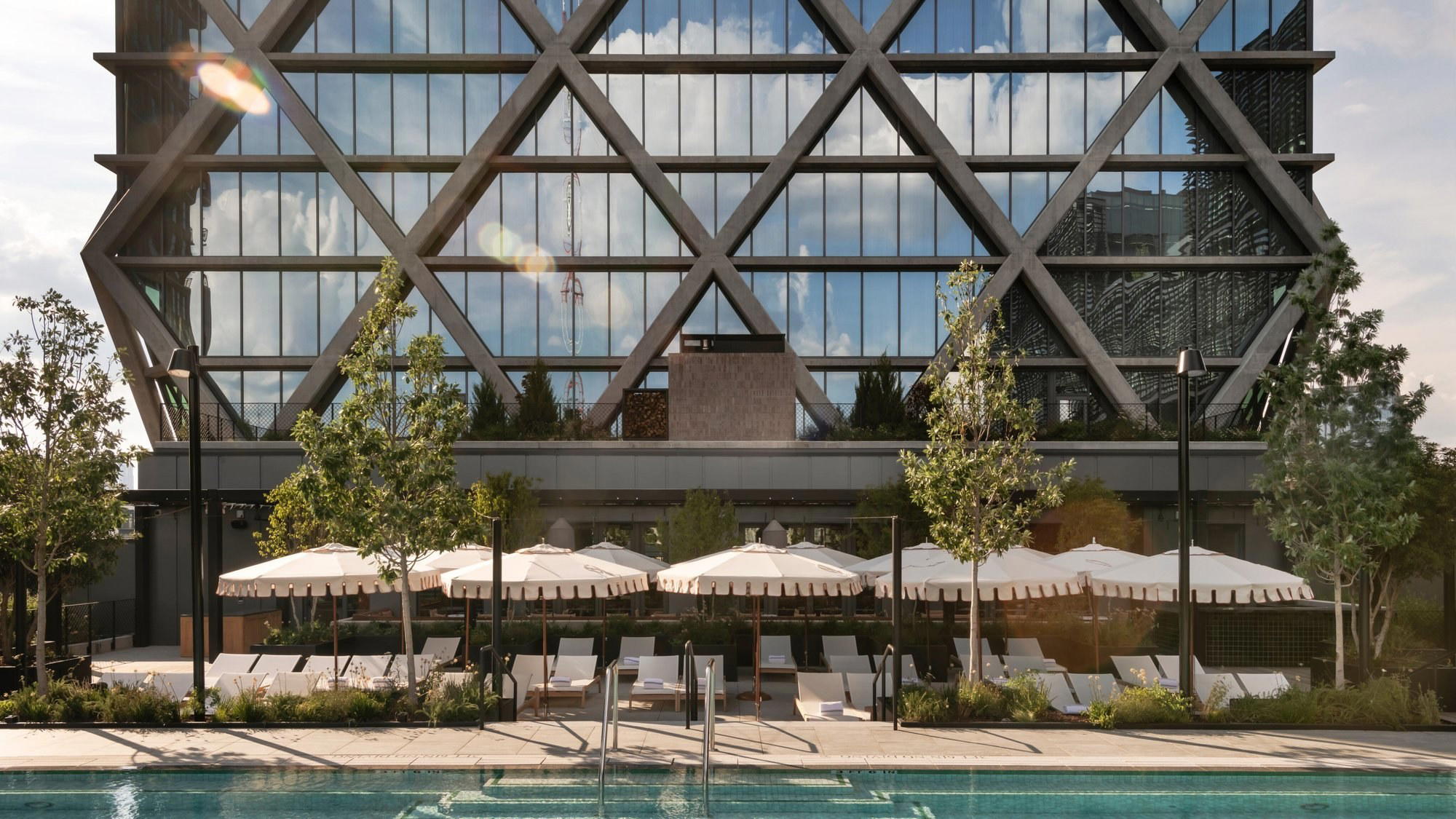
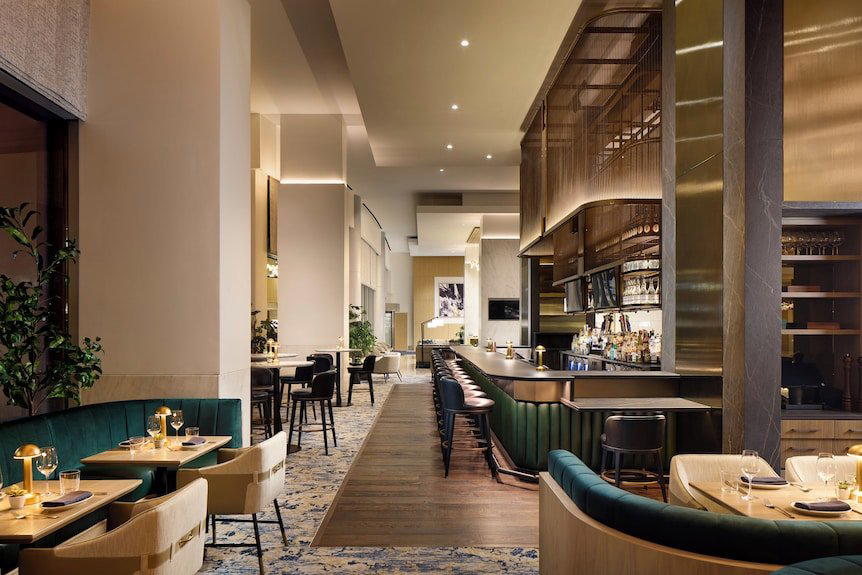
Bright, design-forward, and atmosphere-driven, with a rooftop space featuring a retractable roof, lush greenery, and panoramic skyline views that create a lively yet polished setting.