Hinds Hall by Ayat
Ayat Hind's Hall brings Palestinian wood-fired cooking to New York City through a format that fuses the pizzawarma tradition with fire-driven technique. At a moment when the city's ingredient-led dining conversation has expanded well beyond European kitchens, this is one of the few addresses where Palestinian culinary tradition gets the full-service treatment it deserves.

Pearl is the En Primeur Club membership app — saves, bookings, and concierge access live there. Same editors, same standards.
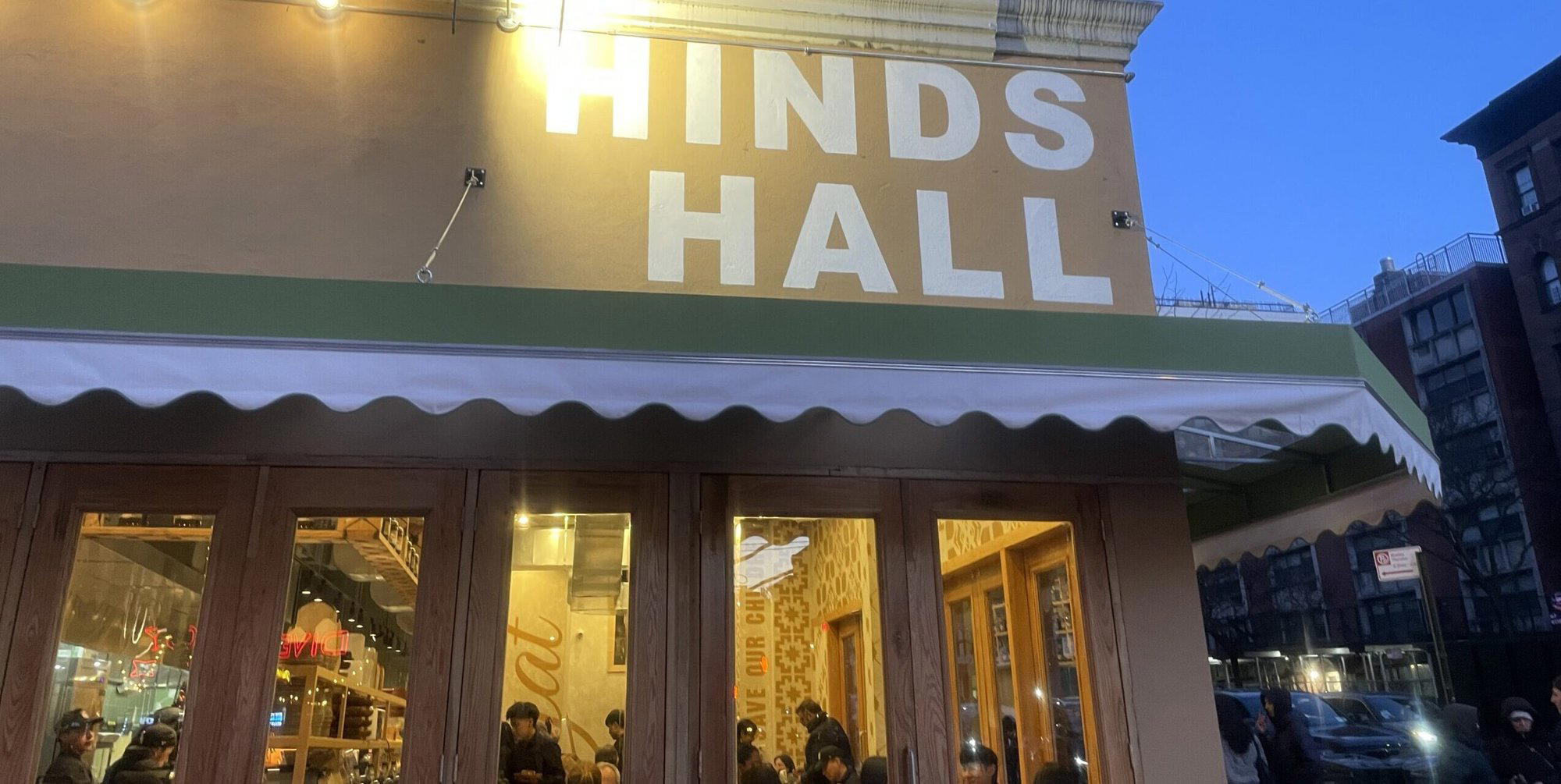
Wood Fire, Palestinian Tradition, and a City Still Learning to Pay Attention
New York has spent the better part of two decades building a serious case for itself as a globally plural dining city. Korean fine dining at Atomix and Jungsik New York now occupies the same critical conversation as French-American institutions like Per Se and Le Bernardin. Yet Palestinian cooking, with its layered grain and spice vocabulary and its deep relationship with open-fire technique, has largely remained on the city's periphery, treated as casual street food rather than a tradition with the same depth as any other Mediterranean canon. Ayat Hind's Hall positions itself as a counter-argument to that assumption. It is a Palestinian restaurant in New York City, known for Palestinian Soul Food and priced in the moderate-to-expensive range.
The format here is built around the pizzawarma, a hybrid that treats the structural logic of a wood-fired flatbread as the platform for the flavour architecture of shawarma-tradition cooking. It is a format that only makes sense if you understand both traditions well: the Levantine knowledge of spice layering, the marination time, the fat content of the proteins, and the way high heat applied to thin dough creates textural contrast that heavier bread formats cannot. The combination is not novelty for its own sake. It is the result of two culinary lineages that share a foundational ingredient: wheat, fire, and time.
Why the Ingredient Question Matters Here
At a moment when New York's most serious kitchens are building reputations on sourcing specificity, the conversation about Palestinian cooking ought to include where its ingredients come from and what that means. Across the American fine-dining tier, from Blue Hill at Stone Barns in Tarrytown to Single Thread Farm in Healdsburg, the sourcing narrative has become the editorial frame through which food is understood and valued. Palestinian cuisine has its own sourcing story, and it is a significant one: za'atar harvested from specific hillside cultivars, olive oil from centuries-old groves, sumac from wild-harvested berries, and durum wheats that carry regional provenance the way wine grapes carry terroir.
Wood-fired cooking amplifies the ingredient story because fire is honest. There is no cream sauce to mediate, no reduction to add complexity that the protein does not already carry. What goes into the oven with smoke and radiant heat comes out exactly as it is. This is why the pizzawarma format, when executed at the level Ayat Hind's Hall proposes, functions as a kind of ingredient transparency: the quality of the dough, the spice blend, and the meat or vegetable being cooked are all fully exposed by the process. In this sense, the kitchen's sourcing decisions are not background context. They are the product itself.
That same sourcing rigor defines the restaurants that have built the strongest long-term reputations in American dining. At The French Laundry in Napa, the garden-to-table model is literal and documented. At Providence in Los Angeles, the case for sustainable seafood sourcing became part of the critical identity of the kitchen. Palestinian cooking, with its similarly ingredient-specific spice and grain culture, belongs in the same sourcing-led conversation.
The New York Context
Palestinian restaurants in New York have historically concentrated in Brooklyn and Queens neighbourhoods with significant Arab-American populations, operating as community kitchens rather than destination addresses. The format has been falafel, hummus, and kebab, priced for regulars rather than for the kind of occasion dining that generates critical attention. This is a structural issue common to cuisines that arrive in American cities through immigration waves rather than through fine-dining ambassadors, and it is a pattern that has begun to shift across multiple traditions over the past decade.
The shift tends to happen when a restaurant reframes not the food itself but the context in which it is served. The same process played out in Korean dining: a tradition dismissed as casual for years until chefs began presenting it in formats that required critics to engage on culinary rather than demographic terms. New York now has a multi-tiered Korean dining ecosystem. Palestinian cooking is at an earlier point in that arc, and Ayat Hind's Hall, by committing to a wood-fired format that requires infrastructure and technique, is making a structural argument for Palestinian food as a serious kitchen tradition rather than a fast-casual category. For comparable moments of regional American culinary repositioning, see what Emeril's in New Orleans did for Gulf South cooking or what Bacchanalia in Atlanta did for the Southeast's fine-dining identity.
Wood Fire as Editorial Statement
The choice of wood fire as the primary cooking method is worth examining as a deliberate positioning decision. Across American fine dining, wood-fire kitchens have moved from novelty to a recognisable statement about ingredient respect and technique transparency. The format carries associations with craft, with slow attention, and with a rejection of the kind of processed shortcutting that assembly-line kitchens require. In California, at Addison in San Diego and elsewhere, the open kitchen with live fire has become a signal of a certain type of culinary seriousness. In Chicago, Alinea takes a different route to transparency through technique, but the underlying argument is the same: show the reader what you're doing and why.
A wood-fired Palestinian kitchen in New York makes a similar argument, but from a different cultural position. It says that the tradition being honoured has its own technical rigour, that the food is not simple because the cuisine is simple, but that the cuisine has been simplified by its context. Fire-based flatbread cooking in the Levant is an ancient and technically demanding practice. Bringing it into a New York dining room as a primary format, rather than a background detail, is an act of culinary advocacy as much as it is a restaurant concept. Comparable ambitions of repositioning regional traditions through fine-dining formats can be found internationally, from 8 1/2 Otto e Mezzo Bombana in Hong Kong to Alain Ducasse's Louis XV in Monte Carlo, where the ambition to define and defend a regional cuisine's highest expression drives the kitchen's entire editorial direction.
The same impulse drives particularly interesting kitchens working outside the European fine-dining frame in America today, including Lazy Bear in San Francisco, which built its reputation on reframing American campfire cooking as a fine-dining concept. The mechanism is the same: take a cooking tradition that carries vernacular associations, commit to it with full technical seriousness, and let the food make the argument for the tradition's depth.
Planning Your Visit
Current booking details, hours, and pricing are not included here. Dress: Smart casual. Budget: Moderate-to-expensive.
Recognition Snapshot
Comparable venues nearby, for context on price, style, and recognition.
| Venue | Cuisine | Price | Notes |
|---|---|---|---|
| Ayat Hind’s HallThis venue — the venue you are viewing | Palestinian Soul Food | $$$ | Not listed |
| Bowery Bungalow NYC | Modern Middle Eastern & Mediterranean | $$$ | SoHo-Little Italy-Hudson Square |
| Nur NYC | Modern Middle Eastern | $$$ | Midtown South-Flatiron-Union Square |
| Moustache Pitza | Lebanese Pita Pizzas | $$ | West Village |
| Hadramout Restaurant | Authentic Yemeni | $$ | Carroll Gardens-Cobble Hill-Gowanus-Red Hook |
| House of Domes | Polished Tuscan Italian | $$$ | SoHo-Little Italy-Hudson Square |
Continue exploring
More in New York City
Restaurants in New York City
Browse all →
Bars in New York City
Browse all →

At a Glance
- Warm
- Modern
- Family
- Group Dining
- Casual Hangout
- Standalone
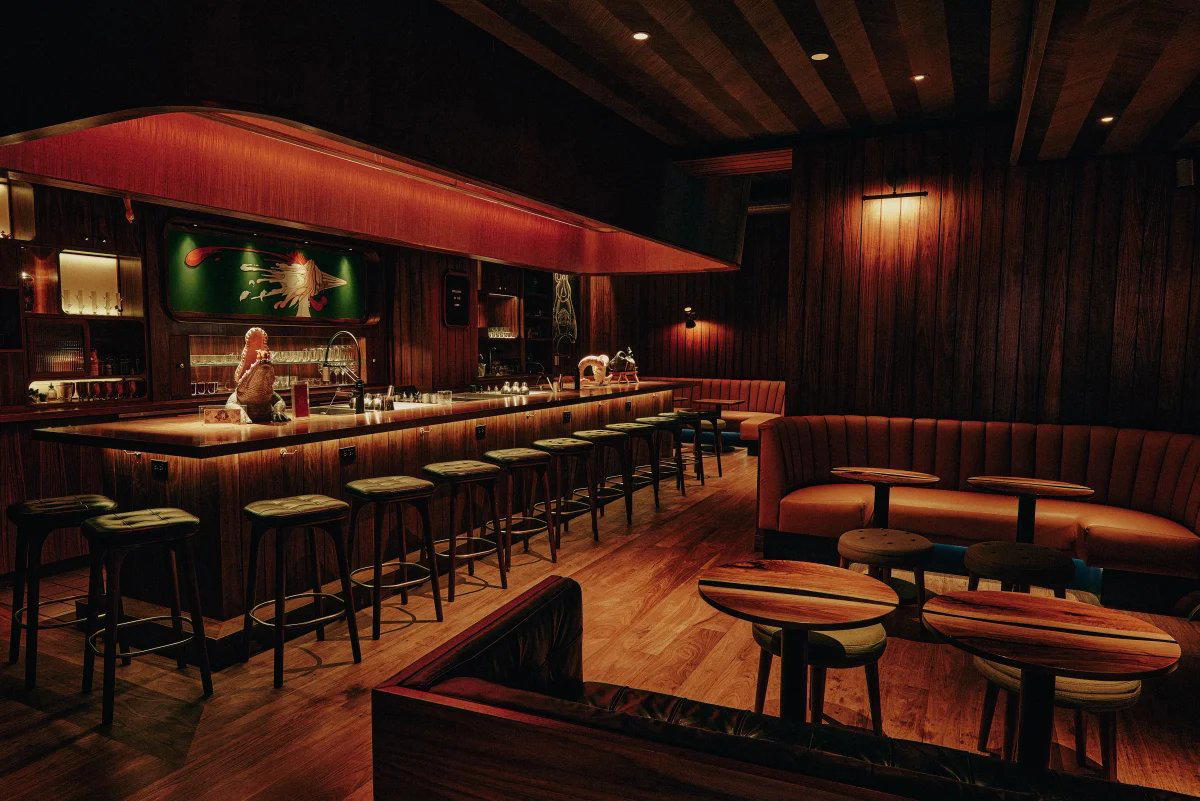
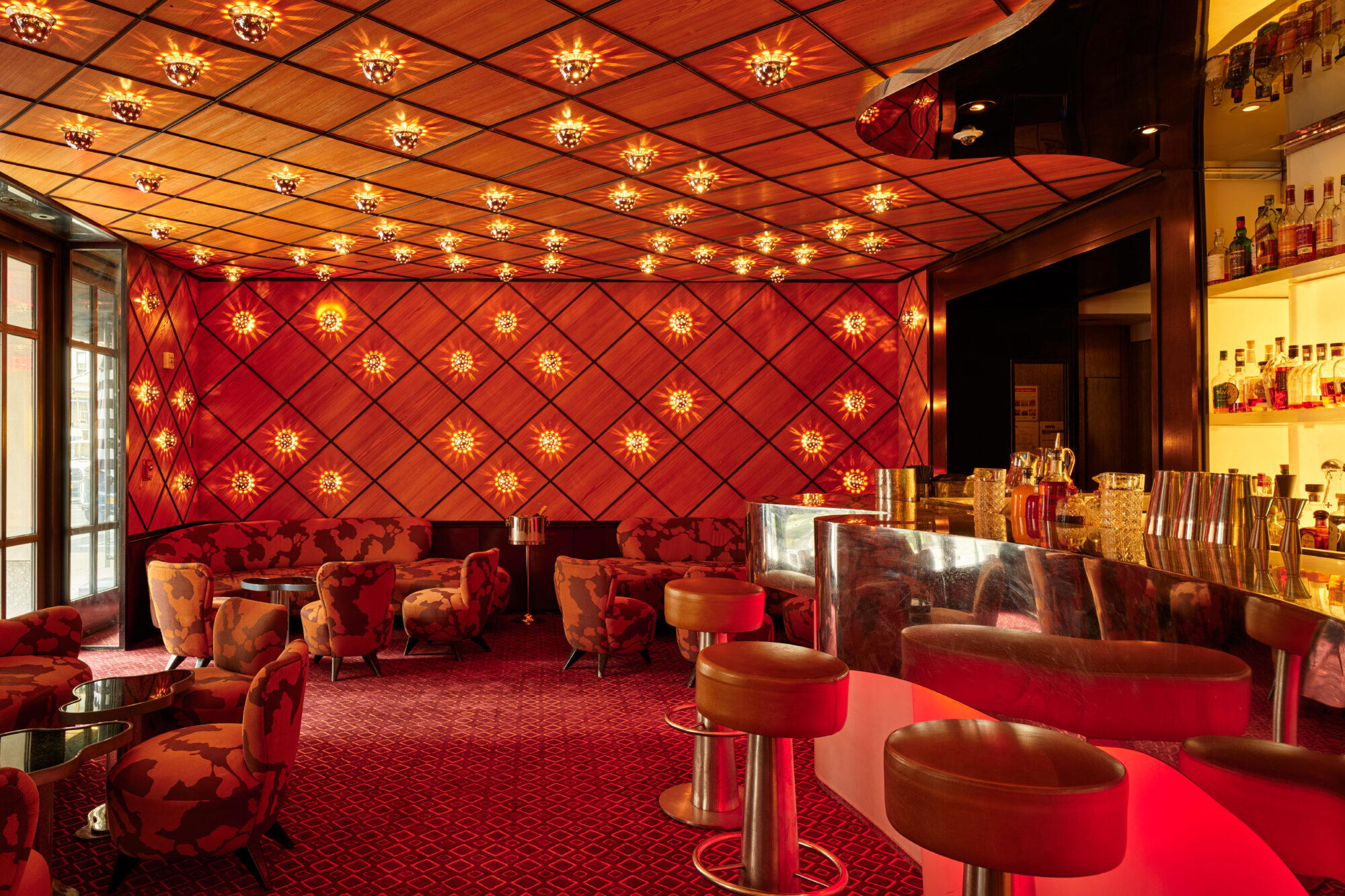
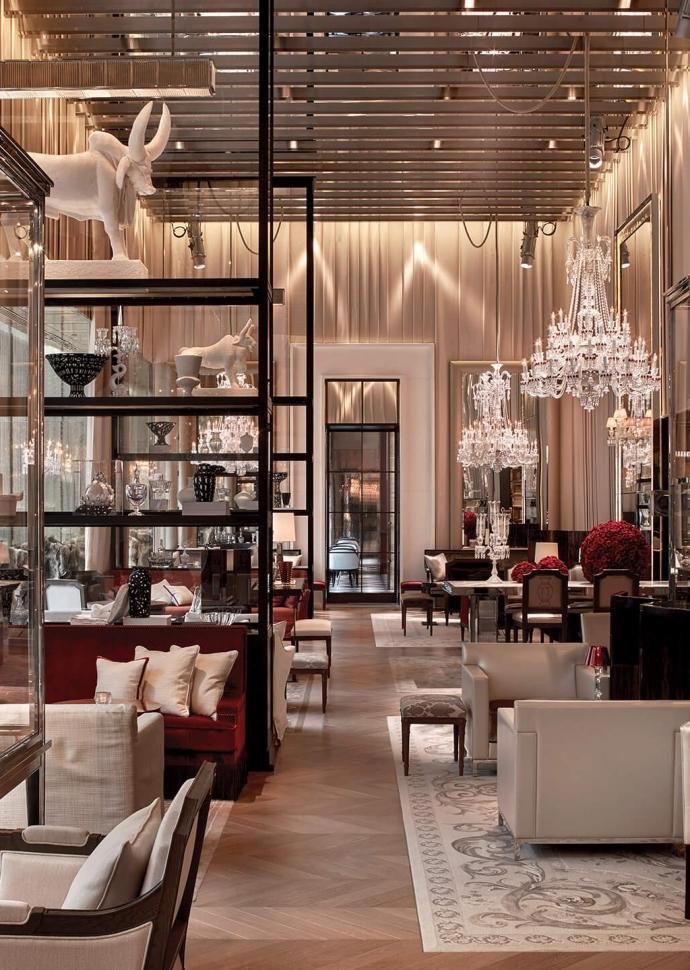
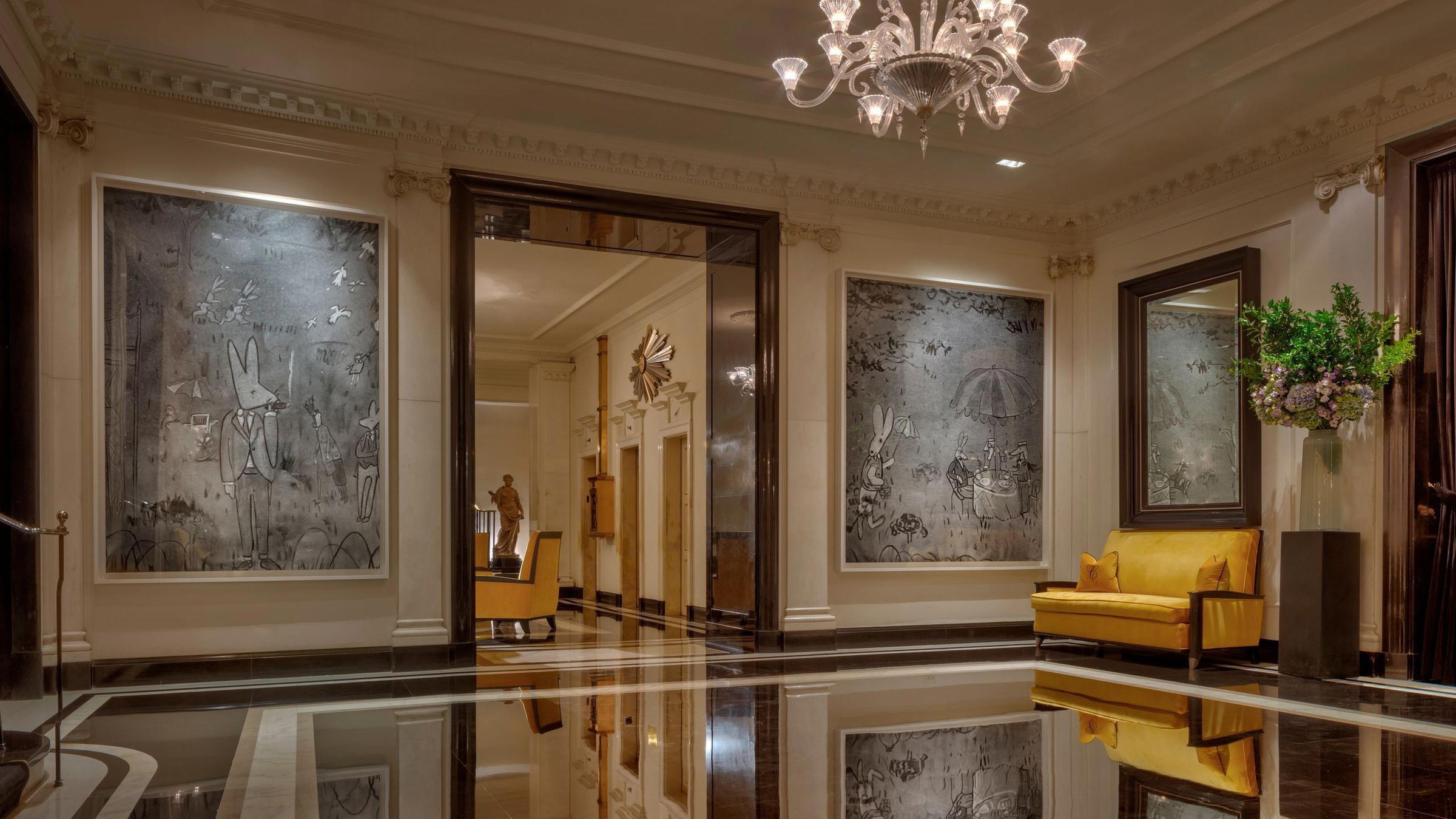
Warm and welcoming space where New York energy meets authentic Palestinian soul.