Autumn Seattle
Autumn Seattle on Greenwood Avenue North operates at the intersection of Pacific Northwest seasonality and neighborhood fine dining, with a name that signals harvest-driven intent. Positioned away from Seattle's high-profile dining corridors, it draws on the region's structural advantages in ethical sourcing and local provenance. The cooking tradition here places it within a small but serious tier of Northwest restaurants organized around what the season can actually deliver.
Pearl is the En Primeur Club membership app — saves, bookings, and concierge access live there. Same editors, same standards.
- Address
- 6726 Greenwood Ave N, Seattle, WA 98103
- Phone
- +12067898231
- Website
- autumnseattle.com
- Directions
- Get directions
 Saves & bookings on Pearl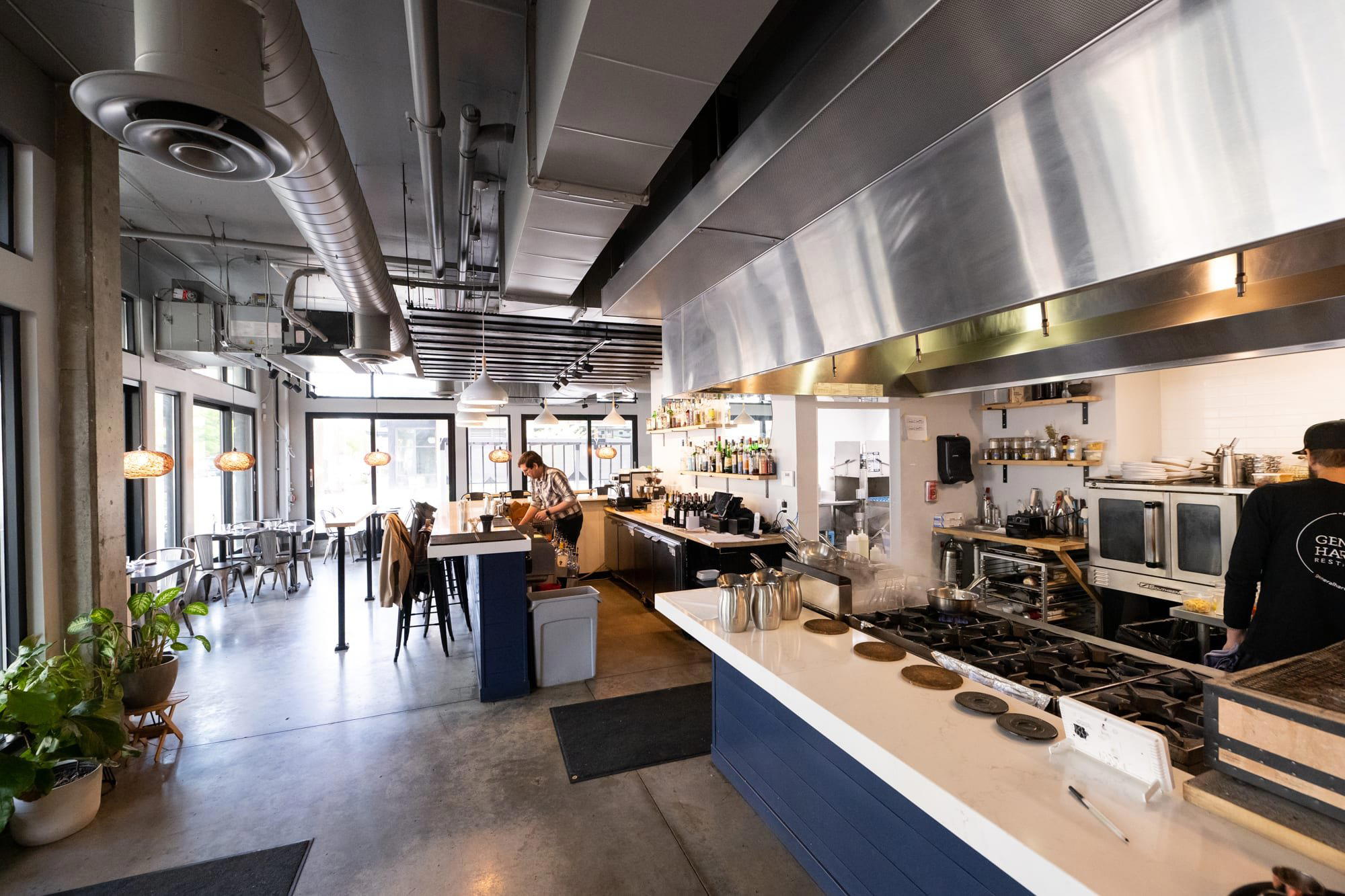
Greenwood in the Fall: What Seattle's Neighborhood Fine Dining Actually Looks Like
Greenwood Avenue North runs through one of Seattle's quieter residential corridors, far enough from the waterfront tourist circuit and Capitol Hill's bar density that the restaurants here tend to attract a local clientele with specific intentions. Autumn Seattle, at 6726 Greenwood Ave N, sits within this fabric: a neighborhood address operating at a register that implies deliberate dining rather than casual drop-ins. The name itself carries a seasonal logic, gesturing toward the kind of farm-tied, harvest-conscious cooking that has become a defining thread in the Pacific Northwest's fine dining conversation over the past decade.
The Pacific Northwest has a structural advantage in sustainability-driven cooking that most American regions cannot replicate. Proximity to Puget Sound fisheries, the Willamette and Skagit valleys, and a temperate growing season that stretches well into November means that a kitchen committed to ethical sourcing here is working with raw material that national peers rarely access. The broader Seattle dining scene has absorbed this reality into its identity: the question for any serious restaurant in this city is no longer whether to engage with local provenance, but how deeply and honestly. Autumn's name and positioning suggest an answer weighted toward the latter.
The Sustainability Frame: Where Northwest Dining Has Moved
One consequential shift in Pacific Northwest fine dining over the last several years has been the move from marketing sustainability as a feature to embedding it as a structural constraint. Restaurants that once listed "locally sourced" as a menu footnote now organize their entire format around what the season and the region can actually deliver. This is the tier that tables like Single Thread Farm in Healdsburg and Blue Hill at Stone Barns in Tarrytown operate within nationally, and it is the standard against which any restaurant with a seasonal name and a Northwest address will be implicitly measured.
In Seattle specifically, this commitment has fractured the fine dining tier into two legible camps: those who reference seasonality in language while maintaining year-round menus anchored to imported product, and those who allow procurement constraints to visibly shape the dining experience. The second camp is smaller and harder to sustain economically, but it also produces the more interesting meals. Autumn's address in Greenwood, away from the high-rent corridors that pressure kitchens toward volume and consistency, gives it geographic positioning that is at least compatible with the slower, more variable rhythms that ethical sourcing demands.
For comparison within Seattle's broader fine dining context, Canlis represents the long-established New American anchor, operating with institutional scale and a wine program that has few peers in the city. Joule takes a different line, its New Asian format drawing on Korean technique and a sharper edge. Autumn, based on its positioning and name, occupies a different register from both: smaller in profile, more explicitly seasonal in intent.
What the Menu Logic Implies
Restaurants named for seasons tend to program their menus with an editorial commitment to that season's available produce, proteins, and preserved goods. In the Pacific Northwest autumn context, that means Dungeness crab beginning its season in late fall, chanterelles and other foraged fungi through October and November, apple and pear harvests from Eastern Washington, and the tail end of summer stone fruits giving way to root vegetables and alliums. The cooking traditions that leading express this window draw on French technique applied to regional product, a lineage visible at places like The French Laundry in Napa and, more recently, at sustainability-forward programs like Atelier Moessmer Norbert Niederkofler in Brunico, which has made alpine provenance the structural center of its entire output.
The zero-waste cooking movement, which has gained traction in American fine dining through programs at Smyth in Chicago and fermentation-heavy tasting formats elsewhere, has a natural home in the Pacific Northwest, where preservation techniques, pickling, and whole-animal use have deep roots in Indigenous and settler foodways alike. A kitchen operating under the Autumn name in this city would be expected, by its comparable set and its clientele, to engage with these traditions in some form.
The Greenwood Neighborhood and What It Asks of a Restaurant
Greenwood is not a dining destination neighborhood in the way that Capitol Hill, Ballard, or South Lake Union are. Its restaurants succeed by becoming part of the neighborhood's daily life rather than drawing visitors from across the city on destination instinct. This places different demands on a kitchen: consistency over spectacle, accessible price positioning within a fine dining format, and a dining room character that feels inhabited rather than curated. The nearest comparable addresses on Seattle's northside dining circuit include spots along 1744 NW Market St in Ballard and further-south locations like 2963 4th Ave S, each operating with their own neighborhood logic.
The sustainability angle, if pursued seriously, also meshes well with Greenwood's residential character. Waste reduction, relationships with specific farms and fishers, and menus that change with genuine frequency rather than seasonal tokenism are qualities that a local clientele can observe and verify over multiple visits. They are harder to maintain as a performance for first-time visitors who will not return, which is another reason that neighborhood positioning and ethical sourcing tend to reinforce each other structurally.
For those building a Seattle itinerary around the broader fine dining and sustainability conversation, the city's reference points extend north and south: 1415 1st Ave anchors the downtown corridor, while our full Seattle restaurants guide maps the city's dining geography more completely. Nationally, the restaurants setting the highest bar for sourcing transparency and waste discipline include Providence in Los Angeles, Lazy Bear in San Francisco, and Addison in San Diego, each of which has formalized its environmental commitments in ways that are publicly verifiable.
Know Before You Go
| Address | 6726 Greenwood Ave N, Seattle, WA 98103 |
|---|---|
| Neighbourhood | Greenwood, North Seattle |
| Phone | not listed |
| Website | not listed, search directly or check current reservation platforms |
| Booking | Check current availability via Seattle reservation platforms; lead time advisable for weekend seatings |
| Dress Code | No data available; neighborhood fine dining context suggests smart casual |
Peers You’d Cross-Shop
Comparable venues nearby, for context on price, style, and recognition.
| Venue | Cuisine | Price | Notes |
|---|---|---|---|
| Autumn SeattleThis venue — the venue you are viewing | Italian-inspired Pasta & Seasonal | $$ | Not listed |
| Limoncello Belltown | Italian Pasta & Pizza | $$ | Belltown |
| Bar Cotto | Authentic Italian Pizza & Pasta | $$ | Stevens |
| Willmott's Ghost | Roman-Style Italian Pizza | $$ | Denny Triangle |
| Cora Pizza and Plates | Neighborhood Italian Wood-Fired Pizza | $$ | Minor |
| World Pizza | Vegetarian Pizza | $$ | Chinatown |
Continue exploring
More in Seattle
Restaurants in Seattle
Browse all →
Bars in Seattle
Browse all →
Hotels in Seattle
Browse all →

At a Glance
- Cozy
- Modern
- Intimate
- Date Night
- Casual Hangout
- Open Kitchen
- Craft Cocktails
- Local Sourcing
Current opening hours
- Monday
- 4–9 PM
- Tuesday
- 4–9 PM
- Wednesday
- 4–9 PM
- Thursday
- 4–9 PM
- Friday
- 4–10 PM
- Saturday
- 4–10 PM
- Sunday
- 4–9 PM
Hours can change for holidays and private events. Last verified .
Warm and welcoming with natural light from large windows and cozy neighborhood feel.