Zvonice
Zvonice occupies the bell tower of Jindřišská, one of Prague's few surviving Gothic towers, placing dinner at height above Nové Město. The setting frames Central European dining in a way ground-floor restaurants cannot replicate. For visitors cross-referencing Prague's serious restaurant tier, Zvonice sits in a distinct category defined by location architecture as much as kitchen ambition.
Pearl is the En Primeur Club membership app — saves, bookings, and concierge access live there. Same editors, same standards.
- Address
- Jindřišská 33, 110 00 Nové Město, Czechia
- Phone
- +420224220009
- Website
- restaurantzvonice.cz
- Directions
- Get directions
 Saves & bookings on Pearl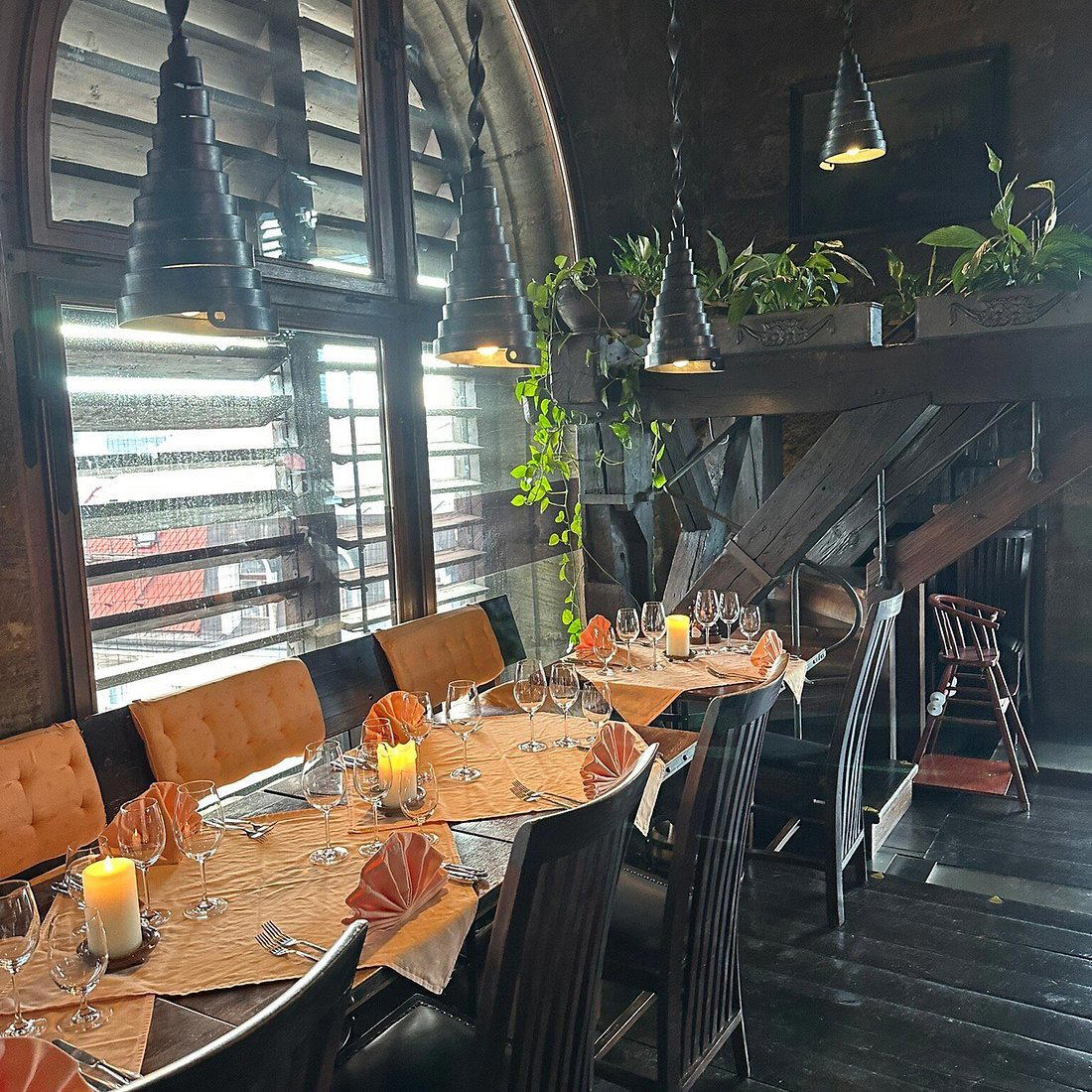
Dining Above Nové Město: What the Bell Tower Format Changes
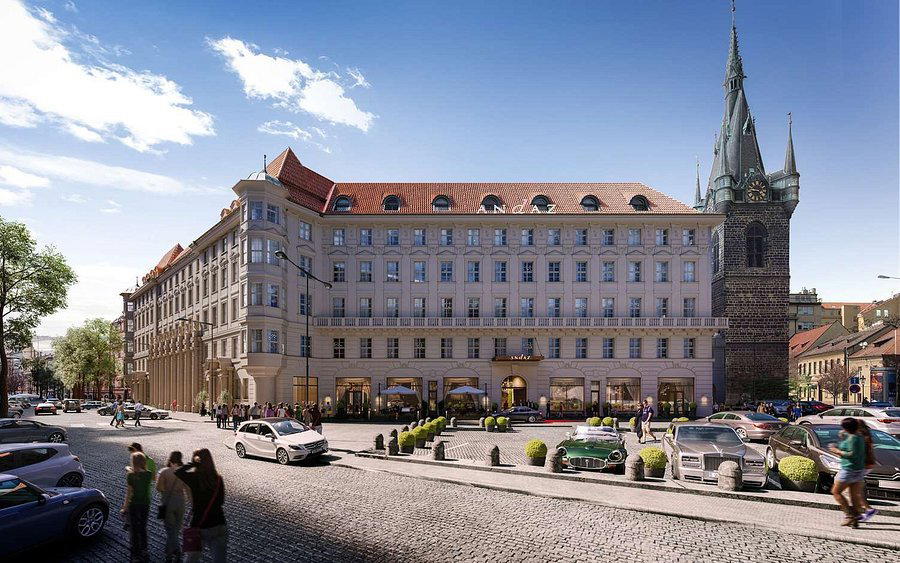
The Jindřišská bell tower has stood at the southern edge of Nové Město since the fifteenth century, and ascending it for dinner is not a metaphor for anything, it is a literal climb into one of Prague's few remaining Gothic towers still in active civic use. The tower's bells continue to operate, which means the experience of dining here is scored, periodically, by something no kitchen team controls. That detail separates Zvonice from the category of restaurants that use architectural heritage as decorative backdrop. Here, the architecture is the condition of the meal.
Prague's serious restaurant tier has spent the past decade sorting itself into recognisable camps: tasting-menu houses, modernist rooms, and a growing mid-tier of neighbourhood-focused operators. Zvonice does not fit cleanly into any of these. Its primary differentiation is spatial and historical, which means it attracts a different kind of reservation decision, one where the question of what you are dining inside matters as much as what lands on the plate.
The Architecture as the First Course
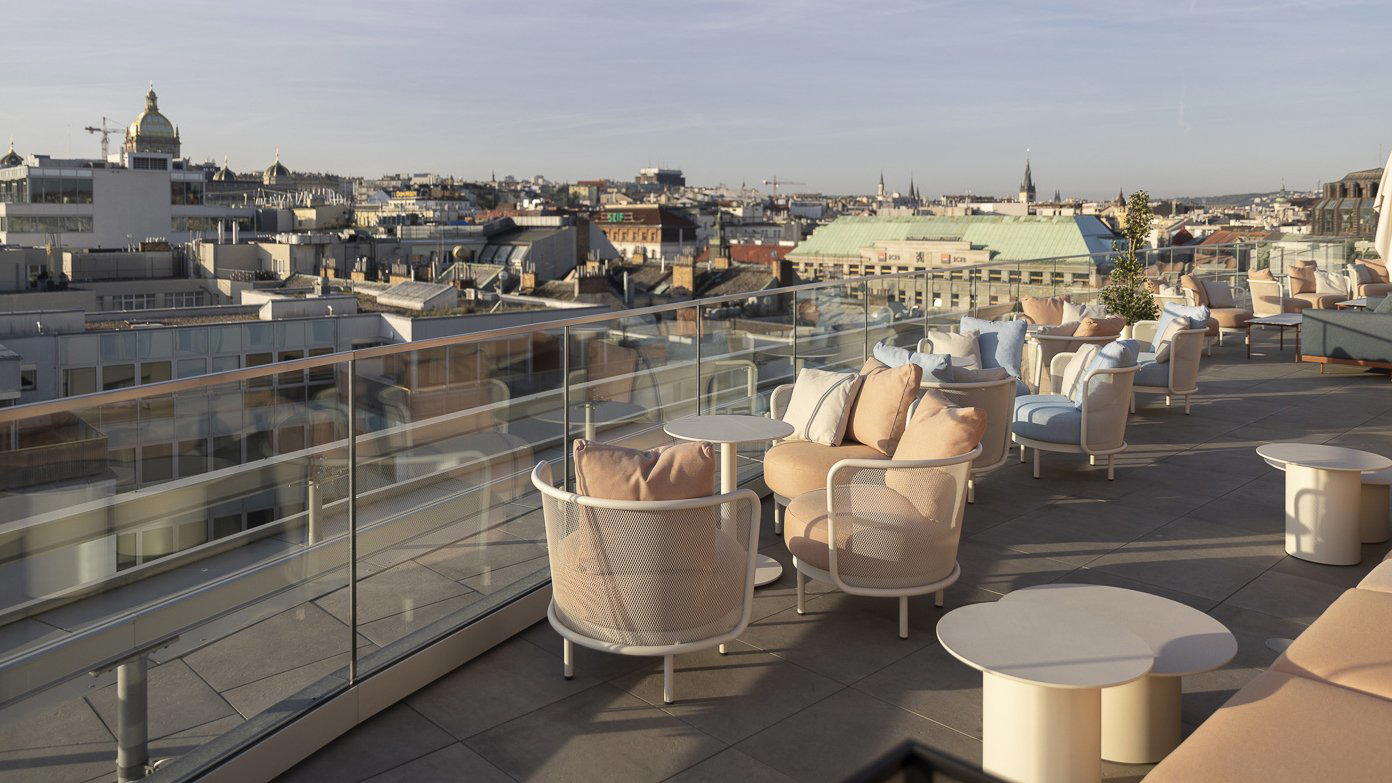
In Central European dining, the sequence of a meal is increasingly treated as a designed arc rather than a series of dishes. At Zvonice, that arc begins before any food arrives. The approach through Jindřišská places the tower in peripheral vision from several blocks away. The entrance is narrow relative to the street-level restaurants nearby, and the ascent, by staircase through the tower's stone interior, functions as a transition that few ground-floor rooms can manufacture. By the time a diner is seated, the city view from height has already done substantial work on the mood of the table.
This is a pattern recognisable at a small number of European venues that occupy repurposed civic or religious architecture: the setting pre-loads the meal with significance, which means the kitchen is working with an audience already disposed toward attention. Comparable dynamics operate at tower and refined restaurants in Vienna, Budapest, and Kraków, where the post-communist rehabilitation of historical infrastructure created a category of high-point dining that sits outside the conventional fine-dining conversation. Zvonice is one of the Prague representatives of that format.
What the Meal Progression Looks Like at Elevation
The tower format does dictate structurally that the meal unfolds slowly. What the tower format does dictate structurally is that the meal unfolds slowly, the physical remove from street level, the view over Nové Město's rooflines, and the acoustic texture of a stone interior all discourage the pacing that marks a quick urban lunch. This is a room built for courses, not covers-per-sitting.
The broader Central European dining tradition, with its seasonal game and freshwater fish, provides the culinary grammar against which any kitchen in this city is read. Prague diners who also reference 420 Restaurant, Alma, or Amano will arrive with a calibrated sense of what this tier of Czech hospitality looks like at table level. The tower setting at Zvonice adds a variable those rooms cannot offer: the city as a live backdrop across the duration of the meal, shifting light and all.
How Zvonice Sits Within Prague's Broader Dining Geography
Nové Město is not the neighbourhood most international visitors associate with Prague's restaurant ambitions, Old Town and Vinohrady carry more of that editorial weight. But the Jindřišská tower's position places Zvonice within walking distance of Wenceslas Square and the dense hotel corridor that feeds the city's hospitality economy. That location means the room draws both international visitors and Praguers with a specific occasion in mind: anniversary tables, client dinners, or the kind of reservation that benefits from a story before the food is even ordered.
For those mapping Czech dining beyond Prague, the country's serious restaurant activity extends into Brno, where BRATRS has built a reputation, and into smaller cities where operators like Bylo, nebylo in Liberec and La Chica in Plzen represent the regional spread of contemporary Czech hospitality. Within Prague itself, Emperor Square in Prague 1 offers another angle on the city's more architecturally ambitious dining formats.
For international reference points, the elevation-dining category has analogues at a different scale in cities like New York. Prague's tower-restaurant category operates on different economic logic and with different historical material, but the underlying premise, that the full context of a meal includes its room, its height, and its sequence, is the same.
Planning a Visit: Practical Orientation
Zvonice is located at Jindřišská 33 in Nové Město, accessible on foot from the city centre within minutes of Wenceslas Square and serviced by tram and metro lines running through the district. The tower format and setting mean this is not a room suited to casual drop-in visits; reservations made in advance are the standard approach for any occasion-focused Prague dining destination in this bracket, and the specificity of the setting, a finite number of tables at elevation inside a working historical tower, means availability on short notice is unreliable, particularly on weekends and during Prague's peak visitor season between April and October. Reservations are the correct route.
Visitors also considering the wider Czech fine-dining range during a Prague stay might cross-reference U Lípy in Hrensko or ARRIGŌ in Děčín for day-trip options into Bohemian countryside dining, or Hello Vietnam in Karlovy Vary and Restaurace Dr. Grill in Havirov for the regional spread of Czech hospitality formats. Gokana in Ostrava rounds out the picture of how international cuisine is landing in Czech secondary cities.
Where It Fits
Comparable venues nearby, for context on price, style, and recognition.
| Venue | Cuisine | Price | Notes |
|---|---|---|---|
| ZvoniceThis venue — the venue you are viewing | Traditional Czech in Historic Belfry | $$$ | Not listed |
| ZEM Prague | Avant-garde Czech-Izakaya Fusion | $$$ | Josefov |
| Eatery | Modern Czech | $$$ | Holesovice |
| U Raka | Traditional Czech | $$ | Hradcany |
| Kastrol | Traditional Czech | $$ | Stodulky |
| Mincovna | Modern Czech Brasserie | $$ | Josefov |
At a Glance
- Historic
- Elegant
- Intimate
- Scenic
- Special Occasion
- Date Night
- Historic Building
- Panoramic View
- Skyline
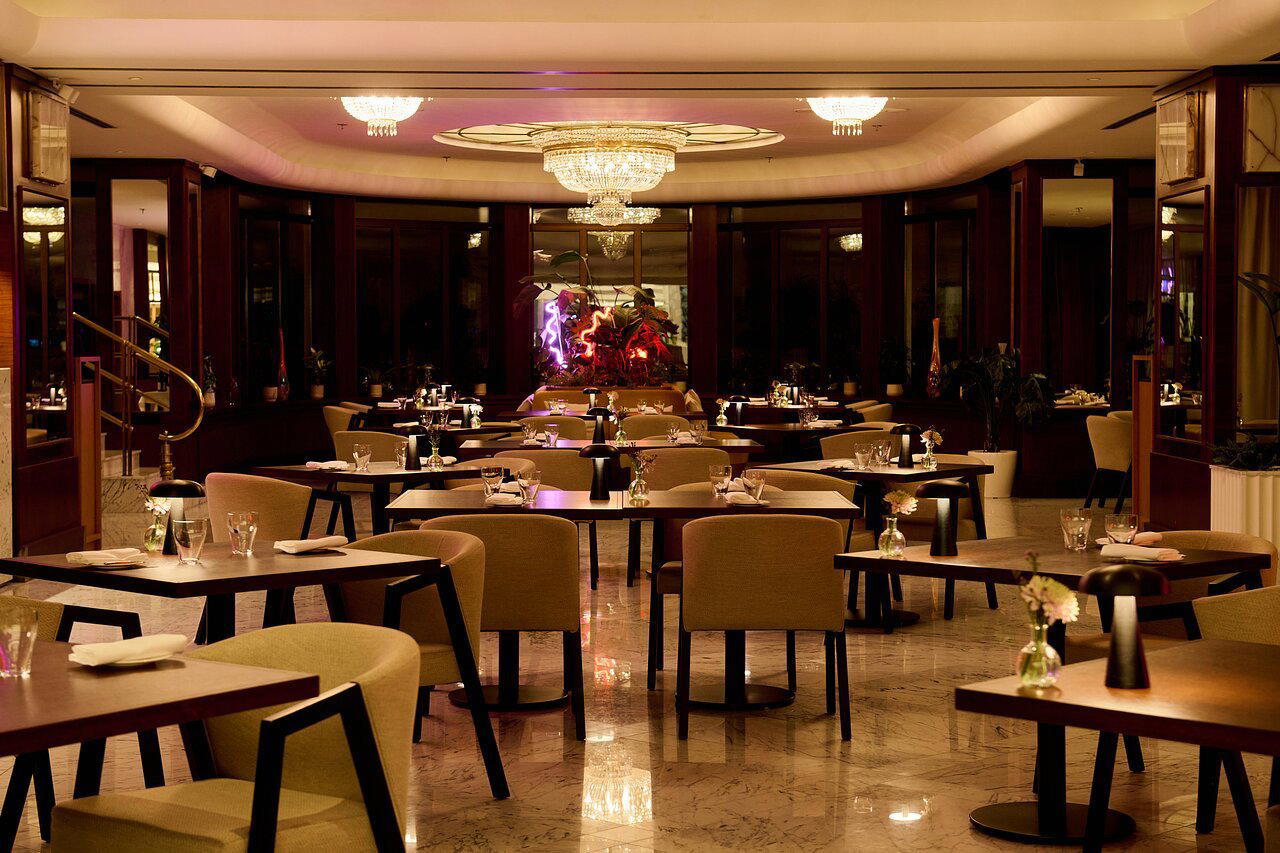
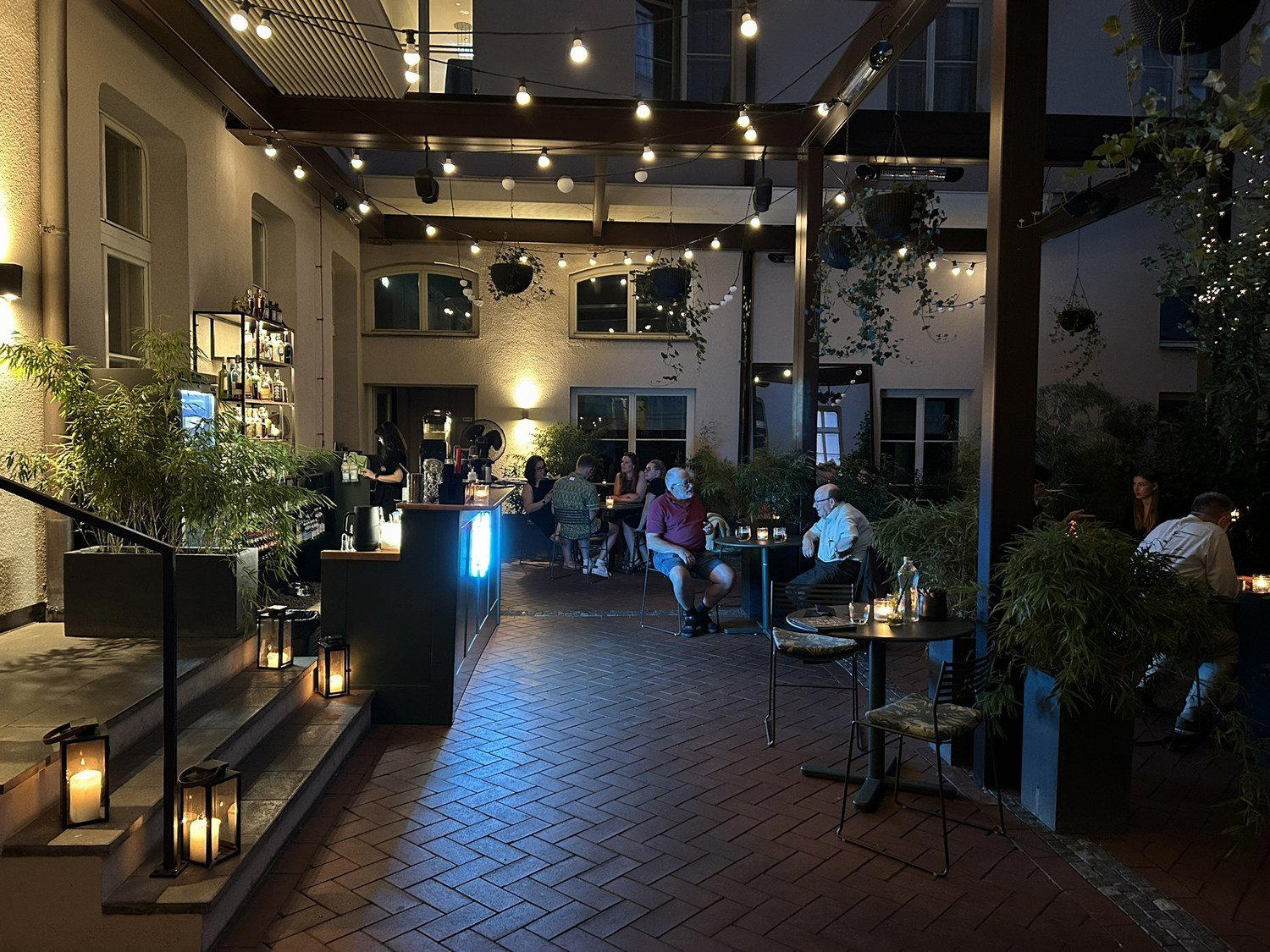
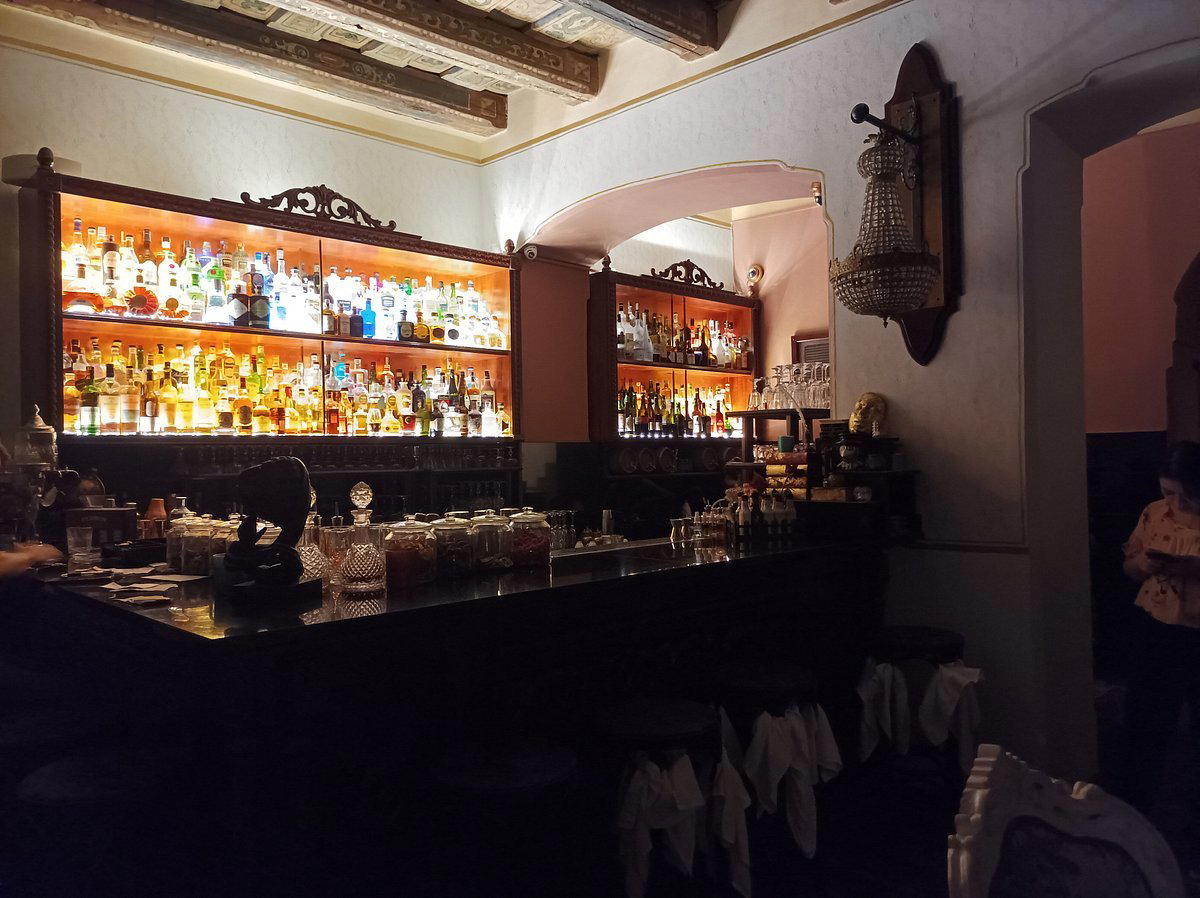
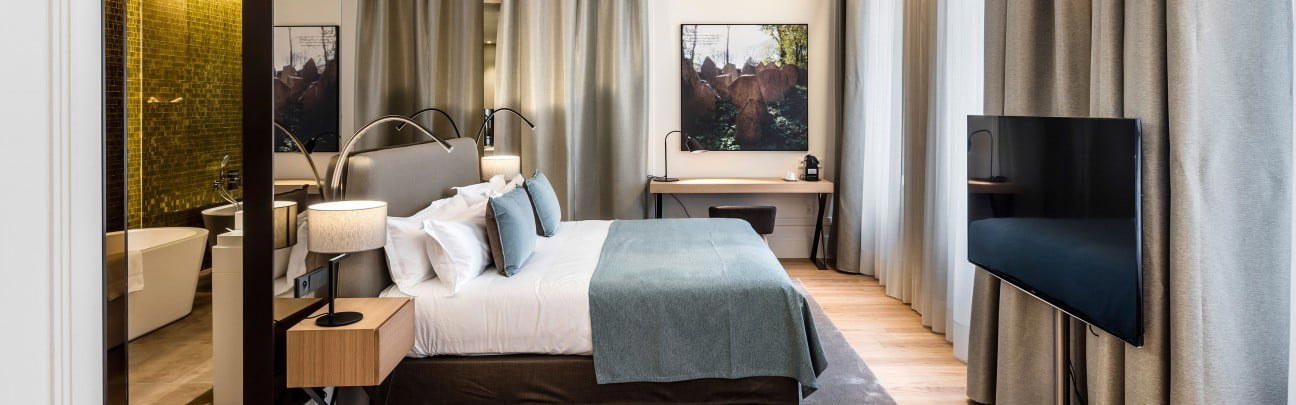
Striking wooden interior with original beam constructions, elegant historical atmosphere and views from ancient windows.