
Michelin Plate
Our verdict
In the small market town of Veynes in the Hautes-Alpes, La Sérafine positions itself at the more considered end of the local dining scene. A Vietnamese-born chef applies modern, instinctive technique to the produce of the southern Alps, while a visible wine cellar and terrace conservatory signal that the room takes both the glass and the table seriously.

Pearl is the En Primeur Club membership app, where members save venues, book tables and use the concierge.
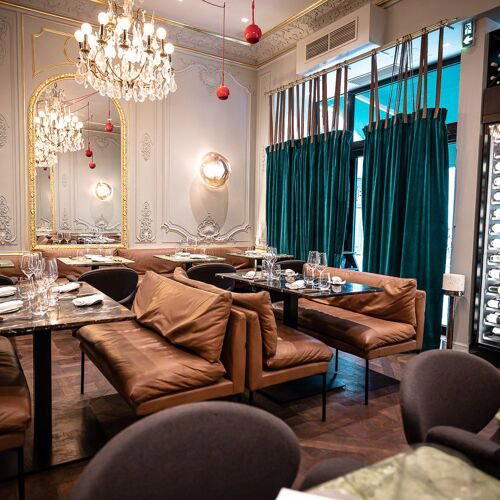
Where the Hautes-Alpes Meets the Kitchen
The approach to La Sérafine, on the D 320 outside Veynes, sets the tone before you reach the door. The conservatory extension, visible from the road, opens onto a terrace that faces the kind of uncluttered Alpine scenery that reminds you exactly how far this part of the Hautes-Alpes sits from the restaurant density of Lyon or Grenoble. Veynes is a small market town, a junction point for trains heading toward Gap, Briançon, and the Drôme, and it is not a place that typically surfaces in conversations about French regional gastronomy.
Inside, the room reads as elegant without being formal: a refined interior that keeps its proportions human rather than ceremonial. The wine cellar is visible as you enter, positioned as a statement of intent rather than a background detail. In French regional dining, a prominently displayed cellar usually signals a kitchen that understands wine as part of the meal's architecture rather than an afterthought served by the glass from a short, rotating list.
A Sourcing Position in Alpine France
The editorial angle on La Sérafine is not the chef's biography but the specific sourcing challenge the Hautes-Alpes presents, and what a kitchen that takes it seriously can produce. The department sits at elevations that restrict growing seasons, with valley agriculture concentrated around Gap and the Buëch corridor through which Veynes sits. What the region does produce tends to be high-quality and low-volume: lamb from the plateau pastures, soft fruits from protected valley floors, herbs from dry slopes that concentrate aromatic intensity through water stress. A kitchen described as delivering "modern and instinctive cuisine" in this setting is likely working with shorter supply lines than its urban counterparts, not by ideology but by geography.
The comparison with France's larger-city modern cuisine operations is instructive. Restaurants like Alléno Paris au Pavillon Ledoyen in Paris or Mirazur in Menton operate at €€€€ price points with full brigade access to global supply chains, luxury produce, and years of accumulated tasting-menu infrastructure. La Sérafine sits at €€, which in this context means the sourcing decisions are tighter and the margin for waste is narrower.
Vietnamese background of the chef adds a layer worth considering in sourcing terms. Vietnamese culinary tradition places structural emphasis on freshness, on herb volume, and on balancing intensity with restraint, qualities that translate well to Alpine produce, which rewards careful handling over heavy transformation. This is not a fusion premise; it is a sensibility that shapes how raw material is approached at the prep stage, before technique takes over.
The Wine List and What It Signals
"savvy wine list" description, paired with the visual prominence of the cellar, positions La Sérafine in a category of French regional restaurants that treat the wine program as co-equal to the food rather than subordinate to it. The Hautes-Alpes sits between several significant wine regions: the Rhône Valley to the west, Savoie to the north, and Provence to the south. A well-constructed cellar in Veynes can draw on Crozes-Hermitage, Vacqueyras, Saint-Joseph, and the increasingly discussed whites of the Drôme without paying the Paris premium. At the €€ price tier, that sourcing advantage translates directly to value in the glass.
For context on what a serious regional wine program looks like at the far end of the price spectrum, Flocons de Sel in Megève and Bras in Laguiole both demonstrate how a deep regional cellar can anchor a restaurant's identity as firmly as the kitchen. La Sérafine operates with less scale but appears to apply a similar philosophical commitment. The cellar-at-entrance placement is a design choice that communicates priority; restaurants that want you to notice the wine program make sure you see it before you sit down.
Where La Sérafine Sits in the Broader Region
Modern cuisine in rural southern France does not follow a single model. Some operations lean into terroir-forward simplicity; others, particularly those with chefs trained outside France, apply technical frameworks that recontextualize local produce. The latter approach is visible at addresses like AM par Alexandre Mazzia in Marseille, where a chef with an atypical background produces food that feels specifically of its Mediterranean place without being conventionally Provençal. La Sérafine appears to occupy an analogous position within its own smaller context: modern in method, instinctive in execution, grounded in the produce its geography makes available.
At the €€ price point, it competes within a tier where French regional cooking either defaults to bistro formulas or, occasionally, does something more considered. For the Hautes-Alpes specifically, where the restaurant infrastructure is sparse compared with the Rhône corridor or the Côte d'Azur, that consistency represents an achievement worth registering.
For readers planning broader itineraries through southern and southeastern France, the region connects to dining contexts at varying price levels: Auberge du Vieux Puits in Fontjoncouse to the west or Troisgros - Le Bois sans Feuilles in Ouches to the north give a sense of what the top tier of French regional cooking looks like.
Planning Your Visit
La Sérafine sits on the D 320 outside central Veynes, accessible by road from Gap (roughly 30 kilometres to the northeast) and from the A51 corridor connecting Aix-en-Provence with the Alps. Veynes has a rail connection on the SNCF network, making it reachable without a car if your itinerary runs through Gap or Briançon. The conservatory and terrace make the warmer months the obvious window for a visit, when the outdoor extension becomes usable and the terrace takes full advantage of the surrounding scenery. Booking ahead is advisable given that the Hautes-Alpes sees concentrated visitor traffic in summer and the ski-adjacent shoulder seasons. For accommodation context, see our full Veynes hotels guide, and for wine exploration around the visit, our Veynes wineries guide and bars guide cover the broader options in the area. The Veynes experiences guide rounds out the picture for anyone planning more than an evening here.
Frequently asked questions
How much does it cost to eat at La Sérafine?
Pricing at La Sérafine is listed as €€.
What's the address for La Sérafine?
La Sérafine is located at La Sérafine, D 320, 05400 Veynes, France, Veynes.
A Quick Peer Check
| Venue | Cuisine | Price | Awards | Notes |
|---|---|---|---|---|
| La SérafineThis venue (the venue you are viewing) | Modern French with Asian Influences | $50–100 | Michelin Plate | Not listed |
| Alléno Paris au Pavillon Ledoyen | Modern French Fine Dining | $150–200 | 3 Michelin Stars · World's 50 Best #79 | Creative |
| Kei | Contemporary French, Modern Cuisine | Not listed | Michelin 3 Star | Not listed |
| L'Ambroisie | Classic French Haute Cuisine | $300–500 | 2 Michelin Stars · World's 50 Best #23 | French, Classic Cuisine |
| Le Cinq - Four Seasons Hôtel George V | Modern French Fine Dining | $300–500 | 3 Michelin Stars · World's 50 Best #24 | French, Modern Cuisine |
| Plénitude | Modern French Sauce-Led Fine Dining | $300–500 | 3 Michelin Stars · World's 50 Best #14 | Contemporary French |
Recognition history
Dated appearances from independent guides and award organizations, with the underlying list record or original source where available.
Michelin Plate
Michelin
Full recognition history (3 entries)
Michelin Plate
Michelin
Michelin Plate
Michelin
Continue exploring
More in Veynes
Restaurants in Veynes
All restaurants in Veynes →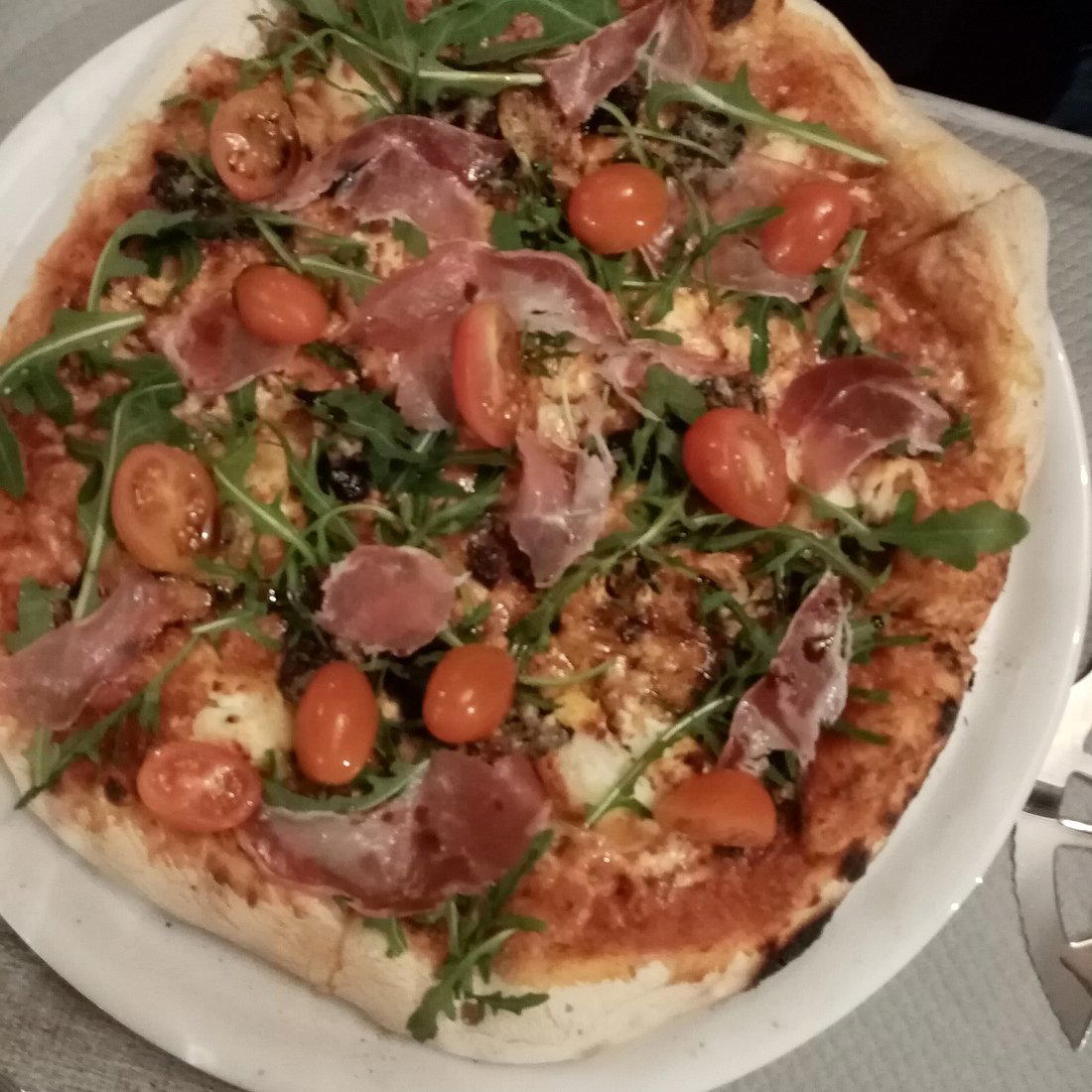
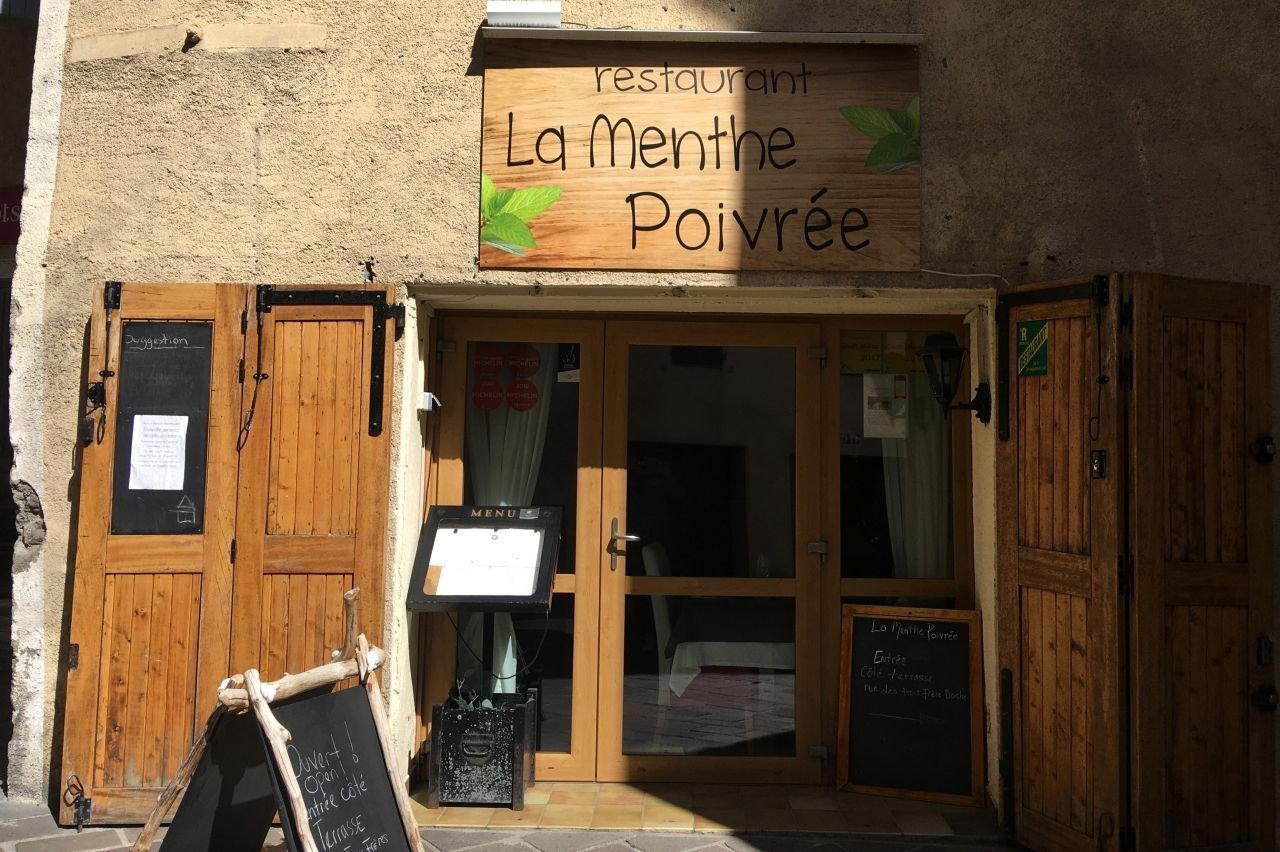
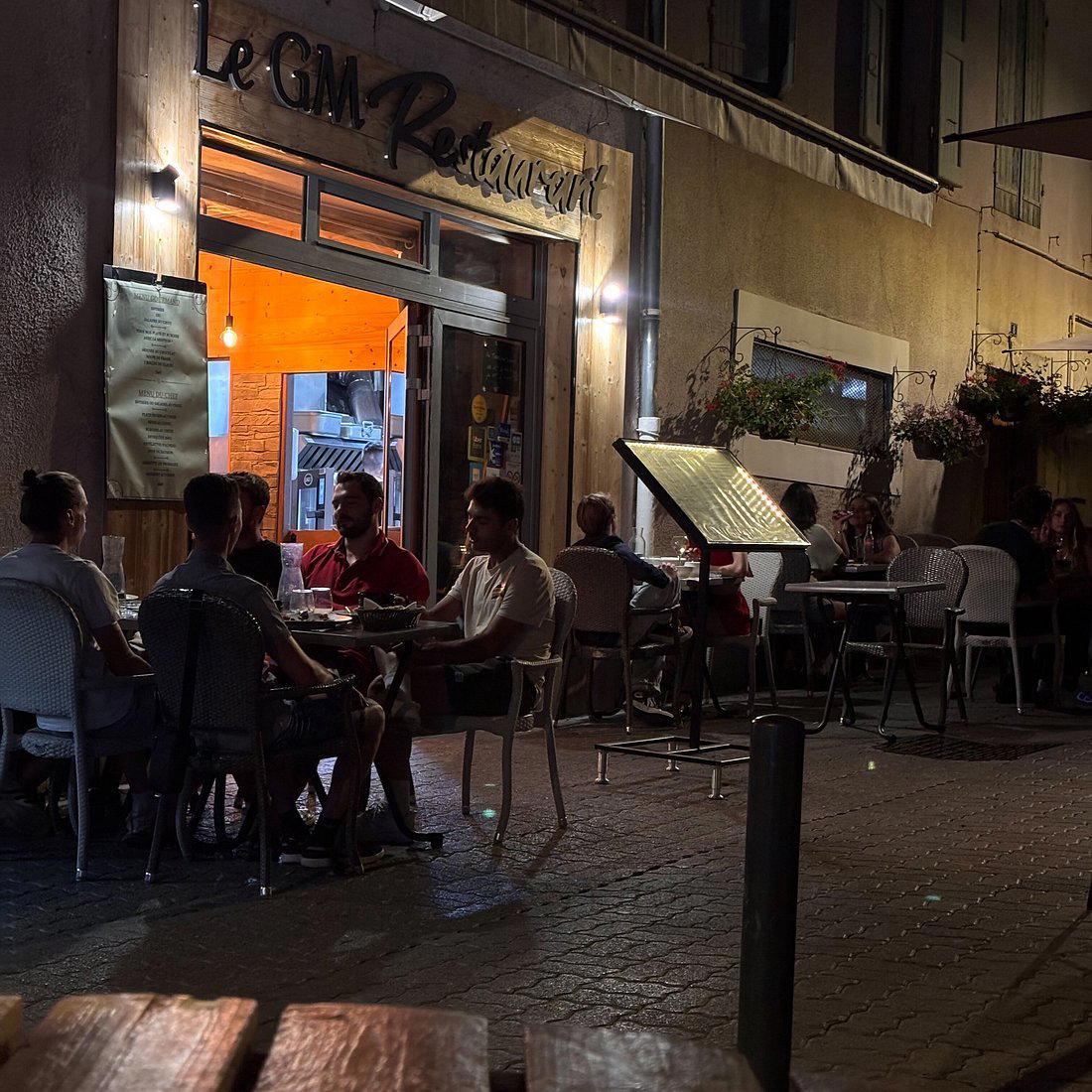
Bars in Veynes
Browse all →
Hotels in Veynes
Browse all →
Wineries in Veynes
Browse all →
Details
- Elegant
- Cozy
- Intimate
- Rustic
- Sophisticated
- Date Night
- Special Occasion
- Terrace
- Historic Building
- Wine Cellar
- Extensive Wine List
- Local Sourcing
- Garden
- Set Menu
Elegant and refined interior with cozy fireplace room, veranda, and garden terrace; calm and relaxing atmosphere.