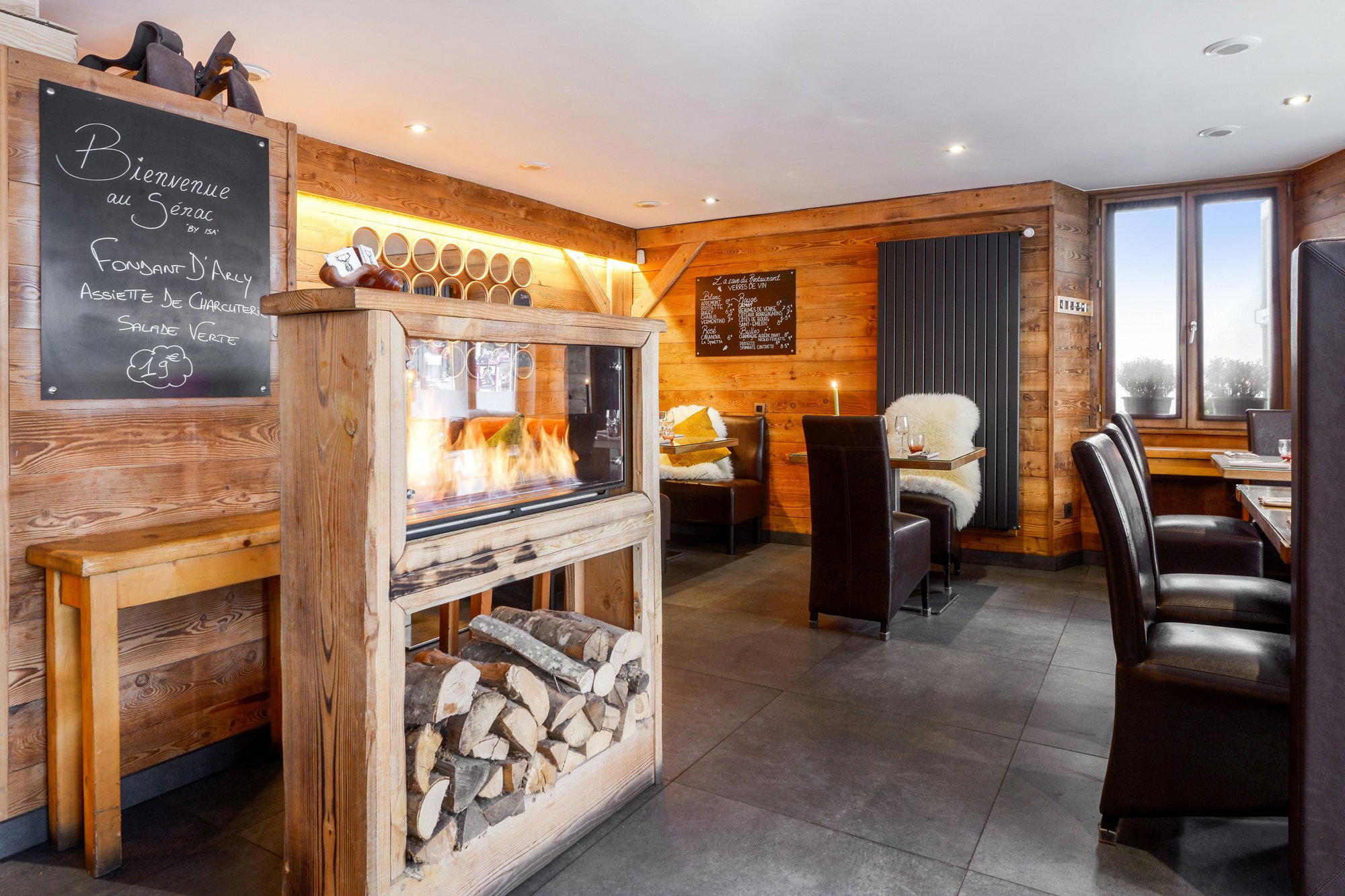
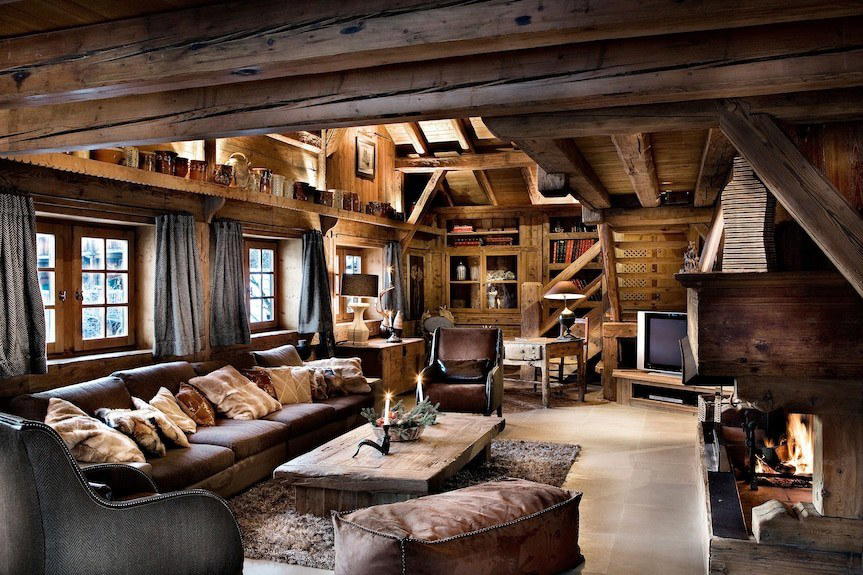
"A Landmark Restaurant Le Sérac demonstrates that not all fabulous fondue spots must be tucked away inside a mountainous Alpine chalet. This restaurant, located on Chamonix 's mainstreet, serves a host of Savoyard classics, including the well-known bubbly-cheese delight, as well as precise modern French fare, plus a kid's menu. While there are elements oftraditional Haute Savoie ambience, such as thewood-planked walls, the restaurant's decor holds a touch of contemporary sheenwith aglassfireplace and modern furniture. During the warmer months, choose a table on the outside terrace, a great spot for people watching."
- Address
- 148 Rue du Dr Paccard, 74400 Chamonix-Mont-Blanc, France
- Phone
- +33 4 50 55 88 67
- Website
- leserac.fr
- Directions
- Get directions
Dining at Altitude: What to Know Before You Go
Chamonix sits at the base of Europe's highest peak, and the town's dining culture reflects that geography more than most alpine resorts. The restaurants here split between two broad categories: casual mountain brasseries designed for skiers with boots still on, and a smaller tier of table-service restaurants that take the cuisine seriously enough to warrant planning. Le Sérac, a casual restaurant in Chamonix-Mont-Blanc serving Traditional Savoyard & French Alpine cuisine at about $35 per person, belongs to that second group. The address places it squarely in the pedestrian core, where the crowds thin in the evening and the mood shifts from après-ski noise to something more deliberate.
Alpine fine dining in France has its own logic. At destinations like Megève, where Flocons de Sel in Megève holds three Michelin stars and operates at a level that competes with the leading restaurants in the country, the mountain setting is treated as context rather than constraint. Chamonix operates on a slightly different register: less fashion-resort, more serious mountaineering town, which tends to produce a dining culture that is less theatrical and more grounded. Restaurants like Le Sérac occupy the upper-middle tier of that scene, serving a clientele that is often international, frequently well-travelled, and not especially interested in novelty for its own sake.
The Setting and the Approach to the Meal
Rue du Dr Paccard is one of Chamonix's main pedestrian arteries, running roughly parallel to the Arve river and lined with a mix of sports retailers, chocolatiers, and restaurants. In winter, the street is lit by the ambient glow of shop fronts and the occasional terrace heater; in summer, it fills with hikers returning from the Aiguille du Midi or the Mer de Glace. Le Sérac sits within that flow rather than apart from it, which means the approach to dinner here is unhurried and accessible in a way that more remote mountain restaurants cannot manage.
The broader pattern in alpine dining is that the physical environment shapes format significantly. High-altitude restaurants, such as Le 3842 at the summit of the Aiguille du Midi cable car, operate under logistical constraints that define the experience as much as any menu decision. At street level in central Chamonix, the kitchen has more freedom, and restaurants in this position tend to lean toward Savoyard tradition, French technique, or some combination of both. The region's larder, including Beaufort cheese aged in mountain caves, reblochon, charcuterie from the Vallée de Chamonix, and locally sourced game, gives any serious kitchen meaningful material to work with.
Planning the Visit: Lead Time and Logistics
Chamonix's seasonal rhythm creates real pressure at the upper end of its restaurant market. The resort peaks twice: in winter from December through March, with the highest density in February during school holiday weeks across France, Switzerland, and the UK, and again in July and August when the summer hiking season draws a different but equally large crowd. Both windows compress demand across a relatively small number of table-service restaurants, and the better addresses fill quickly.
Anyone arriving in Chamonix during peak season without a reservation for their preferred dinner option will encounter limited choices. The practical recommendation is to book two to three weeks ahead for mid-season dates and further out for peak February or the first two weeks of August. This is consistent with the booking pattern at comparable alpine restaurants, including La Calèche and La Cabane Des Praz, both of which serve the same seasonal demand curve. For groups larger than four, lead time should extend further; alpine restaurants at this level typically hold fewer than fifty covers, and a table for six or eight represents a meaningful portion of the room.
Shoulder season, specifically late November before the ski season opens fully, and the window between mid-April and late June, offers easier access and often a quieter, more attentive service tempo. The trade-off is that some restaurants close entirely during these periods for staff breaks, so confirming opening dates before planning travel around a specific reservation is essential.
Le Sérac in the Context of Chamonix Dining
The Chamonix restaurant scene distributes across a wider range of price points and formats than many visitors expect. At the casual end, venues like Burger "Poco Loco" and Crémerie du Glacier serve the high-volume, post-activity crowd that forms the economic backbone of any resort town. The upper tier is thinner. France's tradition of serious mountain cooking, represented nationally by institutions like Bras in Laguiole, Georges Blanc in Vonnas, and the multigenerational model at Auberge de l'Ill in Illhaeusern, has a regional echo in Haute-Savoie, where the raw materials justify ambition and the clientele can support it.
The restaurant occupies a position in that upper-middle range without the formal apparatus of a Michelin-starred operation. This is not a criticism. The absence of that institutional layer often produces a more direct dining experience, where the kitchen's decisions are visible in the plate rather than filtered through a tasting-menu architecture designed for awards consideration. French restaurants at this level, from the Loire Valley to the Alpine corridor, often deliver more honest value than their starred counterparts in major cities like Alléno Paris au Pavillon Ledoyen in Paris, where property costs and institutional expectations add significant overhead to the meal price.
For visitors building a broader France itinerary around serious eating, Chamonix slots naturally into a route that might also include Troisgros - Le Bois sans Feuilles in Ouches or Les Prés d'Eugénie - Michel Guérard in Eugénie-les-Bains. It also works as a stand-alone destination for those whose primary interest is the mountains and who want one good dinner in the middle of an active week.
What to Expect and How to Prepare
The practical advice is to plan ahead before arrival. This is consistent with leading practice for any alpine restaurant, where seasonal closures, special event nights, and reduced-capacity service periods are common enough to make assumptions unreliable. Allergies and dietary requirements should be communicated at the time of booking rather than on arrival; kitchens in smaller alpine restaurants, which typically run with lean brigade structures, manage substitutions more effectively with advance notice.
The address at 148 Rue du Dr Paccard places the restaurant within walking distance of the main Chamonix bus and train connections. Driving into central Chamonix during peak season involves significant parking constraints, and most visitors staying within the town centre find that on-foot logistics work better for evening dining.
Side-by-Side Snapshot
Comparable venues nearby, for context on price, style, and recognition.
| Venue | Cuisine | Price | Notes |
|---|---|---|---|
| Le SéracThis venue — the venue you are viewing | Traditional Savoyard & French Alpine | $$ | Not listed |
| Plan Joran - Food Court | Mountain Food Court | $$ | Argentière |
| Restaurant La Crèmerie du Glacier | Traditional Savoyard Alpine Bistro | $$ | Argentière |
| Crémerie du Glacier | Traditional Savoyard | $$ | Argentière |
| Le 3842 | Traditional Savoyard French | $$$$ | Aiguille du Midi |
| La Cabane Des Praz | Modern French with Savoyard Specialties | $$$ | Les Praz |
Continue exploring
More in Chamonix
Restaurants in Chamonix
Browse all →
Bars in Chamonix
Browse all →
Hotels in Chamonix
Browse all →

At a Glance
- Cozy
- Rustic
- Classic
- Well Known
- Family
- Group Dining
- Casual Hangout
- Date Night
- Terrace
- Standalone
- Beer Program
- Local Sourcing
- Street Scene
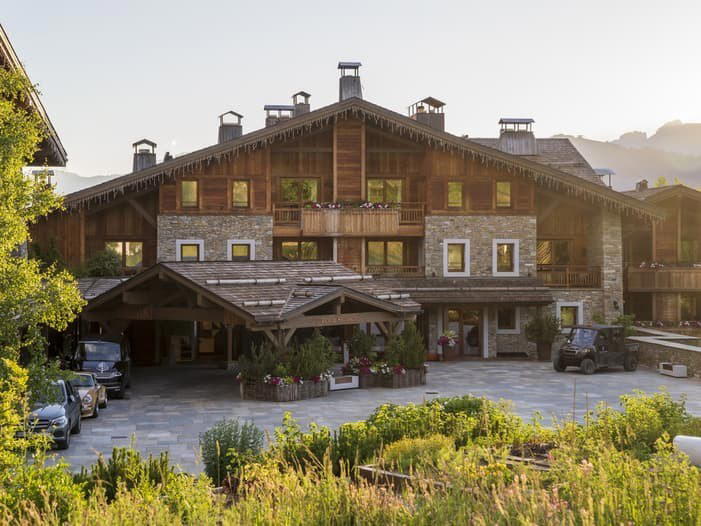
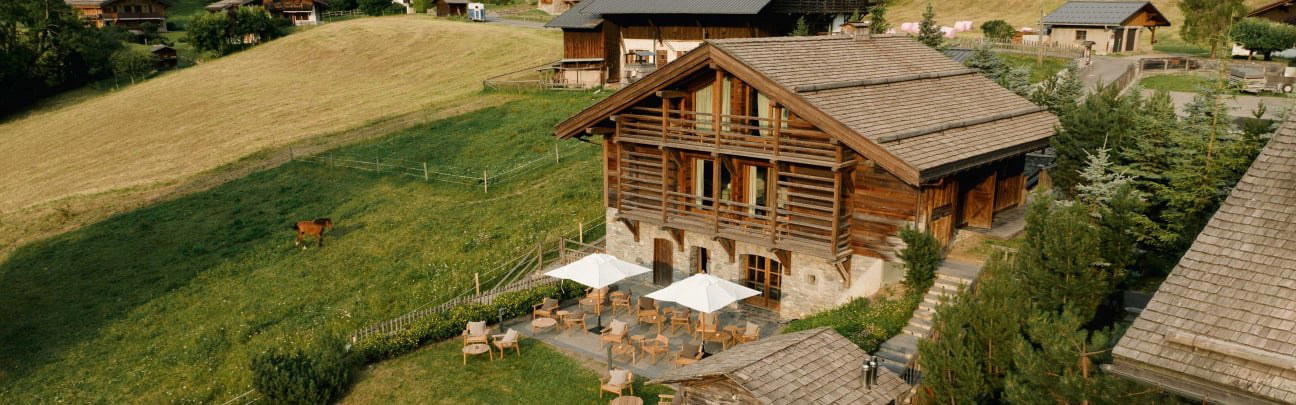
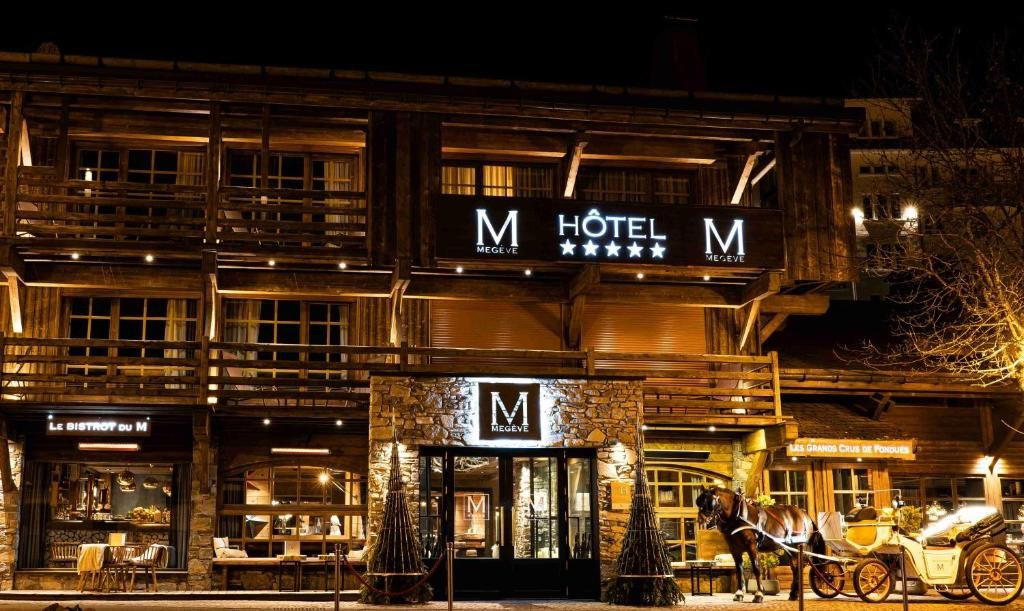
Warm wood-paneled interior with a glass fireplace and modern furnishings, creating a blend of traditional Haute-Savoie charm with contemporary touches; outdoor terrace ideal for people-watching during warmer months.